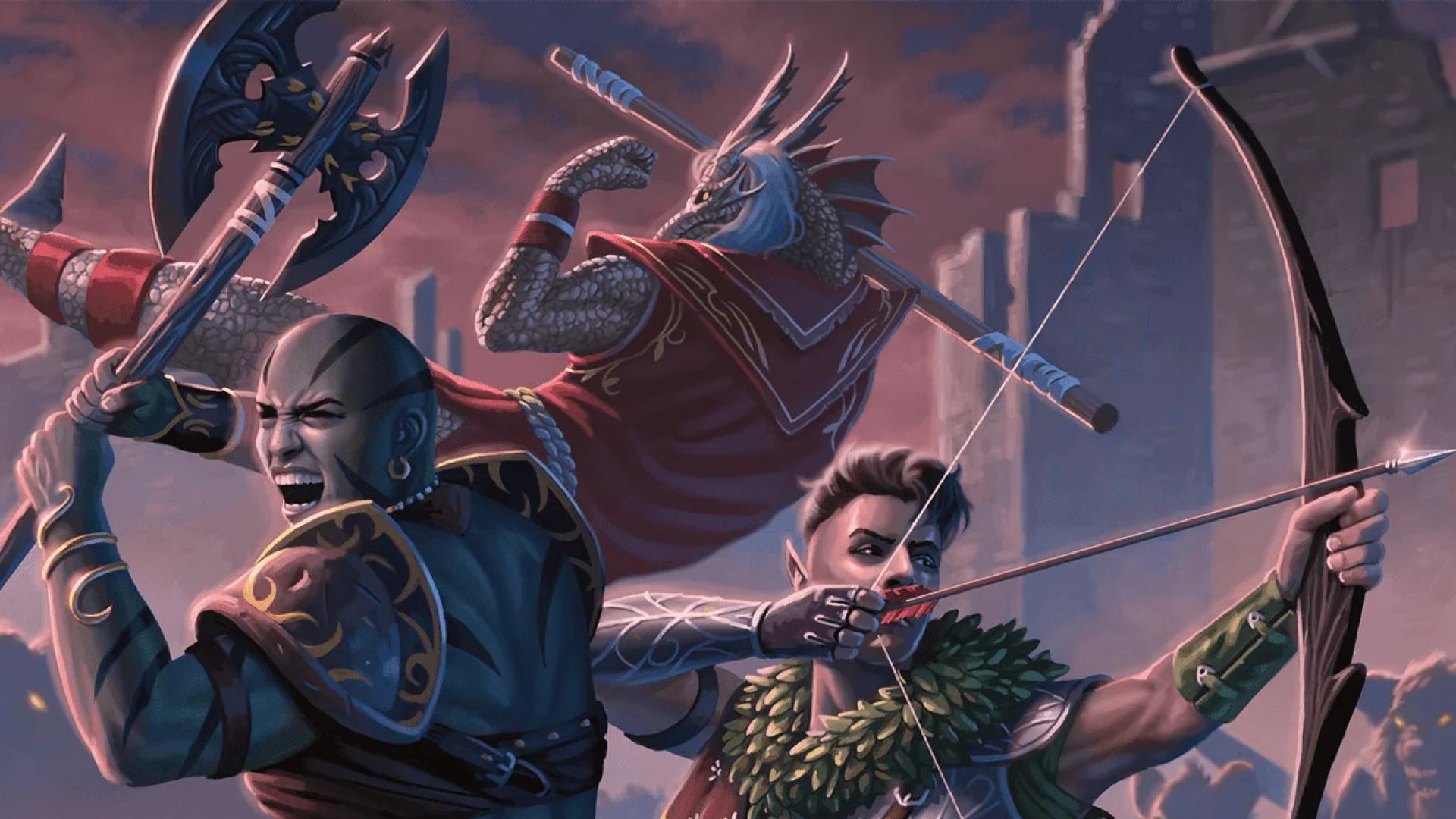
The Monk is one of the original and most recognizable classes in Dungeons & Dragons. They’re known for incredible agility – like running on walls and water, deflecting projectiles, surviving falls from great heights, and stunning opponents with precise strikes. The Monk feels like it was inspired directly by classic martial arts films. With a clear East Asian influence, it arguably has the most distinct and memorable theme of any class in Dungeons & Dragons history.
The new 2024 Player’s Handbook for Dungeons & Dragons has unfortunately lost some of the distinctive flavor of the Monk class. Several key features were simplified and given more general names, which makes the Monk feel less unique. Removing these established elements after so many years was surprising, and now the class struggles to maintain a strong and clear identity.
The Monk Lost Most of Its Flavor in D&D 2024
The Fraught History of the Monk Class Through the Years
The Monk character class first appeared in the 1975 supplement Blackmoor for the original Dungeons & Dragons game. Initially, it was a variation of the Cleric class, focusing on unarmed combat, agility, and self-healing instead of traditional weapons, armor, or spells. It became a standard class in Advanced Dungeons & Dragons, and its design continued to develop in Oriental Adventures, gradually becoming the East Asian-inspired martial artist that players know today.
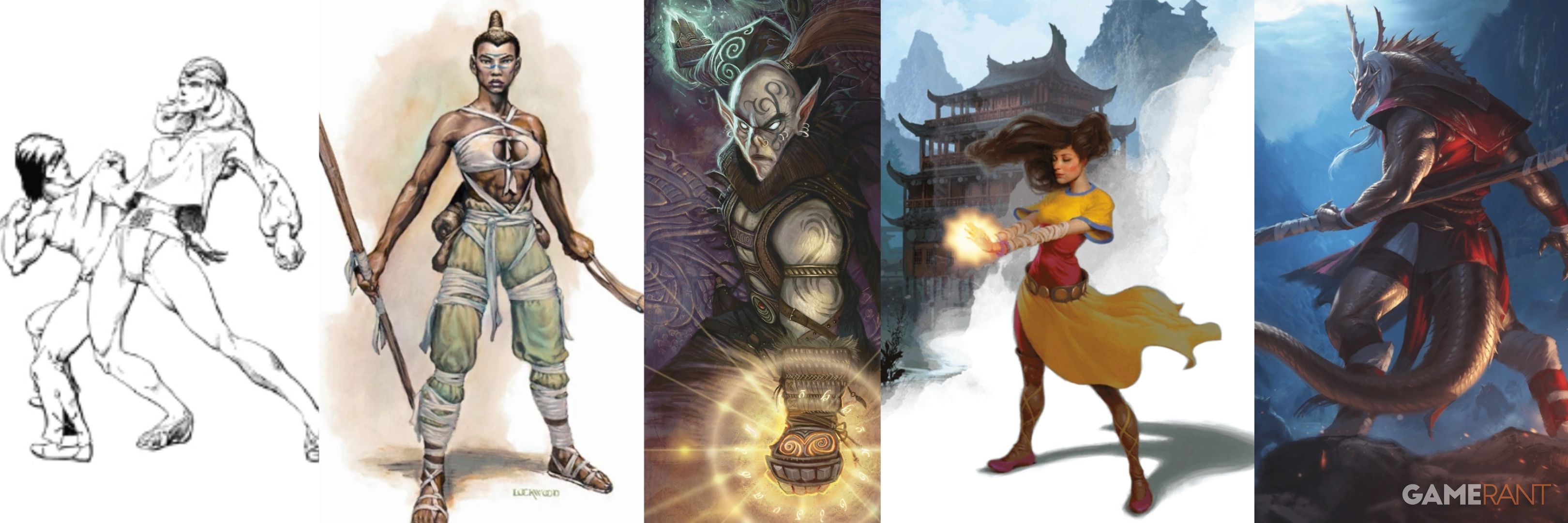 Game Rant | Source Images: TSR, Wizards of the Coast
 The Monk and the Assassin were both the sixth player class introduced to Dungeons & Dragons. Before them came the Fighting-Man, Magic-User, Cleric, Thief (added in Supplement 1), and Paladin (from Greyhawk).
The Monk class went through several changes in Dungeons & Dragons. It was removed from the main character options in the Second Edition, though Clerics could gain some similar abilities. Later, it was brought back as a full class, but many of its original powers were replaced with spellcasting. The Third Edition fully restored the Monk with all its classic features, and the Fourth Edition continued this trend, even adding Psionic abilities.
Who’s That Character?  Identify the silhouettes before time runs out.
Results
High Score: 0 —
The original Monk class in the 5th Edition of Dungeons & Dragons brought martial arts back to the forefront, being included as one of the twelve starting classes. It drew heavily on East Asian themes and included abilities like Ki, Stillness of Mind, and Purity of Body. However, the updated Monk in the 2024 Player’s Handbook, released ten years later, made many of these features more general by removing or renaming them.
- Ki Points renamed to Focus Points
- “Way of” subclass title is now “Warrior of” (Way of Shadow becomes Warrior of Shadow, etc.)
- Ki-Empowered Strikes reworked into Empowered Strikes
- Purity of Body partially reworked into Self-Restoration
- Stillness of Mind partially reworked into Self-Restoration
- Tongue of Sun and Moon removed
- Diamond Soul renamed to Disciplined Survivor
- Timeless Body removed, part of it folded into Self-Restoration
- Empty Body renamed and reworked into Superior Defense
- Perfect Self replaced by Body and Mind
The recent major changes to the Monk class in Dungeons & Dragons after almost 50 years have surprised many players. Those familiar with using Ki Points for years now face new terminology, and the class’s unique martial arts theme feels less distinct. While Wizards of the Coast intends the D&D 2024 rules to last for a long time, there’s still a possibility of future editions, raising concerns that the Monk could be altered again down the line.
For a long time, the Monk class has been considered weaker compared to others in D&D. However, recent updates in the 2024 Player’s Handbook have significantly improved the Monk, making it a strong and viable choice for players.
The D&D 2024 Monk Is a Step (of the Wind) In the Right Direction
Flavor Doesn’t Need To Be Codified In the Dungeons and Dragons Books
Ultimately, this change is a positive one. The original depiction of the Monk class drew heavily from East Asian themes, but unfortunately, it did so using harmful stereotypes. The sourcebook, Oriental Adventures, which greatly influenced the Monk’s design, has been criticized for this for decades. While the Monk in the 2014 edition of Dungeons & Dragons still showed traces of these issues, the recent 2024 update has significantly addressed and removed them.
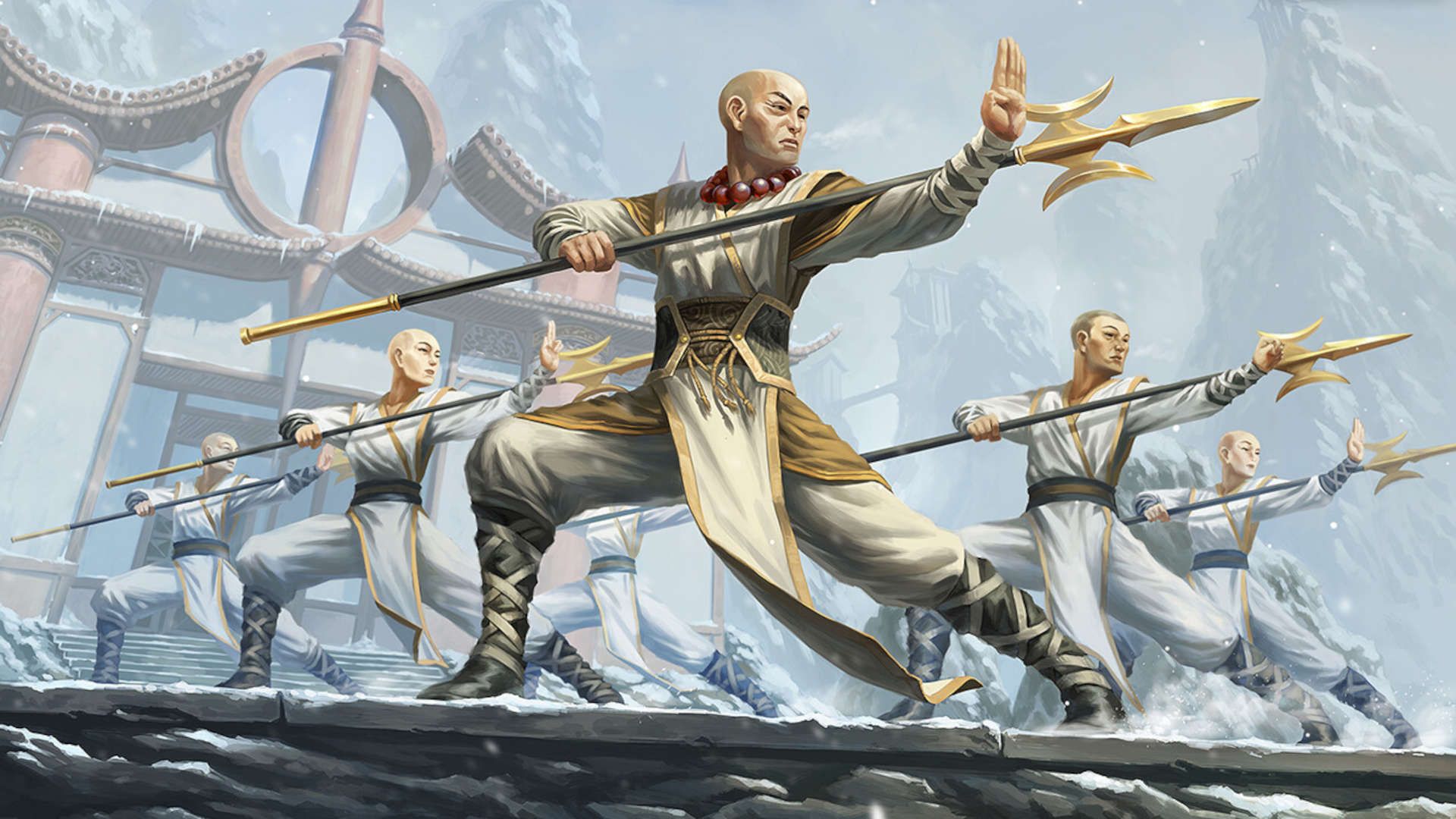 Image via Wizards of the Coast
 Wizards of the Coast could have gone further with recent changes to the Monk class in D&D. They updated the names of many Monk features and subclasses, but they also could have renamed the class itself – perhaps to “Martial Artist.” The name “Monk” is rooted in stereotypes from some East Asian cultures and represents a problematic part of the class’s history. While the name is well-known, the 2024 rules update would have been a good opportunity to address this.
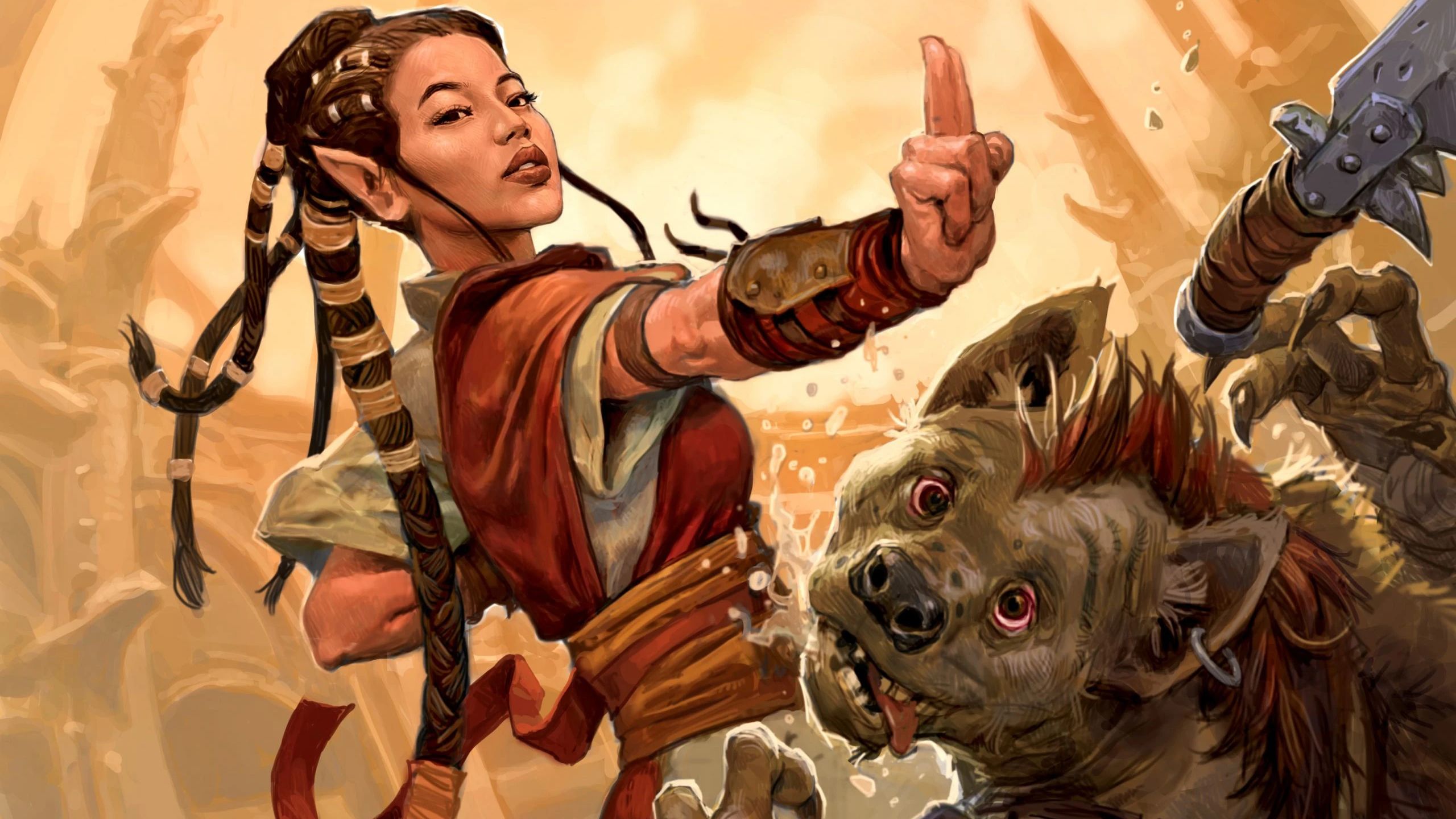 Image via Wizards of the Coast
 The controversy surrounding the Monk class and its cultural origins hasn’t been resolved, and rules could easily revert to older terms like “Ki Points” or portray Monks as East Asian martial artists. However, moving away from these established themes actually allows for greater flexibility and encourages new Dungeon Masters and players to feel empowered to customize their games and aren’t limited by what’s written in the rulebooks.
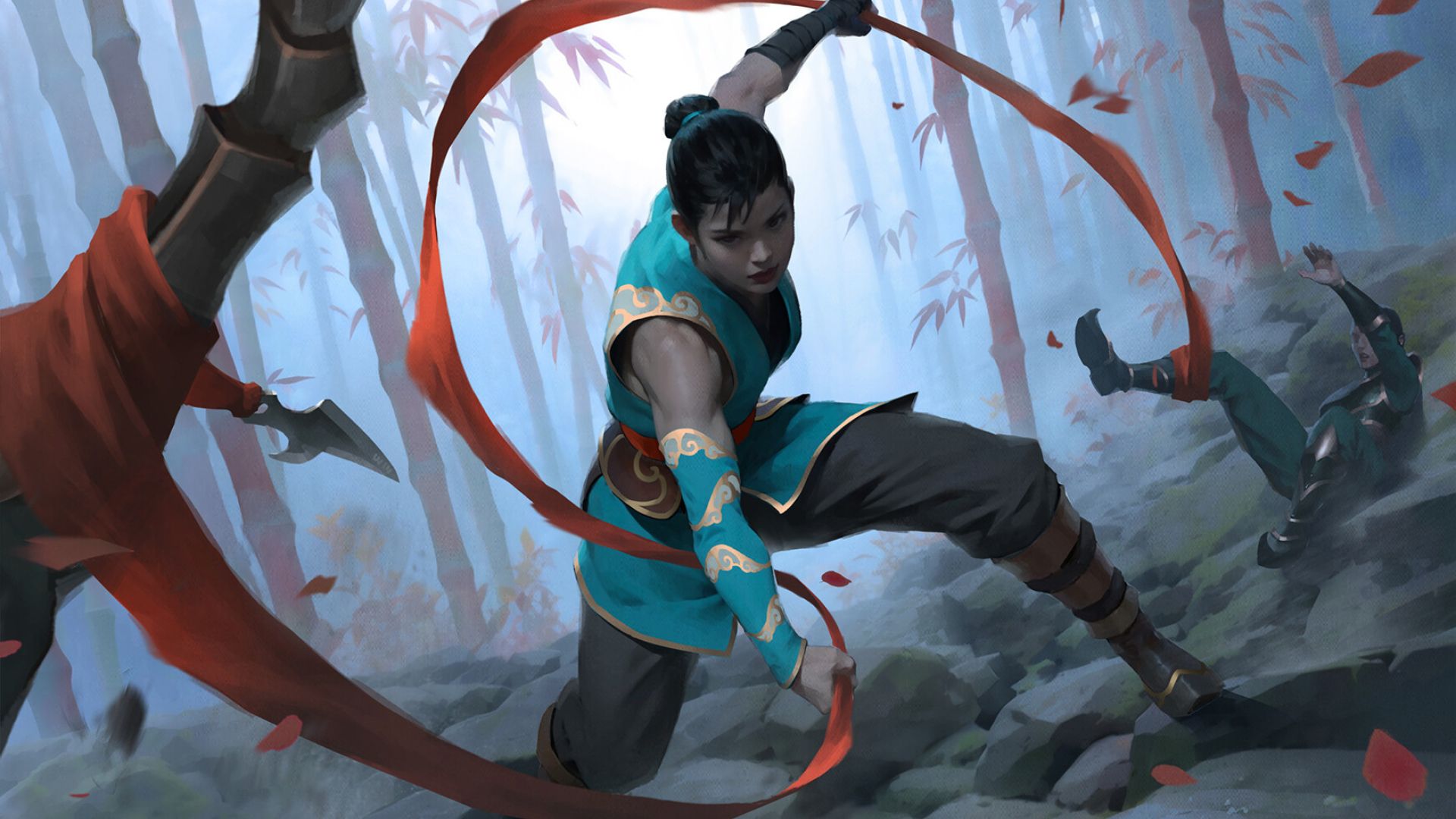 Image via Wizards of the Coast
 A common saying among players of Dungeons & Dragons is “Flavor is free.” This means you can personalize how your character’s powers look and feel – their thematic expression – as long as it makes sense within the game world, your Dungeon Master approves, and it doesn’t change how the game actually works. Because of this principle, players can now create D&D Monks inspired by a wide range of characters – like Bruce Lee, Liu Kang, Chuck Norris, or Tifa Lockhart – since the class has largely moved away from outdated East Asian stereotypes.
Read More
- All Skyblazer Armor Locations in Crimson Desert
- One Piece Chapter 1180 Release Date And Where To Read
- How to Get the Sunset Reed Armor Set and Hollow Visage Sword in Crimson Desert
- All Shadow Armor Locations in Crimson Desert
- All Golden Greed Armor Locations in Crimson Desert
- How to Beat Stonewalker Antiquum at the Gate of Truth in Crimson Desert
- All Helfryn Armor Locations in Crimson Desert
- Marni Laser Helm Location & Upgrade in Crimson Desert
- Black Sun Shield Location In Crimson Desert (Buried Treasure Quest)
- Grime 2 Map Unlock Guide: Find Seals & Fast Travel
2026-02-08 14:06