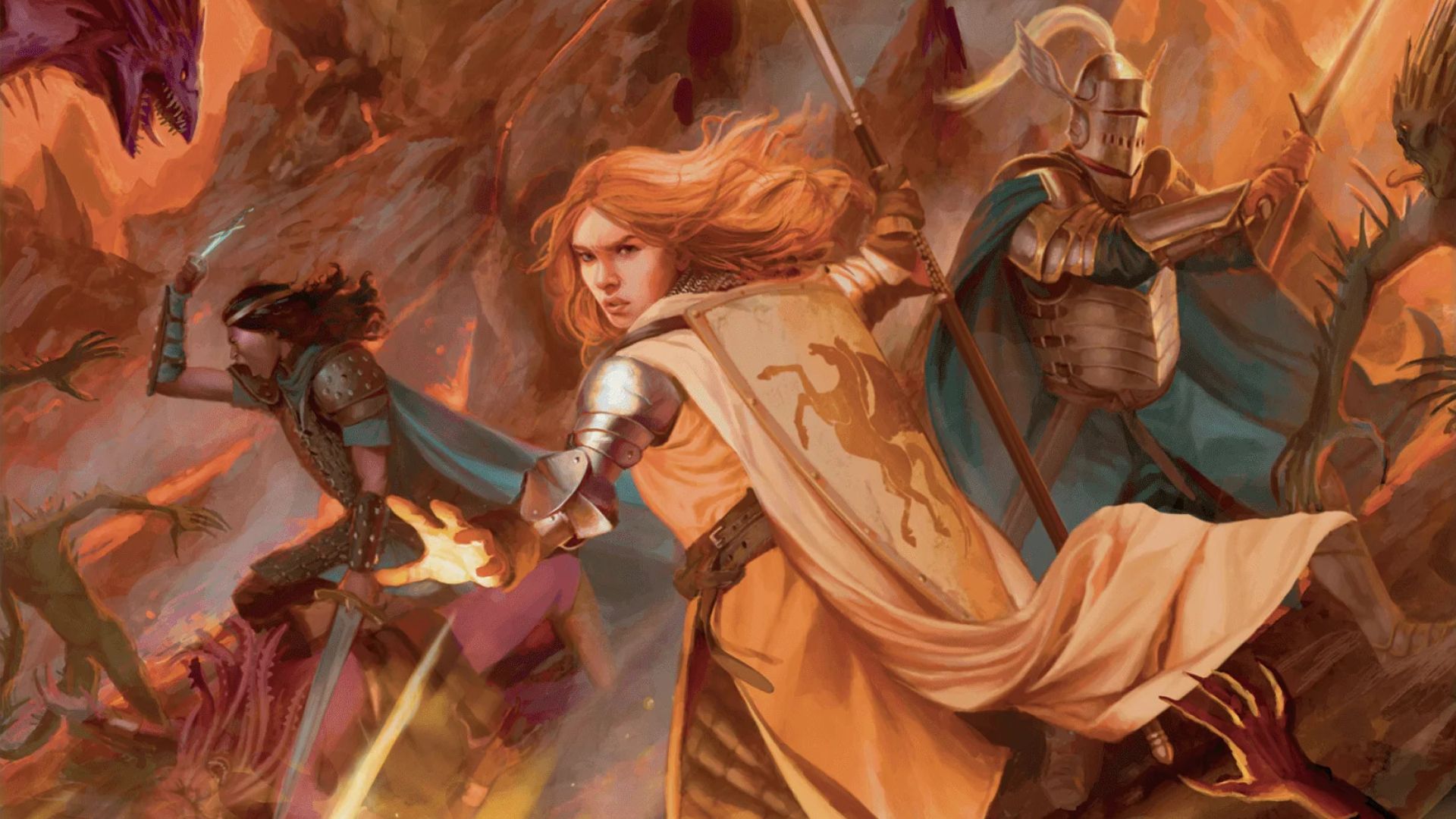
Choosing a class is one of the most important parts of creating a character in Dungeons & Dragons. It’s also important to think about what level the game will be when you start, because how useful a class is can change a lot depending on that. For instance, a Paladin might not feel very different from a Fighter at first, but they get much stronger once they unlock Aura of Protection. Similarly, Rogues can be quite fragile until they gain abilities like Uncanny Dodge and Evasion. Some classes are strong from the beginning, while others really shine later in the game.
- Tier 1: Levels 1–4
- Tier 2: Levels 5–10
- Tier 3: Levels 11–16
- Tier 4: Levels 17–20
When ranking Dungeons & Dragons classes, many players focus on Tiers 1 and 4, thinking of how classes perform at the start and end of typical campaigns. However, most official Dungeons & Dragons adventures actually conclude around level 12 – that’s the average maximum level. Popular campaigns like Ghosts of Saltmarsh, Rime of the Frostmaiden, Critical Role: Call of the Netherdeep, Strixhaven: A Curriculum of Chaos, and even the award-winning Baldur’s Gate 3 all finish at level 12. This makes sense, as there’s a significant power increase when characters reach level 13. Therefore, when evaluating classes in Dungeons & Dragons 5th Edition for 2024, it’s most useful to compare them as they function around this key level.
This tier list was created by carefully evaluating how strong characters are in battle, how well they use their abilities, how adaptable they are, how reliably they perform, whether they can use magic, and how much they contribute to a team.
S-Tier: Powerful Classes That Unlock Their Full Potential Early
- Cleric
- Paladin
- Sorcerer
- Warlock
Although Clerics in Dungeons & Dragons aren’t considered top-tier at very high levels, they become incredibly powerful at level 12. This is due to the Divine Intervention ability, which lets them cast almost any Cleric spell of 5th level or lower once per day, instantly and without needing expensive materials. While always helpful, this ability is especially strong at this level because those spells are nearly as powerful as anything else they can do. Being able to cast spells like Raise Dead, Hallow, or Greater Restoration immediately and for free can completely turn the tide of a battle, or even an entire adventure.
By level 12 in Dungeons & Dragons 5th Edition, Paladins are already incredibly strong thanks to their Auras of Courage and Protection, which significantly boost allies’ saving throws and protect them from being frightened. They also add extra radiant damage to every attack. Essentially, everything that makes the Paladin class top-tier by level 20 is already in place at this point – later abilities just add further benefits.
Okay, so as a Sorcerer player in D&D 5e, I might not have as many spells memorized as, say, a Wizard. But honestly, it doesn’t feel like a loss because of Metamagic. By level 12, I’ve already got four out of six Metamagic options, and that’s where things get really fun. I can crank up my damage with things like Quickened or Twinned Spell, keep my party safe with Careful Spell, or even sneak spells past enemies who are trying to counter me with Subtle Spell. Honestly, Metamagic is what really makes playing a Sorcerer unique and powerful, especially around level 12. It’s a total game-changer.
Warlocks are the most adaptable class in the game, allowing for a lot of customization and strong performance. However, they become less powerful at higher levels compared to other spellcasters who gain access to powerful spells like Wish and additional high-level spell slots. Level 12 is when Warlocks really shine. By this point, they have access to three 5th-level spells every short rest, a reliable source of damage with three Eldritch Blasts, and most of their key abilities through eight out of ten Eldritch Invocations. While many Warlocks consider combining their class with another after level 12, they are incredibly formidable casters until then.
A-Tier: Versatile Choices With Tools For Every Occasion
- Artificer
- Bard
- Fighter
- Wizard
The Artificer class in Dungeons & Dragons, introduced in Eberron: Forge of the Artificer, is already strong thanks to its magical items and the Flash of Genius ability. However, the real standout feature is Spell-Storing Item, which Artificers gain at level 11. This lets them – or even their Homunculus Servant – repeatedly cast powerful third-level spells like Dispel Magic, Fireball, or Haste, potentially turning the tide of battle. Because this ability doesn’t become more powerful at higher tiers, it’s particularly effective at level 12.
Bards are powerful and flexible spellcasters in Dungeons & Dragons, capable of learning almost any spell and also excelling at skill checks. They also offer great support to their team with Bardic Inspiration. This makes them a strong A-Tier class, but they fall just short of being S-Tier because they don’t get access to key abilities that unlock at higher levels – specifically their 14th-level subclass features, Superior Inspiration, and powerful spells like Words of Creation.
The recent rules update for Dungeons & Dragons 5th Edition significantly improved the Fighter class. While Fighters are strong at all levels, they really come into their own at the beginning of Tier 3 play. By level 12, they’ve gained access to powerful abilities like three attacks per round, their final use of Second Wind, and their fifth Weapon Mastery trait, giving them nearly everything they need to dominate combat—with the exception of Studied Attacks and features specific to their subclass.
Wizards are powerful spellcasters and rank highly, earning them a spot in A-Tier. However, they haven’t quite reached their full potential as an S-Tier class, even at level 20, because they’re relatively weak around level 12. Before level 18, Wizards mostly rely on their spellcasting and subclass abilities. Without the ultimate powers from their subclass and game-changing spells like True Polymorph and Wish found in Dungeons & Dragons, they don’t quite make it to the very top.
B-Tier: Solid Options With a Major Drawback
- Barbarian
- Druid
- Psion
- Monk
Barbarians are powerful characters in Dungeons & Dragons, known for their incredible resilience thanks to an ability called Relentless Rage. They become particularly formidable in close combat by level 12, gaining many of their key skills. However, they struggle with long-range attacks and are susceptible to mind control and psychic attacks. This weakness makes them vulnerable to enemies like flying creatures, spellcasters, and psionic beings—all common threats at higher levels. A Barbarian’s raw strength isn’t very helpful if they can’t reach their opponents, or if their abilities are used against their friends.
Druids are powerful spellcasters who can be a great asset to any Dungeons & Dragons group. However, they aren’t quite as versatile as Clerics or Wizards. Druids have a smaller selection of spells, and many of those require constant focus, which limits what they can do in combat. They also miss out on key spells that other classes have access to, like Raise Dead. While certain Druid specializations, such as the Moon Druid, can be very strong, the class generally doesn’t perform as well as a Cleric at the same level.
Okay, so there’s this new class for Dungeons & Dragons called the Psion – it’s not officially out yet, but they’re saying we’ll probably see it in 2026. As a full spellcaster, they’re a great addition to any party. But honestly, their spell list isn’t as huge as the Wizard’s, and their Psionic Discipline stuff doesn’t quite feel as powerful as a Sorcerer’s Metamagic. Plus, it takes a while – until level 12, actually – before their Psionic Discipline really starts to ramp up, so you might find yourself using up all your resources pretty quickly in the early levels.
Like other classes, the Monk faces challenges at level 12. Though they can unleash five attacks with Flurry of Blows, they burn through their focus points quickly. While a later ability helps with recovery, the lack of Perfect Focus makes it difficult to sustain that pace during long adventures without frequent short rests. Additionally, key defensive features like Deflect Energy, Disciplined Survivor, and Superior Defense aren’t available until higher levels, which can leave a level 12 Monk feeling vulnerable unless they have good equipment from Dungeons & Dragons.
C-Tier: Decent Classes That Must Sacrifice Performance For Utility
- Ranger
- Rogue
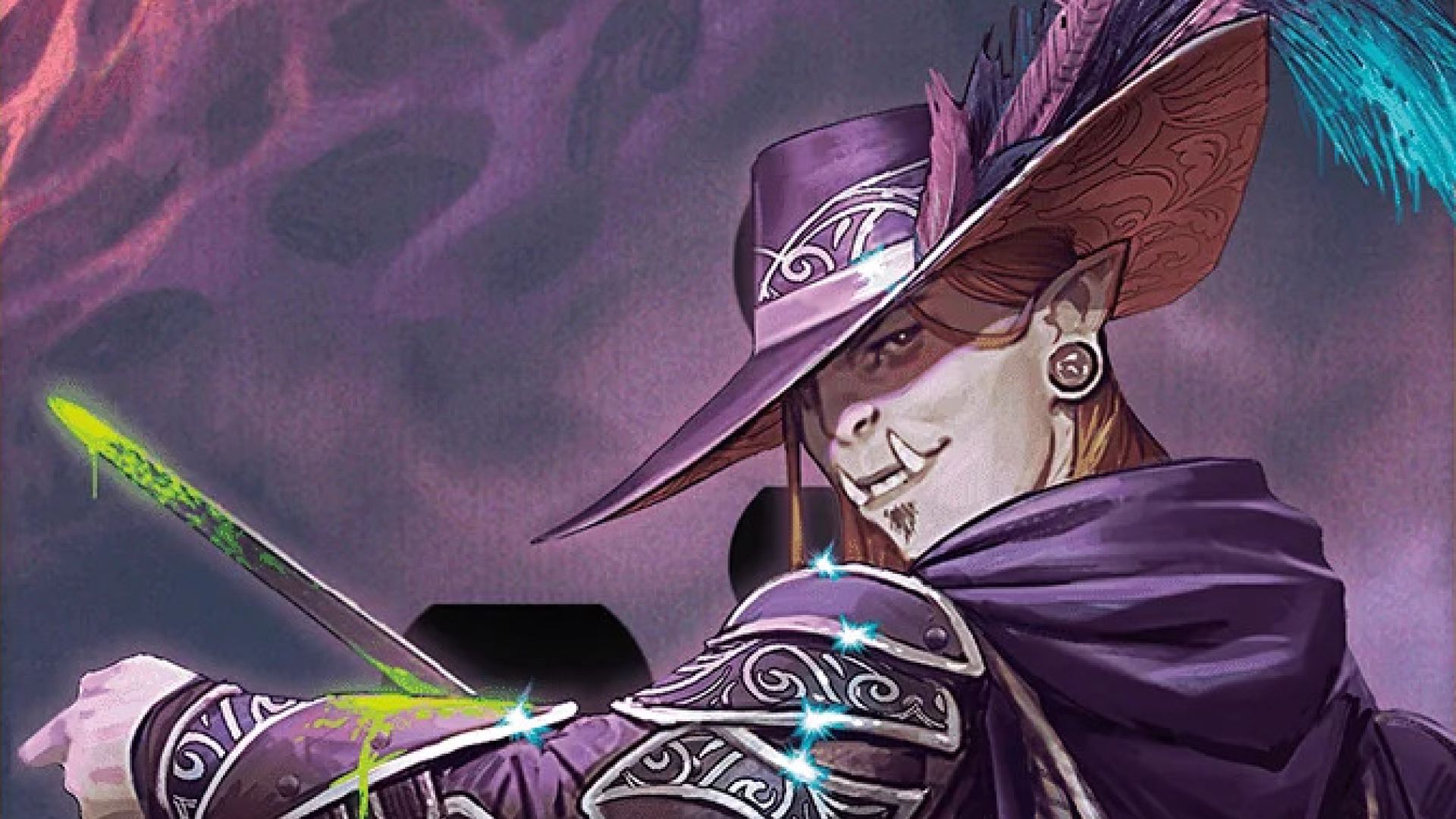
Since its release in 2014, the Ranger class in Dungeons & Dragons 5th Edition has consistently been considered one of the weakest. While recent updates in 2024 provided some improvements, it still hasn’t fully overcome this reputation. However, by level 12, a Ranger can become a solid member of any adventuring group. This is largely because they don’t have access to many high-level spells, which means Hunter’s Mark doesn’t face as much competition for their focus. Additionally, many abilities that enhance Hunter’s Mark, like Relentless Hunter and Precise Hunter, aren’t learned until after level 12, so Rangers don’t feel like they’re sacrificing as much by using it. Ultimately, the Ranger’s position isn’t worse than other classes simply because those classes haven’t pulled too far ahead, and it hasn’t developed features that would make Hunter’s Mark even more essential.
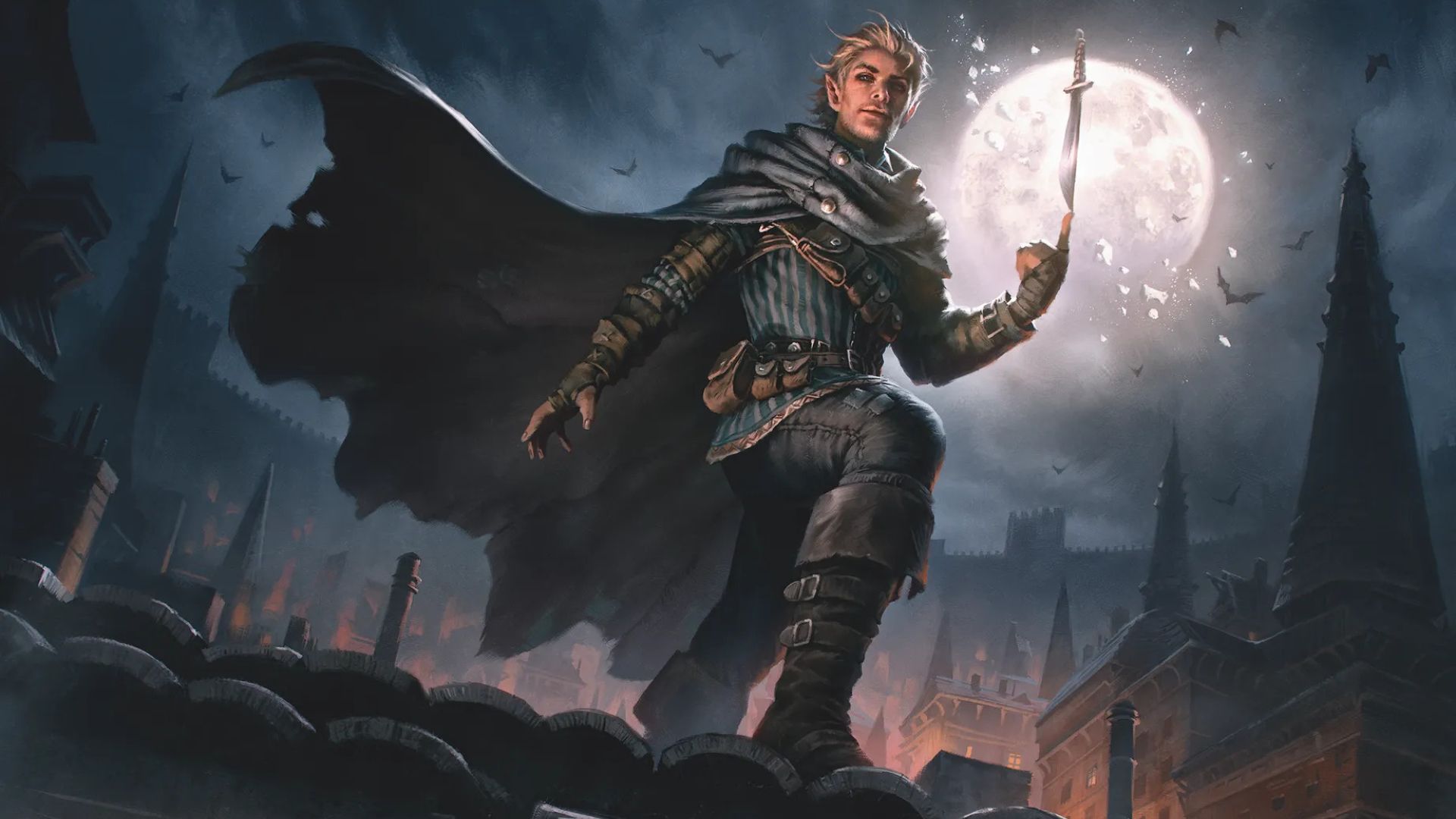
Finally, let’s look at the Rogue. While Rogues are generally a strong class, reaching level 12 feels a bit awkward. They get a boost to their abilities at level 10, but many of their most useful features are either available much earlier or come later on. In fact, their level 11 ability, Improved Cunning Strike, actually asks them to lower their sneak attack damage to have a better chance of weakening enemies. Rogues in Dungeons & Dragons are good at skill checks and can be surprisingly tough thanks to abilities like Evasion and Uncanny Dodge, but they might have trouble dealing consistent damage at the start of Tier 3, particularly when fighting multiple opponents.
Read More
- All Shadow Armor Locations in Crimson Desert
- Best Bows in Crimson Desert
- How to Get the Sunset Reed Armor Set and Hollow Visage Sword in Crimson Desert
- All Golden Greed Armor Locations in Crimson Desert
- Wings of Iron Walkthrough in Crimson Desert
- How to Craft the Elegant Carmine Armor in Crimson Desert
- All Helfryn Armor Locations in Crimson Desert
- How To Beat Ator Archon of Antumbra In Crimson Desert
- All Skyblazer Armor Locations in Crimson Desert
- Keeping Large AI Models Connected Through Network Chaos
2026-01-08 20:22