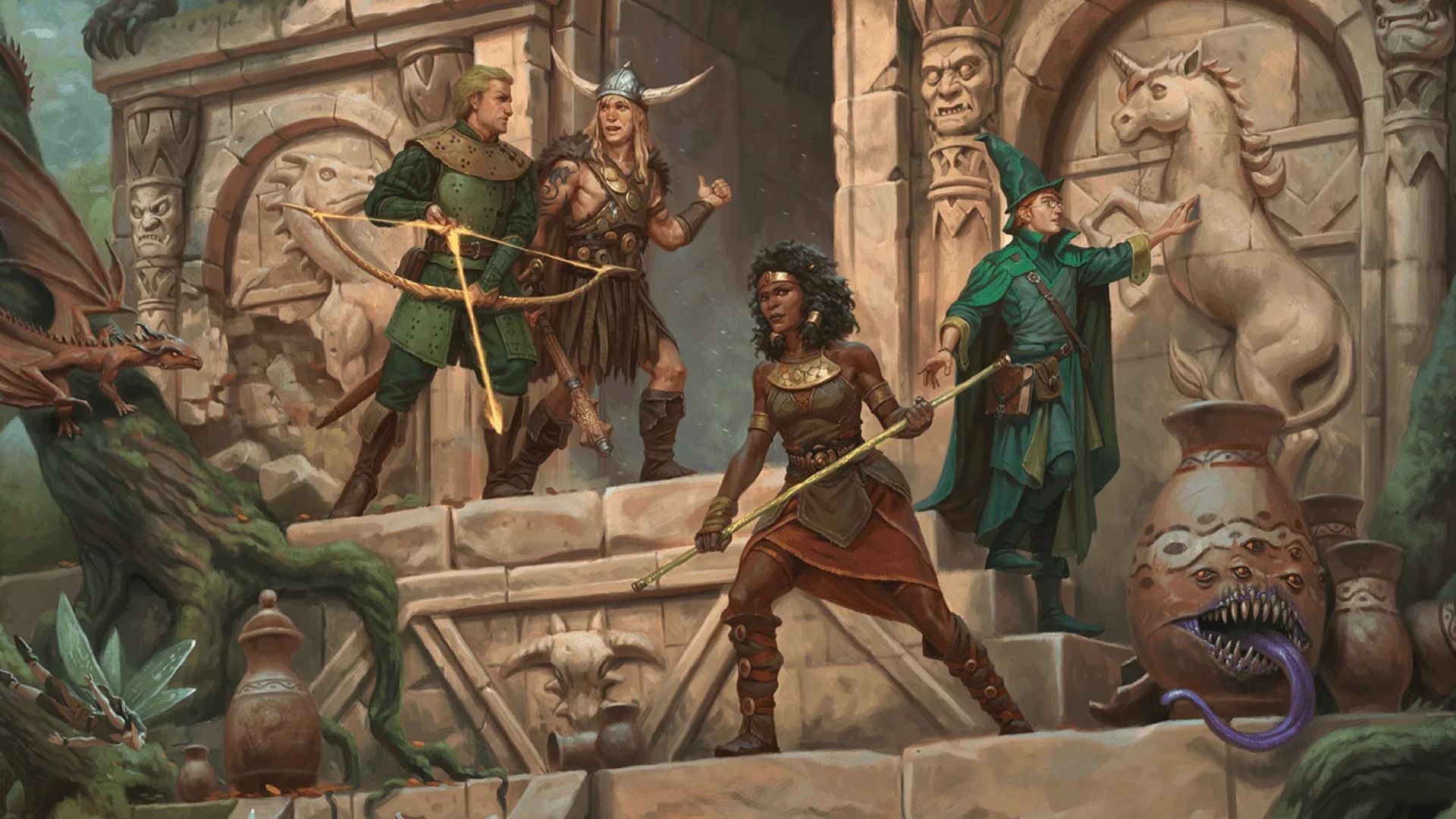
As a huge D&D fan, I’ve always thought choosing your character’s class is one of the most exciting parts of the game! Each class really lets you approach everything – fighting monsters, exploring the world, and talking to people – in a totally unique way. And while it’s rare to get a character all the way to level 20, those who do? They’re basically legendary heroes, capable of taking on anything, surviving incredible dangers, and even warping reality itself. It’s awesome!
In Dungeons & Dragons, some character classes are more powerful than others, and this difference becomes really noticeable at higher levels. While you can play any class, some are much better at succeeding in combat and other challenges. Here’s a look at how the classes in Dungeons & Dragons 5th Edition (as of 2024) compare to each other.
This list was created by considering how strong a character is in battle, their skill level, how adaptable they are, how reliably they perform, their access to strong magic, and how well they support their team.
S-Tier: Aura Farming and Wish Casting
- Bard
- Paladin
- Sorcerer
- Wizard
Okay, let’s be real, spellcasters in Dungeons and Dragons are seriously strong, and getting to 9th-level spells just makes it even worse for balance. There are tons of powerful spells, but Wish is the biggest problem, hands down. It’s completely broken! You can basically ignore all the usual rules – no casting time, no need for expensive materials, doesn’t even have to be on your prepared spell list. It can totally swing a battle in your favor – summon a huge tsunami, bring a fallen friend back to life with Resurrection, make a perfect copy of yourself with Simulacrum or Clone, or even give the whole party a quick breather with a mid-fight heal. Seriously, any full caster who can learn Wish – like a Bard, Sorcerer, or Wizard – instantly jumps to the top tier. They’re just that powerful.
Bards remain incredibly strong characters. They get to choose from a wide range of powerful spells, have skills as good as Rogues, and can boost their allies with Bardic Inspiration – and that’s before even considering what their specific subclass adds! Sorcerers, on the other hand, compensate for having fewer spells by using Metamagic and a new ability called Innate Sorcery, making them very effective. Plus, both classes rely on Charisma, which makes them naturally good at social interactions in D&D.
Wizards didn’t receive as many new abilities in the 2024 update to Dungeons & Dragons as some other classes, but that’s because they were already quite powerful. With the most spells of any class in D&D, Wizards have a solution for almost any situation—provided their Dungeon Master is willing to provide them with spell scrolls and enough gold.
The Paladin is unusual for a top-tier class because it’s not a full spellcaster and doesn’t get the powerful Wish spell. However, its Aura of Protection is so strong – giving the entire party a +5 bonus to all saving throws – that it’s essential in any group. This bonus is incredibly helpful when fighting the toughest monsters, which can have very difficult saving throw DCs (up to 27). While recent updates to Dungeons & Dragons have reduced the Paladin’s immediate damage output, the class remains top-tier thanks to its support abilities and a game-changing ability gained at level 20.
A-Tier: Wisdom Spellcasters and Comeback Kids
- Cleric
- Druid
- Fighter
- Monk
Clerics and Druids are powerful spellcasters with access to spells that can dramatically change the course of a battle, though they typically don’t get the Wish spell right away. A Cleric’s well-timed mass healing spell can negate a lot of damage, and a Druid’s ability to transform with Shapechange can provide strong advantages, like the breath weapon of a dragon. In Dungeons & Dragons 2024, Clerics can potentially gain access to Wish through a powerful ability called Greater Divine Intervention (or permanently if they choose the Arcana domain), and Druids can become incredibly tough by strategically using Wild Shape, particularly with the Circle of the Moon. Because both classes rely on Wisdom, they’ll also be naturally skilled in important areas like Perception and Insight.
Fighters weren’t very strong in the original 5th Edition of Dungeons & Dragons, but they’ve become much more powerful in the 2024 update. New abilities like Tactical Mind help them succeed at skill challenges, and an improved version of Indomitable protects them from effects that would normally cause automatic failures. Plus, they can now attack eight times in a single round twice per short rest, making them a constant danger to enemies, especially when combined with Weapon Mastery.
Okay, so the Monk used to be pretty good, but just couldn’t quite break into the top tier of characters. But now? Things are different. That Stunning Strike ability now actually sticks even if a boss has Legendary Resistance, which is huge. But honestly, what really makes the Monk amazing in D&D 2024 is hitting level 20 and getting that +4 to Dexterity and Wisdom. That bumps my AC way up – I’m talking probably at least 24! – meaning I can dodge hits easier than most heavily armored Paladins and Fighters. It’s seriously awesome.
B-Tier: Solid Classes With a Few Flaws
- Artificer
- Psion
- Warlock
The Artificer class, recently updated in the Eberron: Forge of the Artificer book, excels at equipping themselves and their allies with customized magical items. Recent changes to Spell-Storing Items are particularly powerful, allowing players to transform their Homunculus Servant into a versatile source of spells like Haste, Slow, or Fireball – consistently providing damage, helpful effects, hindering enemies, and even letting them maintain multiple concentration spells simultaneously. However, even with abilities like Flash of Genius and Soul of Artifice, the Artificer doesn’t quite match the power level of traditional spellcasting classes. Furthermore, most Artificer subclasses in Dungeons & Dragons, aside from the Battle Smith, feel somewhat underpowered.
The Psion is a fascinating character class offering unique abilities like moving objects with your mind, reading thoughts, altering your body, and teleportation. While it has a lot of cool features, its selection of spells isn’t as extensive as those available to Bards or Wizards, and its special abilities aren’t quite as powerful as a Sorcerer’s. It’s important to remember that the Psion is currently only available in playtest material called Unearthed Arcana, so its power level could change before the official release. It might become even stronger if adjustments are made before it’s officially published.
Warlocks in Dungeons & Dragons are arguably the most customizable and thoughtfully created class in the game. They can recover spells with a short rest, giving them consistent magical power, and the Eldritch Master ability lets them recharge their spell slots even more quickly once per day. Despite this strength, Warlocks sometimes fall behind other spellcasters at higher levels due to a limited selection of powerful spells and slow progression. This is why many players choose to combine the Warlock class with others, rather than playing a pure Warlock all the way to level 20.
C-Tier: Masters of Their Craft With Glaring Weaknesses
- Barbarian
- Rogue
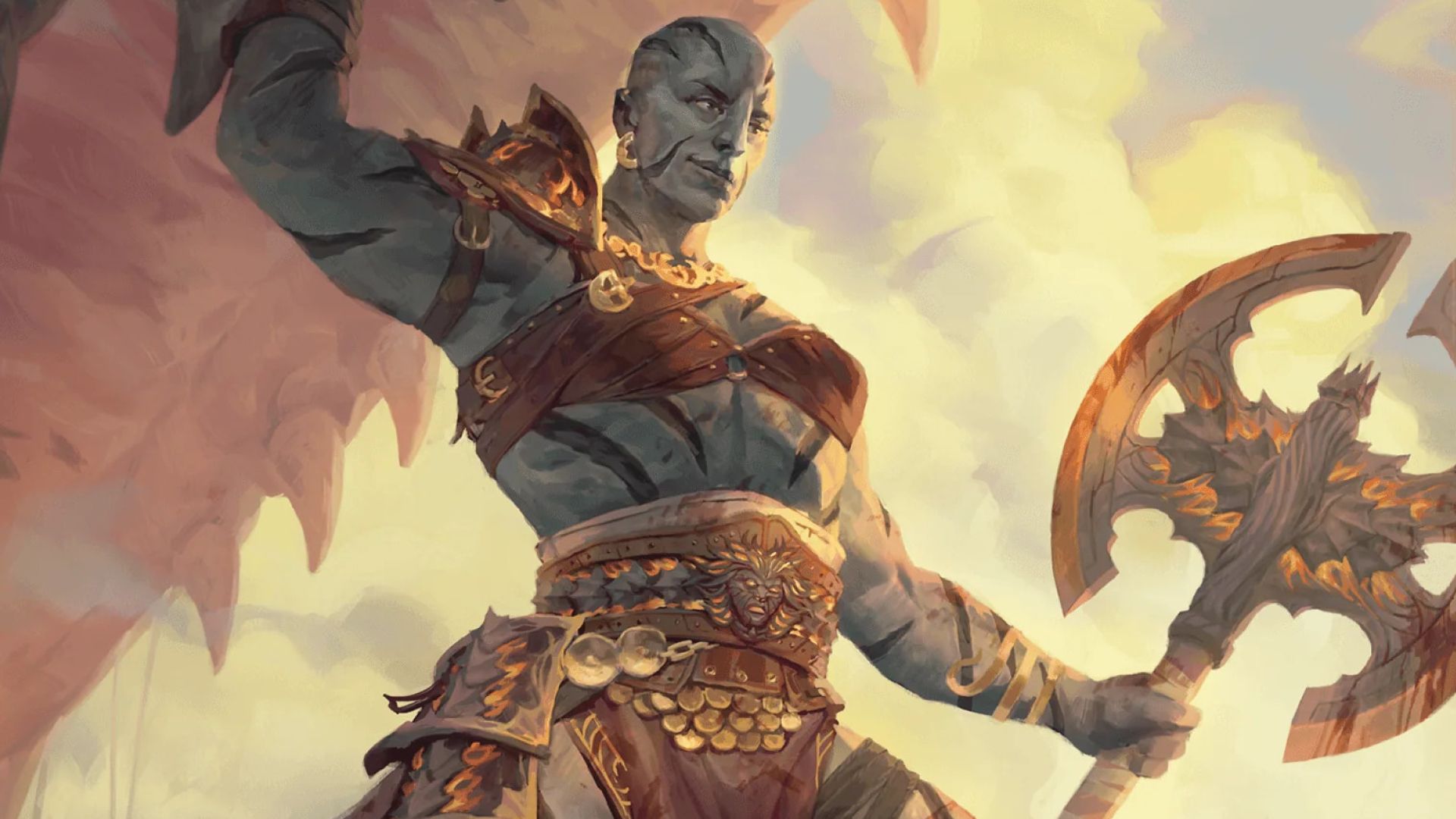
Barbarians in Dungeons & Dragons are incredibly powerful fighters, particularly when they reach level 20. Boasting exceptional Strength and Constitution (often reaching 24), they can inflict massive damage and withstand a lot of punishment. However, they have a significant weakness: they need to be right next to their enemies to be effective. Lacking reliable ranged attacks, and with low Wisdom and Intelligence, they struggle against certain threats and aren’t very versatile outside of combat. While they excel at close-quarters fighting – arguably better than any other class – these limitations place them in the C-Tier.
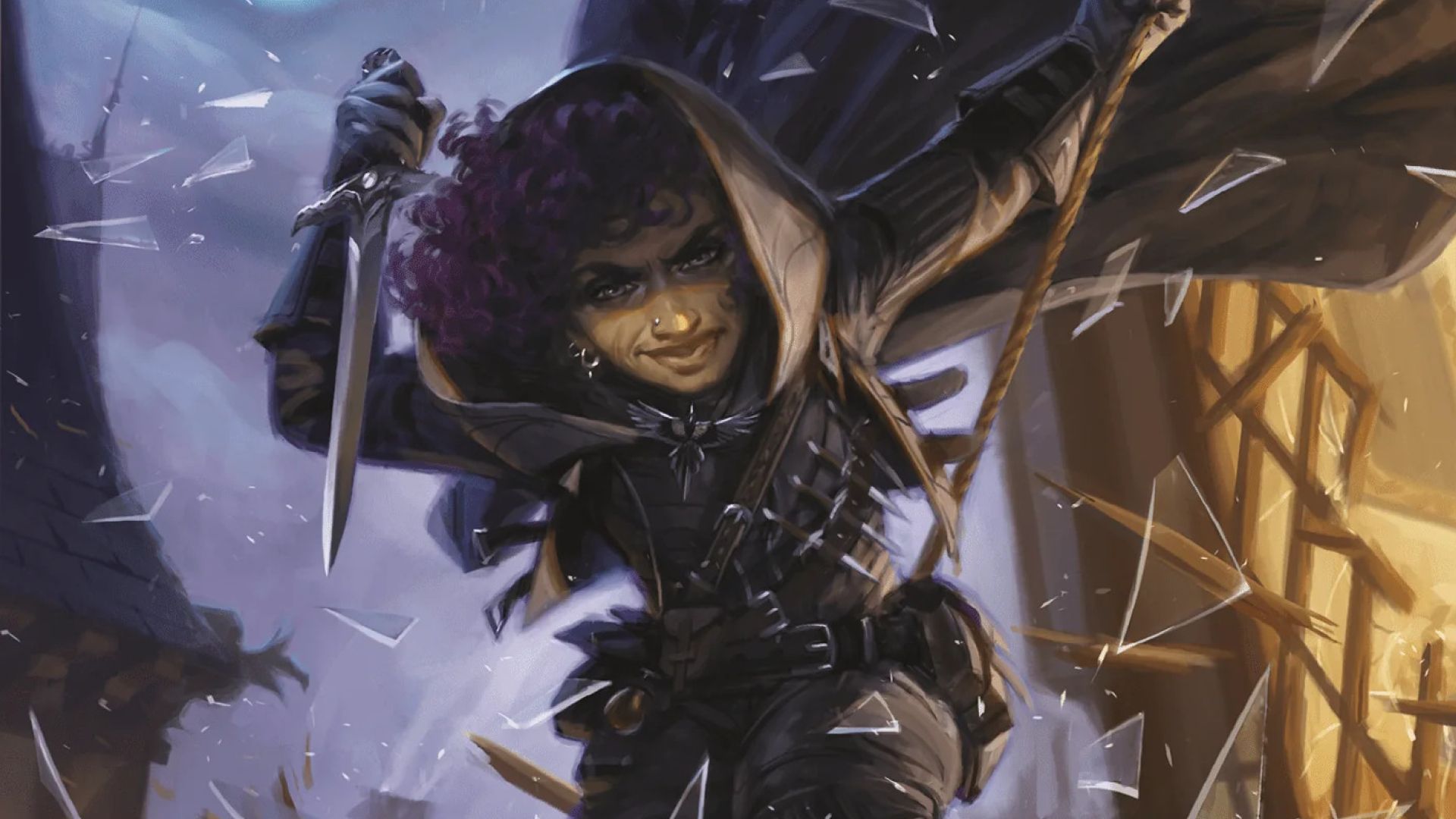
Rogues face a tricky situation: they’re incredibly useful for skill checks, making them a valuable asset to any Dungeons & Dragons party. They also have excellent defenses like Evasion and Uncanny Dodge, and the ability to guarantee a natural 20 once per short rest with Stroke of Luck is incredibly powerful, especially when combined with their Sneak Attack. However, Rogues struggle in battles with many enemies because they lack area-of-effect attacks. Their only way to hinder opponents also reduces their damage output. While other classes like Bards or Fighters might not excel in the same areas, they generally have fewer weaknesses.
D-Tier: The Most Unfortunate Class In Dungeons and Dragons
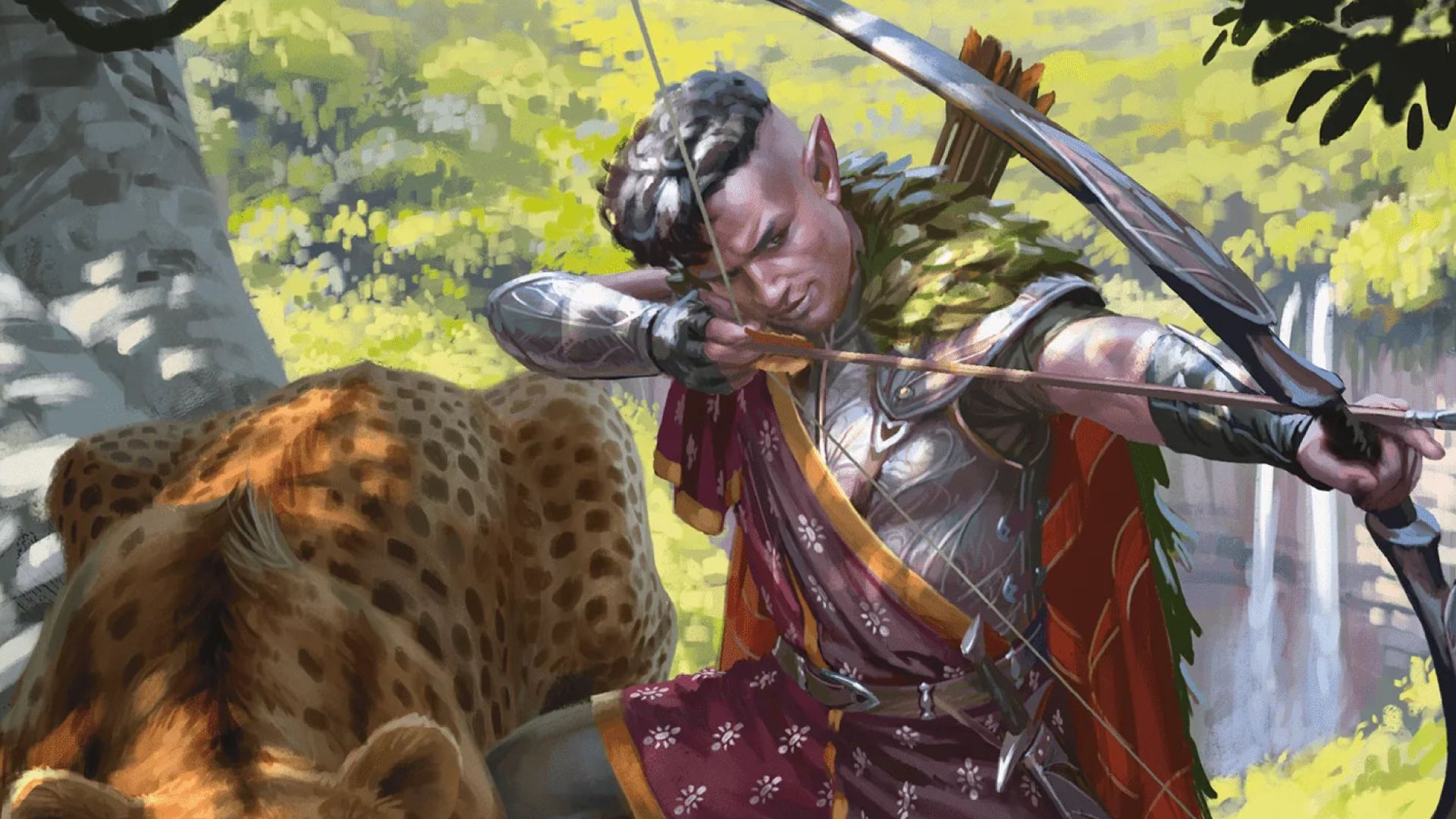 Image via Wizards of the Coast
 - Ranger
The Ranger class in Dungeons & Dragons has long been considered one of the weakest, and while the 2024 rules have improved things, it still struggles. A key problem is the continued reliance on the Hunter’s Mark spell. Even though it’s been updated, it still demands constant focus, which limits a Ranger’s ability to use other important abilities like Favored Enemy, Precise Hunter, and their ultimate Foe Slayer feature. Using concentration spells like Swift Quiver effectively shuts down these core class features. While the Ranger is better than it used to be, thanks to strong improvements to its subclasses, this central design issue keeps it from being a top-tier choice in D&D 2024.
Read More
- All Shadow Armor Locations in Crimson Desert
- Dark Marksman Armor Locations in Crimson Desert
- Sega Reveals Official Sonic Timeline: From Prehistoric to Modern Era
- Genshin Impact Dev Teases New Open-World MMO With Realistic Graphics
- How to Beat Antumbra’s Sword (Sanctum of Absolution) in Crimson Desert
- Where to Pack and Sell Trade Goods in Crimson Desert
- The Limits of Thought: Can We Compress Reasoning in AI?
- Top 5 Militaristic Civs in Civilization 7
- Who Can You Romance In GreedFall 2: The Dying World?
- Enshrouded: Giant Critter Scales Location
2026-01-03 04:06