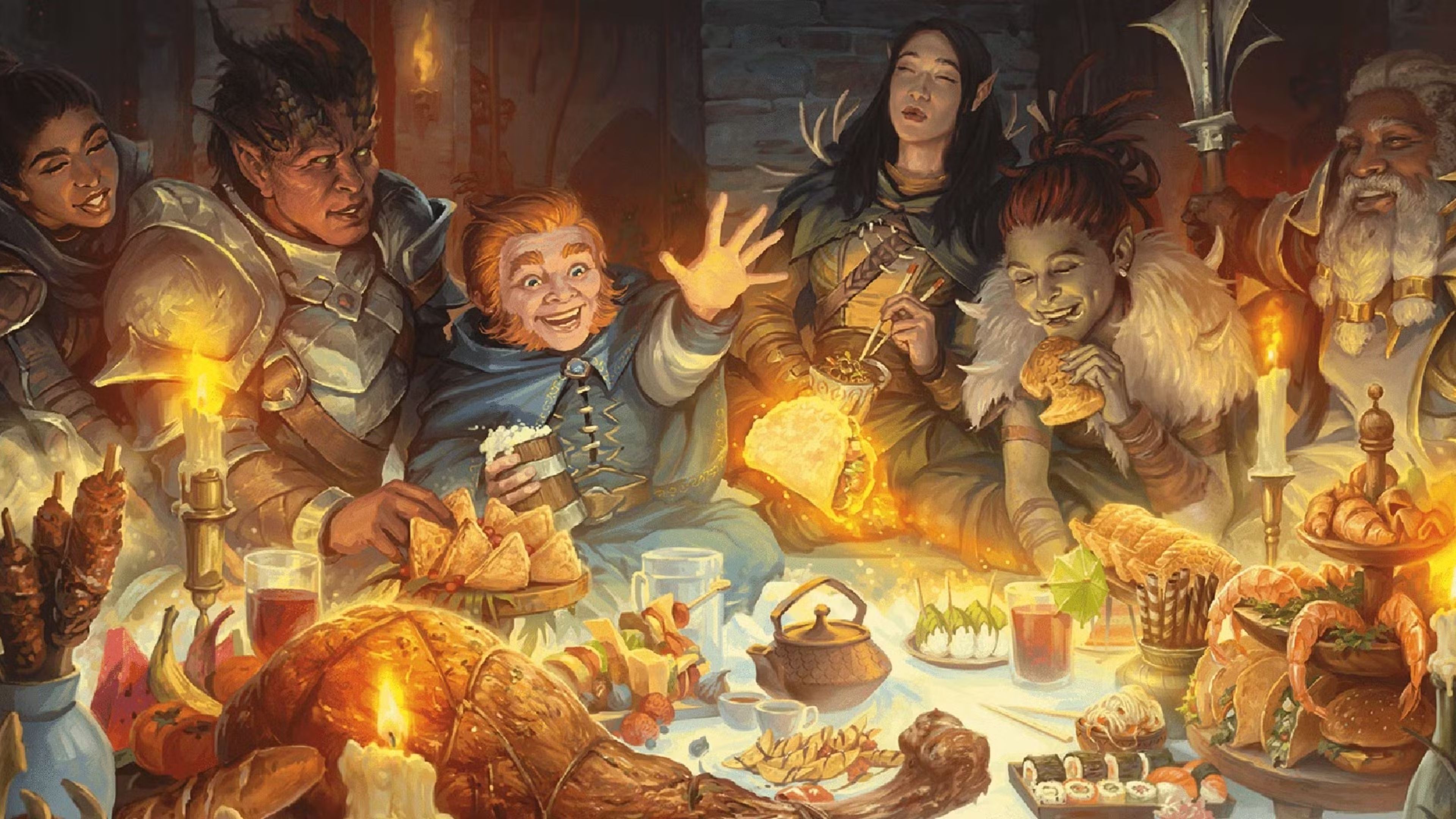
Playing Dungeons & Dragons can be surprisingly detailed. It’s not just about the basic idea of the game; you really need to know what your character can do. Picking the best subclass is especially important, as it significantly impacts how well your character performs in fights, helps the team, and interacts with others.
Choosing a Bard College in Dungeons & Dragons is especially important around level 3, as it significantly shapes how your character plays. Each College provides different skills, but some are better than others at fighting, helping the group, and creating interesting roleplaying opportunities.
Tiers mix 5e and 2024, with the versions of some Colleges in D&D 5e and 2024 differing.
S-Tier Bard Colleges: Dominating Combat and Roleplay


- College of Eloquence (5e)
- College of Lore (5e)
The College of Eloquence is often considered the strongest Bard subclass in Dungeons & Dragons 5th Edition, and for good reason. It’s incredibly versatile, excelling at both fighting and social interactions. It can weaken enemies with a skill called Unsettling Words, and powerfully boost its allies using Infectious Inspiration, making it ideal for players who enjoy supporting their group. Plus, with a talent called Silver Tongue, Eloquence Bards are masters of persuasion and deception, easily succeeding in any social encounter. This subclass ensures your words always carry weight, no matter the situation.
- Combat Prowess: Excellent; debuffs and buffs make it highly effective in combat.
- Utility: Top-tier; boosts party performance and ensures smooth social interaction.
- Roleplay Potential: High; ideal for diplomatic or manipulative characters.
The College of Lore Bard is incredibly adaptable, making it a great pick for players who want to handle any challenge. They can be effective in fights using Cutting Words to weaken enemies, and their ability to learn spells from any class gives them unmatched versatility. Lore Bards can fill any role – boosting allies, hindering foes, or covering spellcasting gaps. Beyond combat, this subclass also offers fantastic opportunities for developing a unique and interesting character.
- Combat Prowess: Moderate; Cutting Words helps control combat without direct damage.
- Utility: High; Additional Magical Secrets allows you to adapt to any situation.
- Roleplay Potential: Strong; offers great flexibility in roleplaying almost any character type.
A-Tier Bard Colleges: Balanced Combat and Support
- College of Glamour (2024)
- College of Creation (5e)
- College of Valor (2024)
The College of Glamour for Bards focuses on using charm and social skills to take charge in any situation. Abilities like Mantle of Majesty and Enthralling Performance let you command attention and influence others, making Glamour Bards particularly strong in social interactions. While they might not be as powerful in a direct fight as some other Bard colleges, they’re fantastic at managing crowds and navigating non-combat challenges. If you want a Bard who excels at charisma and control, and you’re not as concerned with mastering weapons, Glamour is an excellent choice for your D&D character.
- Combat Prowess: Moderate; good for battlefield control, but lacks raw damage.
- Utility: High; exceptional at controlling and influencing groups.
- Roleplay Potential: High; perfect for charismatic, performance-driven characters.
The College of Creation Bard lets you work with magical materials and quickly make items as needed. You can conjure up temporary magical objects with Mote of Potential and even bring inanimate objects to life using Creative Crescendo. This subclass is ideal for players who love to be inventive, solve challenges by crafting, and influence the world around them. While it’s not the strongest in direct combat compared to other Bard options, it truly shines in roleplaying scenarios where crafting magical items or clever thinking are key to success.
- Combat Prowess: Moderate; Creative Crescendo is useful but situational.
- Utility: Moderate; creative item creation with some tactical flexibility.
- Roleplay Potential: High; excellent for inventive or environmental manipulation characters.
I’ve been playing the Valor College Bard from the 2024 edition, and I really like it! It’s a great fit if you want to be strong in a fight but also help your team. I love how abilities like Combat Inspiration can boost both my damage and my allies’ defenses, and Extra Attack lets me really get into the thick of things. It’s not the flashiest subclass, but it’s super reliable – I can consistently deal damage while keeping everyone safe. Plus, it feels perfect for playing a heroic character who leads by example and isn’t afraid to jump into action.
- Combat Prowess: High; offers excellent offensive and defensive support with Extra Attack.
- Utility: Moderate; great at providing defense and offense, but limited versatility beyond combat.
- Roleplay Potential: Moderate; ideal for heroic, leader, or protector characters.
Who’s That Character?  Identify the silhouettes before time runs out.
Results
High Score: 0 —
B-Tier Bard Colleges: Niche Abilities with Good Utility


- College of Swords (5e)
- College of Dance (2024)
College of Swords Bards excel at stylish and flashy combat, but don’t quite measure up to subclasses specifically designed for fighting, like the College of Valor. While Blade Flourish adds interesting effects to their attacks, Swords Bards can fall behind at higher levels in Dungeons & Dragons due to limited scaling and a less impactful combat presence. They’re great for roleplaying charismatic duelists or swashbucklers, but players seeking a truly powerful combat build might find them lacking in depth.
- Combat Prowess: Moderate; Blade Flourish is fun but less powerful than it could be.
- Utility: Low; limited support options outside of combat.
- Roleplay Potential: Moderate; great for swashbucklers or acrobatic characters.
The College of Dance introduces a Bard focused on agility and grace, capable in both combat and support roles. Dancers use abilities like Dance of the Fates to move quickly and evade threats, and Rhythmic Command to help the party work together. While not as powerful in direct damage as some other Bard subclasses, the College of Dance shines in strategic movement and providing assistance to allies. This subclass is ideal for players who enjoy a blend of dynamic combat, supportive gameplay, and the opportunity to create a character centered around performance and acrobatics in D&D.
- Combat Prowess: Moderate; movement-based abilities and high mobility give it an edge.
- Utility: Moderate; enhances party movement and action economy.
- Roleplay Potential: High; great for dynamic, performance-driven characters.
C-Tier Bard Colleges: Niche Playstyles
- College of the Moon (2024)
- College of Spirits (5e)
- College of Whispers (5e)
The College of the Moon is a playtest subclass for Dungeons & Dragons 5th Edition that lets you tap into elemental magic and change your form. However, it doesn’t excel in fighting or providing practical benefits. Its core ability, Elemental Transposition, is cool, but only really works well in certain settings. Moon Bards generally aren’t as strong in combat as other Bard options, and the subclass encourages playing characters focused on nature or the elements, which can feel restrictive.
- Combat Prowess: Low to Moderate; works in niche environments but isn’t consistent.
- Utility: Low; doesn’t offer much flexibility in a typical campaign.
- Roleplay Potential: Moderate; great for elemental or nature-based characters.
Unearthed Arcana is playtest material in D&D that may be subject to change.
The College of Spirits Bard specializes in connecting with the supernatural, but it isn’t very strong in direct combat. While abilities like Guiding Whispers provide some limited help, they don’t have the same powerful effects as other Bard options. This subclass is great for roleplaying characters with mysterious or spooky histories, but it doesn’t perform as well mechanically when compared to other Bard colleges.
- Combat Prowess: Low; Guiding Whispers offers limited impact.
- Utility: Moderate; offers limited support and thematic abilities.
- Roleplay Potential: Moderate; fits supernatural or eerie character concepts.
The College of Whispers excels at psychological manipulation, but its strengths are mostly focused on weakening enemies rather than direct damage. Whispers Bards can use Psychic Blades for some damage, and Words of Terror can create chaos by frightening opponents. With Shadow Lore, you can subtly control or deceive enemies, making this subclass ideal for those who enjoy intrigue and manipulation in combat. It’s a fantastic choice for players who want a character with strong roleplaying opportunities, particularly in D&D campaigns focused on espionage or mental challenges.
- Combat Prowess: Moderate; damage and control options can create a versatile combat presence, but not amazing.
- Utility: High; powerful manipulation abilities make it a unique support choice.
- Roleplay Potential: Excellent; fits perfectly in campaigns focused on intrigue and deception.
Read More
- All Shadow Armor Locations in Crimson Desert
- Dark Marksman Armor Locations in Crimson Desert
- Sega Reveals Official Sonic Timeline: From Prehistoric to Modern Era
- Genshin Impact Dev Teases New Open-World MMO With Realistic Graphics
- How to Beat Antumbra’s Sword (Sanctum of Absolution) in Crimson Desert
- The Limits of Thought: Can We Compress Reasoning in AI?
- Where to Pack and Sell Trade Goods in Crimson Desert
- Enshrouded: Giant Critter Scales Location
- Who Can You Romance In GreedFall 2: The Dying World?
- Keeping AI Agents on Track: A New Approach to Reliable Action
2026-02-12 06:06