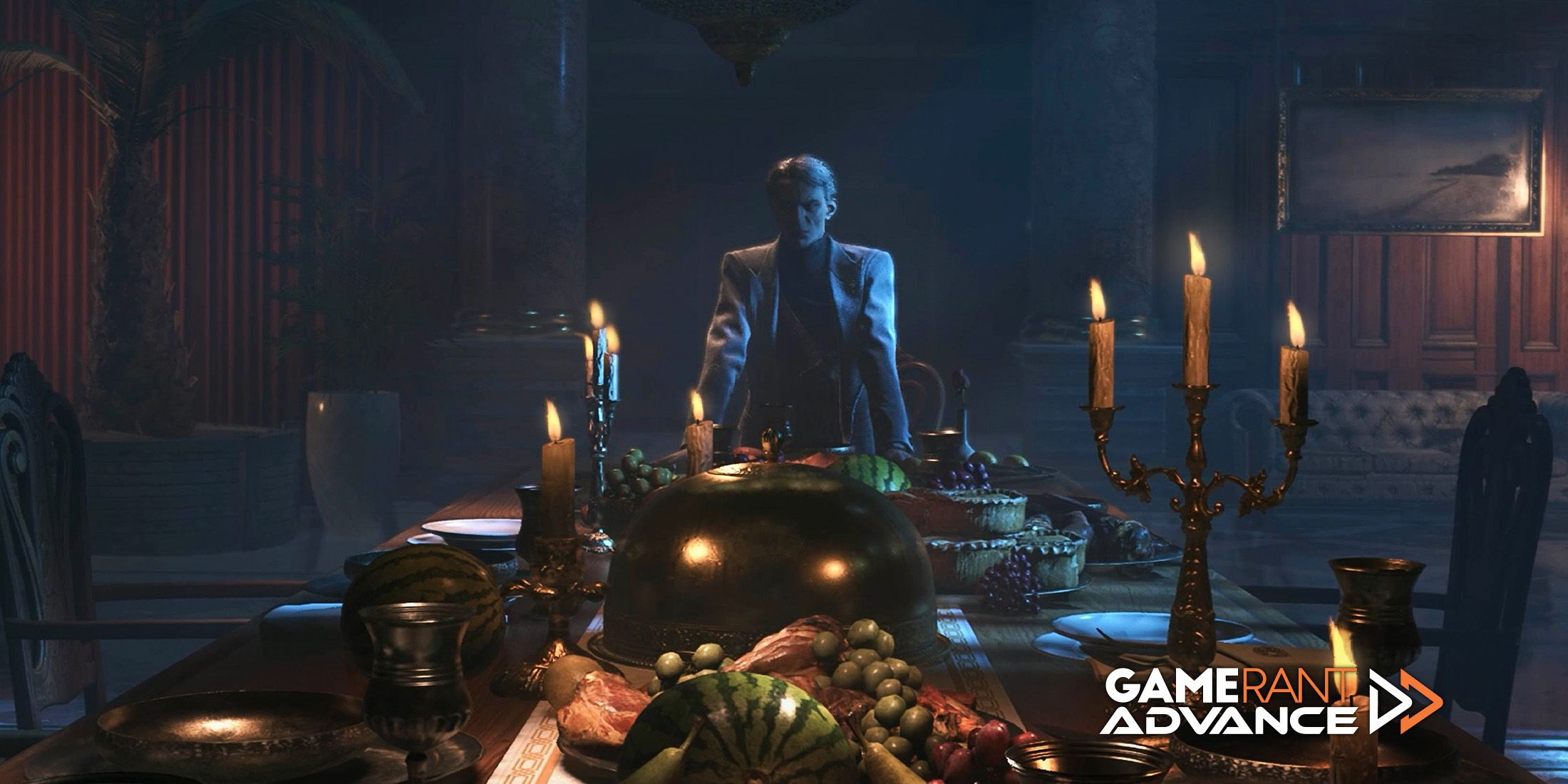
In “Dying Light: The Beast,” players leave behind the urban jungles of prior “Dying Light” games and enter Castor Woods, a former thriving tourist destination filled with factories, villas, national parks, and clandestine spots – along with plenty of zombies. This new environment for the series provides distinct parkour challenges as well as diverse open-world terrains for players to traverse. Joining this foreboding setting are Kyle Crane, a shrouded aristocratic Baron, along with other survivors, all ready to cross paths with both the infected and themselves.
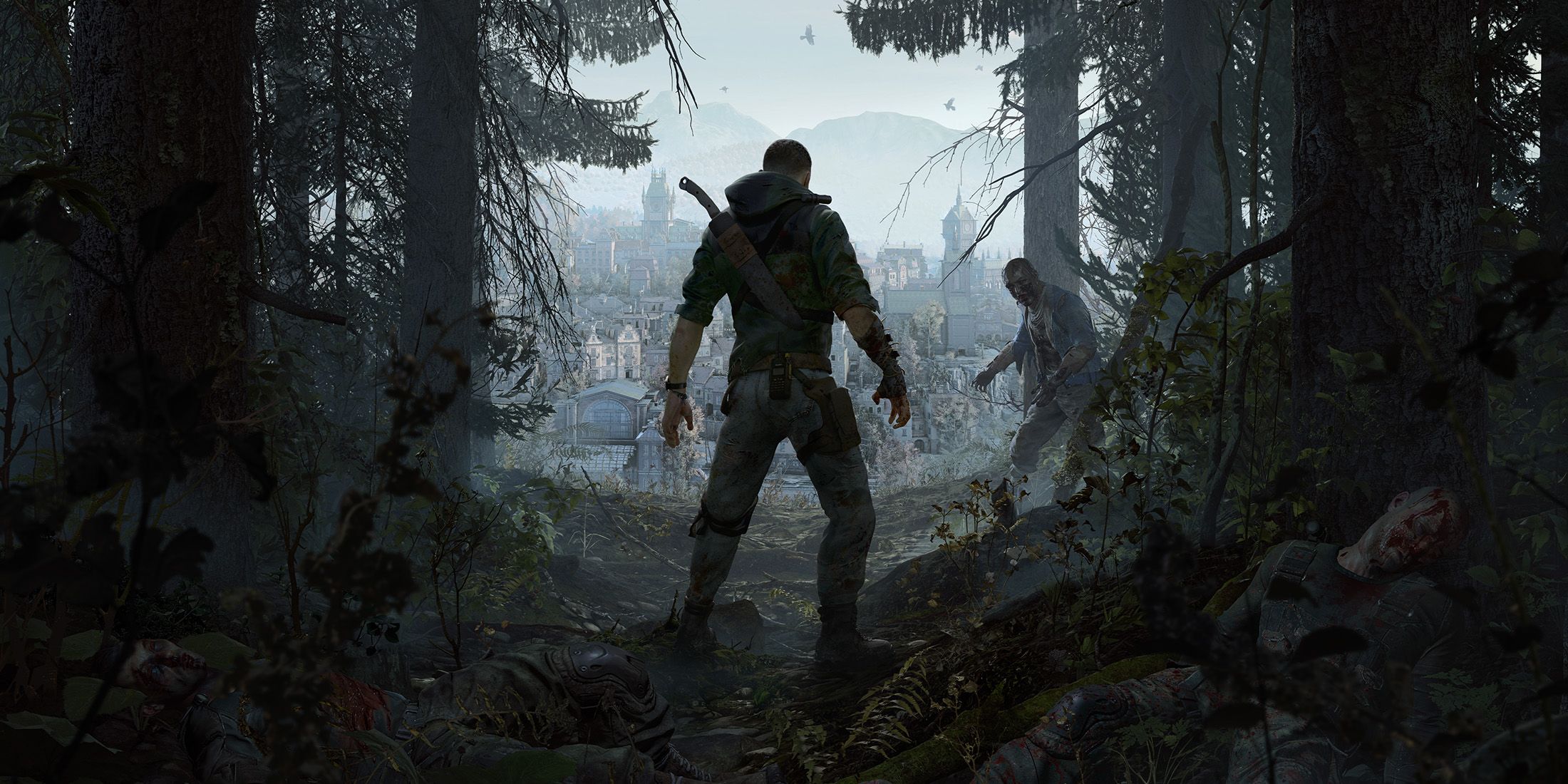
Game Rant conducted interviews with key members from the development team behind Dying Light: The Beast, including Tymon Smektala (franchise director), Nathan Lemaire (game director), Katarzyna Tarnacka-Polito (art director), and Kalina Sobierajska (quest designer). They shared insights on the new and recurring characters in Dying Light: The Beast, its main plot, horror aspects, location, and more.
Topics discussed included the return of Kyle Crane as the lead character, various living and undead characters players may meet, the inspiration for Castor Woods, and numerous locations players can traverse. The team also disclosed some details about the menacing Baron and the sorts of enemies Kyle might battle while in “Beast Mode” in the forthcoming Dying Light installment.
For easier reading, this transcript has been condensed and clarified.
Kyle Crane, His Enemies, And His Allies
Inquiry: It’s been frequently brought up, even during the process of creating and launching Dying Light 2, about Kyle Crane. What particular factors do you believe have contributed to Crane’s lasting impact within the series?
This paraphrase attempts to maintain a conversational tone while rephrasing the original question in a more engaging manner.
In response to your question,
At the debut of Dying Light, Kyle wasn’t widely recognized as iconic, even by the press. However, he was crafted from common characteristics – he’s a mercenary, a tough guy, and a typical action hero in films. What sets him apart is the addition of human qualities and relatability that are unexpected in such powerful characters. Personally, what appeals to me about Kyle is his icy exterior and initial reluctance to involve himself with others’ struggles. Yet, he never refuses aid to those in distress, particularly the oppressed and mistreated.
By making these changes, I hope the paraphrase retains the essence of your original statement while using simpler and more natural language.
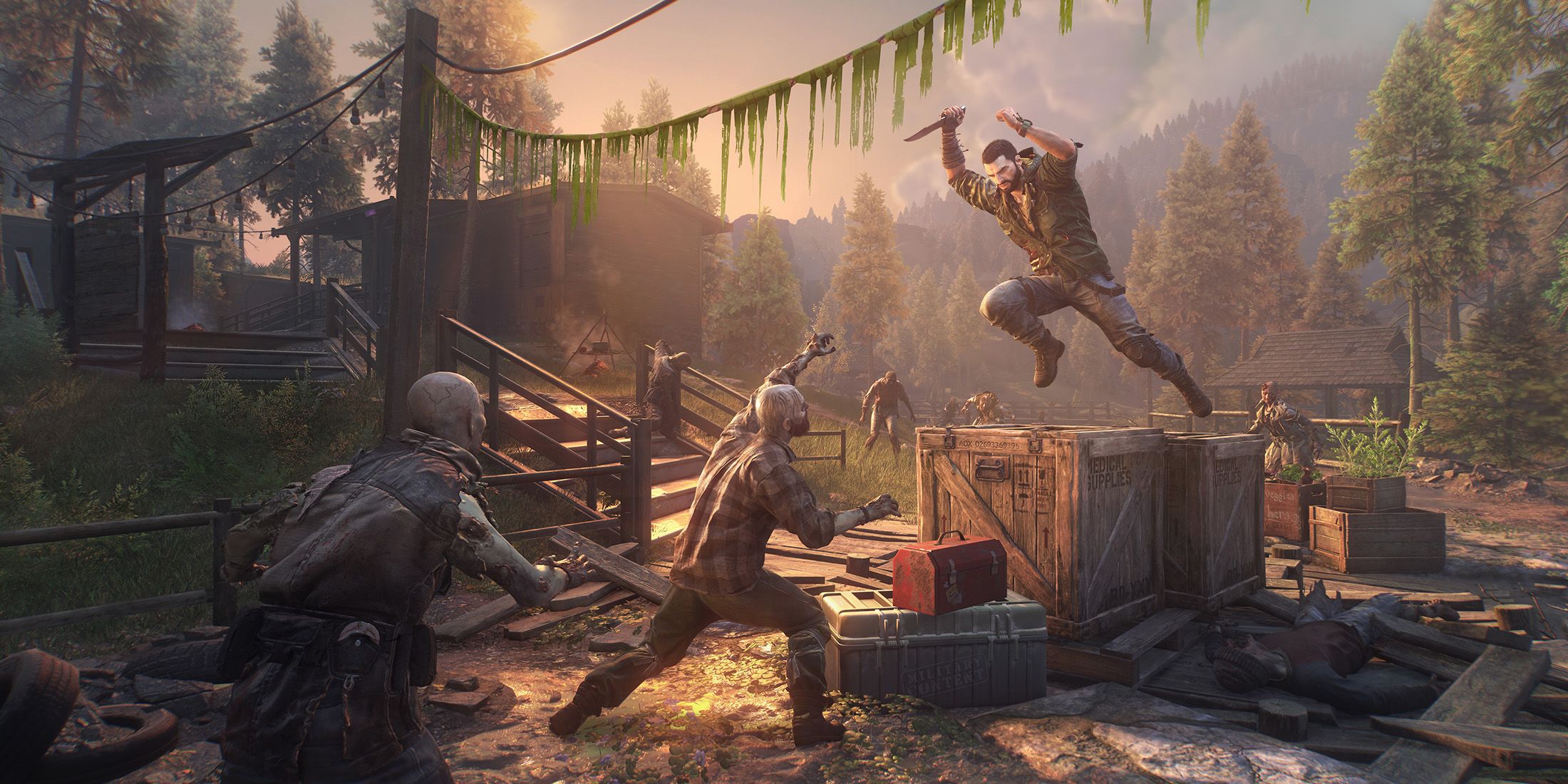
After the release of Dying Light’s expansion, has it always been Techland’s intention to reintroduce the character Crane? What factors make Dying Light: The Beast an opportune moment, so to speak, for his comeback?
Instead of saying “Smektala”: In plain English:
We had anticipated that he would come back eventually. We simply expedited our strategies slightly. Ultimately, everything fell into place logically. Can there be a more fitting way to honor the 10th anniversary of Dying Light than by welcoming back the original Champion of Harran?
Inquiry Regarding Character Development: The “Meet the Baron” trailer hints at significant transformations in the Baron’s character throughout the storyline. Can you elaborate on this evolutionary journey? As for the general nature of their bond, how would you describe the relationship between the Baron and Crane?
Sobierajska suggests that there are essentially two distinct questions being addressed here. When it comes to constructing a primary adversary, she notes that this task often requires significant effort. There’s a notion that the hero and villain are two halves of the same whole. Their connection is vital to the story because they embody conflicting forces. However, their objectives might surprisingly align. The variance lies in the methods they adopt to attain these objectives, which is where the tension originates. Developing a compelling antagonist is consistently challenging since, as she points out, they must be crafted specifically to counterbalance the protagonist.
Regarding their bond, it’s quite intricate. Kyle’s actions are significantly influenced by his thirst for retribution, a decision that often presents challenges. Although revenge might initially spark tension, it also brings potential repercussions for the main character. It’s common knowledge that revenge is a recurring theme in stories, but if not delicately addressed, it can make the protagonist appear unsympathetic or harsh. To avoid this, we’ve included additional facets to the relationship between Baron and Kyle. These aspects allow players to view their relationship as multi-dimensional and eventually ponder who the true “beast” in the narrative is. We’re excited for our gamers to uncover that layer by layer while playing the game.

In a simpler and more conversational style:
Game Rant: Could you elaborate on the dynamic between Crane and Olivia? How does both the Baron and Olivia influence Crane’s character?
Sobierajska notes that in contrast to the storyline, Olivia serves a multifaceted role. Initially, she offers assistance akin to a supporting character, such as providing information. However, she also has her own narrative that players can discover, which is pivotal. This is particularly significant given Kyle’s vengeful trajectory. By weaving the storylines together, it avoids appearing monotonous or making the main character seem unlikeable. Through characters like Olivia and Kyle, themes such as revenge and sorrow can be explored from various perspectives, fostering a more complex narrative. In essence, Olivia serves as a reflection of Kyle in this post-apocalyptic setting, despite her own hardships, she maintains an empathetic and resilient demeanor, demonstrating that survival strategies in such harsh realities can vary.
Apart from Kyle, Olivia, and the Baron, could you give us some insight into other notable characters we’ll encounter in the game?
As a fan,
In the story I’m following, I can assure you there will be numerous characters, each struggling to thrive in this unforgiving environment. What makes it intriguing is the variety in their strategies for survival. Some view survival as the ultimate objective and are ready to go to any length to stay alive, while others hold a contrasting viewpoint. I find this dynamic fascinating because it mirrors the diverse archetypes and behaviors that people might exhibit when confronted with insurmountable decisions.
The appeal of the zombie genre lies in its ability to offer a universally comprehensible structure while still being adaptable for diverse characters. This structure includes clear rules of the world, the source of danger, and the severity of the situation. Yet, it’s so expansive that it permits the creation of numerous character types with distinct values, perspectives, and views on life.
Dying Light: The Beast’s Linear Narrative Leans Into Horror
In discussions about the Dying Light series, it’s interesting to note that both linear and branching narratives have been employed, such as The Beast offering a more direct storyline, while Dying Light 2 offers multiple story paths.
In determining the ideal approach for a given game, developers often consider factors like the narrative’s complexity, player agency, and game mechanics. For instance, a simpler, less complex story may be best suited for a linear experience, allowing for a more streamlined and focused gameplay experience, as seen in The Beast.
The linear approach in The Beast could potentially provide a more cohesive and immersive experience, given its focus on creating a suspenseful and intense atmosphere. This choice may have been made to emphasize the horror elements of the game and ensure that players are kept engaged throughout the storyline. By presenting events in a linear fashion, developers can also maintain control over pacing and create moments of tension or surprise more effectively compared to branching narratives.
In creating Dying Light: The Beast, our goal was to establish a consistent universe narrative, resolving lingering questions from past games and paving the way for future developments. To achieve this, we opted for a linear storyline, giving us complete creative oversight. However, this doesn’t preclude the possibility of branching narratives in the future. If we decide to explore that path, we will undoubtedly leverage the lessons from Dying Light 2: Stay Human to make player choices more meaningful, understandable, and straightforward.
In the sequel to Dying Light, titled Dying Light: The Beast, it appears that the narrative leans more towards the undead threat of the zombies rather than human politics. Let’s discuss the world setting, its implications, and how we navigate humanity and zombies in a Dying Light game.
The world of Dying Light is set in a post-apocalyptic environment overrun by a virus that transforms humans into flesh-eating zombies. The story unfolds as humanity struggles to survive amidst the chaos, fighting not only the relentless zombie hordes but also the harsh realities of a collapsing society.
The shift in focus from human politics to the zombie threat in Dying Light: The Beast can be seen as an exploration of the raw survival instincts that drive humans when faced with the immediate and overwhelming threat of zombies. In this world, humanity is pushed to its limits, and the struggle for power, resources, and safety becomes more about fending off the undead horde than politics.
When deciding the best avenue for navigating humanity and zombies in a Dying Light game, we consider factors such as storytelling, immersion, and player engagement. We want to create an experience that is both thrilling and meaningful for players, so our approach involves striking a balance between action-packed combat against zombies and exploring the complex social dynamics of a post-apocalyptic world. By presenting engaging narrative choices and dynamic environments, we aim to provide players with a rich, immersive gaming experience that keeps them invested in both the struggle for humanity’s survival and the battle against the undead threat.
In Dying Light: The Beast, while we aimed to showcase our zombie expertise, the narrative turns out to be more intricate than expected. There’s a strong human element involved, which is crucial for relatable and emotional drama. However, this drama revolves primarily around the main antagonist, The Baron. As a result, there’s less political intrigue since it becomes clear early on who the villain is and why they must be defeated.
Game Rant is curious about the development process behind Dying Light: The Beast, a game update which aims to address long-standing questions from the first two games. This process likely involves identifying key questions, brainstorming engaging responses to these questions, and potentially paving the way for further expansion of the franchise beyond just The Beast. To put it in layman’s terms, the development team might be working on finding answers to fan-asked questions, coming up with exciting ways to present those answers, and possibly setting up opportunities for future growth within the franchise.
Smektala stated that these questions are effortlessly recognizable because they’re identical to those I have to address, whether it’s at fan events, media interviews, or any chance I get, much like an eel wriggling in various situations. The question regarding the canonical ending of “The Following” has been posed to me, and I’ve answered or dodged it, likely more than a thousand times throughout my career. Eventually, it had to reach its conclusion.
While brainstorming solutions for these questions proves challenging. As developers, we possess internal documentation detailing the intricacies of our game world beyond what players perceive in-game. The task then becomes enhancing this knowledge with additional details, but the real excitement (or apprehension!) lies in ensuring that these enhancements meet our players’ expectations and bring them joy.
There’s no denying we’re walking on delicate ground, for we’re manipulating feelings and recollections, such as those linked to Kyle in Dying Light: The Beast. Frankly speaking, this aspect gives me sleepless nights filled with questions… Are we narrating the correct tale? Will players embrace our interpretation of Kyle’s comeback? My gaming experience stretches back far enough to recall the uproar surrounding Mass Effect 3’s ending.
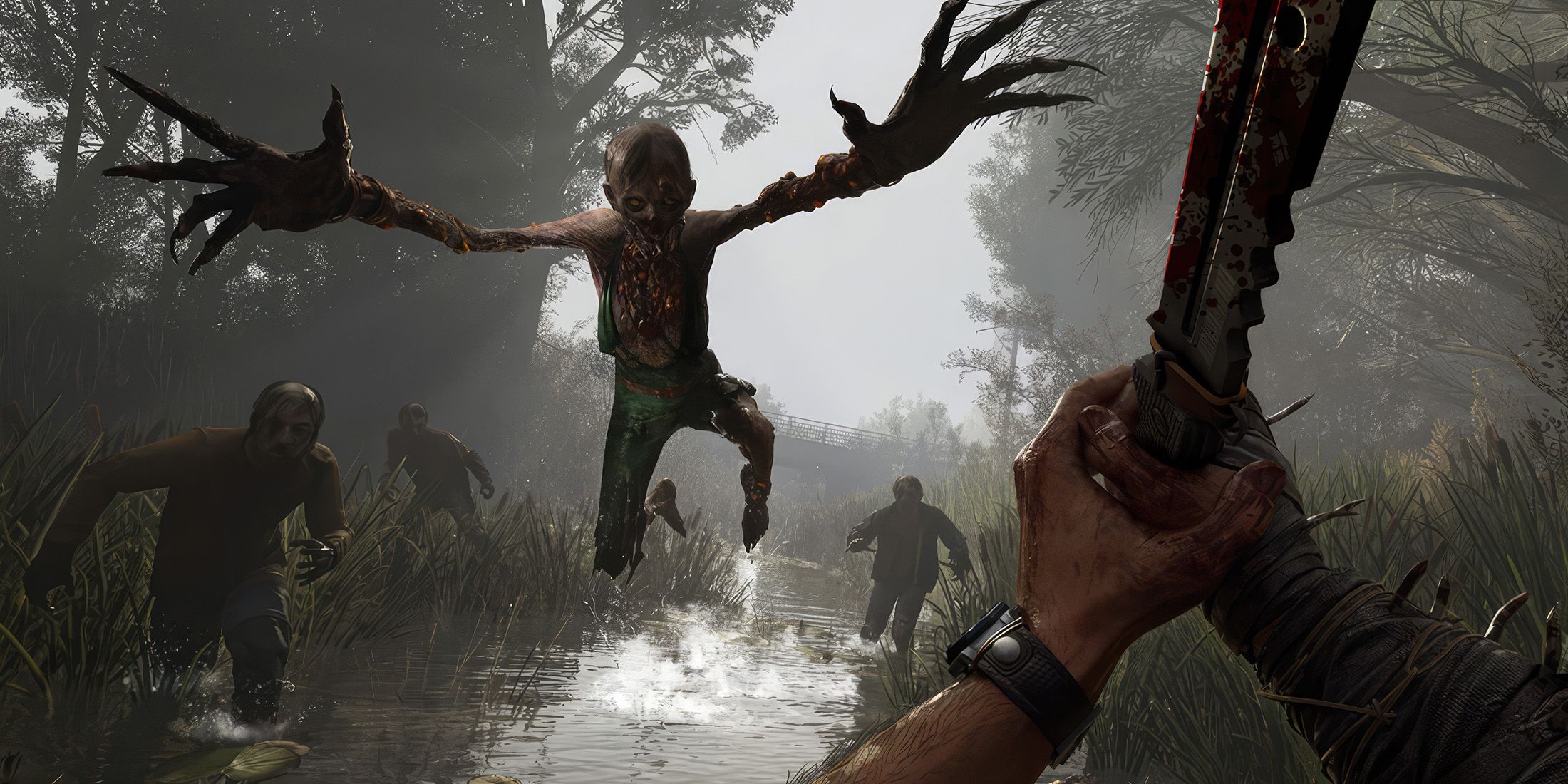
Title Discussion: Dying Light: The Beast continues to emphasize horror elements and survival in nerve-wracking scenarios. Could you elaborate on the mechanisms involved that facilitate this intense atmosphere and discuss how they impact the narrative and gaming experience as a whole?
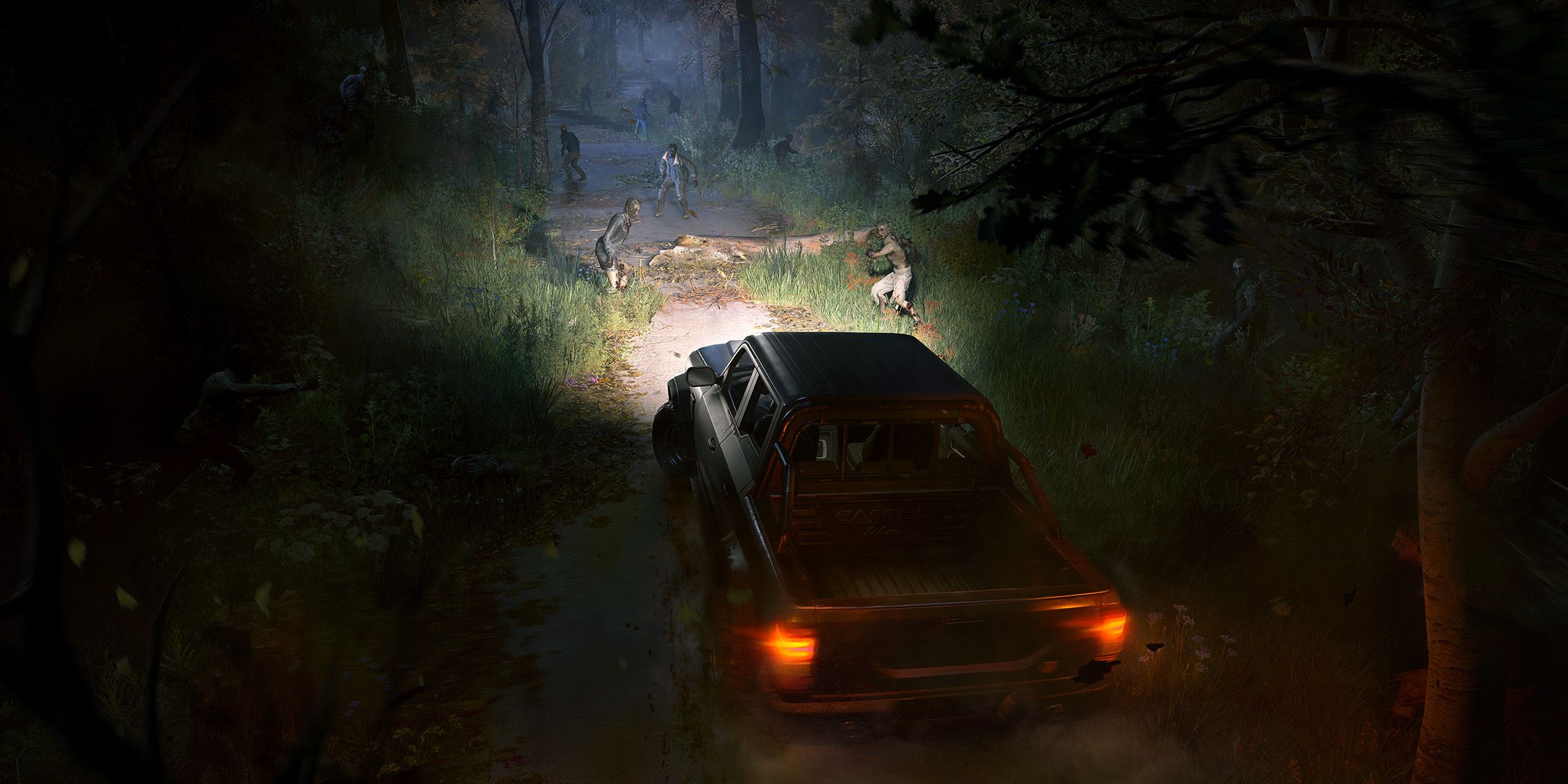
In Dying Light: The Beast, the focus is on intensifying the survival element within the series. Crafting becomes crucial and searching for supplies can be both beneficial and perilous. Melee weapons are prone to damage, and ammo is scarce. Players may discover functioning vehicles, but they’ll eventually run out of fuel, encouraging players to plan ahead and seek resources in abandoned cars or gas stations. Moreover, the narrative also emphasizes themes linked to enduring in this hostile environment while fostering a group of humans striving for more than mere survival.
For those eagerly anticipating the storyline of Dying Light, here’s a sneak peek at what the narrative might entail. As a fan, it would be prudent to prepare yourself for a captivating plot filled with suspense, drama, and perhaps a few surprises along the way.
Sobierajska: It’s a challenging query. I’d contend that players shouldn’t anticipate straightforward responses distinguishing between good and evil, heroes and villains. In extraordinary situations, individuals often make decisions they wouldn’t normally consider under typical conditions. Aristotle, in essence, warned us about hasty judgments, stressing the importance of considering all external factors and circumstances that might have influenced someone’s actions before making a final assessment.
In addition to everything else, I appreciate how we embraced our quirks in certain side stories and missions. Castor Woods, a serene valley isolated from the rest of the world, has been home to peculiar occurrences for decades. Despite the game being set years after a global outbreak of a lethal virus that brought about a zombie apocalypse, there are still many mysteries waiting to be uncovered. While Kyle’s story is undeniably central, I believe this game also retains elements reminiscent of Dying Light’s genetic makeup, offering off-the-beaten-path, unconventional adventures. Recall Gazi or the duo of Tolga & Fatin? The eccentricity, the humor, and the unexpected are all still very much present!
Not Everyone Gets to Live in Dying Light: The Beast…
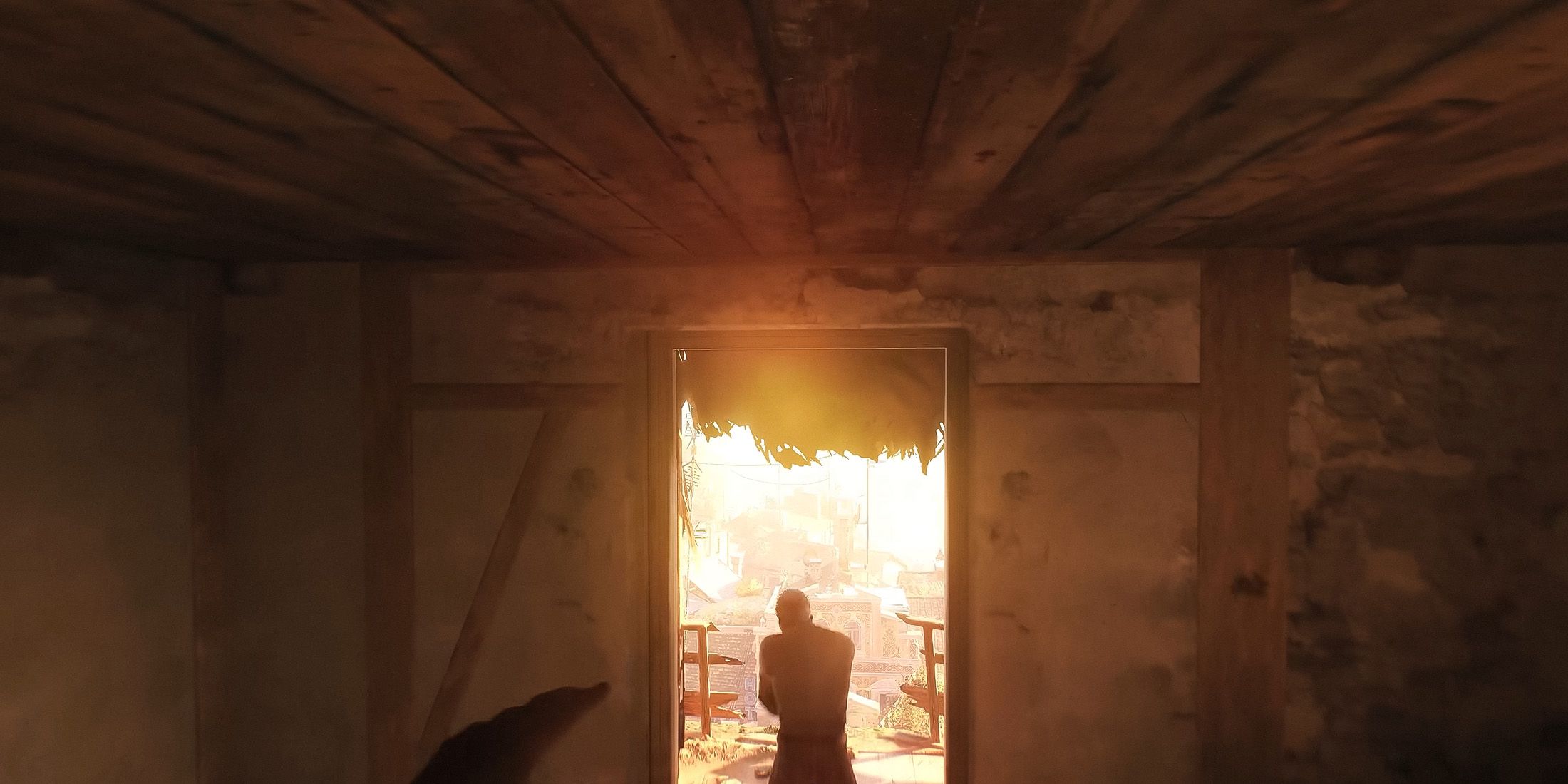
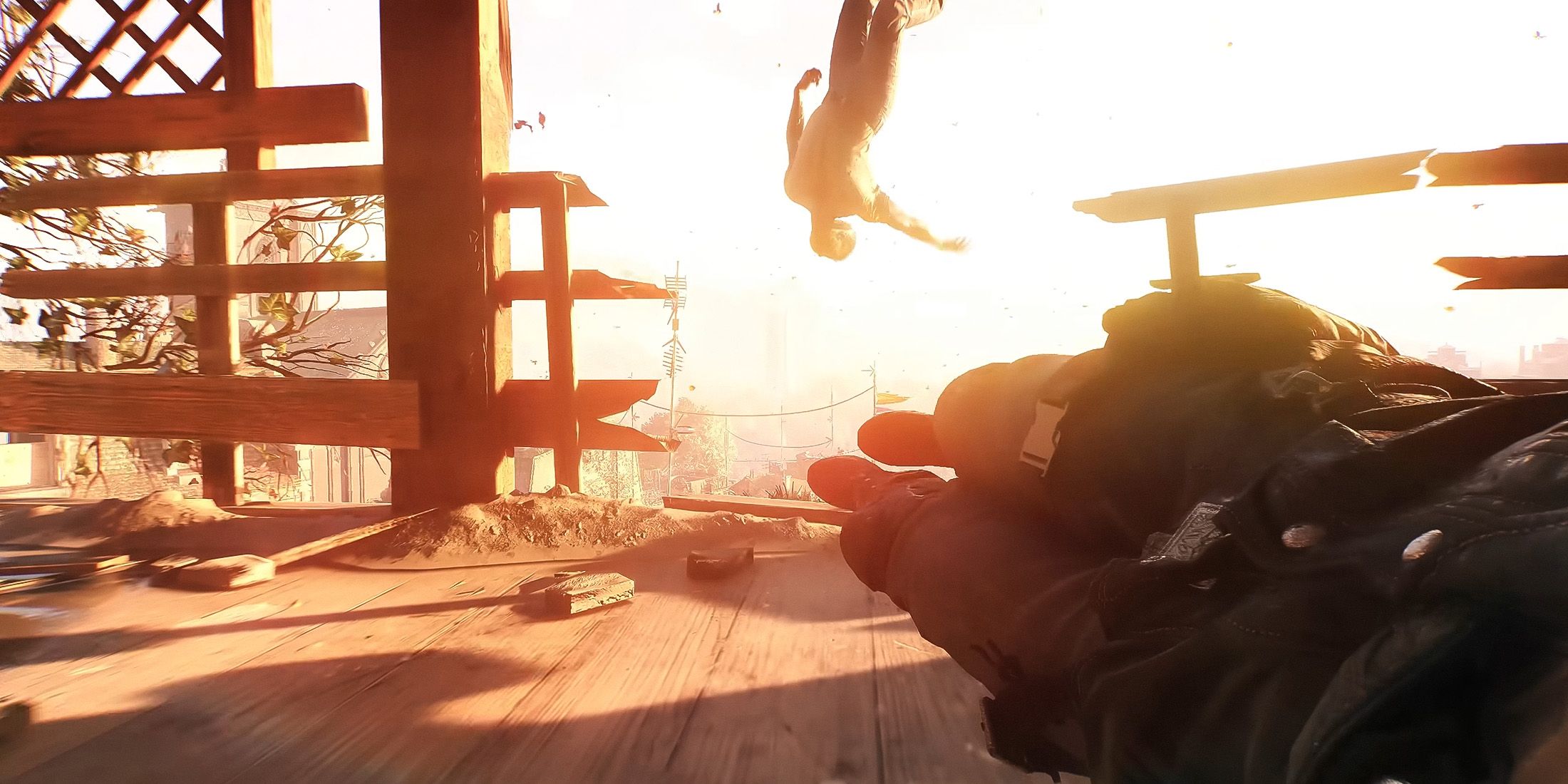
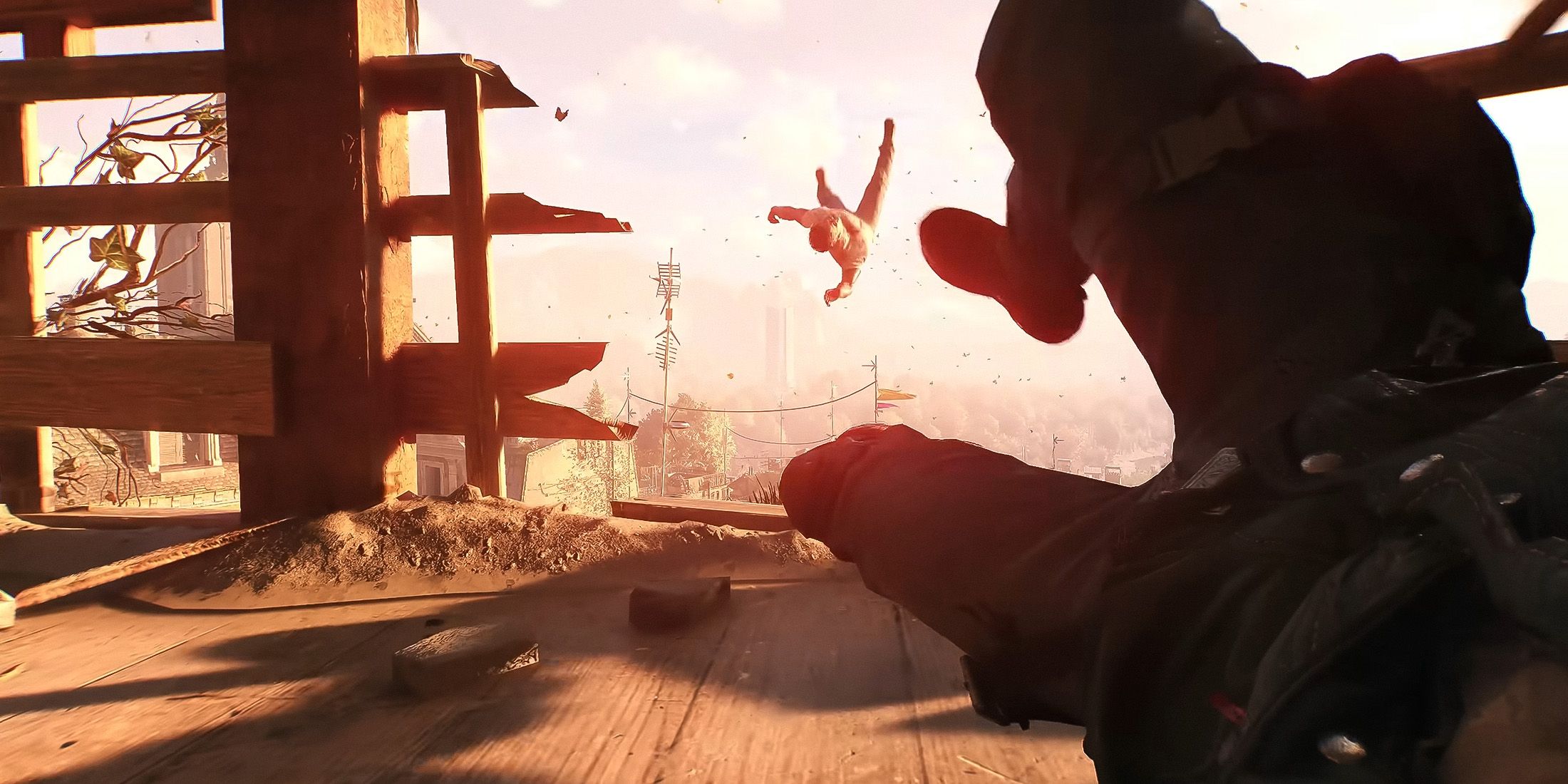

How Dying Light: The Beast’sArt Reflects Its Story And Themes
How did it feel for the artists and animators to reintroduce Kyle Crane after such a long time? Can you describe any fresh aspects added to these departments, and what changes have been made to him since we last saw him in his previous appearance?
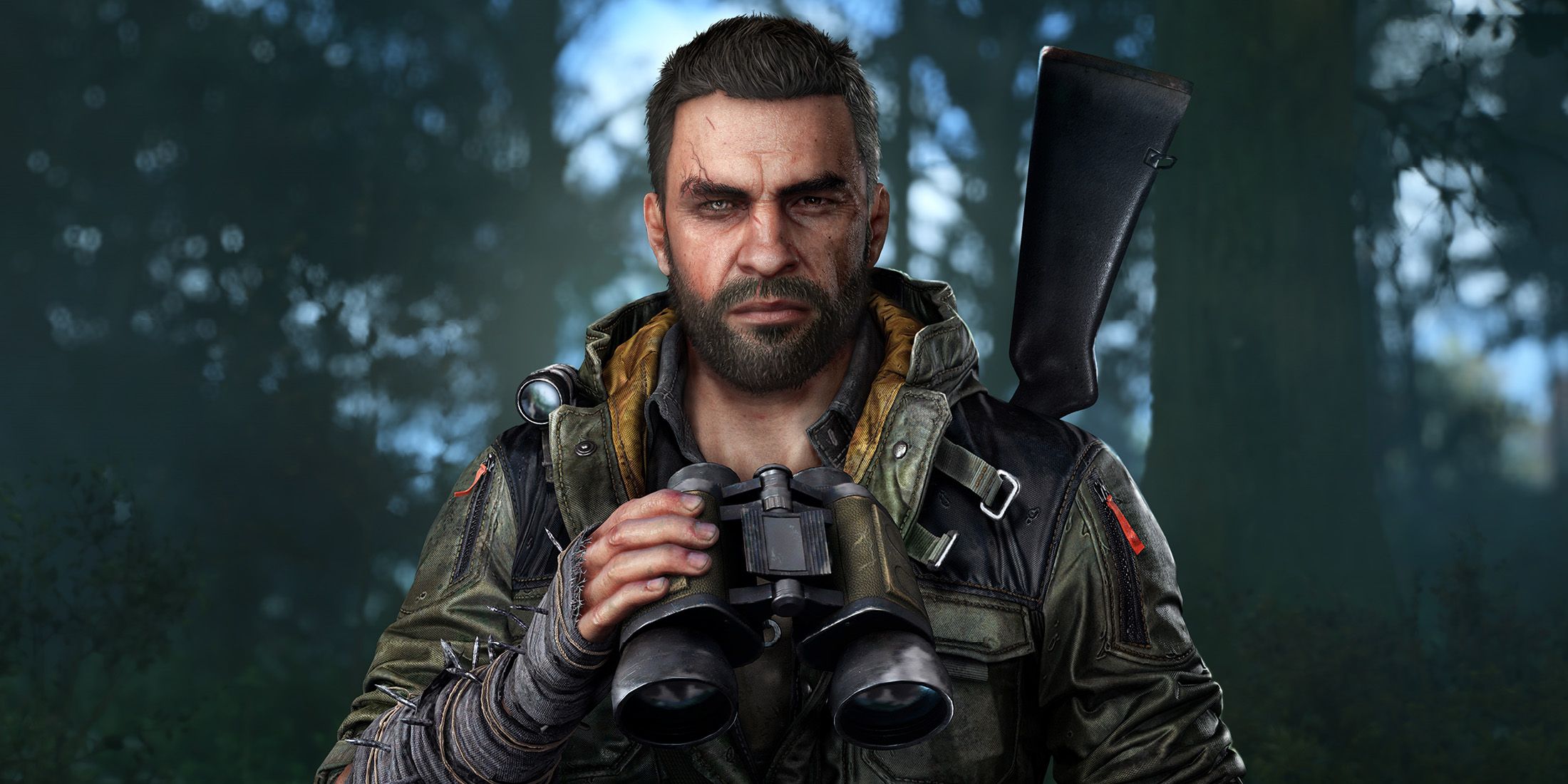
As a die-hard fan, I’ve got to say, crafting a character like Kyle for a first-person perspective game is no small feat, worthy even of its own presentation at a gaming conference! When it comes to the original Dying Light, we spent hours revisiting our classic animations, giving them a fresh makeover that fits the high-definition world of 2025. Each subtle movement was carefully tweaked to reflect Kyle’s evolved personality – older, more experienced, and brutally tough. To lend a helping hand (and let Kyle shine), we incorporated several third-person perspective cutscenes, offering players a chance to truly see him in his full glory.
In the process of making Kyle’s character more authentic, we faced another challenge – portraying a matured Kyle while maintaining his strength and power. The creative process was enjoyable as we experimented with numerous concept art designs, pushing boundaries to see how much we could alter him yet keep him recognizable. We had versions of overweight Kyle, Kyle with a receding hairline, some humorous takes too, all in search of the ideal balance. These early designs are securely stored and will never be revealed to the public – after all, even though Kyle is a hero, he doesn’t need to be seen in oversized boxer shorts and a stained tank top, right?
As a fan, I aimed to reveal the “monster” within him through his character development. To do this, I decided to subtly hint at his transformation by describing his eye as tainted and his bracer as spiky. Furthermore, to establish a link between the new character and the old Kyle, I introduced his watch and Jade’s bracelet as significant symbols of their connection.
Game Rant: How did Dying Light: The Beast’s themes of experimentation affect enemy design?
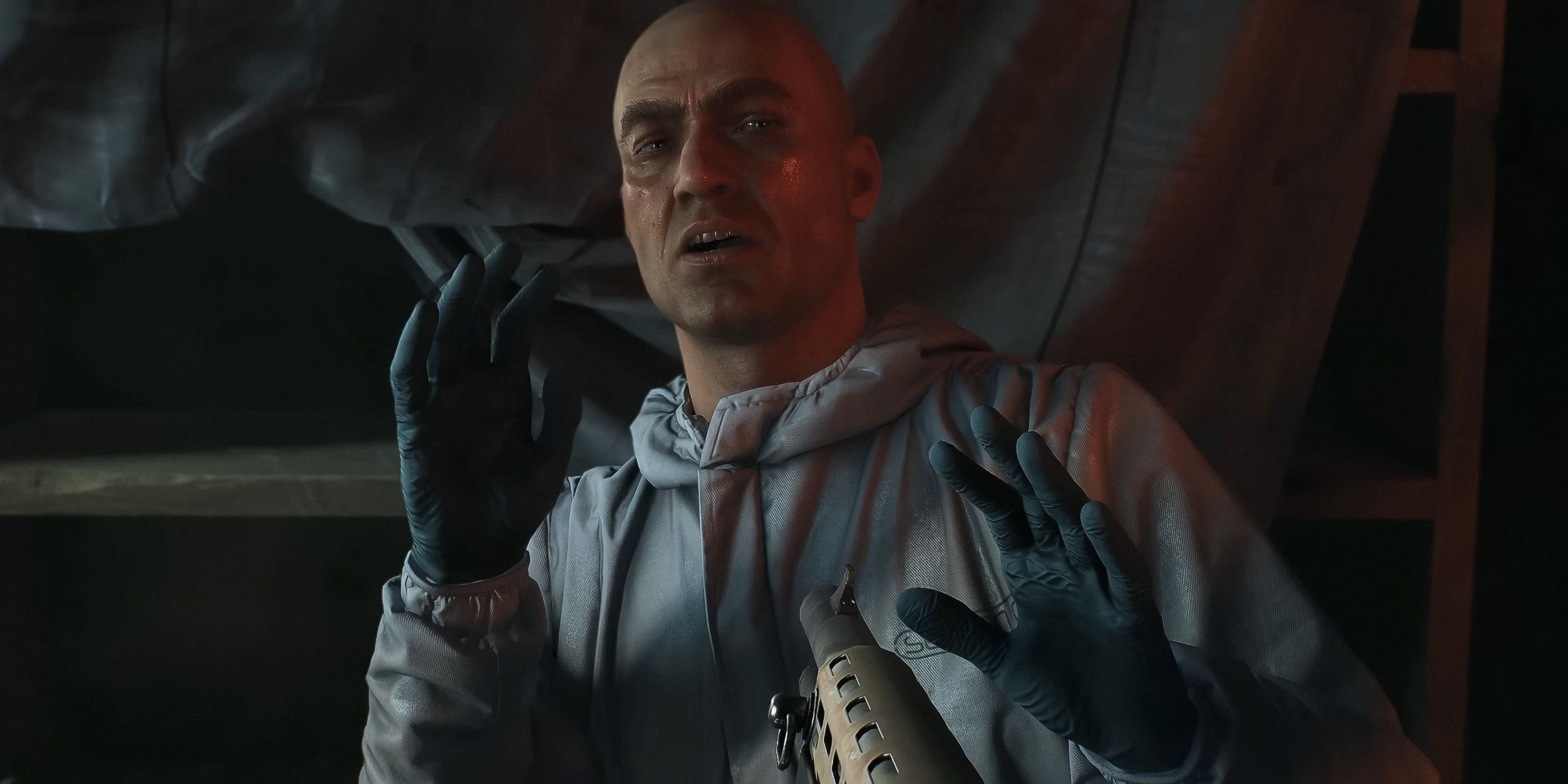
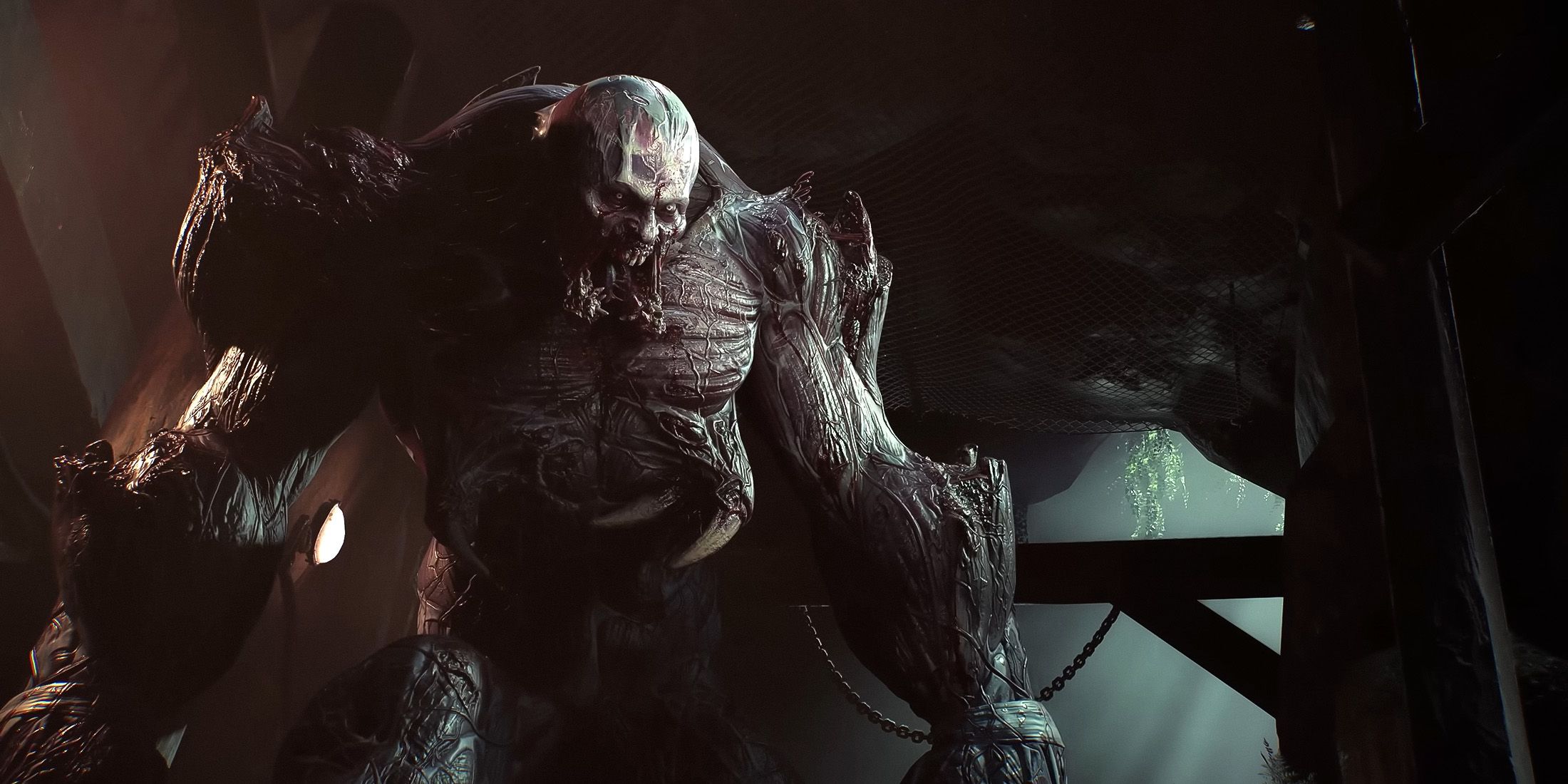
In the Chimeras, these elements were predominantly observed. We went through numerous concepts to find a design that appealed to us. Initially, they were depicted as terrifying weapons, with actual weapons integrated into their physical forms. We portrayed them as experimental subjects, sporting tattered lab coats. The pre-production stage was filled with creative flair. However, we ultimately chose to emphasize the truly chilling aspect – the body horror. In this endeavor, anatomical books became our most invaluable sources of inspiration.
Game Rant is curious about what additional graphic and visual improvements players might encounter in Dying Light 2: The Beast, as compared to its previous installment.
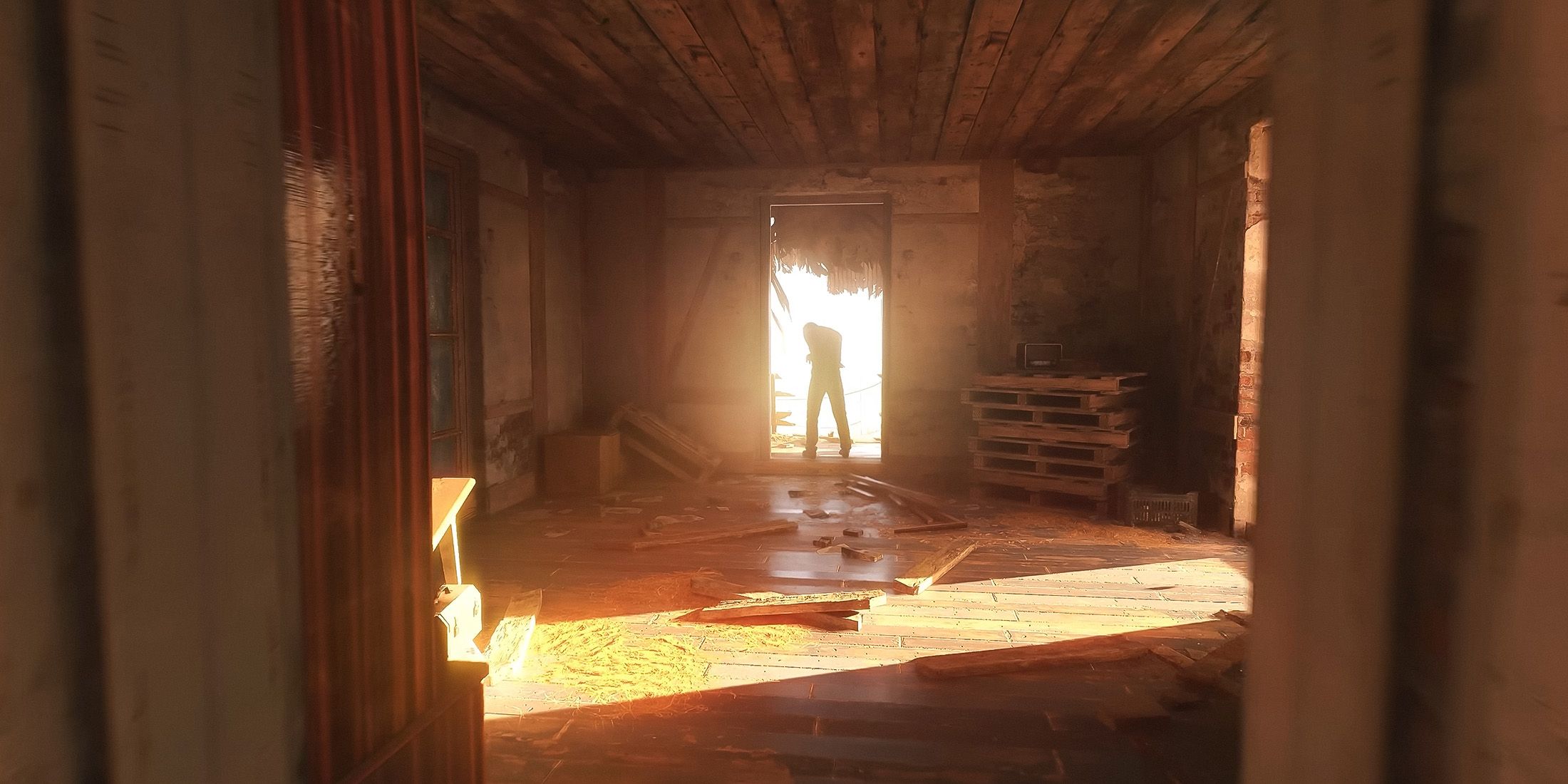
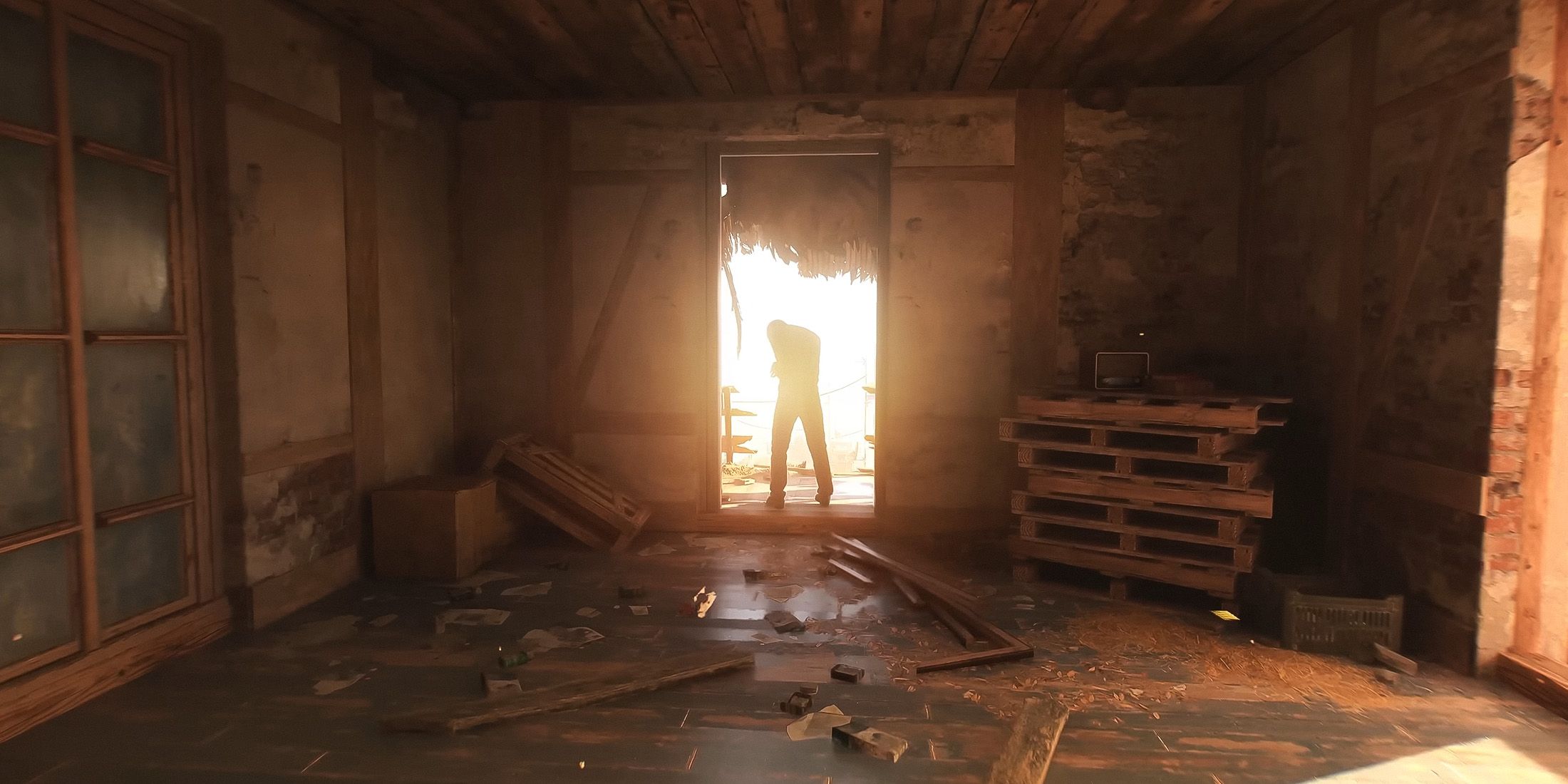
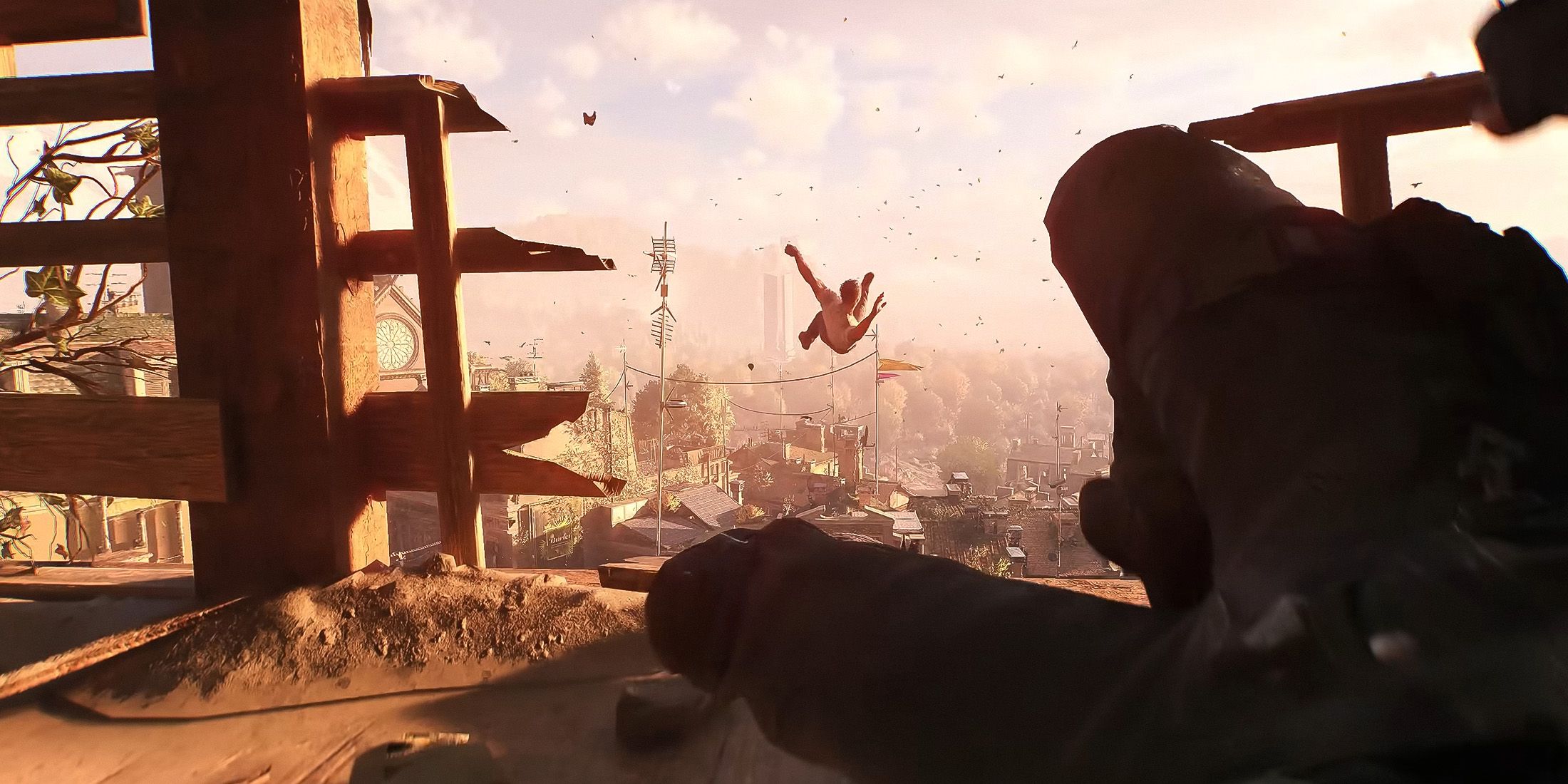
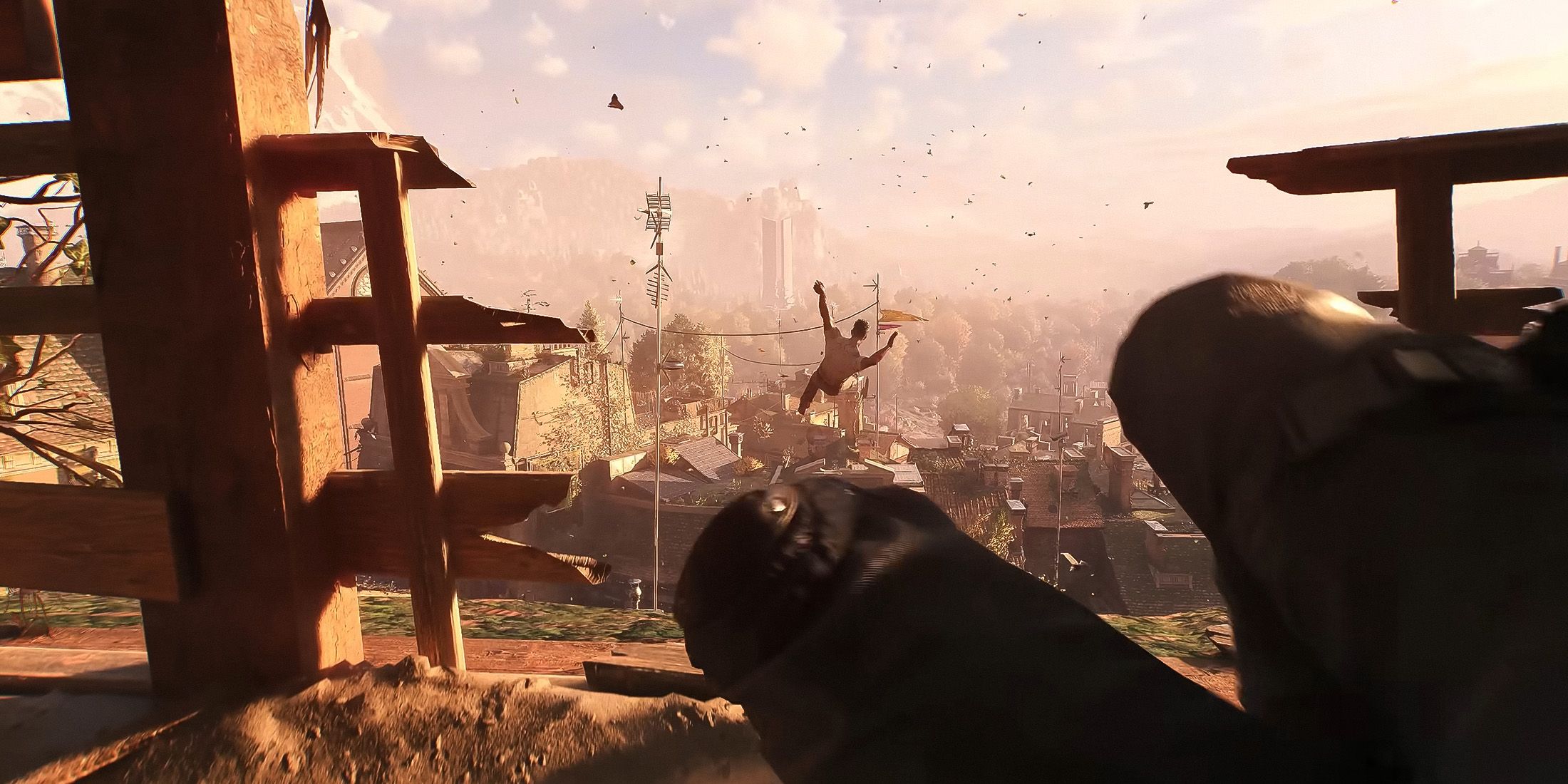
In “Dying Light: The Beast,” there are numerous technological enhancements, primarily centered on creating a more immersive experience, and lighting is crucial to this. We significantly revamped our lighting rendering code and incorporated features previously missing, such as the sun moving across the horizon. This, along with advanced current-generation material rendering solutions, makes the environment seem incredibly realistic. Additionally, our weather system has been upgraded; we now can simulate more diverse weather conditions than before, so get ready to explore the misty swamps under the foggy weather.
Introducing The Sinister Setting Of Castor Woods
Investigating the Impact of Dying Light: The Beast‘s Expansion Direction Announcement for 2023 on its Setting and Art Direction: Was the Castor Woods setting predetermined or a subsequent decision?
Actually, things are quite different now. Although we retained the open-world map from our prior project, it underwent a radical transformation once we embarked on The Beast. Initially, the map was limited in size and diversity, with influences primarily drawn from Welsh plains, while in its earlier stages, it resembled more of a swampy region with scattered “islands” interconnected by water bodies and a gooey landscape.
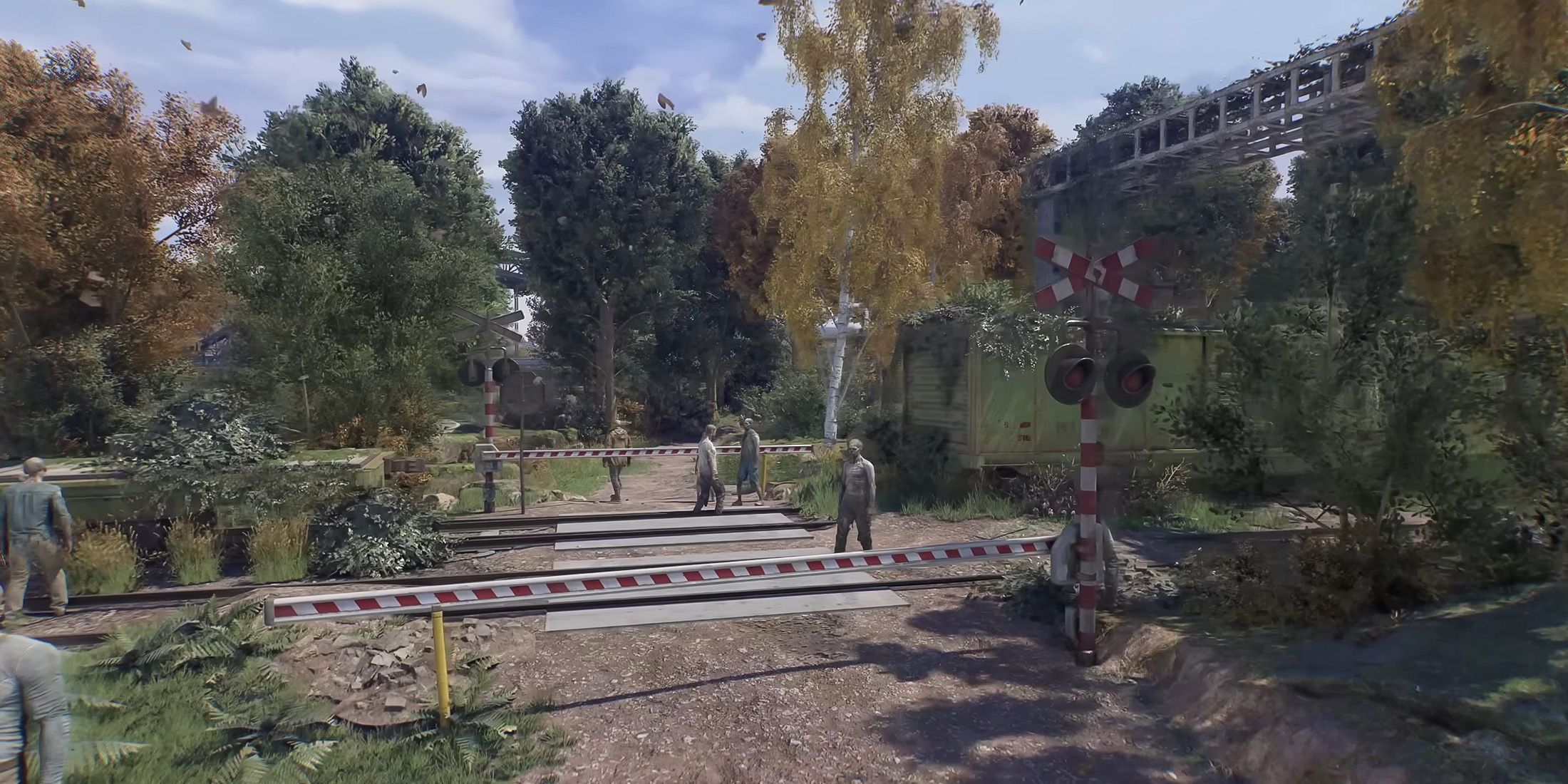
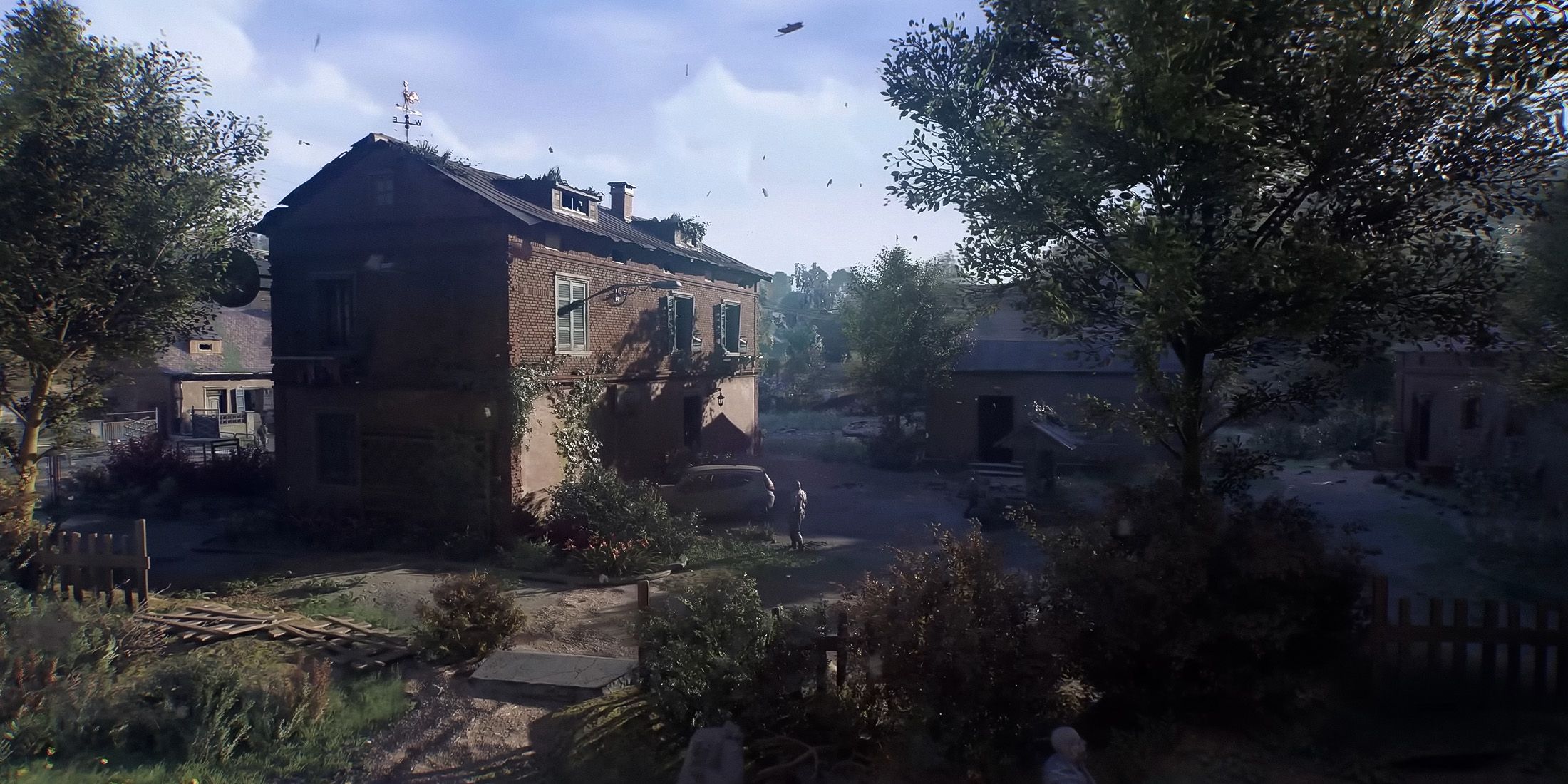
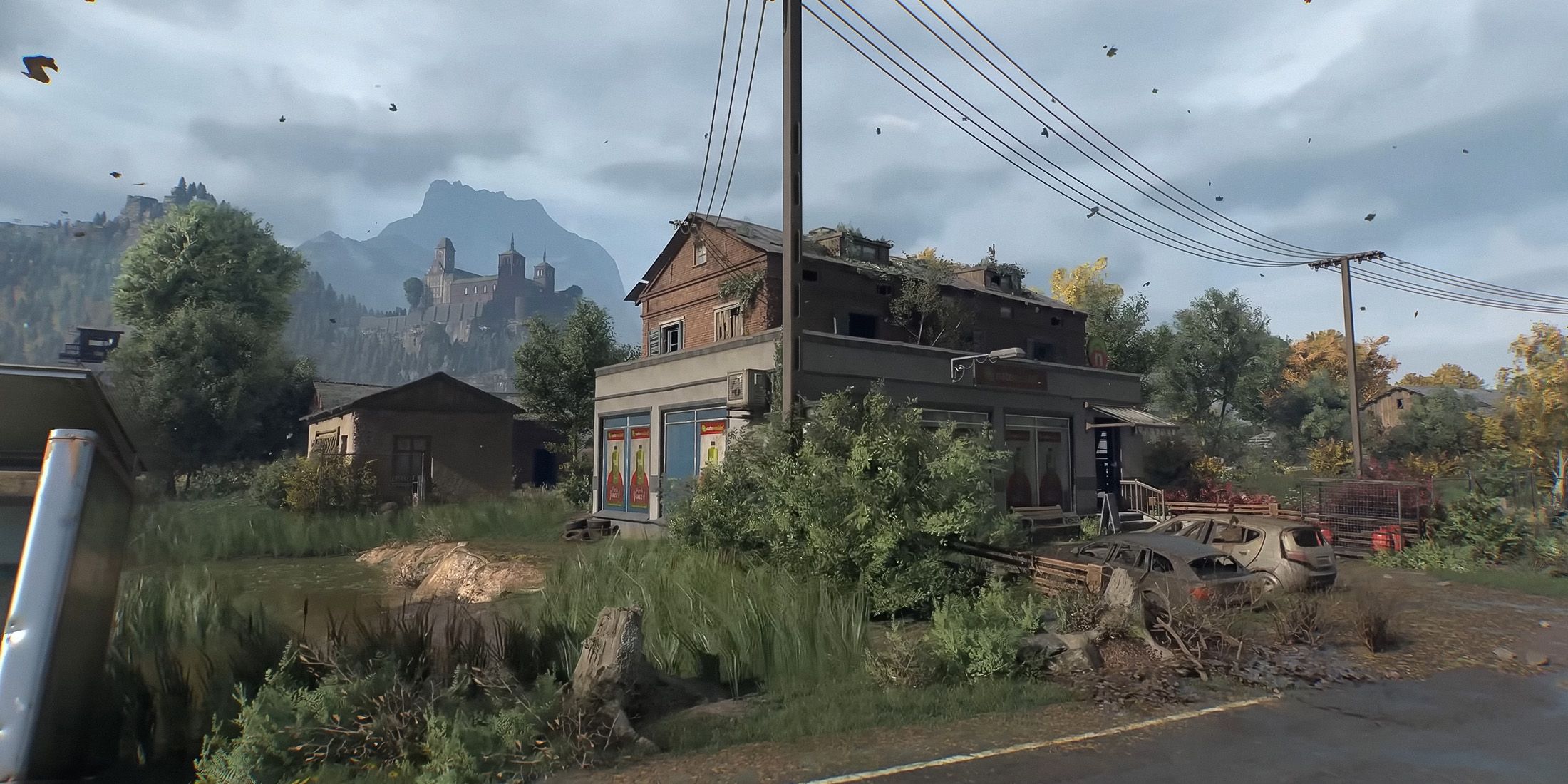
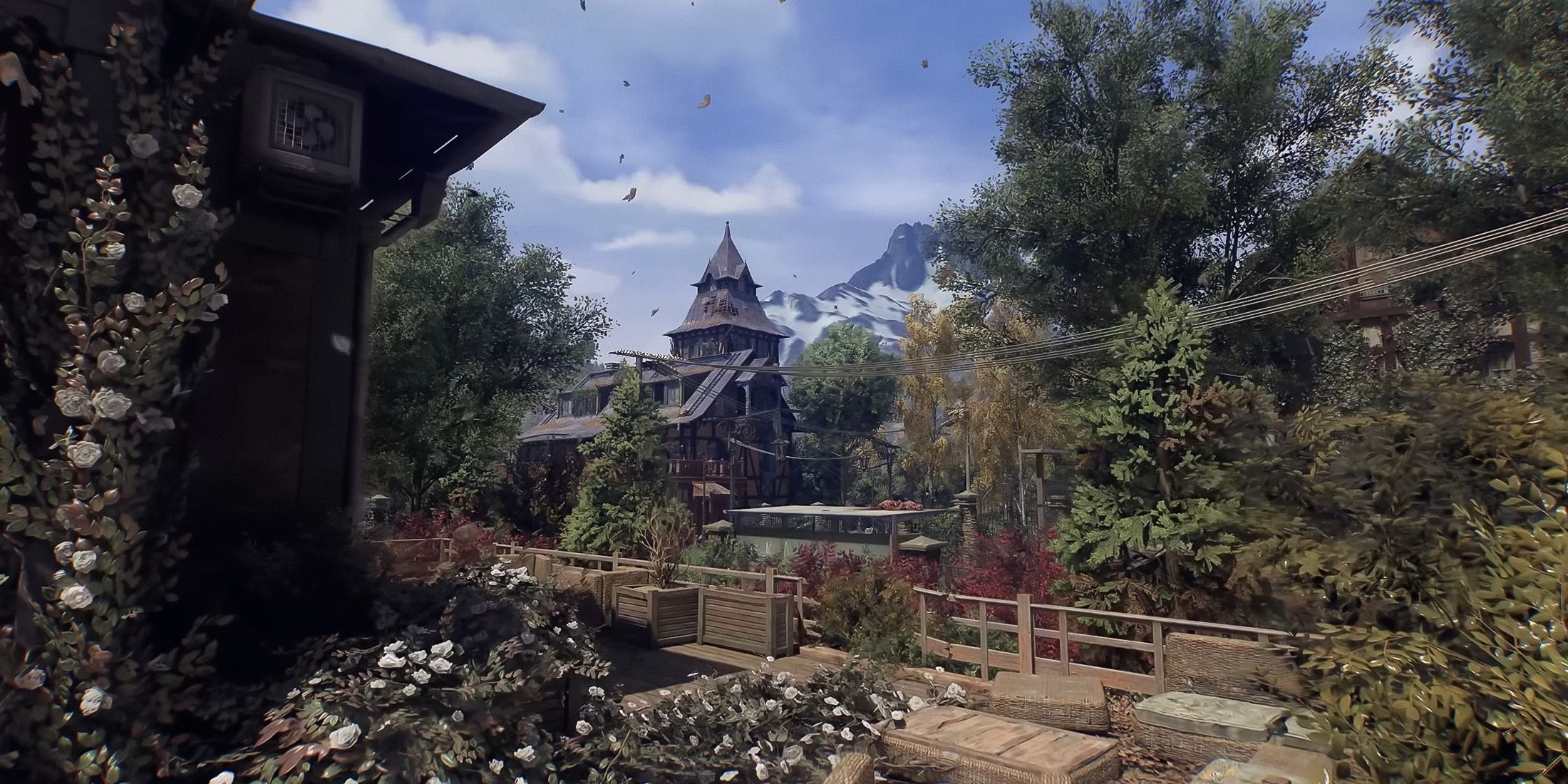
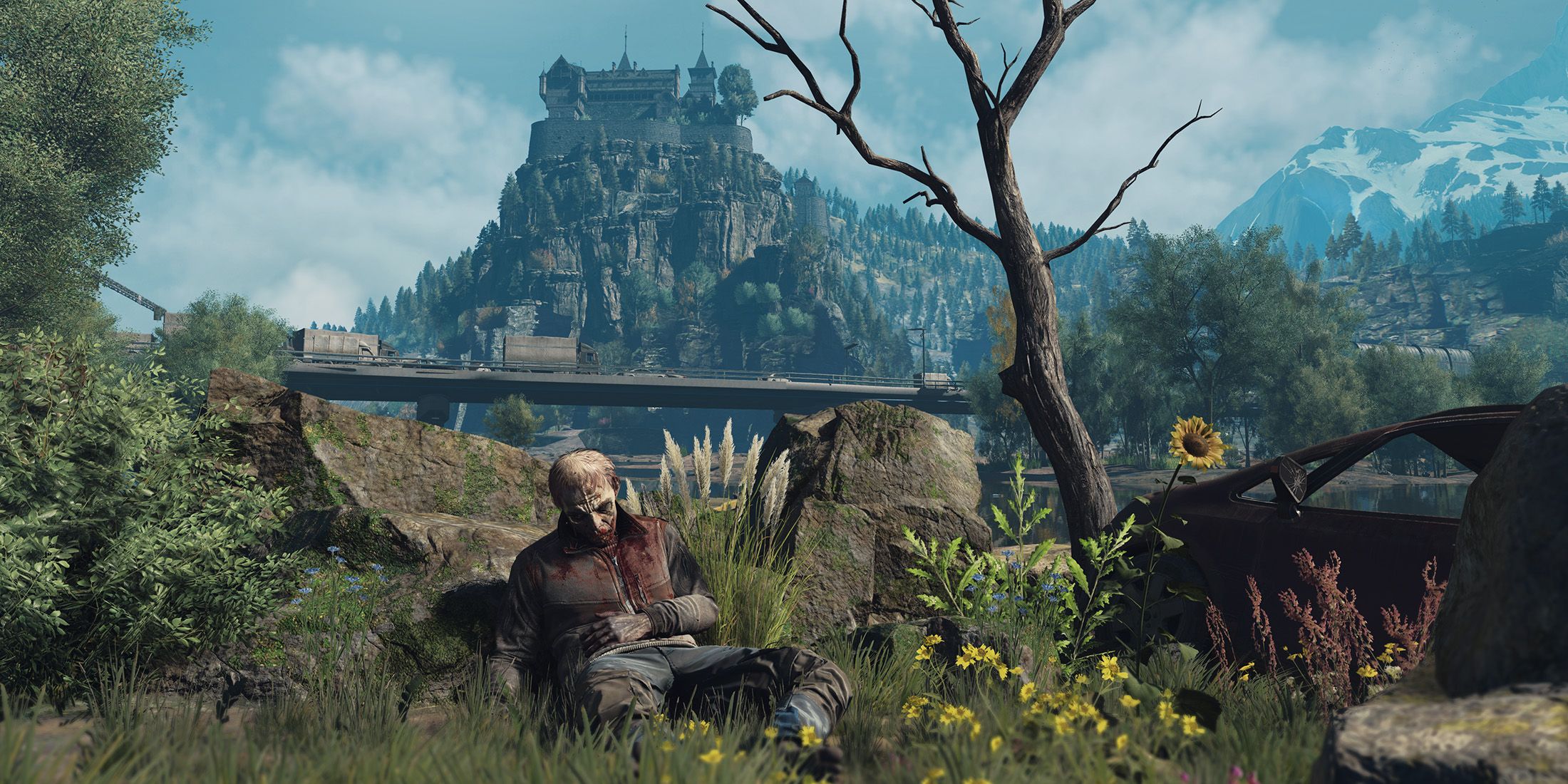
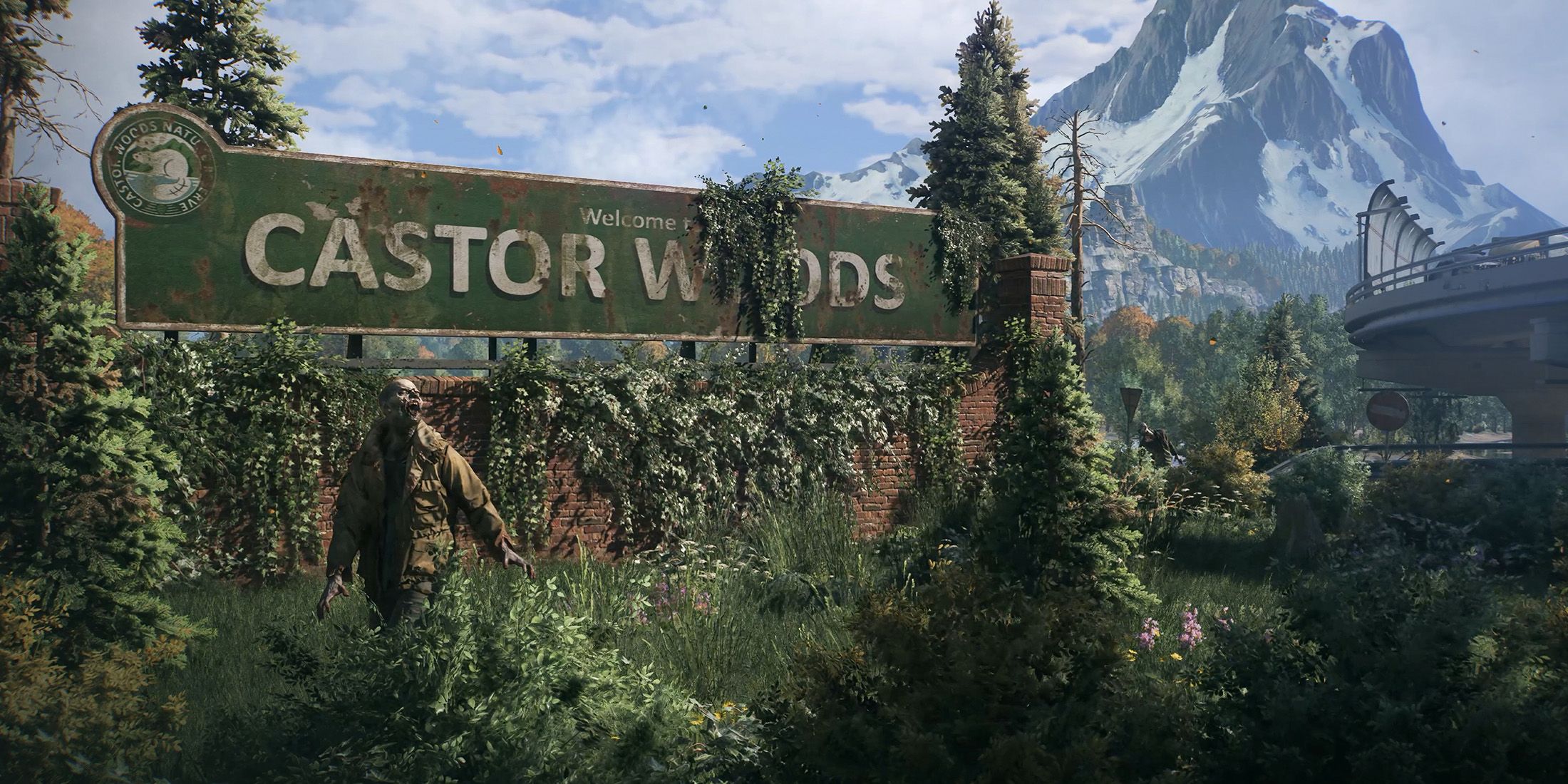
Once it became clear we were creating a fully-fledged game requiring ample space for our expanded storyline, we constructed a map capable of accommodating this growth. To ensure players would consistently find The Beast an engaging, surprising experience, we aimed to make the map diverse. Given our narrative’s backstory, we decided to set it in Central Europe near Switzerland. We broke away from our tradition of urban settings, yet included zones ideal for parkour enthusiasts, ultimately resulting in Castor Woods – a scenic tourist valley teeming with beavers…and zombies.
In the process of brainstorming an idea for a forest-themed deserted tourist spot called Castor Woods, what sources of inspiration did the team turn to? Was there any actual instance of forgotten tourist locales that they referenced for this project?
In a heartfelt manner, Tarnacka-Polito expresses that this particular landscape holds a special place in their hearts. Since some of their artists hail from delightful mountain towns themselves, they found inspiration drawn from familiar, cherished surroundings.
To set the story appropriately, it was determined that the game should be situated in or near Switzerland. Initially, the Swiss Alps served as our inspiration. However, as Kasa points out, we have several environment artists living in towns resembling mountainous, touristy areas of Poland. Undeniably, some elements reminiscent of their childhood landscapes are subtly incorporated into the design.
Discussion on Castor Woods: Let’s delve into the topic of distinguishing each region in Castor Woods with a unique character. How numerous diverse ‘ecosystems’ might players encounter?
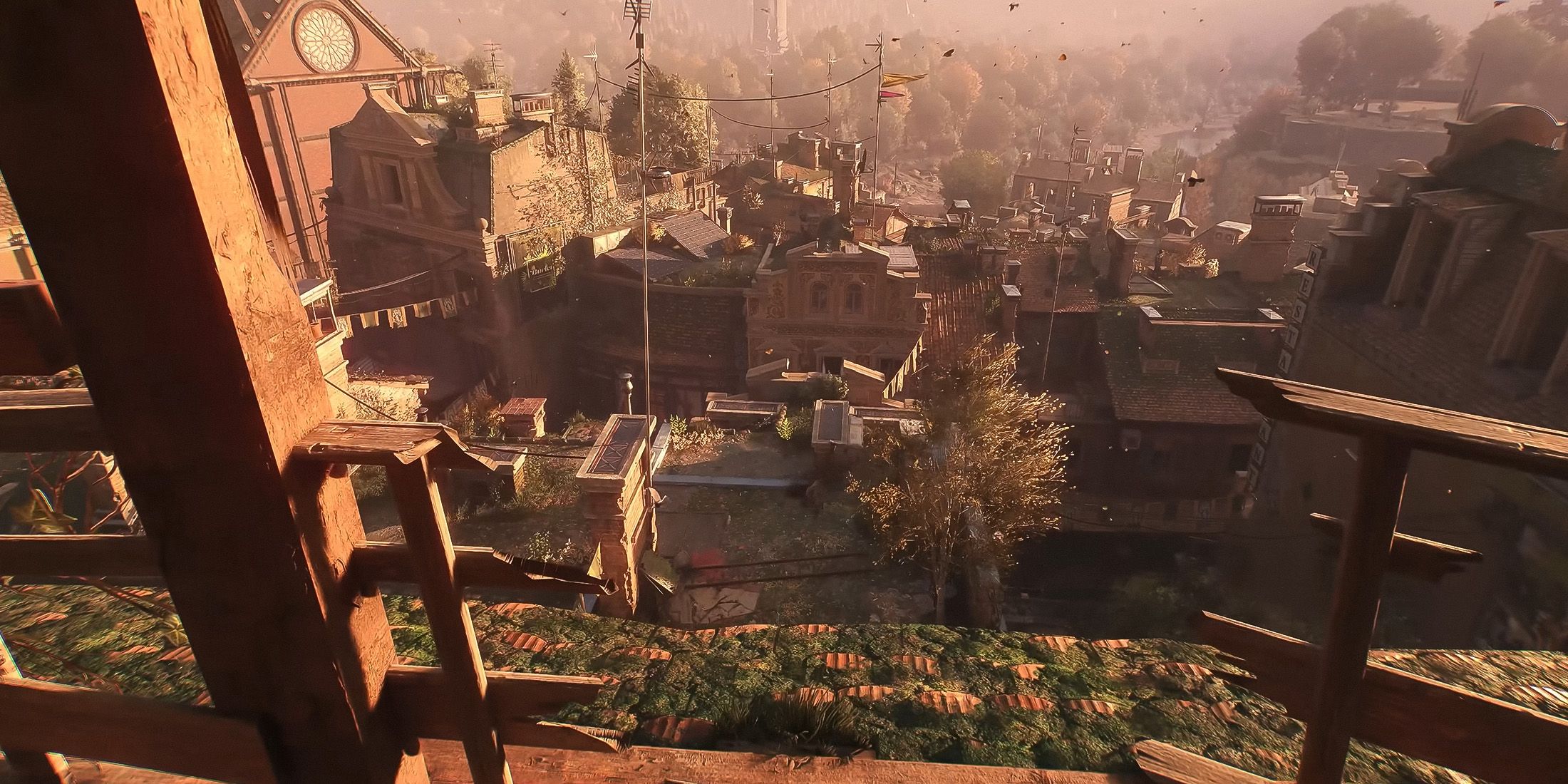
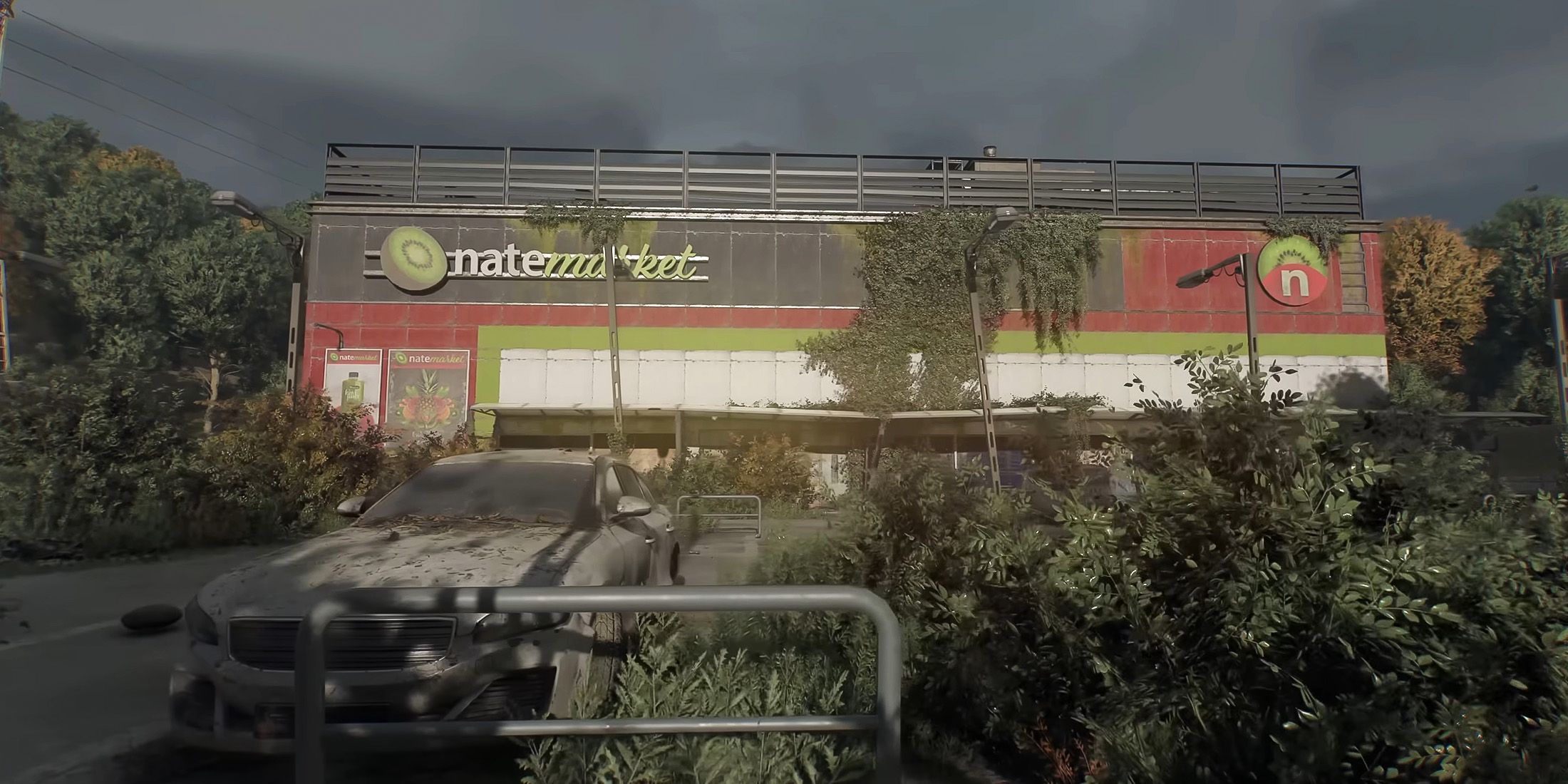
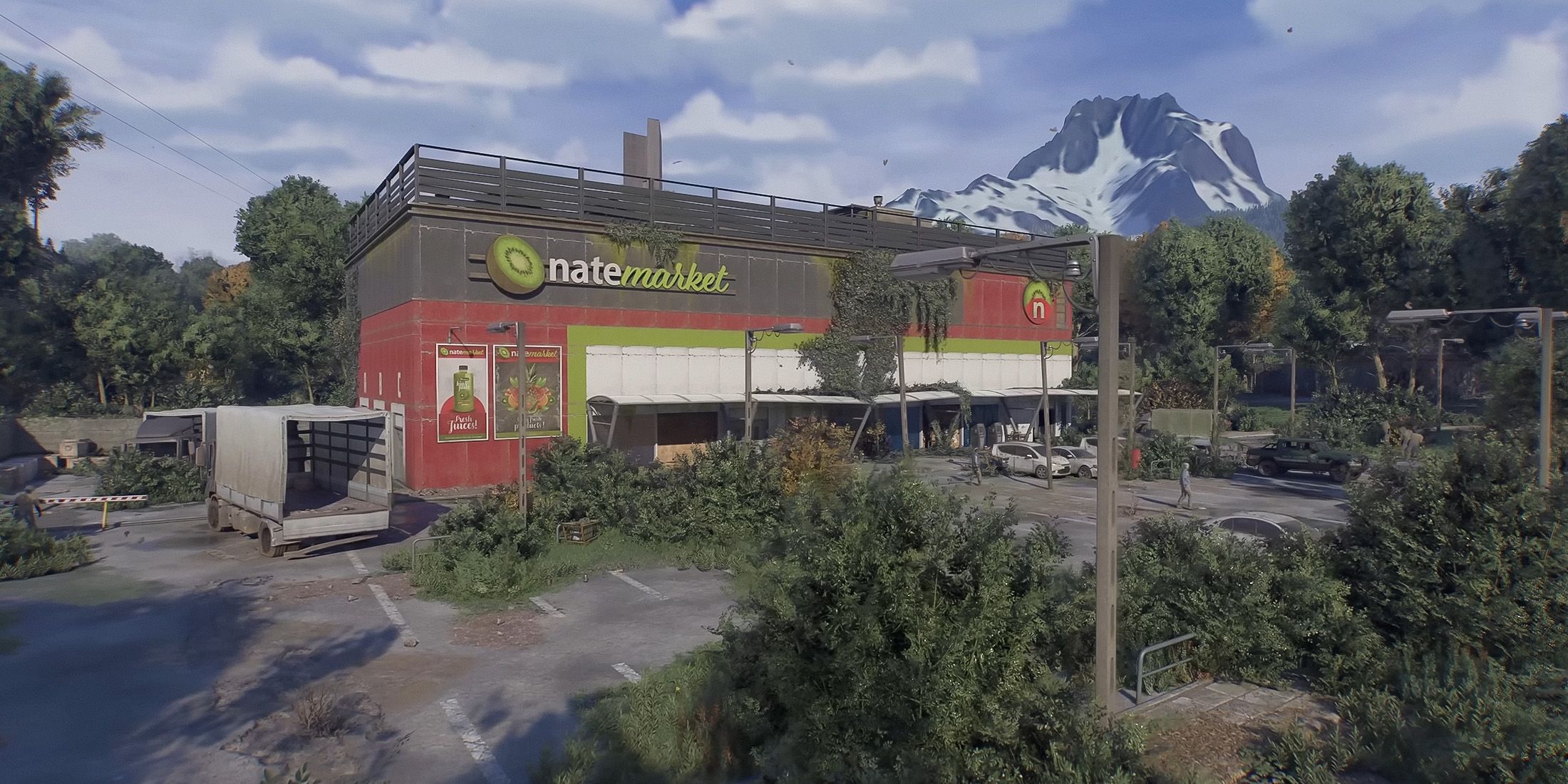
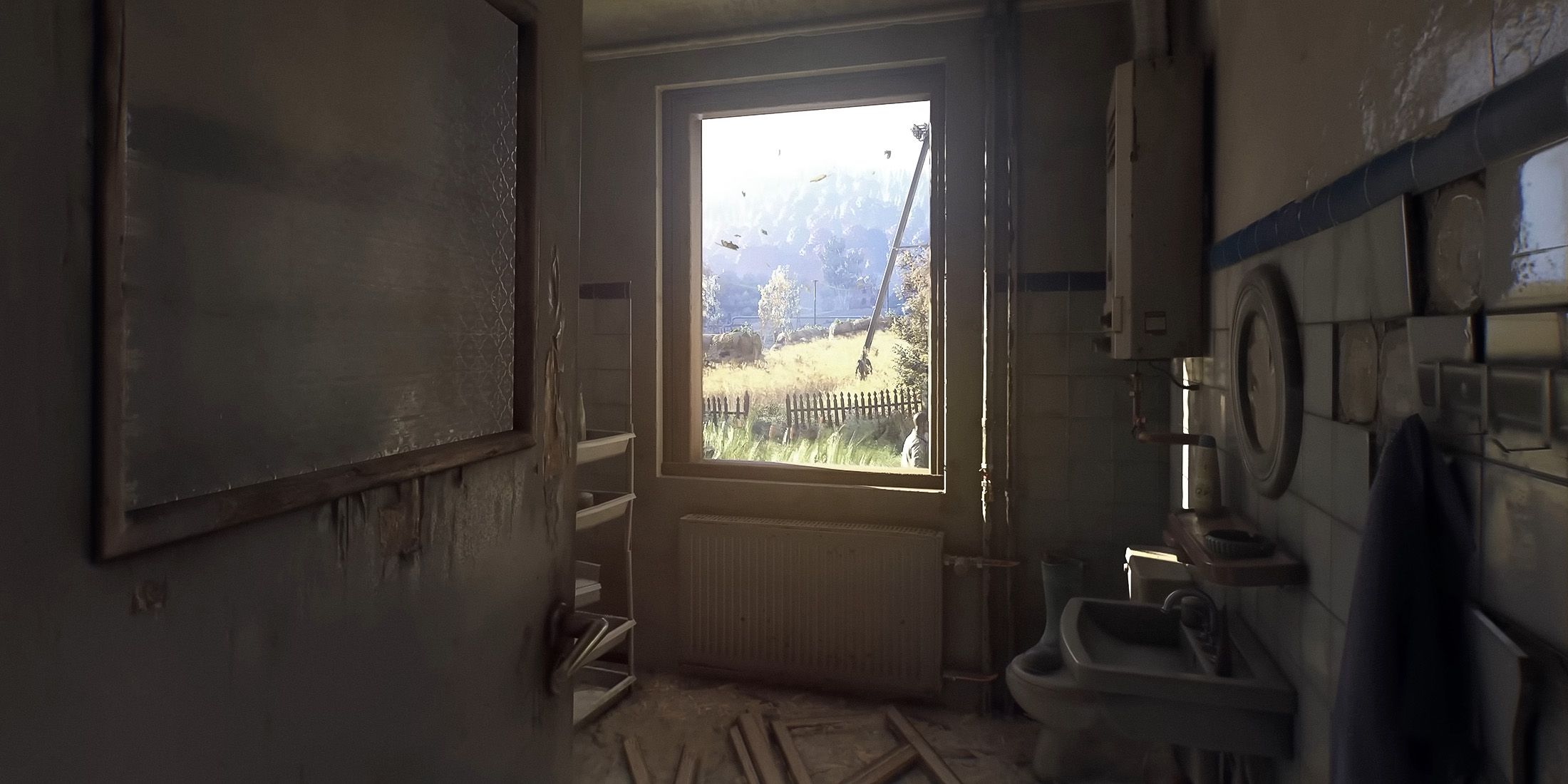
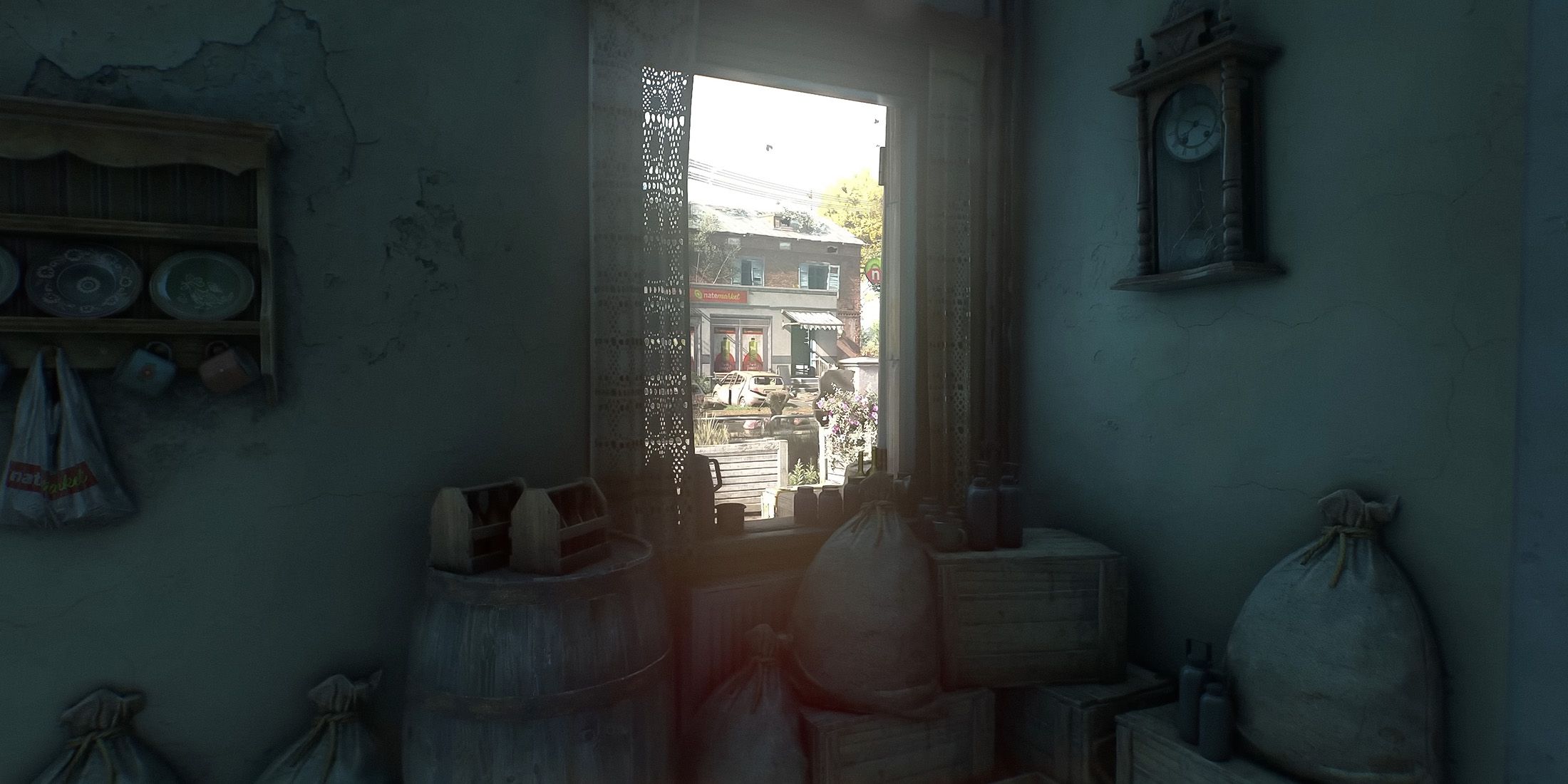
In creating Dying Light: The Beast, our aim was to build a vibrant, immersive world brimming with various locations to discover. The map caters to an array of environments – bustling towns, thick forests, rugged hills, riverbanks, marshy lands, farmlands, and old industrial zones. To set it apart from Villedor in Dying Light 2: Stay Human, we designed the town on uneven terrain, giving it a unique character. Our goal was to make the environment appear rich and diverse.
The serene vacation spot, Castor Woods Town, nestled amidst breathtaking mountains, forests, and a captivating national park, was once bustling with life. It served as a haven for those seeking tranquility, skiing adventures, and nature immersion. Tourists could effortlessly explore the adjoining national park, a vast, wooded expanse boasting scenic vistas reminiscent of, among others, the Table Mountains National Park in Poland. Here you’ll find mountain cabins, picnic spots, and the park administration headquarters. Do not forget to take a moment to peruse the informational boards; they provide valuable insights that shouldn’t be overlooked.
This former industrial complex was bustling with multiple factories that offered employment to the neighborhood. Although a few of them shut down prior to the pandemic, silos, storage facilities, and manufacturing plants remain intact. These structures present intriguing possibilities for both exploration and potential salvage.
Additionally, we established a worker’s community, similar to many towns developed around the beginning of the 20th century close to factories. In these towns, living quarters for workers were conveniently located nearby. The community featured standard residential blocks bordered by playgrounds, grocery stores, and green areas dedicated to leisure activities.
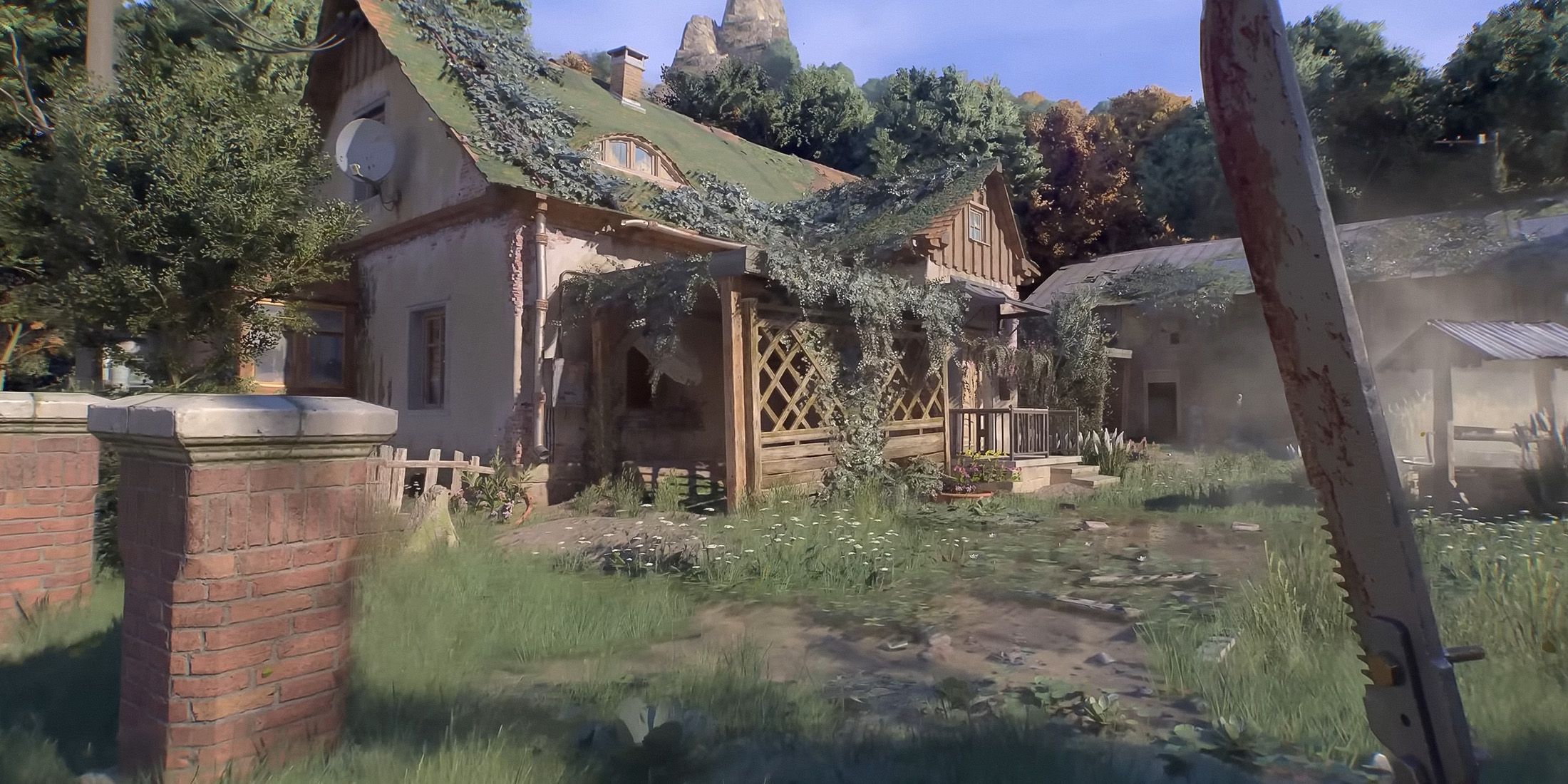
In another significant aspect at Castor Woods lies the farmlands, reminiscent of picturesque European countrysides. These areas were where residents cultivated and marketed local goods to tourists passing by. Although part of it is now submerged under water, you can still appreciate the meticulous construction of each farmhouse and its surroundings.
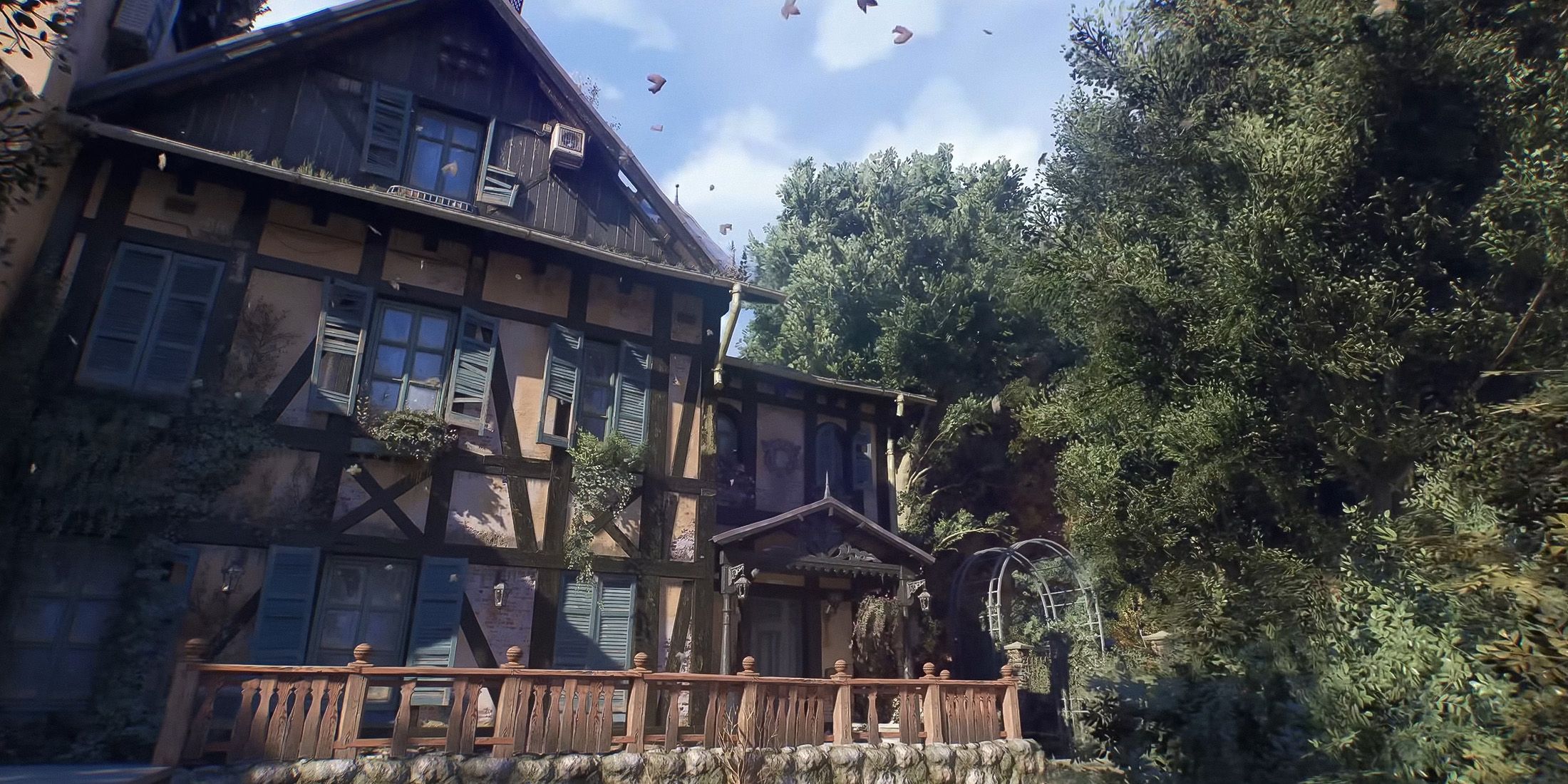
In addition, there exists the historic villa district, characterized by its distinctive architecture, where Castor Woods’ affluent inhabitants resided. Here, players will come across several hotels and bed-and-breakfasts. Each house boasts a unique garden and subtle details that offer intriguing glimpses into the lives of former residents, making it an enjoyable experience to design.


Previous interviews have hinted that the Castor Woods, a game location, drew some influence from the setting of Twin Peaks. In what ways can we see this reflected in the game and how much of the surreal or mind-bending horror, related to this, can fans anticipate?
In a different phrasing:
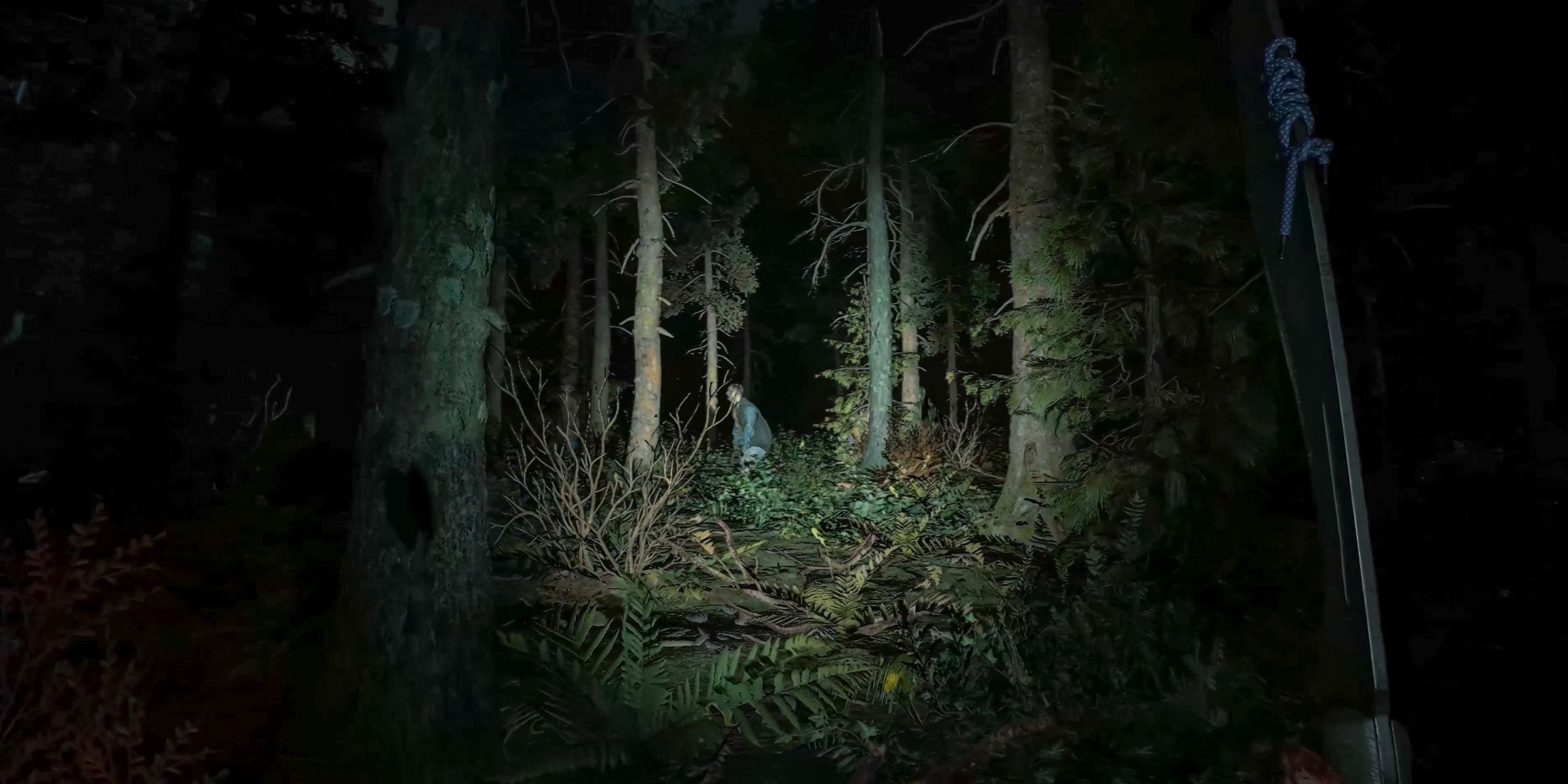
Smektala: Absolutely, you won’t find the surrealism akin to David Lynch’s work in its entirety. He’s undeniably exceptional in that realm, and as an ardent admirer of his cinematic universe, I was saddened by his demise. However, there are parallel elements – a desolate valley enclosed by ominous, dense forests, peculiar inhabitants, and an abundance of enigmas. There’s even a nod to Twin Peaks subtly hidden in one of the collectibles, though it shouldn’t be over-interpreted. Primarily, we’re delving into zombie folklore, with occasional surreal moments, yet they mainly serve as peripheral aspects within the main storyline.
In terms of audio, what are the key influences shaping the overall approach, the music score, and each distinct sound effect found within the universe of “Dying Light: The Beast”?
In our team, we are thrilled to have Olivier Deriviere. He’s an extraordinary musician with a unique ability to grasp video games more intuitively than anyone else. His skill and adaptability are clearly demonstrated in the distinct sound design of Dying Light: The Beast versus Dying Light 2: Stay Human, both of which he expertly audio-directed. While Dying Light 2 was consistently scored with pulse-pounding music fitting for a top-tier Hollywood action movie, The Beast is more introspective, relying on music sparingly and primarily using ambient sounds to create an immersive atmosphere and sense of presence.
[END]
Read More
- All Skyblazer Armor Locations in Crimson Desert
- How to Get the Sunset Reed Armor Set and Hollow Visage Sword in Crimson Desert
- All Shadow Armor Locations in Crimson Desert
- Marni Laser Helm Location & Upgrade in Crimson Desert
- All Helfryn Armor Locations in Crimson Desert
- All Golden Greed Armor Locations in Crimson Desert
- All Icewing Armor Locations in Crimson Desert
- Best Bows in Crimson Desert
- How to Beat Stonewalker Antiquum at the Gate of Truth in Crimson Desert
- Legendary White Lion Necklace Location in Crimson Desert
2025-08-22 18:32