It’s clear that nostalgia is a huge driver of success in all forms of media. But it’s also important to recognize that preserving video games is a critical part of the industry, and we don’t talk about it enough.
Many incredibly influential games from the past – games that really defined the industry and various genres – are now hard for modern players to enjoy. They’re either stuck on old, discontinued consoles or their gameplay feels too outdated for today’s tastes, which means a new generation is missing out on experiencing these classics as they were originally intended.
That’s precisely why I’m not immediately skeptical of remakes and remasters – as long as they’re intended to let more people enjoy a beloved game, rather than just being about outdated technology.
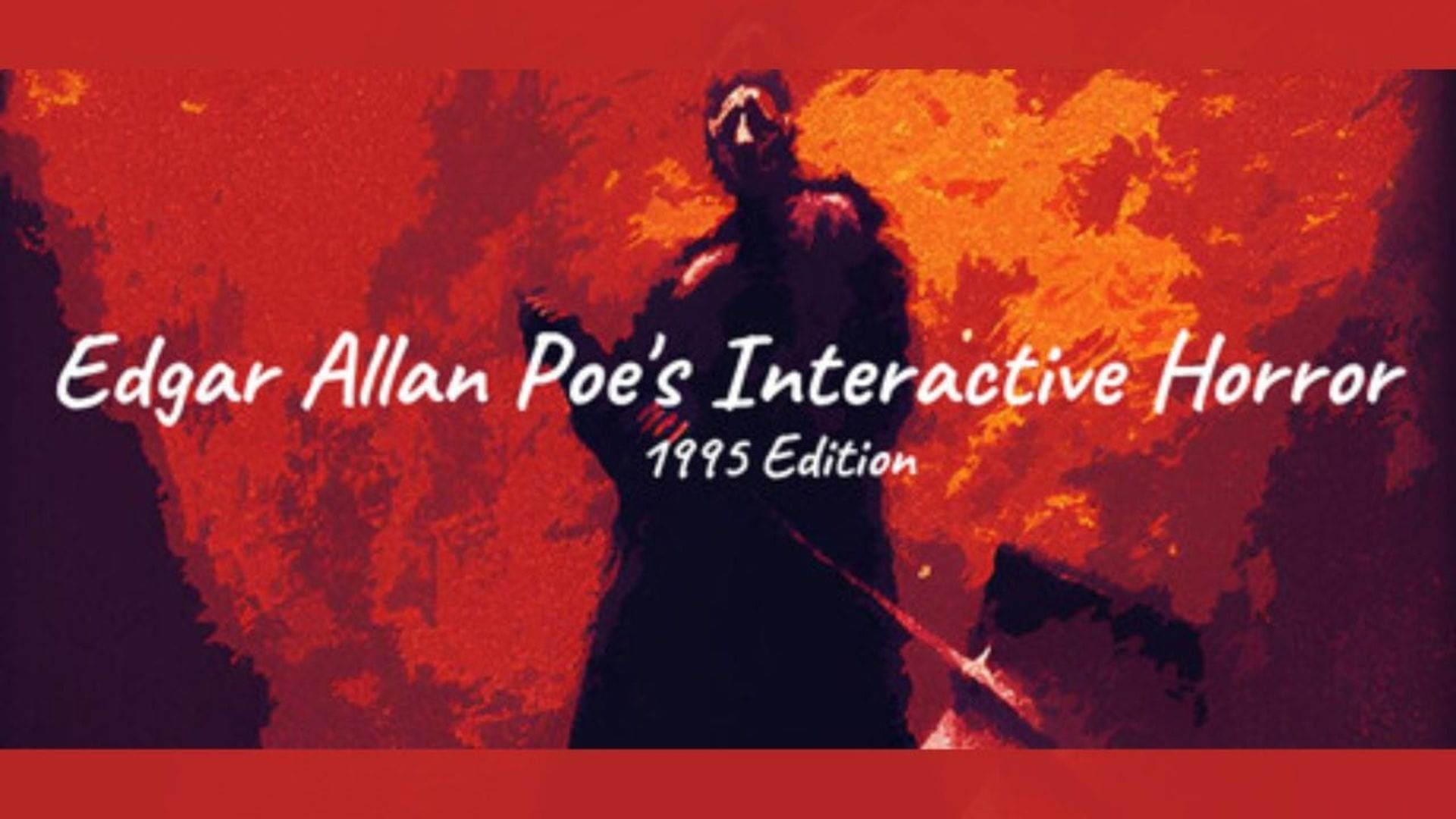
I was really excited when Edgar Allan Poe’s Interactive Horror: 1995 Edition was announced – it’s a restored version of the classic game, The Dark Eye. I’m a big believer in preserving important games, and it’s fantastic to see a beloved horror title from the 90s get a chance to reach new players.
After playing through the updated game and seeing the credits, it became clear just how important game preservation is—and surprisingly, for both good and bad reasons.
A Macabre Relic From the Past
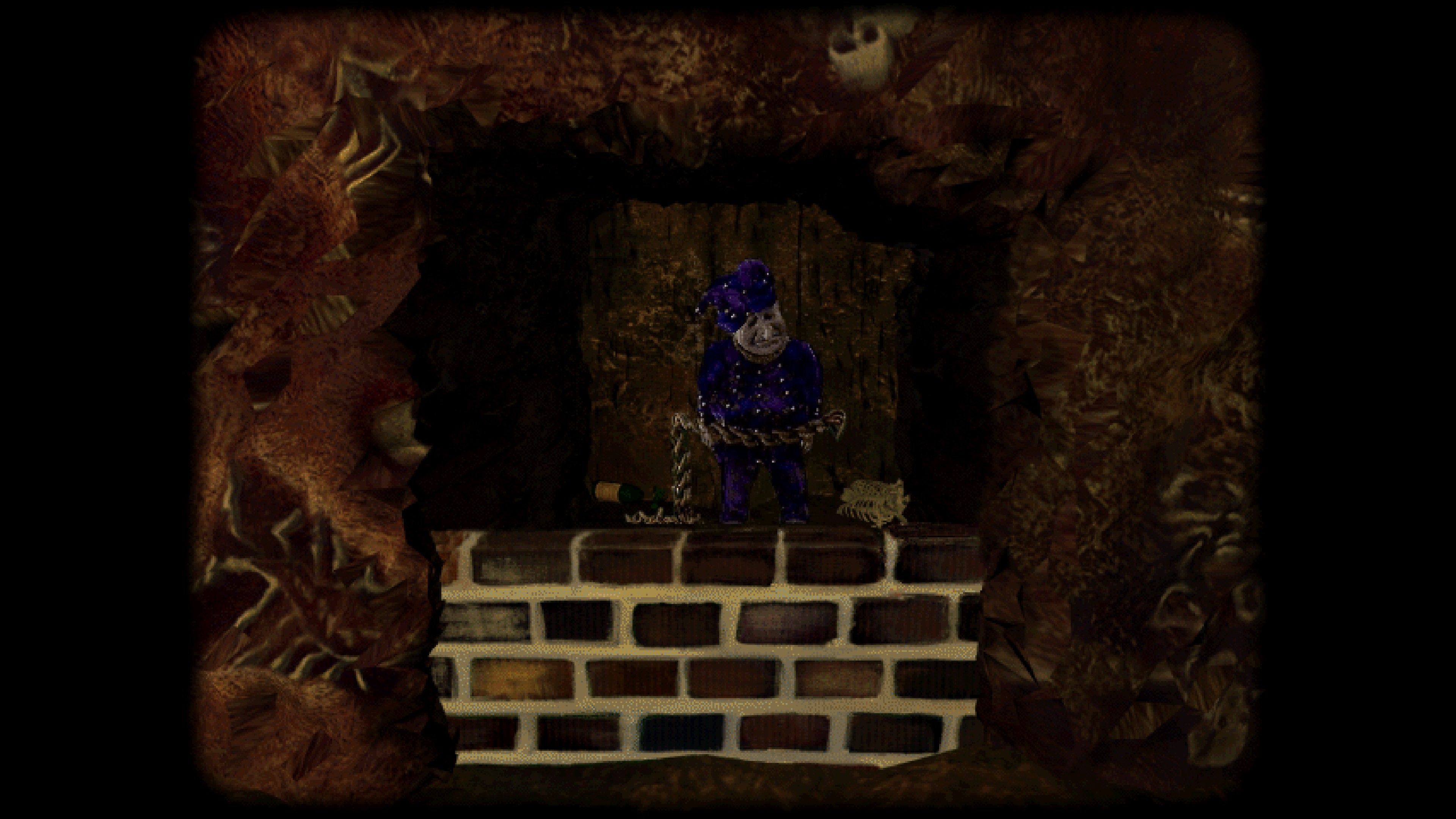
Before discussing the 1995 release of Edgar Allan Poe’s Interactive Horror as a modern game, let’s look back at its origins.
This is a remake of The Dark Eye, a classic point-and-click adventure game from 1995 that specializes in psychological horror. The game draws inspiration from the stories of Edgar Allan Poe, offering a fresh take on tales like “The Fall of the House of Usher” and “The Cask of Amontillado.”
I was really excited when Edgar Allan Poe’s Interactive Horror: 1995 Edition was announced – it’s a restored version of the classic game, The Dark Eye. It’s great to see a beloved horror game from the 90s get a new life and reach more players, and that’s exactly the kind of game preservation I support.
When the game first came out, it quickly set a new standard for creative point-and-click adventures, joining other uniquely strange and memorable games like Harvester and Bad Mojo.
Although it’s a historically significant film, it’s always been something of a hidden gem, mainly appreciated by hardcore fans of classic horror – like me. It’s fantastic to see it getting attention again with this new restoration, and the 1995 edition should be celebrated simply for preserving the film.
Preserving Atmospheric Terror
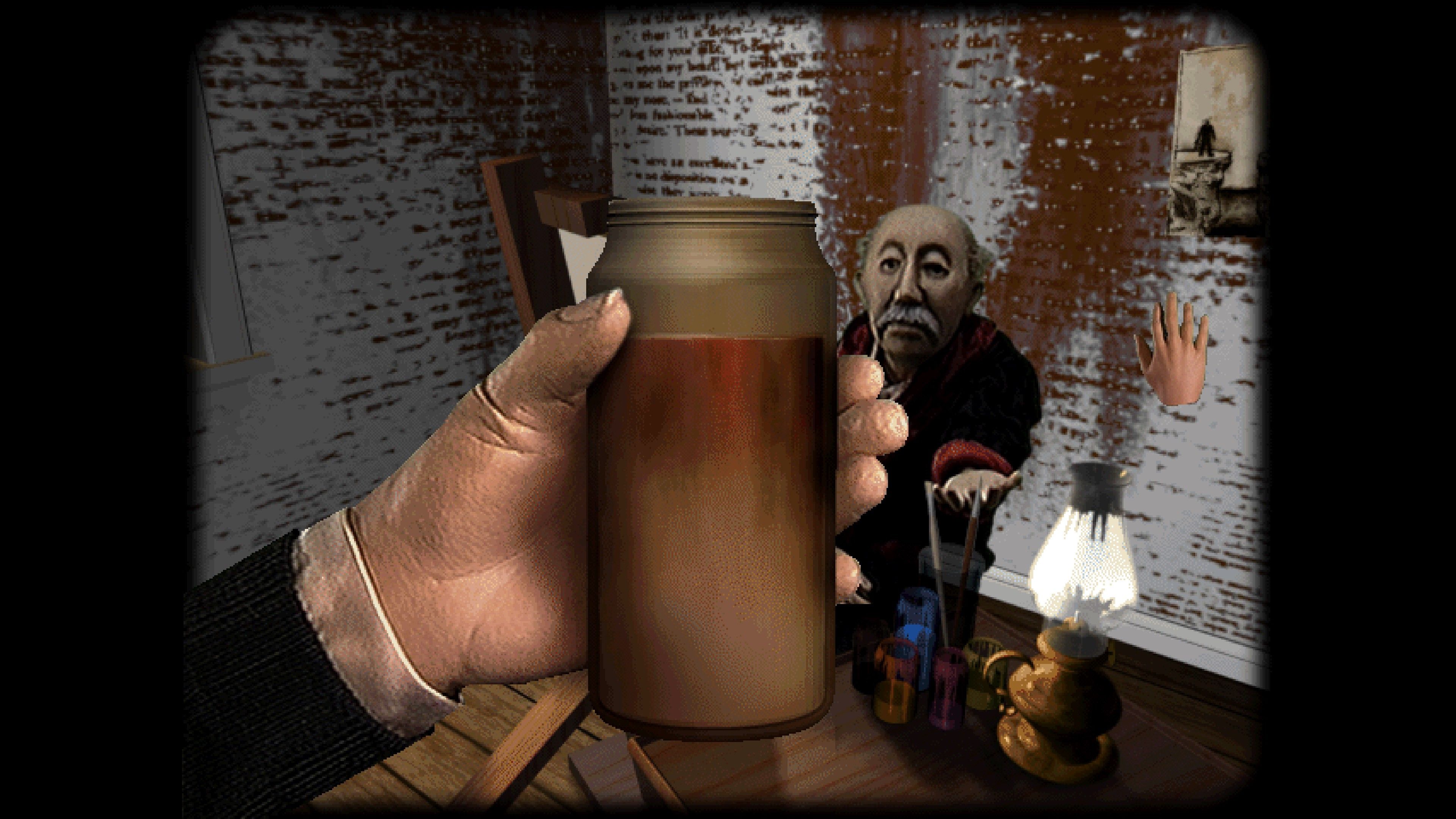
The game is a simple point-and-click adventure. You don’t collect items; instead, you move through each scene and interact with certain objects to make things happen.
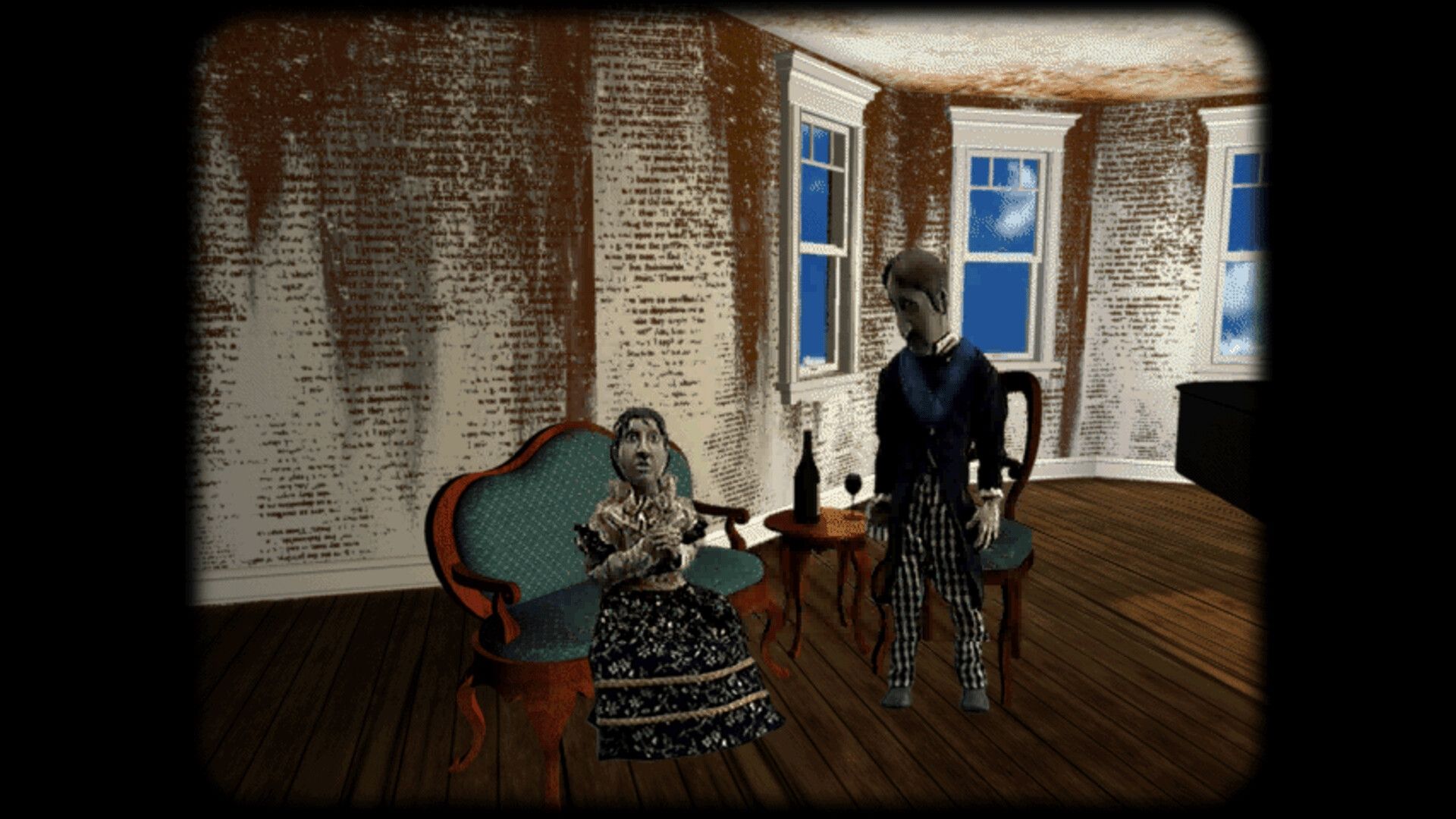
The game focuses entirely on creating a chilling and psychological horror experience. You play as a young man who goes to visit his uncle, a painter known for his unsettling and disturbing art. From the moment you enter his home, it feels strangely alive, making it hard to tell what’s real and what’s a nightmare.
You’ll investigate a location and talk to your uncle and other characters, as well as examine objects, which leads to experiencing nightmares from multiple viewpoints. Thankfully, the 1995 edition’s content is completely preserved – a great achievement! The developers have clearly prioritized staying true to the original game’s intent, and they’ve done a fantastic job.
The Problem With Preservation Without Polish
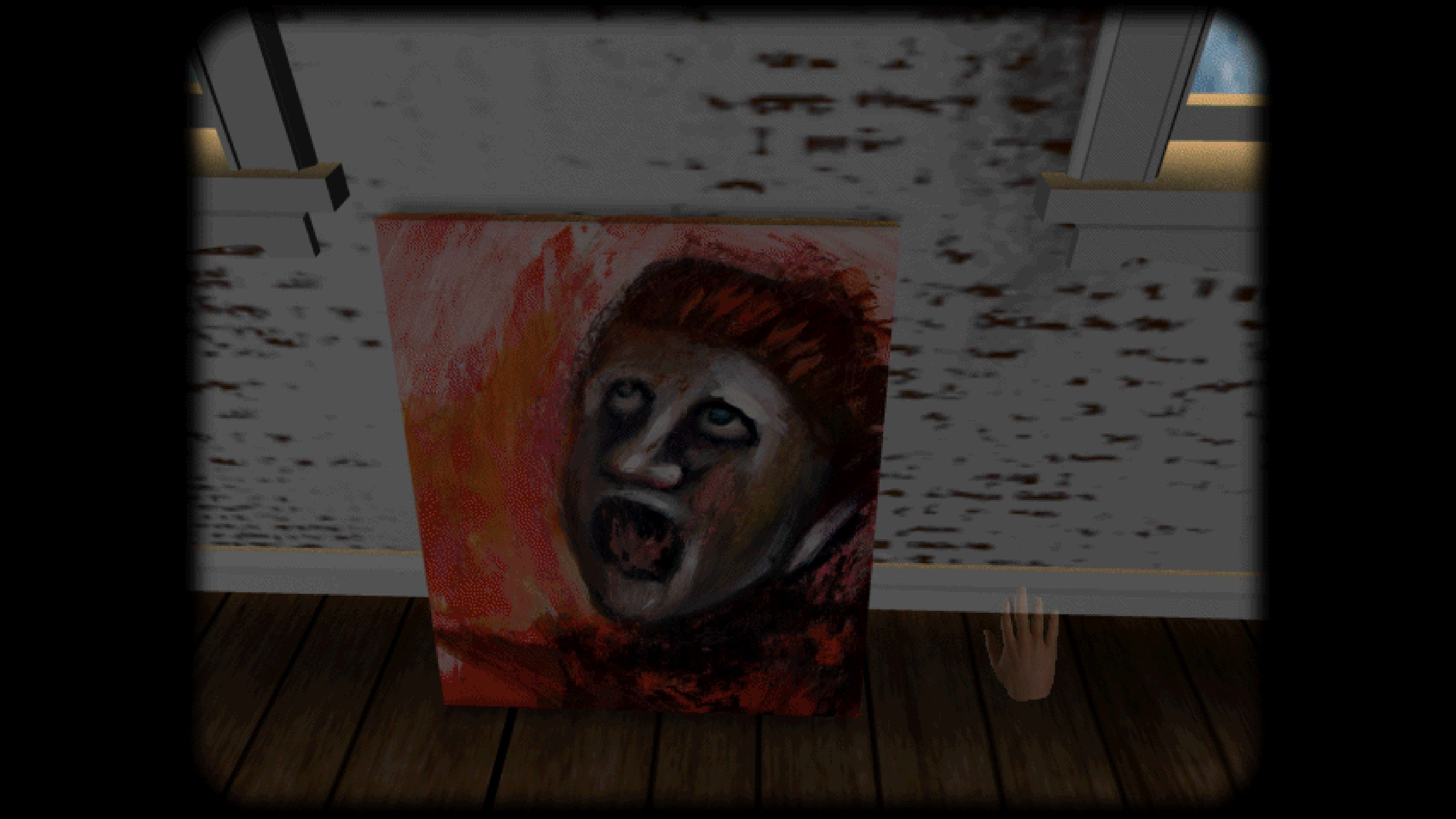
The restoration successfully captures the feeling of the original game, creating a strong sense of nostalgia. Playing it now genuinely feels like going back to the 1990s – the story, music, and William S. Burroughs’ iconic voice acting are all wonderfully preserved. It was so well done, I almost wished I had an old CRT television to complete the experience!
I was hoping for some modern updates in this 2026 restoration, but it felt a little lacking. To really appeal to new audiences, a classic needs some quality-of-life improvements, and this version didn’t quite deliver on that front.
Sometimes, playing feels almost exactly like the original game – aside from a little visual polish. This is mainly because of performance issues: conversations start slowly, there’s occasional stuttering near the end of levels, and the loading screens are unchanged from the first game.
I was hoping for some modern updates in this restoration, especially since it’s aiming to appeal to a new audience. To really connect with today’s viewers, a classic needs some improvements to make it more enjoyable, and this new version didn’t quite deliver on that.
I had some frustrating experiences with the saving system, which brought back memories of similar problems gamers faced in the ’80s and ’90s. Progress is saved by chapters, but navigating those chapters using the old 1995 interface is confusing. I accidentally selected the wrong chapter once and had to replay a large section of the game because of it. Also, the complete absence of subtitles – even for the original English dialogue – is a major accessibility issue that should have been addressed.
Closing Comments
Overall, I have complicated feelings about Edgar Allan Poe’s Interactive Horror: 1995 Edition. It was great to revisit a classic horror game I love, but disappointing to see it hasn’t been updated with more care. This restoration definitely feels like a trip back in time – sometimes in a good way, and sometimes not. It’s worth playing, but don’t expect a polished, modern experience.
Read More
- All Shadow Armor Locations in Crimson Desert
- Jujutsu Kaisen Season 3 Episode 12 Release Date
- Dark Marksman Armor Locations in Crimson Desert
- How to Beat Antumbra’s Sword (Sanctum of Absolution) in Crimson Desert
- Top 5 Militaristic Civs in Civilization 7
- Sega Reveals Official Sonic Timeline: From Prehistoric to Modern Era
- Sakuga: The Hidden Art Driving Anime’s Stunning Visual Revolution!
- Keeping AI Agents on Track: A New Approach to Reliable Action
- How to Get the Sunset Reed Armor Set and Hollow Visage Sword in Crimson Desert
- How To Beat Ator Archon of Antumbra In Crimson Desert
2026-02-15 16:10