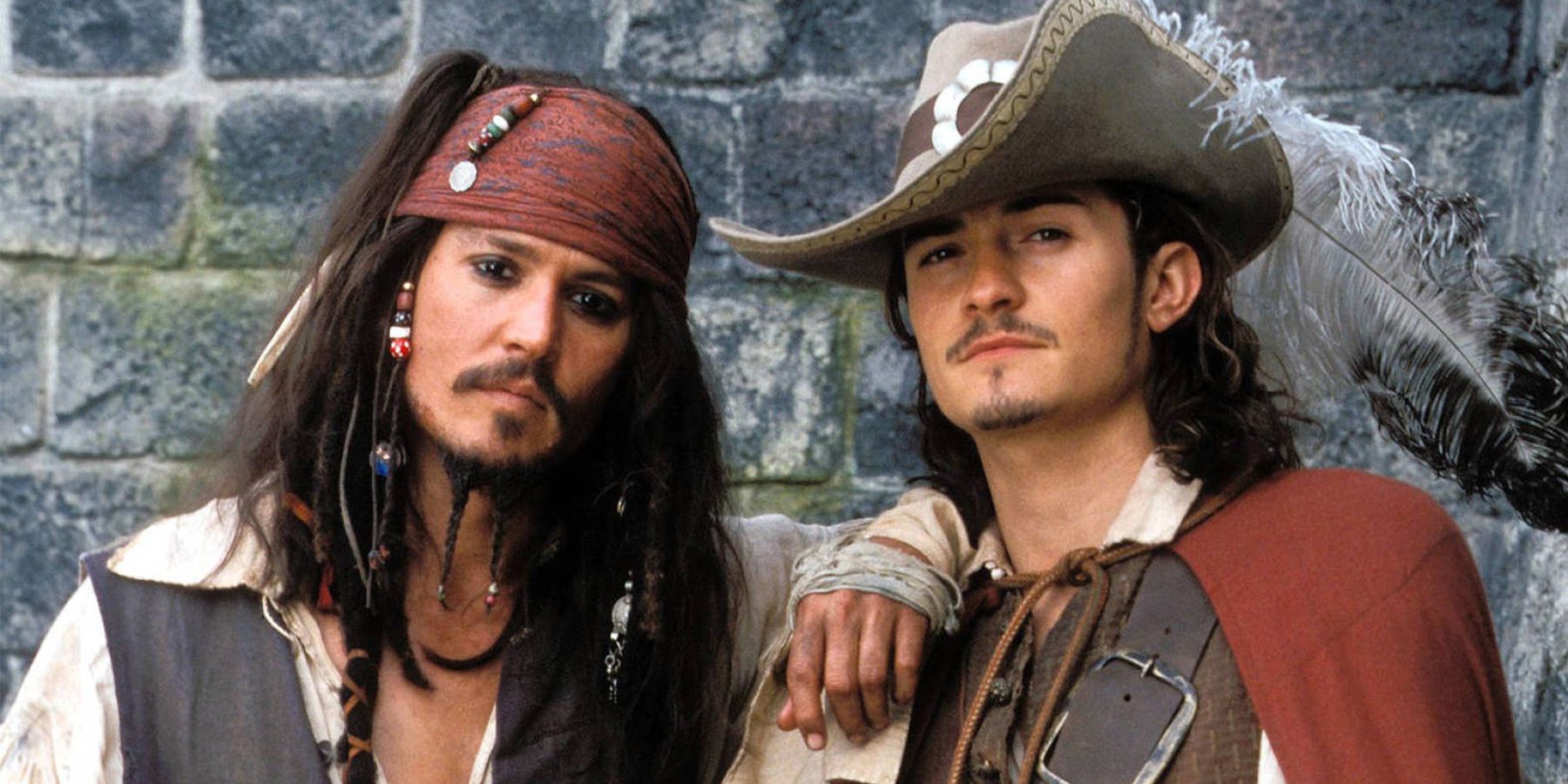
The first Pirates of the Caribbean movie, The Curse of the Black Pearl, came out in 2003 and launched a hugely successful five-film series. The films quickly became known for their exciting adventures and funny moments, making them a popular part of today’s culture. Leading the way was the unforgettable Captain Jack Sparrow.
Johnny Depp plays Jack, a character known for being unpredictable and seeming a bit silly, even though he’s always one step ahead. In the first few movies, Jack was central to the plot. But as the series went on, the focus changed, and each new film explored Jack and the overall story in different ways.
5. Pirates of the Caribbean: Dead Men Tell No Tales (2017)
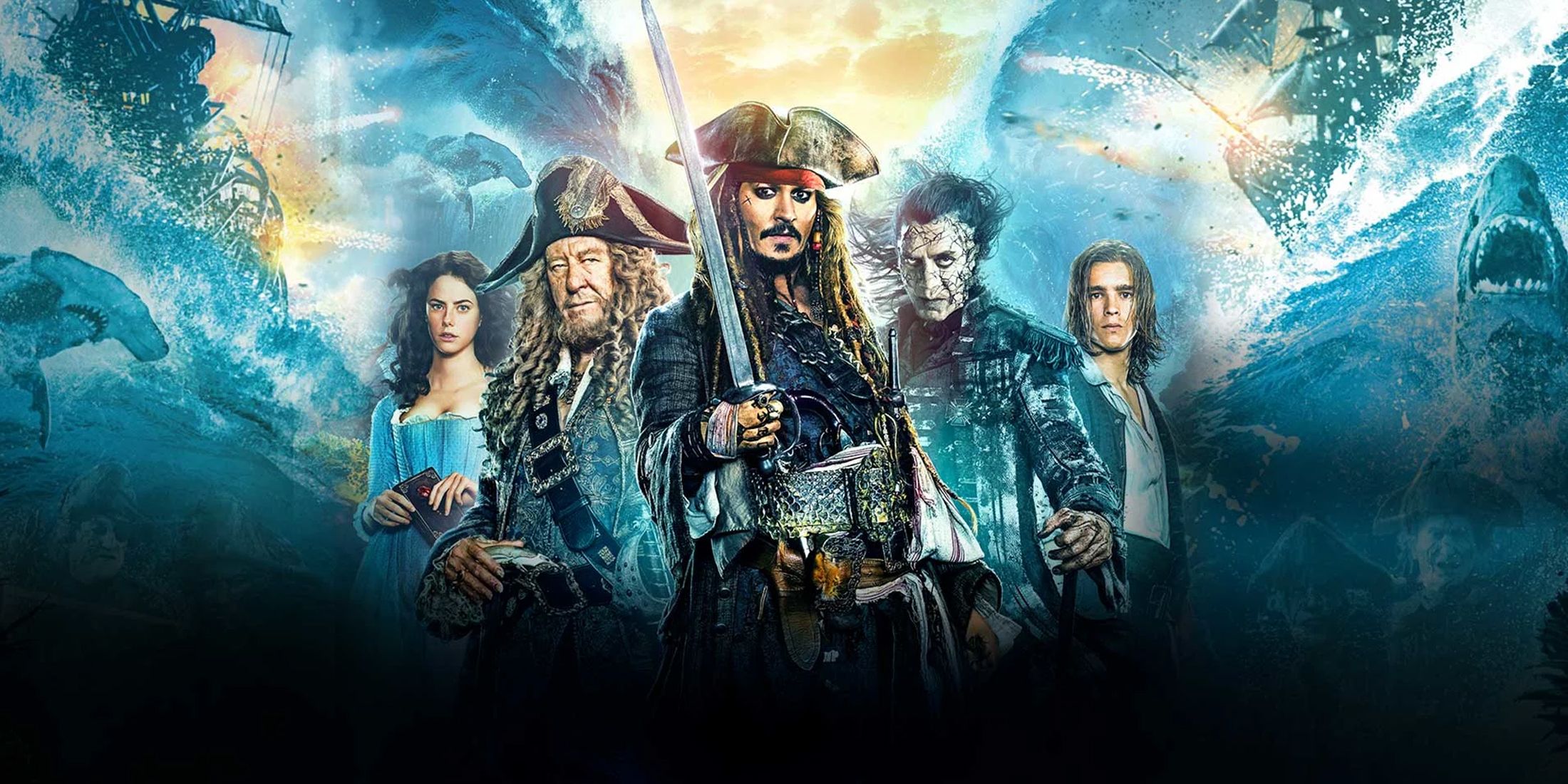
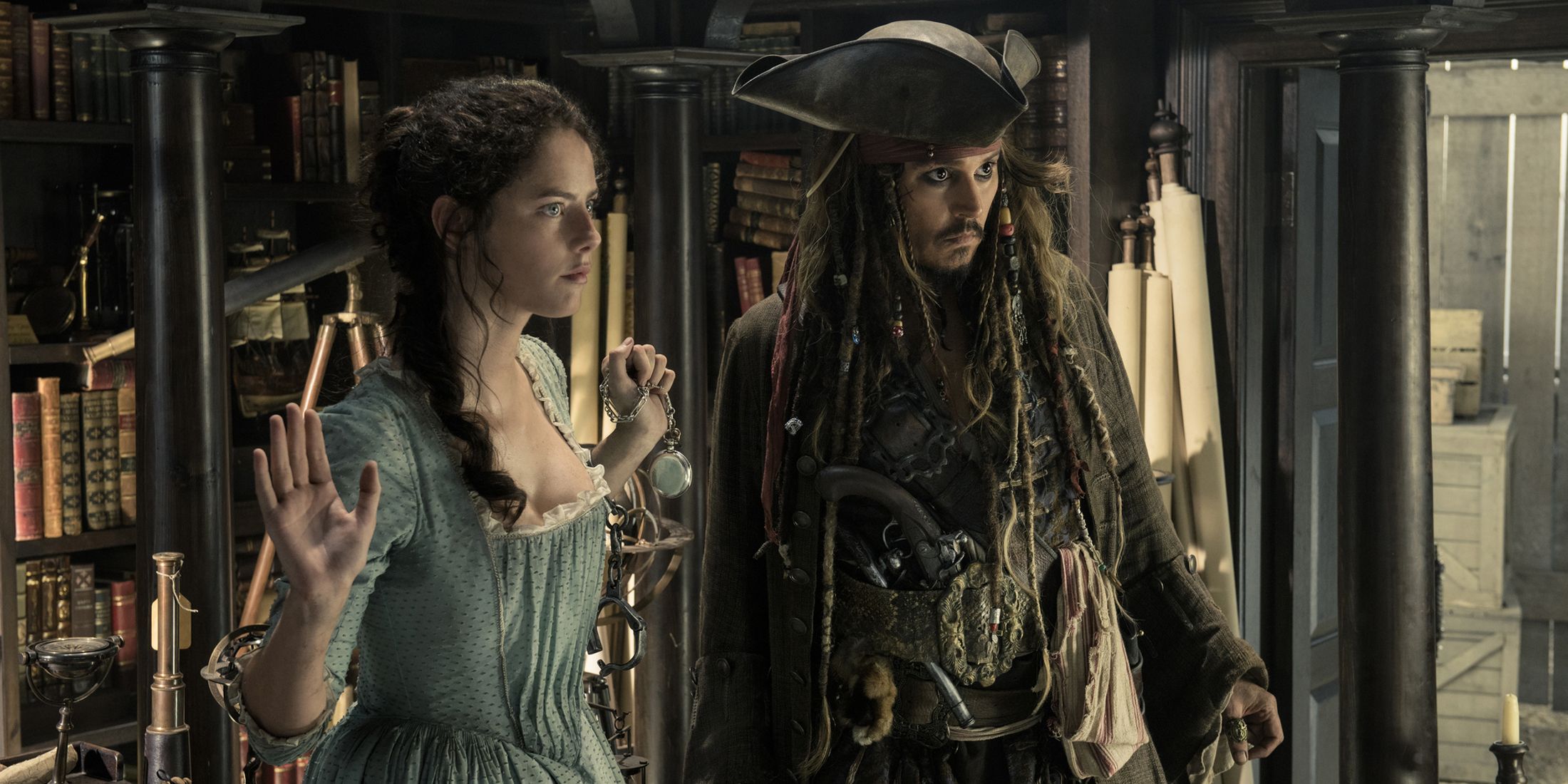
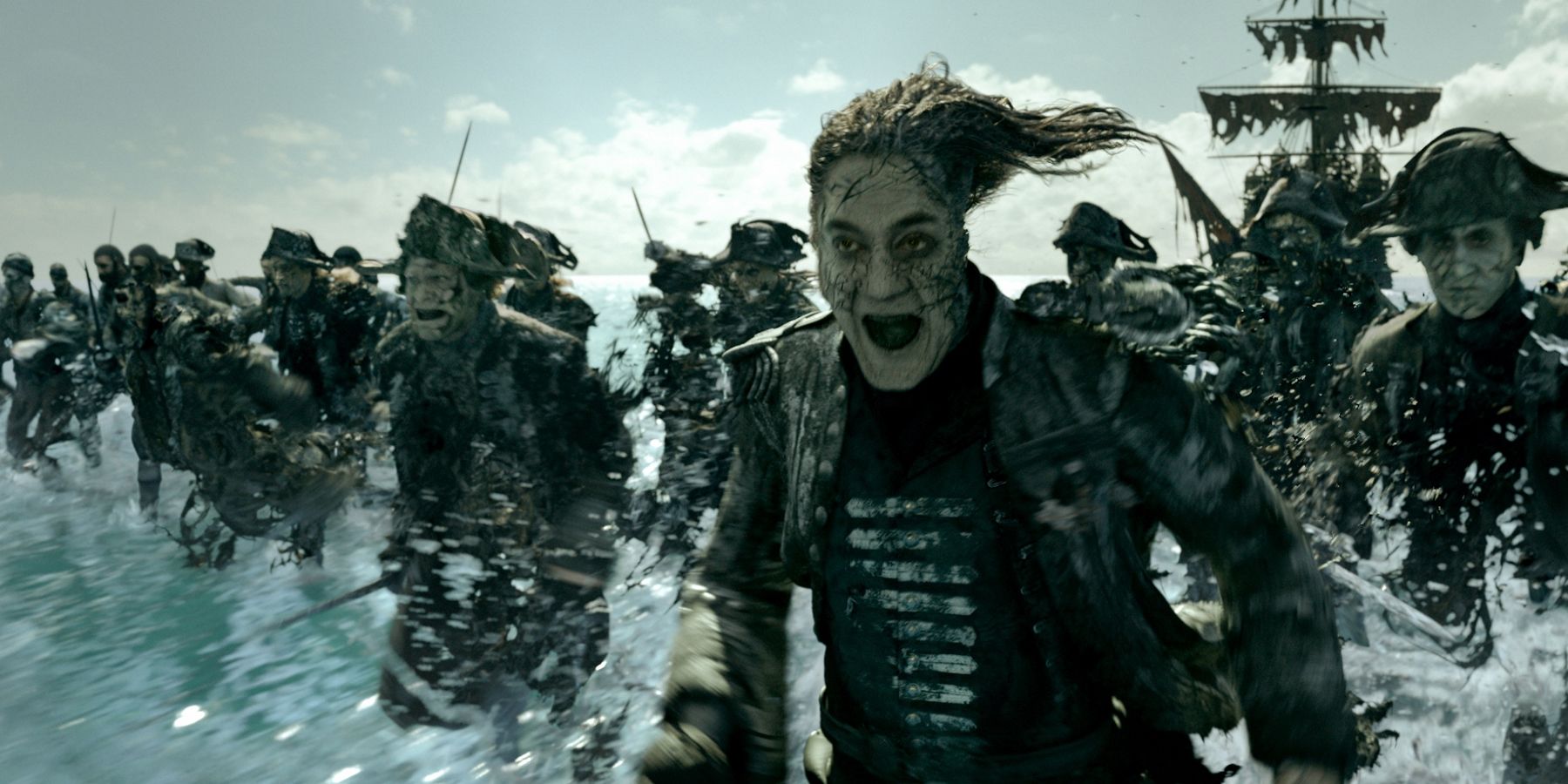
Dead Men Tell No Tales feels quite separate from the other Pirates of the Caribbean movies. It brings in a new villain, Captain Salazar, but the story mostly retreads old ground without offering much that’s fresh. The film returns to themes of curses, revenge, and a new pair of heroes, but doesn’t really build on them in a meaningful way.
The biggest change is with Captain Jack Sparrow. In past movies, his funny behavior hid a sharp mind and good instincts. But in this film, he’s become overly exaggerated, making him seem less like a resourceful person who anticipates trouble and more like someone simply responding to whatever happens around him.
Even today, Dead Men Tell No Tales looks impressive. The visual effects for Salazar and his crew – appearing broken and watery – are among the most memorable supernatural designs in the Pirates of the Caribbean films. While the action scenes, like the ones with the ghost sharks, are visually exciting, they don’t add much to the overall story.
Although the movie received a variety of reviews, it still earned around $795 million globally, demonstrating the franchise remains popular with international audiences. However, it relied too heavily on familiar elements instead of trying anything innovative, making it the least compelling film in the series.
4. Pirates of the Caribbean: On Stranger Tides (2011)
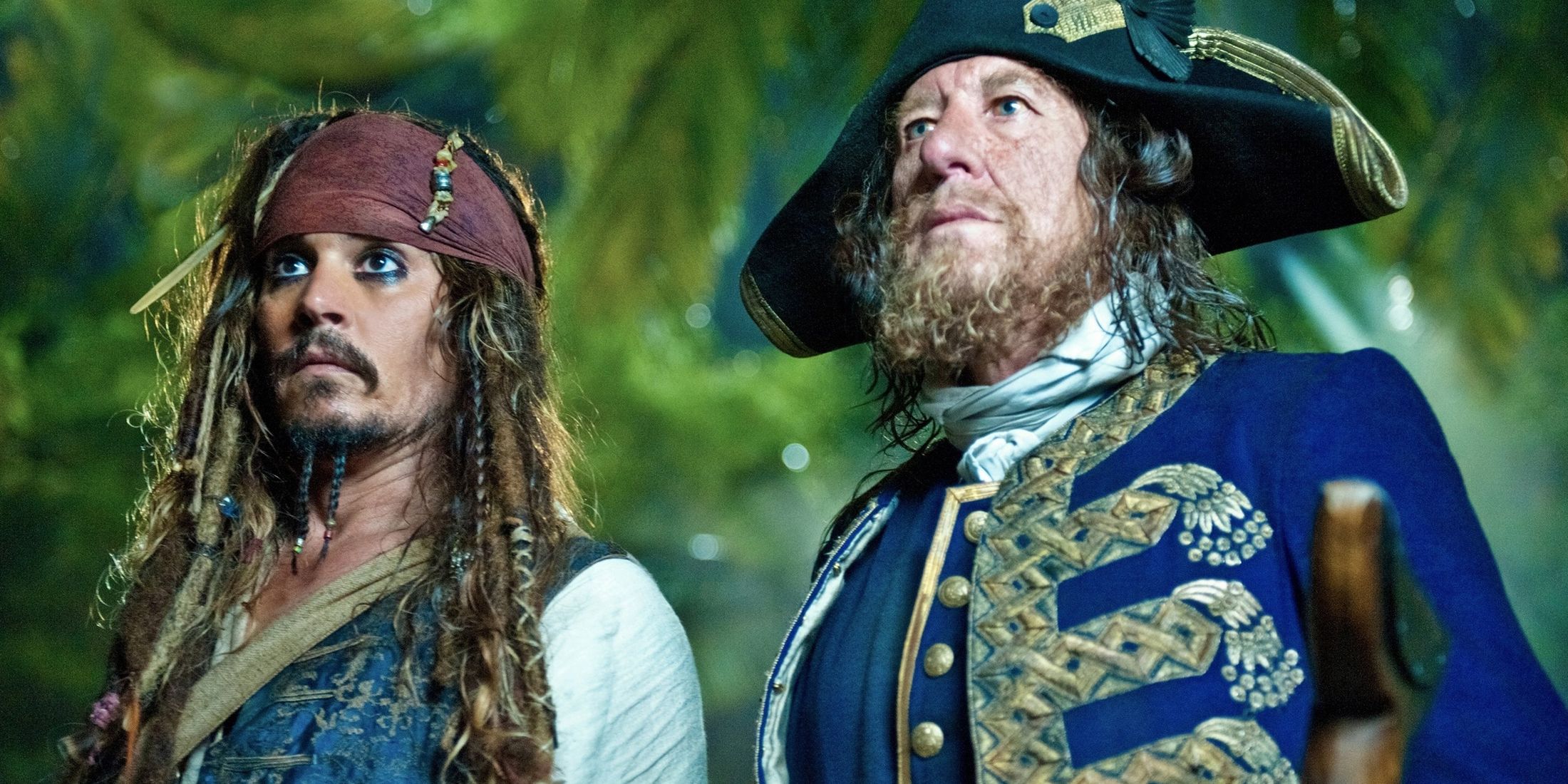
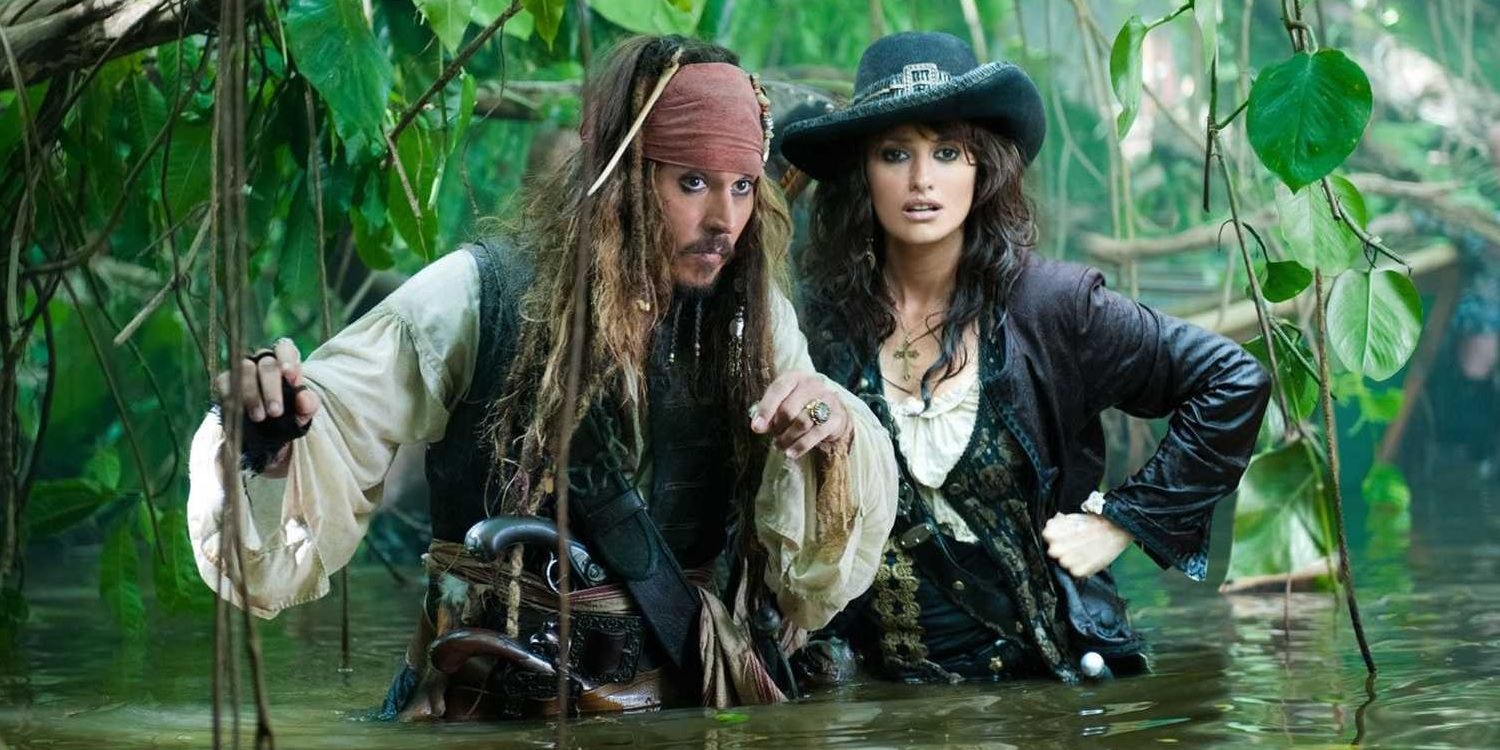
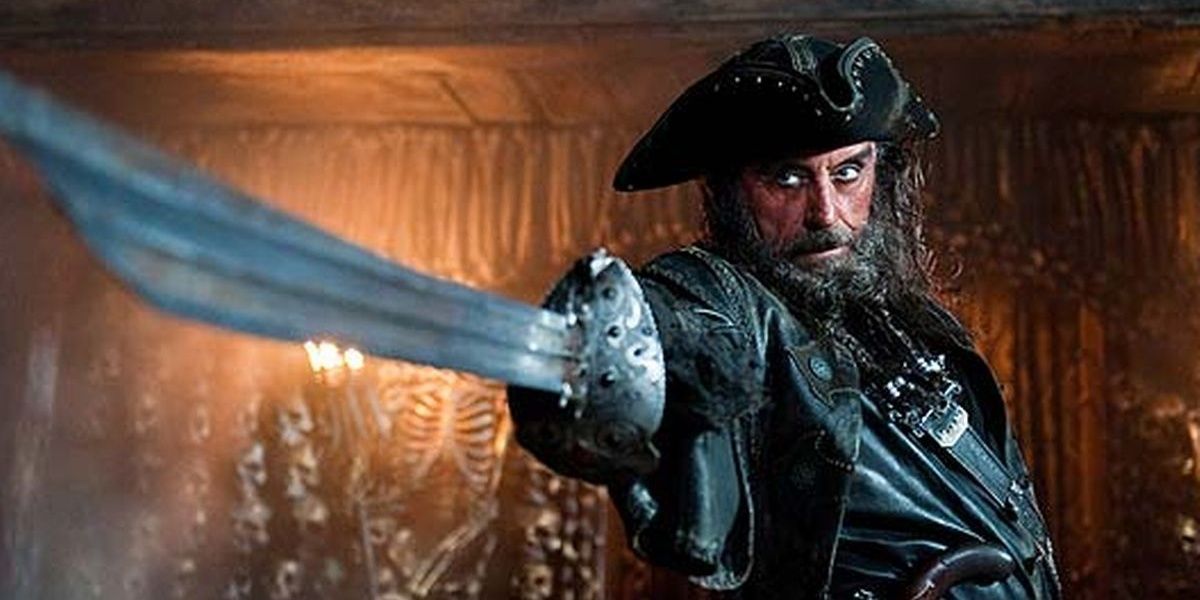
Unlike previous films, On Stranger Tides has a smaller scope, centering around the quest for the Fountain of Youth. With Will Turner and Elizabeth Swann absent, the movie puts all the focus on Jack Sparrow, essentially testing if he can lead a story by himself.
Jack is still a compelling character, but the show isn’t as gripping as it used to be because the relationships between characters aren’t as strong. His scenes with Angelica are emotionally resonant, but they don’t quite recapture the chemistry of the original three main characters.
While the story in On Stranger Tides isn’t its strongest point, the movie excels visually. The scenes with the mermaids are particularly atmospheric, and Blackbeard’s ship brings exciting new magical ideas – like fire magic – to the Pirates of the Caribbean universe.
The movie was a huge commercial hit, grossing over $1.04 billion globally. However, despite its success, On Stranger Tides feels less epic than the previous three films because it focuses on fewer characters and relies heavily on Jack Sparrow alone.
3. Pirates of the Caribbean: At World’s End (2007)
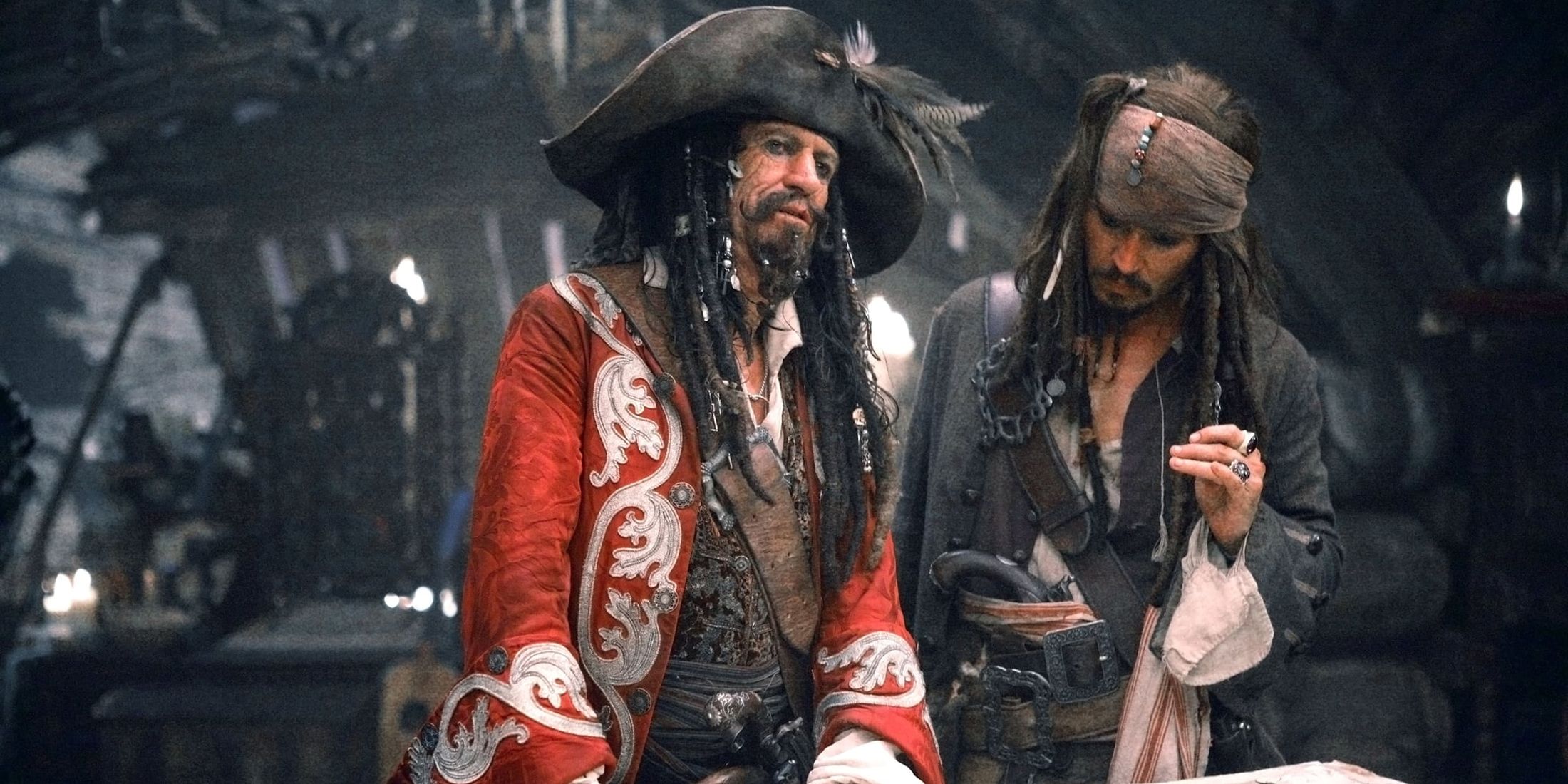
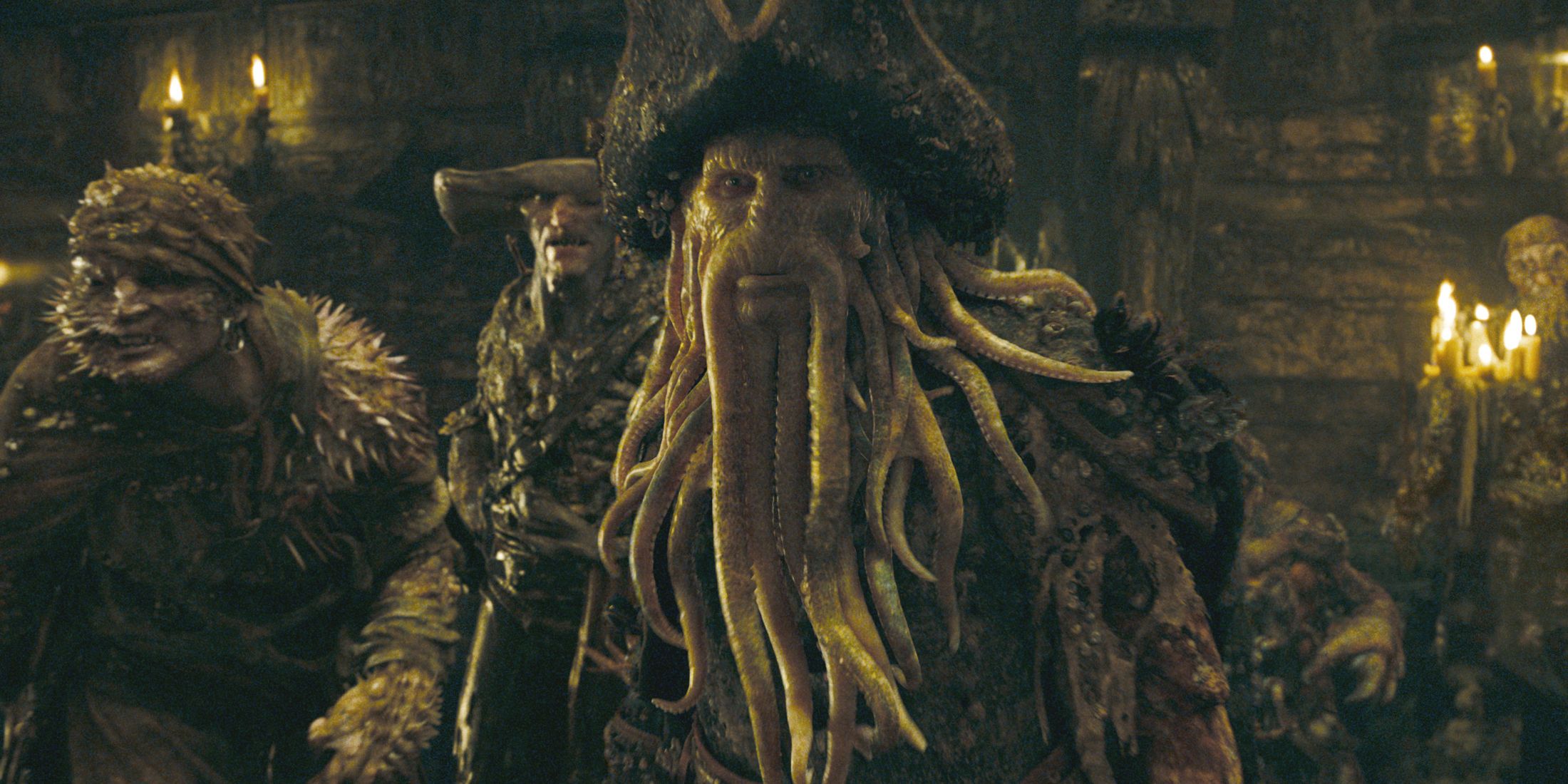
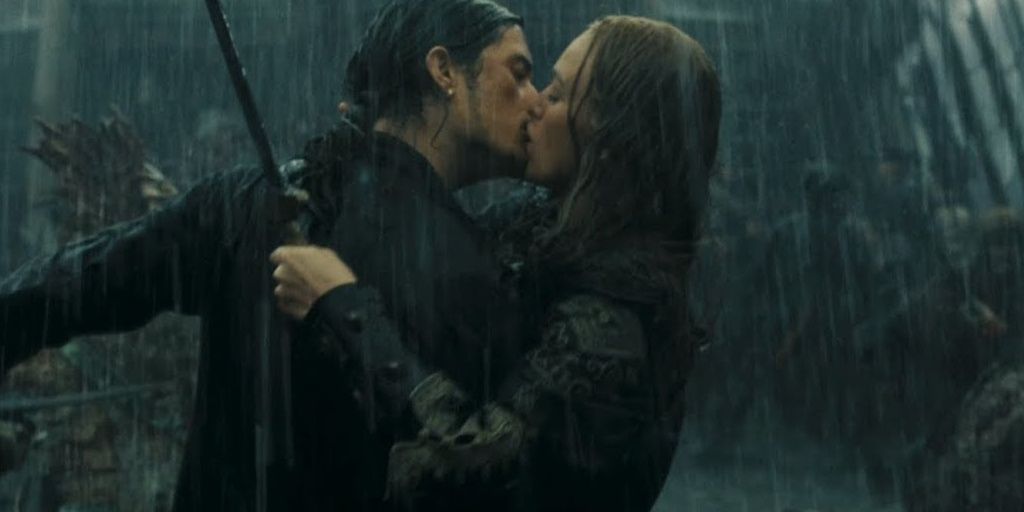
At World’s End is the biggest and most complex movie in the Pirates of the Caribbean series. It features a huge conflict with pirate leaders, worldwide partnerships, and a rich, detailed backstory. The film tries to tie up all the different story threads into one epic finale.
As the series expands, Jack Sparrow joins a bigger group of characters. He continues to form and break alliances, remaining as unpredictable as ever, and his experiences in Davy Jones’ Locker give him a more thoughtful side.
What makes At World’s End special is its grand scope. The intense naval battle is particularly memorable, combining exciting ship-to-ship fighting with a chaotic environment, all while remaining surprisingly well-managed.
I have to admit, I was surprised by how well this movie did. Despite being a pretty complex story, it pulled in around $963 million worldwide – a clear sign it really connected with audiences. It proves that viewers are willing to engage with something a little challenging if it’s done right.
2. Pirates of the Caribbean: Dead Man’s Chest (2006)
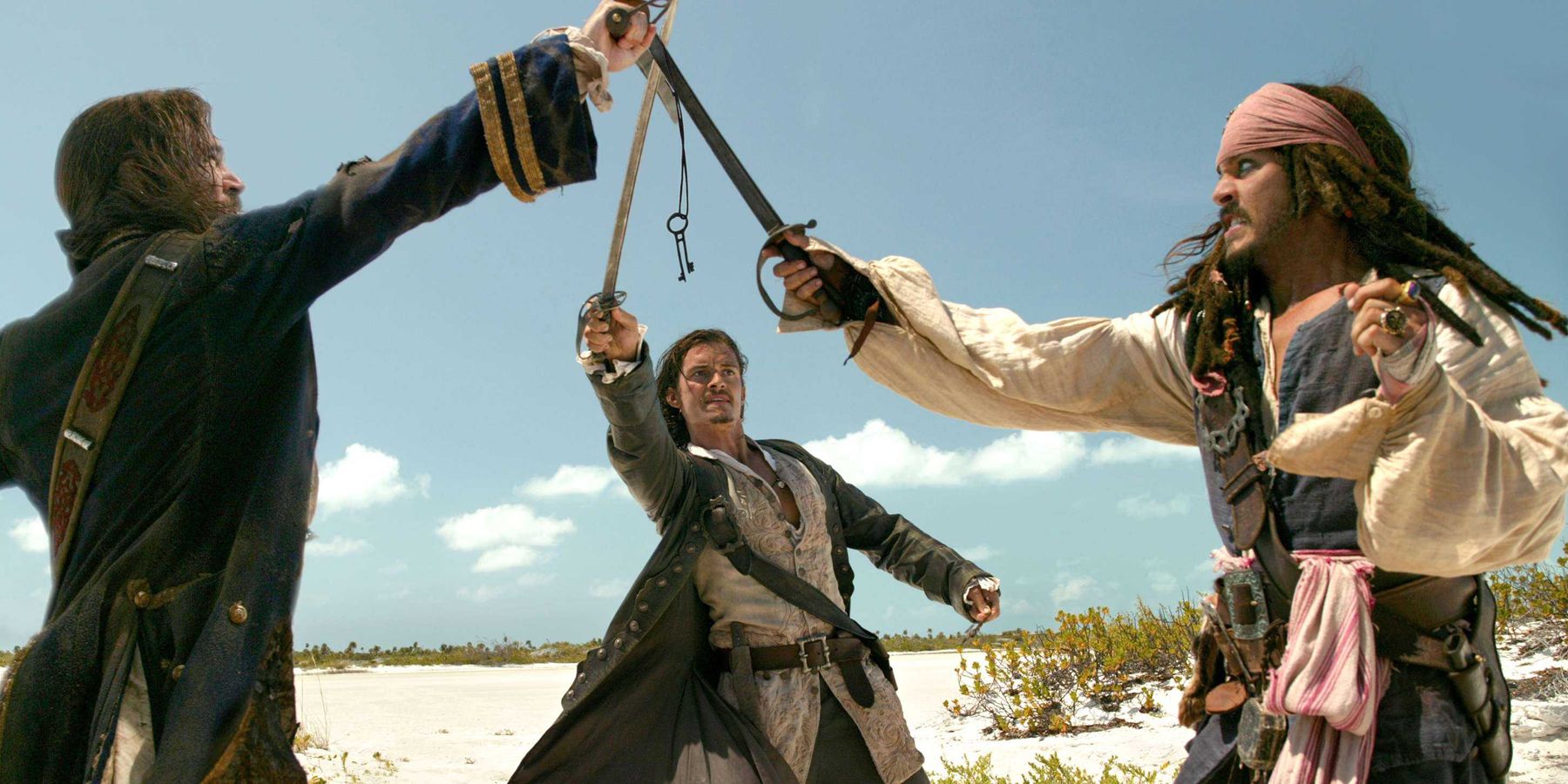
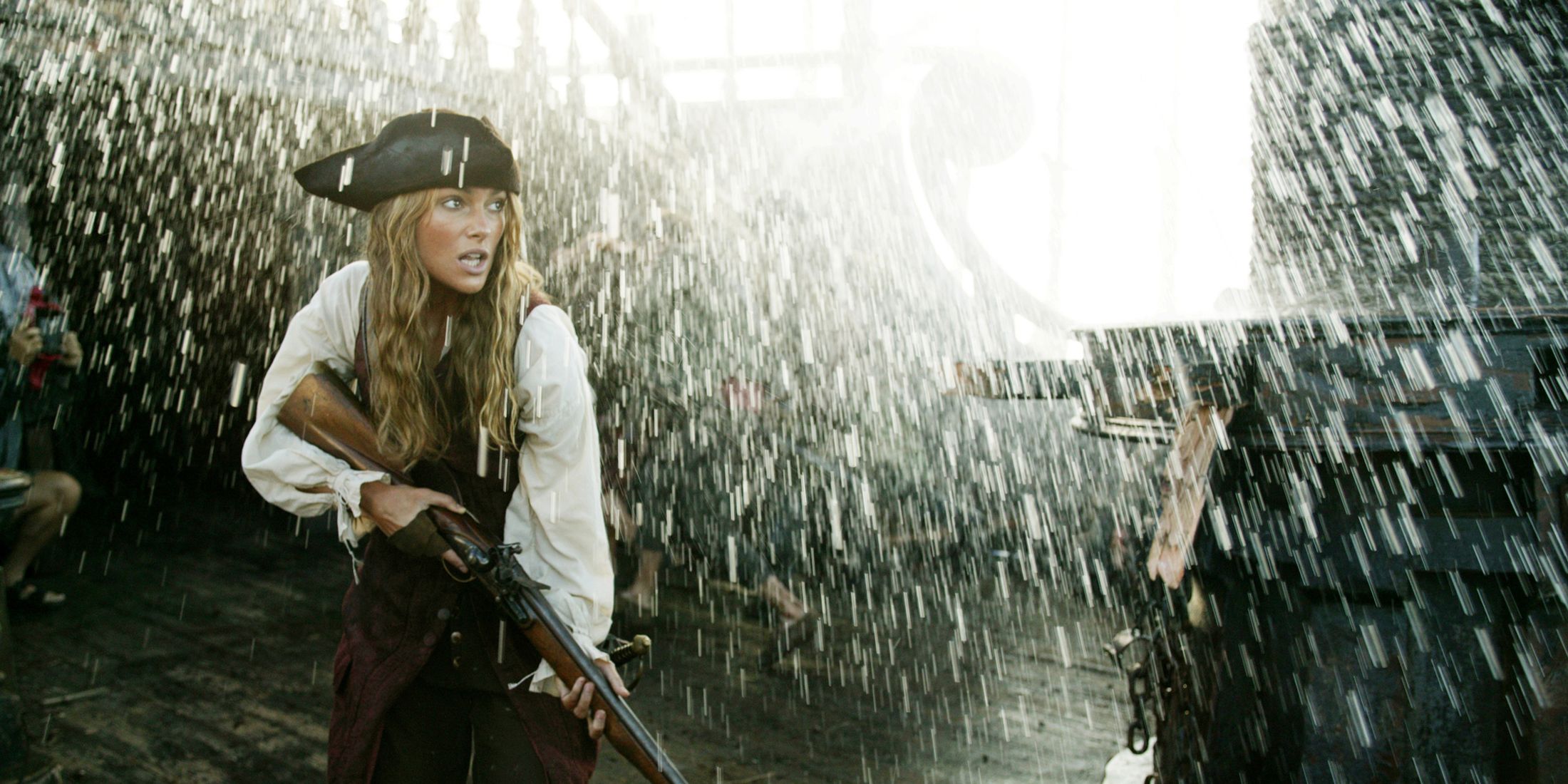
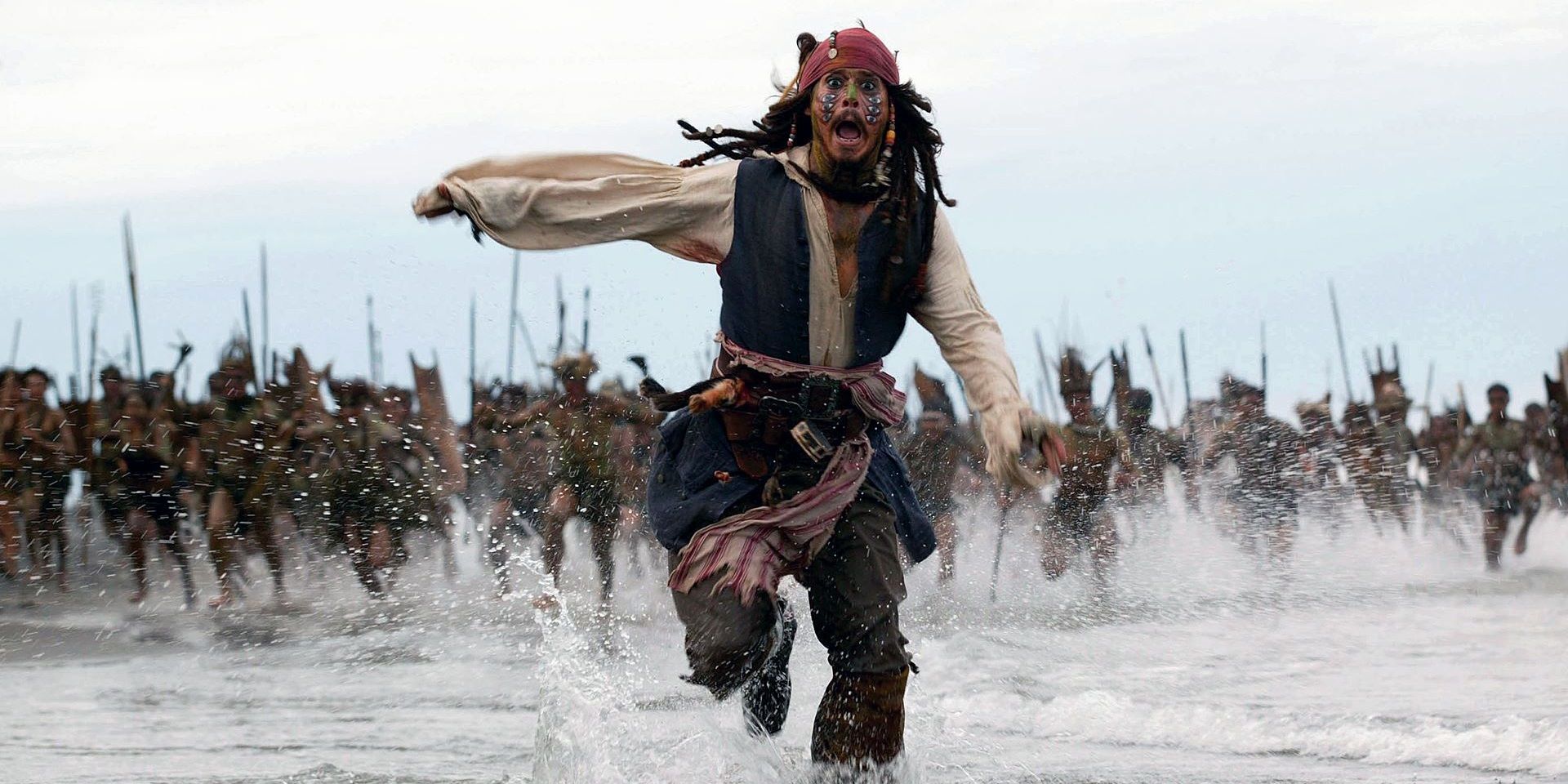
Dead Man’s Chest builds on the success of the first film and takes the story in a more intense direction. It features the introduction of Davy Jones, a standout villain in the Pirates of the Caribbean series, and creates higher stakes for all the characters.
In this portrayal, Jack Sparrow truly comes into his own. While still funny, he’s become more calculating and proactive, taking charge of situations and even risking the well-being of others to get what he wants. He’s moved beyond simply reacting to events and is now actively influencing them.
Davy Jones is a standout in the film, both as a character and in terms of its visual effects. His design and the way he’s brought to life through motion capture aren’t just visually impressive—they make him feel incredibly real and expressive. The incredibly detailed animation, particularly in his movements and facial expressions, was groundbreaking for its time, allowing the audience to connect with his emotions, not just be amazed by the visuals.
The best parts of Dead Man’s Chest are impressively ambitious. The sudden Kraken attack dramatically changes everything, and the unique sword fight on a spinning wheel proves the filmmakers weren’t afraid to try something new. These scenes aren’t just visually exciting – they move the story forward and feel connected to what the characters are going through.
Earning around $1.066 billion worldwide, Dead Man’s Chest was the most successful Pirates of the Caribbean film to that point. Though it sets the stage for the following movie, its grand scope and well-developed characters make it a standout entry in the series.
1. Pirates of the Caribbean: The Curse of the Black Pearl (2003)
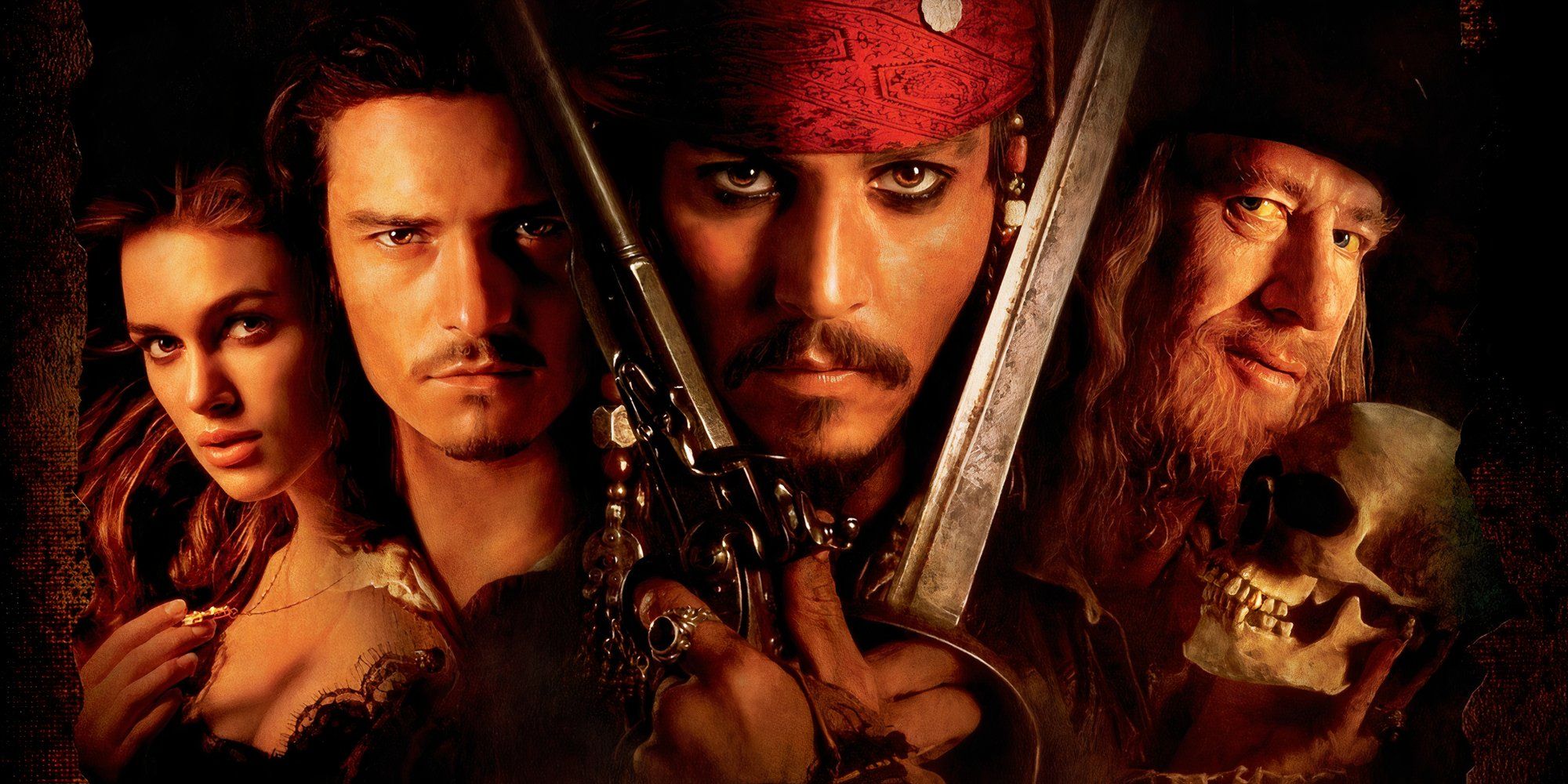
The Curse of the Black Pearl is still considered the best movie in the Pirates of the Caribbean series, and it follows a common trend with long-running franchises: the original film often sets a high bar that later sequels find difficult to reach. The first movie succeeds because it’s focused and straightforward. The plot is easy to understand, the dangers are clear, and the characters drive the story without getting bogged down in overly complex details.
Jack Sparrow immediately makes an impact because his introduction clearly shows his personality and role. He’s memorable and quickly establishes himself as someone who uses trickery and subtly manipulates events to get what he wants, often while seeming clumsy or unpredictable.
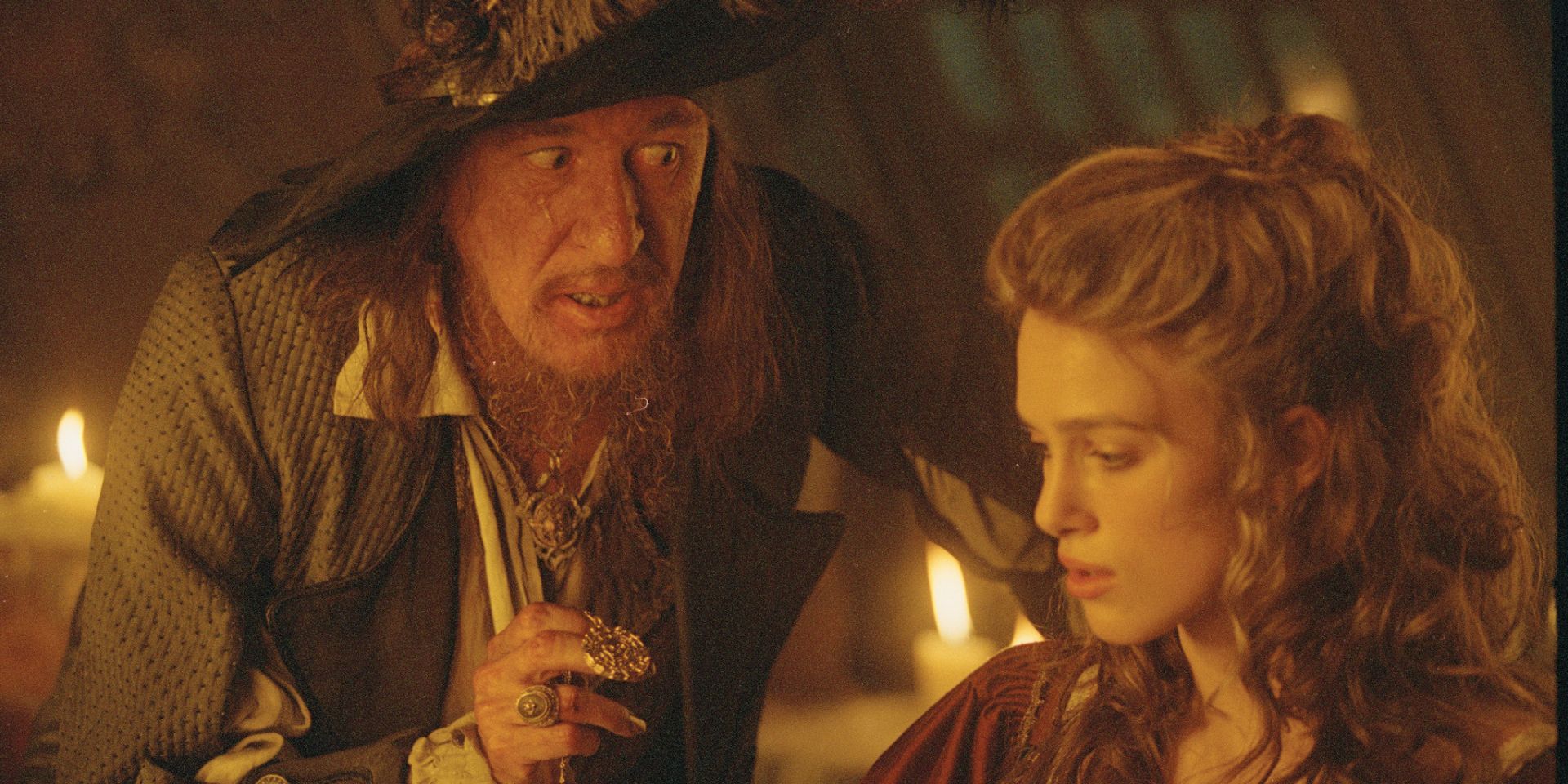
The film truly shines in its supporting characters. Barbossa fuels the plot without overcomplicating things, and Will and Elizabeth remain grounded in relatable, personal goals. The filmmakers wisely avoid giving these characters too much to handle, which helps maintain a clear and focused storyline.
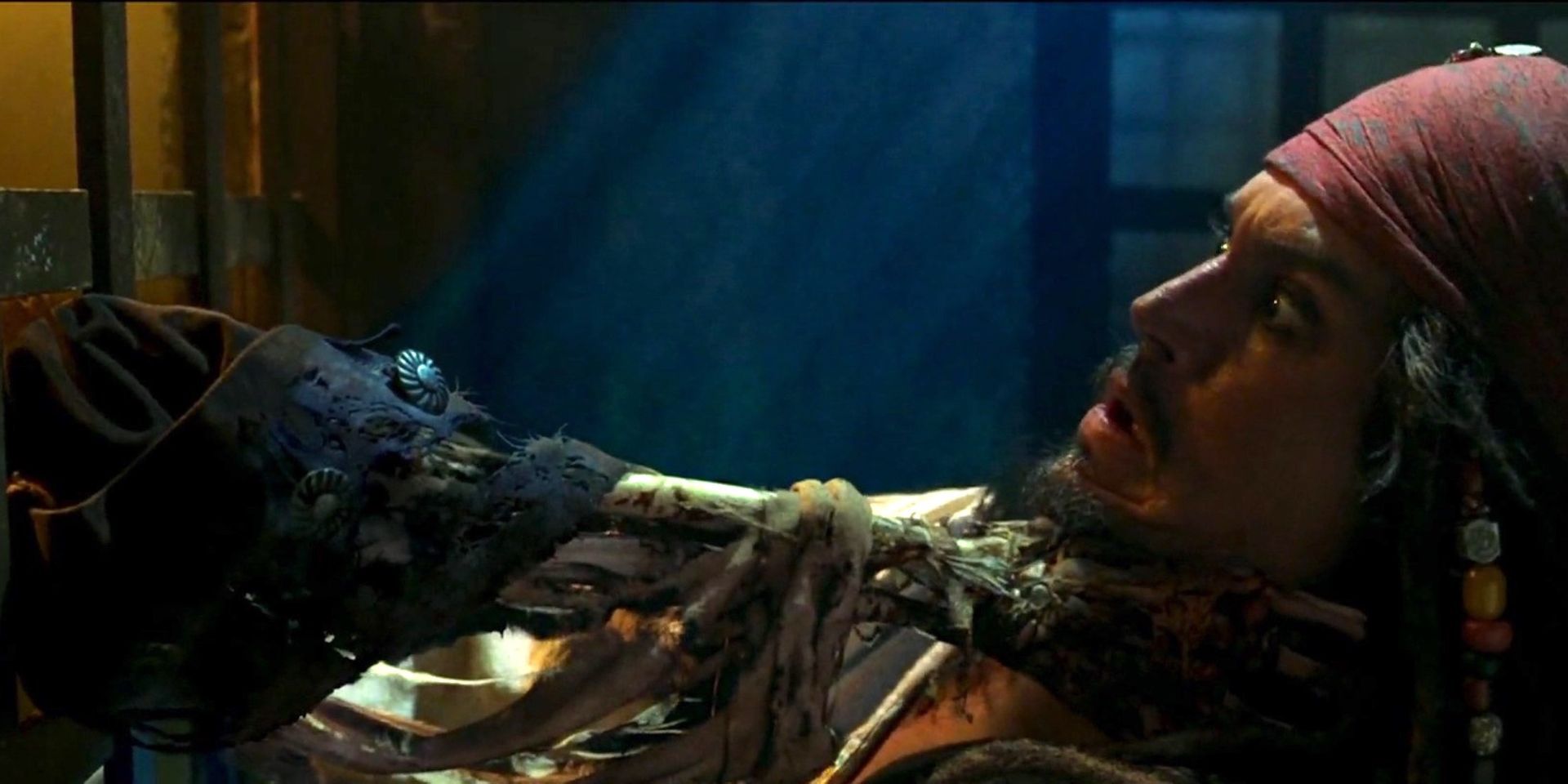
I still think one of the coolest things about The Curse of the Black Pearl is how they handled the special effects. They didn’t overdo it with CGI; instead, they used practical effects really well, and it made a huge difference. That scene where the cursed skeletons are revealed in the moonlight? It’s so effective because it wasn’t just thrown in for spectacle – it actually added to the story’s atmosphere and didn’t distract from it.
I remember being blown away when The Curse of the Black Pearl came out – it made so much money worldwide, over $654 million, and really kicked off the whole Pirates of the Caribbean series. But for me, it wasn’t just the success; that first movie set a standard for how the stories were told and how well the characters were developed. The sequels tried to follow that formula, but they didn’t always quite reach the same level.
Read More
- All Skyblazer Armor Locations in Crimson Desert
- One Piece Chapter 1180 Release Date And Where To Read
- All Shadow Armor Locations in Crimson Desert
- How to Get the Sunset Reed Armor Set and Hollow Visage Sword in Crimson Desert
- Cassius Morten Armor Set Locations in Crimson Desert
- Grime 2 Map Unlock Guide: Find Seals & Fast Travel
- How to Beat Stonewalker Antiquum at the Gate of Truth in Crimson Desert
- All Golden Greed Armor Locations in Crimson Desert
- Euphoria Season 3 Release Date, Episode 1 Time, & Weekly Schedule
- Amber Alert Secrets & CDs In Crime Scene Cleaner Act 2
2026-04-13 00:42