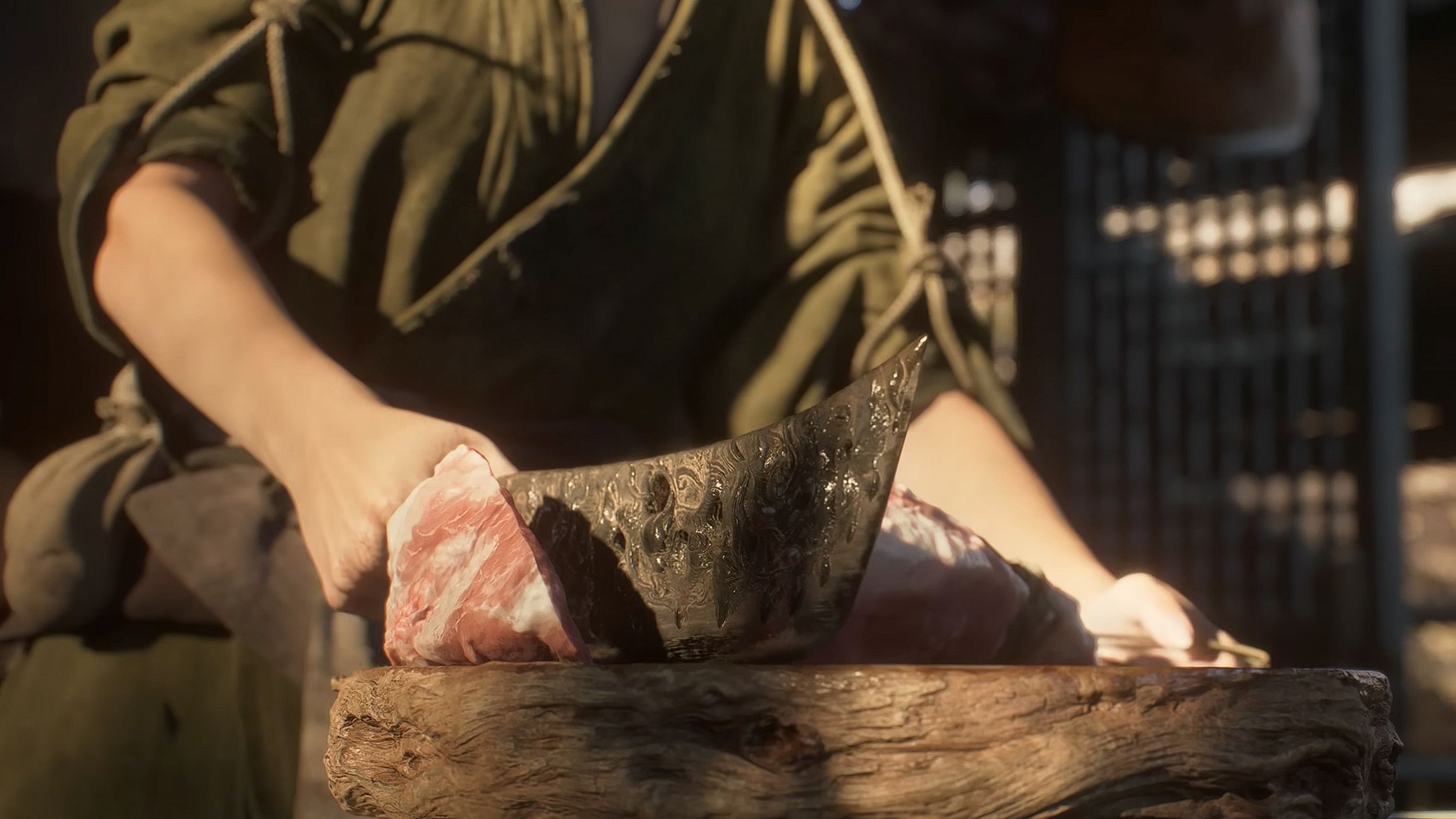
The new Chinese New Year short film from GameScience, related to their game Black Myth: Zhong Kui, isn’t meant to show actual gameplay, story elements, or what will happen in the game itself. The developers were upfront about this, stating it’s just for fun and isn’t part of the game’s official story. However, the film does offer a look at the mythology and culture surrounding the character of Zhong Kui, helping to establish the game’s world and overall themes. So, while it doesn’t show gameplay, the film’s depiction of spirits and creatures preparing a feast is actually quite important for understanding the game’s background.
The story of Zhong Kui centers around a spiritual order, traditional practices, and controlling the world of spirits. In Chinese stories, food and cooking often show who people are and how different worlds connect. Considering this, the game Black Myth: Zhong Kui‘s emphasis on cooking fits perfectly with the mythology surrounding Zhong Kui, and it’s a key way the game can create a believable and immersive world.
Zhong Kui’s Authority in Folklore
Zhong Kui is well-known as a spirit fighter, but his story is quite detailed. He’s usually portrayed as a scholar who, unfairly overlooked during his life, tragically took his own life. Afterward, he was given the task of controlling and subduing evil spirits. He’s frequently shown leading other ghosts or standing guard at entrances, especially during the Lunar New Year, when people put up his image to protect their homes from bad luck.
These details help us understand the world Zhong Kui lives in. He’s not just a random fighter; his existence suggests a spirit world with its own rules, hierarchy, and order. Some spirits need to be controlled, while others follow his lead, and his power relies on this established structure. If a game focuses on Zhong Kui, it points to a supernatural setting where relationships and control are just as important as chaos.
Food as a Marker of Identity and the Significance of the Lunar New Year Setting
The recent Chinese New Year video for Black Myth: Zhong Kui focuses heavily on cooking, leading some to wonder if food will be a major part of the game. However, it’s more nuanced than that. In Chinese tradition, food often carries symbolic meaning, and that’s likely what’s at play here.
In Chinese folklore, food frequently represents who people are and how they connect with both the human world and the spirit world. Sharing and preparing food often strengthens these bonds.
The story of Meng Po’s Soup is a classic illustration of this idea. In Chinese legend, Meng Po is a goddess who helps souls forget their past lives. She offers them a special soup at the Bridge of Oblivion just before they are reborn. This soup erases their memories, freeing them from the joys and sorrows of their previous existence so they can start anew.
As a fan of Chinese folklore, I’ve always been fascinated by how food isn’t just food in stories. It usually means something – like who belongs where, or how different worlds connect. The recent Black Myth: Zhong Kui short film really got this right! Seeing all those spirits and creatures working together to prepare a feast felt so much more about community than fighting. Even if you don’t know the game’s story, it perfectly captures the idea that the supernatural world, in Chinese tradition, is as much about customs and shared meals as it is about battles and power.
The film’s timing around Lunar New Year actually enhances its themes. Zhong Kui is traditionally linked to New Year celebrations, often appearing in decorations meant to protect homes. Because the holiday focuses on fresh starts, safety, and moving forward, featuring a community feast connected to Zhong Kui feels very fitting. This approach grounds the fantastical elements in established traditions, making the film less of a game trailer and more of a celebration of the mythology that shapes the game’s world, its cultures, and the main character. For a game like Black Myth: Zhong Kui, which is based on Chinese legends, respecting those traditions is key.
What This Means for Black Myth: Zhong Kui
Details about how Black Myth: Zhong Kui will actually play are still scarce. We know it’s a single-player action RPG based on the Chinese legend of Zhong Kui, a ghost hunter, but many specifics – like the game’s mechanics, systems, and story – haven’t been fully shown yet. However, the original legend does give us a good idea of the kind of world the game might create.
Zhong Kui is a traditional figure often linked to Lunar New Year celebrations. He’s commonly depicted in images believed to protect homes and families in the new year.
The story of Zhong Kui focuses on justice, guardianship, and keeping harmony in a world full of spirits. A game based on this mythology would naturally feature a complex spirit society with its own rules, social structure, and relationships – not just endless fighting. While action RPGs, like Black Myth: Zhong Kui and its predecessor Black Myth: Wukong, will definitely emphasize combat, a compelling mythological world needs more than just exciting gameplay. It needs to be grounded in the rich cultural traditions surrounding Zhong Kui, the legendary figure the game is based on.
The new Chinese New Year film for Black Myth: Zhong Kui isn’t about gameplay or the story; it’s a celebration of the culture and ancient legends that inspired the character. It focuses on the traditions of preparing for and celebrating the new year – a time historically connected to Zhong Kui’s role as a protector – and really shows the game’s foundations, where spirits exist within a structured world. The film highlights how food and rituals are used to connect different realms in mythology, and it brings that fascinating world to life in a way we haven’t seen before.
As the game is developed and we learn more about how it plays, the mythological influences will probably become more apparent. Right now, the recent Chinese New Year preview shows us that Black Myth: Zhong Kui is deeply connected to traditions where customs, social order, and relationships are just as important as the battles players will experience – whether against common enemies or challenging bosses. The story of Zhong Kui has always been about keeping balance between different realms, and GameScience is already building that idea into the game’s world.
Read More
- All Shadow Armor Locations in Crimson Desert
- Jujutsu Kaisen Season 3 Episode 12 Release Date
- Dark Marksman Armor Locations in Crimson Desert
- How to Get the Sunset Reed Armor Set and Hollow Visage Sword in Crimson Desert
- Best Bows in Crimson Desert
- Wings of Iron Walkthrough in Crimson Desert
- Keeping AI Agents on Track: A New Approach to Reliable Action
- How To Beat Ator Archon of Antumbra In Crimson Desert
- Top 5 Militaristic Civs in Civilization 7
- All Golden Greed Armor Locations in Crimson Desert
2026-02-16 19:41