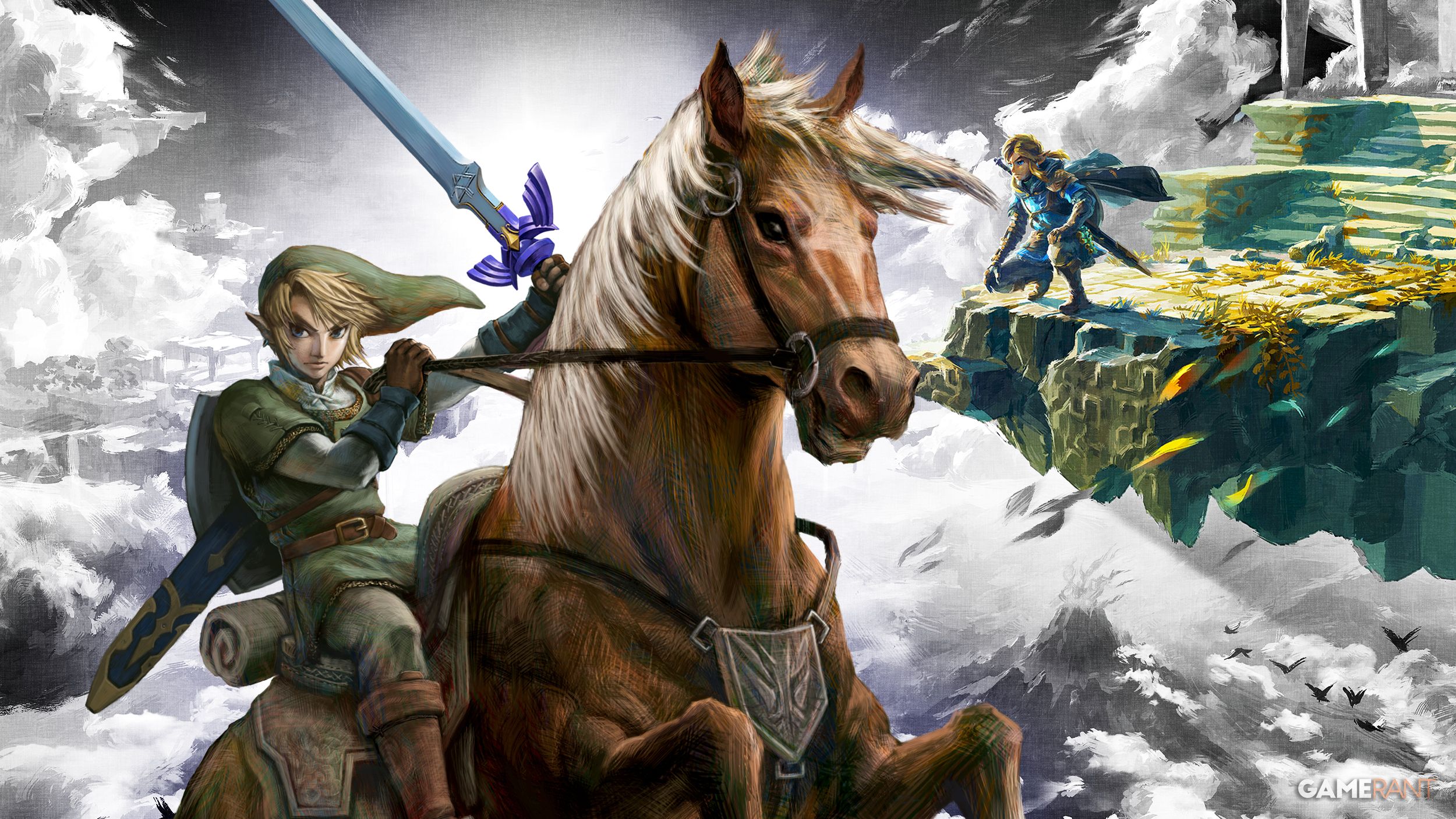
Honestly, one of the best things about Tears of the Kingdom is how much fun it makes getting totally sidetracked. I’ll be gliding towards a specific goal, then spot a stable way off in the distance and just have to check it out. Next thing I know, I’m helping some quirky character find their lost goats or tracking down a missing shovel! It’s amazing how quickly I forget what I was even doing in the first place. And if you’re like me, that cycle just keeps repeating – it’s a total blast!
A big reason people love Tears of the Kingdom is that it lets you explore almost anywhere from the start, driven purely by your own curiosity. While the previous game, Breath of the Wild, already had a huge map, Tears of the Kingdom expanded it even more with the addition of Sky Islands and the Depths. However, older Zelda games did a great job of making exploration feel like a key part of getting better at the game, instead of just offering endless side paths. For example, Twilight Princess from 2006 made you work to unlock areas of Hyrule, making the world itself feel like a reward that gradually revealed itself over time, unlike the vast, immediately accessible space in the newer game.
Twilight Princess Made the World Itself a Reward
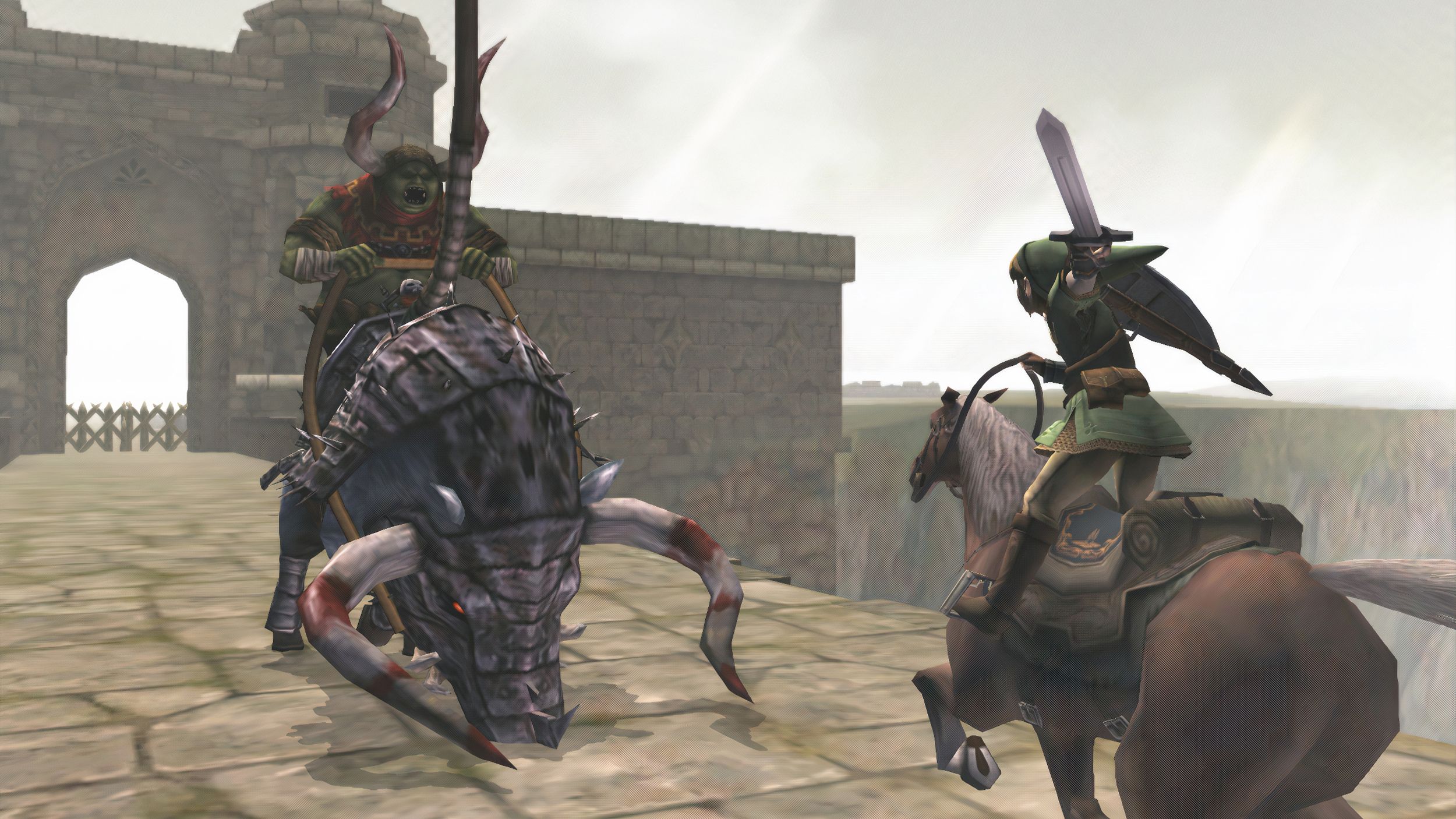
While Zelda: Tears of the Kingdom lets you explore almost the entire map right from the start, Twilight Princess (from 2006) revealed its world gradually. When you began the game, in areas like Ordon Village and Hyrule Field, you couldn’t immediately go everywhere. The game world had limitations that lifted as you progressed through the story. You could explore, but many areas were blocked off or inaccessible until you reached certain points in the story or found specific items.
In Twilight Princess, dungeons weren’t just challenges – they helped players progress and explore the world. For example, the Forest Temple gave players the Gale Boomerang, opening up new areas and puzzle solutions. Later dungeons, like the Temple of Time, continued to advance both the story and how players traveled through Hyrule. The game also featured Wolf Link, who could follow spirit trails, uncover hidden secrets, and access areas that were unavailable to human Link, adding depth and complexity to exploration. This made completing dungeons feel rewarding both for the story and for the gameplay itself.
How Twilight Princess Justified Its Gating
- The game told players why certain areas were blocked
- Gates were framed as problems to solve rather than walls to bypass
- Gates were removed permanently, not circumvented
- Gating served the narrative rather than the gameplay
Modern gamers often dislike being artificially restricted in game worlds, preferring the freedom found in games like Zelda: Tears of the Kingdom. However, Twilight Princess handled restrictions differently. Its limitations felt justified because the game always provided a clear reason for why areas were blocked – whether due to the spreading Twilight, Link’s current abilities, or the story itself. These weren’t just invisible barriers; they were temporary and connected to the game’s narrative, making them feel less frustrating.
The game cleverly designed its world gates as puzzles to overcome, not just obstacles. This made Twilight Princess feel similar to a metroidvania game, while still staying true to the classic Zelda formula. When players hit a roadblock, the game encouraged them to think, “I’ll come back and solve this later,” instead of simply being blocked. Importantly, once a gate was overcome, it disappeared permanently. Clearing an area or dungeon meant permanent access to the next, making the world feel like it expanded alongside the player’s progress and creating a satisfying sense of advancement that matched the story and gameplay challenges.
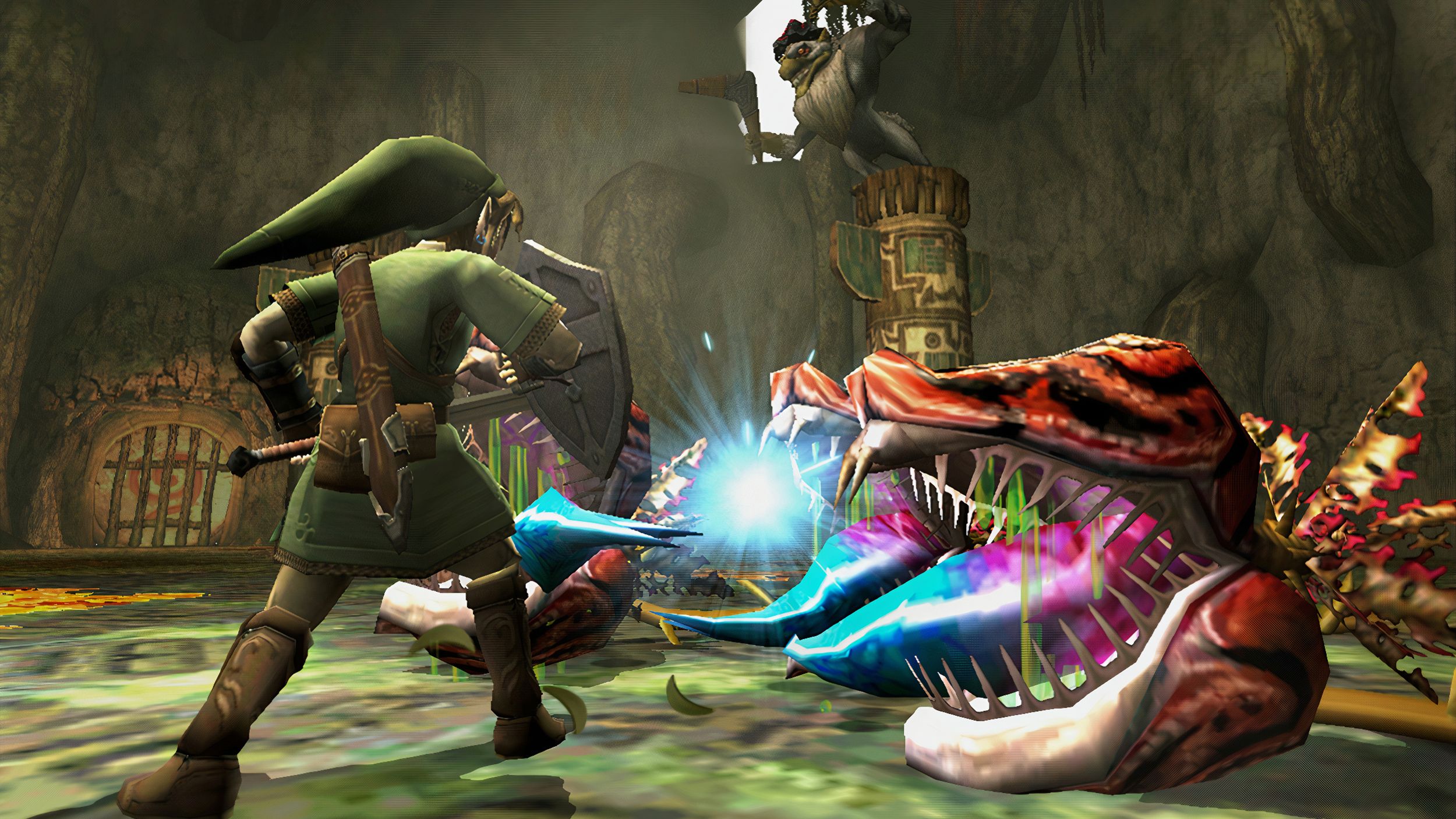
Ultimately, the way Twilight Princess restricted where you could go was more about telling the story than about challenging gameplay. Many games limit areas based on your level or abilities, but Twilight Princess tied its exploration directly to the plot. This is a big reason why fans remember it so fondly – discovering new areas felt meaningful and connected to the bigger picture. Unlike Tears of the Kingdom, where open exploration is key to gameplay, in Twilight Princess it was crucial to the story itself.
Tears of the Kingdom Treats the World as a Starting Point
Unlike its predecessor, Tears of the Kingdom doesn’t immediately reveal its best features. While Twilight Princess felt like a story waiting to be discovered, Tears of the Kingdom unfolds more gradually, almost in reverse. Think of it this way: Twilight Princess was like enjoying a large, overflowing plate at a buffet, while Tears of the Kingdom encourages you to savor each element and carefully uncover its secrets. This isn’t necessarily a drawback, but it does create a very different experience compared to Twilight Princess.
In Twilight Princess, the story unfolds as you unlock new areas and abilities, building towards a larger goal. Tears of the Kingdom takes a different approach – it encourages you to break down the world and explore each piece individually. This makes exploration in Tears of the Kingdom more about satisfying your own curiosity than following a set path. Unlike Twilight Princess, where Hyrule gradually reveals itself as you progress, most of the world in Tears of the Kingdom is accessible right away. Instead of unlocking new areas, you gain a deeper understanding of the game’s systems, become more skilled, and create your own unique experiences through experimentation and exploration. This creates a feeling of incredible freedom, but it also explains why some players fondly remember Twilight Princess as a Hyrule that felt like it was responding to their journey, rather than being completely open from the beginning.
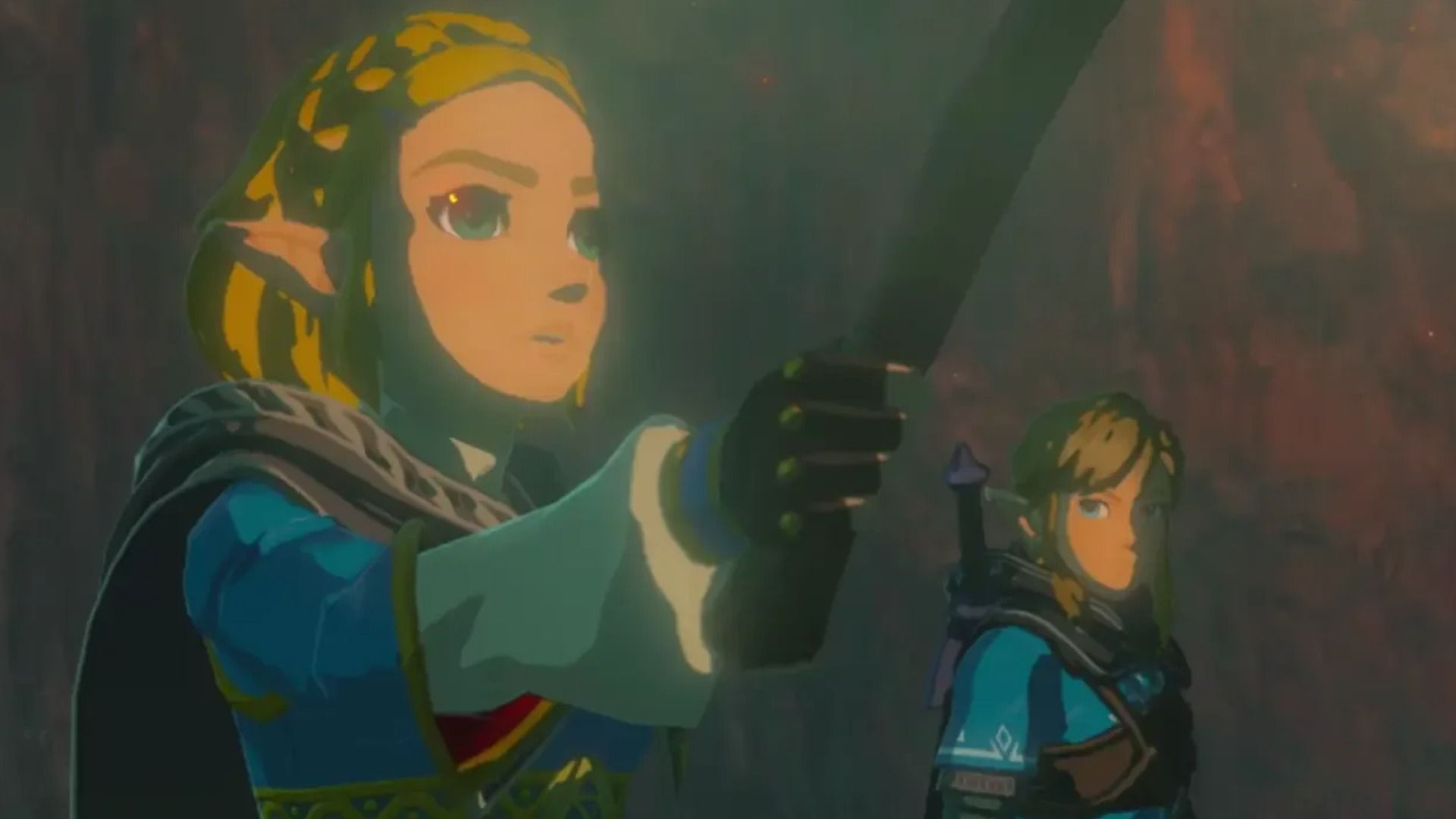
Comparing Twilight Princess and Tears of the Kingdom is tricky because they handle exploration so differently. Twilight Princess makes you feel like you’ve earned new areas by carefully controlling access, while Tears of the Kingdom throws open the world and relies on your curiosity. Ultimately, though, Tears of the Kingdom makes exploring more rewarding. It’s not about which method is better, but what each game prioritizes. Twilight Princess focuses on the satisfaction of reaching new places as you progress, while Tears of the Kingdom emphasizes the joy of stumbling upon unexpected discoveries. Both games are successful in their own way, but they create different kinds of memories – one focuses on the destinations, the other on the journey itself.
Twilight Princess’ Drip-Fed Exploration Still Holds Value in a Post-TotK World
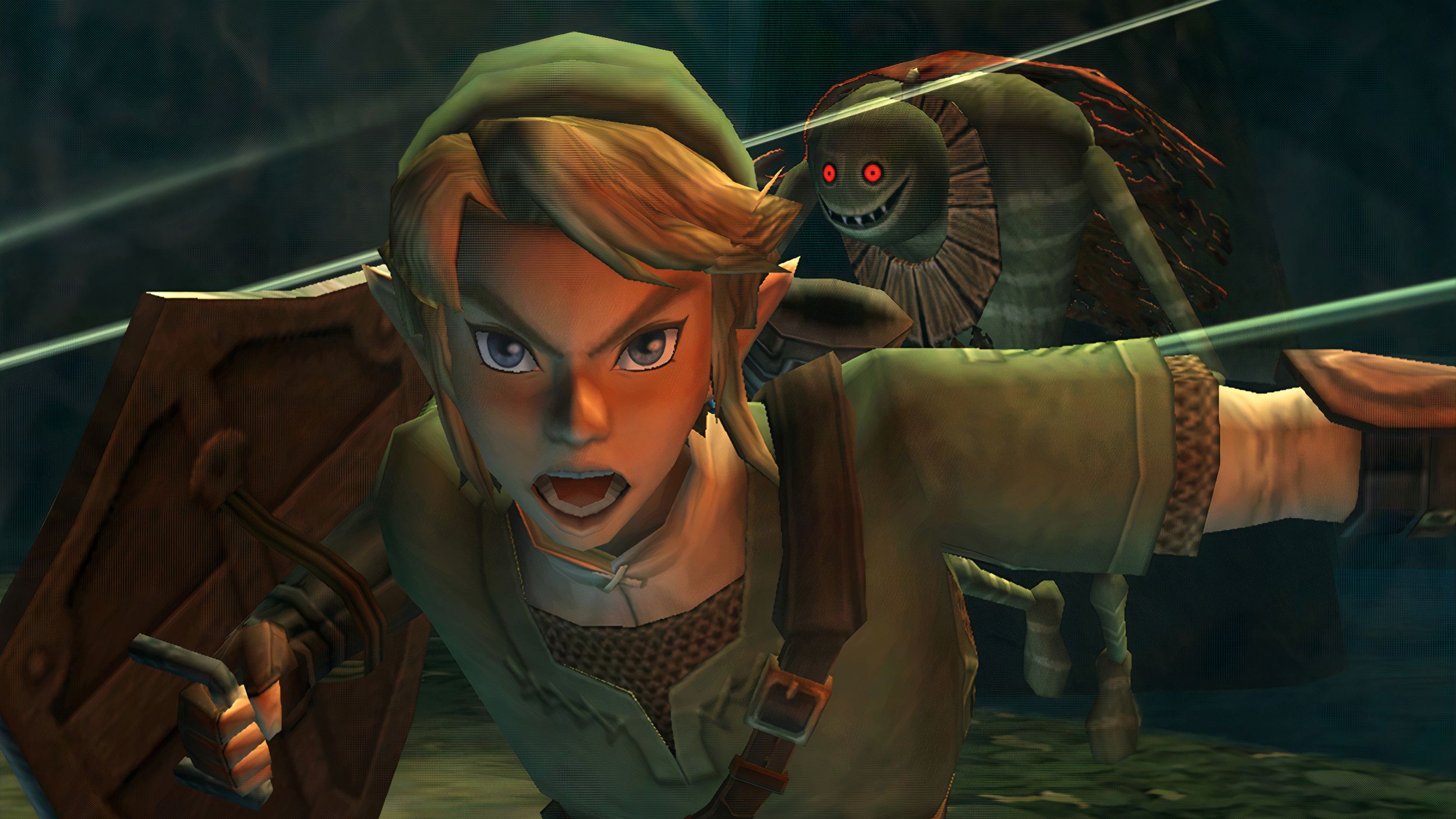
As a huge Zelda fan, I think Twilight Princess really shines compared to other games, and even to what’s popular now. It wasn’t about limiting what you could do, but about making you feel like you were actually making progress. Every time you unlocked a new area, it felt like Hyrule was changing because of your adventure, not just sitting there while you ran around. Tears of the Kingdom is amazing at letting you wander and discover things on your own, but Twilight Princess reminds me of a time when simply seeing more of the world felt like a real accomplishment. If you like that feeling of steadily moving forward and growing stronger, its way of letting you explore still feels really special, even after almost twenty years.
Read More
- All Skyblazer Armor Locations in Crimson Desert
- All Shadow Armor Locations in Crimson Desert
- How to Get the Sunset Reed Armor Set and Hollow Visage Sword in Crimson Desert
- Marni Laser Helm Location & Upgrade in Crimson Desert
- Best Bows in Crimson Desert
- All Helfryn Armor Locations in Crimson Desert
- All Golden Greed Armor Locations in Crimson Desert
- How to Craft the Elegant Carmine Armor in Crimson Desert
- Keeping Large AI Models Connected Through Network Chaos
- One Piece Chapter 1179 Preview: The Real Imu Arrives in Elbaf
2025-12-19 19:41