
For better or worse, generative AI has been unleashed on the gaming industry.
On February 4th, Roblox announced an upgrade to its AI creation tool. Now, players can design objects that move and interact – like cars and planes – instead of just creating still images. This new feature is similar to Google’s Project Genie, revealed earlier in January, and users quickly began building worlds inspired by popular games like The Legend of Zelda.
Project Genie lets you turn ideas into playable experiences. You give it a simple prompt – like imagining your dog’s toys coming to life and battling each other – and Genie will build a world based on that idea, letting you explore it for a short period of time.
People are debating whether generative AI will be a hugely positive force, like the myth of Prometheus giving fire to humanity, or a dangerous one, similar to Pandora’s Box unleashing troubles upon the world. The reality will likely be a mix of both – some good, some bad.
Does Generative AI Have a Place in Game Development?
Indie Game Devs Give Their Thoughts On Generative AI
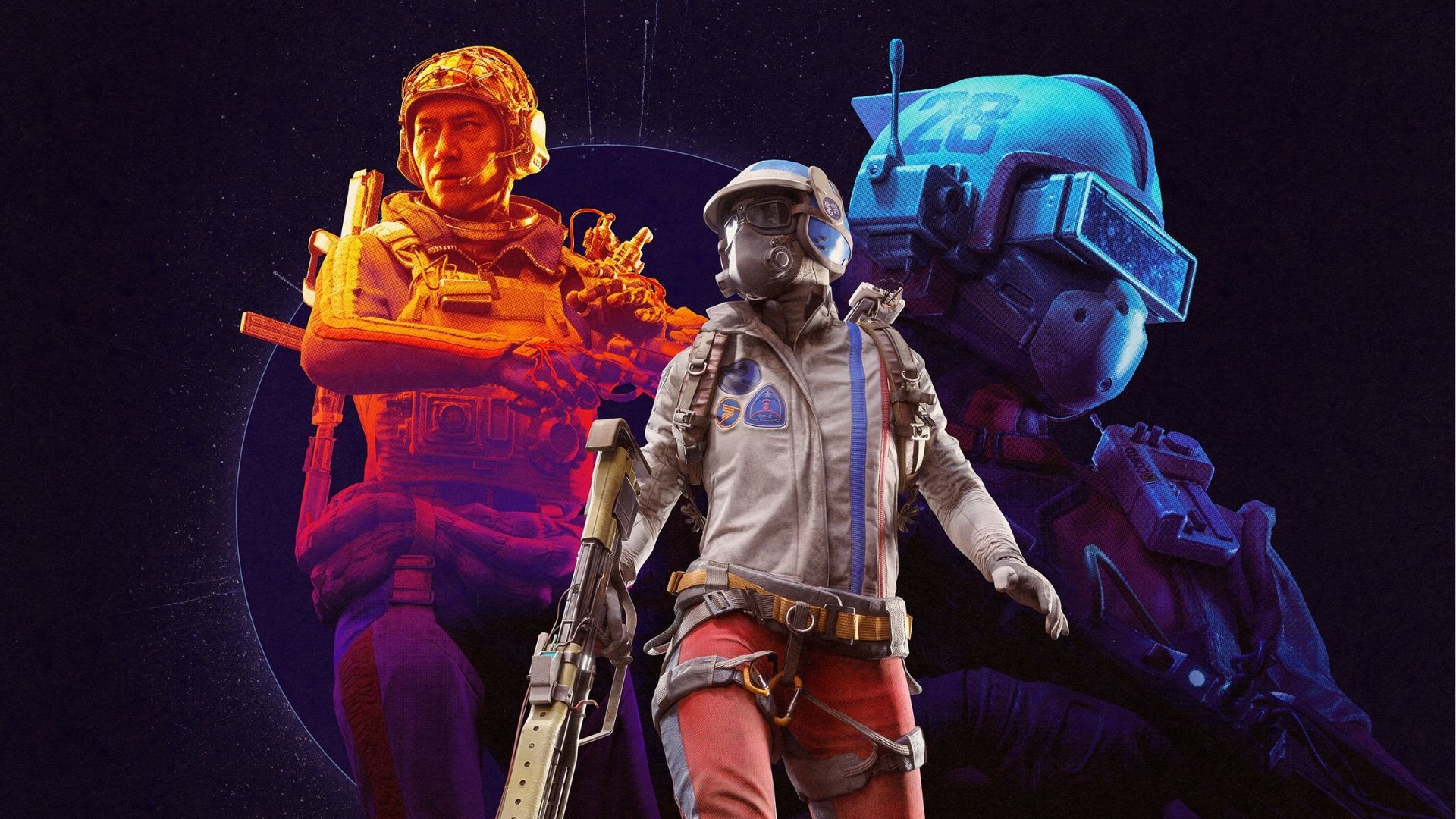 Image via Embark Studios
A recent survey from the Game Developer Conference shows that over half (52%) of game industry professionals believe generative AI is negatively affecting their field. This is a significant increase from last year, up 30%.
Alexis Brutman, the CEO and game director of Astral Clocktower Studios, expressed some concern to TopMob. She worries that if games can be created quickly and easily, many skilled game developers could lose their jobs.
With layoffs happening almost every week in the tech world, new AI models like Google’s Genie and Roblox’s Cube Foundation Model aren’t really helping to calm people’s fears about job security.
At first, people were a little worried about Genie, but those concerns eased up when it became clear the tool wasn’t powerful enough to drastically change the game industry right away. This still leaves us wondering: can tools like this actually be useful in game development, and how much will they evolve in the future?
According to Brutman, artificial intelligence shouldn’t be used in creative design, particularly because many AI systems learn from artists’ work without their consent. He believes games should be made by people, and it appears most consumers feel the same way.
A recent survey by Quantic Foundry of over 1.75 million gamers found that 62.7% have a strong negative reaction to the use of generative AI in video games. Gamers were especially concerned about AI being used to create things like art, music, sound effects, character dialogue, and storylines or quests.
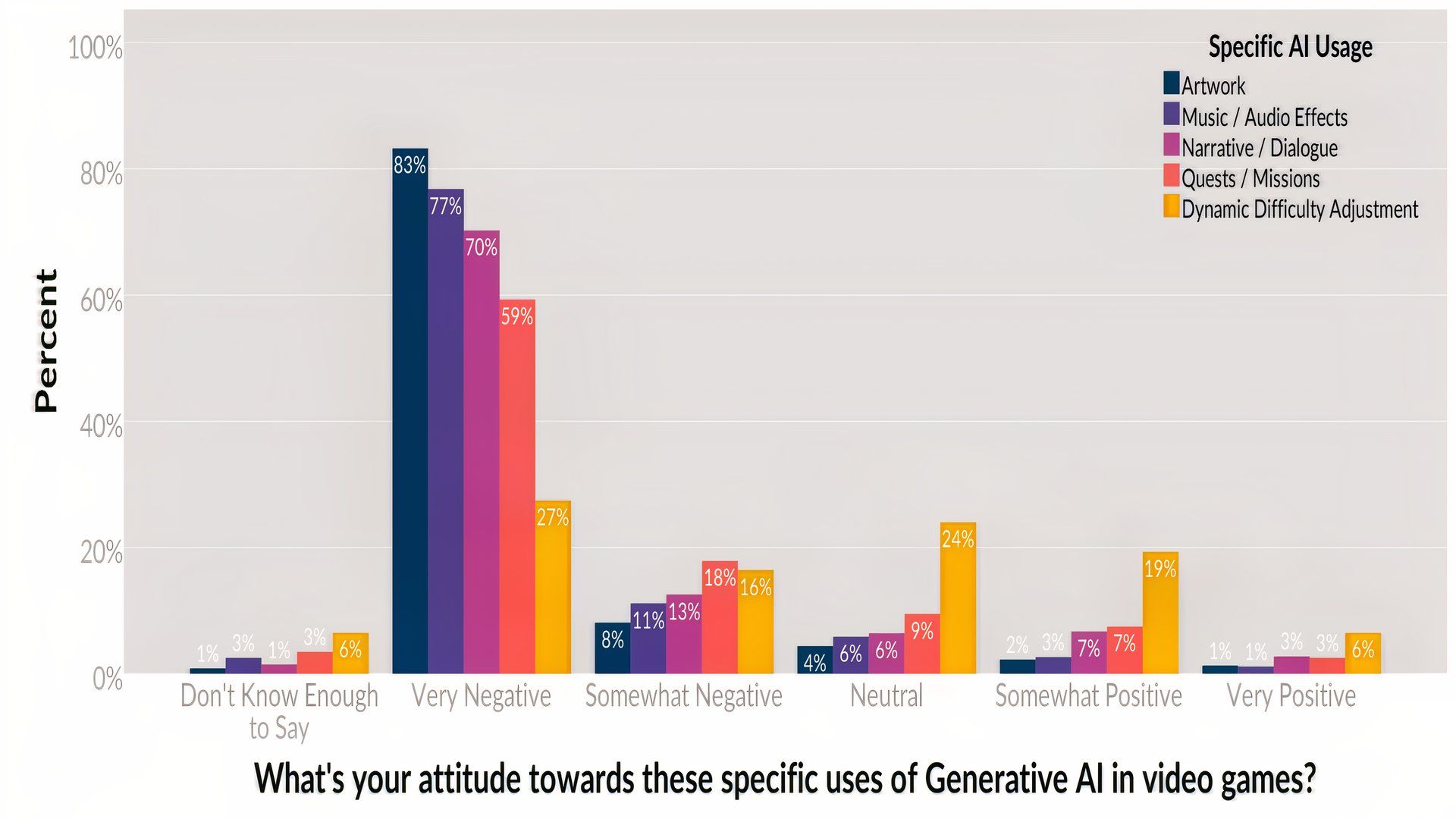 Image by Quantic Foundry
 Look, I’ve been following the reaction to AI in gaming, and it’s pretty clear: gamers hate it. And honestly, as someone who cares about the industry, that’s what I’m focused on. If players are making it abundantly clear they don’t want generative AI creeping into their games, developers should probably listen and just… not use it. It’s that simple.
Generative AI lets game studios work faster and cheaper, but this often affects the people who actually make the games.
According to Marcus Brown, CEO and co-founder of the mobile game studio FanArcade, people naturally react against popular trends when they disapprove, and that shift in opinion is often reflected in their spending habits, as he told TopMob.
I’ve been really impressed with Arc Raiders lately. It’s become incredibly popular – when I last checked, over 231,000 people were playing it on Steam at the same time! What’s even cooler is they’re using generative AI to create the voiceovers, which is a really innovative touch.
Larian Studios, the team behind the popular game Baldur’s Gate 3, faced criticism after admitting they experimented with using AI to create early concept art. Although human artists always finalized the artwork, the negative reaction from fans led Larian Studios to announce they will stop using AI in their game development process.
It’s Generally Up to Gamers To Decide How Generative AI is Used
Gamers Might Have More Power Than They Think
Consumers have the real power. Gamers can show developers whether they approve of things like the use of AI in game development simply by choosing to buy – or not buy – those games. It’s a way of voting with their money.
Mat Piscatella, who leads Games at the research firm Circana, compared the current situation to something called Project Ten Dollar.
Project Ten Dollar was an idea from EA in 2010 to let game publishers earn money when people bought used games. Normally, retailers like GameStop profited entirely from used game sales. EA’s plan would have required players to pay a fee to unlock certain features, like online multiplayer, even if they purchased a used copy of the game.
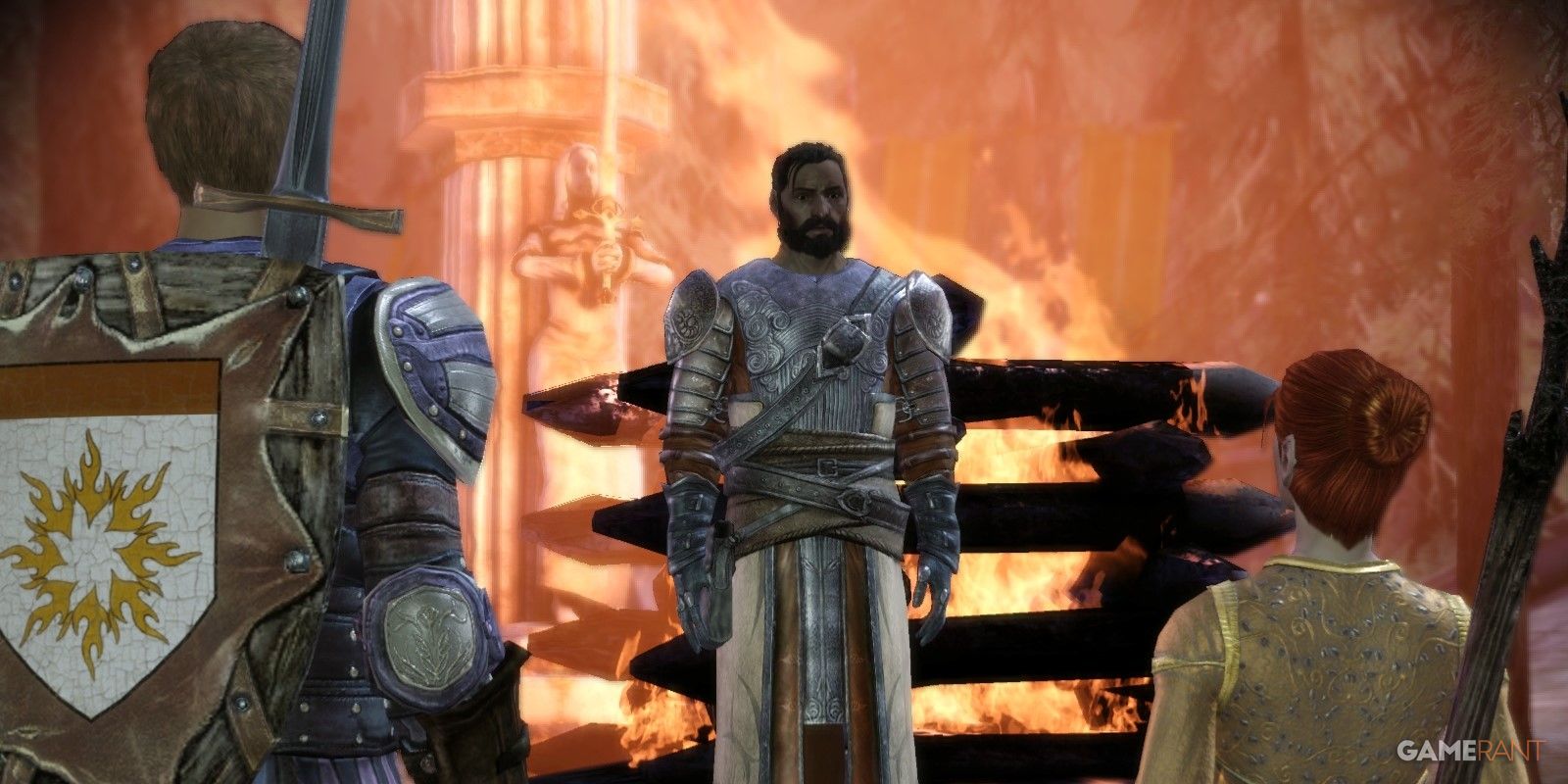
Popular games such as Dragon Age: Origins and Mass Effect 2 initially restricted some downloadable content as part of this plan. Ultimately, players didn’t support it with their purchases, and the project was unsuccessful.
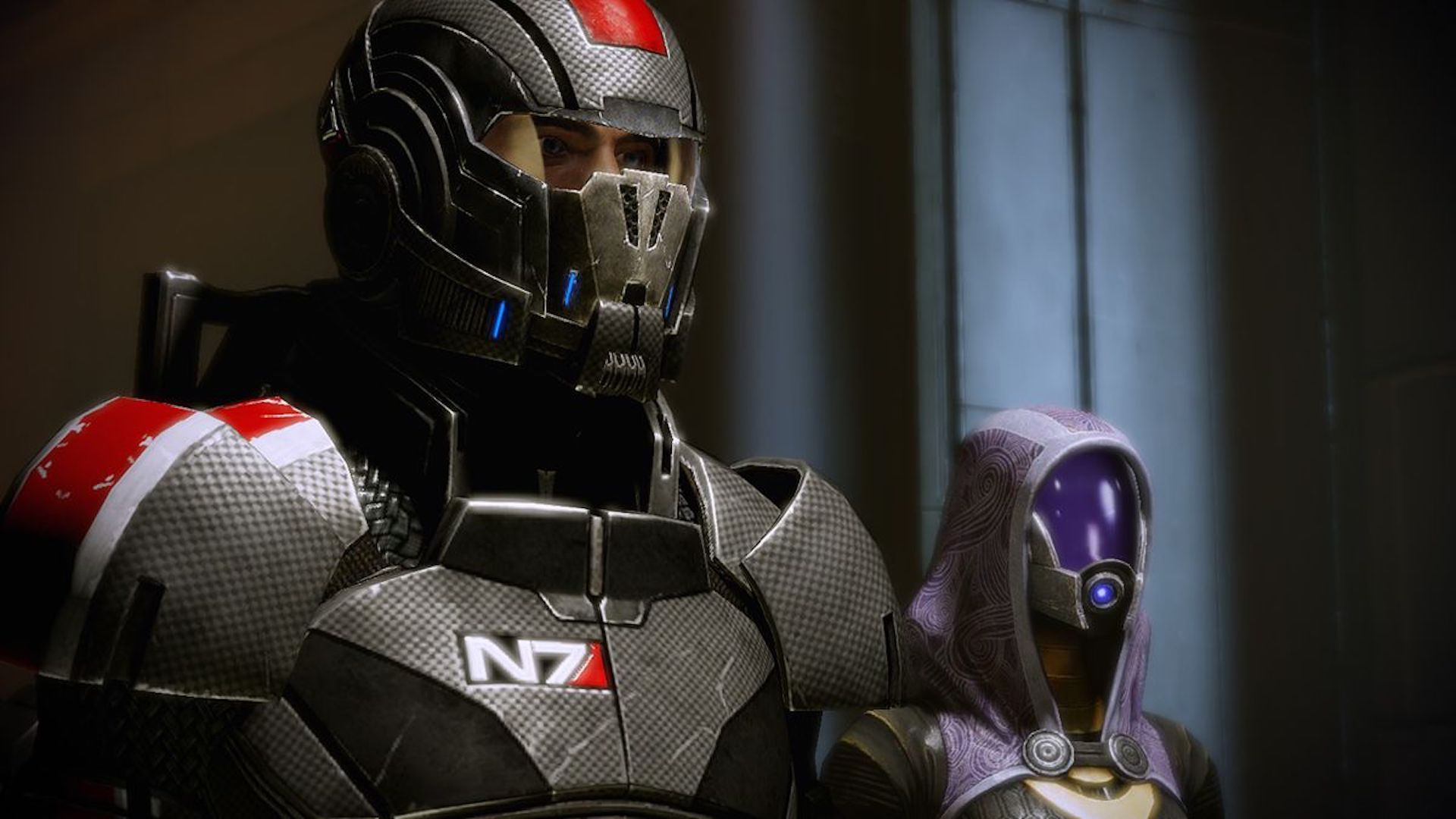
Publishers initially invested heavily in a strategy to combat the resale of used games, but consumers strongly opposed it, and the effort failed within a year, according to Piscatella.
Generative AI could face a similar challenge in video games. If players don’t purchase games that include AI-created content, developers may be hesitant to use it much in the future.
The success of generative AI in gaming depends on quality. If games using this technology are poorly made, the trend won’t continue. However, if players enjoy games with well-implemented generative AI, we can expect to see it used much more often.
Gamers are increasingly able to influence the gaming industry. Recent reactions to games like Arc Raiders and concerns about Larian Studios’ use of AI suggest developers are paying attention to player feedback.
As a movie and game lover, I think it really comes down to what we, the audience, want. Brown makes a good point – if we start rejecting content that feels too obviously made by AI and show we’re not enjoying it, game studios will likely scale back their use of it. Basically, our wallets will ultimately decide how much AI creeps into the games we play.
Can Consumers, Developers and Executives Find Common Ground?
For Better Or Worse, AI Has Changed The Game
During a recent discussion about the company’s financial performance, Take-Two CEO Strauss Zelnick announced that the company is heavily investing in generative AI. Take-Two is a major publisher of popular video games like Borderlands 4, NBA 2K, and the highly anticipated Grand Theft Auto 6.
During the company’s earnings call, he stated they are actively adopting generative AI.
We’re already testing and using new technologies in many areas of our company, including our creative studios. These tests are showing us how to work more efficiently, lower costs, and let our talented teams focus on the exciting parts of making great entertainment – letting technology handle the more repetitive tasks.
It’s not unexpected that CEOs are interested in generative AI. As Piscatella explained, they’re always looking for ways to cut costs. In fact, a recent survey by the GDC found that 36% of people working in the game industry are already using these tools in their jobs.
When a CEO begins talking about finding ways to improve efficiency and cut costs, it often means job cuts are coming. That’s according to Brutman.
We need to establish some clear limits on how artificial intelligence is developed and used. Right now, it feels like anything goes, and people are doing whatever they please with it.
Brutman doesn’t believe AI itself is a bad thing, but its development has become increasingly problematic due to a lack of regulation.
She explained that automation is increasingly causing problems, taking people’s jobs in a difficult economy across various industries. She believes clear guidelines are needed, and every company should implement them.
Astral Clocktower Studios, like some other companies, now includes a clause in their voice actor contracts protecting them from having their voice used to train AI. This clause also prevents the studio from using AI to replicate their voice within the game itself.
She hopes to see more studios openly support the types of games players want, making it simpler for gamers to decide where to spend their money.
According to Brown, developers will need to carefully consider the ethical implications of AI and choose employers and roles that align with their comfort levels. Before founding FanArcade, Brown contributed to the development of Fortnite’s Festival Mode while working at Epic Games.
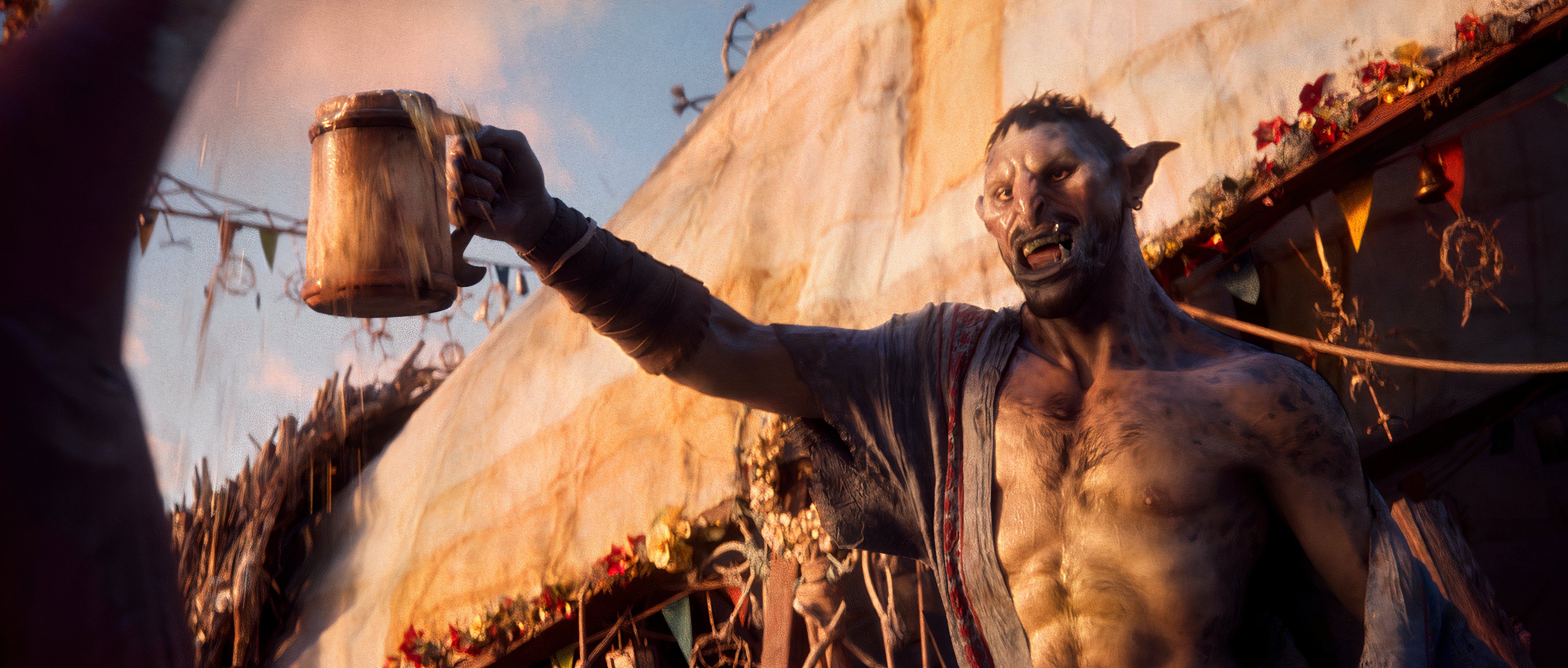 Image by Larian Studios
 Brown believes that game studios will probably have to use AI to remain competitive in today’s market. However, he argues that AI shouldn’t be used for the creative parts of game development, like music, voice acting, or artwork.
He explained that just like people don’t expect painters to make their own canvas, he’s open to using AI for the foundational aspects of creative work – the ‘scaffolding’ or base elements. However, the final creative product will always have a distinctly human feel and input.
AI can’t truly replace human creativity. As Brown explains, AI is limited because it can only work with what it’s already learned and can’t generate genuinely original ideas.
While people will continue to drive creative direction and decide what’s popular, AI can be incredibly helpful in simplifying the more repetitive and everyday tasks within game development.
Just because technology makes things easier doesn’t mean quality and originality aren’t still crucial,” Brutman explained. “You still need skill, a unique style, and a clear vision to connect with players. In fact, it might make those things more important, because people can easily tell the difference between something made with genuine passion and something simply put together by a computer.
The discussion about AI’s role in game development is ongoing and complex. Ultimately, a balance needs to be struck between what players are comfortable with, what game company leaders want to implement, and what the developers creating the games are willing to do.
Read More
- All Shadow Armor Locations in Crimson Desert
- Jujutsu Kaisen Season 3 Episode 12 Release Date
- Dark Marksman Armor Locations in Crimson Desert
- How to Get the Sunset Reed Armor Set and Hollow Visage Sword in Crimson Desert
- Best Bows in Crimson Desert
- Wings of Iron Walkthrough in Crimson Desert
- How To Beat Ator Archon of Antumbra In Crimson Desert
- All Golden Greed Armor Locations in Crimson Desert
- Keeping AI Agents on Track: A New Approach to Reliable Action
- Top 5 Militaristic Civs in Civilization 7
2026-02-17 04:11