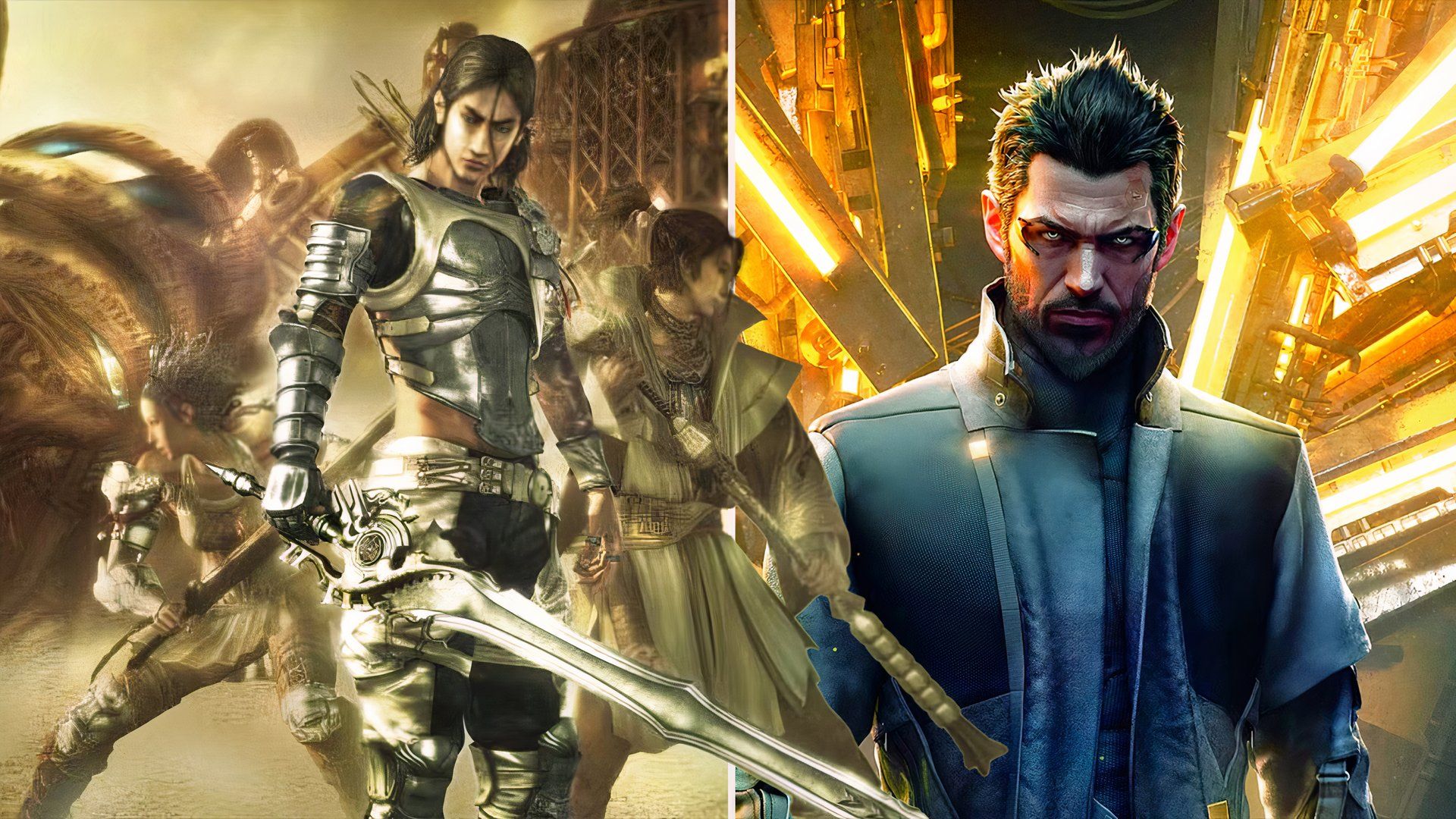
Role-playing games, or RPGs, have a long history of success, with both new developers and established studios creating popular titles that define the genre. However, some well-made RPGs haven’t received the recognition they deserve, succeeding in quality but not in sales.
It’s really tough to launch a successful role-playing game (RPG). The market is incredibly competitive, and players expect a lot, so a game needs to be truly excellent to become a hit. Even a great RPG doesn’t automatically sell well, and sometimes high quality isn’t enough to guarantee financial success. Plus, publishers often set unrealistic sales targets that almost ensure the game will be considered a failure.
8. Valkyria Chronicles
A Military RPG That Lacked Early Success
- Sales: ~2 million copies (2016)
Valkyria Chronicles offered a truly unique tactical RPG experience. It combined careful, turn-based strategy with exciting, real-time battles, all wrapped in a beautiful, watercolor-inspired art style. Set in a fictionalized World War II Europe, the game tells a moving story about Squad 7 and their fight against an invading force, successfully blending emotional storytelling with challenging gameplay. The game’s gameplay and distinctive visuals were highly praised, and continue to impress players today.
The game didn’t perform well commercially when it first came out. It was only available on the PlayStation 3 at a time when relatively few people owned the console, particularly in Japan. Initial sales were low – just 33,000 copies in Japan during its first week and around 77,000 in North America during its first month. Poor marketing and the game’s specialized genre also contributed to these weak numbers. While a remastered version and a wider audience have emerged over time, the original release didn’t make a significant impact.
7.
6. Lost Odyssey
A Story Of Immortals That Failed To Stick Around
- Sales: ~300,000 first month (2008)
Lost Odyssey is a classic Japanese role-playing game (JRPG) created by Mistwalker, led by Hironobu Sakaguchi – the famous creator of Final Fantasy. While the game was expected to be good, it didn’t necessarily mean it would be a big hit with players. The story centers on Kaim, a warrior who can’t die and is burdened by the weight of countless memories. It combines a compelling narrative with familiar turn-based battles and touching short stories. Critics loved the game for its focus on characters and emotional depth, especially as the RPG genre was changing rapidly.
Okay, so everyone who played it loved the game, but honestly, it didn’t sell very well, especially outside of Japan. Being an Xbox 360 exclusive really hurt, because that console wasn’t super popular in Japan to begin with. Sales were pretty disappointing considering how much money went into making it. I think it was just a tough sell – it had those classic, older-style gameplay mechanics, and at the time, everyone was going crazy for faster-paced, more visually impressive action RPGs. It just didn’t quite catch on with the mainstream crowd.
5. Neo: The World Ends with You
Too Niche For A Breakout Hit
- Sales: ~28,000 first week (2021)
Neo: The World Ends With You is a visually striking action RPG and a sequel to a beloved classic. The game centers around Rindo and his friends, who are compelled to participate in a dangerous game run by supernatural beings. With its quick battles and energetic atmosphere, it beautifully captures modern youth culture while staying true to the spirit of the original game. Longtime fans loved everything about it – the story, the music, and more – but it didn’t quite reach a wider audience.
Sales for the game were disappointing. Square Enix acknowledged that it didn’t perform well financially and had trouble covering its development costs. A limited audience, long gaps between releases, and ineffective marketing all played a role in the poor performance, leaving the franchise’s future unclear despite positive reviews.
Like many unique JRPGs, The World Ends With You was a creative game that unfortunately didn’t achieve massive sales.
4. Deus Ex: Mankind Divided
An Example Of Relative Success, And One Of Many Western IPs That Apparently Did Not Meet Square Enix’s Expectations
- Sales: ~12 Million Lifetime Sales With Human Revolution (2022)
What counts as commercial success for a game is often a matter of perspective. A game selling 5 million copies might be considered a failure if the company hoped to sell 10 million. Square Enix, for a period, seemed to label many of its Western-style games as flops, even when they performed reasonably well. Some well-known examples include Tomb Raider, Sleeping Dogs, and Hitman: Absolution, and Deus Ex: Mankind Divided also fell into this pattern.
While Square Enix publicly mentioned Mankind Divided contributed to their 2017 earnings, it wasn’t a resounding success. Both Mankind Divided and Human Revolution eventually sold 10 million copies, but it took nearly ten years to reach that point. Experts believe Square Enix felt their Western game development teams and projects weren’t performing as well as hoped, particularly given their high production costs. The fact that Square Enix never made another Deus Ex game and sold Eidos-Montreal in 2022 for a relatively low price strongly suggests Mankind Divided didn’t significantly improve the company’s overall performance.
3. Vagrant Story
Too Much Complexity For Its Own Good
- Sales: 100,000 first month (2000)
Vagrant Story is a highly-regarded action RPG originally released on the PlayStation, often considered a standout title from that era. The game takes place in the crumbling city of Leá Monde and centers around Ashley Riot, a skilled investigator who becomes entangled in a web of political schemes and mysterious powers. What made Vagrant Story special was its mature and complex story, seamlessly integrated with fast-paced combat, creating a consistently engaging and satisfying experience.
Vagrant Story received critical acclaim but didn’t sell very well. It performed okay in Japan, but sales were disappointing in Western markets. Its intricate gameplay, departure from typical RPG features like towns and companions, and specialized focus made it hard to attract a broad audience. Though it’s now a favorite among RPG fans, it didn’t achieve mainstream success when it was first released, and sales weren’t high enough to warrant a follow-up game, despite its lasting fanbase.
2. Planescape: Torment
A Great Narrative Experience, But Unconventional And Tricky Gameplay
- Sales: ~400,000 (lifetime)
Planescape is a classic RPG, set in the Dungeons & Dragons universe, that focuses heavily on storytelling. Players embark on a quest to uncover the secrets of immortality and the meaning of life, engaging with complex philosophical ideas. The game’s strong writing and well-developed characters bring its unique world to life. However, its emphasis on narrative over action didn’t appeal to a wide audience at the time, which impacted its sales.
The game didn’t launch well – sales were lower than expected, and its unique focus on text-based conversations in an unusual environment made it difficult to promote. While it’s gained a dedicated following and more people now appreciate its story, those initial poor sales meant there was only one game ever made.
1. Alpha Protocol
High Cost, Low Return Despite A Quality Game
Alpha Protocol was a spy thriller game that tried something new by combining a gripping story with the detailed character progression of role-playing games. Players take on the role of a secret agent and unravel global conspiracies in a story where your choices have real consequences. The game stood out for its realistic relationships and conversations, and it was quite innovative for its time. It featured an ambitious, branching storyline that encouraged multiple playthroughs and allowed players to express themselves through their actions.
Despite some positive aspects, the game suffered from outdated graphics and awkward, slow-paced combat that often felt dull. Several technical problems also held it back. While it sold reasonably well, it didn’t earn back its high development costs and was ultimately considered a commercial failure, falling short of the publisher’s goals. Though it’s viewed more favorably now, that positive reception came too late to impact its initial performance.
Read More
- All Shadow Armor Locations in Crimson Desert
- Jujutsu Kaisen Season 3 Episode 12 Release Date
- Dark Marksman Armor Locations in Crimson Desert
- Sega Reveals Official Sonic Timeline: From Prehistoric to Modern Era
- How to Beat Antumbra’s Sword (Sanctum of Absolution) in Crimson Desert
- Genshin Impact Dev Teases New Open-World MMO With Realistic Graphics
- Top 5 Militaristic Civs in Civilization 7
- Sakuga: The Hidden Art Driving Anime’s Stunning Visual Revolution!
- Keeping AI Agents on Track: A New Approach to Reliable Action
- How to Get the Sunset Reed Armor Set and Hollow Visage Sword in Crimson Desert
2025-12-09 21:11