I remember playing Life is Strange for the first time back in high school in 2015, and it totally hooked me! Ever since then, I’ve been a huge fan of games where your choices actually matter and can change the story. It’s just so cool when a game lets you really shape things with what you say and do.
I was immediately drawn to Tides of Tomorrow, especially since it’s made by the team behind Road 96. That game was fantastic – a story-focused experience where every character’s journey and your choices felt unique and impactful.
Tides of Tomorrow offers a really interesting twist: you experience the game through the choices of another player – maybe a friend or a streamer you enjoy watching. Their decisions shape your game world, affecting everything from characters you meet to the story itself. And after you play, your own choices can then influence someone else’s experience!
This might seem a little strange at first, and I’m not great at explaining complicated details. However, I’m confident you’ll enjoy Tides of Tomorrow, and I can show you why based on the first couple of chapters I’ve played.
A World Where We Refused to Recycle
I’m always drawn to fictional worlds, particularly those with a distinctive quality. The setting of Tides of Tomorrow definitely fits that description.
Elynd is a water-covered planet, a once-thriving world now falling apart after a massive flood. Everyone who lives there is slowly getting sick with a condition called Plastification. It’s an interesting concept that made me realize the game could be a clever way to encourage people to recycle.
Every central location you explore features a unique set of characters you might encounter. While some are simply optional areas to discover new people, the most important locations are where the main story moves forward.
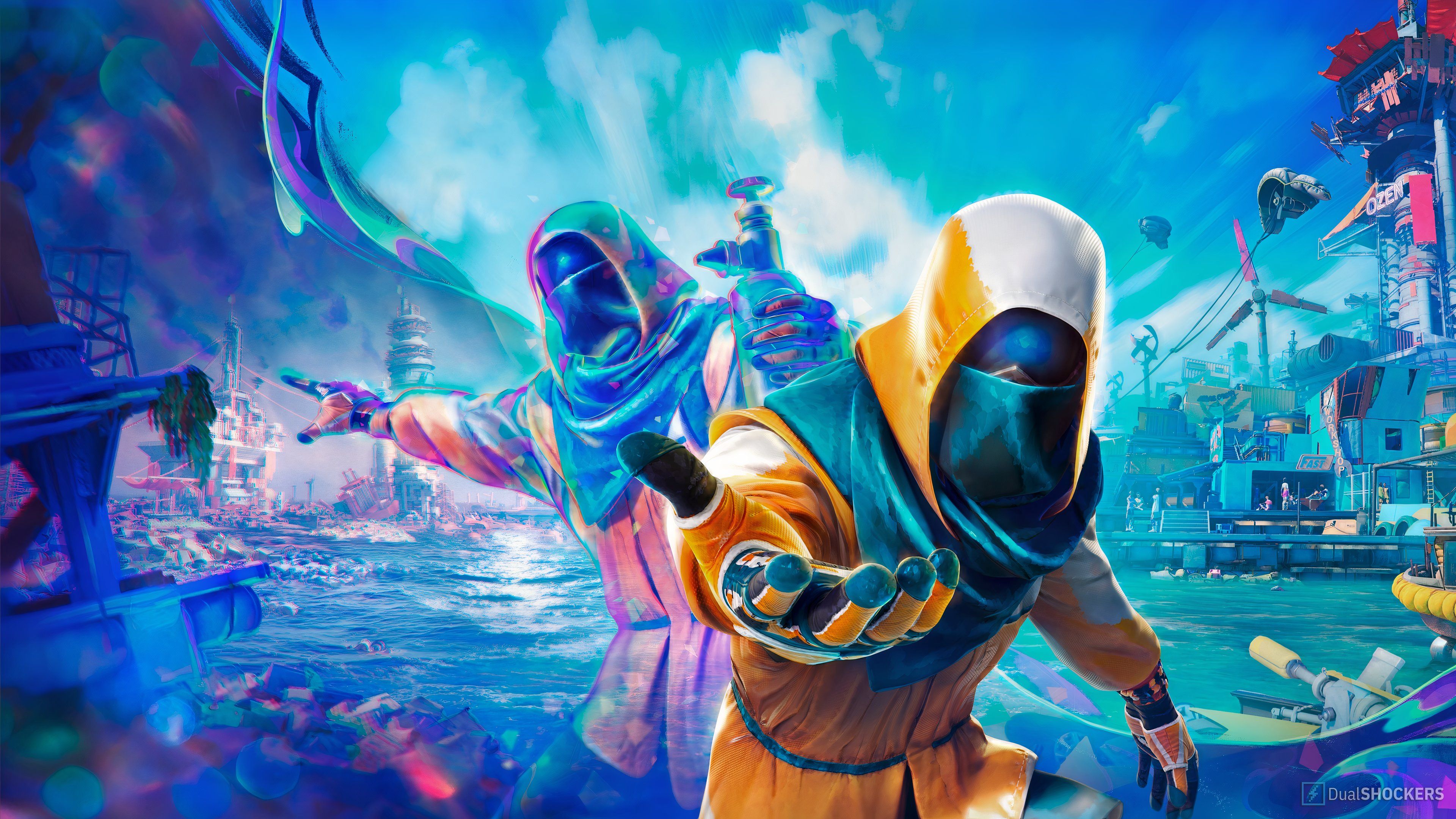
As a fan, I have to say the hub worlds in this game are just gorgeous and really fun to wander around in! They aren’t quite big enough or close enough together to feel like a full-blown city, but visually, they’re stunning – especially if you’re playing with all the graphics settings turned up. What really got me was how well the game builds the world; from the piles of trash floating in the ocean to the unique characters you meet, it totally pulls you into this underwater environment.
Each hub world or landmark you visit has its own group of wildcard NPCs on board.
You are the Tidewalker, a wanderer of the sea with no memory of your past. Driven by the echoes of those who came before you, you seek to understand the world’s secrets and perhaps even reverse a strange condition called Plastification that affects you.
Once you progress past the game’s introduction, you’ll gain access to a vast world divided into distinct regions you can explore by boat. These areas offer the core gameplay experience, shaped by your character’s traits, the important characters you encounter, and the choices you and other players make that affect the world around you.
Tides of Tomorrow’s Asynchronous Multiplayer Element is Special
As soon as the game started, I got to pick who to follow – other players who’d been through this world before me. It’s cool because choosing one changes things up! You can see a bit about their personality and how far they got in the story, which gives you a hint about how they shaped the game world. It’s like seeing their legacy!
Each character, including yours, will develop a unique personality over the course of the story, which will essentially guide their choices. Your actions will shape these traits: focusing on self-preservation will strengthen your Survivalist side, helping others will boost your Pro-Mankind stat, and causing chaos will naturally increase your Troublemaker tendencies.
You’re wondering how the Tidewalker affects the world? It starts right away with Nahe – you see how she treats other travelers, just like you. The game continues to show this impact through other characters you meet. Your actions as the player will cause significant changes in each area, altering the lives and behaviors of the people you encounter.
The Tides of Time ability helps you track other players. It shows you important moments from their gameplay – what they did, where they went, and any clues they found. You’ll also see faint traces of other players’ actions, like simply walking around or using gestures, similar to the ghostly figures in games like Dark Souls.
Throughout most conversations, you can see the choices made by the player whose story you’re following. You’re free to make the same choices or try something different. Plus, occasional visions will show you the major outcomes of their decisions, giving you a chance to steer your story in a new direction.
Part of the Journey is the Inevitability
One of the best parts of this game is the unpredictability of each voyage. When you set sail for a new place, you never quite know what to expect. A previous player’s actions could come back to haunt you – maybe they upset someone important, making that area hostile, or even something as simple as ignoring a person in need could have consequences.
Subscribe to the newsletter for story-driven game insights
This game is incredibly detailed and well-made. However, the story isn’t very long or complex – you’ll likely spend most of your time replaying it with friends or exploring different endings. You’ll also need to carefully monitor your Plastemia level, as letting it fill up means instant defeat. The game also includes some survival elements, requiring you to gather and manage resources like scrap and Ozen, and decide whether to share them or keep them for yourself.
The characters you encounter will be different each time you play. Whether they’re friendly or secretive, you’ll often have to make choices that affect both them and yourself.
If you feel a strong urge to help others, like I did, you might want to leave extra supplies – like Ozen or useful items – for those who come after you. It’s a small act that feels similar to how you connected with and helped other players in Death Stranding.
The game takes accountability to the utmost, down to the smallest details.
When players look at your character’s background, some will assume you prioritized helping others and working with fellow Tidewalkers. Others, however, will be drawn to characters who embraced chaos and fully leaned into the ‘Troublemaker’ personality trait.
Tides of Tomorrow builds on the strong story-driven gameplay of Road 96 and adds a fun, unique multiplayer feature. If you haven’t heard of it, it’s definitely worth checking out. Even better, playing with friends and watching each other’s experiences on Discord promises a lot of laughs and a great time.
Read More
- The Limits of Thought: Can We Compress Reasoning in AI?
- Genshin Impact Dev Teases New Open-World MMO With Realistic Graphics
- Sega Reveals Official Sonic Timeline: From Prehistoric to Modern Era
- Where to Pack and Sell Trade Goods in Crimson Desert
- ARC Raiders Boss Defends Controversial AI Usage
- Who Can You Romance In GreedFall 2: The Dying World?
- ETH PREDICTION. ETH cryptocurrency
- Top 10 Must-Watch Isekai Anime on Crunchyroll Revealed!
- Gold Rate Forecast
- Best Weapons, Armor, and Accessories to Get Early in Crimson Desert
2026-03-03 17:10