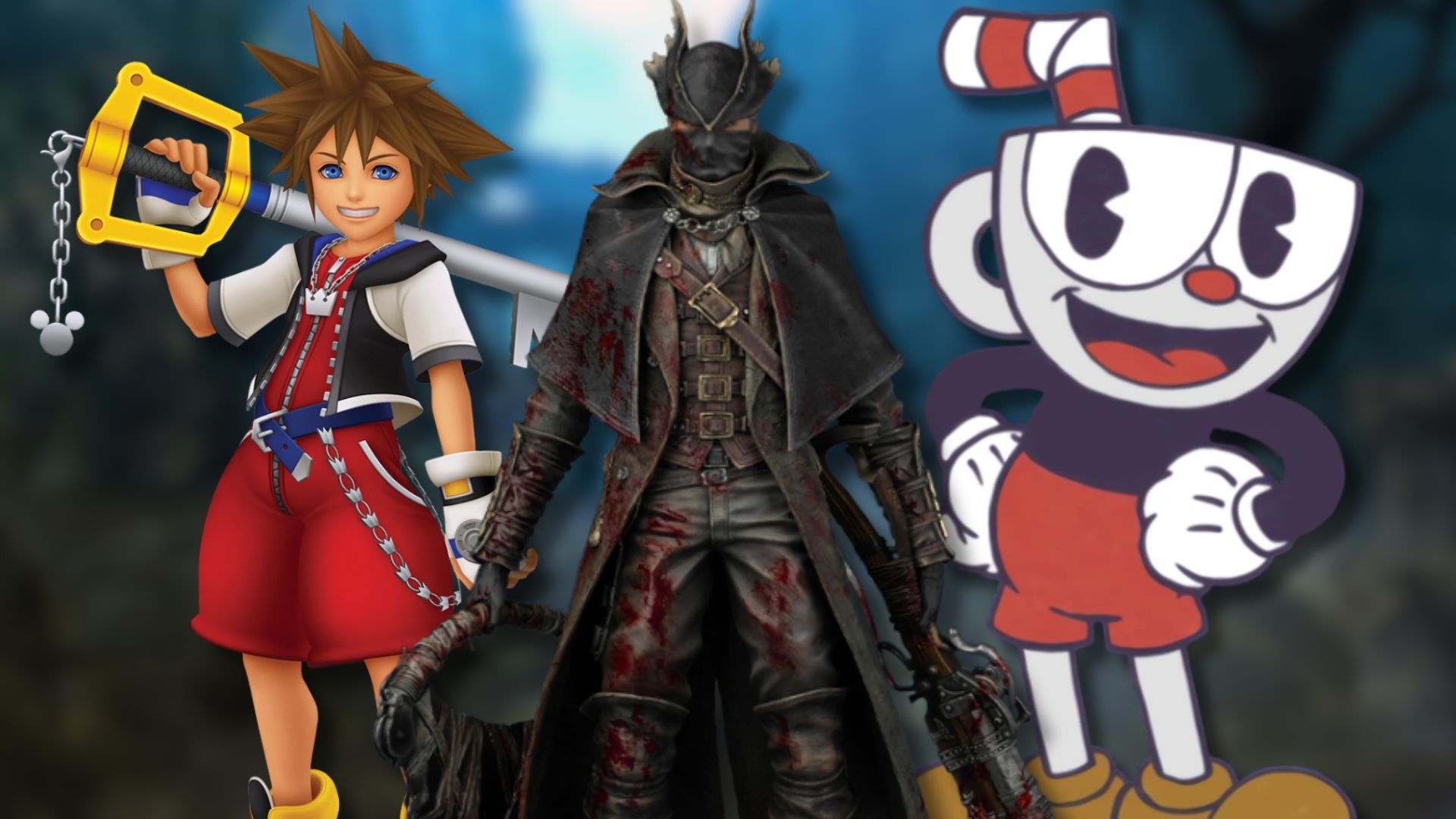
Look, I get that a lot of people play games to chill out, but honestly, I’m usually after something tough. I want a real challenge that’ll push my skills to the limit. And it’s not just me – there are tons of games out there, both classics and new releases, that are brutally hard and have actually changed the way I think about gaming in general.
What’s great about tough video games is that they can improve your skills, even if they aren’t perfectly made. Throughout video game history, many games have left a lasting impression, but these eight stand out as the most well-known examples.
Battletoads
A Ruthless NES Classic
Older video game consoles often featured very difficult games. This was partly because technology didn’t allow developers to create long, complex experiences – players could finish shorter games quite quickly. The NES had a lot of famously challenging games, and Battletoads is probably the most well-known example.
Battletoads might look like a typical beat ’em up at first, but it quickly becomes clear that it’s a very challenging game. Levels are packed with enemies that can defeat you with a single hit, and many of them have frustrating, unpredictable behaviors. Checkpoints are sparse, adding to the difficulty. However, the notoriously difficult Turbo Tunnel level is actually quite early in the game, meaning that players who manage to beat it will find the rest of Battletoads relatively easy.
Touhou Project Series
It Popularized The “Bullet Hell” Subgenre
Shooting games have been a staple of video games since the beginning, but a particularly challenging style called “bullet hell” gained a lot of fans in the late 1990s and early 2000s. Many people believe the recent revival of this genre is largely thanks to the Touhou Project series.
Okay, so the Touhou series is HUGE and honestly, pretty mind-bending. Trying to pick just one game to show what it’s all about feels impossible. What you need to know is that every single game lives up to the ‘bullet hell’ label. Seriously, enemies just unleash a ridiculous storm of projectiles – we’re talking thousands filling the screen! You really need lightning-fast reflexes to dodge everything. It’s no surprise this series influenced other awesome games like Ikaruga and Undertale, either.
Kingdom Hearts
The Original PS2 Version Didn’t Even Have An Easy Mode
Kingdom Hearts seems simple enough at first. It’s a bright and action-packed RPG with a big story and levels inspired by beloved Disney films. But that’s often where players get caught off guard, particularly those who originally played it on the PlayStation 2 without the Final Mix additions.
When I first played the original Kingdom Hearts on PlayStation 2, it was tough! There were only two difficulty options – Normal and Expert – so no easy way in. If you were curious about the story, you really had to earn your way through it with some seriously strong enemies and bosses. And the worst part? You couldn’t skip cutscenes after failing, which felt brutal! Later versions thankfully added a Beginner Mode and let you skip those scenes, but honestly, beating the original on PS2 felt like a real accomplishment. It definitely changed how I approached games!
Devil May Cry 3: Dante’s Awakening
The North American Version Was Way Harder Than The Japanese One
Hack-and-slash games were already well-liked when Devil May Cry 3: Dante’s Awakening was released – the first Devil May Cry game had actually helped define the genre a few years earlier. However, Dante’s Awakening is particularly known for being incredibly challenging, and many gamers credit it with teaching them how to master complex, stylish combat against tough enemies.
While Devil May Cry 3 is known for its deep gameplay, diverse weapons, and tough enemies, the original difficulty felt particularly challenging, especially for players in Western countries, due to changes made during localization. The North American version essentially shifted all difficulty levels up one – Easy became Normal, Normal became Hard, and so on. The Special Edition later corrected this, but by then, many players had already become skilled at the game’s combat.
Super Meat Boy
A Perfect Example Of How Difficult Indie Games Can Be
When the internet became widely accessible in the mid-2000s, flash and independent games quickly became popular. Many independent developers created incredibly challenging games—often inspired by classic Nintendo Entertainment System (NES) titles they grew up with—that were designed to test the limits of even the most dedicated gamers. Among well-known indie hits like Cave Story and I Wanna Be the Guy, Edmund McMillen’s Super Meat Boy stood out as particularly remarkable.
This fast-paced 2D platformer challenges players to dodge numerous obstacles, a task that becomes increasingly difficult as the game progresses. Super Meat Boy relies heavily on trial and error, but mastering it will significantly improve your reflexes—if you can stick with it! This unique game proved highly influential, paving the way for other popular indie titles like Ori and the Blind Forest and Celeste.
Dark Souls
One Of The “Founding Fathers” Of the Soulslike Genre
Demon’s Souls, originally released only for the PS3, was known for being incredibly challenging. Though it wasn’t widely played and still had a few rough edges, the developers used what they learned to create the hugely successful Dark Souls a few years later. While not the first of its kind, Demon’s Souls is widely credited with making the ‘Souls-like’ genre popular.
Around 2010, many big-budget games were getting flak for being too simple. That’s when Dark Souls arrived, and it was a game that truly challenged players. Unlike other titles, you couldn’t just rush through enemies – each one was a serious threat that demanded careful planning before you could dodge and attack effectively. The bosses were especially tough, often requiring several attempts to beat, which made victory feel truly rewarding. Dark Souls essentially changed what action RPGs could be, and its innovative approach paved the way for many of the popular games we enjoy today. Without FromSoftware taking a chance on it, the gaming landscape might look very different.
Bloodborne
Took The Soulslike Genre Into A Whole New Direction
The huge success of Dark Souls led FromSoftware to create more games in a similar style, including several direct sequels. In 2015, they partnered with Sony again to release Bloodborne for the PlayStation 4, and it’s now widely considered a top game in the genre. While it initially feels like a typical Soulslike game, players soon discover that the actual gameplay is quite different than they’d expect.
Bloodborne’s combat is quicker and more focused on shooting and precise timing with attacks and defenses, unlike the dodging-based style of the Dark Souls games. Players familiar with the ‘Souls’ series had to adapt their strategies to succeed in Bloodborne and defeat its challenging bosses. This game was a significant step forward for FromSoftware and the action RPG genre it helped define, and it went on to inspire other popular games like Sekiro: Shadows Die Twice and Lies of P.
Cuphead
Anybody Who Played It For The Animation Was Shocked By Its Unpredictable Boss Fights
When Studio MDHR first showed off Cuphead, people were captivated by its unique, hand-drawn animation style, which looked like the classic cartoons of the 1930s. Many were excited to play it when it was released, hoping for a cartoon come to life, but most quickly found it was incredibly challenging and gave up.
Cuphead is an action-packed game centered around challenging boss battles. Each boss has unique and surprising attacks, perfectly matched with the game’s stunning, hand-drawn animation. Many players were initially drawn to the beautiful art style, but found the gameplay difficult. However, those who persevered experienced some of the most rewarding and difficult boss fights ever created. Once you’ve finished Cuphead (including its added content), most other similar games feel surprisingly simple.
Read More
- All Skyblazer Armor Locations in Crimson Desert
- One Piece Chapter 1180 Release Date And Where To Read
- How to Get the Sunset Reed Armor Set and Hollow Visage Sword in Crimson Desert
- All Shadow Armor Locations in Crimson Desert
- All Golden Greed Armor Locations in Crimson Desert
- How to Beat Stonewalker Antiquum at the Gate of Truth in Crimson Desert
- All Helfryn Armor Locations in Crimson Desert
- Marni Laser Helm Location & Upgrade in Crimson Desert
- USD RUB PREDICTION
- Black Sun Shield Location In Crimson Desert (Buried Treasure Quest)
2026-02-09 04:06