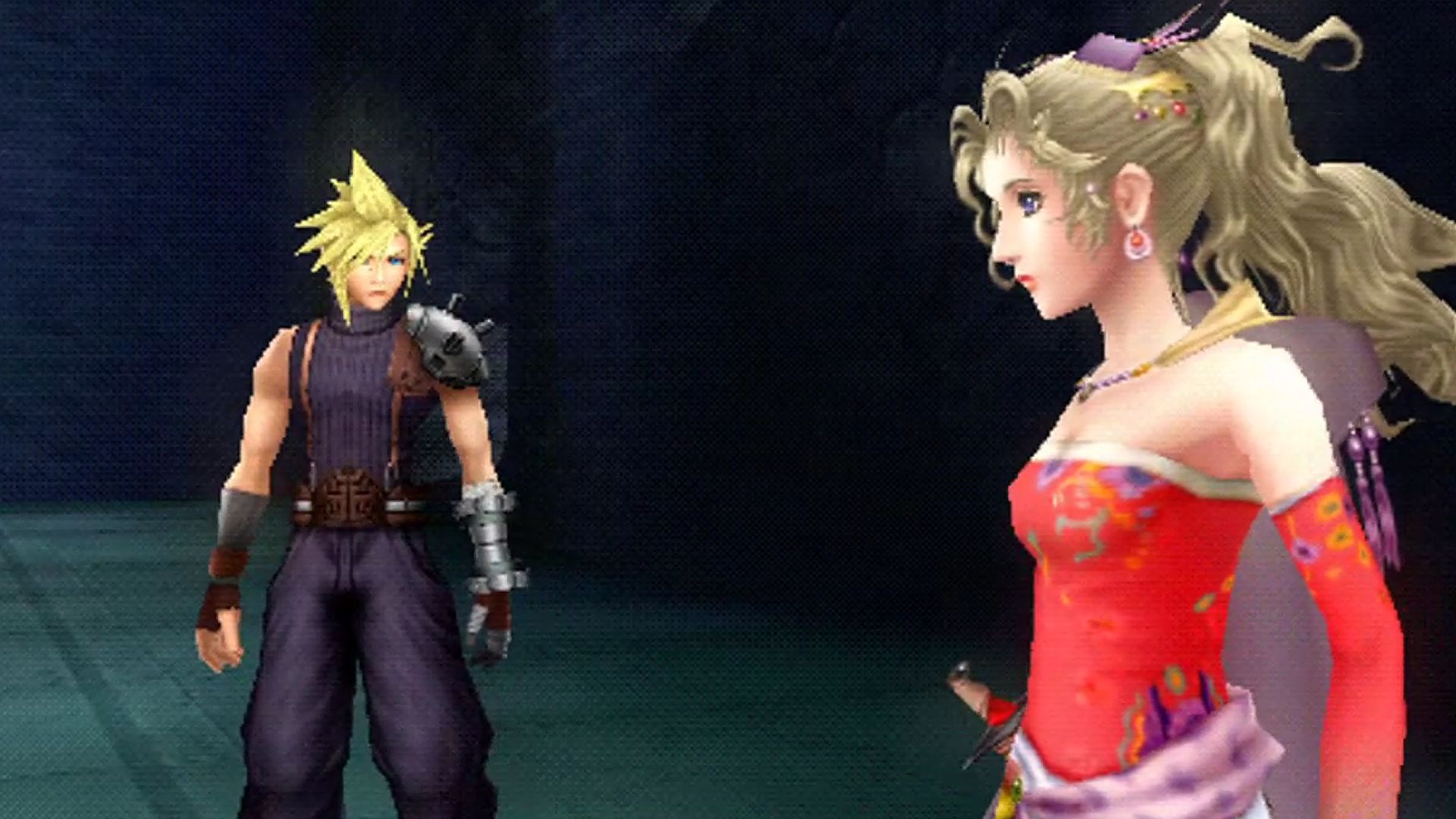
I didn’t get into the Final Fantasy series until much later in life. When I was growing up, my sister wanted Final Fantasy X in 2003, but our mom was hesitant because of its Teen rating. Fortunately, Kingdom Hearts was right next to it at Blockbuster, and the presence of Donald Duck convinced my mom it was okay for us. We ended up becoming a Kingdom Hearts family, and I didn’t play a Final Fantasy game until I was older. Even so, I knew about the big debate between Final Fantasy VI and Final Fantasy VII fans, thanks to spending a lot of time in online anime communities when I was in middle school. I got the impression that FFVII was a bit too dramatic and slow, while FFVI was the better game – largely because of the villain Kefka and my preference for the song “Dancing Mad” over “One-Winged Angel.”
Spoilers ahead for Final Fantasy 6 and Final Fantasy 7
Growing up, I always heard amazing things about Final Fantasy 7, but I think a lot of that was just people remembering it fondly. As an adult, I wanted to see for myself, so I finally picked up the original game and was really surprised by how well it held up! That led me down a rabbit hole into everything FF7 had to offer. For a long time, those were the only Final Fantasy games I actually finished. Then, last year, a friend wouldn’t stop raving about FF6, so I decided to give it a try. It was a bit of a jump going back to a classic 2D Final Fantasy after getting so used to FF7, which really changed everything for the series. Honestly, I think FF7 is the better game, but I also know that FF7 wouldn’t be the iconic game it is today without FF6 paving the way.
The Player’s Imagination Versus Explicit Characterization in Final Fantasy Games
I’m completely hooked on this story! It’s about a group fighting against a really nasty, power-hungry regime, and they’re building a resistance. What I love is they’ve found two incredible allies: the last of a magical people and someone who went through the same brutal experiments as the enemy’s super-soldiers. It’s tragic because while our heroes held onto their minds through it all, the villains didn’t – and now those twisted super-soldiers are determined to destroy everything! It’s up to the resistance, and others who survived those experiments, to stop them. Honestly, it sounds like something straight out of Final Fantasy 6 or Final Fantasy 7 – that kind of epic struggle against impossible odds.
Final Fantasy 6 and Final Fantasy 7 Are Very Similar Stories
Looking at the story this way, it becomes clear that Final Fantasy VII‘s plot borrows heavily from Final Fantasy VI. Both games feature a protagonist – Celes Chere and Cloud Strife – who were once powerful members of the opposing side (Gestahlian Empire or Shinra) but later joined the resistance (the Returners or AVALANCHE). They both work to defeat a magically created super-soldier – Kefka or Sephiroth – who has gone insane and threatens to destroy the world.
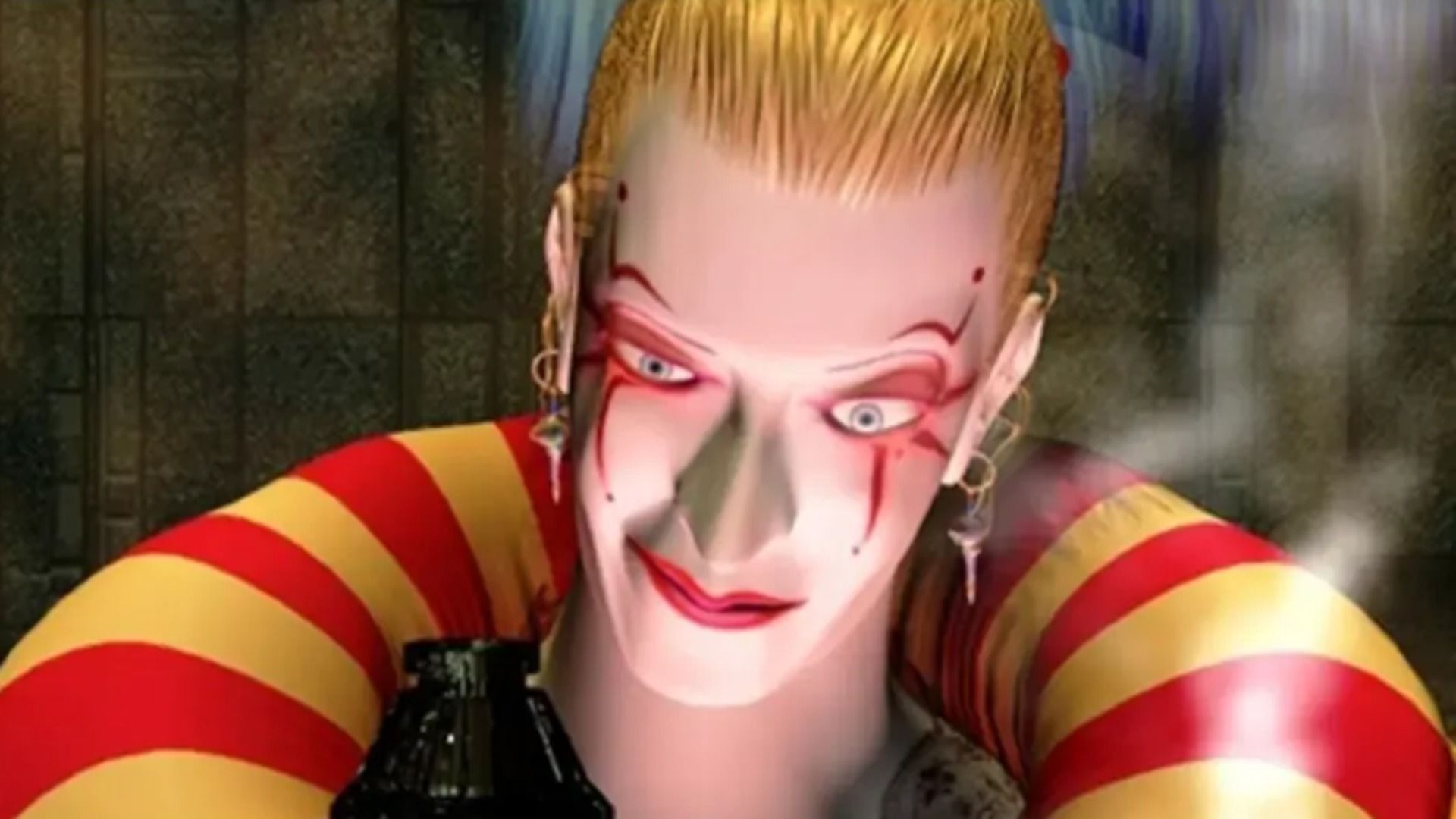
Terra Branford, similar to Cloud, struggles with memory loss caused by traumatic experiments. She’s also the last of her kind, making her a key figure for both warring factions. Interestingly, Terra temporarily leaves the group early in the game, and Celes takes over as leader – a plot point reminiscent of Final Fantasy VII, where Cloud disappears after Sephiroth’s attack, and Tifa and Cid must lead the party in his absence.
It’s not accurate to say that Final Fantasy VII just copied Final Fantasy VI, or that VI was merely a plan for VII. Both games deserve to be appreciated for what they are. However, looking back, Final Fantasy VI‘s story feels less developed than VII‘s, largely because of the limitations of the technology at the time. The biggest problem is the large number of playable characters – fourteen in total, which is still a record for the main Final Fantasy series. While having a lot of characters might sound good, it meant that most of them didn’t get enough focus to develop meaningful stories or personalities. The game was already pushing boundaries in other areas, and there just wasn’t room to give more than a few characters proper development.
Final Fantasy 7’s Characters Are Better Done Than FF6
To be fair, Final Fantasy VII doesn’t give all characters the same amount of attention. Vincent Valentine suffers the most from this; while he offers important backstory if you look for it, the game only really focuses on his story during one specific scene in a cave with Lucrecia. Yuffie at least gets a dedicated sidequest in Wutai. Still, both Vincent and Yuffie have unique dialogue and reactions during key story moments when they’re part of your team.
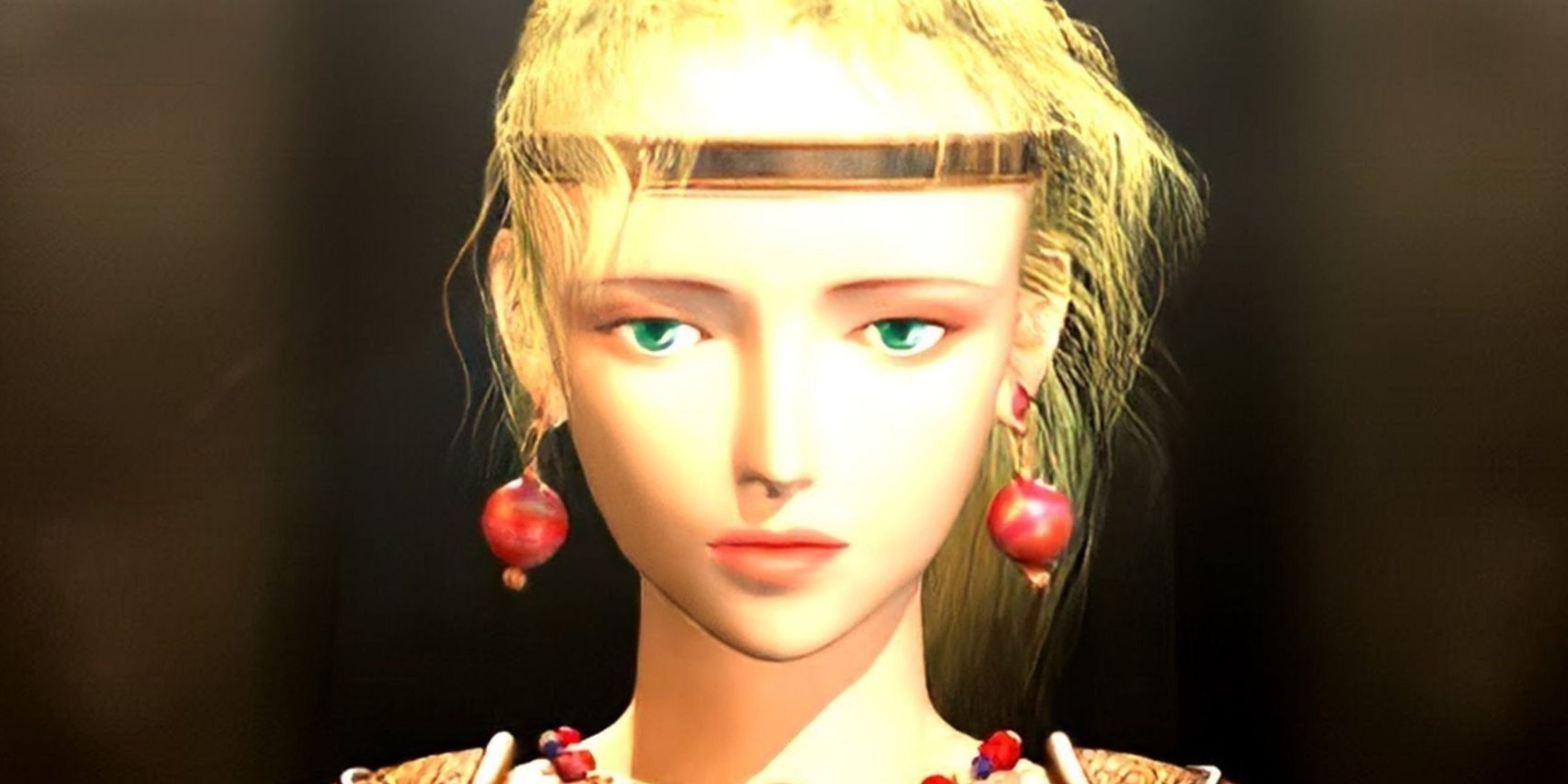 Image via Square Enix
 In Final Fantasy VI (FF6), character conversations generally stay the same throughout the game, with only a few hidden references. After joining your party, most characters don’t receive much further development beyond their initial storylines in the World of Balance and World of Ruin. However, those initial scenes are well-written, and characters like Terra, Celes, Locke, and Sabin each have significant portions of the game dedicated to their personal stories. Optional side quests also add depth to the characters, such as Cyan’s quest which explores his grief, or the occasional dream sequences that reveal more about Shadow’s connection to Relm.
Unlike some games, each character you control in Final Fantasy VII has their own distinct way of speaking that changes as the story progresses. Plus, every important member of your team gets their own dedicated storyline that develops long after you first meet them. You’ll spend a significant amount of time with Barret before learning about his past at Corel Prison, and Red XIII’s connection to Cosmo Canyon is a surprise that comes much later after you initially recruit him. Tifa also keeps her understanding of Cloud’s involvement in the Nibelheim Incident a secret for a large portion of the game. Even characters like Cid get moments to lead the party. This makes the supporting characters in FF7 feel like they’re truly part of the adventure throughout the entire game.
The backstories of Cloud Strife and his companions are complicated, and sometimes the original translation doesn’t help clarify things. While Final Fantasy VII developed its characters in detail, the intricate plot could be difficult to follow. Fans of Final Fantasy VI might prefer that game’s more straightforward story, and that’s understandable. It’s still a beautifully written narrative that gives its key characters plenty of depth; it’s genuinely heartwarming to see Terra relax and enjoy herself on the airship at the end. Celes’ opera scene is iconic, and Kefka’s straightforward villainy is surprisingly appealing when compared to the dramatic and convoluted history of Sephiroth.
.jpg)
How the Story and Characters Contribute to FF6 and FF7’s Age
In an interview with Game Informer, director Yoshinori Kitase, who worked on both games, explained that a key idea behind Final Fantasy VI was giving every character a chance to feel like the protagonist. He said allowing players to choose who they played as created a second half of the game that was truly shaped by the player. Because of this, FFVI‘s storytelling is more about player freedom and interpretation than FFVII‘s, and shouldn’t be considered simpler. FFVI has a strong central story, but it also invites players to decide for themselves who the “main character” really is. In contrast, FFVII forces players to follow Cloud’s story, whether they connect with him or not.
I’m relatively new to the Final Fantasy series, but I think FF7 has a more developed story and characters, though FF6 laid the groundwork for it. Final Fantasy 7 just allows more time to get to know each character. It’s not FF6‘s fault it was limited by the SNES, but personally, FF7 has aged better. However, if FF6 ever got a remake, my opinion might change.
FF6’s Gameplay is More Unique, But Less Refined
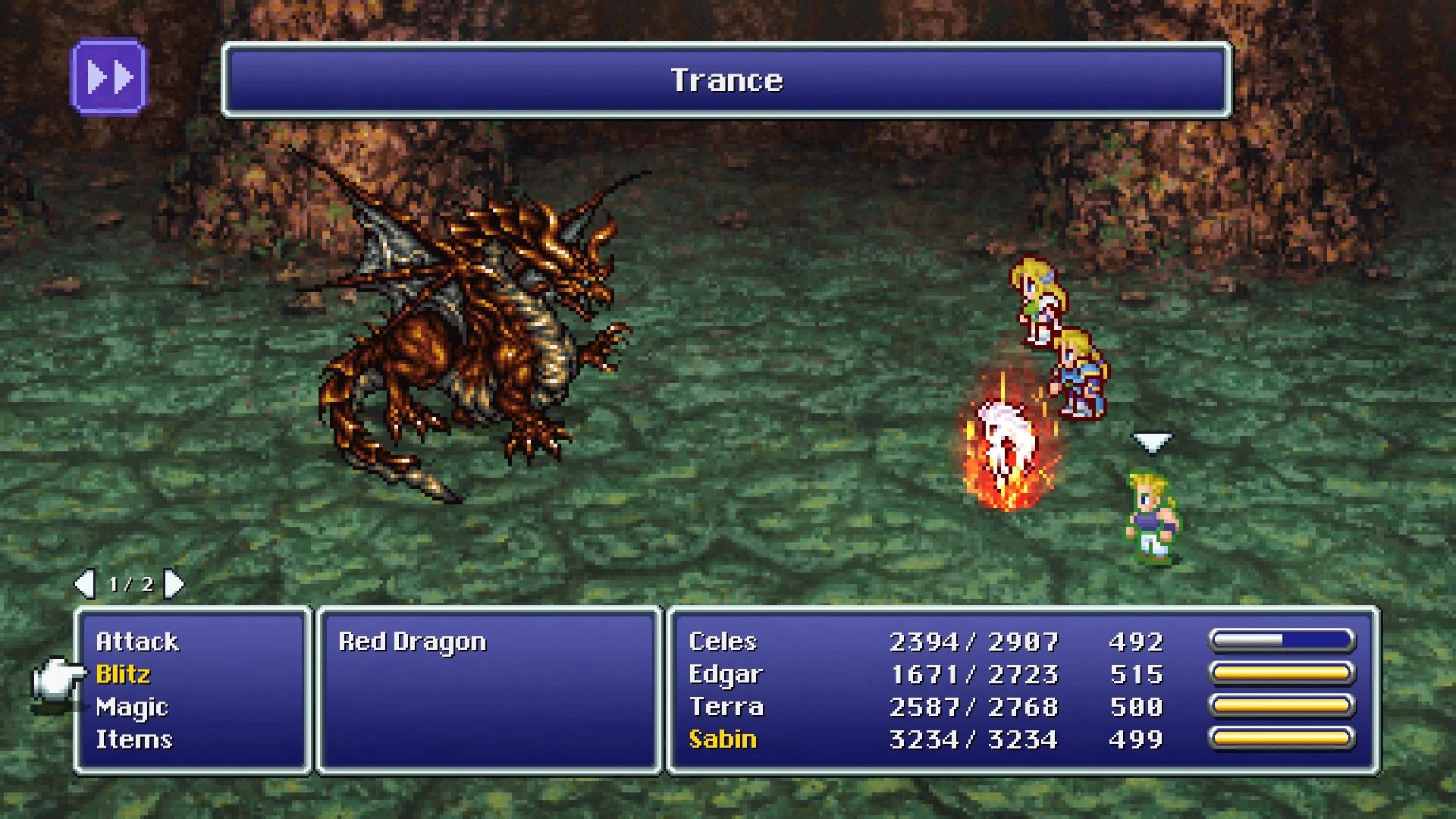 Image via Square Enix
 When it comes to how you play, Final Fantasy VI and Final Fantasy VII do things differently than how they tell their stories. In FF6, characters feel distinct during battles, even if their personalities aren’t always memorable. Each character has unique abilities that make them stand out – Terra can use Trance, Celes can use Runic, Locke can steal, and Gogo can mimic, for example. In contrast, characters in FF7 are more similar in combat, and you can often swap them without changing how you approach a fight.
Each character in Final Fantasy 7 has unique weapons and special abilities, and their different stats suggest specific roles for them in battle. However, the game allows you to customize characters quite freely – you could even make Tifa a spellcaster or Barret a healer, though they’ll be less effective in those roles. Using magic is a bit different this time around, as you need to equip Materia to each character to learn and cast spells. This means players need to think more carefully about which Materia best suits each character’s build. If you don’t have enough Materia, you’ll have to carefully manage your resources instead of simply giving everyone powerful spells.
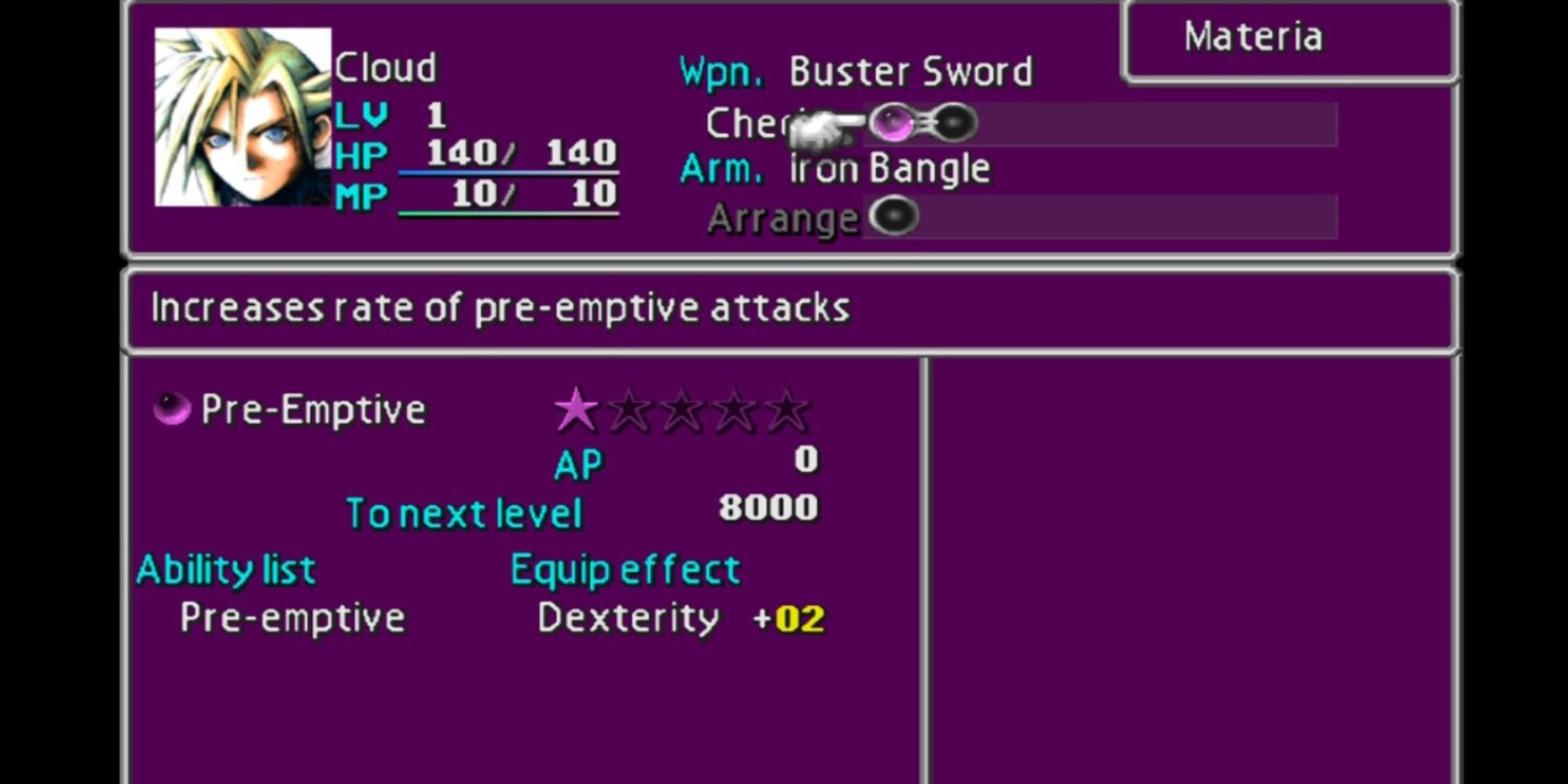 Image via Square Enix
 Both Final Fantasy VI and Final Fantasy VII have their strengths and weaknesses in terms of balance, but FFVII‘s Materia system generally creates a more balanced combat experience. That said, FFVI‘s slightly rougher mechanics are often more enjoyable to experiment with. While Relm’s Sketch ability isn’t very powerful, the “Control” skill it unlocks is hilarious – watching two demons try to kill each other is always a good time. Gau’s Rages can be frustrating, but setting up an enemy with Edgar’s Debilitator to make them weak to fire, then watching Gau unleash Flare Star, is surprisingly satisfying. And don’t forget Edgar’s Chainsaw – it’ll be a lifesaver in boss battles.
While it’s enjoyable to optimize Final Fantasy VI to its fullest extent, it’s a relatively easy game even without extensive grinding or unlocking everything, largely because characters retain spells even after changing Espers. By the middle of the game, you’ll likely rely more on magic than on each character’s unique abilities. Final Fantasy VII is also beatable with some clever play, but it requires more strategic resource management thanks to the Materia system. It’s clear the developers intentionally designed Materia to be less easily exploited than the Espers in FF6.
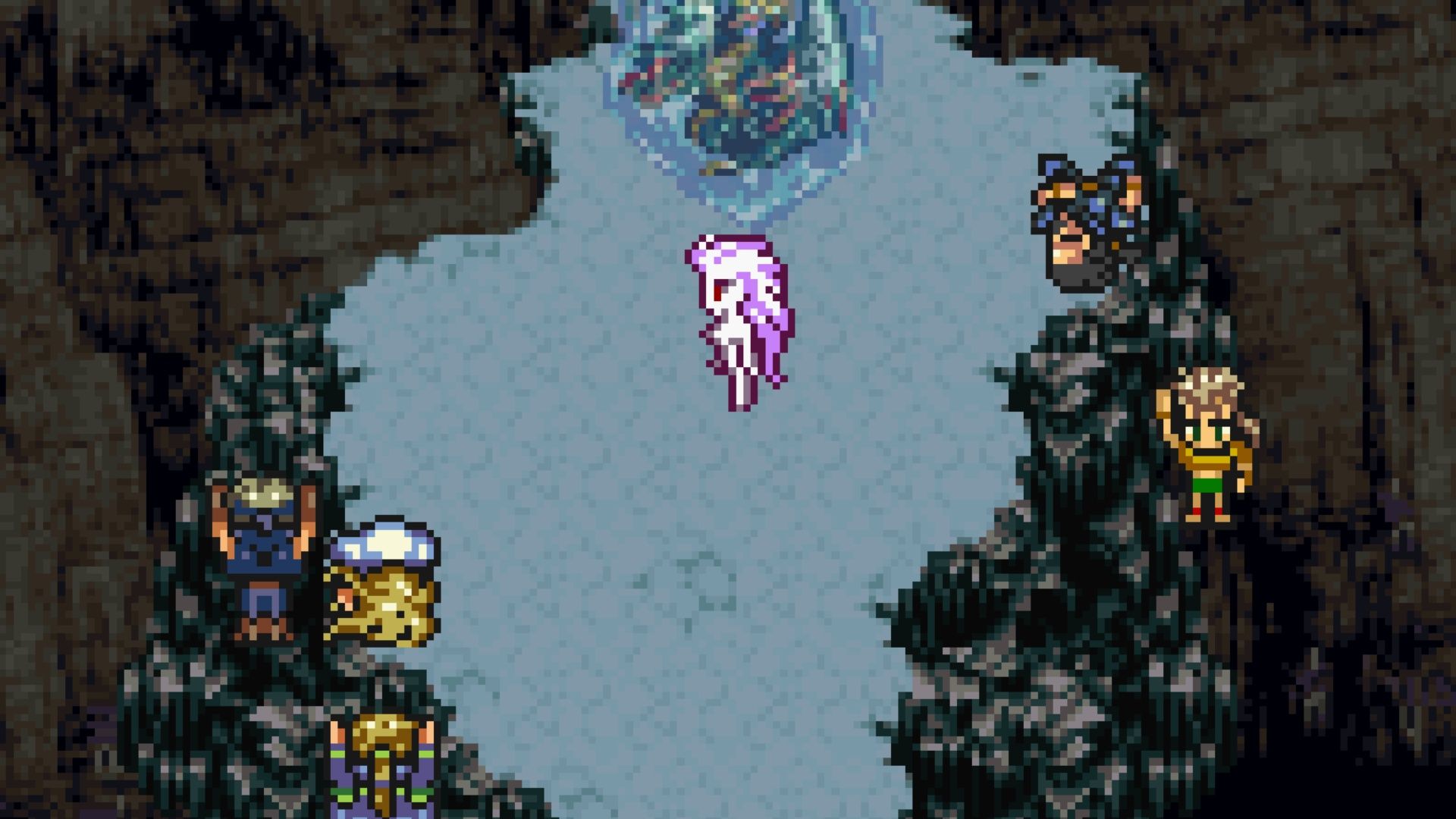 Image via Square Enix
 How the Gameplay Contributes to FF6 and FF7’s Age
Overall, Final Fantasy 7 holds up a bit better when it comes to how it actually plays. Both games can feel a little clunky for players used to modern games, but FF7 feels more polished and has a clearer vision for its characters. If someone is new to the Final Fantasy series, FF7 is a great place to start, especially if they enjoy a strong character-driven story and streamlined gameplay.
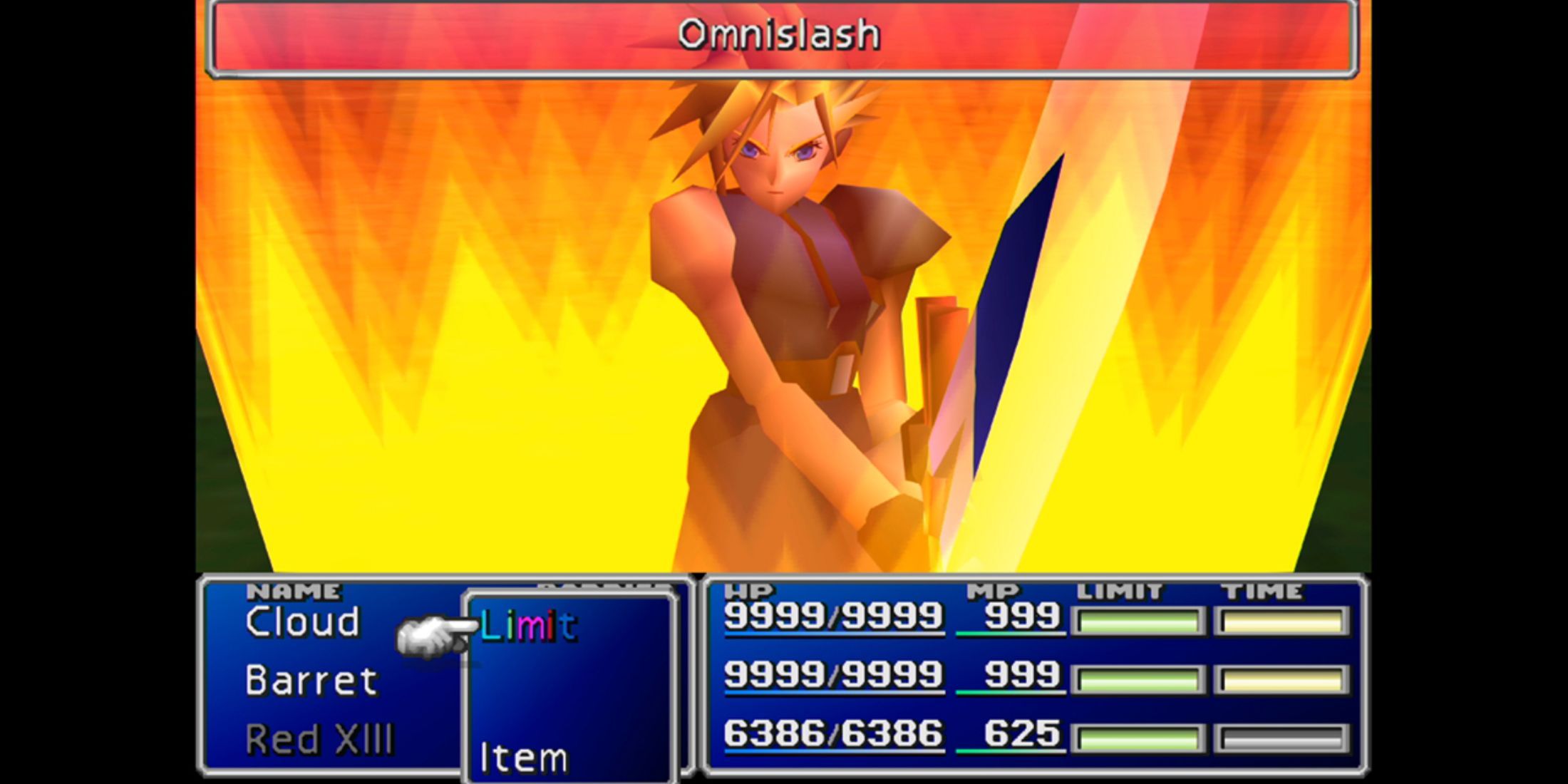 Image via Square Enix
 While both are great, it’s often better to play Final Fantasy 6 before Final Fantasy 7 because you can really see how much FF7 built upon it. Without comparing it to a game on newer hardware, it’s easier to enjoy FF6 for what it is. It’s a shame though that FF6 didn’t receive the same expanded stories or remakes that FF7 got. If Terra and her team had another adventure – perhaps in the same beautiful HD-2D style as Octopath Traveler – it could put FF6 on the same level as Final Fantasy 7 and the Final Fantasy 7 Remake trilogy.
Read More
- All Shadow Armor Locations in Crimson Desert
- How to Get the Sunset Reed Armor Set and Hollow Visage Sword in Crimson Desert
- Jujutsu Kaisen Season 3 Episode 12 Release Date
- Dark Marksman Armor Locations in Crimson Desert
- Best Bows in Crimson Desert
- Wings of Iron Walkthrough in Crimson Desert
- All Golden Greed Armor Locations in Crimson Desert
- How To Beat Ator Archon of Antumbra In Crimson Desert
- Top 5 Militaristic Civs in Civilization 7
- All Helfryn Armor Locations in Crimson Desert
2026-01-26 21:11