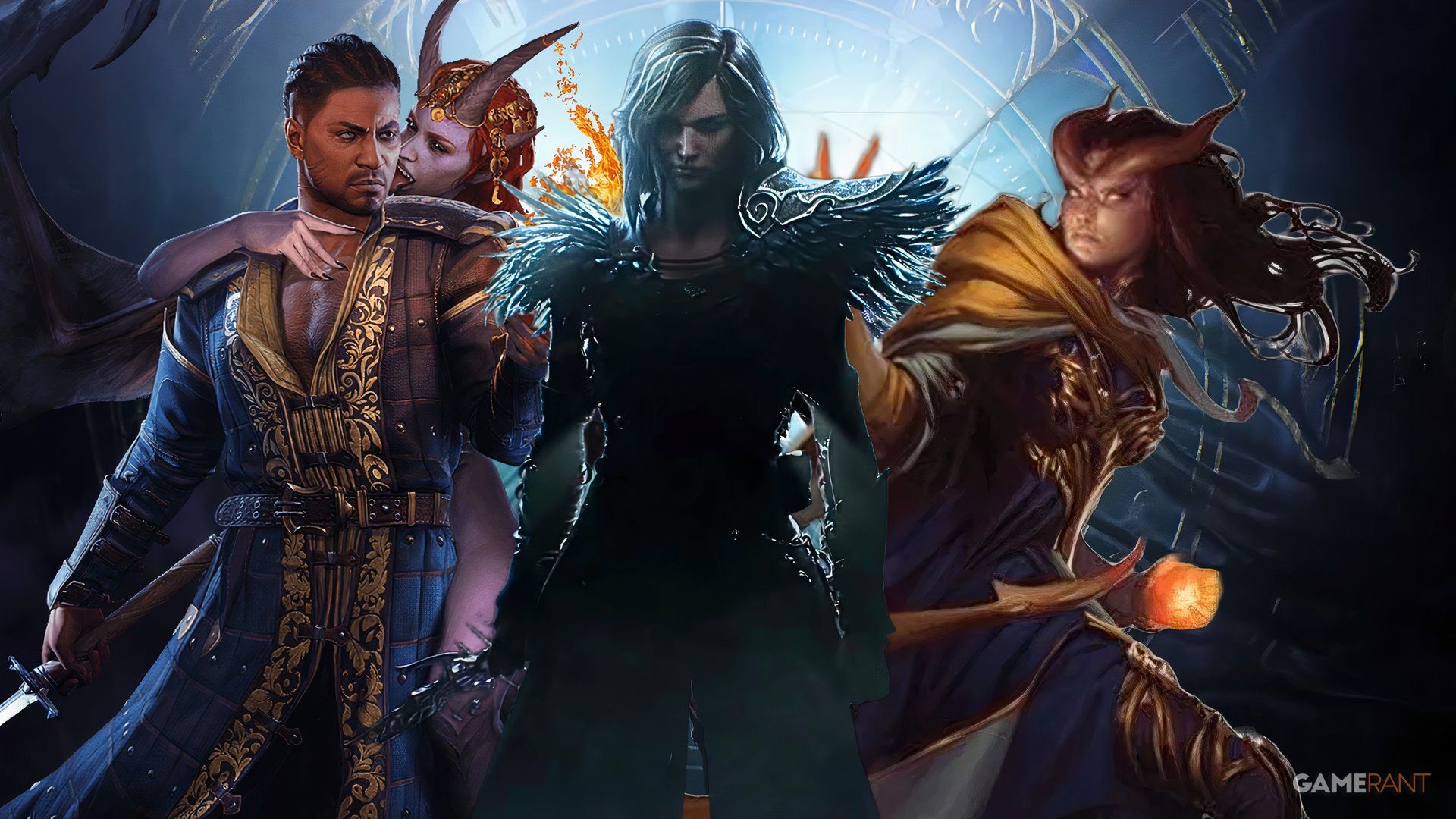
Dungeons & Dragons is incredibly popular right now. You can see its influence everywhere in modern pop culture – from TV shows and podcasts to videos on TikTok. It’s no surprise that video games are also part of this trend. Following the huge success of Baldur’s Gate 3, Invoke Studios recently announced a new game called Warlock at The Game Awards 2025.
Information about the game Warlock is still limited. We do know it will be a single-player adventure in an open world, and that magic will be a core part of the gameplay. Plus, it’s connected to the popular Dungeons & Dragons franchise, which naturally leads to a lot of anticipation. Because it’s a D&D game, it’s different from creating a brand new fantasy world. Every character class, spell, and game system has a long history and comes with expectations from decades of existing Dungeons & Dragons lore.
I’ve always found the Warlock class to be super interesting. Out of all the classic D&D classes, it feels like the Warlock changes the most – it’s been reimagined a lot over the years, and honestly, it feels pretty modern. What makes it so cool is that its identity has really shifted with each new edition of the game, reflecting how designers and players have interpreted it. If we want to figure out how a Warlock might play in a video game, I think it’s helpful to look back at how the class has evolved throughout Dungeons & Dragons’ history.
When Was the Warlock First Introduced in Dungeons & Dragons?
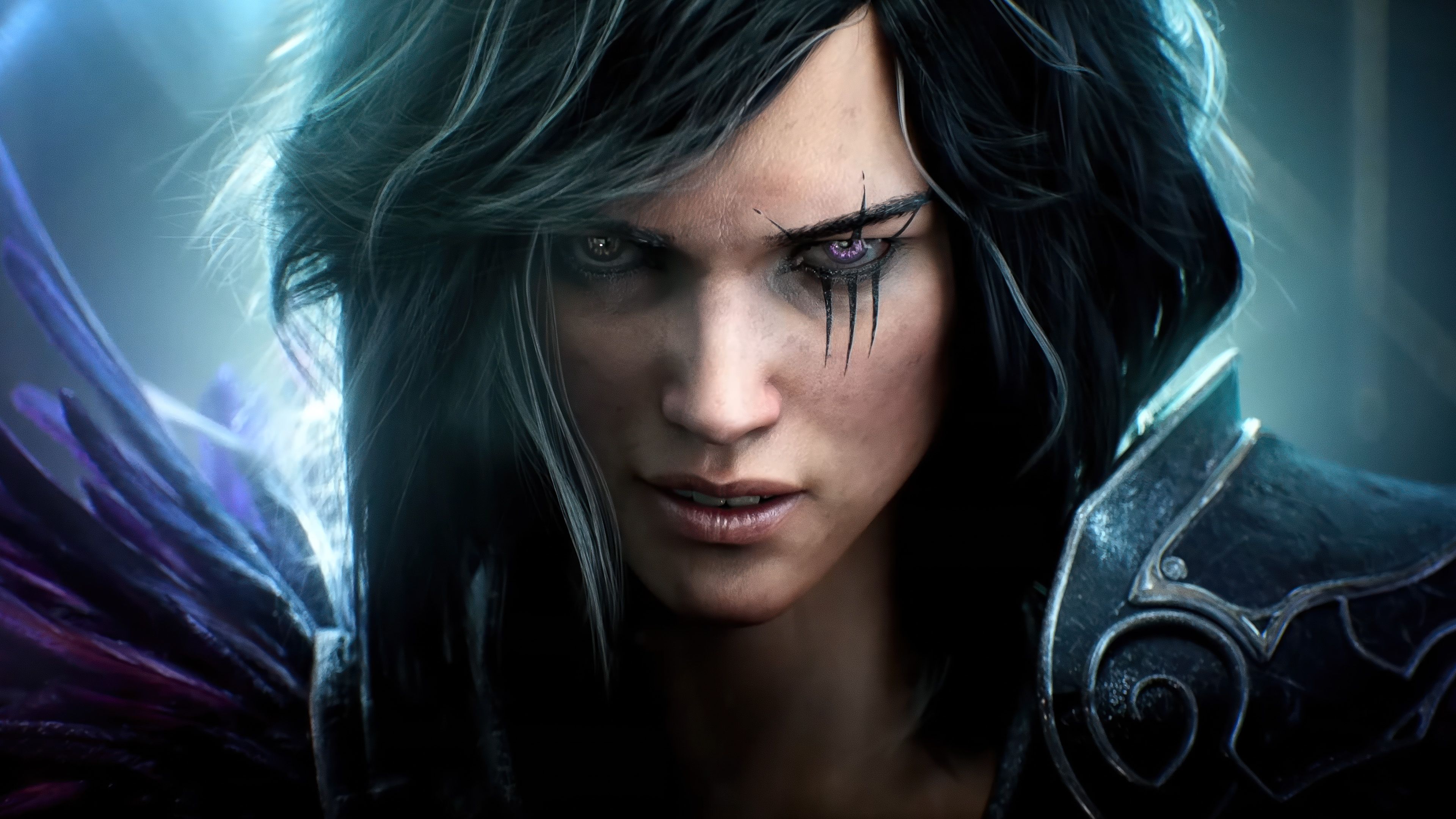 Image via Invoke Studios
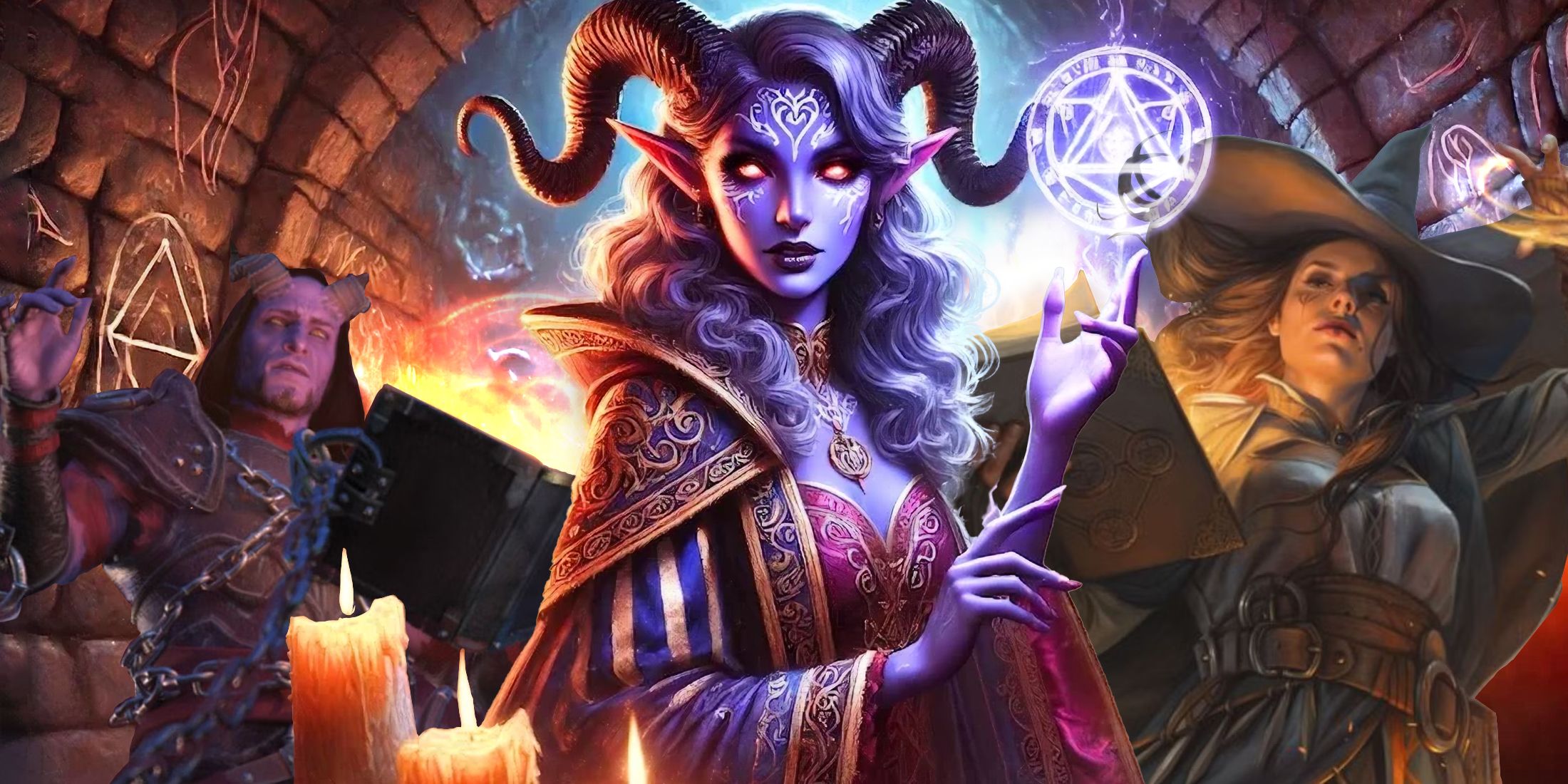
When people think of Dungeons & Dragons, they usually imagine classic characters like knights in shining armor, wise wizards with spellbooks, or priests wielding divine magic. The Warlock, however, is different. It doesn’t fit neatly into these traditional roles, and is instead defined by breaking the rules and venturing into darker territory.
This uncertainty shows up when you look at the Warlock’s history. While the Warlock is now a well-defined character class in Dungeons & Dragons, it’s actually a relatively recent addition. However, the term ‘Warlock’ has been used in the game since the beginning, though it didn’t have the same meaning as it does for players today.
The History of Dungeons & Dragons’ Warlock Class
Dungeons & Dragons 1st Edition (1974): “Warlock” as a Title, Not a Class
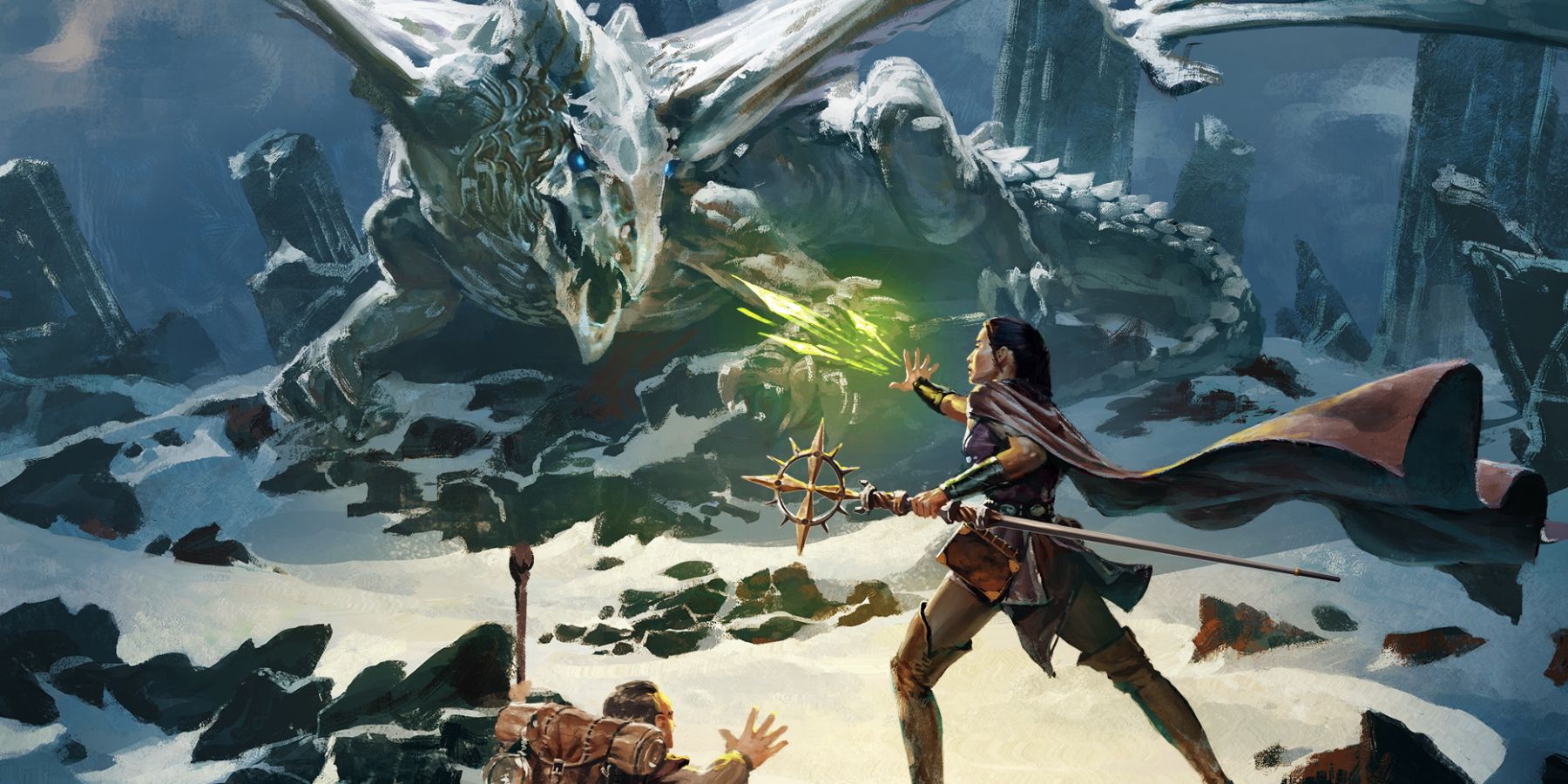
The first edition of Dungeons & Dragons, released in 1974, didn’t have many specific rules for character classes, but it was rich in descriptive details. A key feature of this early version was the use of “level titles” to show how characters advanced. Here’s how that system worked:
- Magic users in D&D gained honorary titles as they leveled up
- “Warlock” was simply the 8th-level title for a magic user
- It carried no unique mechanics or identity of its own
- In other words, a Warlock was just a Wizard who had been around long enough, but still had room to improve
- Only at level 12 (and up) could a player be a “Wizard”
This way of naming things continued in the first versions of Basic and Advanced Dungeons & Dragons, making it seem like ‘Warlock’ simply described a character type, not a specific set of rules or abilities.
Advanced D&D 2e (1990): Warlock as a Conceptual Identity (AD&D 2e)
The first significant change came with the 2nd Edition of Advanced Dungeons & Dragons, particularly in The Complete Wizard’s Handbook. This is where the “Warlock” first appeared, initially as a female version of the Witch, which was a specific type of wizard. These “kits” were essentially subclasses in D&D during the 1990s. Although still functioning as a wizard mechanically, this version introduced the key concept of gaining power from potentially dangerous or morally ambiguous sources – an idea that would continue to be used in later editions.
In Dungeons & Dragons 2nd Edition, Warlocks and Witches both gained their magical powers from otherworldly sources, frequently powerful fiends. Warlocks tended to specialize in spells involving enchantment, charming creatures, summoning, and even necromancy. Interestingly, the Forgotten Realms setting featured many more female Witches than male Warlocks.
Dungeons & Dragons 3.5e (2004): The Warlock Becomes Its Own Class
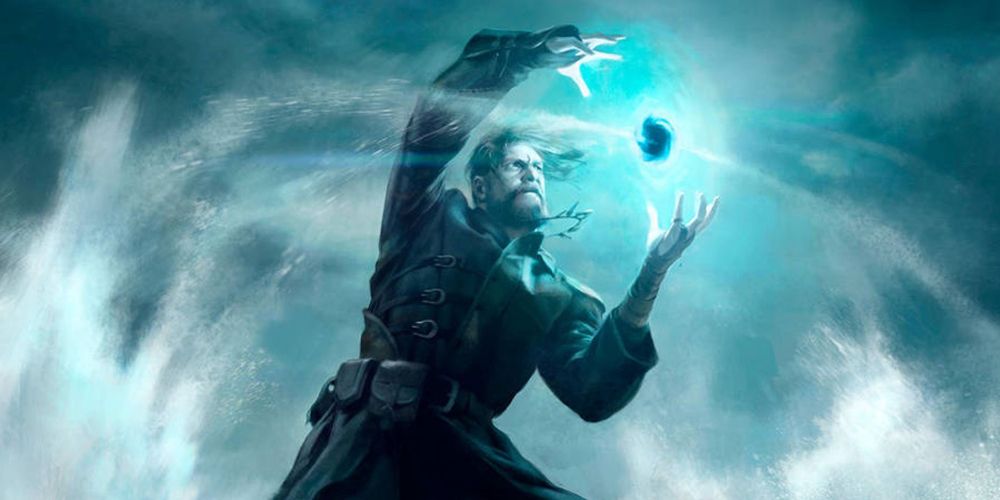
The release of Complete Arcane for Dungeons & Dragons 3.5e was a turning point. It marked the first time the Warlock was a complete, standalone class, and many of the Warlock’s defining characteristics originated in this book. Key new features included:
- Pacts as the source of power, sometimes inherited through bloodlines
- Pacts had to be made with non-deities. No gods, just feys, demons, etc.
- Warlocks had to heavily skew toward Evil or Chaotic D&D moral alignments.
- Eldritch Blast as a core, repeatable offensive ability
- Invocations as at-will magical effects
D&D 4e (2008): Warlock as a Tactical Specialist
The fourth edition of Dungeons & Dragons significantly revised many character types, including the Warlock. Though the specific term ‘invocations’ was phased out, Warlocks continued to be versatile characters known for dealing damage in combat. They shifted from being portrayed as studious mages to more like adaptable strategists on the battlefield. Here’s what changed:
- Pacts gained mechanical differentiation, not just flavor. Pacts varied depending on the Patrons capable of making Warlocks
- Every Warlock had to personally make their pact, so no more inheriting a pact thanks to an unruly ancestor
- Magic followed the AEDU system (At-will, Encounter, Daily, Utility)
Dungeons & Dragons 5e (2014): The Modern Warlock
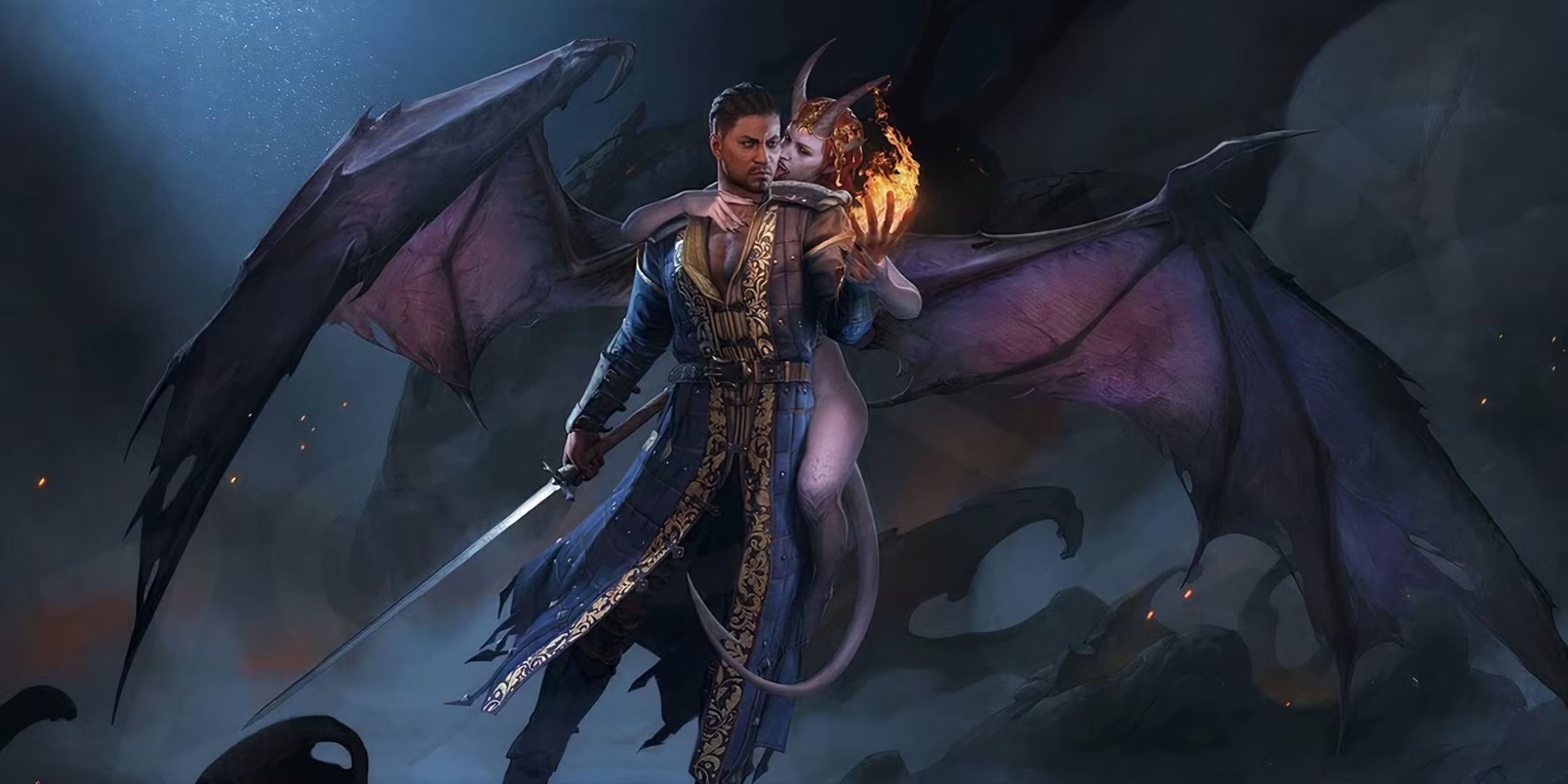
The Warlock class as most players know it first appeared in the 5th edition of Dungeons & Dragons, successfully combining a rich backstory with a clear set of game mechanics. This design made Warlocks feel unique and interesting without being too complicated, and it’s this version of the class that was used in Baldur’s Gate 3. Here are some of the key characteristics that define the class:
- Patrons and pacts chosen independently
- Invocations returning as customizable, often at-will abilities
- Spell slots that refresh on short rests, not long rests
What the Warlock’s Evolution in D&D Means for Its Upcoming Video Game
The Warlock class has always been known for its adaptability, easily changing to fit new game systems and what players want. This makes it a great starting point for a new video game, particularly one made by Wizards of the Coast. As Baldur’s Gate 3 showed, Dungeons & Dragons elements work well in video games when they’re creatively reimagined, not just directly copied. If the new Warlock game follows a similar approach, it can establish its own unique style, separate from Baldur’s Gate 3. Here are some things to consider:
- Spellcasting doesn’t need to mimic traditional RPG mana systems
- Pacts and patrons offer built-in narrative branching and replayability
- Invocations naturally translate into cooldown-based or at-will abilities
- Short-rest mechanics align well with open-world pacing
Warlock has always been a class about making deals and breaking norms, gaining power through sacrifice. If the developers at Invoke Studios stay true to that spirit, the new game could be one of the most faithful adaptations of the Dungeons & Dragons class ever—and its evolving nature is actually a strength, not a weakness.
Read More
- All Skyblazer Armor Locations in Crimson Desert
- How to Get the Sunset Reed Armor Set and Hollow Visage Sword in Crimson Desert
- One Piece Chapter 1180 Release Date And Where To Read
- All Shadow Armor Locations in Crimson Desert
- Marni Laser Helm Location & Upgrade in Crimson Desert
- All Golden Greed Armor Locations in Crimson Desert
- All Helfryn Armor Locations in Crimson Desert
- How to Beat Stonewalker Antiquum at the Gate of Truth in Crimson Desert
- All Icewing Armor Locations in Crimson Desert
- Black Sun Shield Location In Crimson Desert (Buried Treasure Quest)
2025-12-28 16:05