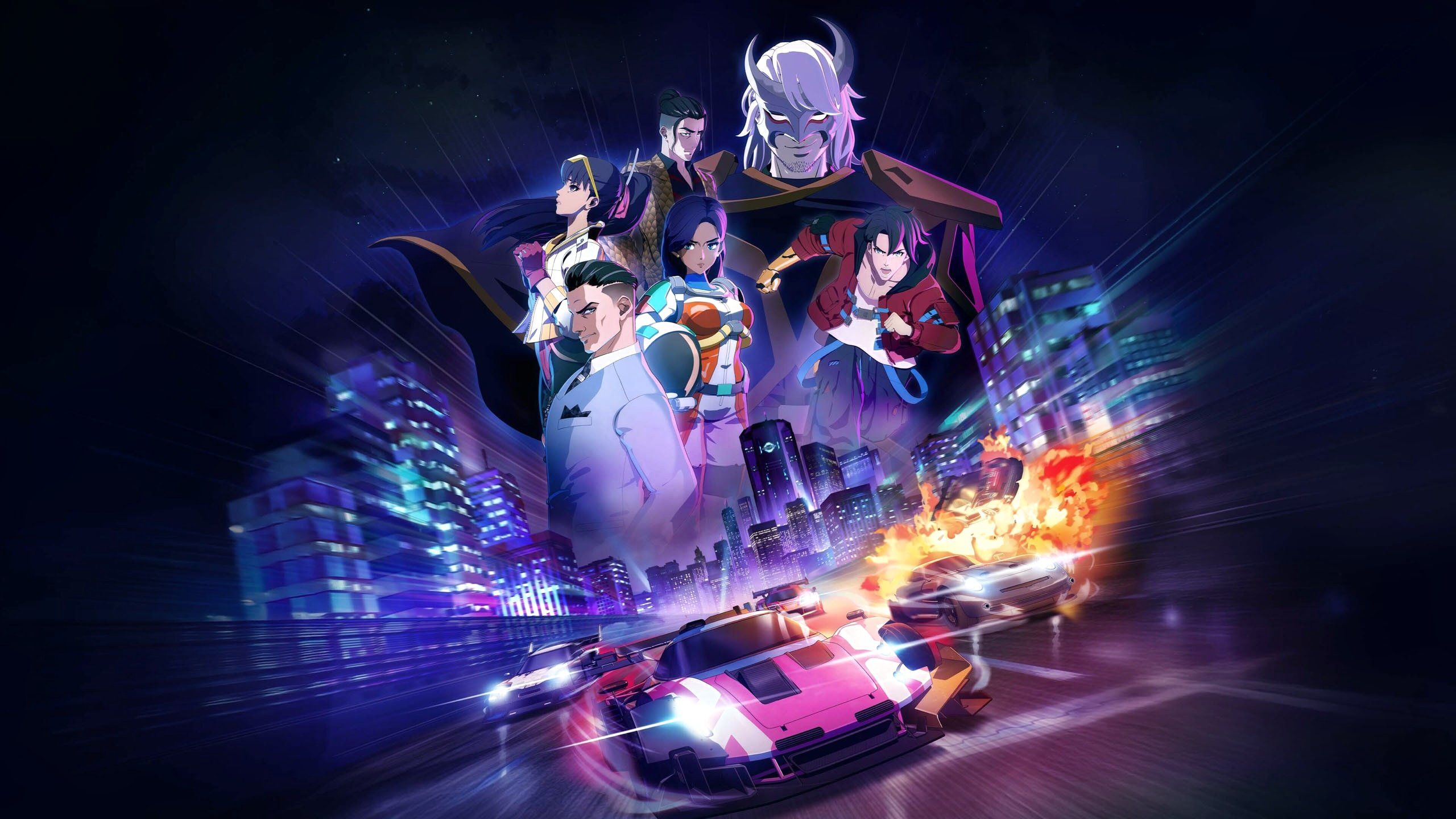
Everyone in the racing game community is talking about Screamer right now. Whether you’ve seen popular YouTuber HokiHoshi’s first thoughts on it, or you’re curious to try it out yourself, all racing fans are taking notice.
There’s a very good reason to be excited about this game – it’s full of genuine heart and emotion. This shines through in everything from how you play, to the story which is inspired by anime, and even in small details and references that anime fans will appreciate. If you were worried this remake was just a cynical attempt to attract players, I can assure you it’s not, based on the preview I played.
I recently had the opportunity to interview Federico Cardini, the game director of Screamer, to get a better understanding of the game. His responses were just as dynamic and challenging as the game’s fighting-inspired gameplay. Here’s what he had to say about this fresh take on the Screamer series.
Interview with Federico Cardini, Game Director of Screamer At Milestone S.R.L
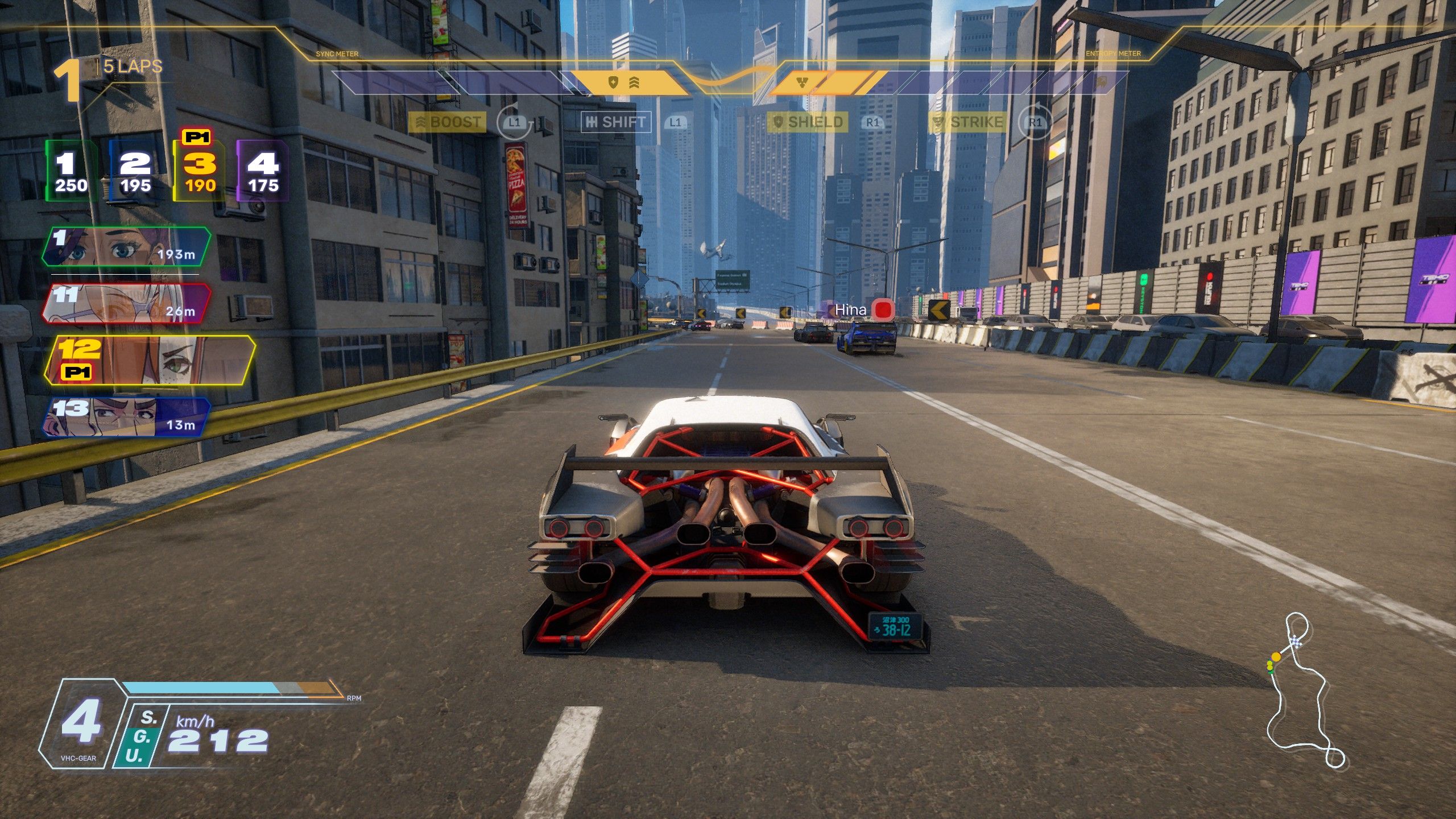
Hi, it’s a real honor to be speaking with you! I grew up loving arcade racing games, and I was surprised to find out this game was made by the same team behind the Hot Wheels Unleashed games. I really enjoyed those titles – they perfectly captured the spirit of the old Hot Wheels: Beat That game on the PlayStation 2.
Thank you for your kind words, it’s a pleasure for us too!
Could you give a quick overview of the Screamer game series, focusing on the original games? I’m also interested in learning how this new version is different from those older titles.
Screamer is a long-running series, starting back in 1995. The original game was popular because it successfully recreated the fun of arcade games on computers. For this new version, we focused on keeping the same exciting gameplay, but updated everything else to appeal to today’s gamers.
I really got a strong Ridge Racer and Burnout vibe from the gameplay right away. Can you tell me what classic arcade racers inspired the game’s design?
Beyond just fun gameplay, we aimed for a distinct visual style – something that would make the game instantly recognizable from a single screenshot. To achieve this, we drew inspiration from the look and feel of racing games – and other titles – from the early 2000s.
We’ve poured all our gaming knowledge into this new title, drawing inspiration from classics like the soundtracks of Ridge Racers and Split Second, the story mode of Racing Lagoon, and even the design of DJ Max Respect V 2.0 – you might notice the Main Menu is inspired by it!
The game’s anime-inspired art style really makes it stand out! Are you all big fans of anime in general? If so, what are some of your favorite shows? Were any particular anime a big influence on how Screamer looks? We’re giving extra credit to anyone who recognizes the nods to classics like Akira and Gurren Lagann!
We absolutely love anime! You definitely noticed some of the influences – Fermi’s glasses are a nod to Gurren Lagann, and Neo Ray feels inspired by Akira. We’ve seen a ton of it, from older series like Cyber City Oedo 808, Angel Egg, and Cowboy Bebop, to well-known shows like Samurai Champloo and Steins;Gate, and current favorites like Cyberpunk: Edgerunners, DanDaDan, and Sousou no Frieren. Our passion for anime is a major reason why we were so excited to collaborate with a Japanese animation studio!
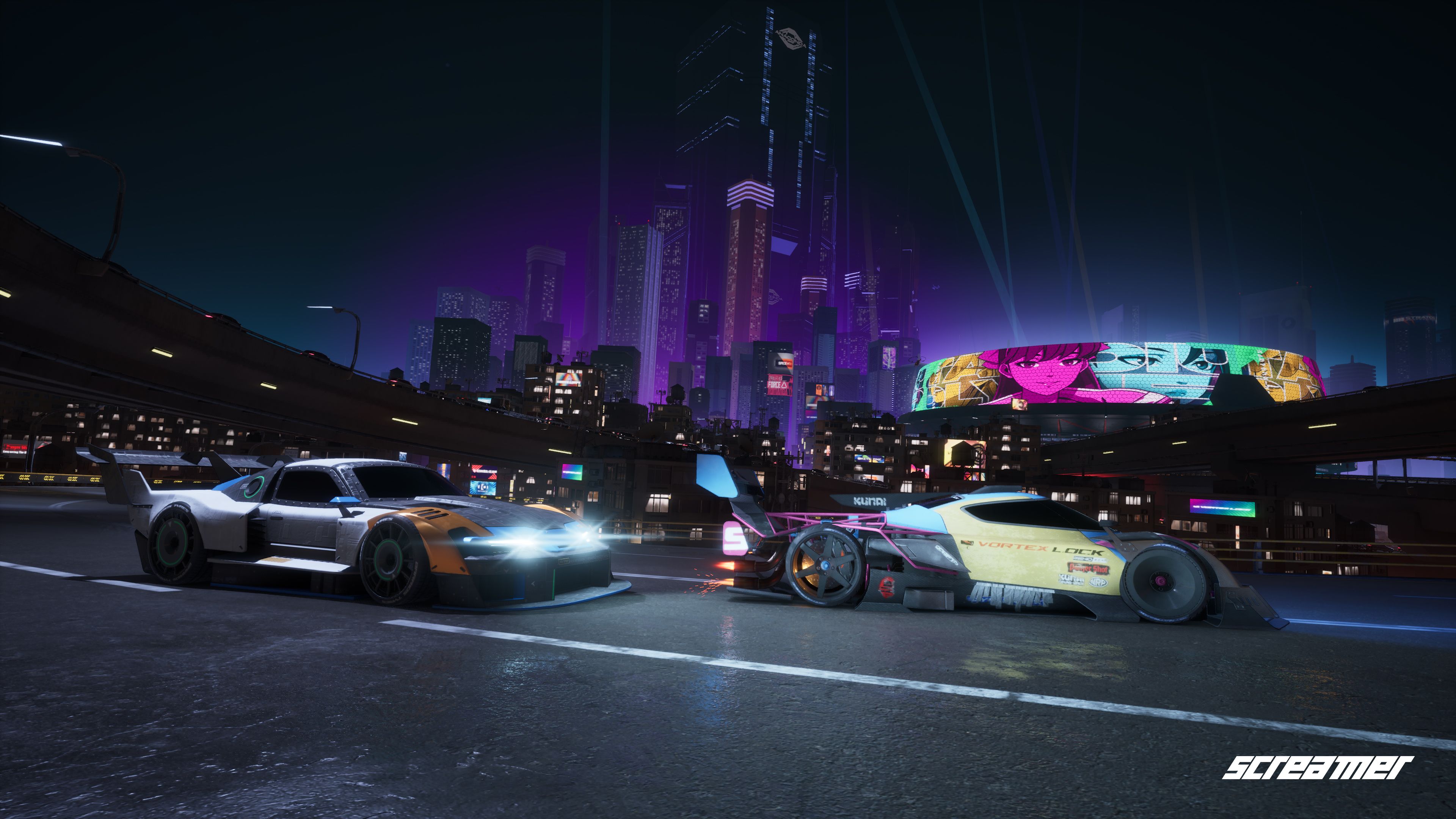
Yeah, licensed cars are cool, but I really love the fictional ones we made for the game. We were aiming for something in between a sleek supercar and a proper race car. And you’re right to pick up on the techy look – we definitely designed them that way to fit the whole neon-drenched, cyberpunk world we’ve built. It was all intentional!
You’re right to think that! Finding this balance was key – we wanted to fully utilize our understanding of actual vehicles while still maintaining a unique and interesting style. We’re incredibly grateful to the talented team at Plumehead Studio for their collaboration on these designs.
I’m really glad you’re focusing on making the gameplay fun first! You’ve mentioned the “Echo System” as the heart of the racing experience. Could you explain how this system works – what are the key components that make it tick?
The core of the game’s mechanics revolves around the ‘Echo System,’ which governs how you play beyond just driving the car. At its heart is the ‘Active Shift’ – hitting a button at the perfect moment generates ‘Sync’ energy. You can then use this Sync to either ‘Boost’ for increased speed or activate a ‘Shield’ to defend against attacks.
You might be wondering what offensive actions are. Simply put, using Shield or Boost transforms Sync energy into Entropy energy, which is what powers your Strikes and Overdrives.
Strike is similar to a boost, but instead of just speeding up, it causes opponents you hit to explode. Overdrive gives you a huge power-up that also lets you destroy other cars. However, be careful – crashing into walls will instantly destroy you. It all sounds a bit complex explained like this, but the story mode is a great way to learn everything and get the hang of it.
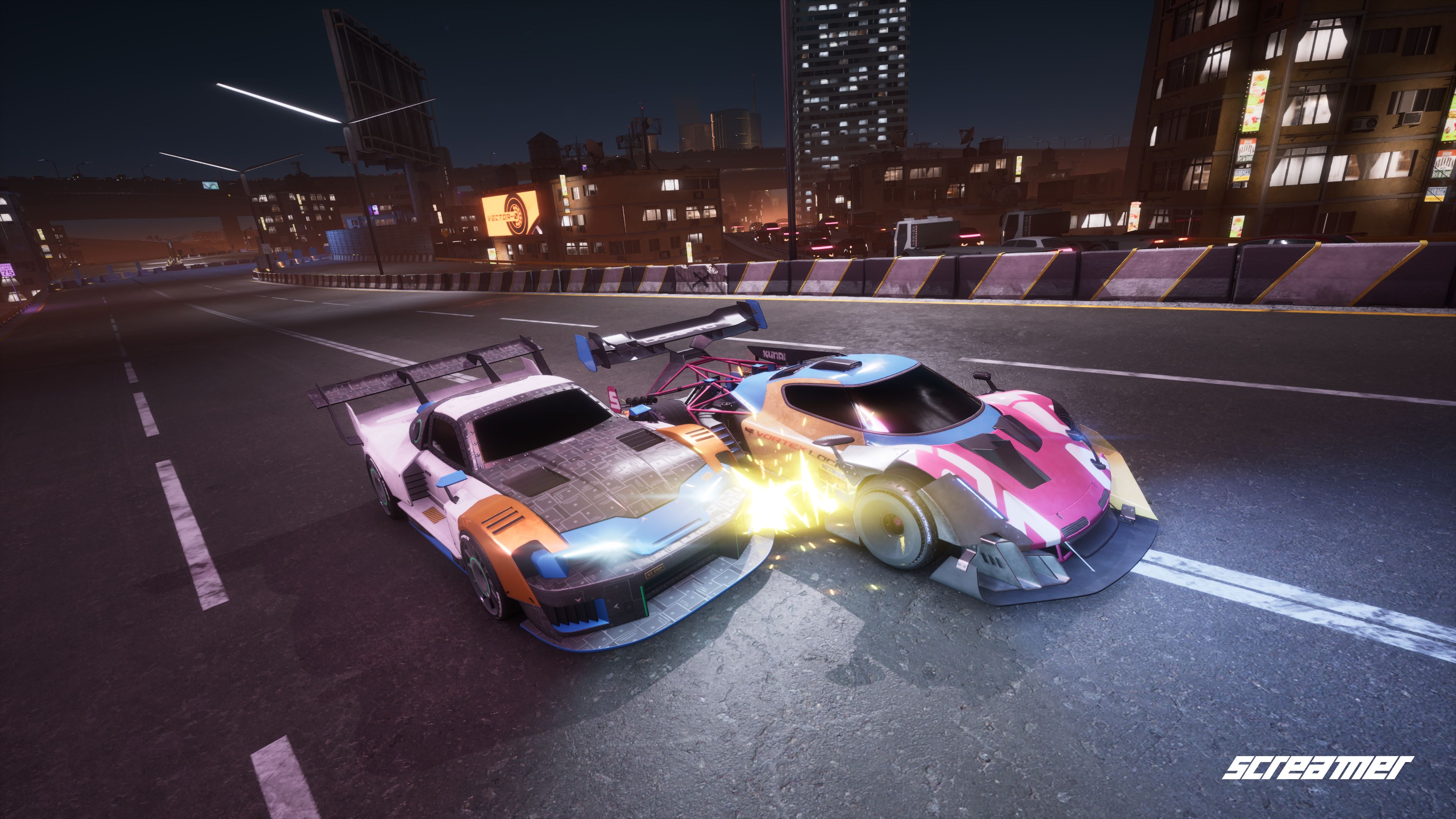
The way this game encourages players to repeatedly bump opponents during team races feels surprisingly like a fighting game. It seems like that was the intention – do you think I’m right?
You’re right, we love fighting games too! Here at Milestone, the initial idea for this game – created by Michele Caletti and Andrea Basilio – was heavily influenced by the King of Fighters series.
I really like how the Echo System lets me manage multiple things while racing and defending against other players. It definitely captures that old-school arcade vibe. I’m curious though – are you still tweaking how it works? Specifically, I’m wondering if you’re making sure it doesn’t feel too demanding or like a complicated game of chess where I’m constantly trying to guess when to use my boosts and shields, particularly when playing with others.
Major updates are usually finished by a specific point in development, but balancing a game – making sure everything feels fair and fun – continues right up until release. This is especially true for systems that are central to how the game is played, like our Echo System, where we constantly make small adjustments to get it just right!
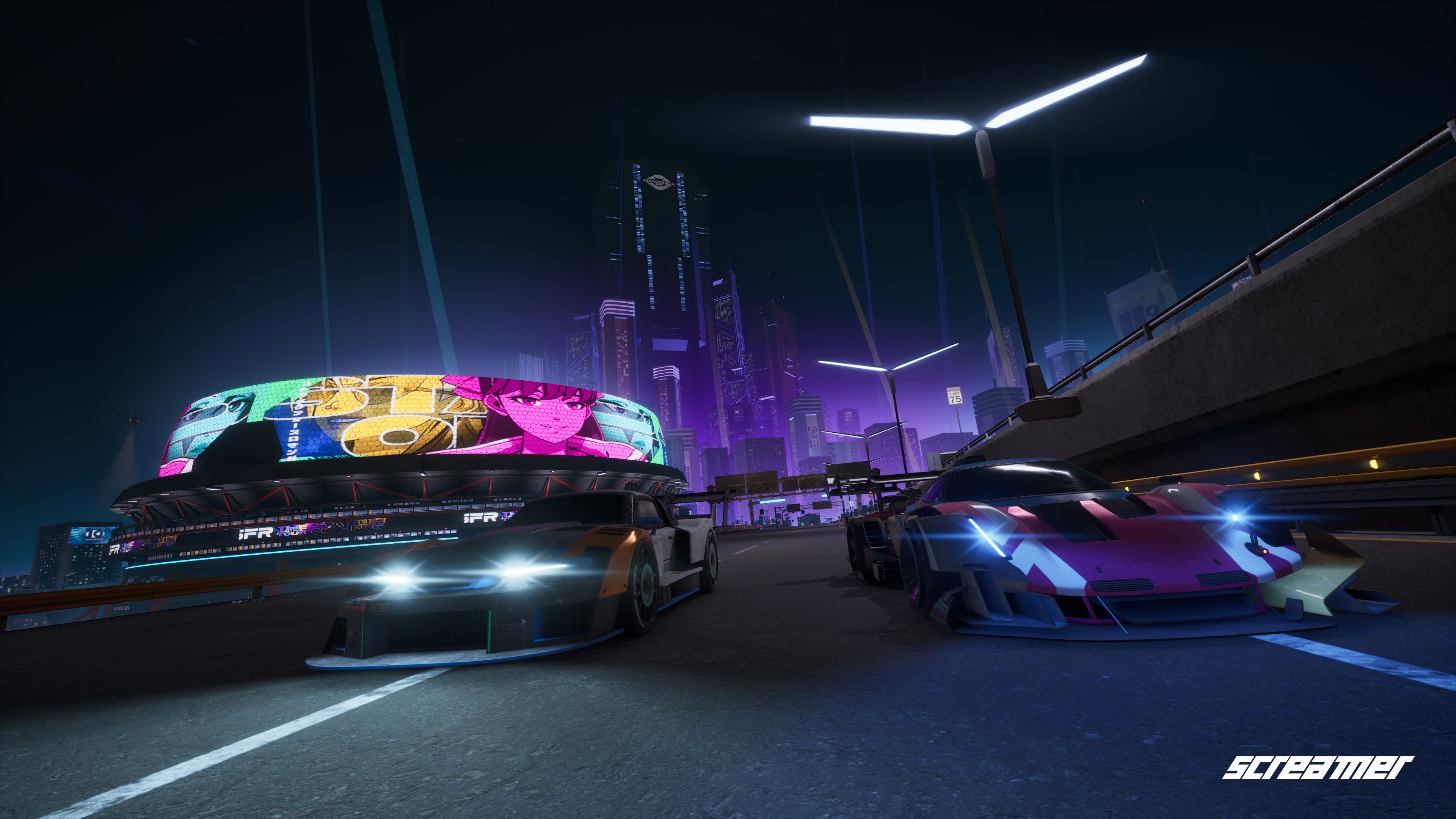
Considering the preview versions, will the final game be further polished based on player feedback? Specifically, will improvements be made to how the cars handle, how races flow, and the overall gameplay mechanics?
These early versions give you a good idea of what the game is like, but we’re still making small adjustments and improvements based on feedback right up until release.
The story mode centers around Mr. A’s tournament, where each racing team has their own reasons for wanting to win. Since the early parts of the game let you experience each team’s perspective, will there be a larger story with choices that affect which team succeeds? Or will players have to figure out the connections between the teams on their own?
Okay, so we made a call on the story. Instead of letting players make a ton of choices and really branch out, we’re sticking to a tighter, more focused narrative. It just felt like a specific story would let us build the characters and gameplay we wanted way better. We felt more control would serve the game better.
I’m curious about the length of the main story. The early parts we’ve seen were quite brief. Will the complete game offer a more substantial story, and will each chapter feel full of content?
This story is told across over 100 episodes, offering around 15 hours of gameplay if you experience them all. Each episode is different in length, keeping things fresh and interesting.
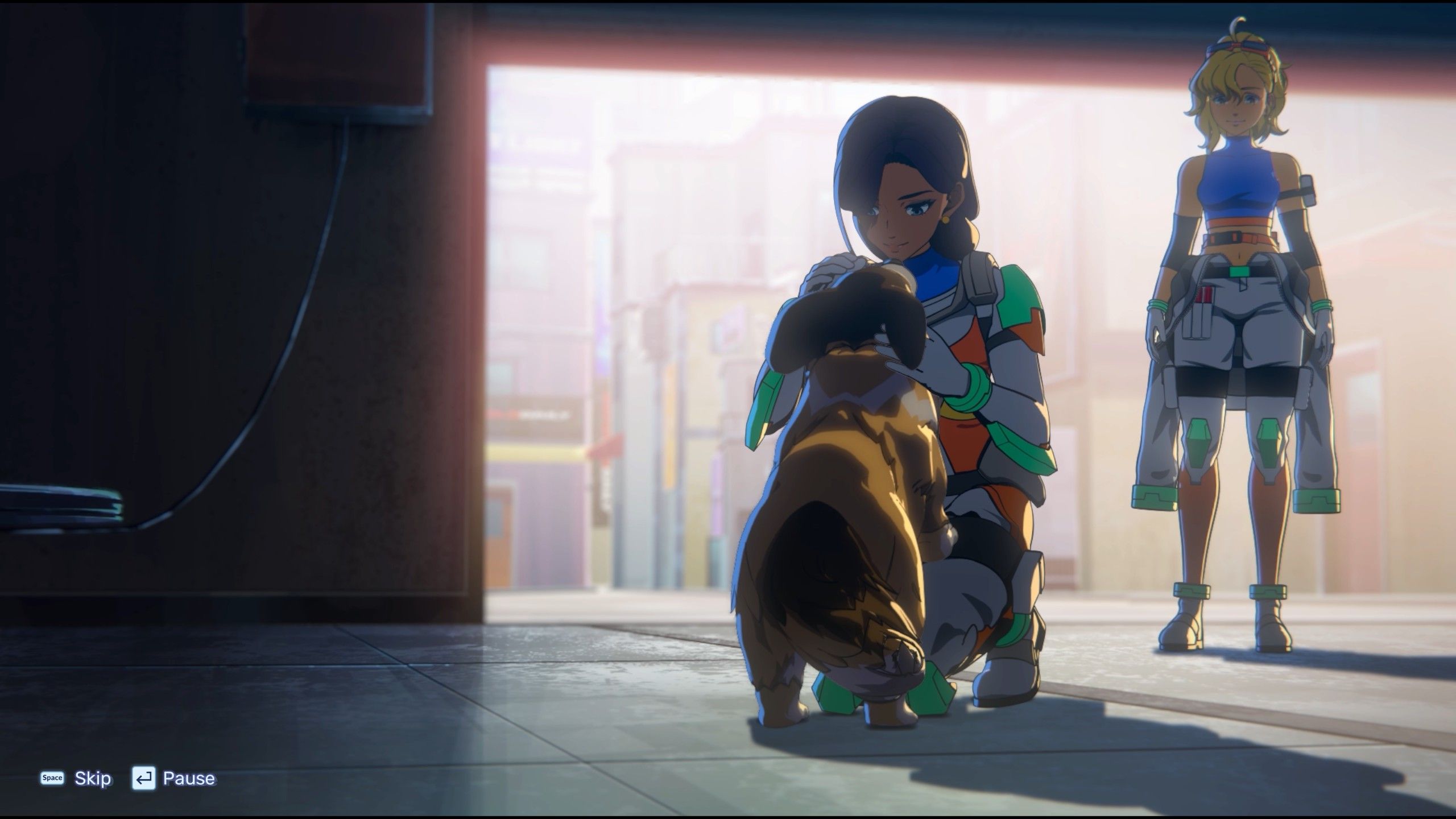
I really enjoyed how you included characters from so many different backgrounds, and how they can all easily understand each other – Gage mentioned it’s thanks to the Universal Language Translator. It reminded me of the Tekken games, where everyone can naturally speak and understand each other’s language.
We aimed to showcase the wonderful diversity of languages around the globe! It may seem unusual initially, but you adapt to it surprisingly fast. We were definitely heavily inspired by the game Tekken.
I have to mention the amazing voice acting – both Aleks Le and Troy Baker are in the game! Troy Baker’s performance especially feels reminiscent of his work in anime from the 2000s. Can you give us a quick overview of their characters? And will they have roughly the same amount of screen time as the other talented actors in the cast?
Hiroshi is a young man carrying a heavy burden, and Mr. A is the enigmatic figure behind the Tournament. The relationship between these two is central to the story, and we’re thrilled to have Troy Baker and Aleks Le bring them to life! Both characters appear frequently and have many interactions with others, and we think you’ll love seeing how those conversations play out.
Will Screamer have different prices depending on region when it releases on Steam? Also, will the game be playable on the Steam Deck? If not at launch, are there plans to add regional pricing and Steam Deck support later on for all players?
Right now, our main priority is getting the game launched. It’s a significant release for us, and we’ll continue to assess how things are going once it’s out.
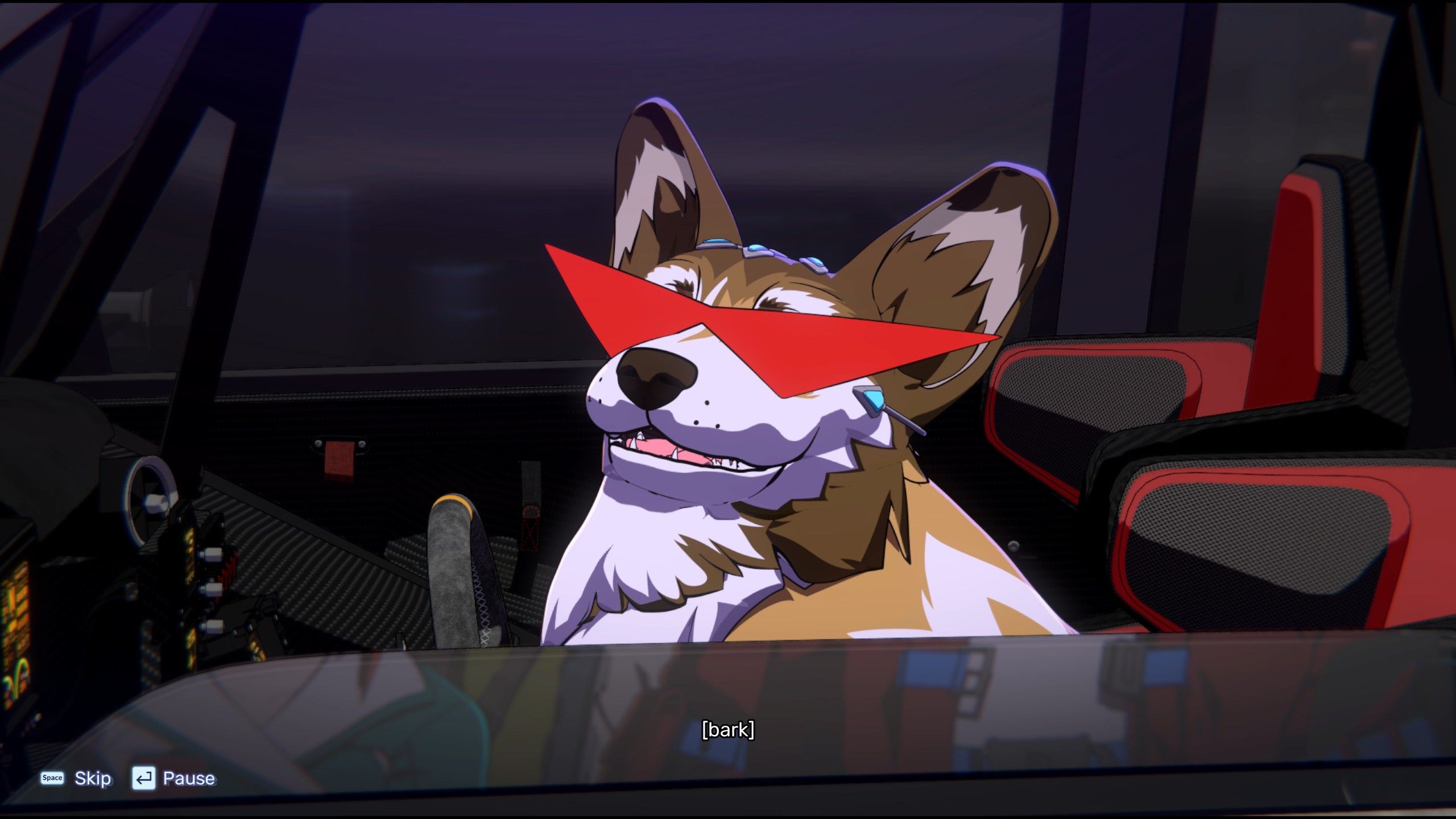
Q: Bonus (last) question for everyone in the back: can we pet the Corgi?
Does Strike count as petting? If so, yes! (Please don’t Strike a Corgi in real life!)
Read More
- All Skyblazer Armor Locations in Crimson Desert
- All Shadow Armor Locations in Crimson Desert
- How to Get the Sunset Reed Armor Set and Hollow Visage Sword in Crimson Desert
- Marni Laser Helm Location & Upgrade in Crimson Desert
- All Golden Greed Armor Locations in Crimson Desert
- All Helfryn Armor Locations in Crimson Desert
- Best Bows in Crimson Desert
- Keeping Large AI Models Connected Through Network Chaos
- All Icewing Armor Locations in Crimson Desert
- How to Craft the Elegant Carmine Armor in Crimson Desert
2026-02-25 22:11