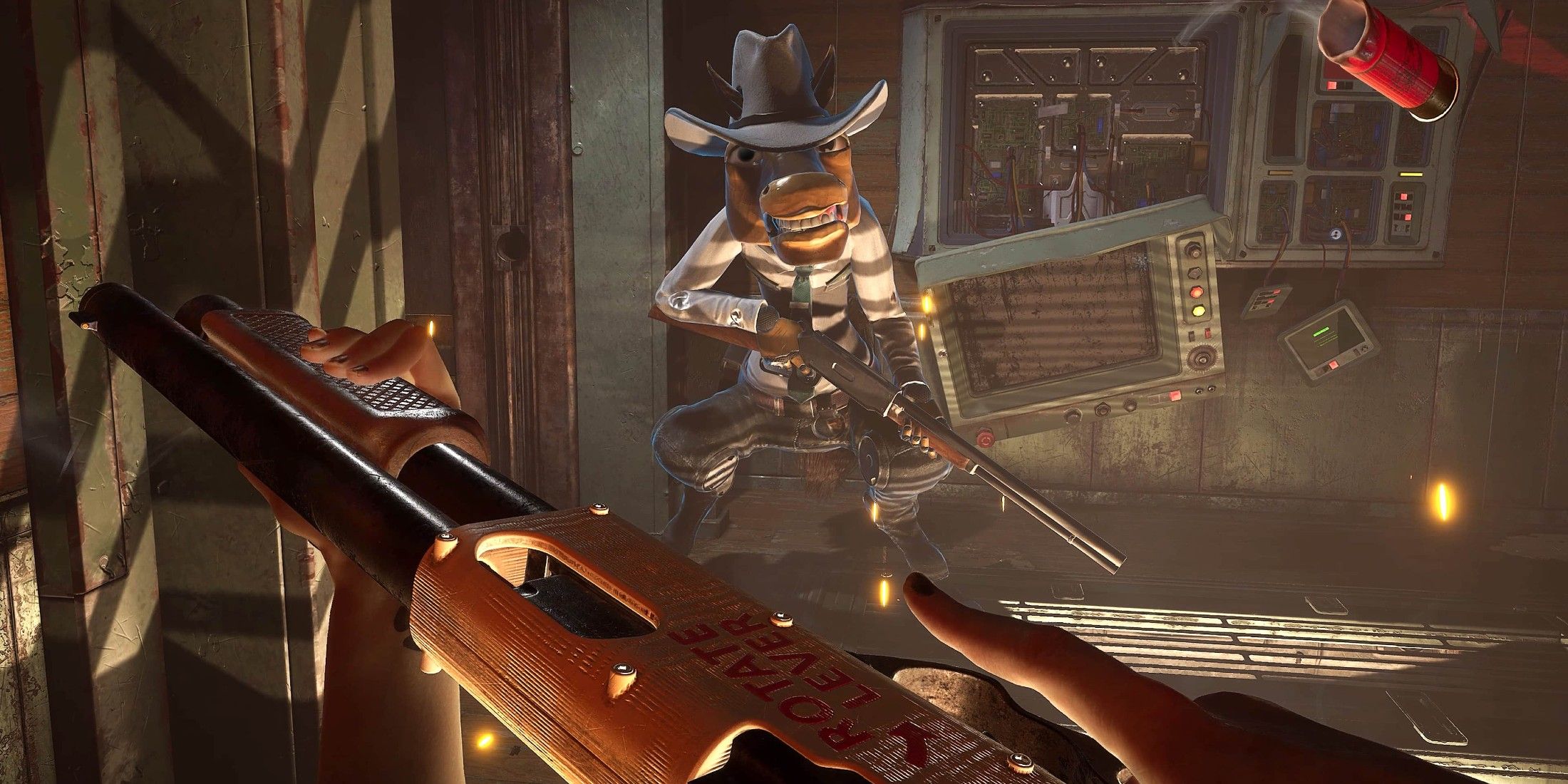
Providing a sneak peek into the upcoming sci-fi FPS titled “Judas“, its director Ken Levine has disclosed new information about a distinctive Villainy system, as well as the “Big 3” characters whose developments will be shaped by the player’s actions. Although a release date for Judas is yet to be announced, excitement among players for this upcoming title from the mind behind BioShock continues to grow with these latest revelations about some of the story and gameplay elements in Judas.
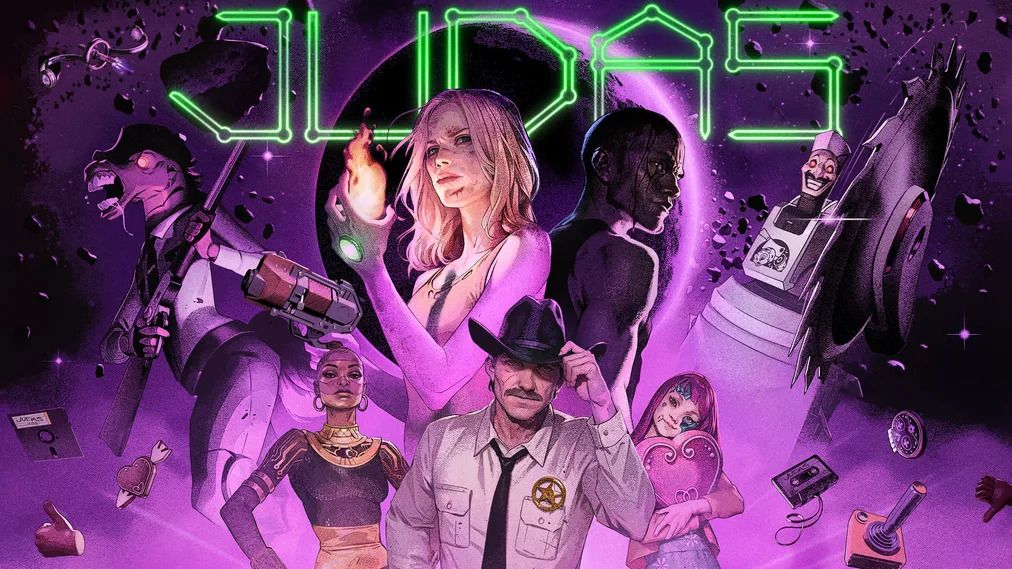
For the newest poster of “Judas,” designed by Drew Struzan, we see several fresh characters not yet revealed in previous previews, along with intriguing details suggesting that non-player characters (NPCs) will take on a greater significance within the game. Specifically, the actions taken with the main trio, referred to as “The Big 3,” will significantly influence who the primary antagonist in “Judas” will ultimately be.
Who Are the “Big 3” Villains in Judas?
In Ken Levine’s recent blog update for PlayStation, he tantalizes gamers by revealing intriguing information about the Villainy system and its main characters known as “The Big 3” in the upcoming game Judas. These key non-player characters will have unique interactions with players that could lead to friendships or a swift transformation into adversaries. Unfortunately, Levine was not forthcoming about specifics regarding The Big 3, but he did share that each of these crucial NPCs will have intriguing personal histories which the player can discover through ongoing interaction. Reminiscent of the player’s bond with Elizabeth in BioShock Infinite, as time passes and interactions deepen, the connection between the player and a character strengthens. This close rapport will ultimately benefit the player, as The Big 3 may assist the player’s advancement in the game.
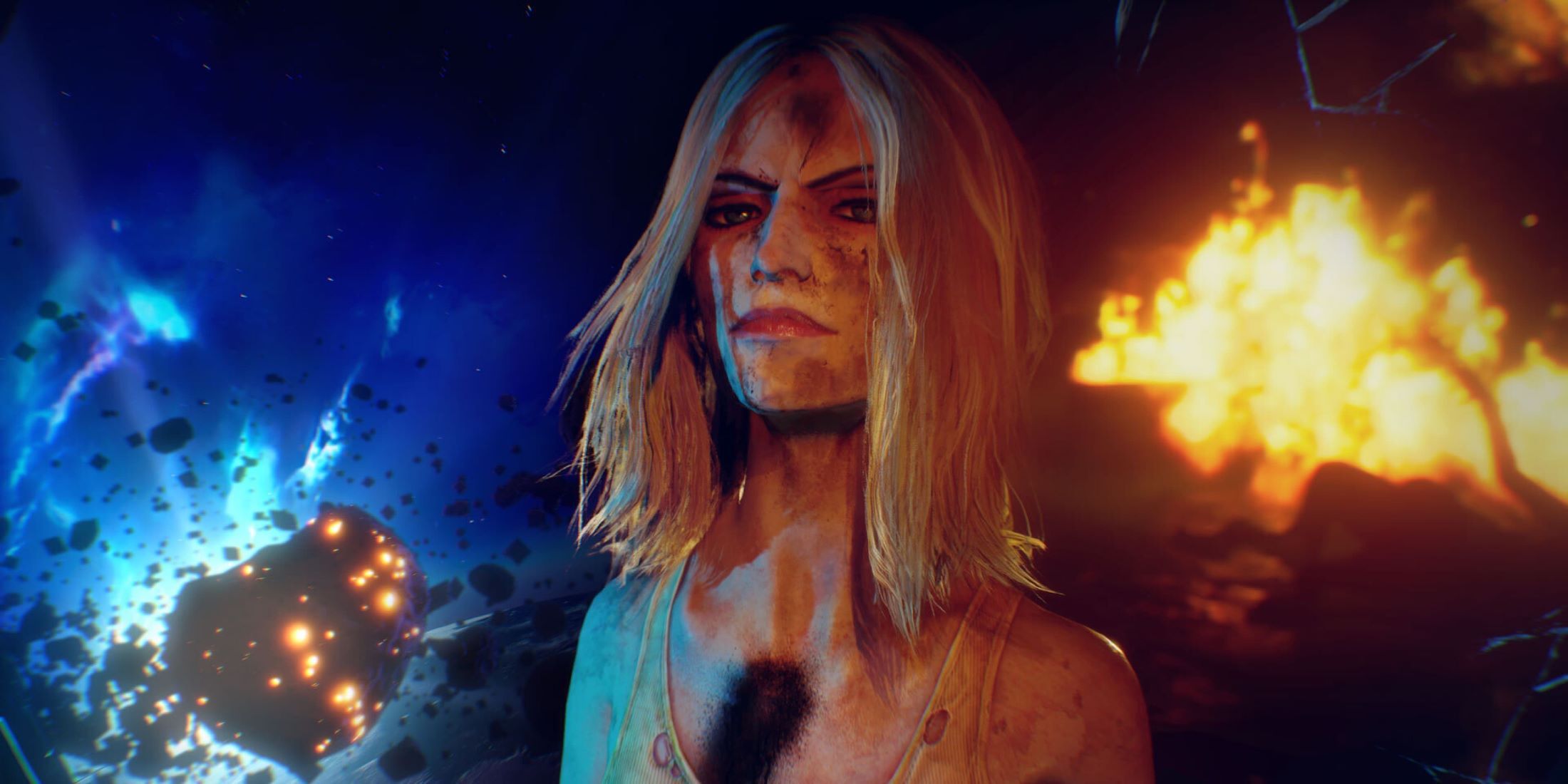
As a devoted fan, I must share an intriguing aspect of the game I’m engrossed in – Judas. Time is a precious resource, and given the Big 3 characters, it’s inevitable that a player’s focus on two might leave one feeling neglected, leading to a transformation into Villainy. This choice is crucial, but remember, the abilities of the “abandoned” character can be used against you later.
Levine compares this Judas Villainy system to the Nemesis System in Middle Earth: Shadow of Mordor, but emphasizes that the Big 3 in Judas are closer and more tightly-knit with the player. This means the unavoidable betrayal and villainous transformation might feel like a bitter conclusion to a cherished friendship that has grown over time.
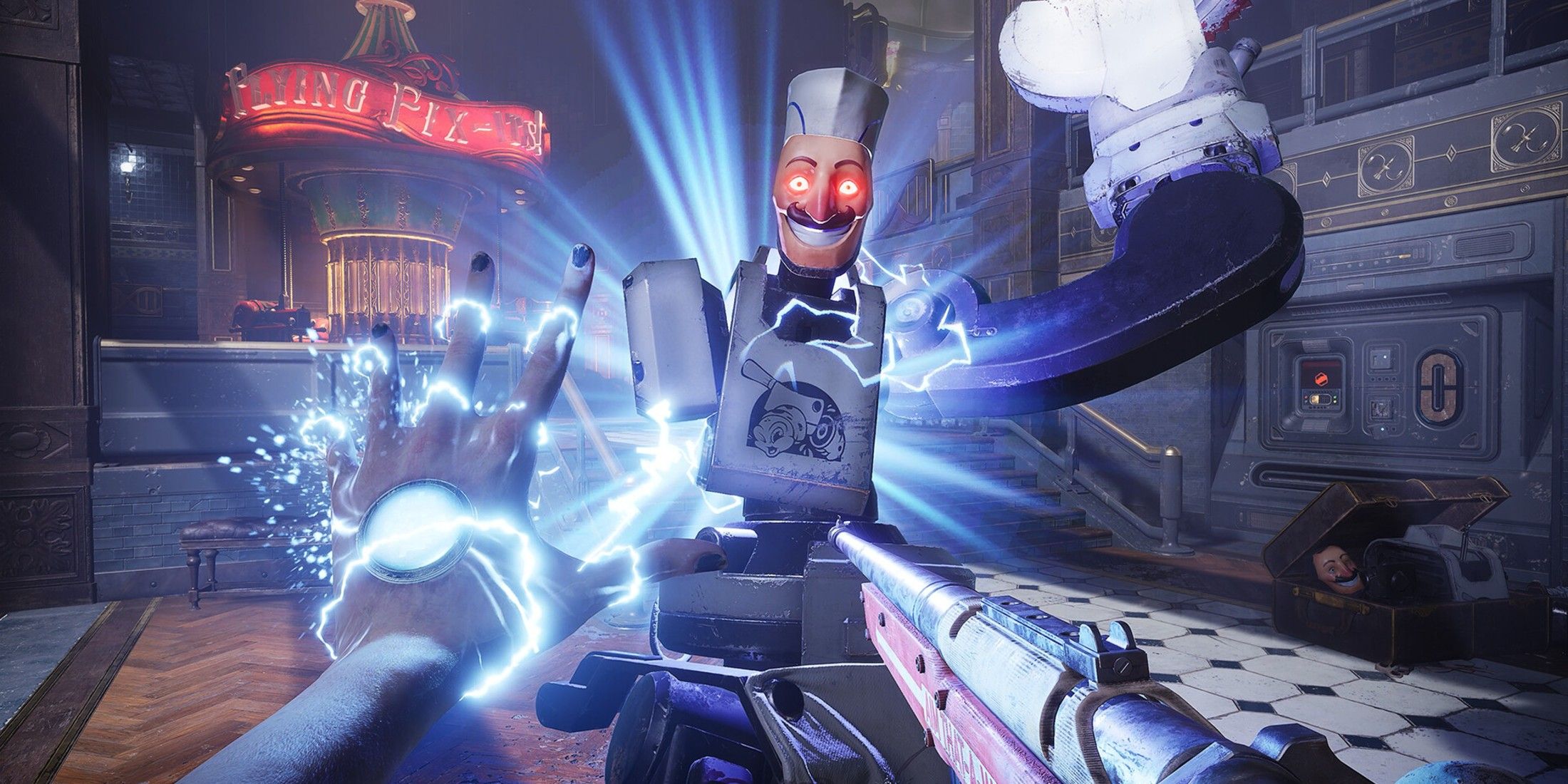
In simpler terms, fans are eagerly awaiting a new game from one of the key creators of the original BioShock, as it promises to offer something unique compared to other first-person shooter games inspired by BioShock. This new game, Judas, sets itself apart with an emphasis on multiple villain outcomes and player choices, distinguishing itself from its predecessors and rivals in the genre.
Read More
- All Skyblazer Armor Locations in Crimson Desert
- One Piece Chapter 1180 Release Date And Where To Read
- All Shadow Armor Locations in Crimson Desert
- How to Get the Sunset Reed Armor Set and Hollow Visage Sword in Crimson Desert
- New Avatar: The Last Airbender Movie Leaked Online
- Cassius Morten Armor Set Locations in Crimson Desert
- Grime 2 Map Unlock Guide: Find Seals & Fast Travel
- Amber Alert Secrets & CDs In Crime Scene Cleaner Act 2
- Euphoria Season 3 Release Date, Episode 1 Time, & Weekly Schedule
- All Golden Greed Armor Locations in Crimson Desert
2025-08-27 22:17