
LEGO wasn’t just a childhood toy for me—it truly shaped who I am, influencing my career and sparking my creativity. I have a cherished photo of myself as a child, taken in our home in Italy, completely absorbed in building with LEGOs. Instead of clothes, my entire drawer was filled with LEGO pieces, and I’d spend hours on the floor creating characters, stories, and elaborate scenes, letting my imagination soar. That’s why I’m disappointed with LEGO’s new Smart Bricks initiative.
LEGO recently announced “Smart Bricks,” a new addition to their building sets. These bricks use light and sound to enhance play and create more engaging interactions with LEGOs and Minifigures. While the idea sounds appealing – a younger me would have been thrilled with bricks that light up! – I’m not convinced this is a positive step for the brand.
LEGO Smart Brick Features at a Glance
- LEGO Smart Bricks have sensors capable of detecting motion, position, and distance
- LEGO Smart Play builds can respond to movement and how one plays with LEGO sets and Minifigures
- Smart Bricks are 2×4 LEGO bricks equipped with a custom-made chip, sensors, accelerometers, light sensing, a sound sensor, and a miniature speaker
- Smart Play builds are meant to expand on the possibilities of physical play with sound and light responses to certain behaviors and actions
- Tags can help Smart Bricks perform certain sound and light responses more easily, customizing play
The Good, The Bad, and The Potentially Ugly About LEGO Smart Bricks
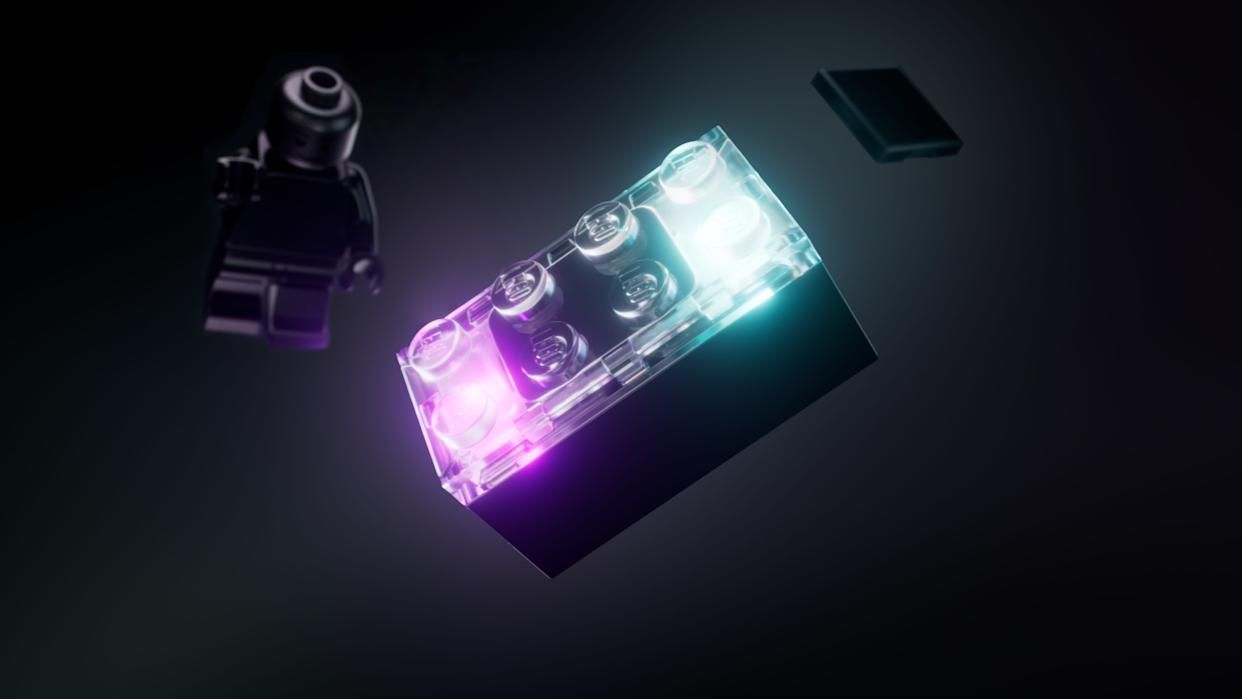
While I see potential in LEGO’s Smart Bricks, I’m not sure the current design or how they plan to make and use them is quite right. However, given LEGO’s history, these bricks are likely to become a major product line, regardless of my concerns.
With around 200 LEGO sets released annually, you can anticipate roughly 30 to 50 of them incorporating ‘Smart Play’ features – a substantial number. As an example, all LEGO Pokemon sets planned for 2026 will include or work with ‘Smart Bricks’, adding up to more than 15 sets alone.
Here are what I believe could be the pros and cons, the good and bad of the Smart Play initiative:
- Adding interactivity to LEGO builds is a worthwhile goal, but the execution matters, and this type of interactivity may be too invasive.
- The Smart Brick’s sound and light sensors are technically impressive, yet underwhelming in practice, as the audio output from the speaker inside the plastic brick feels muffled.
- Light, color, movement, and position detection add complexity without meaningfully improving play.
- Pre-programmed reactions can be neat in certain scenarios, but risk replacing imagination with instruction, and multiple play experts already agree about this.
- As discussed with the BBC, Josh Golin, executive director of the children’s wellbeing group Fairplay, says that “[…] Children’s Lego creations already do move and make noises through the power of children’s imaginations.”
- Andrew Manches, professor of children and technology at the University of Edinburgh, UK, said that the power of LEGO is “The freedom to create, re-create, and adapt simple blocks into endless stories powered by children’s imagination.”
- Designing around a sensor-packed brick can be exciting and open new avenues, but it makes elegant, modular LEGO builds harder to achieve.
- The Smart Brick adds cost without clearly enhancing LEGO’s core appeal, potentially making every Smart Play set much more costly than it could be, raising the bar for entry into the hobby.
- Existing solutions like Light My Bricks already bring sets to life in more flexible ways, even if they are not interactive beyond the press of a button.
- Compared to LEGO’s Minifigure analogy from its Smart Brick reveal post, this doesn’t feel foundational—at least not yet, even if this means we will get more Minifigures overall, and Smart Minifigs on top of that.
- The LEGO Smart Bricks need to be charged after only 45 minutes of play time, an issue that may make play potentially frustrating.
LEGO set prices can be a real issue for both longtime collectors and people just getting into the hobby. Some of the most valuable sets ever made are too expensive for many fans, and LEGO continues to release sets costing over $500 each year.
Why LEGO May Be Shooting Itself in the Foot With Smart Bricks
While Smart Bricks have drawbacks, there are also potential issues to consider. If a brick doesn’t react as a child expects, it could lead to frustration. It might also stifle creativity if the brick can’t quite bring a child’s ideas to life, or if it interprets them differently. Furthermore, if programmed to do specific things, the brick could essentially dictate the play, creating its own story and potentially overriding a child’s imagination. This focus on adaptability isn’t necessarily a bad thing, but it feels different from the open-ended, imaginative play LEGO is traditionally known for.
Consider the LEGO Star Wars Smart Play: Luke’s Red Five X-Wing set, which LEGO used to showcase its Smart Play technology. This 584-piece set features interactive Luke Skywalker and Princess Leia minifigures, along with an Imperial turret, transporter, and command center. These builds include sounds like lasers, engines, refueling, and repairs, as well as various lights. It’s clear this set is designed to tell a specific story. While the Smart Bricks add to the experience, they might limit creativity and replayability. The set always presents the same story, with the same characters and sounds, potentially setting expectations for all future LEGO Star Wars sets released in 2026 and beyond.
Why LEGO’s Smart Play Initiative Makes Me Frown
 LEGO Group
 I think one of the best things about LEGO when I was little was being completely in charge. I got to decide everything – who the characters were, what their stories were, how those stories started and where they went. While things like LEGO bricks with built-in sounds and lights, or minifigs that talk, seem cool, I worry they actually stifle creativity. They kind of take away the fun of making things up yourself. If the brick already makes a certain sound, why bother imagining something new? Honestly, ten-year-old me would have loved all those fancy features, but I’m pretty sure the me I am today wouldn’t exist if I’d grown up with ‘smart’ LEGOs. It was the open-endedness that really shaped my imagination.
LEGO Earned My Trust Over 30+ Years, and If Any Brand Can Make Smart Bricks Work, It’s LEGO
I’ll admit, I’m usually pretty skeptical of big companies, but I have a real soft spot for LEGO. Over the years, I’ve had so many wonderful experiences with their sets, and getting back into building as an adult has been amazing – it really brought back a flood of happy childhood memories from what was actually a tough time in my life. So, despite my initial reservations, I genuinely believe LEGO has the potential to make their ‘Smart Bricks’ and ‘Smart Play’ sets a success, and maybe my worries will turn out to be nothing at all.
Smart Bricks could be a great addition for LEGO enthusiasts who enjoy building their own creations, or MOCs. They could help builders create amazing, clever, and fun LEGO models. That’s what makes LEGO so special – it lets you bring your ideas to life using the bricks you have, and that’s a fantastic way to express creativity and imagination.
It’s still too early to tell if the Smart Play project will succeed, but I’m really excited about the potential of the 2026 LEGO Pokemon sets – it feels like a perfect combination of my favorite things. I’m a little hesitant about Smart Bricks for now, but I’m hoping they’ll surprise me.
Read More
- All Shadow Armor Locations in Crimson Desert
- All Skyblazer Armor Locations in Crimson Desert
- How to Get the Sunset Reed Armor Set and Hollow Visage Sword in Crimson Desert
- Best Bows in Crimson Desert
- Marni Laser Helm Location & Upgrade in Crimson Desert
- All Helfryn Armor Locations in Crimson Desert
- All Golden Greed Armor Locations in Crimson Desert
- Wings of Iron Walkthrough in Crimson Desert
- How to Craft the Elegant Carmine Armor in Crimson Desert
- Keeping Large AI Models Connected Through Network Chaos
2026-01-09 00:42