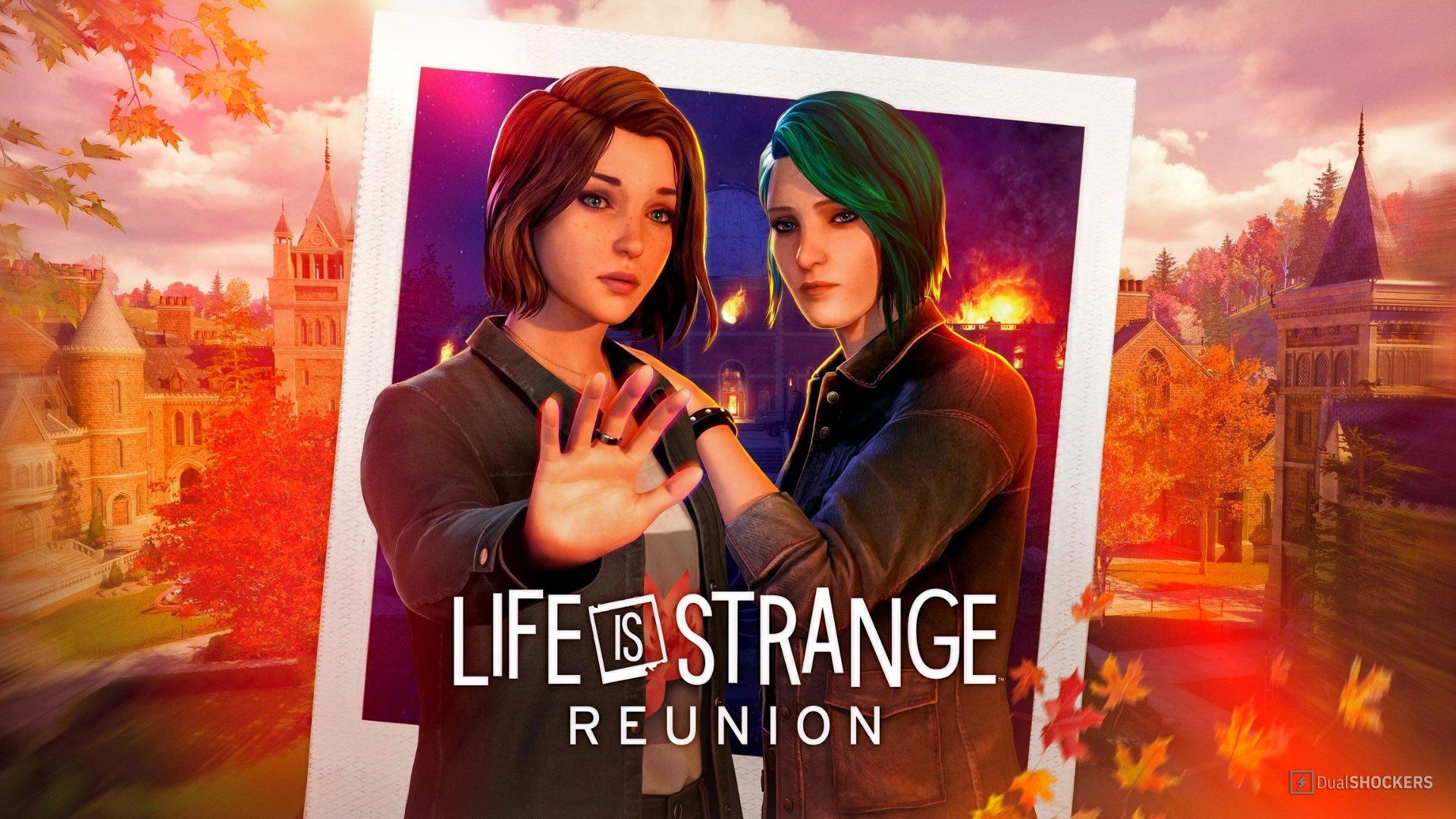
I first played Life is Strange in the summer of 2017 when it was offered as a free game with PlayStation Plus. Like I usually do with free PS Plus games, I automatically downloaded it without much thought. I had no idea how deeply this game, and especially the character of Chloe Price, would impact my teenage years.
I’ve followed the Life is Strange series closely from the beginning. I experienced the emotional journey of Sean and Daniel in Life is Strange 2, Chloe’s story in Before the Storm, and the unique and surprisingly moving narrative of Alex Chen in True Colors. I even became a big fan of the original developers, Dontnod, and recently played their earlier game, Lost Records: Bloom & Rage, last year.
Honestly, I was really hoping DeckNine would give me another Life is Strange game, and they did with Double Exposure! I’ll admit, I probably gave it a slightly higher score than it deserved because I was so excited to see Max Caulfield all grown up. Let’s just say I’m trying not to think too hard about the game, or especially that ending. I’m pretty sure all the other Pricefield fans feel the same way – we’re all just trying to move on!
When Life is Strange: Reunion was announced, I was honestly a bit worried. I was especially anxious about how the game would portray Chloe, as I had strong feelings about her character from my teenage years.
I just finished the game, and I’m amazed to say that DeckNine really stuck the landing! They’ve given this wonderful story a satisfying conclusion. Want to know how they did it? Let’s dive in together!
This review avoids revealing any key plot points from Life is Strange: Reunion. However, it will share some thoughts on how certain characters change and what’s revealed about them.
Starring Mad Max and Her Ravenous Partner in Time
This game lets you play as both Max and Chloe, finally giving you control of their stories together – and likely concluding their arc. You can even influence Chloe’s decisions and actions, offering a chance to address the consequences from the previous game, though not completely.
Does choosing a different path in the game completely change what happened or what it means? Not quite. The game’s starting options allow you to select your preferred storyline – whether you followed the ‘Bay’ or ‘Bae’ canon, maintained friendships, or pursued romantic relationships from the previous game, and even how you felt about Safi’s choices. It’s fairly straightforward, and we’ll explain more shortly. Life is Strange: Reunion picks up right after the events of Double Exposure. After Max miraculously merged two realities to save both Safi and the university, she finds herself caught up in another intense and, quite literally, fiery situation.
A worrying text from Moses forces her to cut her road trip short and return to campus, only to discover it’s been completely destroyed. Determined to save anyone she can and uncover the cause, she uses a special Polaroid photo to travel back in time a few days. This gives her the chance to investigate the events at Caledon in Lakeport, instead of continuing her planned gallery visit.
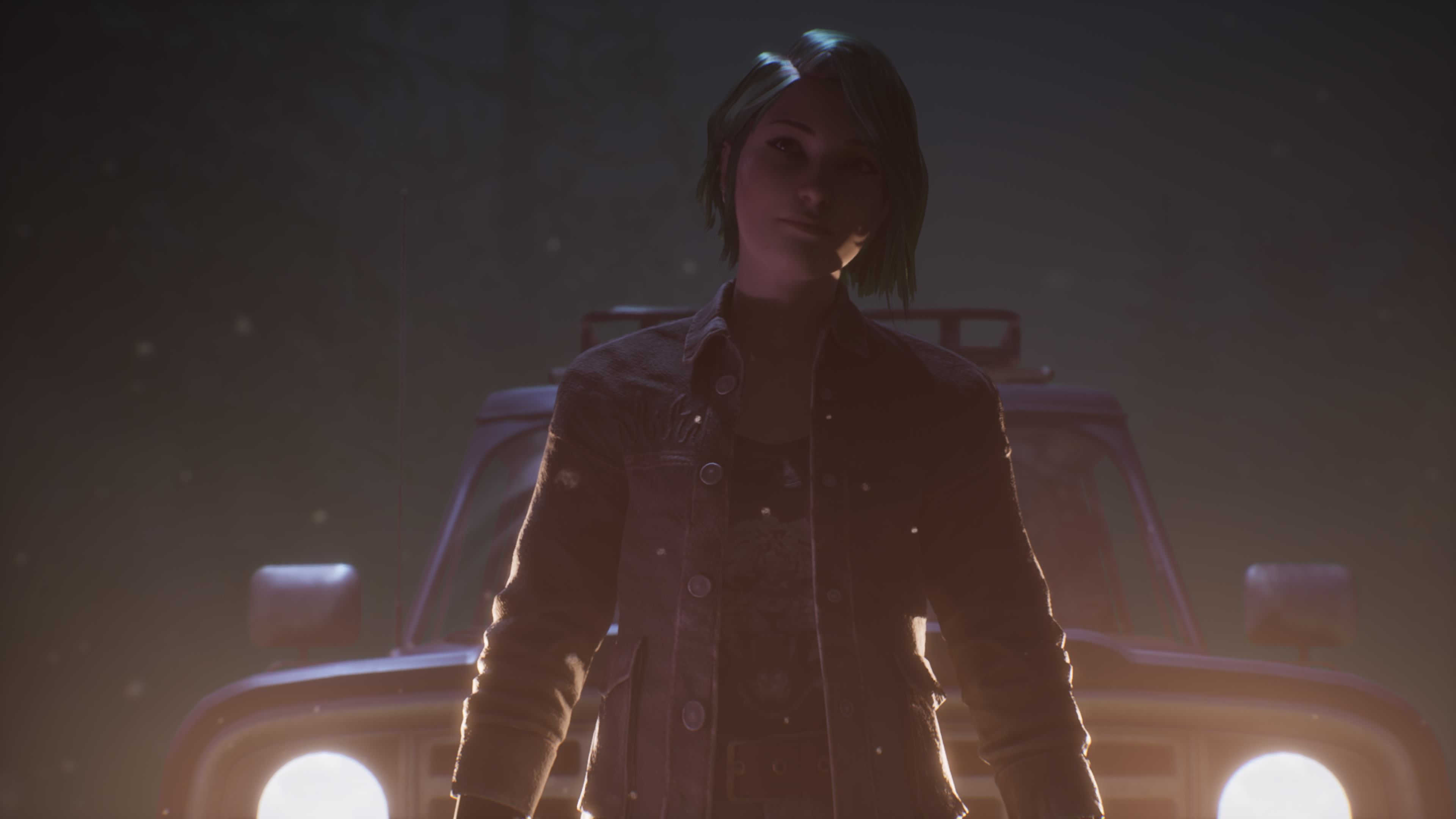
Max and Moses are investigating a dangerous arson case, while Chloe Price, known for her rebellious spirit, is struggling with her own problems as a band manager. She’s also experiencing disturbing nightmares that connect her to Max and a girl named Safi. Naturally, Chloe turns to her ex-boyfriend – the one she abruptly broke up with years ago over a letter – hoping he can help her understand what’s happening.
Dual Protagonists, yup, they finally went ahead and did it.
The game really kicks off when Chloe races from the Snapping Turtle Bar to save Max, whose attempt to sneak into the Abraxas House has gone terribly wrong. It’s important to remember this location – it’s a key part of the game’s story, involving a dangerous cult and, of course, the earlier fire on campus.
Life is Strange: True Colors establishes a solid system for switching between its two protagonists, Max and Chloe. Unlike previous games, this isn’t an episodic format; instead, the story unfolds as a continuous narrative where you regularly alternate between the characters as they work towards solving the mysteries surrounding Caledon. Each character has unique strengths and approaches, making some methods more effective than others depending on the situation.
Take a Shot Every Time You Use Rewind or When Chloe Uses Her Sharp Tongue
Every Life is Strange game revolves around the impact of your choices, and this one is no different – especially given the complex characters involved. You control both a photographer who can manipulate time and her friend, who’s struggling with her past. As you might expect, things quickly spiral out of control, and the consequences are even more significant than in the previous game, Double Exposure.
What immediately impressed me about this game was its realistic and tightly-focused story. Some plot points, like the big Avengers-style finale or the town knowing about Max’s abilities, were cleverly explained away as “Storm Amnesia.” It was a daring decision, but fitting considering how much longtime fans were hoping for a strong follow-up after the previous game’s disappointing release.
We still have a lot to discuss, but I wanted to highlight the gameplay. After the realities merged, Max got her original time-rewinding power back, and I was really impressed with how they implemented it – even more so than I expected. It’s done exceptionally well, though I still generally prefer the way Dontnod approaches game design. You’ll find sections where you repeatedly rewind time to get different responses from people, try new approaches to actions, or use it to avoid danger – I won’t give away the details of that last one, but it’s amazing.
Okay, so for anyone who loved ‘Before the Storm,’ Chloe’s awesome backtalk moments are back, and honestly, they feel just as good as I remembered. But, heads up – don’t get too excited, because there are only three of them total. When I unlocked the trophy for completing all the backtalk challenges, I was honestly a little disappointed. I just sat there thinking, “Seriously, that’s it?” It felt a bit short, like Patchy the Pirate when he realizes his treasure is gone!
Fortunately, Chloe’s generally rebellious and unique personality helps balance out that disappointment.
Reading the game’s updated journals and text messages is really enjoyable, and it actually helps to lighten the mood during some of the more intense or complicated parts of the story.
The game features collectibles, with Max taking Polaroid snapshots as a key element. Chloe contributes by sketching important locations. Puzzles are minimal; most challenges are straightforward tasks like finding items or interacting with the environment, acting as small obstacles rather than complex problems for the characters.
What immediately impressed me about this game was how realistic and tightly focused the story was.
The game also suffered from some technical issues. The character models occasionally glitched, resulting in unsettling expressions like creepy smiles during dialogue, and the lighting sometimes failed, forcing players to restart from checkpoints or even begin the game over. While frustrating, these problems were similar to those I experienced in Double Exposure.
Bound By Time, Trauma, Existential Dread, and the Illusion of Choice
The heart of the game remains true to what made the original so beloved. Max and Chloe still deliver their trademark awkward, funny lines when examining objects. For example, Max might offer a thoughtful observation, while Chloe, interacting with the same thing, will likely respond with a sarcastic comment, not caring if it’s a bit harsh. Or, she’ll just make a clever, typically Chloe Price, remark about something else entirely.
Reunion’s story and mysteries are consistently well-crafted throughout the entire game. Unlike Double Exposure, which lost its way halfway through and became a mess, Reunion feels like a carefully constructed detective case. The game actively encourages thorough investigation, prompting you to search every nook and cranny for clues and hidden details to solve the mysteries.
There’s a secret achievement for collecting all the optional clues, and many players didn’t find them all during their first time playing. The game has a lot of hidden details and branching paths that might make you second-guess your choices, because correctly identifying the real criminals in each case actually changes certain scenes in the ending.
While I could talk about the surprising new challenges or the careful crafting of the game’s mysteries, it ultimately feels limited by a lack of resources. It’s hard not to compare it to other games, but the consequences of your choices don’t seem to matter much here. I’ve noticed this issue since ‘Life is Strange: True Colors’ – in ‘Life is Strange 2’, every decision felt impactful because Sean and Daniel had so much at stake, and Daniel’s moral development genuinely changed the story’s outcome.
It feels a bit hypocritical to say this, but I’m sticking to my opinion. The choices in this game felt limited, almost like an illusion of choice. I think that’s partly because I wasn’t invested in most of the characters, and they often felt like they weren’t really important to the story.
Max and Chloe haven’t changed – they still deliver their trademark silly and predictable lines when they talk to each other.
I didn’t expect to see Loretta, Reggie, and Vinh at the game’s finale! Moses was definitely the most valuable player, though – he’s a really smart and surprisingly kind character who acts as a protective figure for Max and Chloe. We’ll talk about Safi later. Amanda is just lovely; I’d even get the same hairstyle as her just to feel connected! As for Yasmin, Owen, and Lucas, they mostly stay focused on the main storyline as important, recurring characters.
Subscribe to the newsletter for deeper Life Is Strange insights
I struggled to connect with most of the characters, even when I tried. While Max and Chloe deserve the focus, I don’t think that excuses the story’s weaknesses. The developers could easily make improvements. I’d be more engaged if taking risks had real consequences – significant failures, even – instead of a last-minute save for characters I didn’t feel invested in from the start. Perhaps this disconnect actually highlights a problem with the writing in this installment.
Rewinding the Past, Redeeming the Present, and Finding Reunion for the Future
Loving someone deeply makes life worth living, and heartbreak is especially painful when you’re stuck dwelling on a past relationship and the unique connection you shared. In the Life is Strange series, the romance between Max and Chloe was a turning point for many fans. Both versions of their story felt poorly handled throughout the game, and going into the ‘Reunion’ chapter, I was really worried about what the developers would do with Chloe’s character, as it often felt like they didn’t appreciate her before this point.
I honestly didn’t expect to feel this way, but Life is Strange: Reunion delivered what feels like the most heartwarming portrayal of repairing relationships I’ve seen in a video game. Even with the urgent storyline about saving Caledon, the game offers beautiful, quiet moments where Max and Chloe work through their complicated history. This makes a particularly powerful scene from the Double Exposure DLC – where Max opens up to Safi about her past with Chloe – even more meaningful.
What really makes the interactions special is being able to shape both characters’ conversations during key moments. It might feel a little strange initially, but it opens up a lot of possibilities for how they grow and find redemption. You see how difficult it is for them to express their hidden feelings and regrets, or even just connect with each other. While I love Ashly Burch’s work as Chloe and would have loved to hear her again, Hannah Telle and Rhianna DaVies both did an outstanding job returning to their roles and deserve all the praise they’re getting.
I honestly didn’t expect to feel this way, but Life is Strange: Reunion offered the most heartwarming depiction of characters making amends that I’ve seen in a video game.
Despite those two constantly drawing attention, I was relieved that Safi also got a good ending, especially since whatever plans were originally made for her character must have been changed. There’s a particularly powerful scene between her and Chloe near the end that I won’t spoil, but as someone who’s struggled with personal issues for a long time, it really affected me. Beyond that, even though I often feel disconnected from other characters’ stories, the game has a beautiful and lighthearted moment where it playfully acknowledges an intimate scene between Max and Chloe.
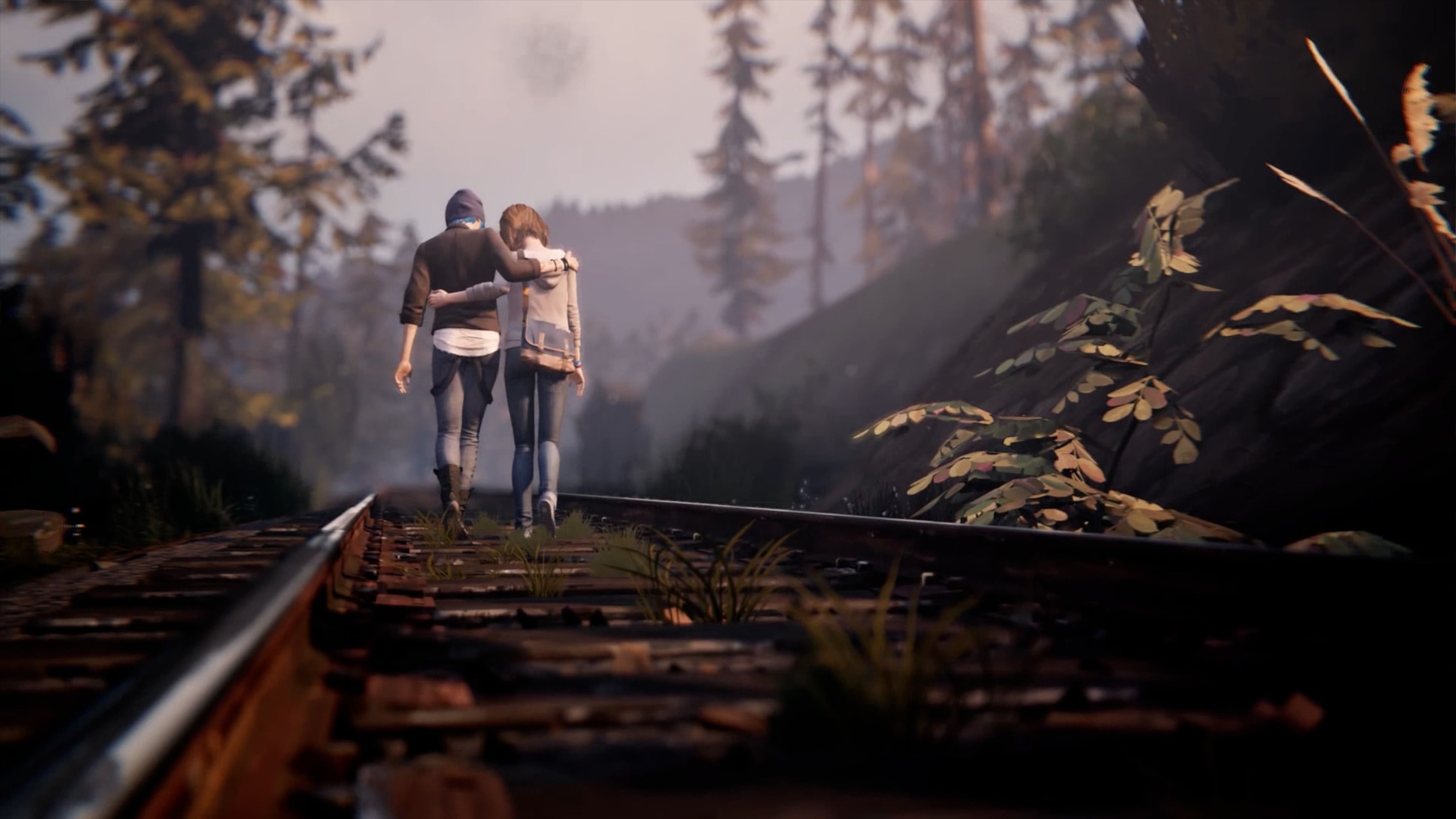
Everyone agrees that the first Life is Strange game has a unique emotional impact, and nothing quite compares to it. However, what really surprised me about the new story is how beautifully it develops the relationship between these two characters. The story takes its time building their connection, and it’s incredibly rewarding to see that patience pay off with a truly satisfying conclusion. As a longtime fan, it gave me the closure I needed to say goodbye – and it was definitely a tearjerker!
Closing Comments:
Life is Strange: Reunion is a touching and genuine farewell to Max and Chloe, capturing what made fans connect with them in the first place. While it’s not without flaws – there are some technical issues and some characters aren’t fully developed, and the game doesn’t quite reach its full potential – it succeeds where it counts. The mystery is engaging, full of unexpected turns, and the emotional core of the story finally feels truly honest, something the series has been striving for. This isn’t about being better than the original game; it’s about finding peace with what came before. Against the odds, Deck Nine has delivered a satisfying conclusion. For long-time fans, it provides a sense of closure that lingers even after the game ends, like a quiet goodbye.
Read More
- All Shadow Armor Locations in Crimson Desert
- Jujutsu Kaisen Season 3 Episode 12 Release Date
- Dark Marksman Armor Locations in Crimson Desert
- Keeping AI Agents on Track: A New Approach to Reliable Action
- How to Beat Antumbra’s Sword (Sanctum of Absolution) in Crimson Desert
- Top 5 Militaristic Civs in Civilization 7
- Sega Reveals Official Sonic Timeline: From Prehistoric to Modern Era
- Sakuga: The Hidden Art Driving Anime’s Stunning Visual Revolution!
- How to Get the Sunset Reed Armor Set and Hollow Visage Sword in Crimson Desert
- Best Weapons, Armor, and Accessories to Get Early in Crimson Desert
2026-03-28 06:12