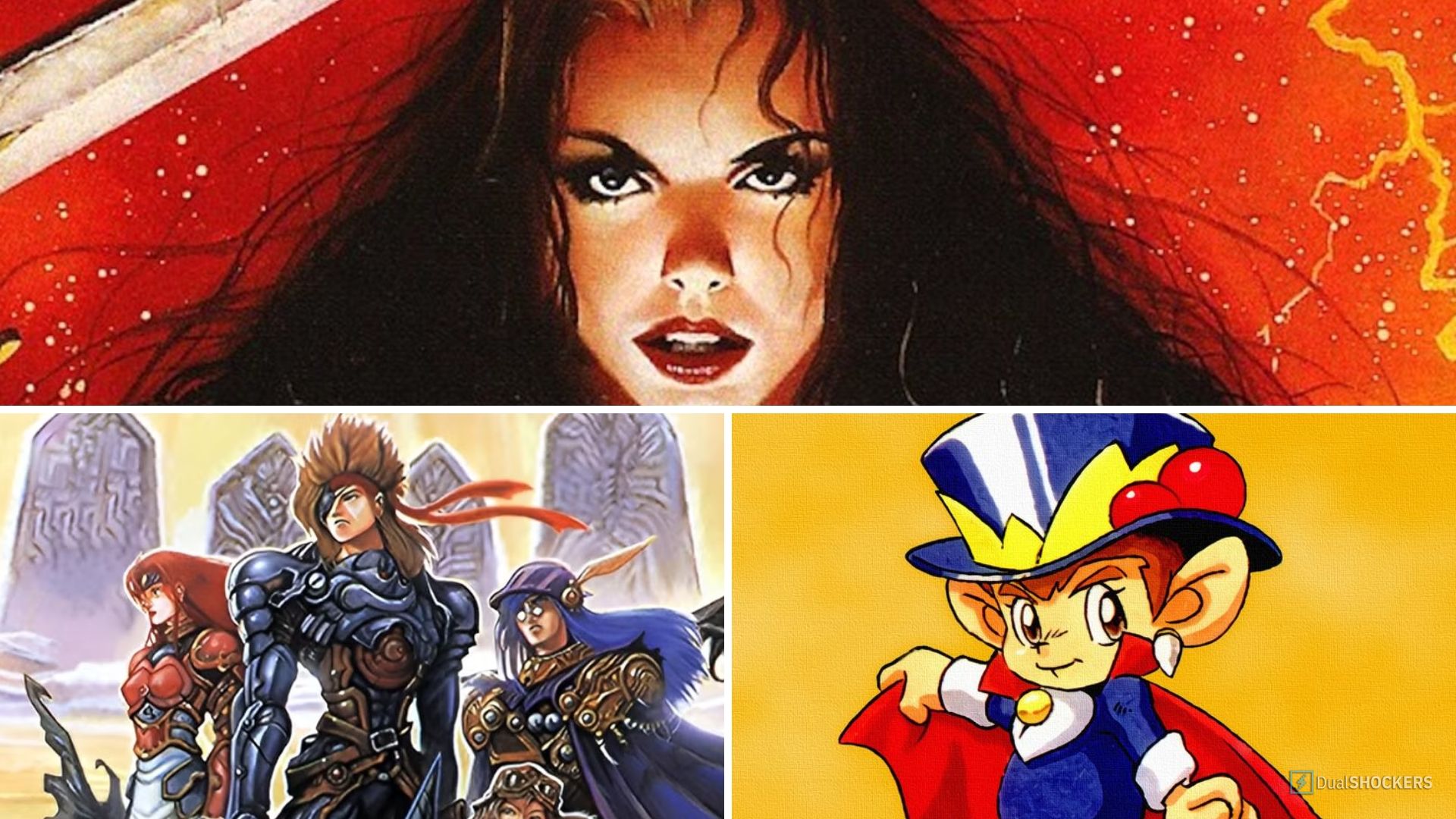
As a JRPG fan, I think the Super Nintendo had some of the greatest games ever made. Everyone knows about classics like Earthbound, Chrono Trigger, and Final Fantasy VI – they’re legendary! But honestly, there were so many other amazing SNES JRPGs that never really got the attention they deserved, which is a shame.
I’ve been digging into some seriously hidden SNES JRPGs lately, and man, there are some gems that barely anyone knows about. A lot of them probably flew under the radar because the ideas weren’t quite right, the developers were new to the scene, or they just never made it outside of Japan. So, I wanted to put together a list and finally give these games the attention they deserve.
I’m not suggesting you need to go back and play these games, but I want to highlight some Japanese role-playing games (JRPGs) that could have been truly great with a little more polish. With Square Enix recently remaking Live A Live and Nintendo consistently adding older titles to its online service, there’s a chance we might see these forgotten gems make a comeback.
I only chose JRPGs that were originally released in English-speaking countries, or for which fans have created English translations.
8. Bahamut Lagoon
First Fantasy Tactics
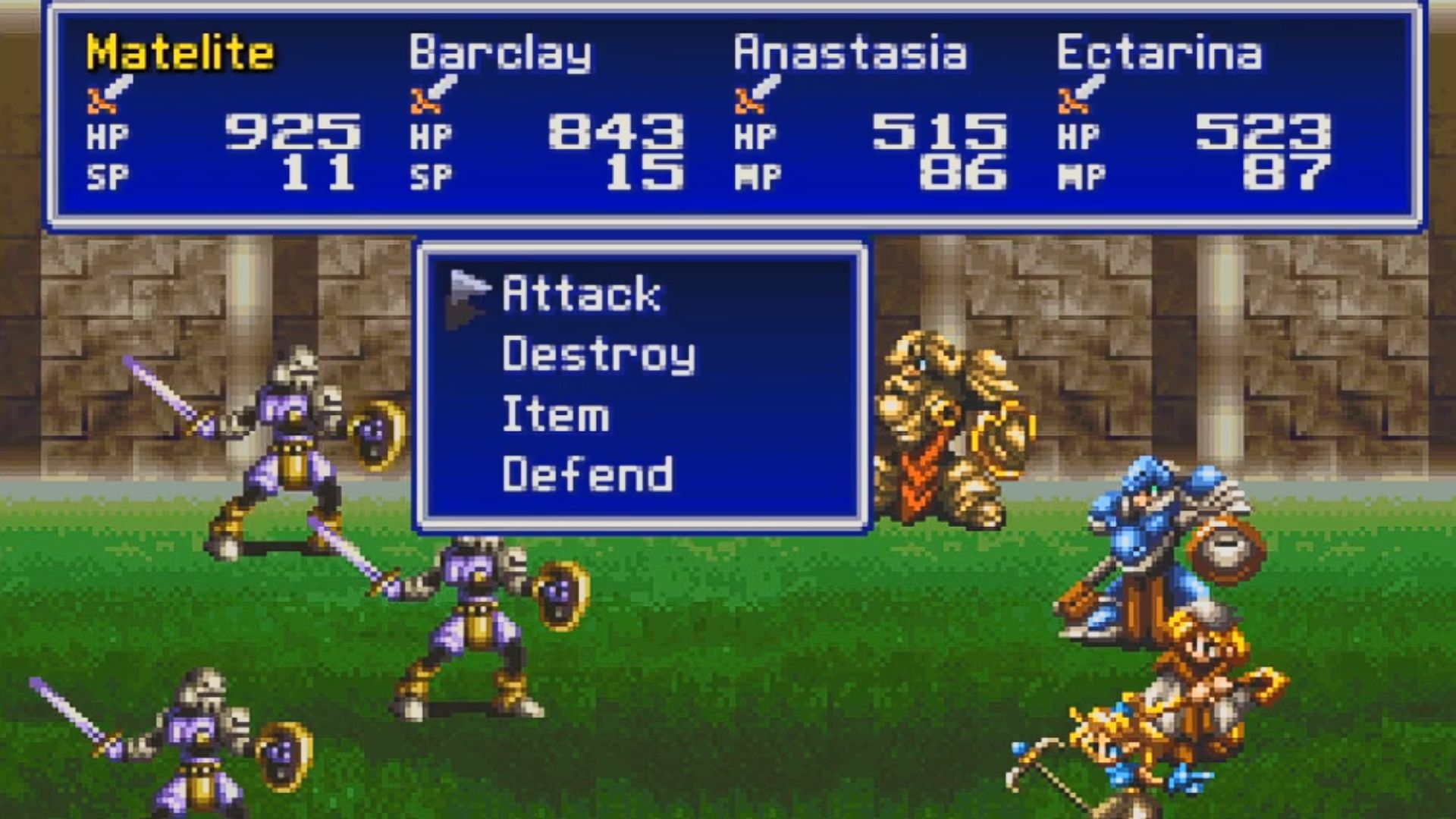
If you’re a fan of dragons, strategic battles, and the Final Fantasy series, you’ll probably love Bahamut Lagoon. It wasn’t originally released in English, but thankfully, fan translations are readily available online – and they work great! That’s how I was able to play it.
This game, written by Kazushige Nojima – known for his work on many Final Fantasy titles – puts you in control of the Dragon Squad. Their mission? To rescue the kingdom of Kahna from the evil Emperor Sauzer. To do that, they need to awaken the most powerful dragon, Bahamut. (Sorry, we got a little mixed up there for a moment!)
Combat happens on grid-based maps, and each team has four characters alongside a computer-controlled dragon. The most interesting part is the dragon: you can give it almost any item, and this will cause it to evolve, altering its stats, how it looks, and its abilities—though the changes can be positive or negative.
7. Tecmo Secret of the Stars
Two Parties, One Mission
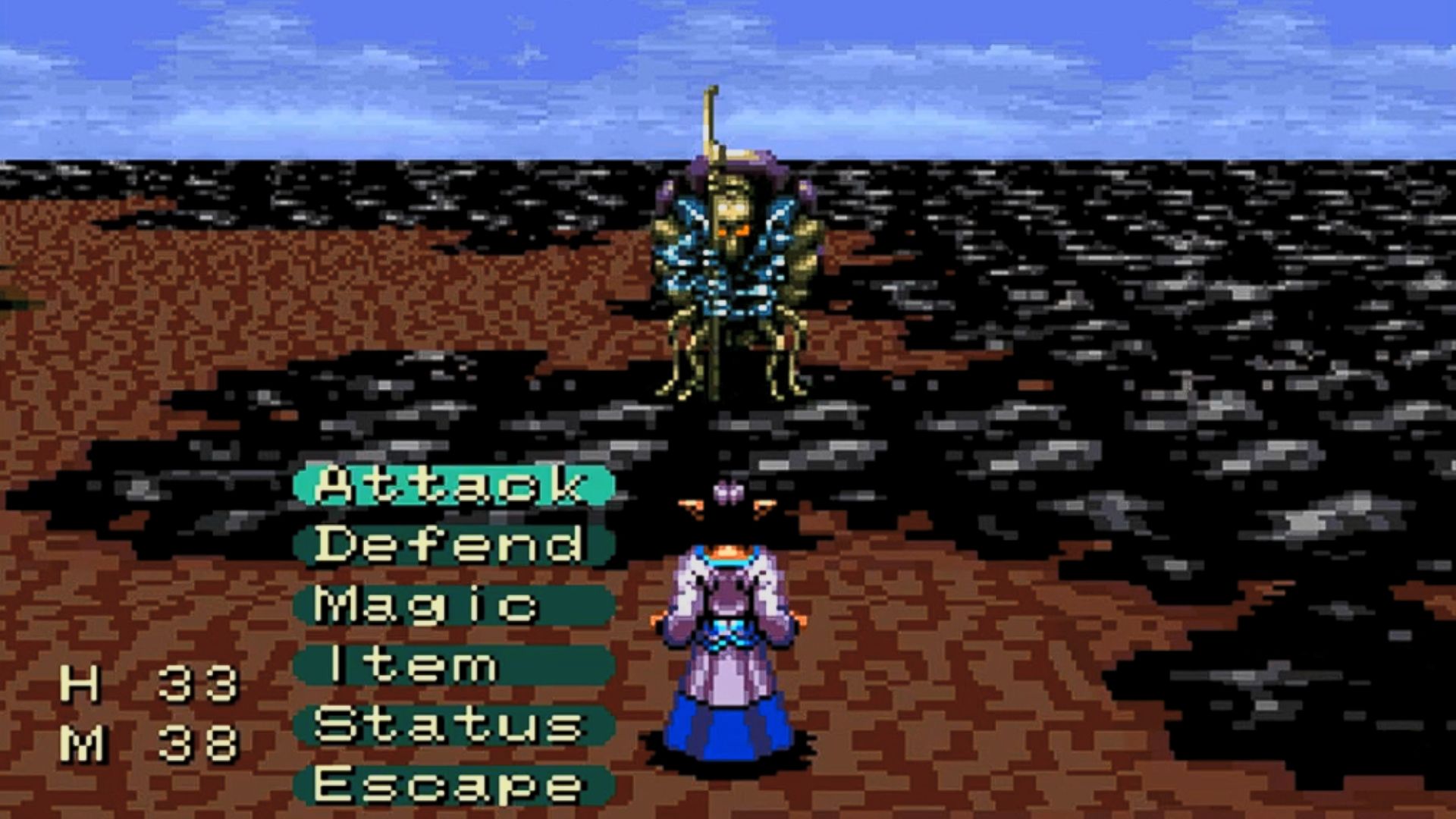
As you might guess from the title, Secret of the Stars was Tecmo’s clear attempt to make a role-playing game. While they’d released a few NES games with some RPG elements before, those were very basic. But one look at a screenshot of Secret of the Stars shows exactly what games inspired it.
This role-playing game uses classic turn-based battles. What made it special when it came out was the ability to control and switch between two different groups of characters – the main heroes and a supporting team. The game also guides you through the story by sometimes requiring you to play as either group, regardless of your preference.
The main character, Ray, has to beat the villain Homncruse. He’ll need to gather a powerful team called Aqutallion to do it. Interestingly, Aqutallion was actually the original Japanese title for Secret of the Stars! And if you enjoy building up towns, this game includes those features too – just like I do.
6. The 7th Saga
Seven Heroes
Many gamers remember The 7th Saga as one of the toughest JRPGs ever made for the Super Nintendo. It’s well-known for its extreme difficulty, actually surpassing even the original Japanese release. The international version was made even harder with changes like reduced experience gains, making it a truly brutal challenge.
Okay, so the game does have some balance problems, I won’t lie. But if you’re the type of player who loves to grind and really max out your character, or if you can just overlook those issues, you’re in for something different. It’s a really unique JRPG where you start by picking one of seven main characters. Then, as you play, you can team up with another hero to help you out, or you can go it alone if you’re feeling brave…or maybe just want a bigger challenge!
In The 7th Saga, your goal is to collect seven crystals scattered across the world of Ticondera. However, you’ll also be competing against other heroes who are after the same crystals. The game gets really tough because these rival characters level up alongside you, and you earn less experience than they do. Unless you spend a lot of time battling and leveling up (possibly using a fast-forward feature), you’ll face a significant challenge later on.
5. Treasure of the Rudras
Bring Back the Mantra System
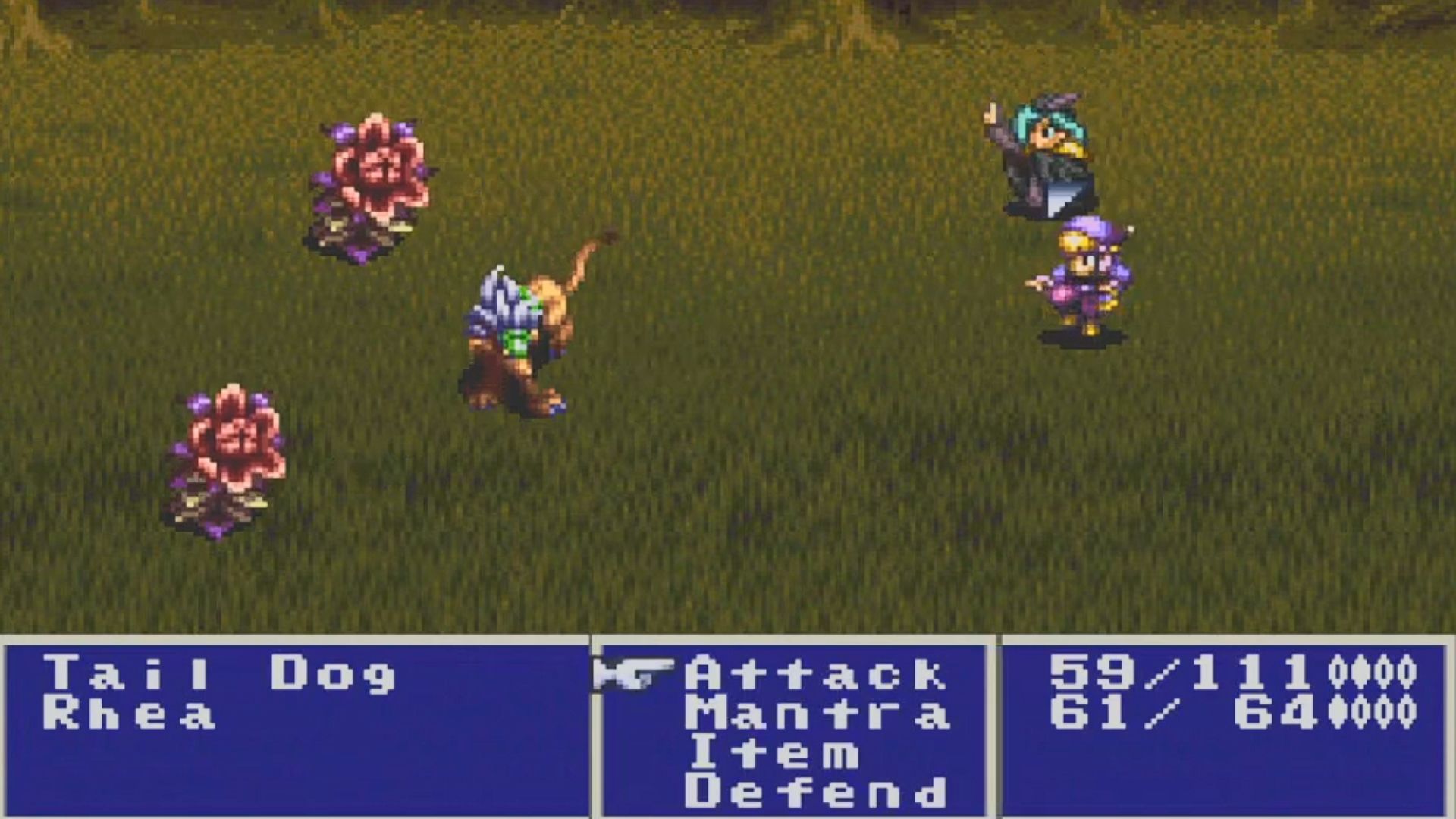
After Square Enix remastered Live A Live, I started hoping they’d do the same for other older games. One I’d love to see get a remake is Treasure of the Rudra, a Japanese RPG with a really interesting magic system and a great story. Unfortunately, it was never released outside of Japan, so to play it in English, you’d need a fan-made translation.
In Treasure of the Rudra, the world is regularly reset every 4,000 years by powerful gods. The game begins with just 15 days remaining until the next reset, and players, as Sion, Riza, Surlent, and a future companion, must figure out how to break the cycle. Gameplay is largely traditional JRPG, involving exploration of towns and dungeons, battling enemies, and improving your characters through levels and gear.
What really makes this game feel like a classic JRPG is its unique magic system. Called ‘Mantra,’ it lets you create spells on the fly just by typing their names. So, a spell called ‘Babayaga’ would work differently than one called ‘Ethan.’ As you play, you’ll discover new and improved spell components. For example, ‘Lef’ is a healing component. Adding ‘-na’ to it creates ‘Lefna,’ which heals the entire party. ‘Leflus’ is a more powerful, single-target heal based on the same component.
Okay, so the core idea of this system is really cool, I genuinely think so! But when you actually play it, it feels a little…off. Like, they had a spell called ‘Bread’ that basically did the same thing as another one, but it drained your magic faster – which just meant it wasn’t the best choice. Ultimately, sticking to a few specific, well-designed strategies felt way more effective than just trying anything and everything. Still, I’m super intrigued by the concept, and I’d absolutely love to see it revamped with a beautiful HD-2D art style in a remake!
4. Dragon View
Born as Drakkhen
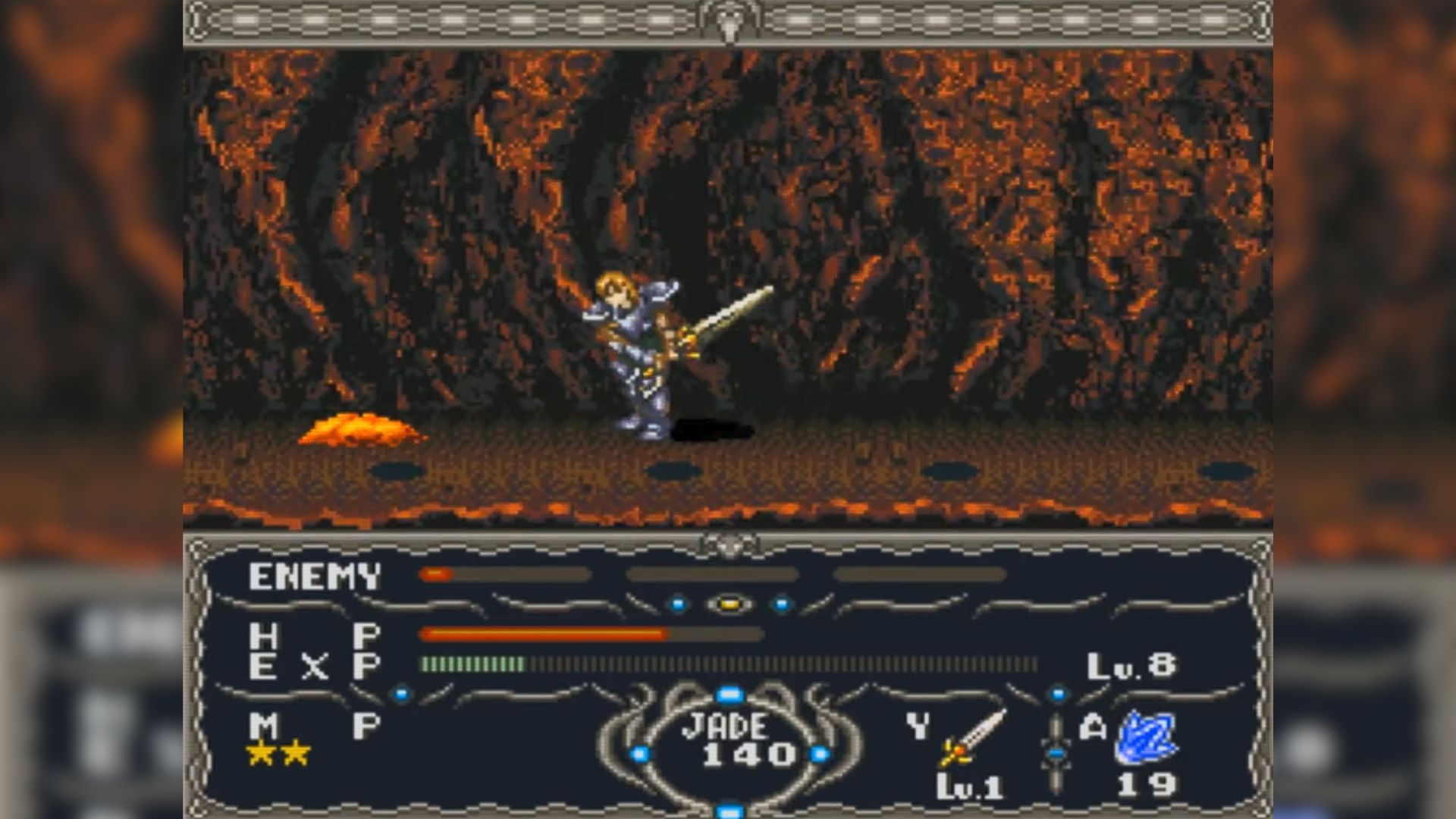
In 1989, the company now known as Atari SA (originally Infogrames) launched Drakkhen, a 3D fantasy role-playing game for the Amiga and Atari computers. It wasn’t a Japanese role-playing game, or JRPG. Later, Kotobuki System – now known as Kemco – brought the game to the Super Nintendo Entertainment System (SNES).
I don’t have all the specifics regarding ownership, but Kotobuki System acquired the game and created a follow-up, released as Super Drakkhen in Japan and Dragon View internationally. Given it was developed by a Japanese company, it’s naturally a JRPG, even though it incorporates elements of Western fantasy.
Dragon View offers two distinct ways to play. You’ll see a side view when you’re in towns interacting with characters, shopping, or exploring dungeons – where the combat is fast and smooth. When traveling across the world map, the game switches to a first-person perspective. Overall, it’s a well-made SNES game with impressive graphics for its time.
3. Arcana
Card-Based Visuals
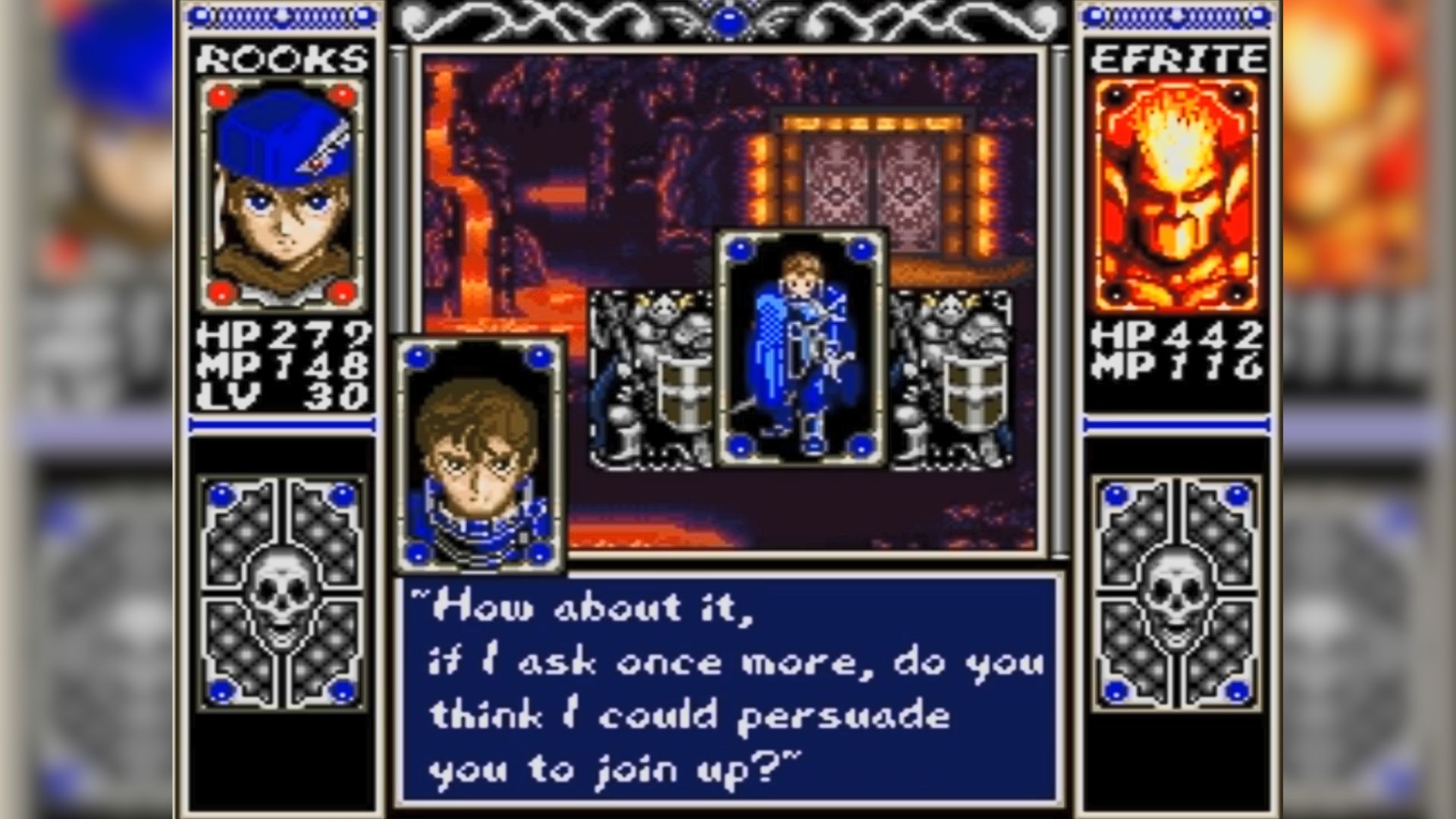
Arcana is a classic dungeon-crawling RPG, similar to Wizardry. You play as Rook, the last of a line of powerful Card Masters, and your mission is to stop Galneon from resurrecting the Empress Rimsala. As the title suggests, cards play a central role in the gameplay.
Battles feature character and monster art displayed on cards, but the game itself plays like a classic turn-based RPG. You’ll explore dungeons, fight enemies, and complete goals, then return to town to recover and purchase upgrades. As you progress, Rook can learn to switch between different elemental spirits, giving him access to new spells. He’s also joined by other characters who help on his journey.
What’s really neat about the game Arcana is that it was made by HAL Laboratory – the same team behind Kirby and Super Smash Bros. While Masahiro Sakurai is largely responsible for those popular franchises, he was with HAL Laboratory when he originally created them.
2. The Twisted Tales of Spike McFang
Nothing Twisted Here
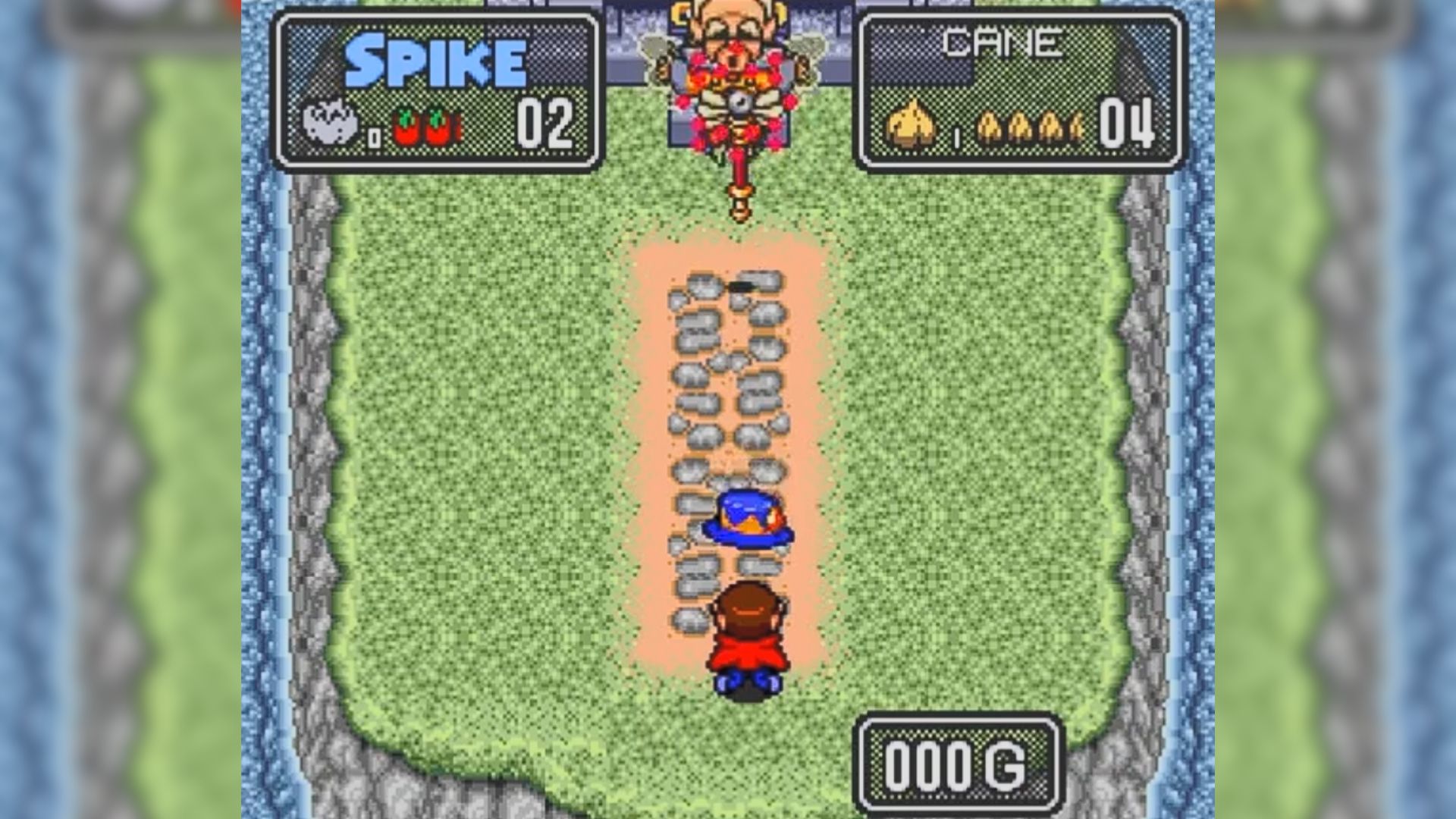
This year, I decided to explore more RPGs, so I asked friends to recommend lesser-known titles. One friend suggested a game called The Twisted Tales of Spike McFang, and I honestly thought he was joking! But it turns out the game is real.
You play as Spike McFang, a vampire prince on a quest to protect his kingdom – the Vladamasco Islands. He fights using two main attacks: throwing his boomerang hat and spinning his cape. The hat gets more powerful as you upgrade it, and the cape improves as you gain experience.
This game is a simple action title that focuses on core gameplay without trying to reinvent the wheel. You progress by defeating enemies, gaining levels, and collecting money to buy upgrades – mostly cosmetic items like hats, but also useful cards. These cards function as your skills, letting you do things like freeze opponents, transform into a bat, teleport, or heal yourself. While unique, the game’s quality is debatable.
1. Treasure Hunter G
Searching for the G Treasure
| Developer | Sting |
|---|---|
| Publisher | Square |
| Release Date | May 24, 1996 |
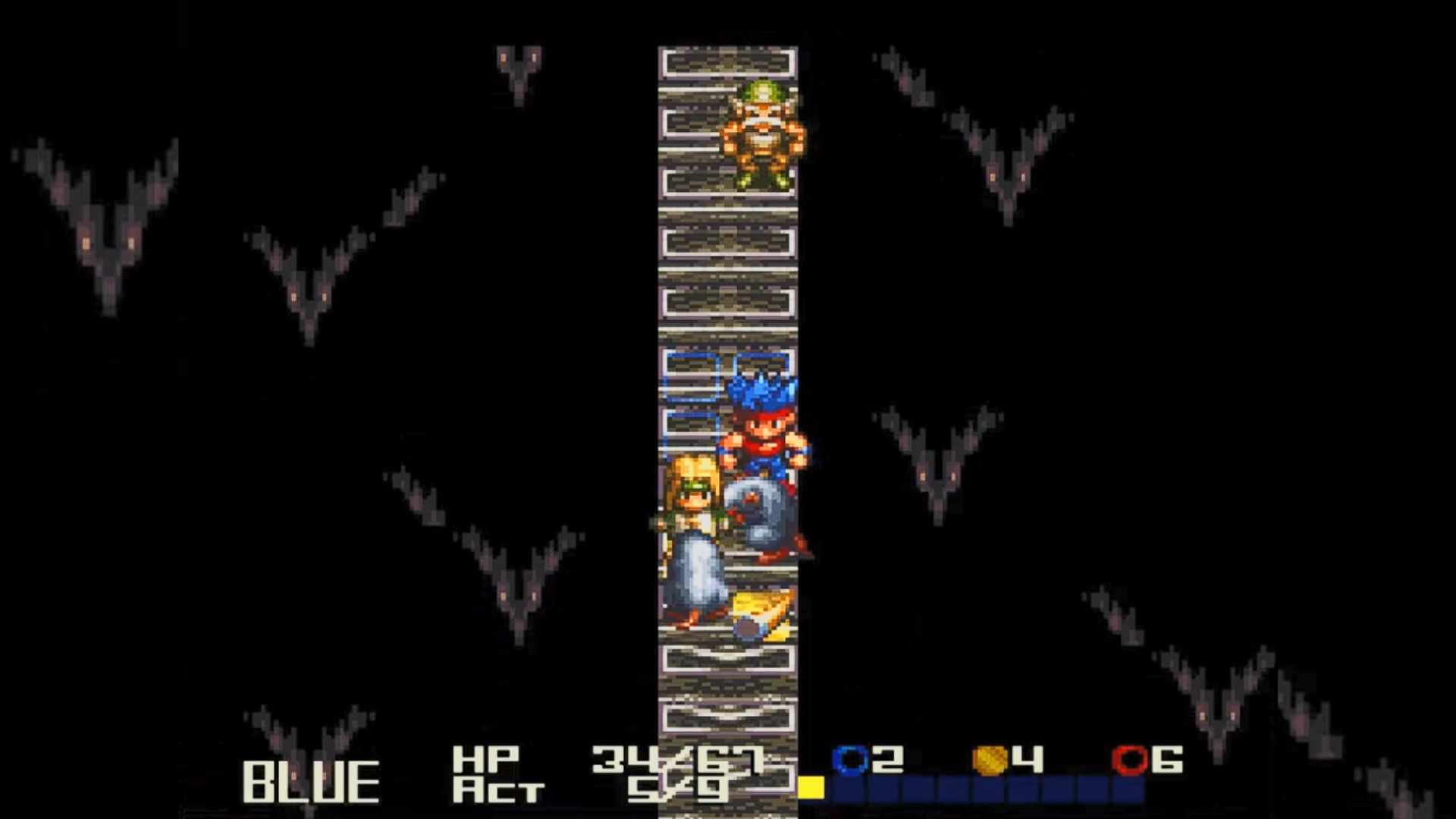
Many fans are familiar with Square’s work on the SNES, but they might be surprised to learn how many more games the company created that never made it outside of Japan. Square was an incredibly productive developer, and one example of a lesser-known title is Treasure Hunter G, created by Sting – the team behind games like Riviera: The Promised Land and the Dept. Heaven series.
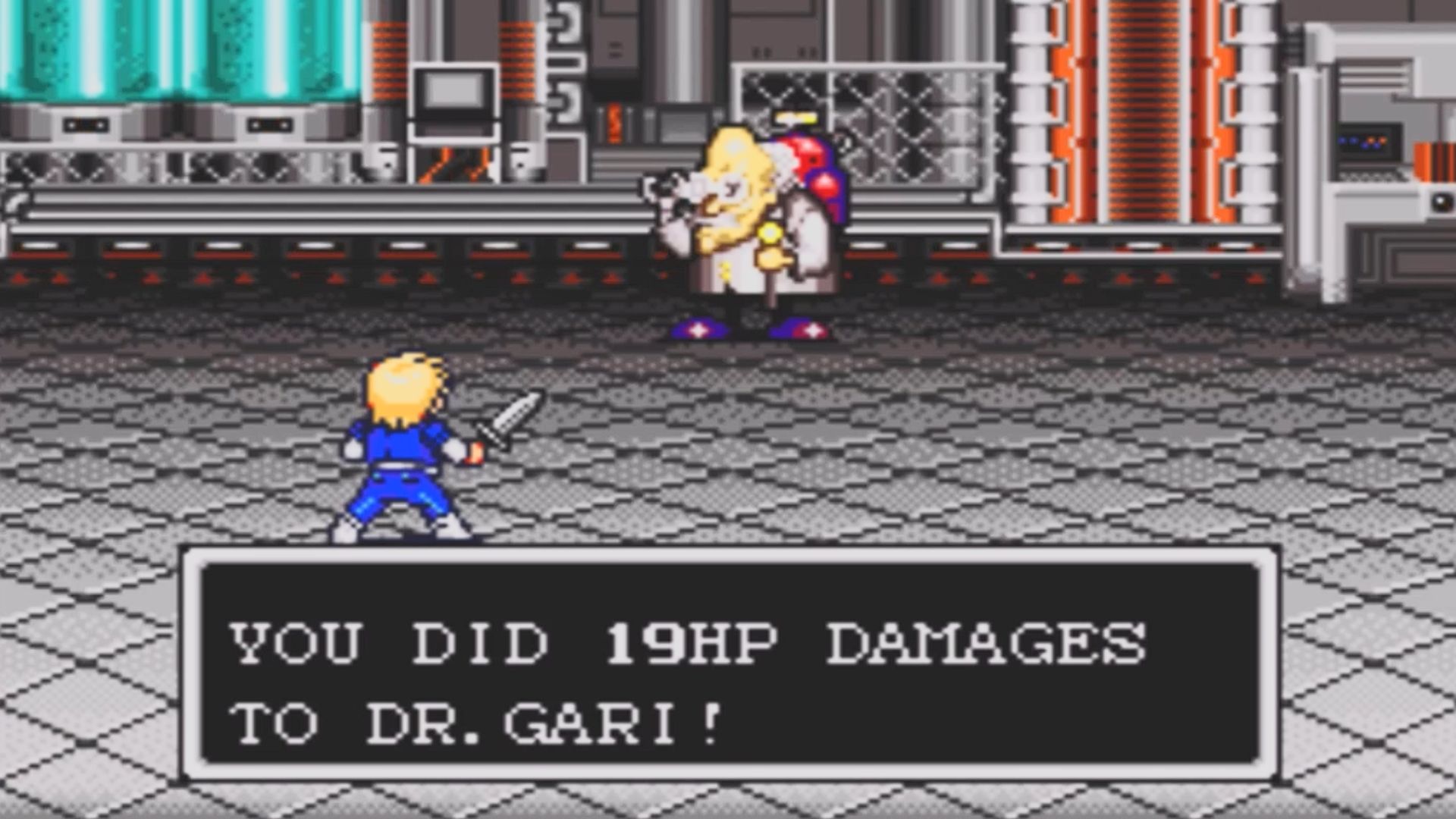
Okay, so I’ve been playing Treasure Hunter G, and it’s pretty much what you’d expect from a JRPG. You play as two brothers, Red and Blue, and the story starts with us trying to find our missing dad. But, of course, it quickly turns into a save-the-world quest after we meet this mysterious girl. Gameplay-wise, it’s all about exploring a big overworld map, hitting up towns, and crawling through dungeons – the usual stuff, but still fun!
When you encounter enemies on the map, the game shifts to a tactical battle system, moving away from simple turn-based combat. Battles take place on a grid, and you use Action Points to move and attack. You can trade movement for extra attacks if you’re close enough to an enemy. Originally released to positive reviews, Treasure Hunter G was even made available on the Wii Virtual Console in Japan in 2007, but playing it now requires a fan-made translation.
Read More
- All Skyblazer Armor Locations in Crimson Desert
- One Piece Chapter 1180 Release Date And Where To Read
- All Shadow Armor Locations in Crimson Desert
- How to Get the Sunset Reed Armor Set and Hollow Visage Sword in Crimson Desert
- New Avatar: The Last Airbender Movie Leaked Online
- Cassius Morten Armor Set Locations in Crimson Desert
- Grime 2 Map Unlock Guide: Find Seals & Fast Travel
- Amber Alert Secrets & CDs In Crime Scene Cleaner Act 2
- Euphoria Season 3 Release Date, Episode 1 Time, & Weekly Schedule
- All Golden Greed Armor Locations in Crimson Desert
2026-02-10 19:42