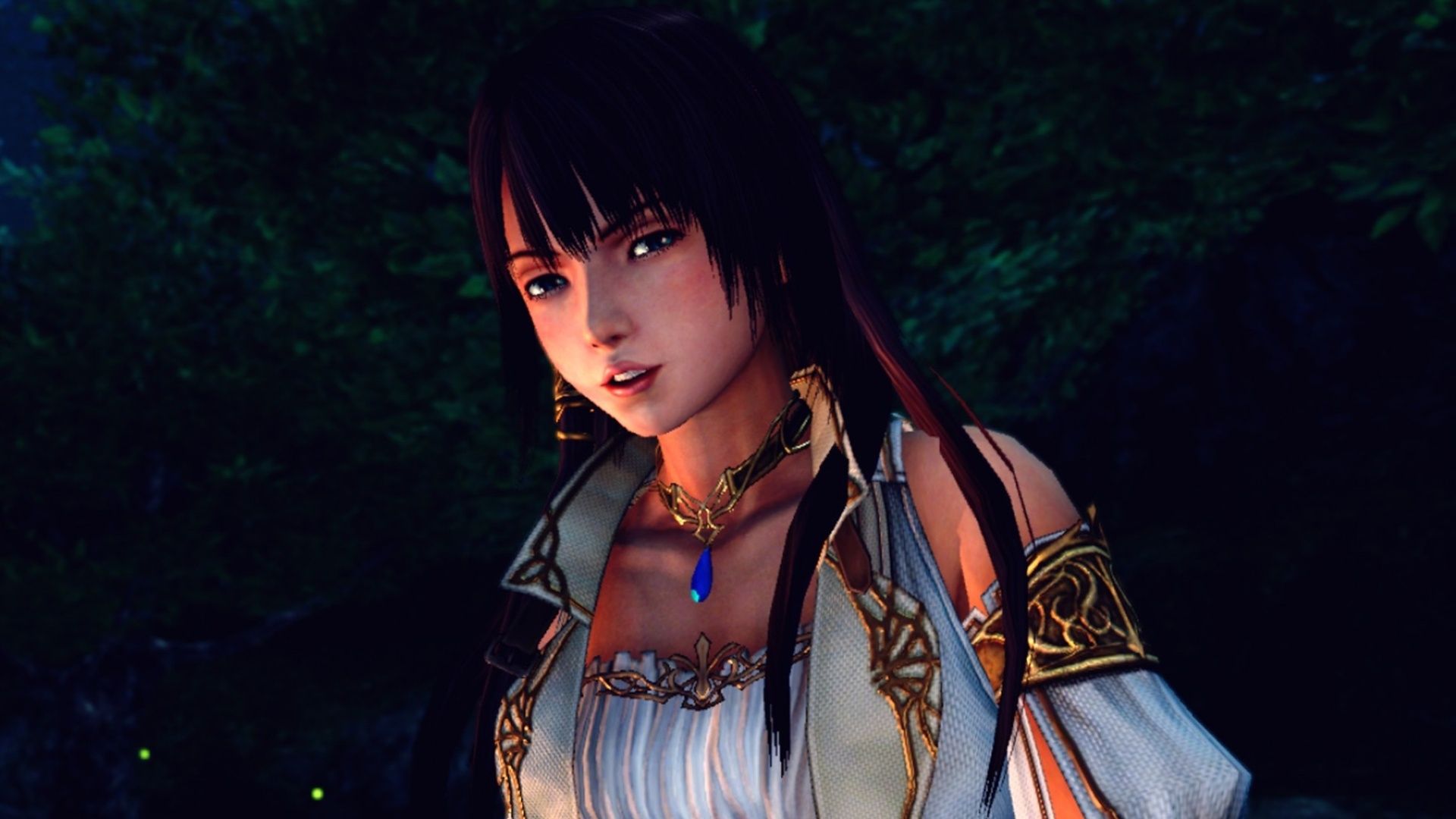
Celebrating classic JRPGs is a great way to introduce newcomers to the genre. Games like Chrono Trigger, Final Fantasy 7, and Persona 5 are excellent starting points. Beyond the popular titles, there are also many lesser-known JRPGs that deserve recognition as true masterpieces.
I feel like some amazing JRPGs never got the attention they deserved, maybe because they were on less popular consoles, or just came out at the wrong time alongside huge releases. It’s a shame, because they’re really good! Finding them now might take some effort, as they aren’t always easy to come by, but I think they’re worth seeking out.
Eternal Sonata
Final Chopin Fantasy
Released in 2007 for the Xbox 360 and 2008 for the PS3, Eternal Sonata is a unique RPG unfortunately not playable on newer Xbox consoles. The game tells the story of composer Frederic Chopin during his last days, imagining him transported to a fantastical world built around music. Battles are dynamic, allowing players to move freely and attack until their energy runs out – a simple and accessible combat system.
Front Mission 4
The Mechs Of War
Released in North America in 2004 (a year after its debut in Japan), Front Mission 4 has remained largely unchanged for over twenty years. Like other games in the Front Mission series, it features a story-driven campaign of turn-based tactical battles where players control giant robots called Wanzers on a grid-based map. A key feature of the series, and particularly strong in Front Mission 4, is the deep level of customization available for these Wanzers, allowing players to equip new parts and weapons, making it one of the most customizable tactical RPGs ever made.
Infinite Undiscovery
Flute On My Wayward Son
I’m a big fan of Infinite Undiscovery! It’s an Xbox 360 JRPG that came out in 2008, and I’m so glad they made it backwards compatible so I can still play it on my Xbox today. It plays a lot like other 3D JRPGs from that era – you get to explore fairly open areas, though the story itself is pretty straightforward. What’s cool is you can use a flute to unlock hidden paths in dungeons. The battles are all in real-time, and while the way your teammates are controlled by the AI isn’t groundbreaking, it’s still a really fun combat system.
Muramasa: The Demon Blade
A Ninjavania
I first played Muramasa: The Demon Blade when it came out on the Wii in 2009, but honestly, the HD version, Muramasa Rebirth, on the PS Vita in 2013 was a huge improvement. It’s a real shame both versions are so hard to find now because it’s easily one of Vanillaware’s best games – the art style is gorgeous and the combat is just so satisfying!
Okay, so I’m playing as either Kisuke or Momohime, and the game takes me all over feudal Japan in a pretty long story campaign. The levels are designed kinda like Metroidvanias – you know, lots of exploring and backtracking. What’s really cool is that every sword I equip has its own special power, and I can swap between them on the fly to use different abilities. Plus, there’s a skill tree where I can unlock even more powers, which is awesome for customizing how I play.
Rogue Galaxy
Sail The Stars
Released in North America in 2007 (two years after its initial release in Japan), Rogue Galaxy was the final PlayStation 2 game from Level-5. It’s now available on the PlayStation 4 thanks to an emulated port, making it one of the few PS2 games playable on modern consoles. This action RPG puts you in the role of space pirates traveling between diverse planets – from deserts to lush forests – all in search of treasure. Players can also find and upgrade weapons using a skill tree-like system, allowing for deep customization.
Vandal Hearts
A Bloodier Tactics
Originally released in Japan in 1996 for the PlayStation 1, Vandal Hearts came to North America the following year and was later ported to the Sega Saturn and PC. Unfortunately, there’s currently no official way to play the game, which is disappointing because it’s a standout tactical RPG for the PS1. Gameplay was similar to Final Fantasy Tactics, featuring grid-based movement and attacks against nearby enemies. However, Vandal Hearts distinguished itself with a surprisingly mature storyline and a notable amount of blood – even if it was pixelated, this level of graphic content was unusual for games of that era.
Grand Kingdom
Mercenary Wars
Released in North America in 2016 (a year after its release in Japan), Grand Kingdom is still playable today, though its multiplayer features are no longer available since 2019. The game centers around building and leading a mercenary group on various missions, focusing more on character development and class optimization than a strong narrative. Players navigate missions within dungeons resembling chessboards, making choices that impact their progress. Battles take place on a 2D field and are fundamentally tactical, drawing inspiration from Japanese Role-Playing Games (JRPGs).
Radiant Historia
Changing History
Radiant Historia first came out in Japan in 2010, followed by a North American release the next year. It was then re-released in Japan on the 3DS in 2017, and again in North America in 2018. This second re-release was quite late in the 3DS lifecycle, as the Nintendo Switch had already come out. A release on the Switch might have helped the game gain more lasting recognition.
Radiant Historia is a strong contender among time-traveling JRPGs, letting players change timelines to overcome obstacles and progress. Battles are turn-based, with a unique system where you can move enemies around the battlefield to strategically combine them and break through their defenses.
Half-Minute Hero
Nothing Else Like It
Originally released on the PSP in 2009, Half-Minute Hero came to Xbox 360 as Half-Minute Hero: Super Mega Neo Climax in 2011, and PC a year later. It’s now easily accessible on those original platforms and is highly recommended for JRPG fans who enjoy unique gameplay mechanics. The game’s core concept revolves around a curse that gives players only thirty seconds to save the world, but a goddess statue allows them to reset time and repeat the cycle. Players explore, gain levels, return to the statue, and repeat this process until they’re powerful enough to defeat the boss and progress to the next stage.
Bahamut Lagoon
Dragon Tactics
Released in Japan in 1996 for the Super Famicom (SNES), Bahamut Lagoon is a largely overlooked JRPG. This early Squaresoft title features tactical battles played on grid-based maps. When combat begins, the game shifts from a tactical overview to a classic turn-based battle system—a unique combination of the two styles. For players interested in experiencing it in English, a fan-made translation patch is available online.
Read More
- All Skyblazer Armor Locations in Crimson Desert
- How to Get the Sunset Reed Armor Set and Hollow Visage Sword in Crimson Desert
- All Shadow Armor Locations in Crimson Desert
- Marni Laser Helm Location & Upgrade in Crimson Desert
- All Golden Greed Armor Locations in Crimson Desert
- All Helfryn Armor Locations in Crimson Desert
- Best Bows in Crimson Desert
- Keeping Large AI Models Connected Through Network Chaos
- All Icewing Armor Locations in Crimson Desert
- How to Craft the Elegant Carmine Armor in Crimson Desert
2025-12-24 08:35