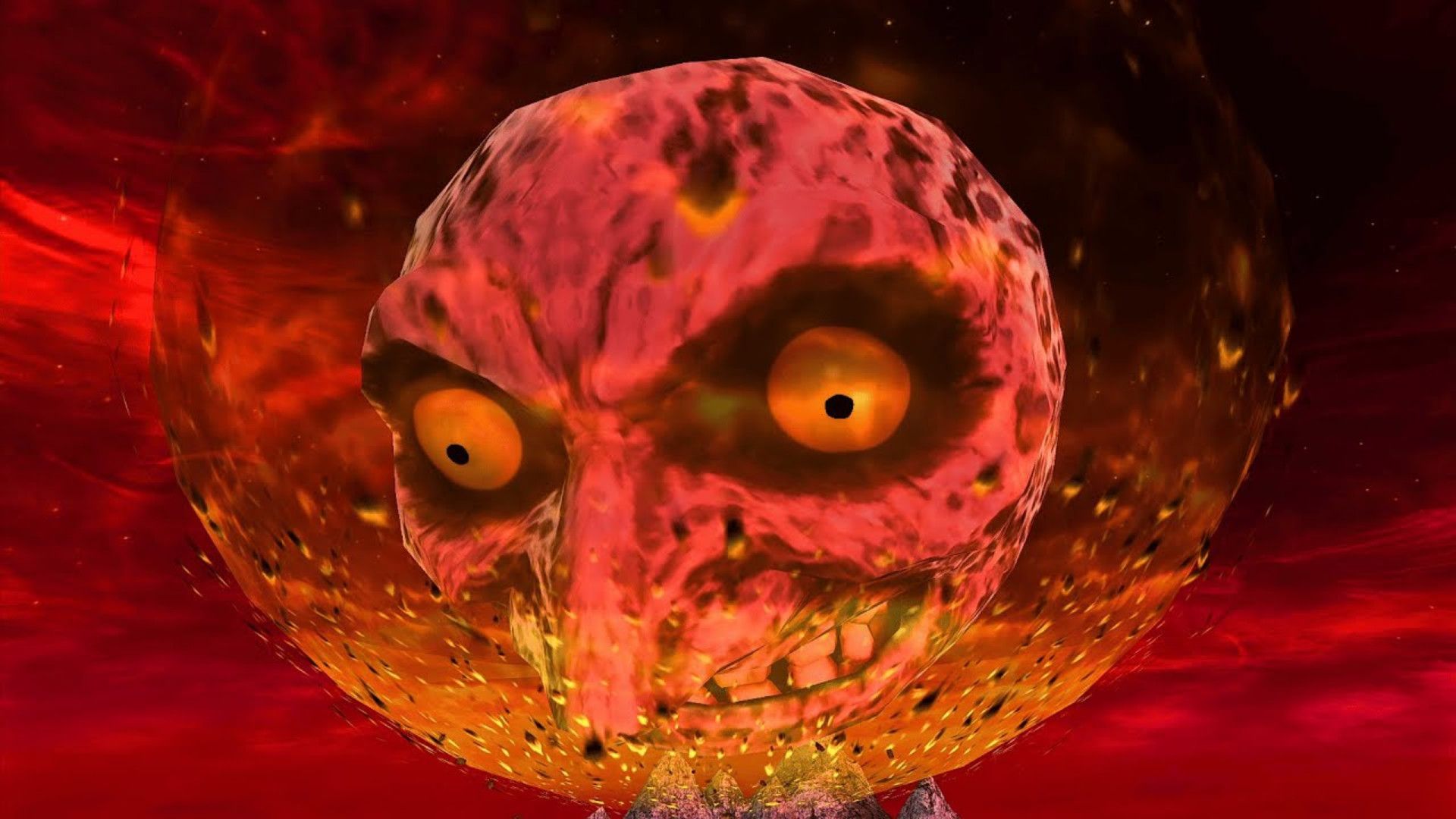
Just two years after Nintendo revolutionized action-adventure games with The Legend of Zelda: Ocarina of Time, they released The Legend of Zelda: Majora’s Mask in the spring of 2000. Direct sequels are rare in the Zelda series, which usually features games that are very different from each other—think of the shifts between Wind Waker and Twilight Princess, or Skyward Sword and Breath of the Wild. However, don’t mistake Majora’s Mask for just another game in the series; it’s far from a simple continuation of the story.
While Ocarina of Time and Majora’s Mask both belong to the Zelda series, their stories aren’t really connected. Majora’s Mask is such a departure in style and mood that it almost feels like a completely separate game. Despite being undeniably Zelda, it’s known for its dark and disturbing elements, and its willingness to try new things. It feels almost like it comes from an alternate reality – one where Wario, not Mario, was Nintendo’s biggest star. This unique quality is likely why Majora’s Mask has resonated so strongly with people, both gamers and those who don’t typically play games, in a way that other Zelda titles haven’t.
Why The Legend of Zelda: Majora’s Mask Still Feels So Special, All These Years Later
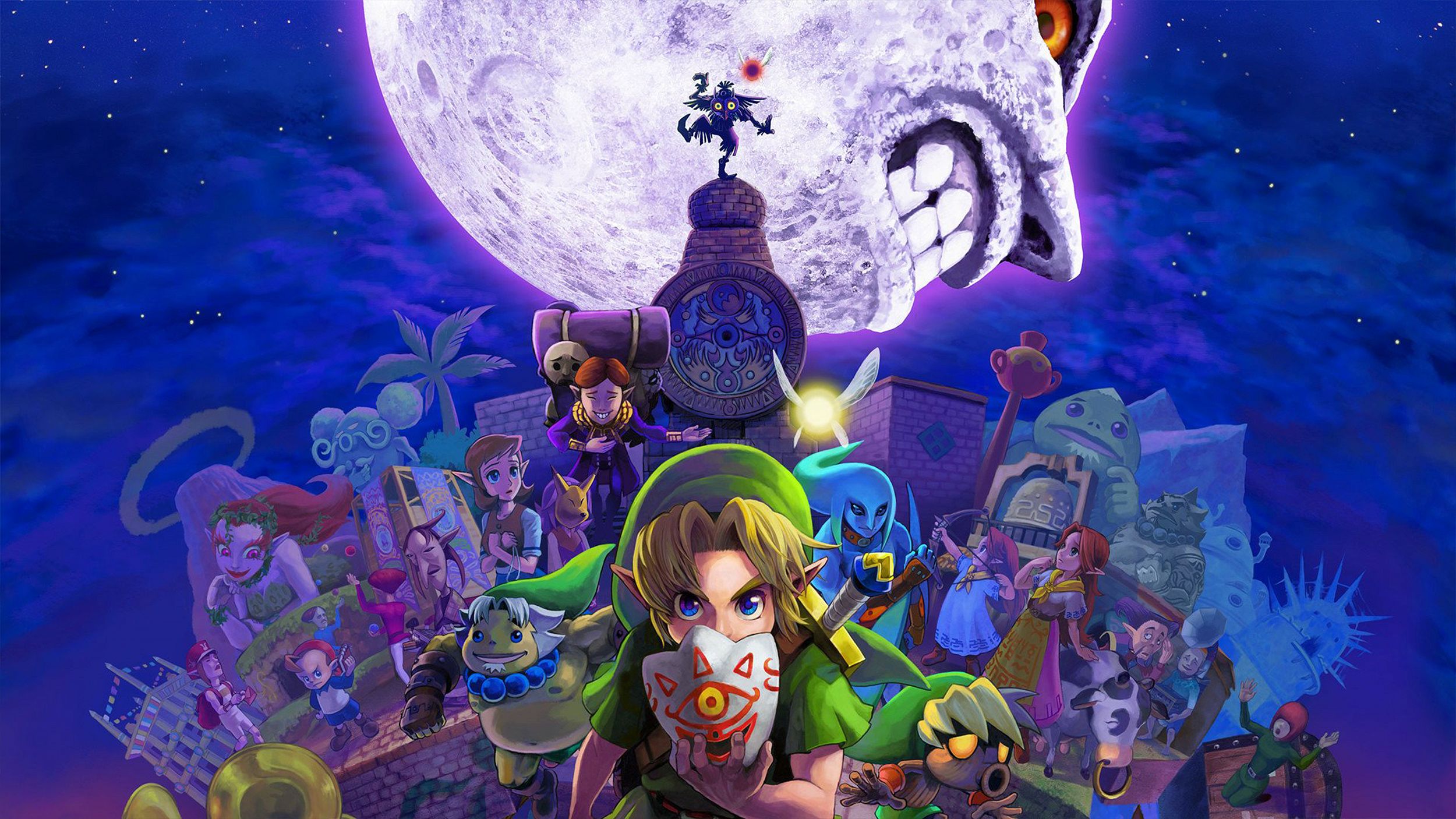
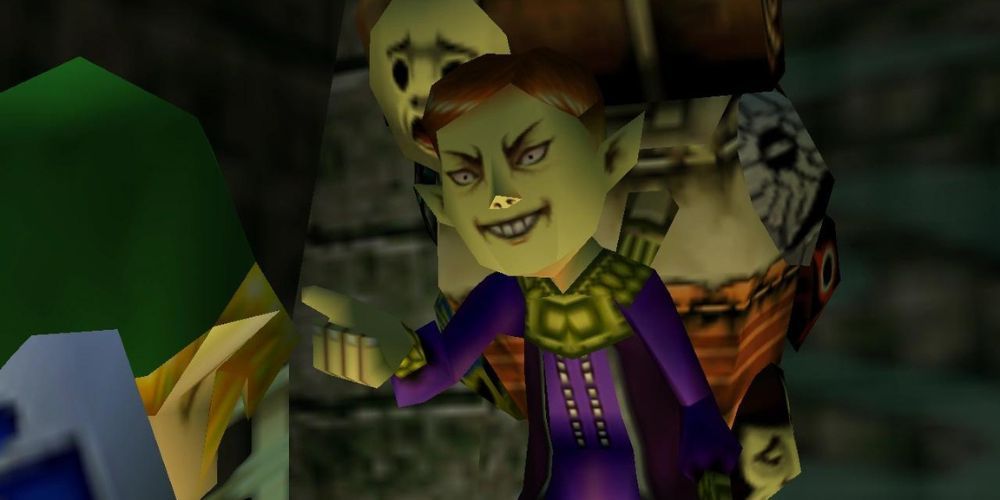
Zelda: Ocarina of Time follows a traditional fairy tale formula – an orphaned hero sets out on an epic, magical journey to rescue the princess. However, Majora’s Mask breaks away from these common story elements, which would become staples in later Zelda games, and instead explores much darker, more unsettling, and grander themes.
While Ocarina of Time had some dark moments, Majora’s Mask is significantly more intense and unsettling.
 Rearrange the covers into the correct US release order.
Your Order
Results
— —
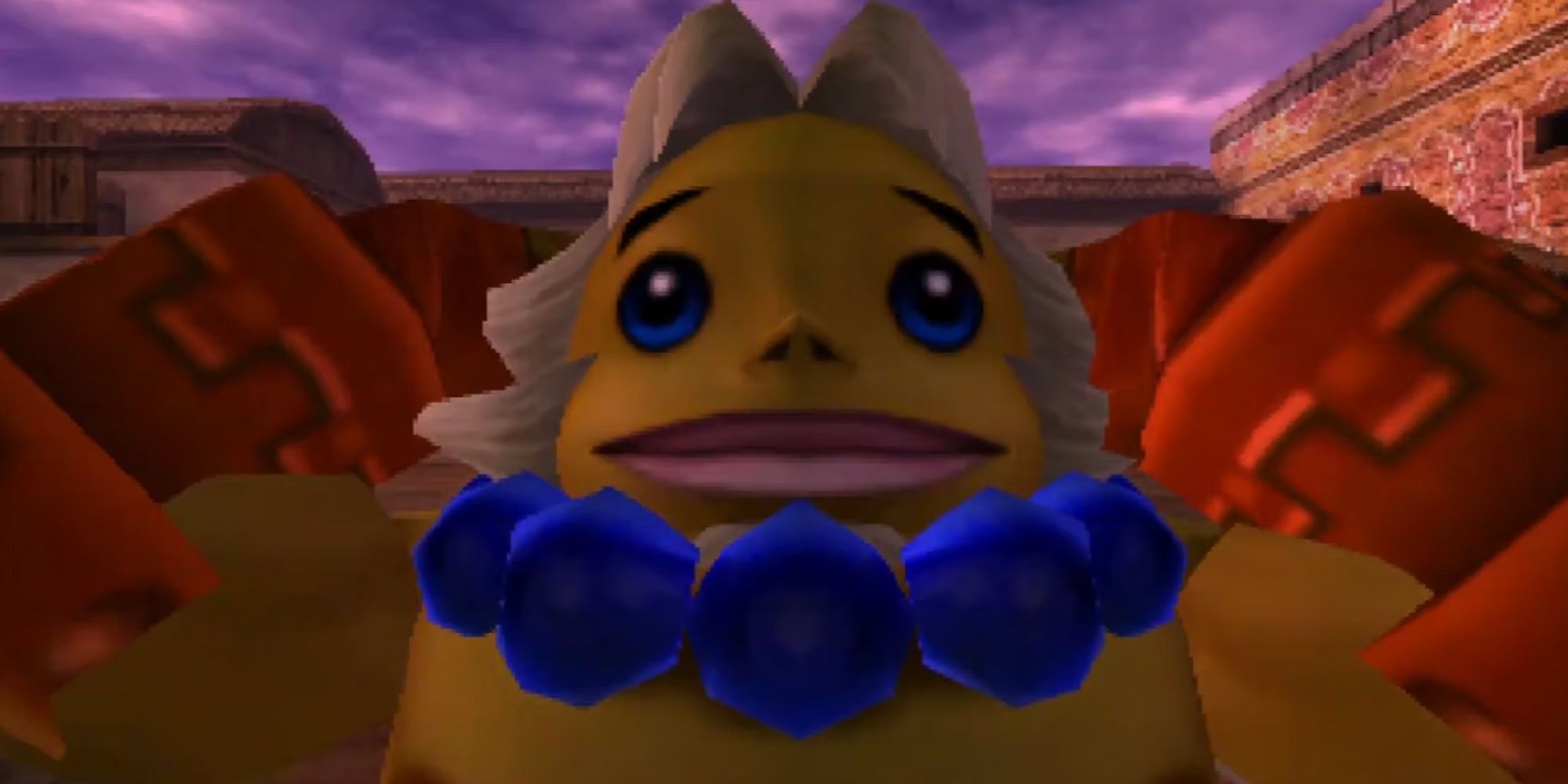
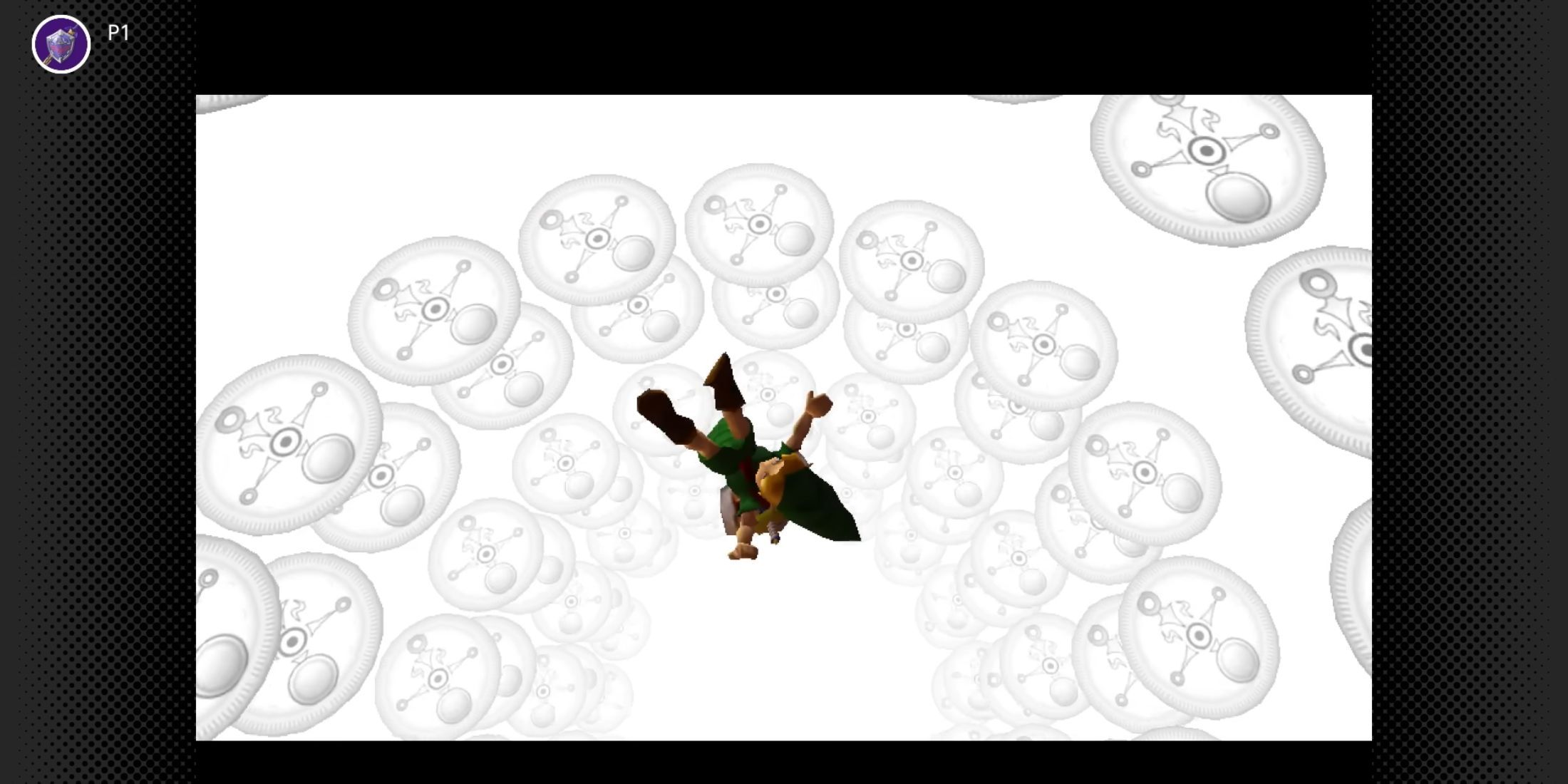
Two key aspects of Majora’s Mask really show how the game takes a darker turn. The first is when Link is turned into a Deku Scrub upon arriving in Termina. This scene is unsettling, filled with strange sounds and visuals, and ends with Link losing his original body and becoming a creature made of wood and leaves, which deeply disturbs him. Unlike the playful transformations in games like Mario, this feels like a genuinely frightening and confusing curse, stripping a child of his physical form, and the game portrays it that way.
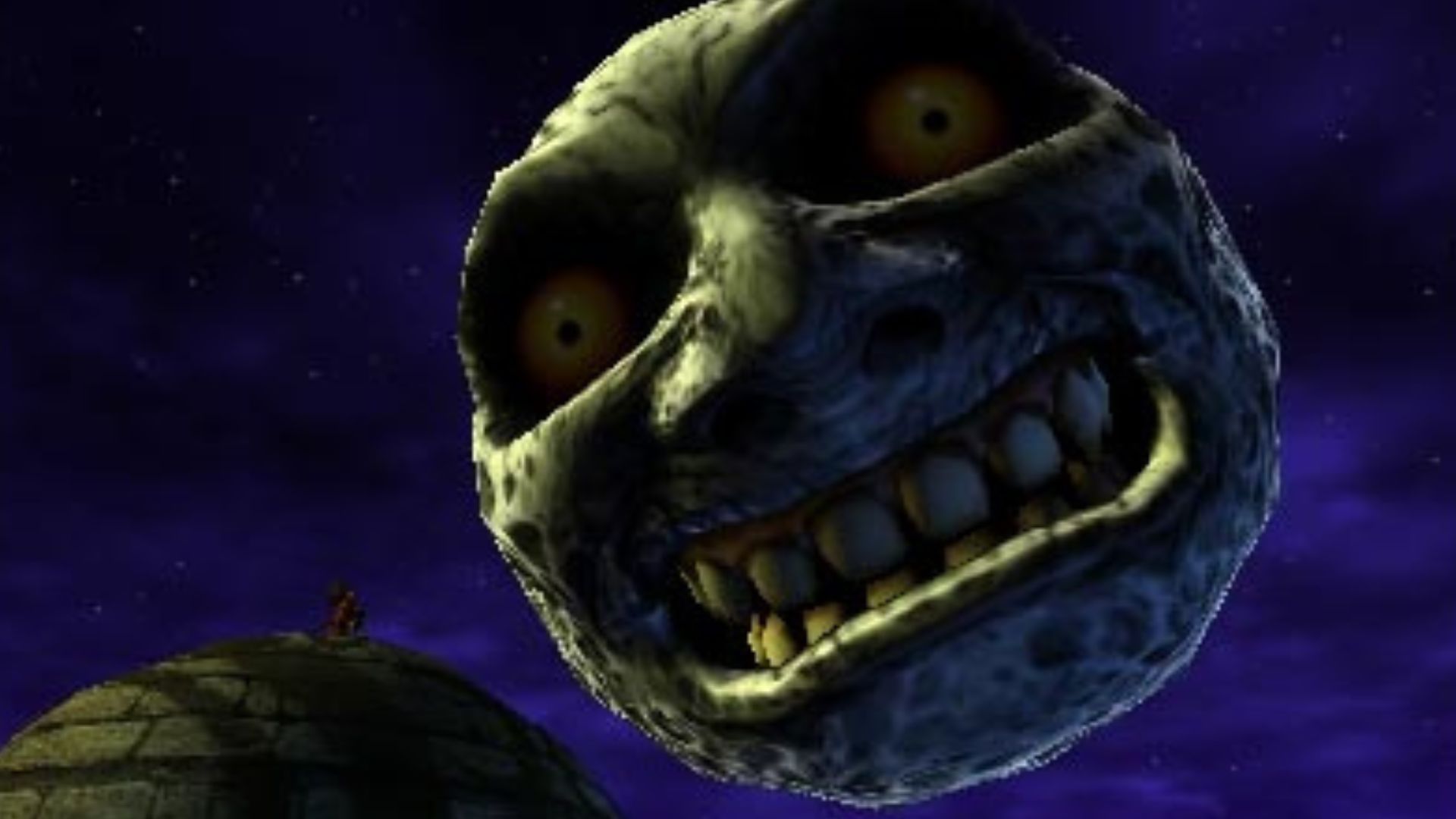
As a huge fan of Majora’s Mask, one of the things that really sets the game’s mood is the Moon. It’s not just there in the sky above Clock Town, it’s constantly getting closer, and it’s terrifying! That grinning face is seriously creepy – it feels like something out of a nightmare, twisting something beautiful like the moon into something monstrous. It’s not just scary to look at, though; it’s the feeling that something truly awful is coming that really gets to me.
Many people mistakenly think of Majora’s Mask as simply a spooky Zelda game, like a Halloween-themed adventure. However, it’s much more than that. It delves into deeper, more emotional themes, and its lasting impact might be due to the fact that it originally appealed to children. Childhood fears, like the transformations in Spirited Away or scenes from Alice in Wonderland, stay with us. But unlike those stories, Majora’s Mask as a video game lets you actually confront and overcome those frightening experiences.
Behind the Scares, Majora’s Mask Is Still as Delightfully Bizarre as the Best Zelda Games
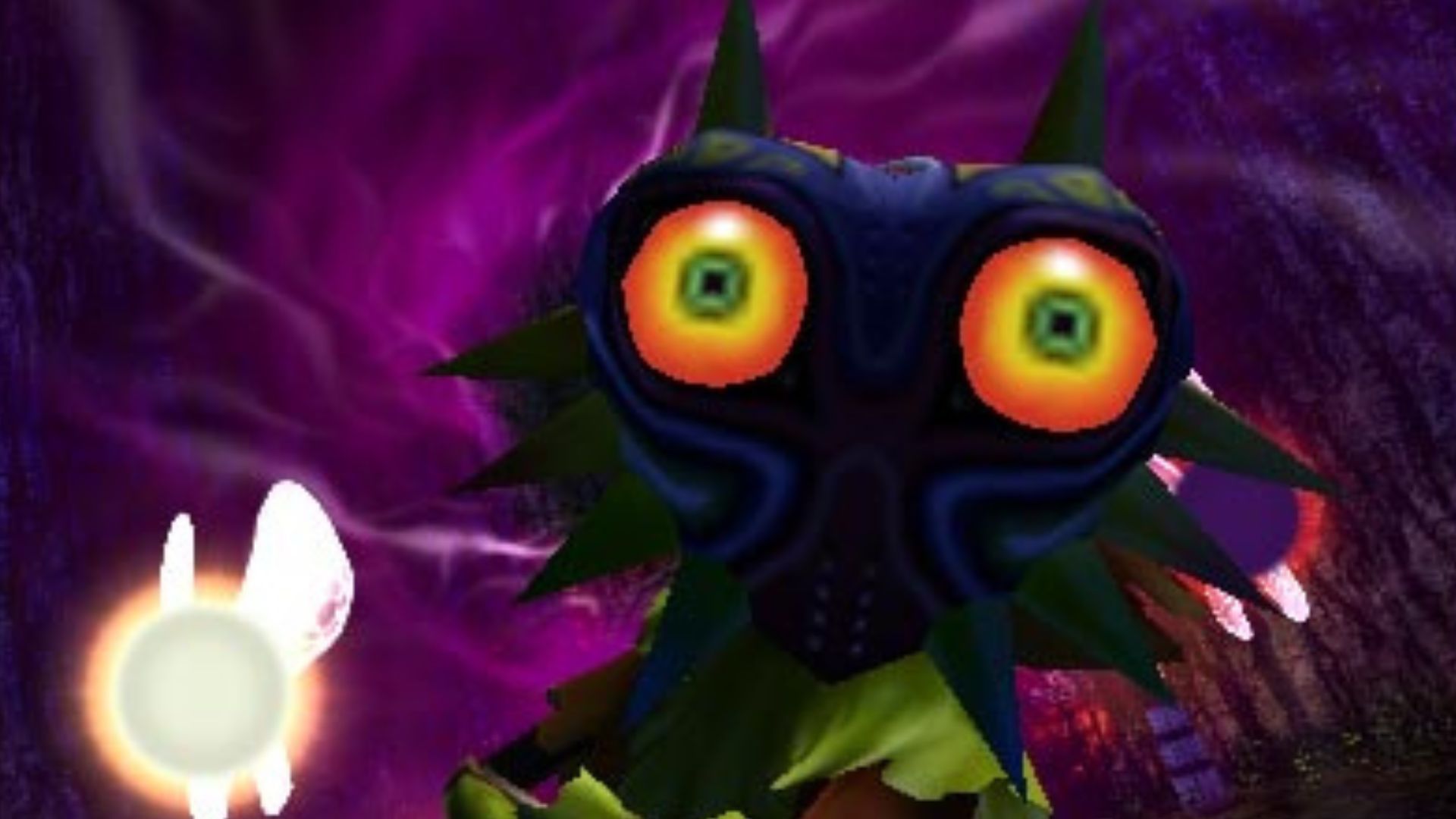
What makes the darker aspects of Majora’s Mask truly effective is that they’re connected to how the game actually plays. The core mechanic of transforming into different forms – a Deku, Zora, or Goron – isn’t just a visual change. Each form gives Link unique abilities that are useful in many situations, adding real variety to the gameplay. And that’s not even considering the other 21 masks, which take the potentially disturbing concept of body transformation and turn it into something enjoyable and useful.
One of the most groundbreaking features of Majora’s Mask is its three-day cycle, which significantly influenced how the game was played and was remarkably innovative for its time. You can see elements of its design – like quests tied to specific schedules and the constant pressure of a time limit – in many adventure games released today, and even in genres like roguelikes and extraction shooters. While other Zelda games are known for their creativity, Majora’s Mask, released in 2000, stands out as particularly daring and forward-thinking.
Despite its unique and often darker tone, Majora’s Mask still captures the classic Zelda spirit. It maintains the series’ signature mix of lightheartedness and peril, drawing players into a strange yet captivating world full of unexpected discoveries. Maybe the success of Ocarina of Time empowered the developers to take bigger risks, but the outcome is a truly one-of-a-kind adventure that remains unmatched even today.
Read More
- All Shadow Armor Locations in Crimson Desert
- Dark Marksman Armor Locations in Crimson Desert
- Sega Reveals Official Sonic Timeline: From Prehistoric to Modern Era
- Genshin Impact Dev Teases New Open-World MMO With Realistic Graphics
- How to Beat Antumbra’s Sword (Sanctum of Absolution) in Crimson Desert
- Where to Pack and Sell Trade Goods in Crimson Desert
- The Limits of Thought: Can We Compress Reasoning in AI?
- Who Can You Romance In GreedFall 2: The Dying World?
- Enshrouded: Giant Critter Scales Location
- Best Weapons, Armor, and Accessories to Get Early in Crimson Desert
2026-03-25 16:39