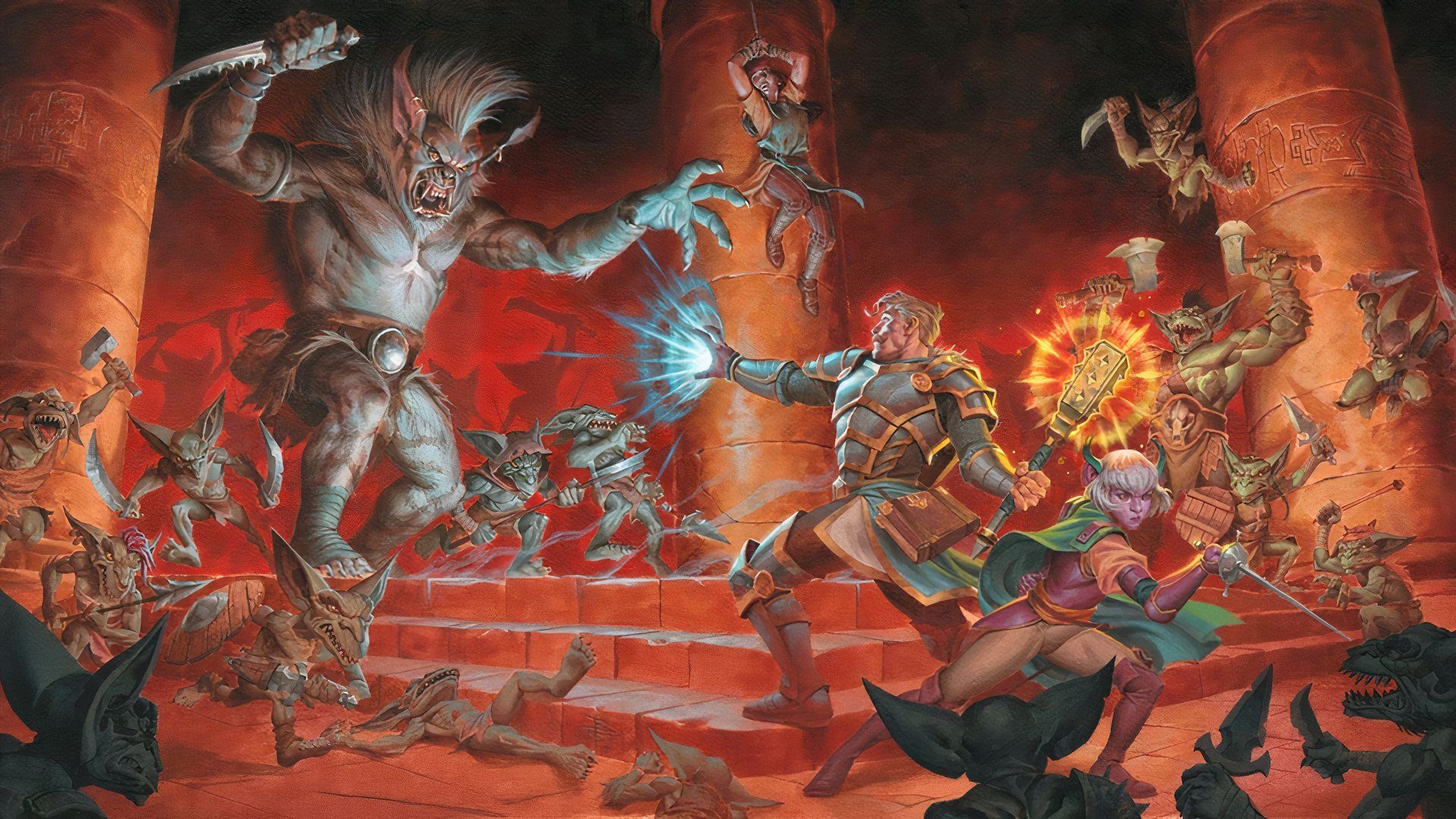
Many games trying to be like Dungeons & Dragons focus on things like mood, the world they’re set in, or how easy they are to learn. Some offer grimmer fantasy worlds, while others promise a faster pace or a stronger focus on storytelling. But Draw Steel, a new tabletop RPG from MCDM Productions, is taking a different approach. It’s specifically designed for players who really enjoy the strategic side of combat and see it as a core part of the game, not just something to get through to reach the story.
At first glance, Draw Steel seems like a typical fantasy role-playing game. It features heroes, a grid-based system, and familiar elements like classes, ancestries, and monsters reminiscent of games like Dungeons & Dragons, Daggerheart, or Pathfinder. However, once you start playing, it quickly becomes clear that this isn’t just a rehash of existing games. Draw Steel is built on a unique approach to combat, giving players more control and offering a different style of encounters. Importantly, the game has a clear vision of who it’s designed for.
Draw Steel Reverses Dungeons & Dragons’ Resource Economy on Purpose
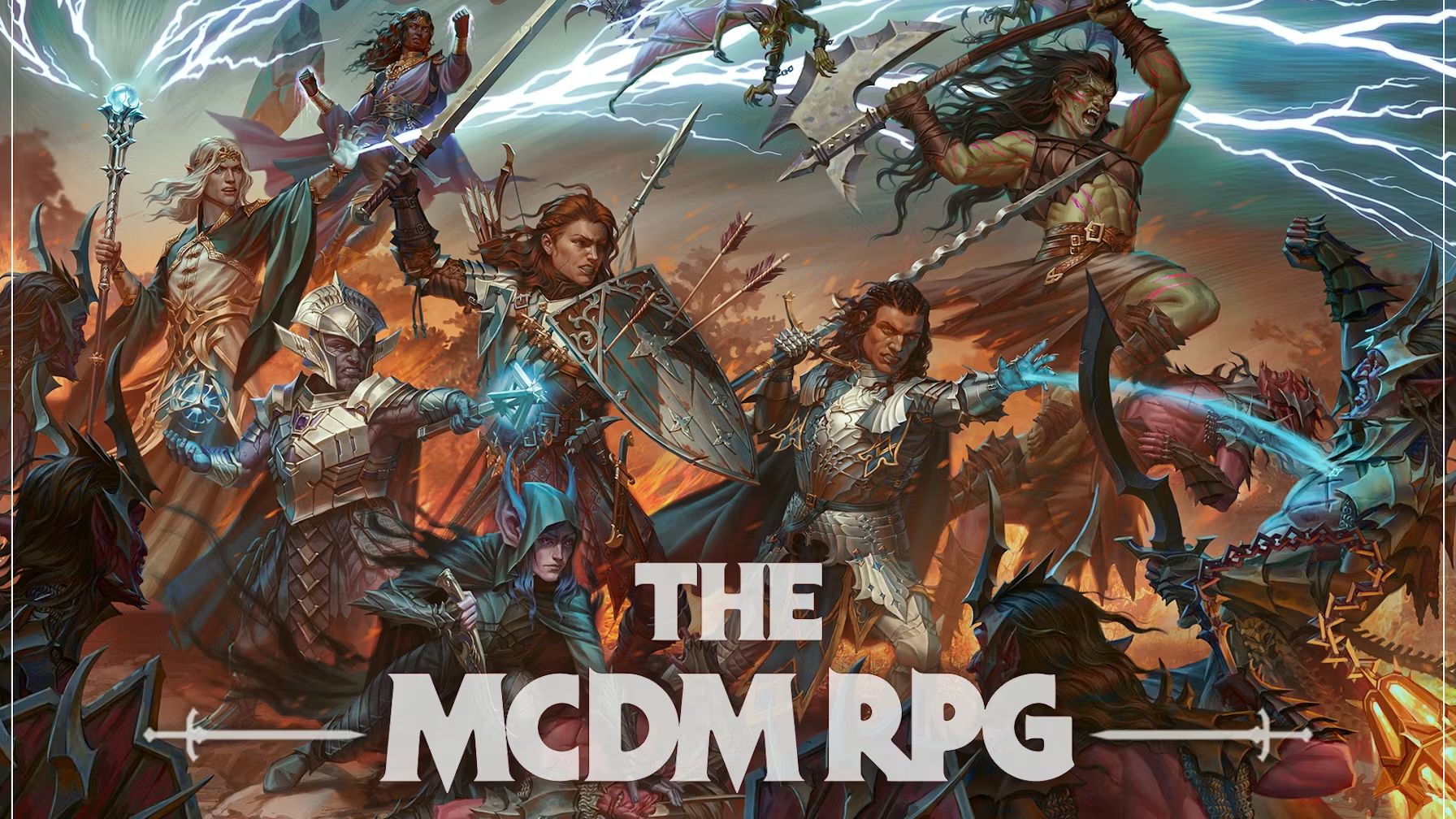
In Dungeons & Dragons battles, players start with all their special abilities ready to go – things like spells, powerful attacks, or extra focus. But as a day of adventure continues, they use up those abilities. Eventually, fights can become less exciting because characters are limited to simpler attacks.
Draw Steel changes how combat works in tabletop role-playing games, aiming to keep players focused and engaged. Instead of starting battles fully prepared, characters begin with limited resources. Both players and monsters gain power as the fight progresses, making longer battles more intense and rewarding. Strong abilities aren’t used right away; they’re earned through continued participation and skillful play.
Draw Steel Keeps the Long Haul Interesting
This design cleverly addresses a frequent issue in tactical games almost as a side effect. In Draw Steel, battles don’t become slow and repetitive; they build in intensity. Players are motivated to stay engaged, think about their positioning, and work together, as each round makes future turns even more important. This creates a distinctive rhythm that affects how a whole day of gameplay feels.
- Successful fights or critical role-playing moments earn the party Victory points. Victories allow players to begin later encounters with additional resources, based on how many fights or challenging scenarios they’ve survived throughout the in-game day.
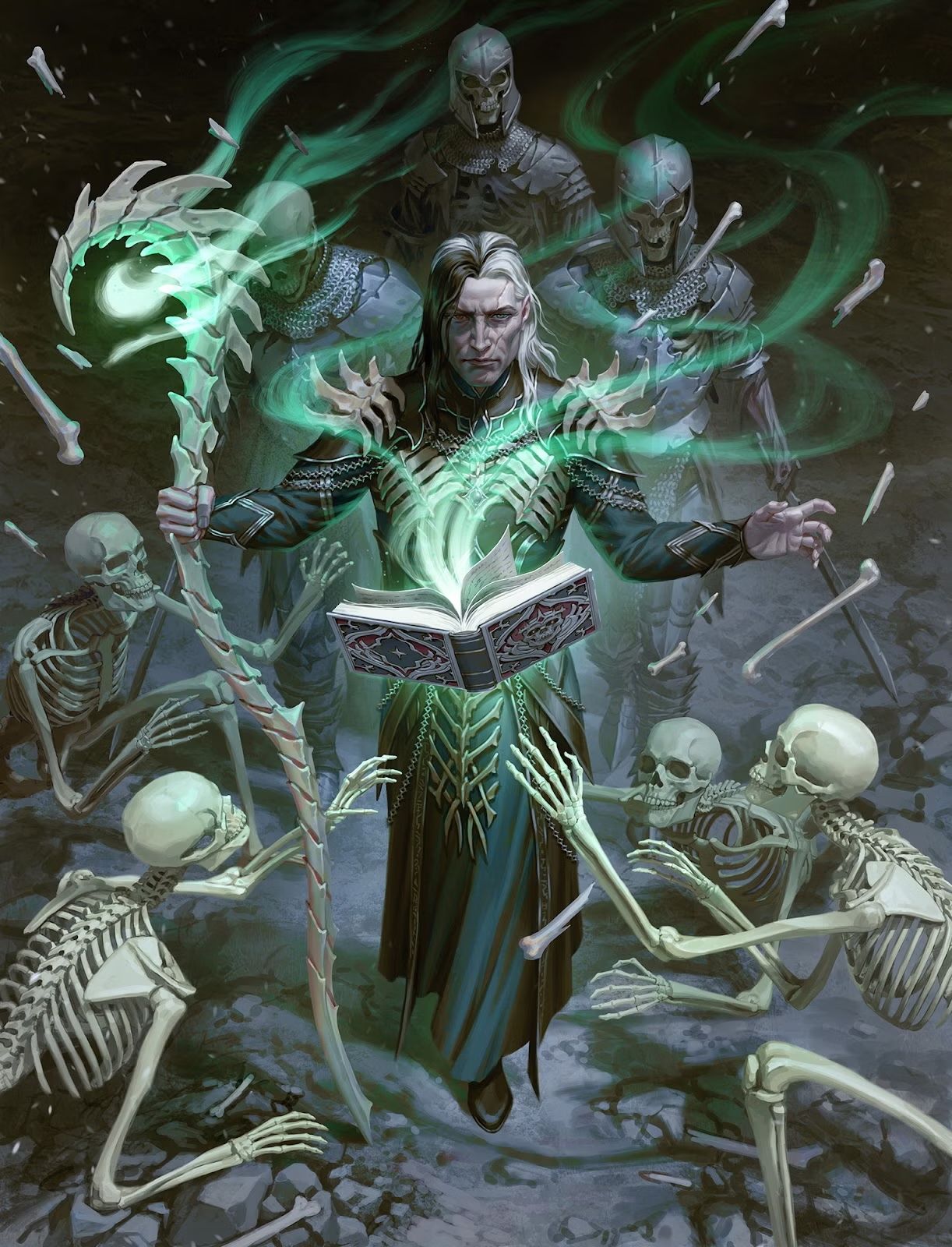
- As the day progresses, Victories ramp up. However, hit points (Stamina) steadily dwindle.
- Draw Steel creates a risk-reward tension where heroes become deadlier but more fragile, pushing groups to press their luck.
No Missed Turns, No Dead Air
In the game Draw Steel, every attack always hits and deals at least a little damage – the amount of damage depends on the roll. Unlike some tabletop games like Dungeons & Dragons, it largely avoids conditions that take characters out of the fight, such as being stunned. Players never miss their turn, meaning they’re always actively involved in combat.
Many tabletop role-playing games can be frustrating when bad luck causes you to lose a turn. Draw Steel avoids this intentionally. Instead of simply succeeding or failing, the game uses a three-level system for resolving actions. Most checks and attacks involve rolling two ten-sided dice (2d10) and adding any relevant modifiers. The results determine the outcome, categorized into three levels.
| Tier | Roll | Consequence |
|---|---|---|
| Tier 1 | 11 or lower | An attack might deal little damage. For ability checks or roleplay, this roll results in failure with a potential negative consequence. |
| Tier 2 | 12 to 16 | An average roll. You attack competently and succeed at the task at hand, though complete success may depend on difficulty and the discretion of the Director (Draw Steel’s version of Dungeon Master). |
| Tier 3 | 17+ | The best result on a die roll. An attack may result in high damage or a lasting effect, while roleplay might yield some extra benefits. |
Building a Character in Draw Steal May Be Easier Than in Dungeons & Dragons
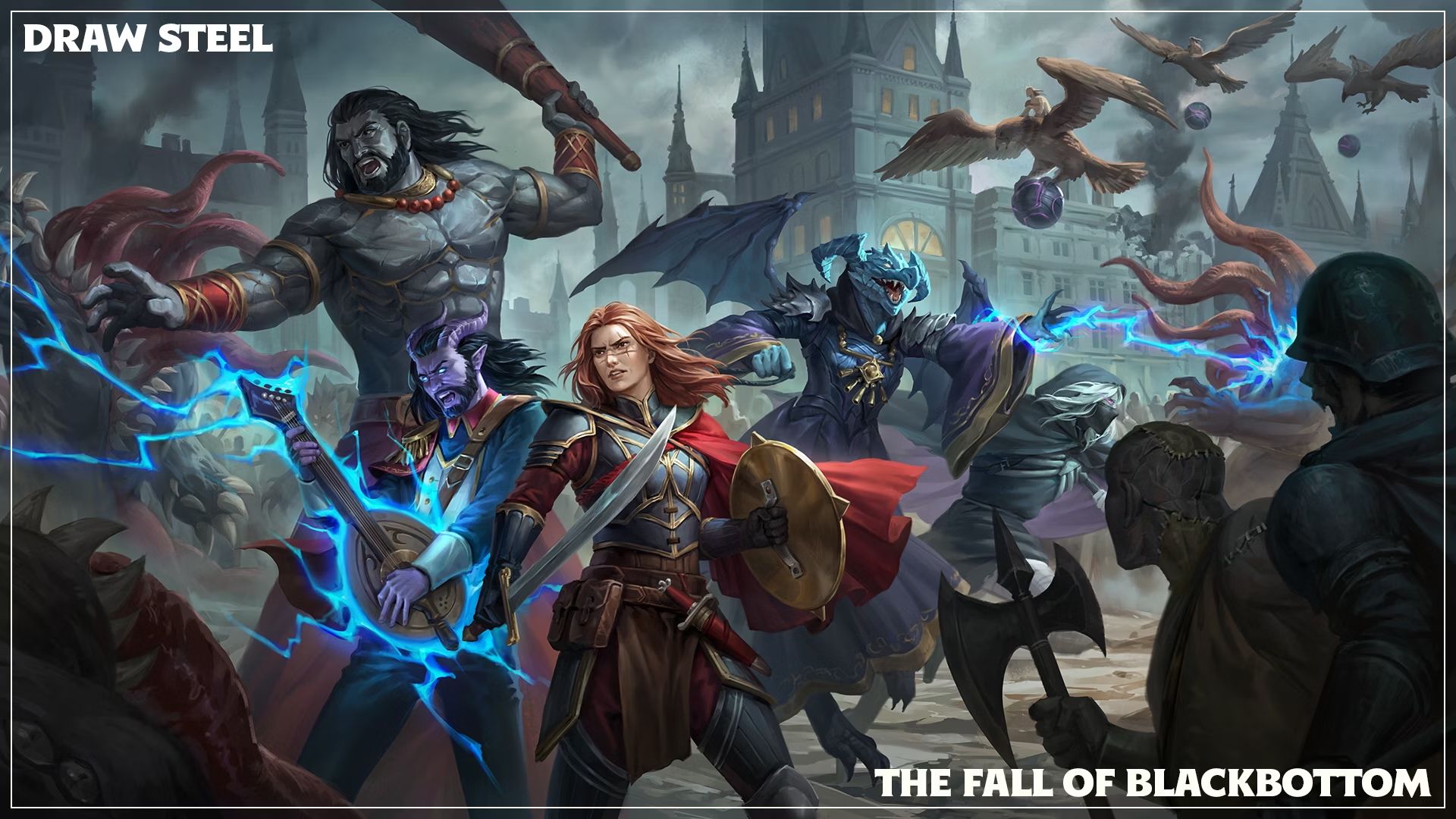
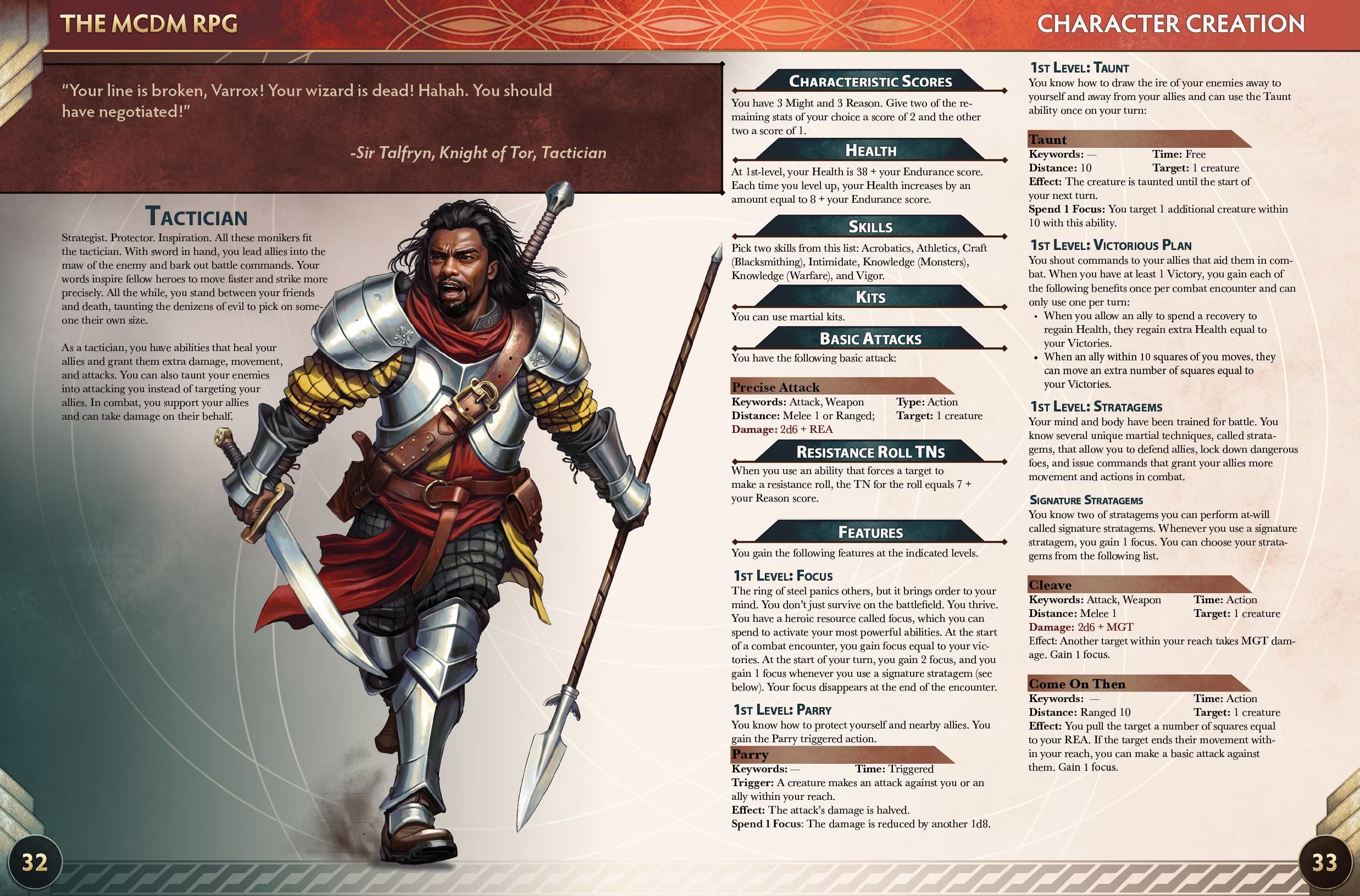
A potentially divisive aspect of Draw Steel for some players is its limited character optimization. It’s surprisingly hard to create a truly weak character. Core stats are fixed, there’s no way to deliberately weaken a stat, and the class system prevents significant mistakes in character building.
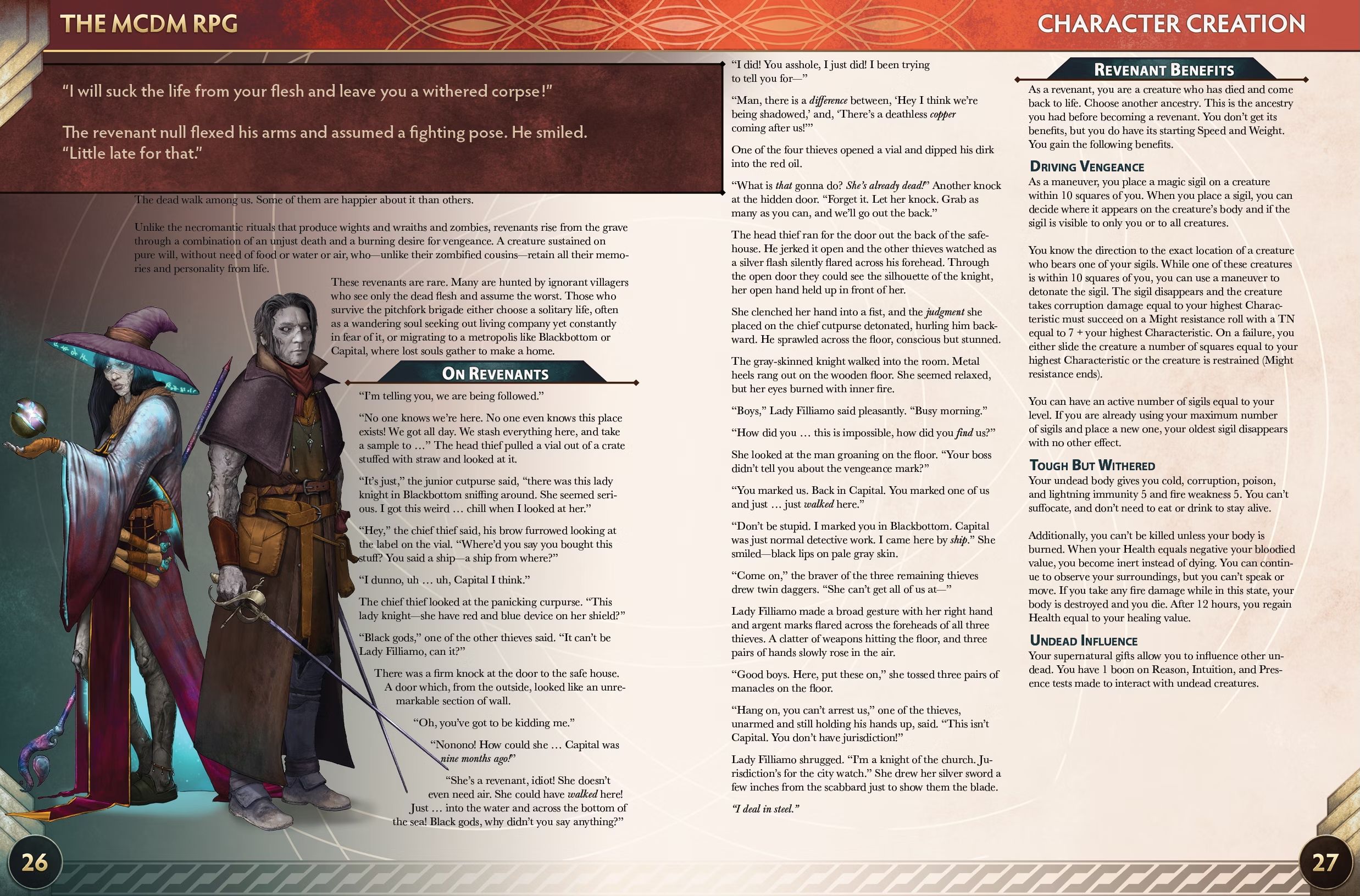
If you enjoy complex character builds with unusual combinations of abilities, Draw Steel might feel a bit limiting. The game doesn’t focus on rewarding intricate planning during character creation. Instead, it emphasizes skillful play. The biggest challenge comes from how well players work together, position themselves strategically, and react to changing situations during combat. Winning depends more on teamwork and performance than on having a perfectly optimized character sheet.
A Different Take on Classes
Okay, so the rules in this game are pretty streamlined – not a ton of reading! Abilities are described simply, and all the character classes feel about the same level of complexity. Honestly, making a character feels more detailed than a basic D&D 5e Fighter, but way less overwhelming than trying to build a super powerful Wizard. What I really like is that it doesn’t get crazy complicated as you level up. That means everyone at the table needs to be thinking strategically and contributing – it’s not just one or two people doing all the heavy lifting with the rules.
Tactical Depth Beyond Combat
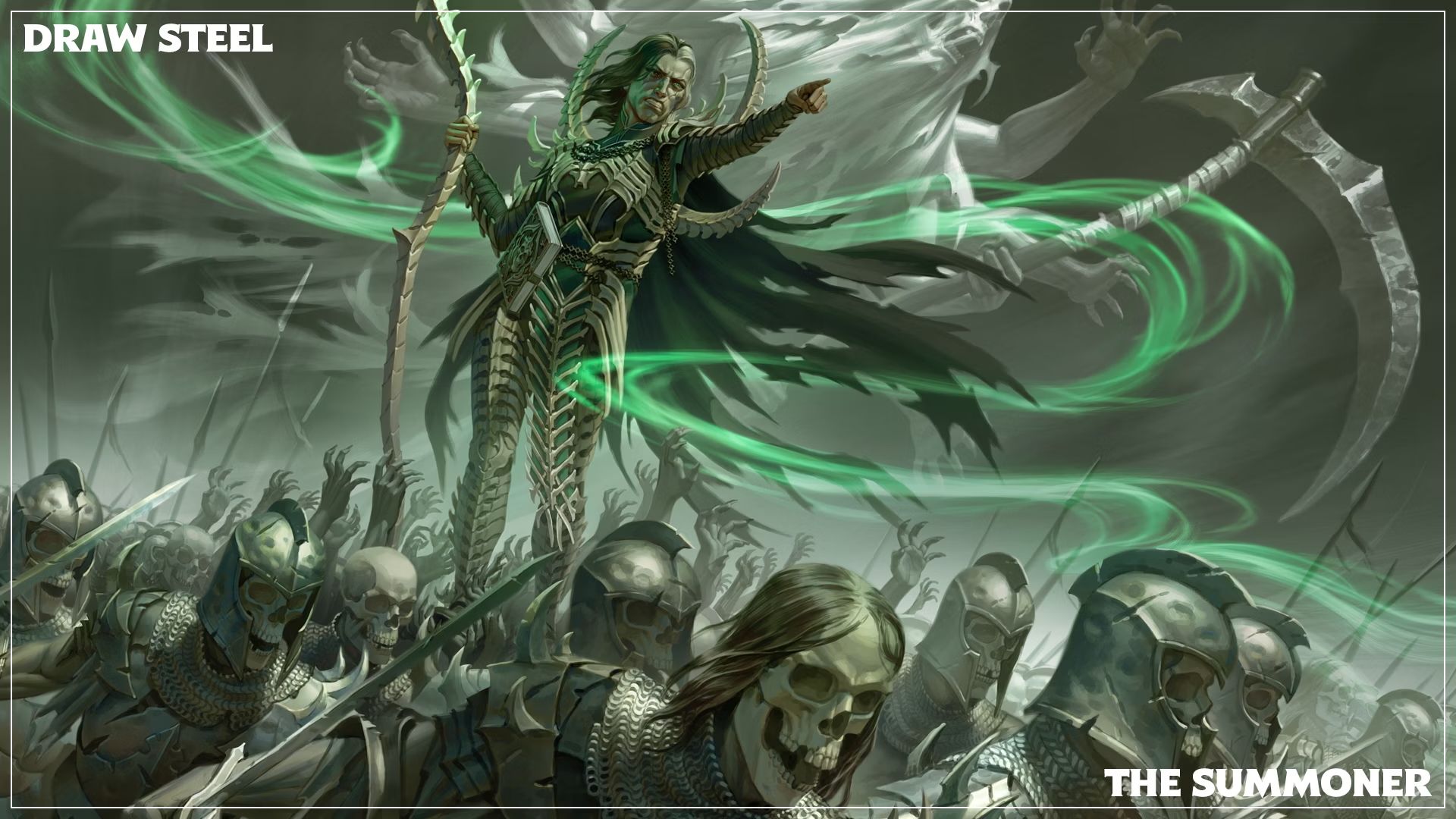
Even though Draw Steel is clearly built around combat, it doesn’t ignore the other parts of a traditional tabletop RPG. It includes rules for things like crafting, talking to people, relaxing between adventures, and ‘montage tests’ – which are similar to the skill challenges found in D&D. These systems make skills outside of fighting feel important, but without taking away from the game’s focus on tactical battles.
The game really shines when it comes to character creation, giving players detailed backgrounds, interesting challenges, and diverse career options. Draw Steel goes the extra mile to explain how characters from all sorts of backgrounds – even those you wouldn’t normally expect to become adventurers, like nobles, craftspeople, or the poor – ended up on their heroic paths. These characters aren’t just thrown into the adventure; they have clear reasons and motivations for getting involved.
Draw Steel Knows Exactly Who It’s For
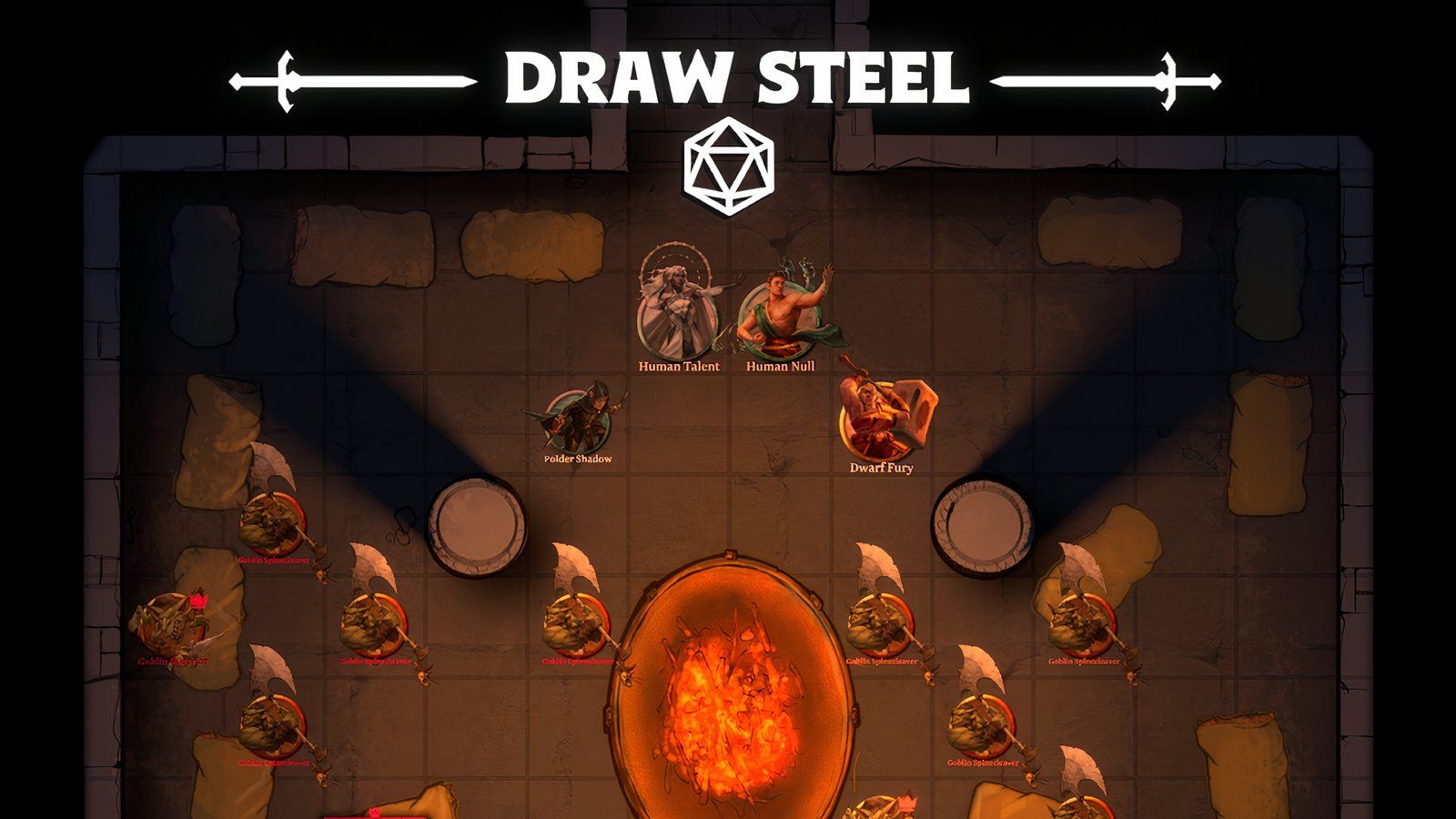
Draw Steel has quickly become a success, exceeding expectations for its funding and proving there’s a strong demand for RPGs that prioritize thoughtful, engaging encounters. It’s a great option for players who enjoy strategic combat, dislike slow or uneventful turns, and want battles that become more thrilling as they progress. Instead of trying to redefine what Dungeons & Dragons should be, Draw Steel focuses on what tactical combat enthusiasts want from a fight and has built its entire system around delivering that experience.
Read More
- All Shadow Armor Locations in Crimson Desert
- Best Bows in Crimson Desert
- How to Get the Sunset Reed Armor Set and Hollow Visage Sword in Crimson Desert
- All Golden Greed Armor Locations in Crimson Desert
- Wings of Iron Walkthrough in Crimson Desert
- How to Craft the Elegant Carmine Armor in Crimson Desert
- All Helfryn Armor Locations in Crimson Desert
- All Skyblazer Armor Locations in Crimson Desert
- How To Beat Ator Archon of Antumbra In Crimson Desert
- Keeping Large AI Models Connected Through Network Chaos
2025-12-16 19:06