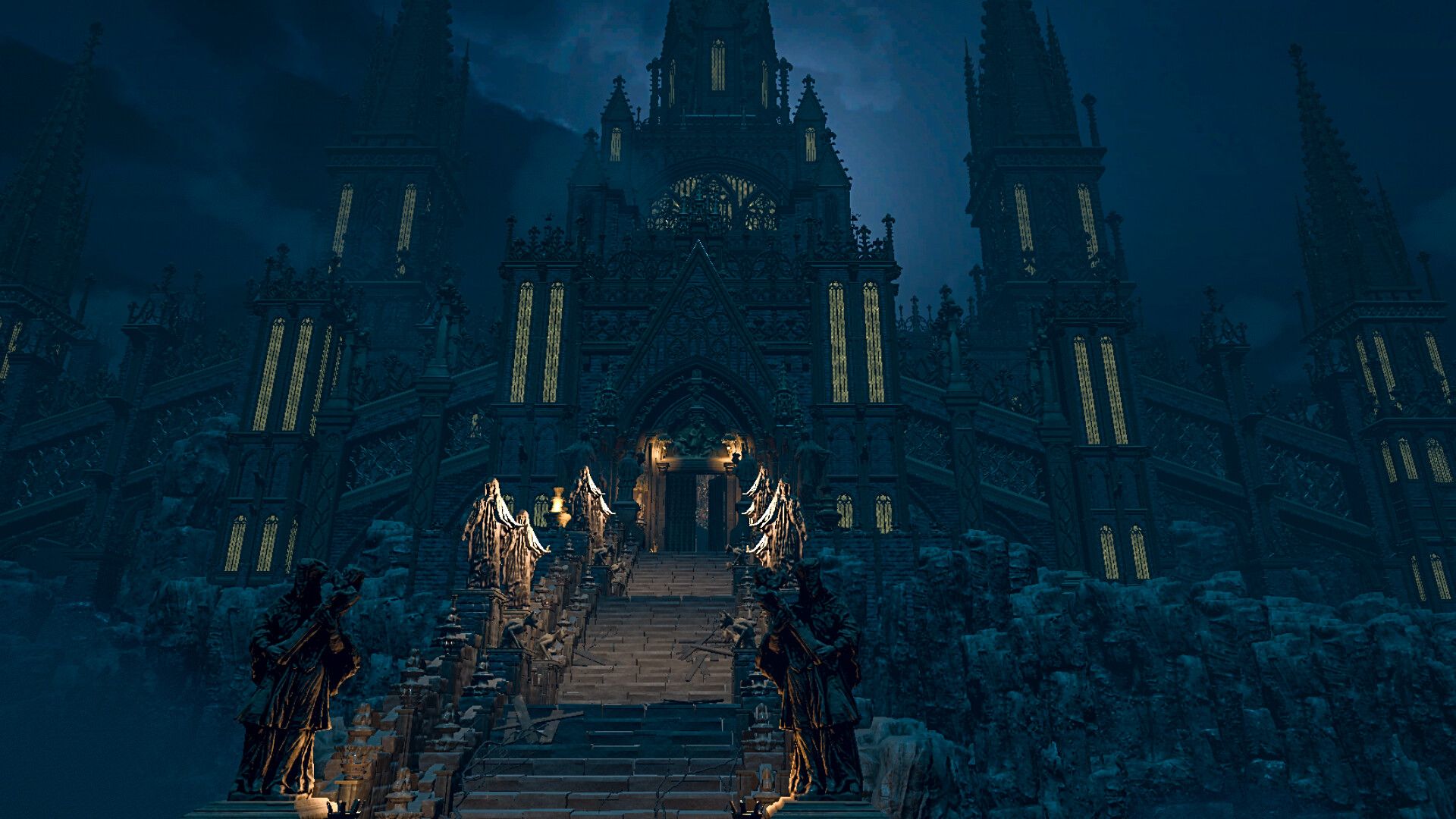
Count Dracula remains one of the most fascinating characters in horror, and a new game on Steam is hoping to tap into that appeal. Called Dracula: Crimson Apostle, the game offers a fresh take on the classic Dracula story, potentially delivering a unique and compelling narrative within a well-known framework.
Minor spoilers for Bram Stoker’s Dracula and Dracula’s Guest ahead.
Bram Stoker’s Dracula, first published in 1897, is a classic of Gothic horror and largely responsible for shaping how we think about vampires today. The story centers on Count Dracula, a nobleman from Transylvania who became a vampire long ago. The novel is told through journal entries, primarily those of Dr. John Seward, a psychiatrist. Interestingly, much of the story’s disturbing detail comes from one of Seward’s patients, R.M. Renfield, who is a severely disturbed and delusional man. Seward runs an asylum, and Renfield is one of his most troubled patients. Now, a new Steam game, Dracula: Crimson Apostle, will explore Renfield’s story, offering a rare look at a more rational side of the character.
How Does Dracula: Crimson Apostle Fit Into Stoker’s Lore?
Renfield, the Bug-Eating Madman
Renfield is a character whose portrayal changes depending on the story, but he’s always intensely devoted to Dracula. Confined to an asylum, he believes Dracula will save him and transform him into an immortal being. A central aspect of his mental illness is a strange belief involving small animals – he captures and consumes insects, rodents, and cats, convinced he can absorb their life force and gain power.
The character Renfield surprisingly gave its name to a recognized psychiatric condition. Known as Renfield syndrome, and first identified in 1992, it involves an obsession with drinking blood.
 Rearrange the covers into the correct US release order.
Your Order
Results
— —
Renfield is a pretty unique choice for a video game hero, so it’ll be fascinating to see how Dracula: Crimson Apostle handles his story. The game’s trailer implies he’s just arriving at Dracula’s castle, possibly before he’s fully lost his mind. The game’s Steam page reveals Renfield will have visions, but it’s unclear if these are caused by Dracula or if they stem from his own developing mental health issues.
Countess Dolingen von Gratz, Dracula’s Unwilling Guest
Countess Dolingen von Gratz first appeared in the short story Dracula’s Guest, published after Bram Stoker’s death by his wife, Florence. Florence believed this story was originally intended as part of the novel Dracula but was removed to keep the book at a reasonable length. Regardless, Dracula’s Guest—and later, Dracul by Bram Stoker’s great-nephew Dacre—shows that Dolingen became a vampire through unfortunate circumstances. After losing her human life, she was taken captive by Dracula, who desired her. However, she consistently refused his advances, remaining bitter and rebellious towards him until her end.
I’m really fascinated by Countess Dolingen von Gratz! Knowing she’s an opponent of Dracula, I can’t wait to see what happens with her in Dracula: Crimson Apostle. It’s so intriguing that she seems to be manipulating Renfield – he even says he’s seen her in his dreams before they actually met! She’s clearly a clever and possibly untrustworthy character, and I think that dynamic, especially with how devoted Renfield is to Dracula, is going to create some seriously compelling moments in the story. It’s a really exciting setup!
Dracula: Crimson Apostle Has the Lore for a Great Experience, but What About Gameplay?
Dracula: Crimson Apostle is fundamentally a puzzle game, but it’s designed like games such as The Talos Principle or Portal, where the story is just as important. Games like these are tricky to get right because they demand players really buy into the world – otherwise, a string of difficult puzzles feels silly and out of place. Only a strange or fantastical story can make those kinds of challenges seem believable.
Of course, the puzzles need to be interesting and challenging. Currently, Dracula: Crimson Apostle appears to be taking inspiration from puzzle design in games like Silent Hill and Resident Evil. These puzzles seem to focus on how players think about space and identify patterns within the game. For example, players might need to arrange books in a specific order on a shelf or place pictures in the correct frames to move forward.
Puzzle games are often excellent at telling stories through their environments, acting as detailed and thought-provoking scenes. In Dracula: Crimson Apostle, the puzzles aim to provide an immersive experience, helping players understand the mind of the infamous Dracula and offering a richer understanding of the Dracula story as a whole.
Read More
- All Skyblazer Armor Locations in Crimson Desert
- All Shadow Armor Locations in Crimson Desert
- How to Get the Sunset Reed Armor Set and Hollow Visage Sword in Crimson Desert
- Marni Laser Helm Location & Upgrade in Crimson Desert
- All Golden Greed Armor Locations in Crimson Desert
- All Helfryn Armor Locations in Crimson Desert
- Best Bows in Crimson Desert
- Keeping Large AI Models Connected Through Network Chaos
- How to Craft the Elegant Carmine Armor in Crimson Desert
- All Icewing Armor Locations in Crimson Desert
2026-02-25 17:04