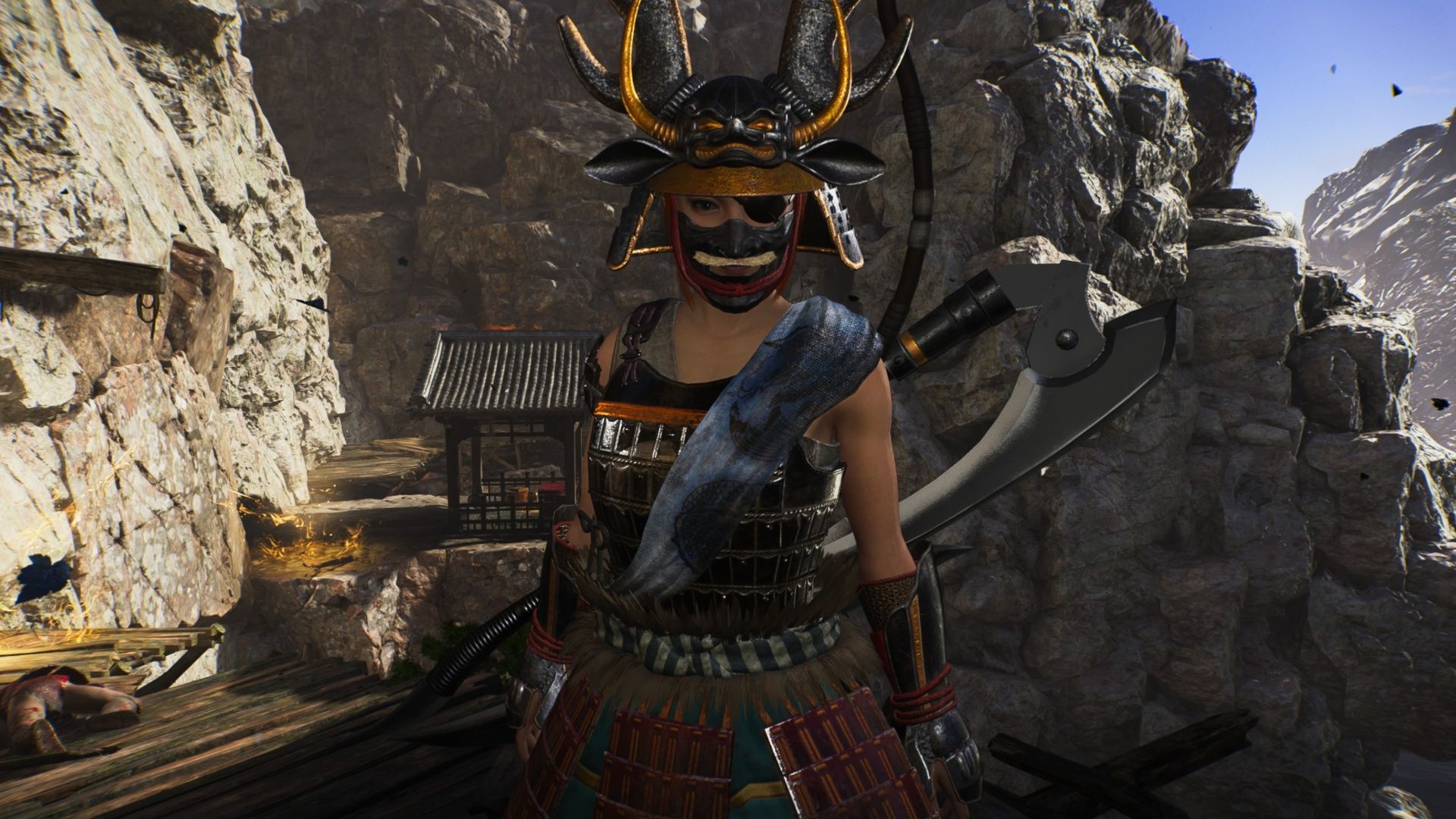
At their core, Soulslike games are action RPGs, meaning you can usually create and customize your character, improve their abilities, find new equipment, and collect weapons. However, they stand apart from other action RPGs due to their notoriously high difficulty, which can be a challenge for even experienced players.
Team Ninja’s Nioh games are considered among the best “Souls-like” action RPGs, alongside titles like Bloodborne and Dark Souls. But how does the newest installment, Nioh 3, stack up? Does it make the series more accessible to players new to the genre by focusing more on action RPG elements? Let’s take a closer look.
So Many Ways To Level Up
From Amrita To Titles
Most games like Nioh 3 only let you level up using experience points. In Nioh 3, these points are called Amrita and they directly increase your stats and level. But unlike many similar games, almost everything you do in Nioh 3 contributes to leveling up your character. For instance, saving Kodama spirits or praying at Jizo shrines unlocks Blessings, which can give you helpful boosts, like a better chance of finding healing items.
The game lets you earn titles by completing actions, which then increase your stats like attack power. You can also develop your character through skill trees specific to the Samurai and Ninja fighting styles, and there are many other systems to learn. It might seem overwhelming at first, but spending time in menus is more common in traditional RPGs – both action-based and turn-based – than in Souls-like games, so players of Nioh 3 should prepare to do a lot of it.
Character Customization Beyond The Character
Resetting Stats And Other Bindings
Nioh 3 offers extensive character and equipment customization. Players can initially create and personalize their character, Takechiyo, choosing their appearance. You can further modify this later in the Eternal Rift, the game’s central hub. This hub also allows you to use transmog, changing the visual look of your weapons and armor without affecting their stats.
Players can freely reset their character’s stats and progression systems, like Blessings, letting them experiment with different builds without penalty. While some might think ‘Souls-like’ games are inflexible, and action RPGs are always open-ended, Nioh 3 really emphasizes player customization. This means plenty of options for fine-tuning your character through the game’s menus – something RPG fans will appreciate.
No Difficulty Levels, But Levels Actually Matter
Feel The Burn!
Most games similar to the Souls series don’t offer adjustable difficulty settings. Stranger of Paradise: Final Fantasy Origin is the closest example, as it includes difficulty levels and plays more like a traditional action RPG. While Nioh 3 doesn’t have difficulty levels, it’s still relatively accessible. The game displays a level range for each area, and players who are considerably higher level will find the experience much easier.
Unlike many games similar to it, leveling up in Nioh 3 actually makes you stronger, just like in classic RPGs. The game also lets you call on AI helpers found at Benevolent Graves to take some of the heat off you. And joining or hosting multiplayer sessions is simpler than ever. These features are similar to those found in Monster Hunter Wilds, another excellent action RPG known for being both difficult and easy to pick up.
Amrita Is Different From Currency
Gotta Make Money
I absolutely love Elden Ring, but like a lot of Souls-like games, it uses the same stuff for leveling up and buying things from merchants. It’s a little annoying to me! Nioh 2 does something I really appreciate though – it keeps your character progression separate from your in-game money, which feels much more like a classic RPG.
If Final Fantasy XV had made players use in-game money (Gil) for both leveling up and buying items, it would have created a lot more repetitive gameplay, potentially turning fans away. Nioh 3 avoids this by keeping different currencies separate, allowing players to browse shops and spend money without feeling pressured to do so.
Who’s That Character?  Identify the silhouettes before time runs out.
Results
High Score: 0 —
A Genuine Quest System
And Looking For Collectibles
Sometimes, Nioh 3 feels less like a challenging action RPG and more like a game where you collect items, similar to Donkey Kong Bananza. The game map is filled with icons that point to hidden collectibles like Scampuss, Chijiko, and Kodama. Finding these unlocks helpful bonuses for players.
Unlike many games in the Soulslike genre, Nioh 3 features clear and well-tracked quests alongside familiar elements like hidden treasure, combat arenas, and challenging mini-bosses. While the stories aren’t as deep as those found in games like The Witcher 3: Wild Hunt, the quests focus on helping players improve their abilities and find better equipment. This emphasis on clear objectives and a ‘checklist’ approach to progression sets Nioh 3 apart from typical Soulslike games.
An Easy Story To Follow
No Deep Lore To Get Lost In
A strong story is a major draw for RPG fans, but many ‘Souls-like’ games don’t focus heavily on narrative. While games like Elden Ring build interesting worlds and atmospheres through their lore, that lore can be difficult for players to piece together. Nioh 3’s story isn’t as epic as those found in top action RPGs like Final Fantasy 7 Rebirth or NieR: Automata, but it’s much easier to understand.
In the game, the player’s brother, Kunimatsu, has been corrupted by power and is bringing demons to Japan. Players must now stop him. By forging alliances with real people, the game aims to make players feel like important participants in the story and world, rather than just tools of fate or reanimated warriors.
The Loot System
From Gear To Weapons
What really makes the Nioh series stand out from other games like Dark Souls is how it handles loot. It’s much more similar to Diablo, adding a strong RPG element. This focus on loot is even bigger in Nioh 3, with gear dropping that’s suited for both Samurai and Ninja players. Some weapons are specifically for Samurai characters – like hammers – while others, such as kusarigamas, are best used by Ninjas.
Players will constantly find new loot from enemies, giving them ways to improve their character even as they level up. Similar to popular action RPGs, weapons in Nioh 3 get stronger the more you use them, and some even unlock special abilities. Plus, having a wide variety of weapons to choose from lets players experiment and find what works best for them.
More Of An Overall Skill Set
Prepping For Cooldowns
Many games inspired by the Souls series feature special weapon abilities or magic. Nioh includes both, with a particularly robust system. While it looks like a typical action RPG, Nioh adds unique mechanics: as a samurai, you build up a meter to unleash powerful weapon skills. Ninjas use Ninjutsu – spells and tools – that recharge as you fight enemies, creating a cooldown-based system.
Players can also unlock powerful transformations called Living Artifacts. As you play, you’ll collect Spirits that, when equipped, give you various advantages. Once the Living Artifact meter is full, Samurai and Ninja characters can activate a powerful transformation—similar to the Super Saiyan form in Dragon Ball Z. While transformed, HP and stamina don’t matter, and you get a huge boost in power, comparable to Limit Breaks in Final Fantasy games.
Read More
- All Shadow Armor Locations in Crimson Desert
- Sega Reveals Official Sonic Timeline: From Prehistoric to Modern Era
- Dark Marksman Armor Locations in Crimson Desert
- Genshin Impact Dev Teases New Open-World MMO With Realistic Graphics
- The Limits of Thought: Can We Compress Reasoning in AI?
- Where to Pack and Sell Trade Goods in Crimson Desert
- How to Beat Antumbra’s Sword (Sanctum of Absolution) in Crimson Desert
- Enshrouded: Giant Critter Scales Location
- Who Can You Romance In GreedFall 2: The Dying World?
- Keeping AI Agents on Track: A New Approach to Reliable Action
2026-02-12 15:37