Open-world games are fantastic for exploring the conflict between good and evil. Unlike games that offer just one point of view, these games let you discover the stories, beliefs, and reasons behind every character’s actions. Some games cast you as the hero, on a quest to save the world, while others allow you to choose your own path – whether to be a force for good or evil. But occasionally, a game will present you as the villain, either from the beginning or as a result of the choices you make, changing how others see you.
Often, games create compelling characters who aren’t simply good or evil, forcing players to make difficult choices where doing good might require causing some harm. Players also have the option to fully embrace a villainous role, causing chaos and destruction. Regardless of the reasons behind this portrayal, it’s fascinating to be seen as the ‘bad guy,’ especially when the player’s intentions are actually good.
Prototype
Not Exactly A Superhero
- Civilians and soldiers react to Alex Mercer with fear.
- Progress is tied to destruction.
The game Prototype perfectly demonstrates how to build a main character who is the opposite of a traditional hero. Alex Mercer isn’t a conflicted or morally ambiguous figure; he’s a powerful and destructive force who immediately unleashes chaos on New York City. People run from him, the military tries to eliminate him, and the city actively fights back as the player continues to wreak havoc.
As a player, I love how the game world really lets you be a super-powered menace. You can climb buildings, divebomb from crazy heights, and just wreck everything – and the city definitely sees you as the bad guy! The story doesn’t try to make you a hero either; you’re a force of destruction from beginning to end, which is awesome. It’s not a surprise they even cast me as the villain in Prototype 2 – I fully embraced the role!
Dying Light 2
Feared More Than Trusted
- You are openly distrusted by most characters.
- Resentment from entire zones depending on your choices.
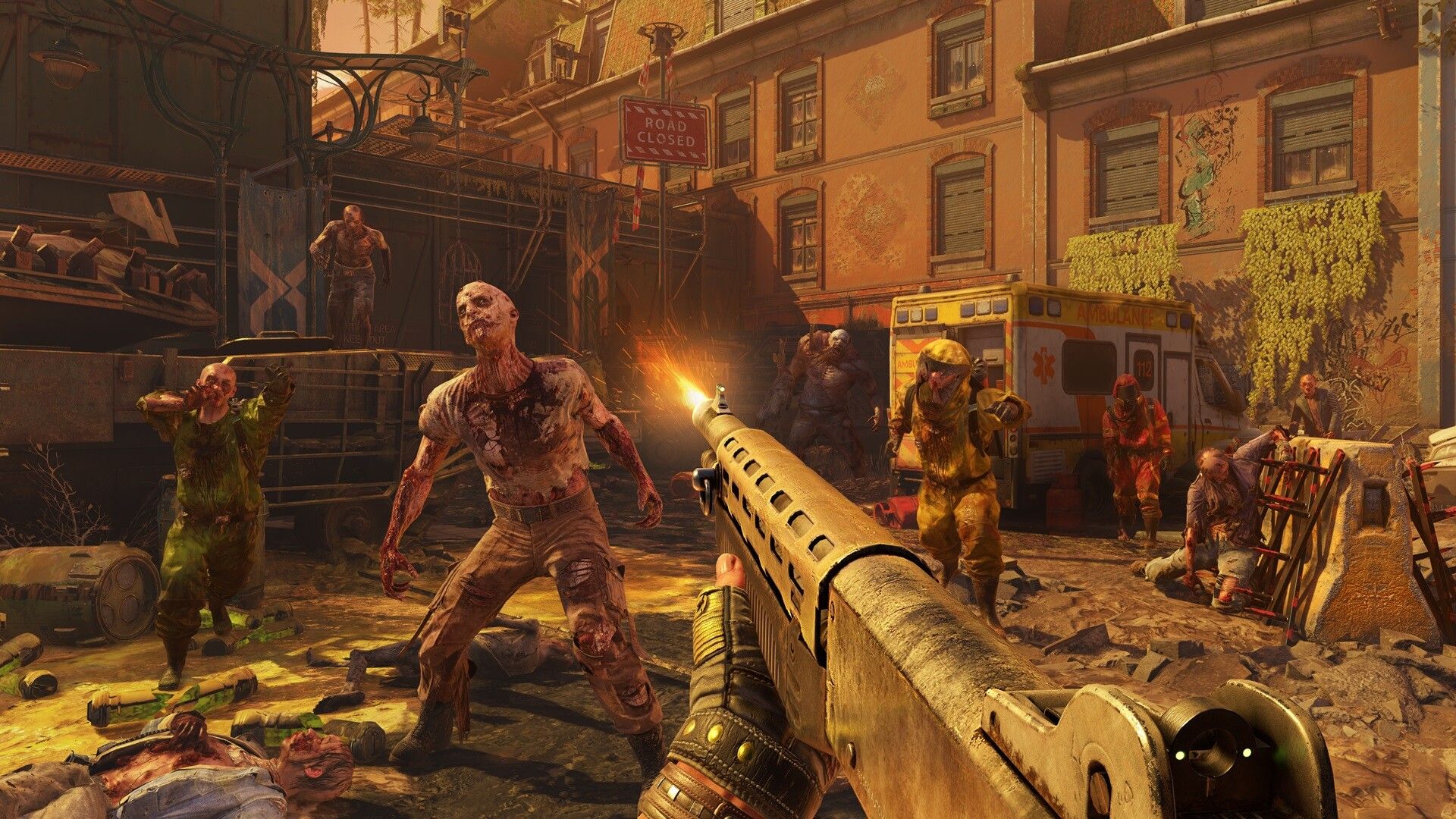
Although Dying Light 2 introduces Aiden as someone who could be a hero, the game’s world doesn’t often see him that way. His special powers, aggressive behavior, and resistance to the infection make most people uneasy, and NPCs often respond with fear or even aggression.
The more decisions you make, the more likely entire areas will turn against you, based on who gains from your choices. This creates a world where even friends might seem untrustworthy. Because everyone is focused on surviving, people are quick to see you as a threat rather than a potential helper, making trust a more difficult challenge than any monster you’ll face.
Red Dead Redemption 2
Outlaws In A Lawful World
- Arthur is framed as the bad guy by many.
- The law is constantly at odds.
Red Dead Redemption 2 follows Arthur Morgan as he navigates a changing world that’s leaving him behind. No matter how players choose to act, the game portrays Arthur as an outdated and doomed figure. He’s constantly pursued by law enforcement, and towns become increasingly unwelcoming, creating a sense that the world is closing in on him from the very beginning.
What really struck me about this game is how it constantly reminds you that you’re an outlaw. Even when you try to do something good, it feels fragile, like it could be ripped away at any moment. No matter how much kindness Arthur shows, there’s always this undercurrent of animosity, a feeling of being hated that just sticks with you – it really mirrors his own tragic destiny, you know?
Watch Dogs
On The Run From Start To Finish
- The media portrays Aiden as a domestic terrorist.
- Civilian panic during the action escalates matters.
In Watch Dogs, the player character, Aiden Pearce, is constantly portrayed as the bad guy. No matter how much progress you make in the game, the citizens of the city always see him as a dangerous threat. The media consistently paints Aiden as a terrorist, keeping everyone on edge and afraid, and this reputation sticks with him no matter what good he tries to do.
The game cleverly uses fear because it’s almost impossible to avoid hurting innocent civilians while completing objectives or exploring. While hacking offers a path forward, the harm caused to bystanders makes any heroic intentions feel unsettling, and there’s no way to take back those actions.
InFAMOUS
A Slow Descent Into Corruption
- A morality system that ties into public perception.
- Even good paths come with backlash.
The game InFAMOUS is unique because it closely monitors how evil a player becomes. As Cole MacGrath gains powers, people react to his choices, changing their opinion of him depending on whether he acts like a hero or a villain.
Even when you’re trying to do good, people will still be afraid of your abilities. Ordinary citizens will react with fear, and soldiers will attack on sight, meaning you’re always seen as a threat. It’s not about what you mean to do, but how your power looks – people will worry it could be used for harm, even if you have no intention of doing so.
The Witcher 3: Wild Hunt
Treated Like A Monster Rather Than A Savior
- Open insults by NPCs, right to Geralt’s face.
- Quests are defined by moral ambiguity.
In The Witcher 3, Geralt frequently rescues people, but his efforts often go unappreciated and don’t change how others see Witchers. They are consistently feared, insulted, and mistrusted, and characters readily voice their negative opinions, often believing Witchers are just as bad as the monsters they kill, despite the good they do.
This idea stays consistent throughout the game. Even when Geralt makes good choices, the results are usually bleak and don’t match up with typical heroic expectations. While he isn’t a classic anti-hero, the world generally sees him as more of a troublemaker than a savior, despite his efforts to fight evil.
Cyberpunk 2077
Causing Problems For Everyone In Night City
- V is little more than expendable muscle for Fixers.
- Corporations treat V as a major threat.
Cyberpunk 2077 presents a world with murky ethics, and the player character, V, isn’t any different. No matter who V chooses to side with, they’ll always be viewed negatively – either as a threat to corporations or simply as a disposable asset for those who operate in the shadows.
The game’s missions highlight the difficult moral decisions players face, and there are never any easy solutions without consequences. The main character isn’t a traditional hero; they’re motivated by personal ambition and don’t hesitate to harm others to achieve their goals.
Fallout: New Vegas
The Most Dangerous Factor In The Wasteland
- Reputation ties into perception.
- Neutrality can be more problematic than allegiance
Fallout: New Vegas really shows how much a character’s reputation can change during a playthrough. With so many different groups fighting for control, you might be seen as a helpful ally by one faction, while another considers you a terrible enemy.
Interestingly, choosing a neutral path can be more dangerous than openly siding with an enemy. This world and its relationships are so delicate that people tend to assume the worst in others, fearing betrayal. This leads to widespread distrust of anyone who doesn’t clearly belong to a particular group.
Read More
- The Limits of Thought: Can We Compress Reasoning in AI?
- Genshin Impact Dev Teases New Open-World MMO With Realistic Graphics
- Sega Reveals Official Sonic Timeline: From Prehistoric to Modern Era
- Where to Pack and Sell Trade Goods in Crimson Desert
- ARC Raiders Boss Defends Controversial AI Usage
- Top 10 Must-Watch Isekai Anime on Crunchyroll Revealed!
- Who Can You Romance In GreedFall 2: The Dying World?
- Zero-Knowledge Showdown: SNARKs vs. STARKs
- Top 8 UFC 5 Perks Every Fighter Should Use
- Best Build for Operator in Risk of Rain 2 Alloyed Collective
2026-01-20 08:35