As a gamer, I’ve noticed that a lot of open-world games now basically need you to use quest markers to get around their huge maps. And yeah, they’re useful, sometimes even necessary, but honestly, they kinda ruin the feeling of actually being in the game world. I mean, think about it – real life doesn’t have a glowing arrow telling you where to go! If I want to really feel like I’m living in the game, just following a marker on the screen doesn’t quite cut it.
I’ve been playing some seriously cool open-world games lately, and what really sets them apart is how they just let you go. Forget those games that hold your hand every step of the way with quest markers and constant tutorials. These ones just drop you in, sometimes with nothing but the clothes on your back, and say, ‘Okay, figure it out!’ It’s totally up to me to learn how to survive, decide what I want to achieve, and then actually do it. Seriously, no quest markers, no help – it’s all on me, and it’s awesome.
Outer Wilds
Let Curiosity Be Your Guide
I honestly don’t think
Players usually start at Giant’s Deep because it’s the first planet visible when the game begins, but you’re free to explore the Ash Twins, Brittle Hollow, or the Sun Station right away if you prefer. Your ship’s log is the only real guide, keeping track of discoveries and hinting at what remains to be found. Otherwise, you decide where to go and what to do.
Pathologic 2
If The Answers Were Obvious, Anyone Could Do It
Pathologic 2 is the opposite of Outer Wilds in many ways. Unlike that game, it doesn’t encourage exploration with a lack of direction – instead, it throws you into difficult situations where your decisions have serious consequences. You play as someone trying to save their town from a deadly plague that can quickly shut down areas and kill important characters if you can’t find a cure.
You’ll generally have a good idea of your overall goal, but figuring out the details is up to you. This creates a lot of pressure, especially when things are already difficult, and forces you to prioritize your time. If you don’t act quickly, challenges will only increase. It’s helpful to keep track of where important characters are located, as they aren’t shown on the map and you’ll likely need to find them quickly.
The Legend Of Zelda: Tears Of The Kingdom
Any Direction, In Any Order, For As Long As You’d Like
Similar to the previous game, The Legend of Zelda: Tears of the Kingdom quickly gets you started with a brief tutorial, and then lets you explore the world however you want. You’re free to choose quests and activities in any order, and complete them using any approach. The game doesn’t hold your hand with quest markers; instead, you need to manually mark important locations on your map if you want to remember where they are.
What I really love about Tears of the Kingdom is how much freedom it gives you. The Fuse ability is a game-changer – I can combine pretty much anything to build my own stuff, whether it’s a crazy weapon, a vehicle to get around, or just whatever I can dream up. Honestly, even after playing for almost three years, the level of creativity it lets me express is unlike anything I’ve ever experienced. The game doesn’t hold your hand at all; it wants you to figure things out yourself. There’s a bit of experimenting involved, sure, but when you finally come up with a totally unique solution to a problem, the feeling is incredible.
Outward
Survival Mechanics, RPG Mechanics, And An Omniscient Autosave
The beginning of Outward is incredibly immersive. You start with your customized character and are left to discover how the game works on your own. Combat is challenging, similar to the Souls games – expect a lot of dodging and learning enemy attacks. But watch out! The game also has realistic survival elements that can catch you off guard if you’re not careful.
Your character needs to eat, rest, and stay warm, and can even get sick. Figuring out how to prevent these problems and deal with them when they happen is a big part of what makes the game enjoyable. The game automatically saves, so you can’t just reload an earlier save if things go wrong. It’s fun to play alone, but even better with a friend – working through challenges together and sharing ideas makes the tough parts much easier.
Kenshi
No Quest Means No Quest Markers
Kenshi breaks from traditional RPGs by eliminating the usual main questline. You’re simply placed in the game world and left to survive, with complete freedom to choose your path and motivations. Character progression works similarly to Skyrim, but is more challenging: your skills improve based on how you play – the more you steal, the better you become at it, and frequent combat will hone your fighting abilities.
You don’t need a specific goal in Kenshi, but you can set one if you like and work towards it. There are very few restrictions on what you can accomplish. The real difficulty lies in figuring out how to do things and staying alive long enough to achieve them. Whether you want to gather companions, build a base, explore the world, or simply try to survive, it’s all possible. It’s up to you to decide what you find compelling.
Shadow Of The Colossus
Follow The Light
Unlike many games, Shadow of the Colossus doesn’t use on-screen markers to show you where to go. However, the game does offer some subtle guidance. Dormin, a mysterious voice in the temple, tells Wander—the main character—which giant colossus to fight next and generally where to find it. Once you leave the temple, raising Wander’s sword will project a beam of light pointing towards the next colossus’s location.
That’s everything the game offers in terms of direction. You’re free to ignore the story’s guidance and the guiding light, and simply explore the world as you please. In fact, the game almost encourages it! There’s a lot to discover in places you don’t even need to go to complete the main quest. While the world of Shadow of the Colossus is mostly empty – you won’t find towns or side quests – it’s still worth riding around on Agro just to see what’s out there.
Elden Ring
Wandering Off Is The Point
When FromSoftware revealed that Elden Ring would be an open-world game, fans were thrilled. However, no one could have predicted just how huge the game world would become. The Lands Between is packed with so much to do that it’s easy to lose track of the main story and still enjoy over 100 hours of gameplay. Surprisingly, completing the main quest only requires visiting about half of the game’s key areas – everything else is completely optional.
That description doesn’t fully capture how much Elden Ring offers. Beyond the basic story, there are classic dungeons, side quests with interesting characters, secret bosses, and completely new areas to explore. It’s a game where straying from the main path is highly rewarding. The joy comes from discovering all these hidden gems, and there’s far more than you’d expect. Everything is so well-made and memorable that you don’t need to rush through the main story—save that for a second or third time through.
Subnautica
How Deep Will You Go?
Compared to other survival games, Subnautica stands out for its genuinely frightening atmosphere. While most survival games can be tense, Subnautica’s underwater creatures are uniquely terrifying. What makes it even scarier is that you’re frequently forced to venture into their territory just to find the materials needed to progress.
What makes Subnautica so clever is that you can finish the game without exploring the deep ocean. However, the best equipment – like advanced bases and submarines – is only found down there. It’s a brilliant design choice to encourage players to overcome their natural fear in a survival game, and it works because you decide when to take the risk. No part of the game forces you to face the dangerous creatures like Reapers and Ghost Leviathans; you choose to venture into the depths when you’re ready.
Project Zomboid
You’re Going To Die Anyway
Most games try to protect you from death, but Project Zomboid fully accepts it, which means it doesn’t hold your hand or tell you what to do. There is no correct path. You’re surrounded by zombies and resources are limited, but you still need to find food, weapons, and supplies to survive. It doesn’t matter if you find exactly what you’re looking for – you’ll always discover something that shapes your next move, and the one after that, creating a constantly evolving experience.
In Project Zomboid, when your character dies, you don’t start completely over. Your old survivor turns into a zombie, and you’ll lose access to your items temporarily. To get them back, you have to find and eliminate your zombified former self. Beyond that, the game doesn’t give you much guidance. Instead of following a set list of missions, you’ll constantly be reacting to new challenges. Cut yourself while scavenging? Now you need to find medicine. Lose your base? Time to find a new safe haven. Project Zomboid creates a truly immersive experience by letting your current situation determine your next steps.
Ancestors: The Humankind Odyssey
Anything For The Clan
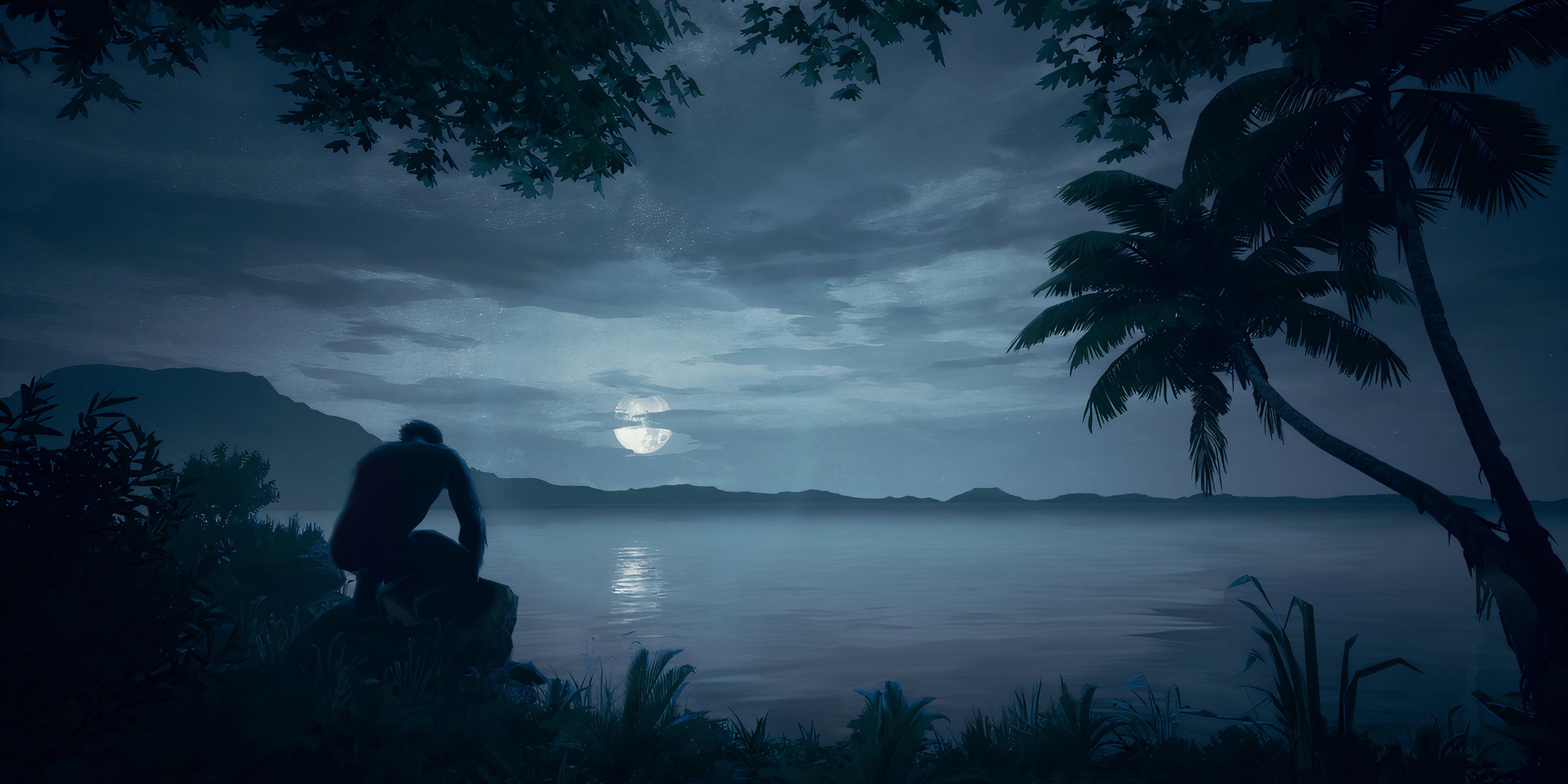
Unlike any other game, Ancestors: The Humankind Odyssey puts you in control of a clan of early apes as they begin to evolve. Your main goal is to keep your clan alive by finding food, water, and safe shelter, all while avoiding predators and dangerous terrain. You’ll use your senses and intelligence to find resources, but it’s up to you to explore diverse environments, discover new things, and figure out how to use them to help your clan thrive.
Similar to the game Outward, Ancestors: The Humankind Odyssey lets you progress by simply playing and taking actions. But instead of improving your individual character, your actions help your entire species evolve. Things like making tools, discovering medicine, and exploring new areas give you dopamine, which reduces fear and unlocks further progress. Even sleeping helps – you can learn skills like walking upright, and these skills are then passed down to future generations. The game doesn’t tell you what to do; you need to explore, help your clan survive, and learn new abilities to evolve. If your clan dies out, you’ll have to start over from the beginning.
Read More
- All Skyblazer Armor Locations in Crimson Desert
- All Shadow Armor Locations in Crimson Desert
- How to Get the Sunset Reed Armor Set and Hollow Visage Sword in Crimson Desert
- Marni Laser Helm Location & Upgrade in Crimson Desert
- Best Bows in Crimson Desert
- All Helfryn Armor Locations in Crimson Desert
- All Golden Greed Armor Locations in Crimson Desert
- How to Craft the Elegant Carmine Armor in Crimson Desert
- Keeping Large AI Models Connected Through Network Chaos
- One Piece Chapter 1179 Preview: The Real Imu Arrives in Elbaf
2025-12-24 11:36