As a gamer, I really feel like open-world games exploded in popularity during the 2010s. Sure, they were around before then, but titles like Grand Theft Auto 5, Red Dead Redemption 2, and The Legend of Zelda: Breath of the Wild totally redefined what those games could be. Honestly, it feels like everyone I know has played at least one of those, and for good reason – they were seriously groundbreaking.
Many open-world games share elements with RPGs, but aren’t true RPGs themselves. So, which open-world RPGs have truly pushed the genre forward? Have they inspired countless other games, or were they innovative but ultimately unique, lacking direct imitators? Here’s a look at some open-world games that successfully blend expansive exploration with strong RPG mechanics.
The Elder Scrolls 5: Skyrim
The Grand Daddy Of Them All
The Elder Scrolls 5: Skyrim was a groundbreaking game, and remains popular today, because it offered a truly open world experience. Once players finished the initial introduction, they were free to explore anywhere, even scaling mountains – a feature that’s become a well-known joke among gamers.
The game offered a huge amount of content, including quests – many of which were different each time you played – plus lots of dungeons and items to find. It was incredibly expansive, and even today, some open-world games haven’t matched that initial sense of freedom and scale, which is a major reason why Skyrim remains so popular on platforms like Steam.
Fallout: New Vegas
Factions And Karma
Many fans consider Fallout: New Vegas unique within the Fallout series. Its setting in the Nevada desert is memorable, but what truly makes it special is how the game responds to player choices. Your actions and the groups you side with directly affect how characters treat you and change the story.
If you’ve chosen a side in the game – like siding with Caesar’s Legion – interacting with members of a rival faction, such as the NCR, could lead to negative consequences. The game’s alignment system also encourages multiple playthroughs so you can experience the story from different perspectives.
The Witcher 3: Wild Hunt
A Quest System That Matters
I absolutely love The Witcher 3: Wild Hunt! Everything about the open world is fantastic – playing as Geralt is amazing, the combat is really satisfying, and the story is huge and lets you make real choices. But honestly, what really sets it apart for me is how incredible the side quests are. They’re not just filler; they feel like full-blown stories themselves!
This game really improves side quests. None of them feel like simple ‘go get this’ tasks, because each one has a compelling story and worthwhile rewards. The characters you meet are vibrant and have interesting things to say, which makes the game world feel much more realistic – something many games still struggle with.
Kingdoms Of Amalur: Reckoning
What If Combat Was Fun?
Many open-world games offer enjoyable combat, like The Witcher 3: Wild Hunt. But Kingdoms of Amalur: Reckoning still stands out as having a particularly fun and engaging combat system.
The game offered a lot of different weapons, and its leveling system for spells and skills made combat feel fair. Characters were responsive and easy to move, creating a fast-paced, action-packed experience. It felt like a blend of open-world RPGs and Devil May Cry, and it’s a combination we’d love to see more of.
Assassin’s Creed Origins
Transforming A Series
When Assassin’s Creed Origins came out, it took a big risk for the series. Previous Assassin’s Creed games were typical open-world adventures focused on stealth. Origins, set in ancient Egypt, reinvented the formula by adding RPG elements like character leveling, collecting loot, and completing quests. This change fundamentally altered the direction of the entire Assassin’s Creed franchise.
The game also introduced Discovery Tour, a unique mode where players could explore the world with informative narration. It’s a fantastic feature that would be a great addition to other games besides the Assassin’s Creed series.
Horizon Zero Dawn
Building Off Your Enemies
In Horizon Zero Dawn, the enemies weren’t animals, but robots – and they were a key part of how the world ended. Despite the apocalypse, the environment was stunning, with nature reclaiming the ruins of civilization through lush vines and vibrant plant life.
Players could fight robots using different weapons and tools, or even hack into them. Larger enemies sometimes dropped items that functioned as short-term weapons. Having a diverse range of enemies is key to keeping a game engaging.
Dragon Quest Builders
Building Upon Minecraft
Dragon Quest Builders is a fantastic game that doesn’t always get the recognition it deserves, because it took the best parts of Minecraft and expanded on them. Similar to Minecraft, you can break down almost anything in the world to gather materials, which you then use to build and create.
Adding story elements and RPG features, such as character leveling and better equipment, made Dragon Quest Builders a much more engaging game. If you’re looking for more than just a simple building game, this Dragon Quest spin-off is definitely worth checking out.
Xenoblade Chronicles X
Multiplayer In An Open-World
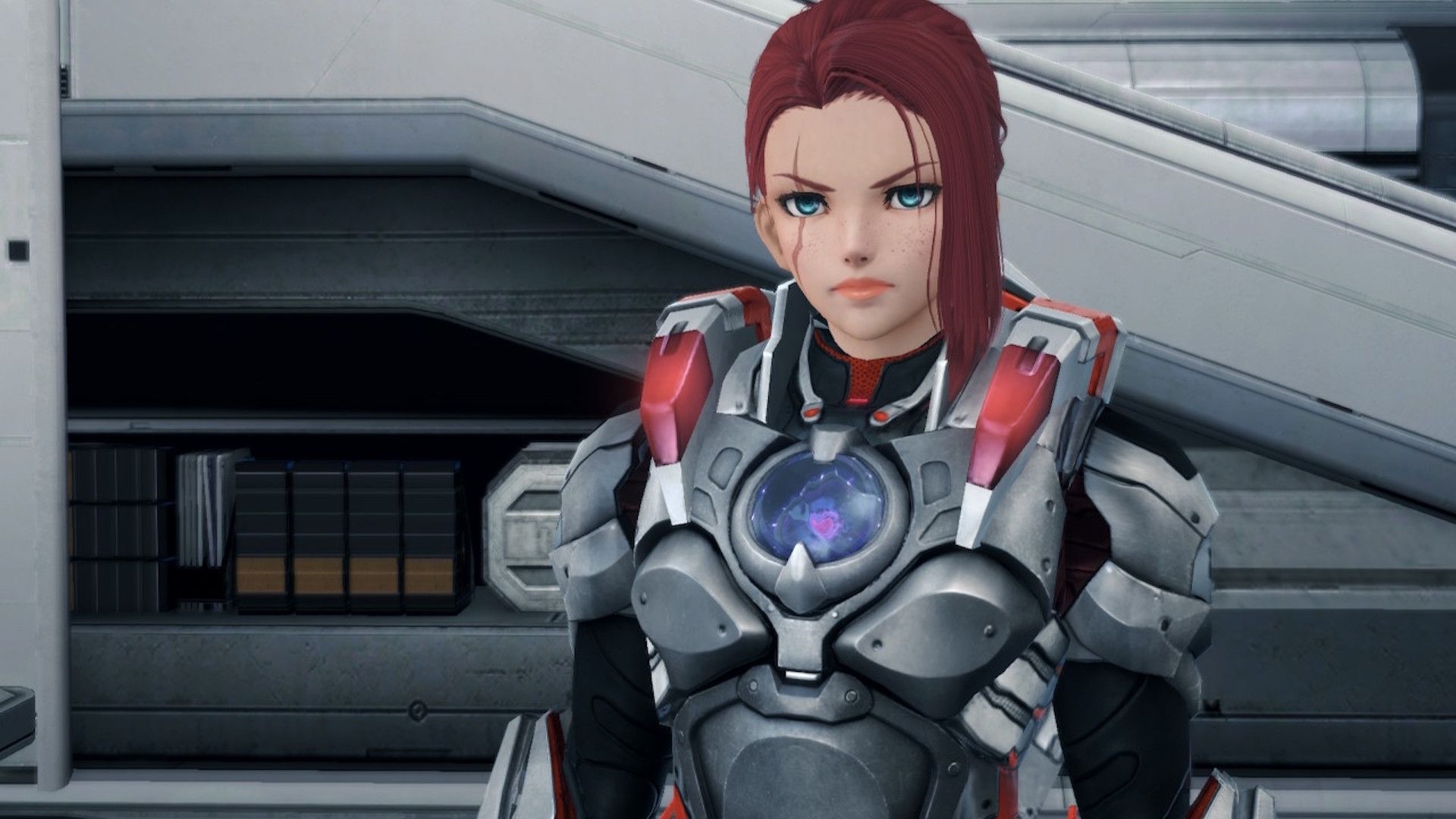
Released on the Wii U, Xenoblade Chronicles X was innovative for its time. The game let players design their own character and explore a vast alien planet, working to build and improve the central city of New L.A.
Players can explore a vast, open world filled with danger, where huge creatures roam. They can mark locations for quick travel and gather resources. With enough effort, players eventually unlock a powerful mech called a Skell, allowing them to fly and battle monsters – a unique feature not commonly found in open-world games.
Dragon’s Dogma
Climb Aboard Everyone
Dragon’s Dogma stood out with two unique features. Players could not only design their own character, but also create and customize their own AI companions, called Pawns, to join them. Having a fully customizable team was a fantastic addition, and the game’s combat system was also very well done.
You could quickly defeat smaller enemies with swords and axes, but larger creatures – like griffons and hydras – required a different approach. You could climb onto them to distract them and search for vulnerabilities. This made battles feel more believable, as a group of adventurers would likely try to climb a massive monster to find a weak spot if they were facing it in reality.
Two Worlds Two
Prepare Your Magic
Man, Two Worlds Two is one of those games that kinda slipped under the radar, but honestly, it had some really cool stuff going for it, especially for a game from 2010. They had a whole separate multiplayer thing where you and your friends could run dungeons, which wasn’t a full-on open world, but it was still a fun concept. But if I had to pick one thing to remember Two Worlds Two for, it would definitely be the spell system – it was seriously creative!
Players in the game could create custom spells by combining different properties. For example, to cast a fireball, they’d combine a fire element with a projectile. Two Worlds Two is often remembered as a flawed but inventive game, particularly for its unique spell system, which didn’t really inspire other developers.
Read More
- All Shadow Armor Locations in Crimson Desert
- How to Get the Sunset Reed Armor Set and Hollow Visage Sword in Crimson Desert
- Best Bows in Crimson Desert
- All Golden Greed Armor Locations in Crimson Desert
- Wings of Iron Walkthrough in Crimson Desert
- How to Craft the Elegant Carmine Armor in Crimson Desert
- All Helfryn Armor Locations in Crimson Desert
- How To Beat Ator Archon of Antumbra In Crimson Desert
- Keeping Large AI Models Connected Through Network Chaos
- Sakuga: The Hidden Art Driving Anime’s Stunning Visual Revolution!
2026-01-10 08:35