How to Get & Use the Chainsaw in Crimson Desert
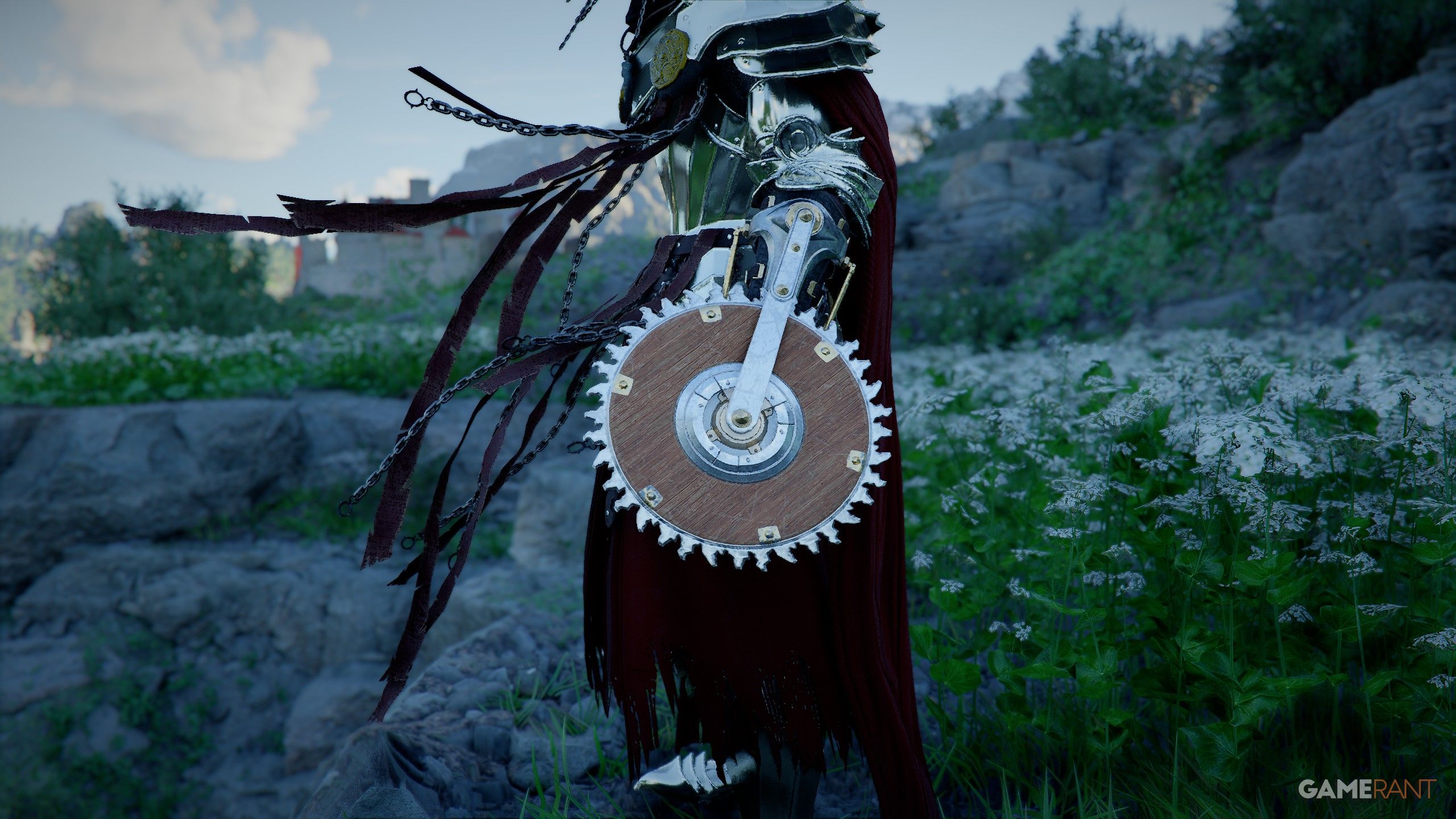
Here’s a simple guide to getting the Chainsaw in Crimson Desert and using it effectively – making sure it’s worth the effort!
Here’s a simple guide to getting the Chainsaw in Crimson Desert and using it effectively – making sure it’s worth the effort!

In the last chapter, Konoha had a clever plan to defeat Mamushi: lure him to Eida, then quickly attack with everything they had, followed by Sarada’s special vision ability to finish him off. However, Sarada pushed her powers too hard, and her ability failed. As a result, Mamushi has multiplied into over a thousand copies, and the number keeps growing. Konoha is now completely overrun, and chapter 33 of Boruto: Two Blue Vortex focuses on dealing with this crisis.

Experienced Borderlands players will quickly understand these new characters and their abilities. The Summoner is a pet-focused class, similar to FL4K, and the Assassin is a straightforward, area-of-effect damage dealer like Zer0 from Borderlands 2. The Outrider uses throwing knives, reminding some of Vex’s powerful bleed build from the popular Borderlands 4. Finally, the Exo-Tank is a strong, durable character in the tradition of Brick and Amon, but its design and abilities also evoke Overwatch.

The soothsayers of the market, those modern-day Cassandra’s, are divided. Some proclaim the dawn of a new era, where the bulls shall trample the bears into oblivion. Others, with eyes heavy from the weight of skepticism, warn of a trap so cunning, so cruel, that even the most ardent optimist might find himself drowning in a sea of red. And yet, here we stand, spectators to this grand farce, clutching our digital coins like talismans against the unknown.

The Inked stage in Escape Simulator is packed with puzzles. Because it takes place in a single room, you’ll need to solve many riddles to finish the level. Here’s a rundown of those puzzles:

Escape Spikes for Brainrots has codes you can redeem for free items! Keep in mind that each code can only be used once, and they might stop working after a while. The developers will add more codes with future updates, so check back often to see what’s new. Here’s a list of currently available codes as of April 2026:

Can you believe it’s been 30 years since the original Pokemon Red and Green games came out? And 2026 has already been amazing for Pokemon fans like me! We finally got FireRed and LeafGreen on the Nintendo Switch in February, which was such a blast from the past. It’s awesome to revisit those classic games, and even better that new players can experience them for the first time!
In the land where winters are long and secrets longer, the Kremlin has decided that anonymity in the crypto realm is as obsolete as a typewriter in a cybercafe. Russia, with its eternal penchant for paperwork, now demands that every bitcoin whisper be accompanied by a passport photocopy. Ah, the romance of bureaucracy!
In an announcement that sent shockwaves through the tea-sipping circles of the tech world, Ledger revealed a bevy of security measures aimed at ensuring AI agents don’t turn rogue. This initiative is set to lay the groundwork for a new economy where autonomous systems can traipse around accessing vital assets like wallets and data without so much as a nod to human oversight.
Ethereum’s derivatives market is lit up like a Christmas tree, with total ETH contract open interest jumping 11.59% in the past 24 hours to $34.165 billion. Traders are adding fresh leverage like it’s going out of style. Coinglass data shows Binance is leading the charge with $7.416 billion in exposure. OKX, Bybit, and Gate are right behind, because why spread the risk when you can concentrate it?