Squeezing More from Less: A New Approach to Model Compression
Researchers have developed a novel quantization technique that significantly improves the compression of large language models without sacrificing accuracy.
On the 27th of January, in the year 2026, Paypal and the National Cryptocurrency Association (NCA) unveiled their findings, declaring that 39% of U.S. merchants have already opened their tills to cryptocurrency at the point of sale. Lo and behold, 84% of these merchants prophesy that such payments shall become as common as a courtier’s flattery within half a decade. This fervor, they say, is driven by the whims of customers and the swiftness of transactions. The study, conducted among merchants of all stripes and sizes, finds the largest enterprises (50%) leading this digital dance, with crypto accounting for 26% of their sales. Yet, 90% of merchants declare they would join this fray if only the setup were as simple as a credit card’s grace.

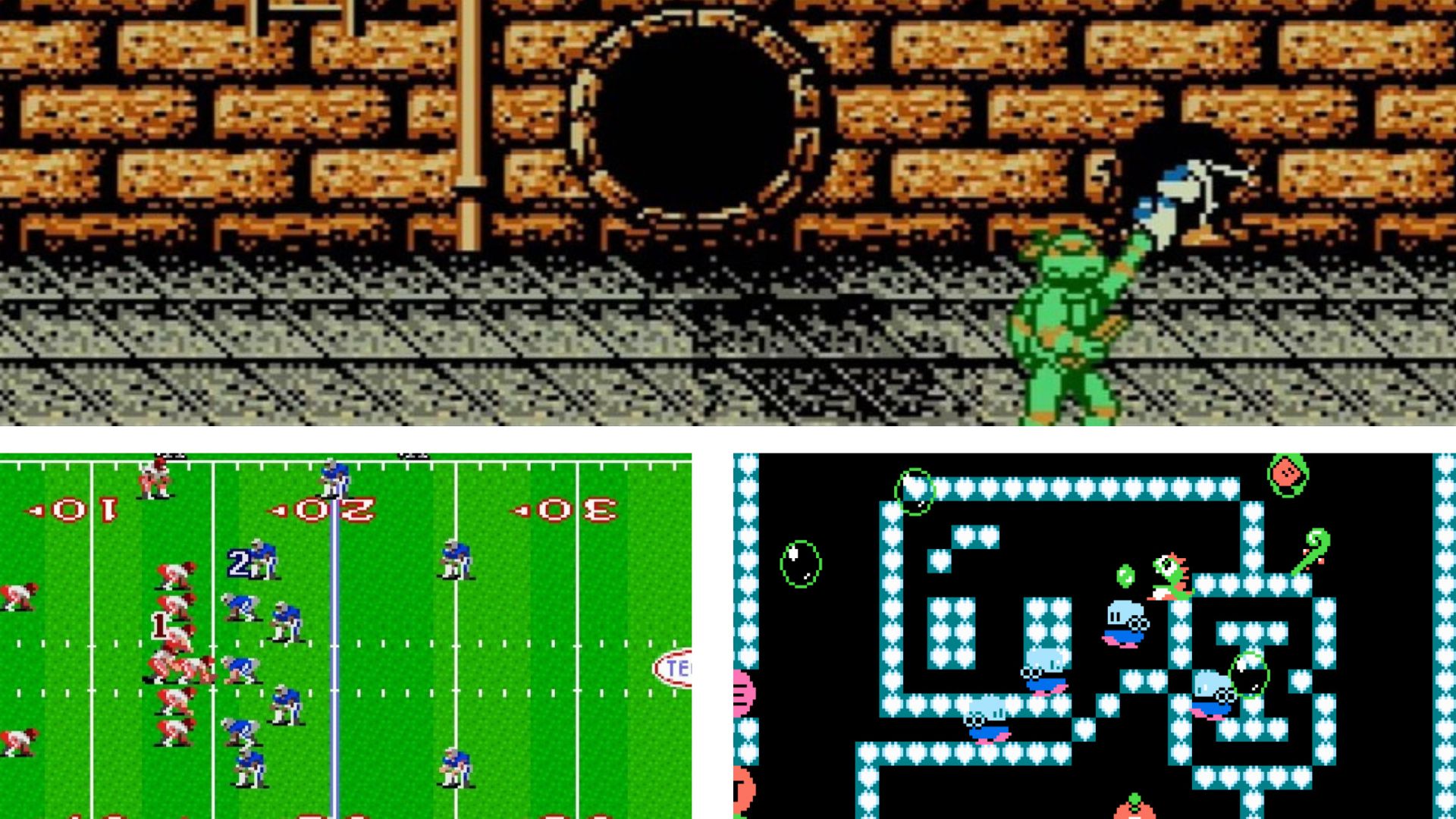
There are many reasons why older games can be hard to enjoy today. Often, the controls feel awkward and slow compared to modern games. Plus, older titles were often much more difficult, with harsh gameplay and little room for mistakes. This can make even good games frustrating or nearly impossible to beat, sometimes feeling unfair and unwinnable.

The Highguard team responded to the issue on social media, promising quick updates based on player feedback.

Around the middle of 2024, roughly half of PlayStation gamers were still using the PS4, even though the newer PS5 had been available for several years. This means tens of millions of players worldwide continued to enjoy games primarily on the 2013 console.
New research introduces a method for reliably training machine learning models with extremely limited precision, unlocking efficiency gains for large language models and beyond.

The life simulation game Heartopia came out on mobile and PC in early January, and players quickly started exploring its features. The game is still gaining popularity on Steam, recently reaching over 50,000 concurrent players. Because Heartopia is so new, we can expect to see many more player creations like this one in the future.
Despite the wretched underperformance of the so-called “flagship cryptocurrency” (a term that reeks of maritime pretension) relative to the venerable gold, Szabo insists that the market’s collective ignorance is, in fact, a cause for jubilation. How very convenient for him!

Heartopia features several types of in-game currency, including free ones, premium ones, and special currencies only available during events. You can earn some simply by playing, while others are obtained through the game’s gacha mechanics or by making purchases with real money.
“Our self-sustaining system, designed to improve food quality, increase same-store sales, and then stuff the profits into the SBR, is transforming the chain using nothing but financial technology and the occasional misheard calculator,” Steak ‘n Shake wrote in a Jan. 27 X post.