Role-playing games, or RPGs, generally follow a familiar pattern. Players often get to create a single character, or they might control a pre-made team as they explore worlds filled with science fiction or fantasy elements. Gameplay can range from strategic and turn-based to fast-paced action, or a combination of both. The typical storyline involves a group of heroes trying to stop a villain from destroying a city, the world, or something similar.
Many role-playing games don’t rely solely on fighting. Some offer alternative ways to overcome challenges, like avoiding battles altogether or using conversation to resolve conflicts. These games break away from traditional RPG formulas and provide players with more choices.
Undertale
A Talk-Based RPG
I gotta say, Undertale is one of the best indie RPGs I’ve ever played. What’s really cool is how much choice you have in how things play out. You’ll run into monsters either randomly or during set boss fights, but you don’t have to battle them! Seriously, you can actually talk to the monsters and find ways to spare them – and yourself – instead of just fighting or running away. It’s a really unique way to play.
At its heart, the game is about bridging the gap between humans and monsters, challenging your initial expectations of each other. Players have the freedom to choose a violent path and destroy everything, which unlocks different story outcomes, making Undertale highly replayable for players who prefer peaceful or aggressive approaches to RPGs.
Fantasy Life i: The Girl Who Steals Time
A Casual RPG
Fantasy Life i: The Girl Who Steals Time is an action role-playing game where you can pick a class that isn’t just about battling monsters – you can still have plenty of fun and progress! These classes, called Lives, fall into three main groups: Combat, Gathering, and Crafting. For example, the Paladin is a fighting class, while Woodcutters gather resources and Cooks create items. All of these Lives level up as you complete tasks related to that class.
Players can switch between different characters whenever they want, ensuring no single class is overpowered. The game also includes social elements, like exploring dungeons with friends, and life-simulation aspects, such as customizing your home. It’s a flexible and welcoming RPG that should appeal to a wide range of players.
Pokemon Legends: Arceus
The Big Ball Theory
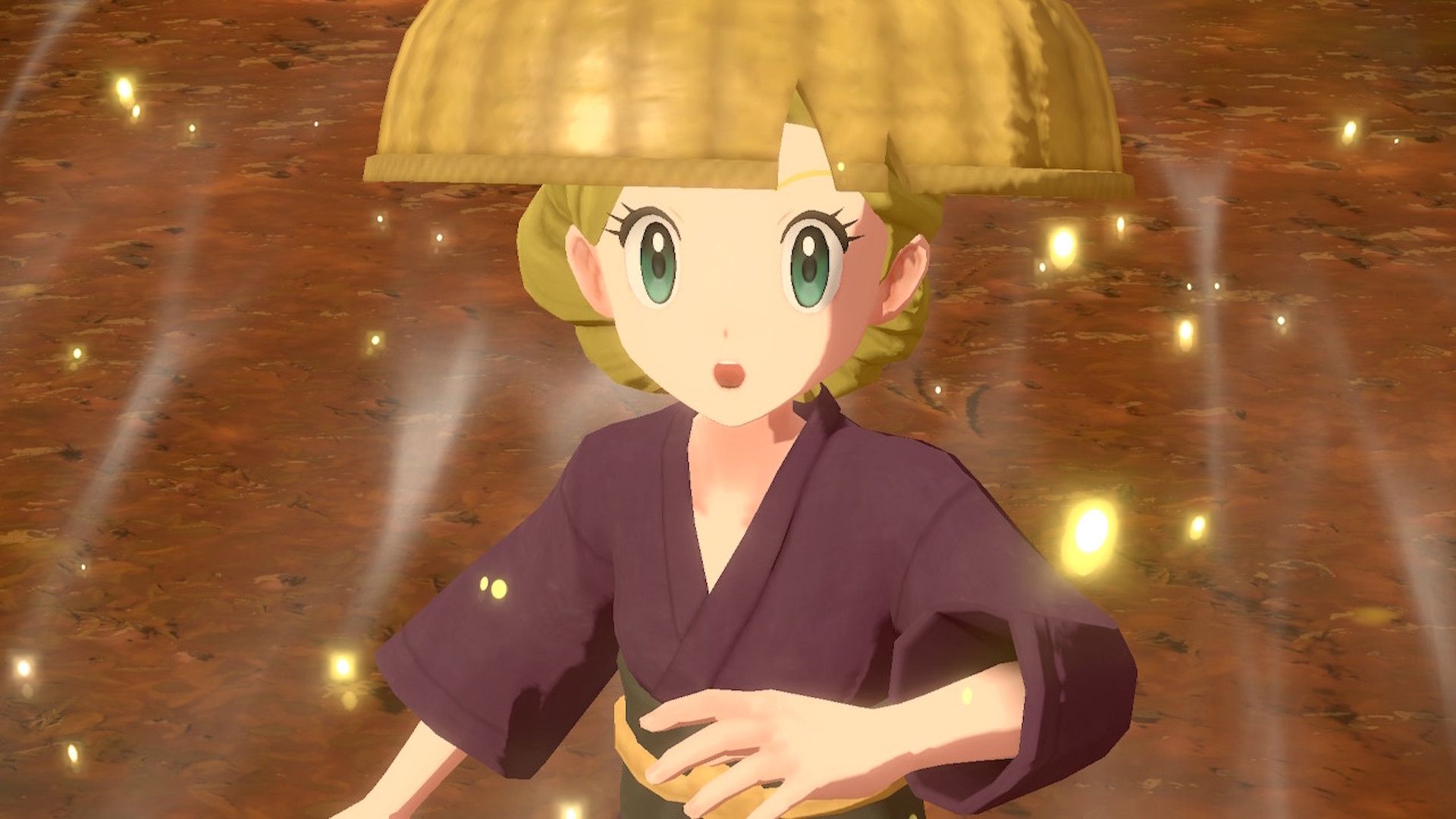
Okay, so Pokemon Legends: Arceus totally changed things up for me. It was the first Pokemon game where I didn’t automatically get thrown into a battle when I found a wild Pokemon – I could actually hunt them! The story sends you way back in time, to when the Sinnoh region was basically untouched wilderness. There weren’t a lot of towns or people who knew much about Pokemon, which made exploring feel really different and exciting.
Players could create different types of Pokeballs and catch Pokemon automatically, which would help with battles and exploring the world. They could also choose to battle Pokemon for fun, to gain experience, or to make them easier to catch. While there were some required battles, the main focus of the game was researching Pokemon, rather than becoming a top-level trainer like in other Pokemon games.
Kingdom Hearts: Chain Of Memories
All In The Cards
Kingdom Hearts: Chain of Memories is the second game in the Kingdom Hearts series. In it, Sora finds himself stuck in a castle and experiences his memories of the Disney worlds from the first game. The game still features action-packed battles, but now you fight monsters in dungeons. When you touch a monster, the battle moves to a separate arena, similar to how battles work in classic role-playing games.
In this game, players build decks of cards to perform actions like attacking, casting spells, and using special skills that are unlocked as they gain experience. Each dungeon is different every time you play, and you’ll need to find key cards – earned through battles or exploration – to unlock each door and reach the final boss. While leveling up is a core part of the action RPG experience, skilled players can often succeed without defeating every enemy they encounter.
Mario & Luigi: Superstar Saga
React, Don’t Attack
Mario & Luigi: Superstar Saga was the first game in the Mario & Luigi RPG series. Like other Mario role-playing games, battles are turn-based, but with a unique feature: players control both Mario and Luigi, allowing them to attack in the usual way or enhance their attacks by pressing buttons at the right time. Players can also defend against or retaliate with certain enemy attacks, providing another way to inflict damage.
You’ll encounter enemies both in the open world and inside dungeons, but you can choose to avoid them if you want. The only required fights are against the bosses. If you become skilled at dodging and countering attacks, you can progress without needing to fight extra enemies to gain experience. While the game will be more challenging if you skip leveling up between boss fights, that option is available – similar to how it works in many RPGs that don’t force random battles on you.
Planescape: Torment
A 90s Classic
Planescape: Torment is a highly acclaimed PC role-playing game, often ranked among classics like Baldur’s Gate and Fallout. Originally released in 1999, it’s now easier to play thanks to a 2017 remaster. While console versions exist, the game is best enjoyed on a PC, as its top-down perspective and dialogue system are ideally suited for the platform.
You begin the game as an immortal character who doesn’t remember their past, and the core of the experience is uncovering what happened to them. While there’s a class system and combat, Planescape: Torment feels more like a story-driven adventure game with RPG features. Having high Charisma can actually help you avoid many fights, much like a good Dungeons & Dragons game. If you’re searching for a classic RPG with a compelling story and the option to resolve situations peacefully, this game is a fantastic choice.
Torment: Tides Of Numenera
A Spiritual Successor
Torment: Tides of Numenera is a role-playing game inspired by the classic Planescape: Torment. It was created by inXile Entertainment after a successful Kickstarter campaign in 2013. While it’s a tactical RPG at its heart, the game places a strong emphasis on story and character interactions through its detailed dialogue system.
Your character’s choices and how you speak will define your overall morality, influencing how other characters and enemies respond to you. While most challenges can be overcome through conversation, taking risks doesn’t always guarantee a positive outcome. This is a deep and intricate game inspired by a beloved computer classic. Though it’s available on consoles, the detailed dialogue and interface are best experienced on a PC monitor for full immersion.
Read More
- All Skyblazer Armor Locations in Crimson Desert
- One Piece Chapter 1180 Release Date And Where To Read
- How to Get the Sunset Reed Armor Set and Hollow Visage Sword in Crimson Desert
- All Shadow Armor Locations in Crimson Desert
- All Golden Greed Armor Locations in Crimson Desert
- How to Beat Stonewalker Antiquum at the Gate of Truth in Crimson Desert
- Cassius Morten Armor Set Locations in Crimson Desert
- Grime 2 Map Unlock Guide: Find Seals & Fast Travel
- Amber Alert Secrets & CDs In Crime Scene Cleaner Act 2
- USD RUB PREDICTION
2026-02-09 11:36