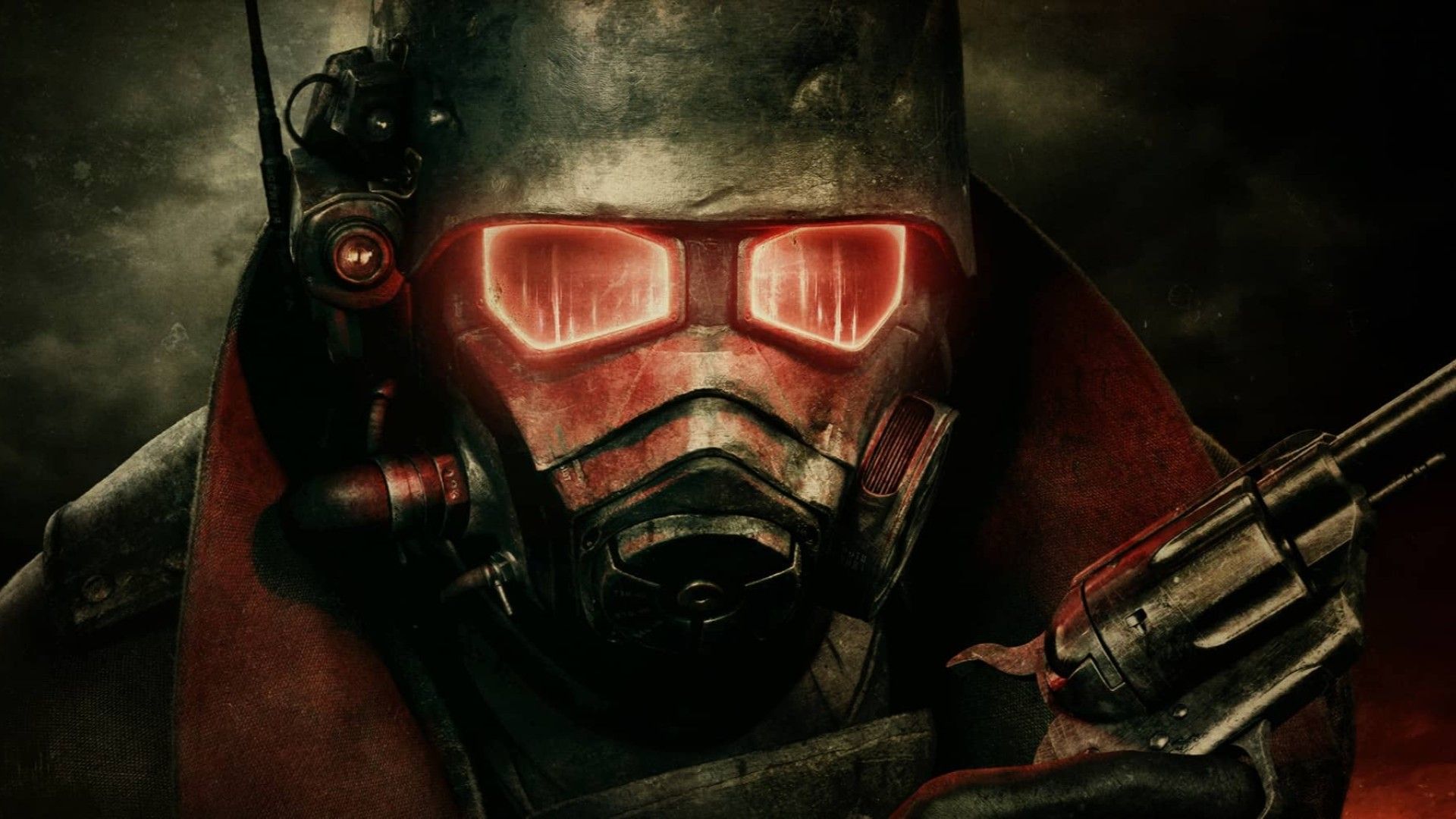
Role-playing is essential to RPGs – it’s in the genre’s name, for one, but more importantly, a game world feels lifeless if players can’t truly shape it with their choices. Too often, RPGs prioritize detailed world-building or complex character advancement, losing sight of what made the genre great: meaningful conversations and the ability for players to influence the story and its characters.
Many excellent games in this style focus on player choice and role-playing over simply improving numbers. These games let you shape how characters react, battles unfold, and quests progress, without needing high levels or powerful equipment. Instead of relying on stats like strength, they give you meaningful control through extensive conversations and complex decisions that truly impact the game world.
Disco Elysium
Pure Psychological Warfare
Details:
- Dialogue and internal monologues are the main mechanics
- Violence resolved through role-play
Disco Elysium offers a truly unique RPG experience. Instead of focusing on becoming powerful, it delves into internal struggles and the journey of self-discovery. While the game has stats, they represent aspects of the character’s personality – like intelligence and empathy – and influence how he sees the world, rather than simply making him stronger.
What people believe shapes how conversations unfold – they can lead to breakthroughs or breakdowns, far more than just simple facts. Even when things don’t go as planned, those setbacks can be just as valuable as successes, opening up new ways to connect and grow as a person. This means the choices you make matter more than how strong or powerful your character is.
Planescape: Torment
Rewarding Thought Over Optimization
Details:
- Philosophies drive progression
- Unique NPC reactions to player beliefs and choices
Planescape: Torment centers around the powerful concept that what people believe can actually shape reality. While combat exists, the game emphasizes conversation and understanding – many problems and character stories are best solved through dialogue, often without needing to fight at all.
Cleverness and smart choices matter more than just having high stats. Even if your character isn’t powerful, you can still achieve satisfying results by making the right decisions. The game especially encourages exploration and figuring things out – learning about characters and the world is how you advance, rather than simply becoming stronger.
Fallout: New Vegas
Reputation Trumps Raw Power
Details:
- Speech can be used at virtually every point of the game
- Endings shaped by political alignment
In Fallout: New Vegas, your choices and who you side with are more important than your character’s skills. While skills and perks do affect how things unfold, the game truly centers around the impact of your words and decisions.
The game’s complex conversations make it clear that choices made early on really matter and shape how the story unfolds. A player’s skill in combat isn’t as important as their ability to influence events through dialogue and how they role-play their character – words can have a bigger impact than strength.
Citizen Sleeper
Action Dictated By Choice, Not Statistics
Details:
- Relationships Hold The Most Value
- Failure is expected and integrated into the narrative
In Citizen Sleeper, the focus of role-playing shifts from managing stats to how you interact with others and make choices to survive. While stats still matter and affect dice rolls, your success depends more on building relationships, earning trust, and making decisions that have lasting consequences, rather than simply having high character attributes.
The game lets players shape their own story with meaningful choices – deciding whether to prioritize their own goals or work together. Key moments aren’t based on luck or power, but on the decisions you make. It’s not about defeating enemies, but about defining your character in a world where beliefs are the most important thing.
Vampire: The Masquerade – Bloodlines
Allegiance That Affects How The World Sees You
Details:
- Fundamental differences in quests due to clan choice
- Combat supplements narrative decisions
In Bloodlines, your character’s background isn’t just a backstory – it’s central to everything you do. The clan you choose directly affects how people react to you, the conversations you have, and even the quests you’re offered. These differences are core to the game, and no amount of skill or power can change the way others see you based on your clan affiliation.
The game features choices that can permanently lock off certain storylines, making decisions feel much more impactful and forcing players to commit to a single path. This shifts the focus from combat to role-playing, as your choices truly shape the story and determine its outcome.
Arcanum: Of Steamworks and Magick Obscura
Fusing Technology And Magic Into One
Details:
- The world adapts to either route taken
- Basic attributes that guide rather than control the pace
Arcanum really emphasizes RPG elements like social class and race. How characters interact with you – their dialogue and behavior – is strongly influenced by their backgrounds and the choices they’ve made. For instance, a wealthy elf inventor will have a very different experience than a half-orc wizard, and this difference directly impacts how the game plays out, tying who you are to what you do.
Stats like intelligence can influence things, such as making your character’s dialogue sound more refined or rough, but these are just added details. From the very beginning, your character’s backstory and the choices you make about it have a far greater impact on the game than any specific stats do.
Kingdom Come: Deliverance
Rising Up The Ranks Over Time
Details:
- Slow progress from peasant to knight
- No shortcuts through stats or optimization
Kingdom Come: Deliverance offers a uniquely realistic role-playing experience, making even simple tasks feel difficult. The game heavily emphasizes social status – being skilled in combat doesn’t matter much if you’re considered low class, as your social standing significantly impacts how the world reacts to you.
The game’s social interactions go beyond simple conversations, including things like choosing the right clothes and being aware of social classes. Relationships with characters develop over time and are crucial, as NPCs will remember your actions and treat you accordingly. This means you need to build a reputation and play the part to succeed, rather than just trying to overcome challenges with force.
Baldur’s Gate 3
Altering The RPG Landscape Forever
Details:
- Strategic choices eclipse any number of stat bonuses
- Fights can be trivialized by smarts
Baldur’s Gate 3 gives players incredible freedom and options right from the start. What’s remarkable is that success doesn’t depend on simply having strong stats or good equipment. You can overcome even the most difficult challenges through clever negotiation and strategic thinking.
Most situations can be handled by talking, tricking, understanding, or simply walking away. While having strong skills can make things easier, your choices and how you react are what truly matter. It’s similar to a classic tabletop RPG – powerful attacks or spells are useful, but they won’t help if you don’t think strategically and play your role well.
Torment: Tides of Numenera
Words Are Your Strongest Weapon
Details:
- Character-driven narrative with deep and unexpected consequences
- Complex, grey morality
Tides of Numenera focuses on role-playing as a way to explore big ideas, emphasizing a character’s beliefs and values over traditional stats like levels. Your choices have far-reaching consequences, and how you approach morality significantly impacts your success and potential within the game.
Even when things seem straightforward, there aren’t many ‘right’ answers, which highlights that role-playing games are about having choices, not just following a set route. Ultimately, it becomes clear that understanding the game’s world and how it works is more helpful than simply being powerful enough to win every battle.
Underrail
Navigating A Dangerous World Without Guidance
Details:
- Combat can be deadly, no matter how strong the player is
- Belief systems trump high stats in a lot of cases
Underrail is a challenging RPG that will really put your skills to the test. It doesn’t hold your hand, immediately requiring you to choose a direction and stick with it. To succeed, you’ll need to join factions early on and commit to a specific playstyle to survive the tougher parts of the game.
Fighting is a core part of the game, and you’ll be constantly battling to progress. While it’s more action-packed, smart tactics and careful planning are incredibly important, especially later on. A single mistake can lead to a quick defeat, so choosing the right approach to each fight is crucial.
Read More
- All Skyblazer Armor Locations in Crimson Desert
- One Piece Chapter 1180 Release Date And Where To Read
- How to Get the Sunset Reed Armor Set and Hollow Visage Sword in Crimson Desert
- All Shadow Armor Locations in Crimson Desert
- All Golden Greed Armor Locations in Crimson Desert
- How to Beat Stonewalker Antiquum at the Gate of Truth in Crimson Desert
- All Helfryn Armor Locations in Crimson Desert
- Marni Laser Helm Location & Upgrade in Crimson Desert
- Black Sun Shield Location In Crimson Desert (Buried Treasure Quest)
- Re:Zero Season 4 Episode 1 Release Date, Where to Watch
2026-01-17 23:07