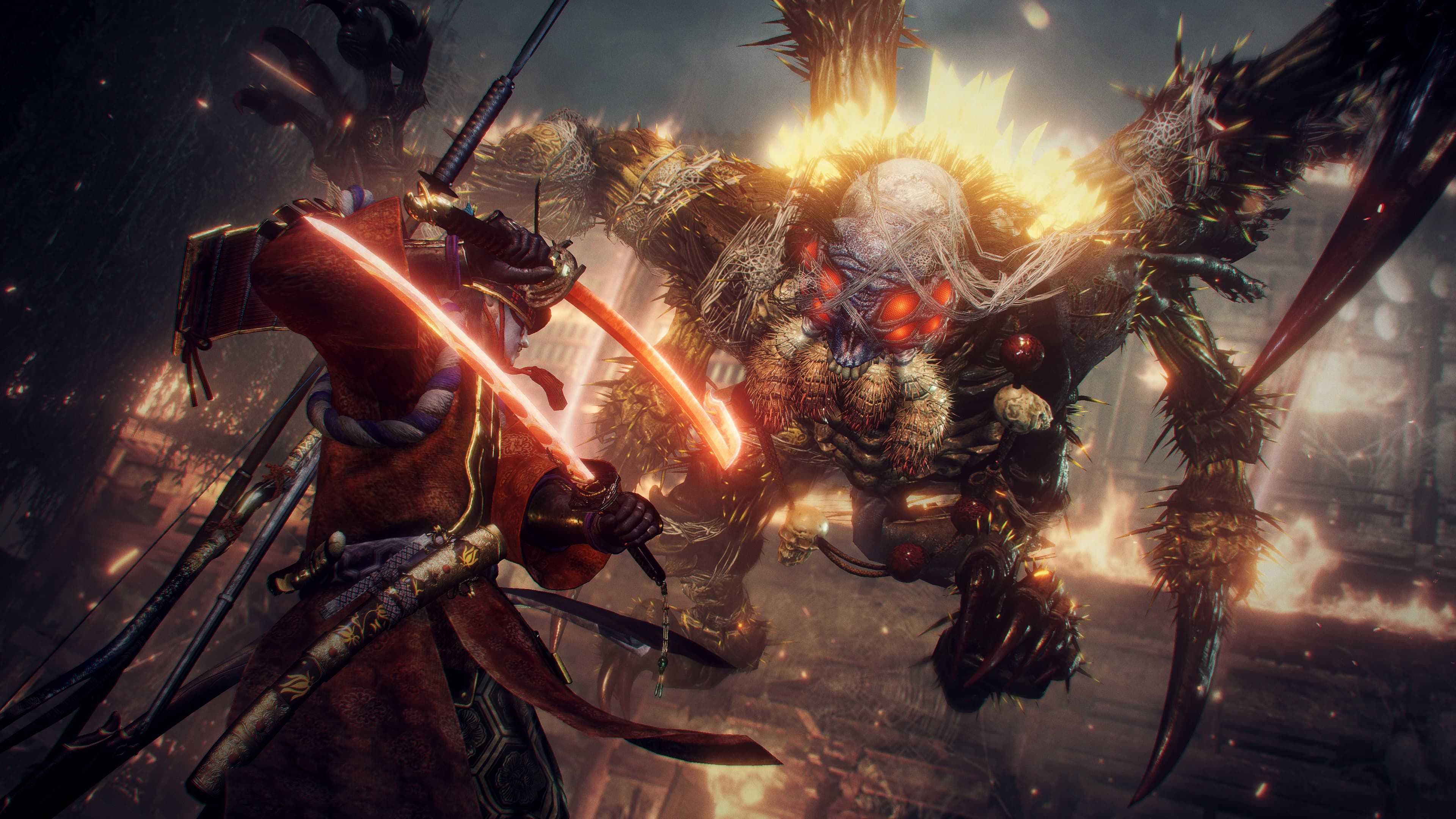
Many role-playing games handle character improvement differently. Some just let you increase core stats, while others emphasize unlocking new weapons and moves. But a select few offer incredibly extensive skill trees that can take a very long time – even dozens of hours – to fully explore.
As a gamer, one of the things I really love is seeing a ton of unlockables laid out from the start. It gives me something to work towards and keeps me motivated to level up, both to get generally stronger and to experiment with different ways to build my character. Honestly, sometimes those skill trees are so massive and detailed, they almost become a game within a game! I can easily spend hours just exploring all the different options and figuring out the best path for my playstyle.
Path Of Exile
Enormous Beyond Reason
Details:
- Huge sprawling main tree
- Very specific options for each class
When people discuss complex skill trees, Path of Exile immediately comes to mind. Its vast network of options can be overwhelming at first, resembling a galactic map more than a simple skill list. Even small choices significantly impact how your character plays, both passively and with active abilities.
The game’s extensive skill trees encourage players to plan ahead and choose a path that matches how they like to play. While there are many choices, making a single decision can be tough. This variety really rewards trying out different combinations, letting players build unique characters that feel distinct based on the skills they choose, rather than just focusing on stat upgrades.
Grim Dawn
Synergizing Classes Into One
Details:
- Individual trees for classes
- The constellation system adds even more choices later on
As a huge fan of Grim Dawn, what really blows me away isn’t just how many skills there are, but how they all work together. You pick two classes for your character, and each one has a huge skill tree packed with abilities and ways to customize things. The cool part is, depending on how you build your character within those trees, you can create a totally unique playstyle that fits exactly how you want to play. It’s not just about picking skills, it’s about combining them in ways that really change the game!
The new Devotion system includes a detailed constellation map that offers bonuses and boosts based on your skills. However, players may quickly feel overwhelmed by the many options, as even small skills and equipment choices all connect and influence the overall system.
Salt And Sanctuary
One Gigantic Web
Details:
- Gear access linked to skill unlocks
- Routes that lead to meaningful changes
Despite looking simple, Salt and Sanctuary has a deep and extensive skill tree. Players begin with basic abilities and gradually unlock new ones, branching out in different directions to improve their character and gain access to better equipment and weapons.
Since there aren’t dedicated skill trees for each class, players have to carefully plan their build, selecting upgrades that gradually unlock powerful abilities. The game continues to offer progression even after completion, with a vast number of unlockable tiers and a seemingly endless amount of options.
Diablo 4
Finding The Perfect Build
Details:
- Minute buffs and system-wide changes
- An insane range of choices, all with equal weight
While the skill trees in Diablo 4 seem simple initially, they quickly become quite large and complex. Each skill offers various ways to customize how it works – not just how much damage it deals. This means players need to think about how different skills work together and plan their skill usage, rather than simply focusing on maximizing power.
After choosing a basic class, players customize their character further using Paragon Boards. These boards are like puzzle grids filled with special upgrades and rare bonuses. Managing them can be tricky, requiring careful planning to balance stats and abilities. With so many options, it’s easy to get caught up in character customization instead of actually playing the game.
Nioh 2
Controlling Every Aspect Of The Gameplay
Details:
- Skill trees for each individual weapon
- Abilities that actually impact the flow of combat
Nioh 2 really expands on the idea of skills tied to specific weapons, going further than most games in the genre. Each weapon type has a unique skill tree that unlocks new moves and abilities, often changing how the weapon feels and plays.
These combat abilities work with broader skill categories, letting players really specialize in a particular way of playing. However, simply unlocking these skills isn’t enough – players also need to master using them in battle. This makes each upgrade feel like learning a new tactic rather than just getting a simple power boost.
Final Fantasy 10
Progressing Across The Sphere
Details:
- Large paths tailored to specific roles
- Continued progression all the way into the later stages
In Final Fantasy 10, leveling up isn’t a simple process. Instead of directly unlocking the skills you want, you navigate a large, connected board called the Sphere Grid. This means carefully planning your route, deciding which abilities to prioritize, and choosing where to spend your time and resources.
The game features a massive skill grid, and it can be challenging to progress along some paths because of how many important skills there are. Certain skills significantly change how characters play, so it’s important to plan which ones you want to unlock, even if it takes an entire game to get them.
The Elder Scrolls 5: Skyrim
Look To The Stars
Details:
- Separate trees for each build or style
- Expansive options that can often feed into one another
One of the things that makes Skyrim’s skill system so famous is the huge number of choices players have from the beginning. Skills are divided into three categories, letting you focus on becoming a master of one area – like sneaking – or spread your points out to become well-rounded and unlock more options for equipment and gameplay in the world.
Every part of the game features a wide variety of useful abilities, so improving your character always feels meaningful. Even after completing the main game, there are still new skills to discover, and powerful legendary skills offer ongoing progression that will encourage players to keep exploring for a long time.
Yakuza 0
Buying Your Way Forward
Details:
- Trees behind all fighting styles
- Separate orb colors that correspond to stats and effects
While Yakuza 0 appears lighthearted and action-packed, it features a surprisingly deep and complex skill system. Each fighting style has its own unique upgrade path, letting you improve stats, learn new moves, and unlock special abilities. You can even customize these upgrades to create a fighting style perfectly suited to your preferences.
Unlike many games that use experience points, this game uses money to track your progress, making you choose between getting stronger and saving for future items. While it offers a lot of different paths and choices, it’s surprisingly easy to follow, keeping players engaged for a long time – often dozens of hours.
Assassin’s Creed Valhalla
Choosing The Path That Suits You
Details:
- Main branches of stealth, melee, and ranged
- In-depth options within the minor branches
Valhalla moves away from typical skill trees, instead offering a huge network of upgrades with many options that can feel overwhelming. Though individual improvements might seem minor, together they significantly change how you play – affecting combat, exploration, and survival, no matter your chosen style, whether you prefer stealth or ranged attacks.
I quickly realized this game has some surprisingly deep choices to make. Do I go all-in on getting those awesome, game-changing abilities right away, or do I focus on building up my character’s stats to just become a more powerful all-around player? It’s not a straight line to getting stronger, either. Some upgrades feel like they’re just setting you up for bigger, more satisfying ones down the road – the ones you really feel when you get them!
Rift
Moving Up The Soul Tree
Details:
- Gradual progress up each tree
- Tiers can be spread out or unlocked completely
Rift lets players mix and match different character classes, called ‘souls,’ each with a deep skill tree. This creates a huge, interconnected web of abilities that work together. Because there are so many ways to customize your character, figuring out the best skill combinations can be complex – many players use spreadsheets or websites to help them optimize their builds.
Beyond general character building, individual skills work differently. Some become much stronger with just a few points invested, while others need significant effort to become truly effective. The game encourages players to try lots of different skill combinations, and while this often means failing repeatedly, eventually you’ll discover a build that makes your character incredibly powerful.
Read More
- All Shadow Armor Locations in Crimson Desert
- How to Get the Sunset Reed Armor Set and Hollow Visage Sword in Crimson Desert
- Best Bows in Crimson Desert
- All Golden Greed Armor Locations in Crimson Desert
- Wings of Iron Walkthrough in Crimson Desert
- How to Craft the Elegant Carmine Armor in Crimson Desert
- All Helfryn Armor Locations in Crimson Desert
- How To Beat Ator Archon of Antumbra In Crimson Desert
- Keeping Large AI Models Connected Through Network Chaos
- Sakuga: The Hidden Art Driving Anime’s Stunning Visual Revolution!
2026-01-04 08:36