Sega Sammy recently announced a significantly lowered financial forecast, indicating a challenging quarter largely due to struggling mobile game investments. Last year, Sega made a big splash by buying Rovio Entertainment, the creator of Angry Birds, for around $776 million. The goal was to boost Sega’s presence in the popular mobile gaming market. Company leaders believed Rovio’s technology and experience with ongoing game updates would help grow Sega’s other games. However, the mobile gaming market is unpredictable, and successfully combining a long-established mobile game company with a traditional console game publisher is difficult and requires consistent growth to justify the high purchase price.
Previously, the publisher focused on well-known franchises like Persona and Like a Dragon, and also explored opportunities beyond traditional games. The gaming industry as a whole has been seeing companies merge, but the mobile gaming market is struggling with rising costs to attract players and a crowded field. While Sega’s console and PC games continue to perform steadily, its mobile games haven’t been as successful. Recently, Sega released Sonic Rumble hoping to bring its famous character to mobile gamers in a popular party-style format. These efforts led to the recent third-quarter financial results, which clearly show how competitive the gaming market is and the challenges Sega faces.
Sega Sammy Records Significant Impairment Loss For Rovio
Sega announced a loss of ¥31.3 billion (around $200 million) in its latest financial report, specifically related to its purchase of Rovio, the maker of Angry Birds. Sega stated that while Rovio is a well-run company, the mobile gaming market has become much more competitive. Several new games launching around the same time have made it harder to keep players engaged, leading to lower profits than expected after the acquisition. Because of this, Sega had to reduce the recorded value of its investment in Rovio.
As a long-time Sega fan, I was pretty bummed to read their latest financial report. While they actually saw a slight bump in overall sales – up about 4% to around $2.1 billion – a major write-down really hurt their bottom line. Operating income plummeted by over 54% to about $129 million. The gaming side of things, their Entertainment Contents segment, took the biggest hit, with profits down by 31%. It seems new game sales just didn’t meet expectations, and that really piled onto the problems for the Angry Birds team. It’s a tough break, and I’m hoping they can turn things around with their next releases.
Rovio experienced losses beyond just the initial headlines, with new game releases also struggling. While Football Manager 26 continued to perform well, the mobile game Sonic Rumble didn’t reach sales targets. This suggests it’s getting harder for new mobile games to succeed, even those based on popular franchises like Sonic. These challenges in growing new mobile games likely worsened the overall situation at Rovio, leading to a review of the company’s value.
To overcome current difficulties, the company is changing its strategy. It will concentrate on developing games based on its most popular franchises, like Sonic the Hedgehog and Persona, and will expand these into other forms of entertainment, a tactic that has already worked well with the Sonic movies. Daniel Svärd, who previously led game development at King (makers of Candy Crush), has been appointed as the new Chief Operating Officer at Rovio. The company hopes Svärd’s experience will help improve the performance of existing games and make new projects profitable, drawing on the success of Candy Crush as a model.
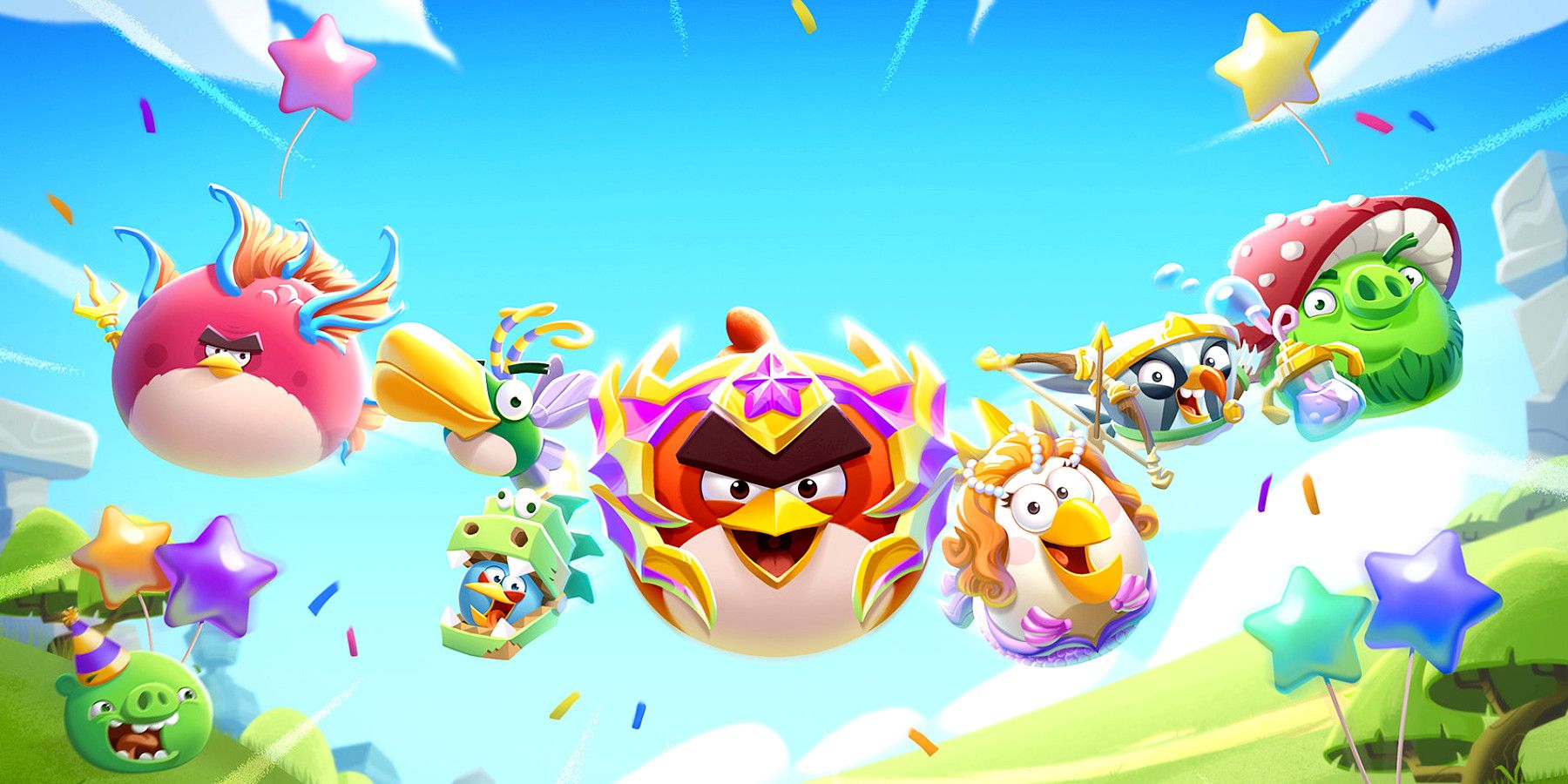
Recent financial adjustments have prompted a revised outlook for the year. The company now projects net sales of ¥490 billion ($3.2 billion USD), up from its previous May forecast of ¥475 billion. However, operating income is now expected to be ¥40 billion ($261.5 million USD), a decrease from the earlier estimate of ¥53 billion, due to losses and weaker-than-expected performance in the mobile gaming division. This suggests the company continues to generate substantial revenue, likely thanks to its pachislot machines and successful licensing agreements, but its profitability has been significantly hurt by its investment in mobile gaming.
Read More
- All Shadow Armor Locations in Crimson Desert
- Jujutsu Kaisen Season 3 Episode 12 Release Date
- Dark Marksman Armor Locations in Crimson Desert
- How to Beat Antumbra’s Sword (Sanctum of Absolution) in Crimson Desert
- Top 5 Militaristic Civs in Civilization 7
- Sega Reveals Official Sonic Timeline: From Prehistoric to Modern Era
- Sakuga: The Hidden Art Driving Anime’s Stunning Visual Revolution!
- Keeping AI Agents on Track: A New Approach to Reliable Action
- How to Get the Sunset Reed Armor Set and Hollow Visage Sword in Crimson Desert
- How To Beat Ator Archon of Antumbra In Crimson Desert
2026-02-14 08:06