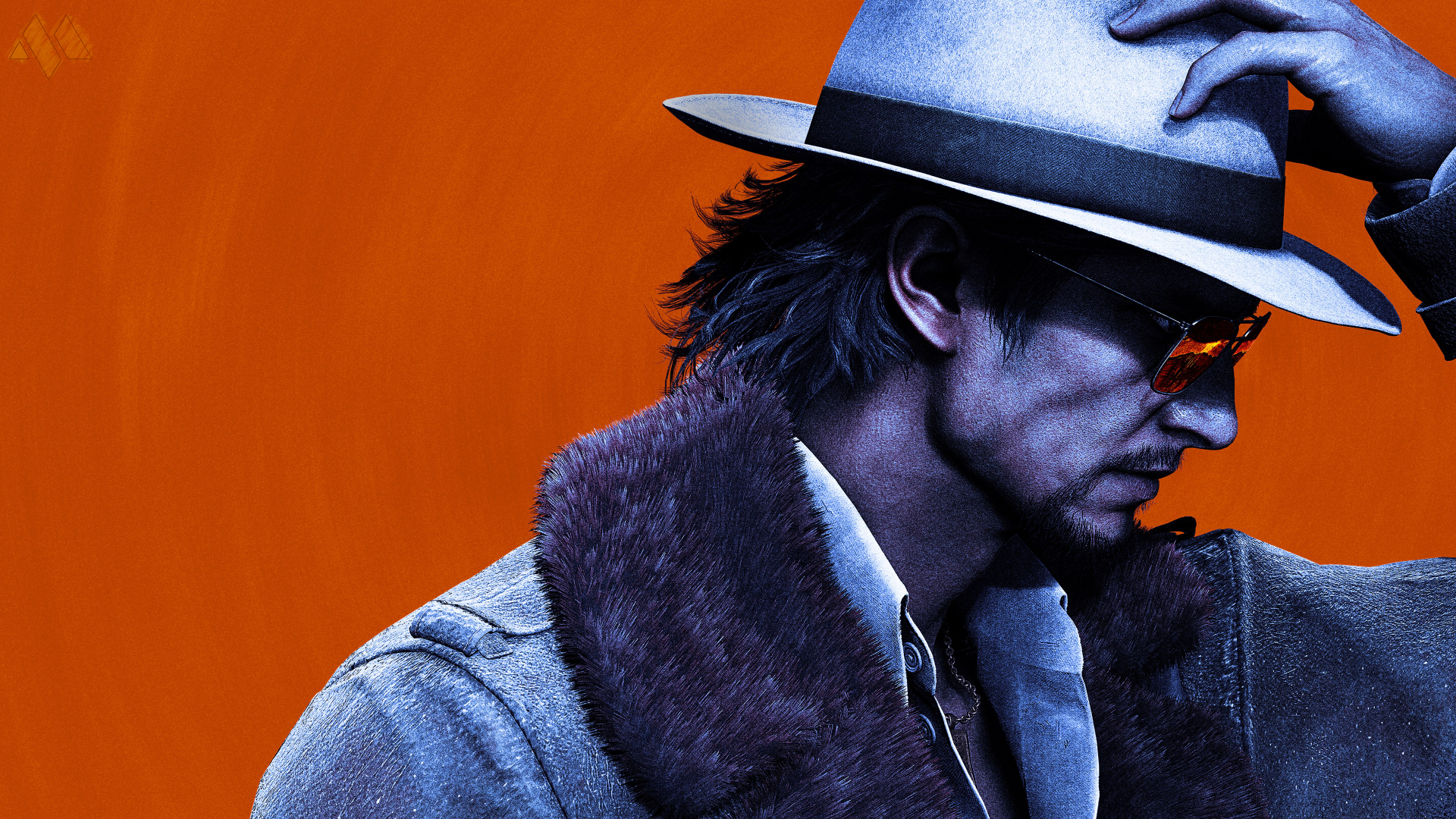
Ryu Ga Gotoku’s upcoming game, Stranger Than Heaven, will essentially serve as the origin story for the Yakuza series. While you likely won’t see many characters you recognize – the game is set in five different time periods long before most Yakuza characters were even born – it will explore the shared history of the world. Stranger Than Heaven will delve into the social, economic, and political forces that shaped the Yakuza universe, mixing real Japanese history with the series’ signature crime drama.
A key strength of the Yakuza/Like a Dragon series is its uniquely Japanese viewpoint – even when the games take place outside of Japan, they’re always presented through a Japanese cultural lens. This focus might be even stronger in Like a Dragon: Ishin!, which explores pivotal moments in Japanese history across the years 1915, 1929, 1943, 1951, and 1965. Knowing about these periods could give us clues about the story and atmosphere of the game, even though it will likely take some creative freedoms.
Any connection between real-world historical events and the story of Stranger than Heaven is currently just guesswork. As of now, neither RGG Studio nor SEGA has explained how history influences the game.
1915 – World War 1 and Japan’s Twenty-One Demands
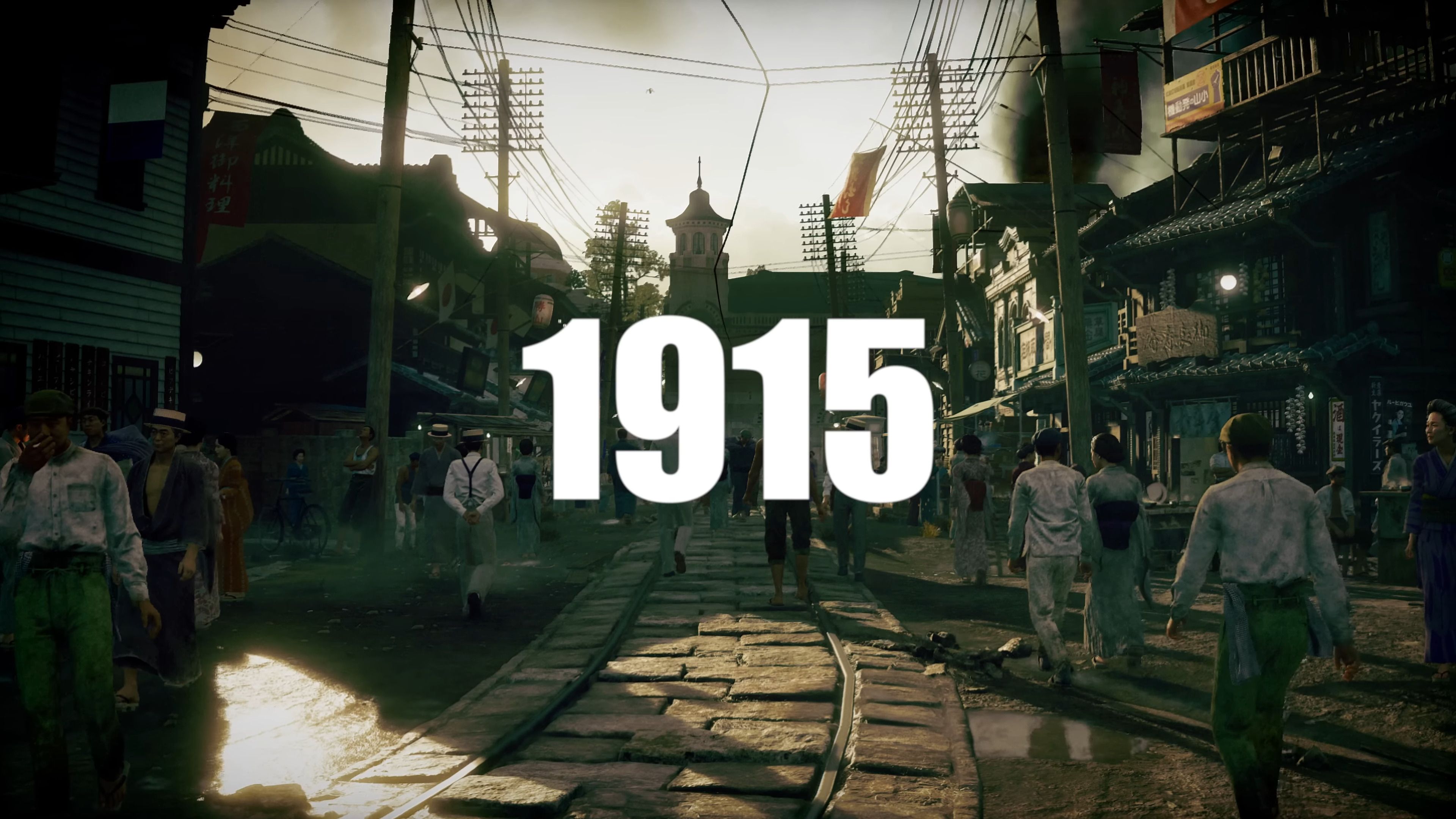
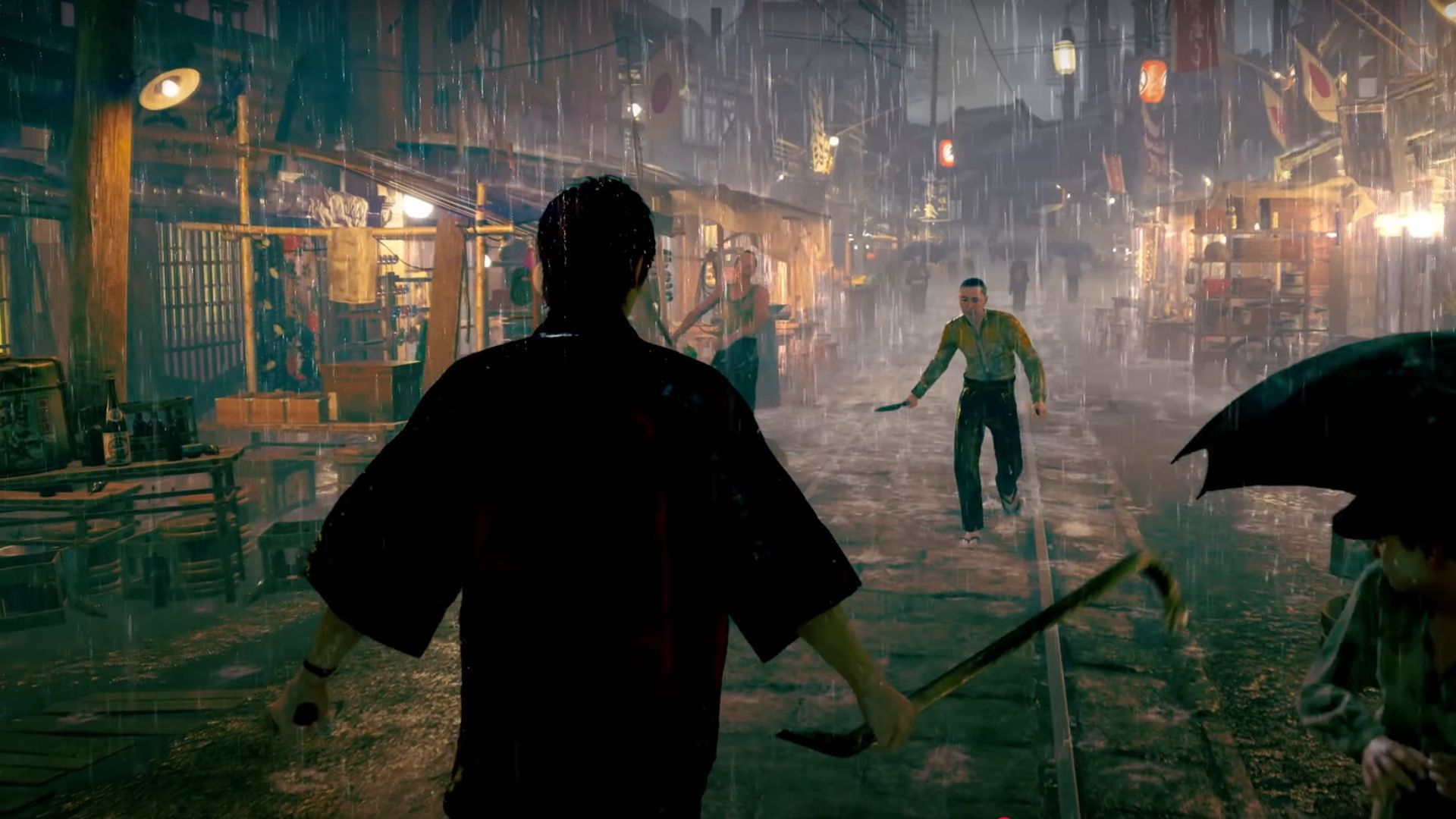
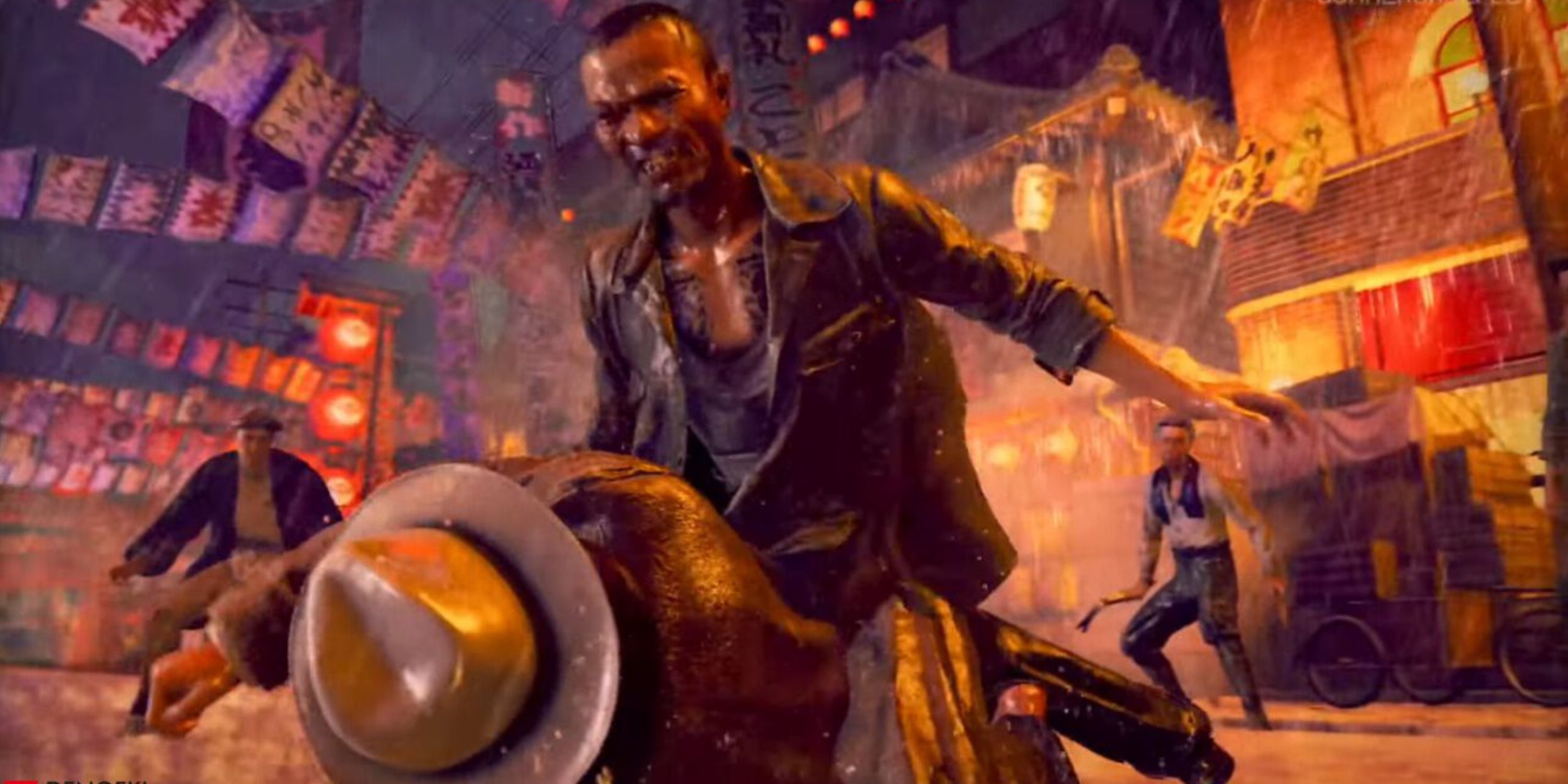
By 1915, World War I was already underway, and Japan had been fighting alongside the Allies against Germany since August 1914. Japan joined the war with the understanding it could seize German possessions. However, Japan also used this as a chance to increase its control over China, as it was actively pursuing colonial expansion, a policy that began around 1895.
 Find all 10 pairs Results
In January 1915, Japan presented China with a set of demands – known as the Twenty-One Demands – without consulting its allies. These demands would have significantly increased Japan’s power and control over China, harming both Chinese and Western interests. Although Japan eventually backed down, the incident created growing friction between Japan and China, the United States, and European nations, all of whom considered the demands aggressive and imperialistic.
1915 was a really tough year for Japan’s image internationally – there were boycotts and a lot of political problems. As a fan of Stranger Than Heaven, I’m really curious to see if the game will explore how all of this affected people on the ground, both regular citizens and the Yakuza. It’s easy to picture the Yakuza taking advantage of the situation when Japan seemed vulnerable, and I’m hoping the game will show us that side of things.
1929 – The Great Depression
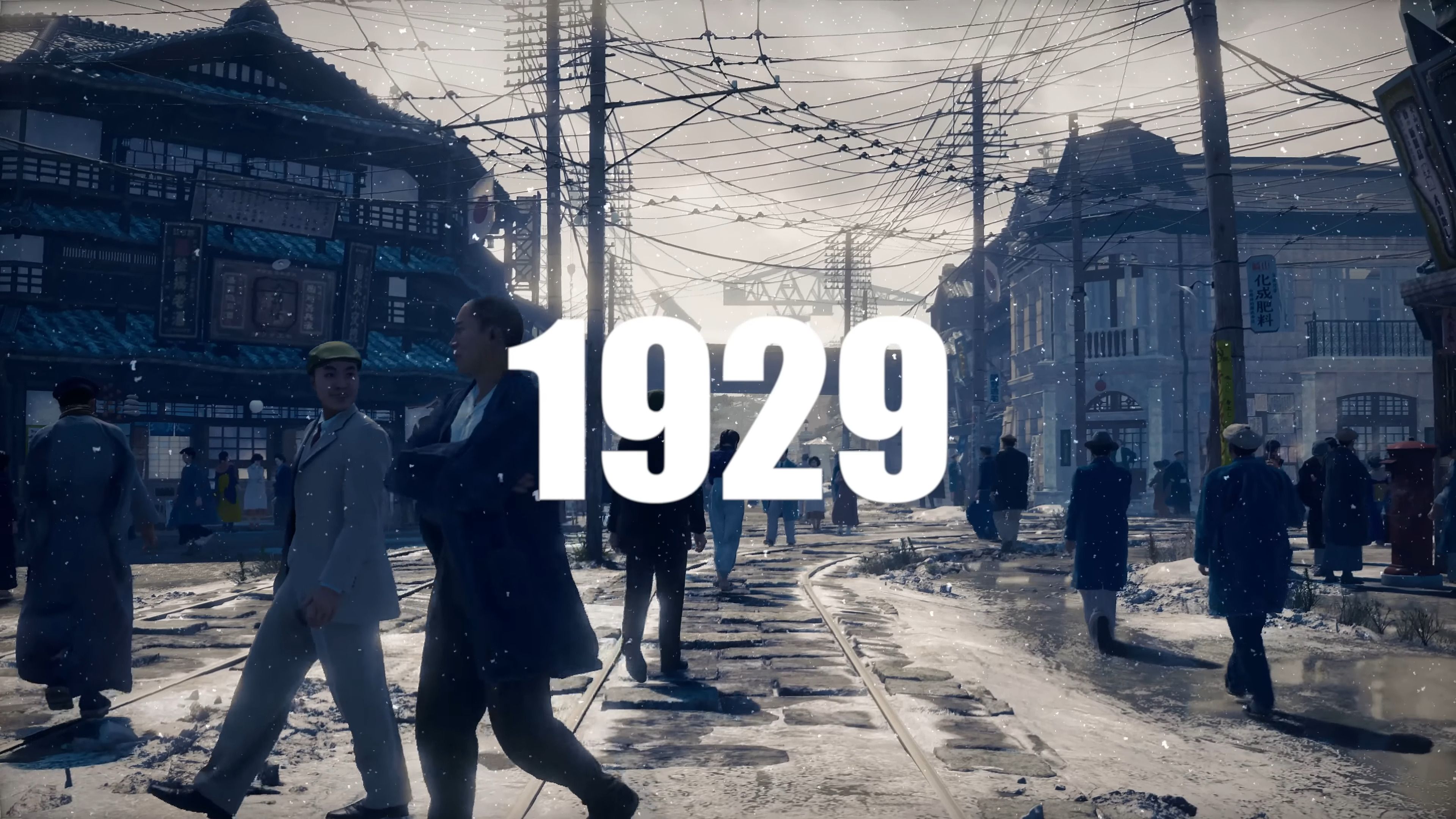

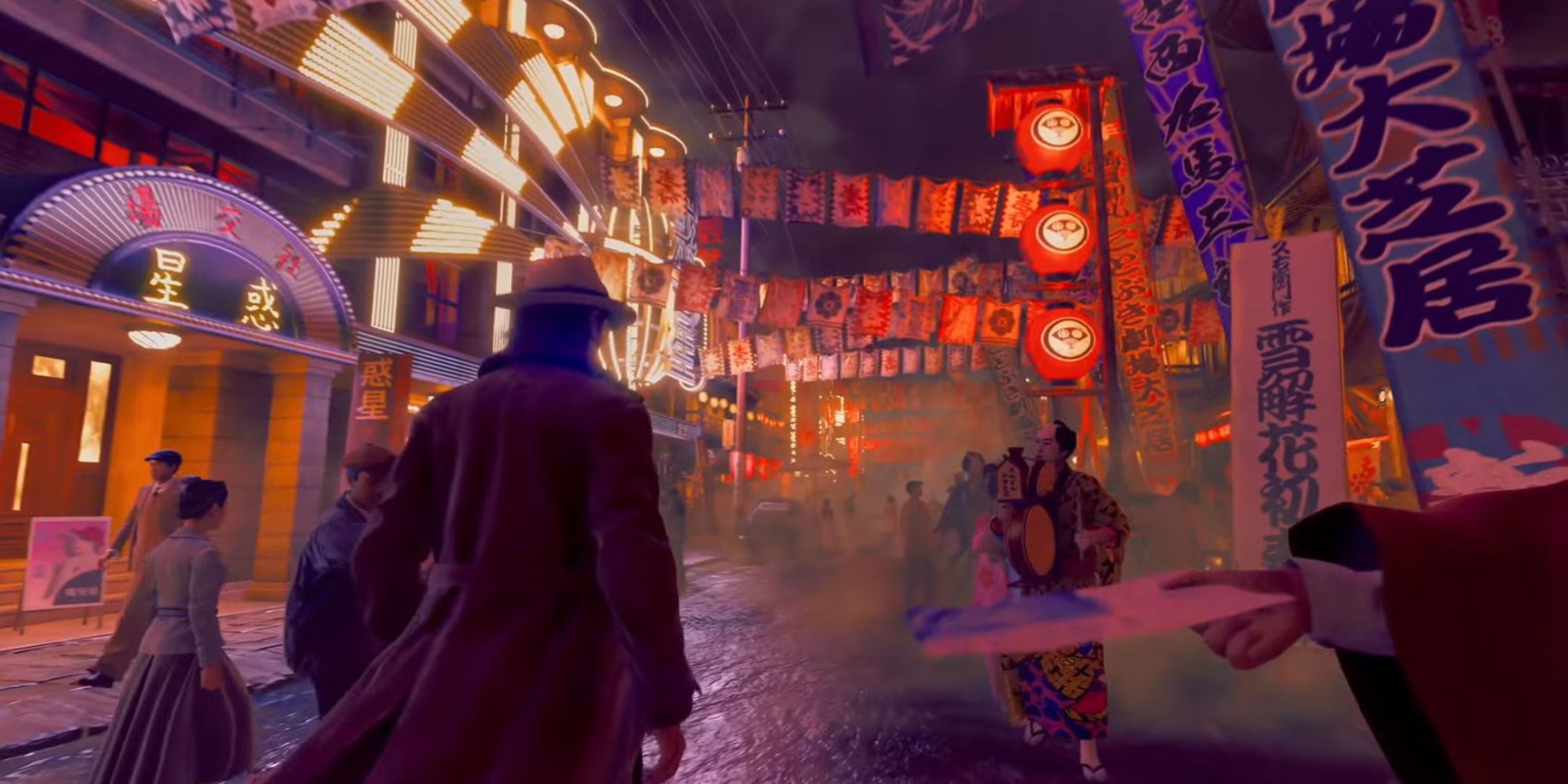
Like many countries during World War I, Japan saw significant industrial growth. Businesses greatly increased production throughout the 1920s, creating a period of economic boom. However, this growth wasn’t sustainable, and in 1927, a surge in business investments led to a major financial crisis. This happened before the Great Depression of 1929, which worsened Japan’s economic situation by causing declines in both exports and farming.
Connecting the early years of World War I to the start of Japan’s Great Depression (also known as the Showa Depression) could help Stranger Than Heaven provide more background on the economic factors that led to the rise of the Yakuza in the 20th century. Generally, when people lose trust in established systems, organized crime often fills the void, with both positive and negative consequences.
1943 – Japan On the Back Foot in World War 2
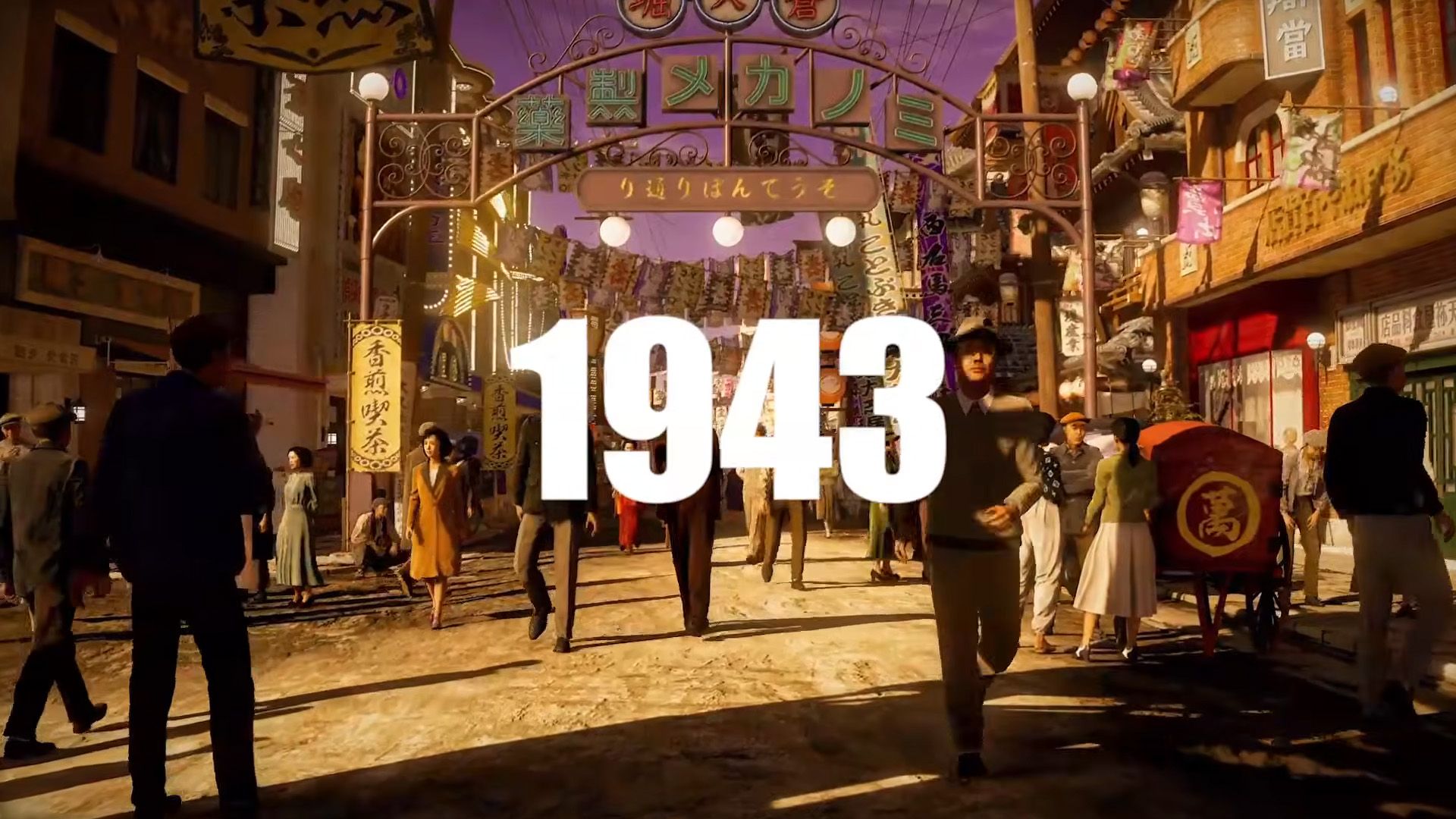
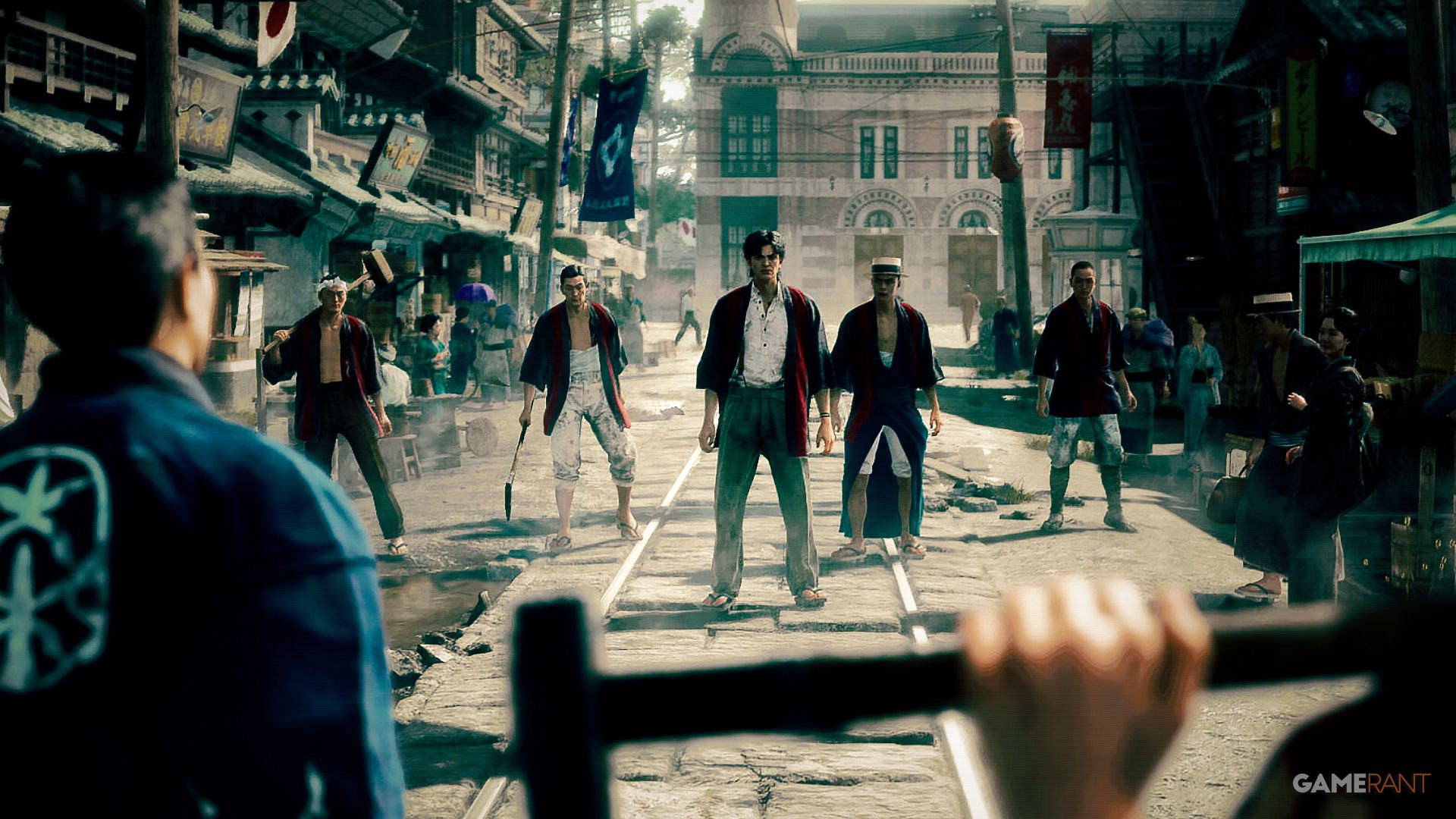

By the beginning of 1943, Japan had reached the peak of its power, controlling countries across Asia like Malaysia, Thailand, Vietnam, South Korea, Indonesia, and the Philippines, as well as large parts of China. However, cracks were starting to appear in the empire. Throughout the year, Japan experienced a series of military failures, forcing them to retreat from some areas and resulting in significant losses of soldiers and supplies.
During this period, everyday life in Japan was marked by strong support for the country’s war aims. As the government invested heavily in expanding and holding territories, Japanese citizens faced shortages of food and essential goods, and many young men were conscripted into military service. Around 6 million Japanese men fought in World War II, and over 2 million of them died in battle. This difficult, nationalistic environment could significantly shape the themes and story of Stranger Than Heaven.
Information about Yakuza activities during this era is scarce, which gives the game Stranger Than Heaven a lot of creative license in portraying the criminal underworld. The game could explore themes of rising nationalism and isolationism in the country, or depict the Yakuza as figures who help their communities deal with economic and emotional struggles. However, it’s more probable that the game will use this setting to pave the way for the Yakuza’s expansion in the future.
1951 – The End of the Allied Occupation in Japan
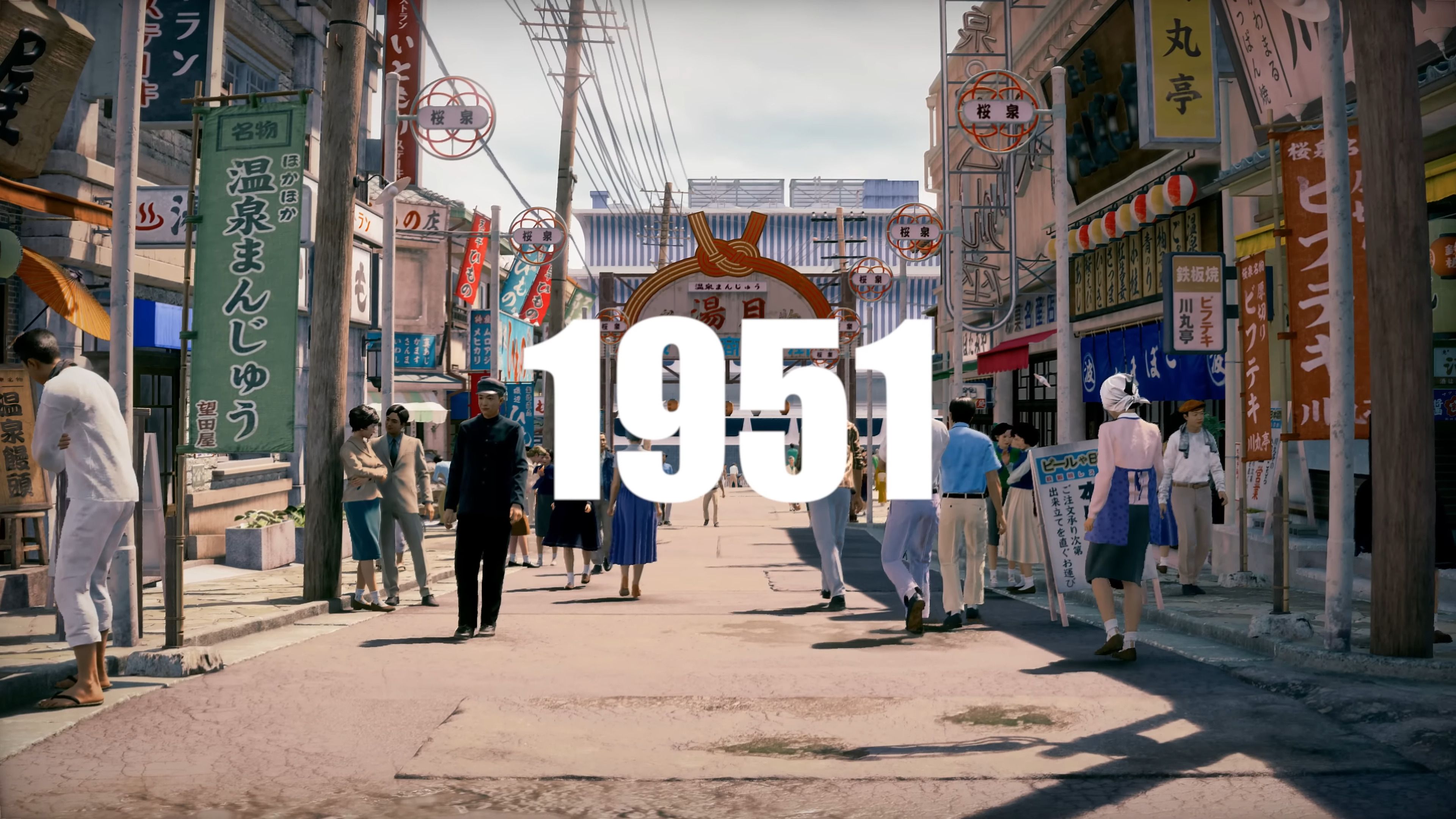
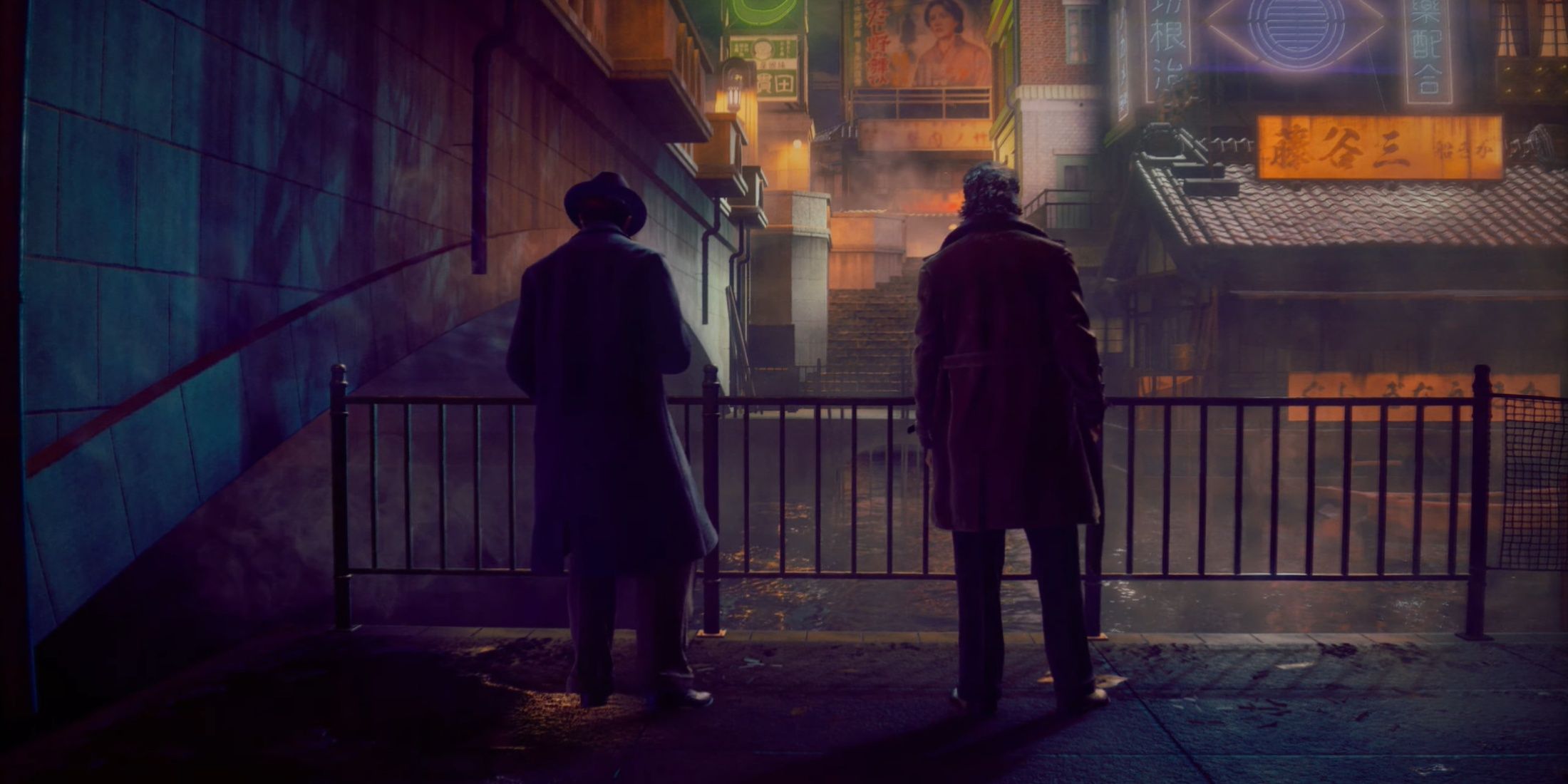
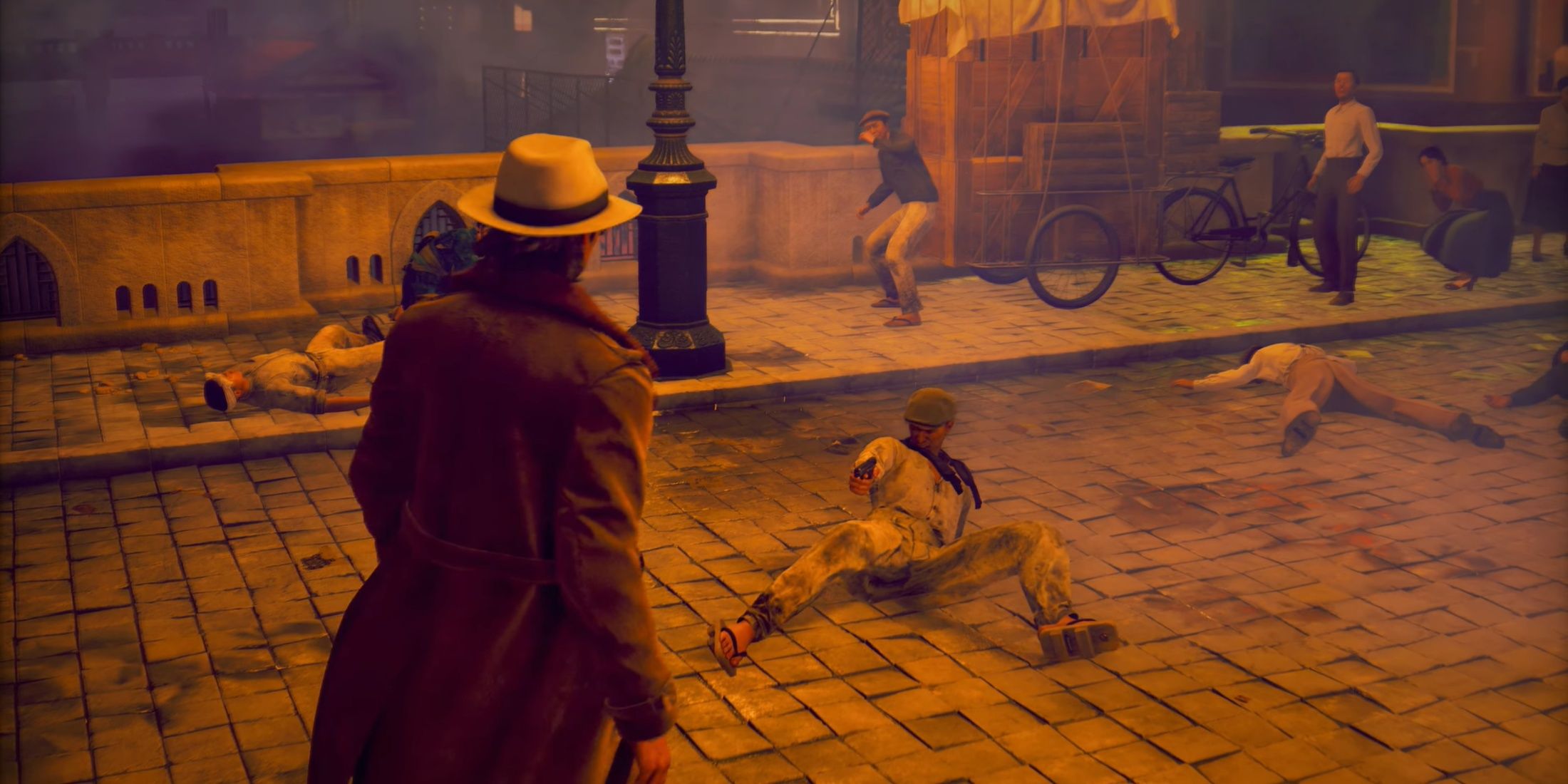
After the atomic bombings of Hiroshima and Nagasaki killed over 200,000 people, Japan signed the Treaty of San Francisco to officially end the war and begin rebuilding. Signed in 1951, the treaty allowed Allied forces to leave Japan, and the country started to experience a period of growth and prosperity.
Following the war, a period of peace allowed the Yakuza to expand their illegal businesses. With the existing power structures changing, Yakuza groups strengthened their control over established areas like street vending and construction, significantly boosting their wealth and influence. During this time, public opinion of the Yakuza also began to change, with stories circulating about their brave actions during World War II – though how true these stories are remains questionable.
After World War II, the Yakuza criminal organizations grew and became deeply embedded in Japanese society. By the time Allied forces left in 1951, they were stronger than ever. The 1950s saw a period of rapid growth for organized crime in Japan, and the game Stranger of Heaven could potentially depict this expansion in many different ways.
1965 – The Peak of the Yakuza and the First Operation Summit
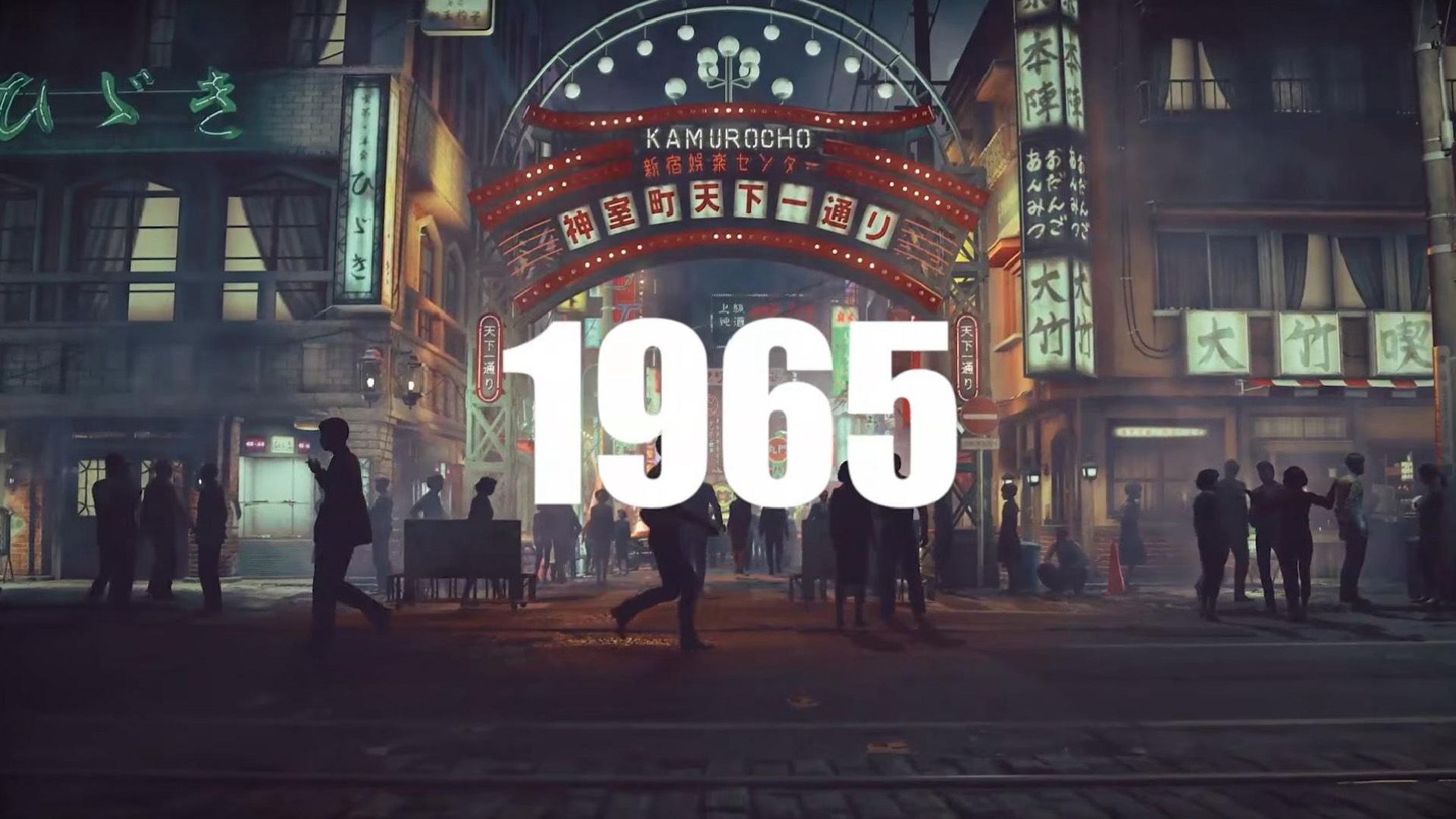
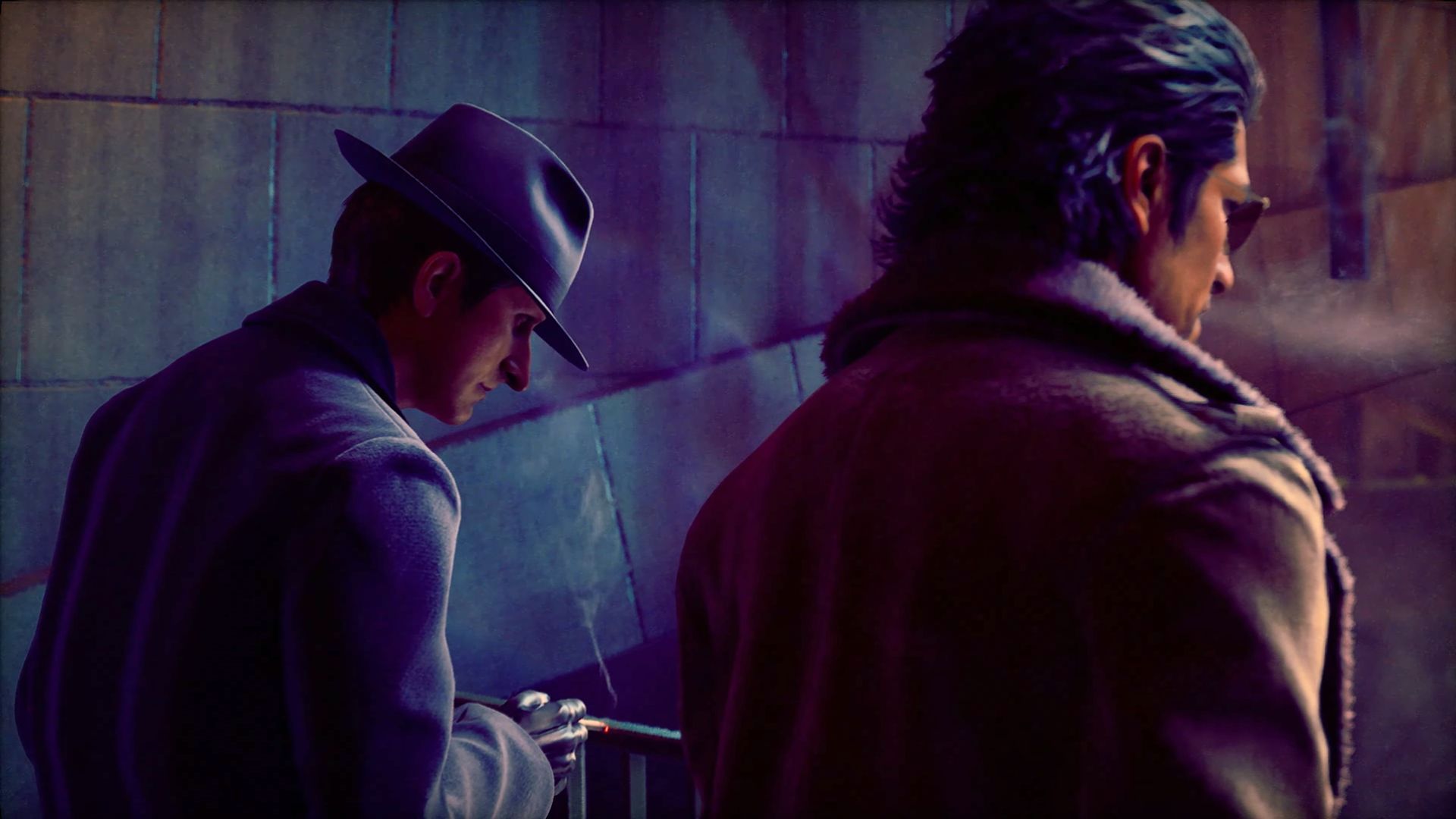
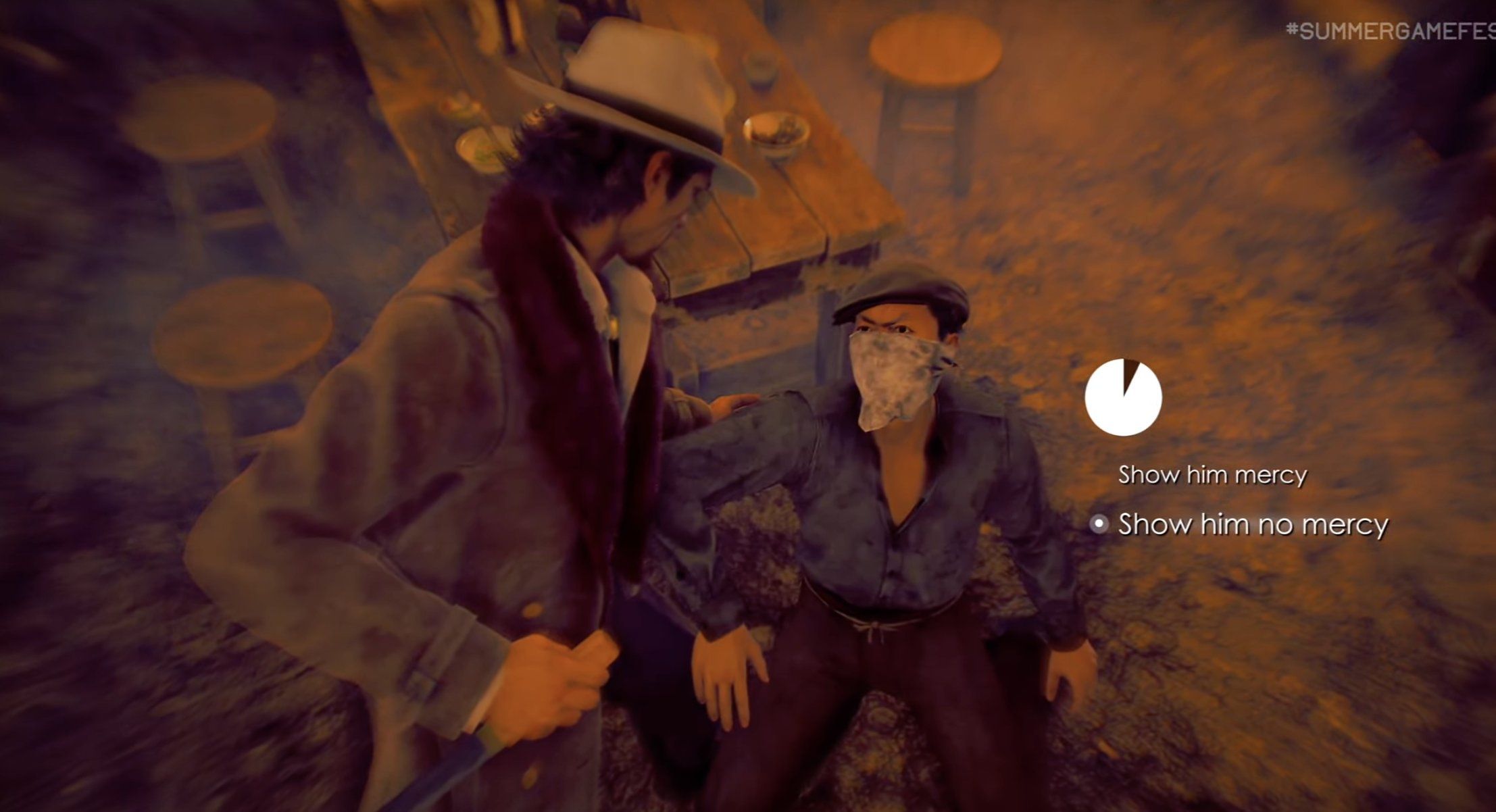
The 1960s marked the height of the Yakuza’s strength and membership, with around 200,000 members across Japan in 1963. Because organized crime was deeply rooted in Japanese society, the Yakuza held significant power, but were also gaining a reputation for violence. This prompted the First Operation Summit, a large-scale police crackdown in 1964 and 1965 that resulted in the arrest of many top Yakuza leaders nationwide.
Following the First Operation Summit, Yakuza groups shrank in size and became more secretive, a pattern that continued for many years. The game, potentially titled Stranger Than Heaven, could portray this period as a major conflict between the Yakuza and the police – a time filled with both accomplishment and turmoil, and steeped in tradition. Given that the game’s story will likely conclude around this time, the developers could leverage this historical backdrop to create a dramatic and satisfying ending.
Read More
- All Shadow Armor Locations in Crimson Desert
- How to Get the Sunset Reed Armor Set and Hollow Visage Sword in Crimson Desert
- Jujutsu Kaisen Season 3 Episode 12 Release Date
- Best Bows in Crimson Desert
- Dark Marksman Armor Locations in Crimson Desert
- Wings of Iron Walkthrough in Crimson Desert
- All Golden Greed Armor Locations in Crimson Desert
- How To Beat Ator Archon of Antumbra In Crimson Desert
- Top 5 Militaristic Civs in Civilization 7
- How to Craft the Elegant Carmine Armor in Crimson Desert
2026-03-31 18:10