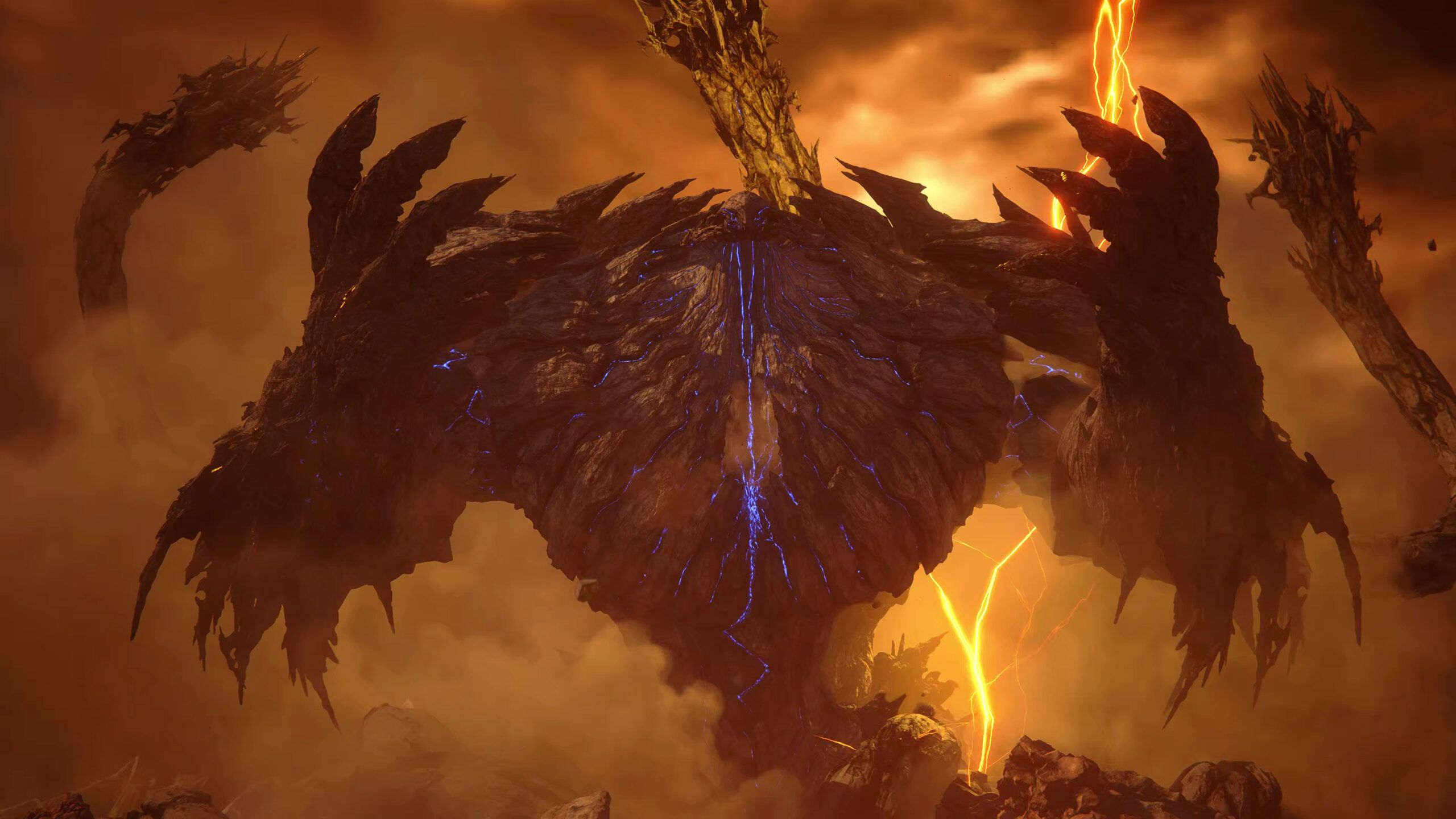
Okay, so Final Fantasy 16 is definitely dividing people, and honestly, I get it. A lot of us are loving how much more grown-up and serious the story is compared to older Final Fantasy games, and the graphics are stunning – the art style, voice acting, everything! But I’ve also seen plenty of people who just weren’t that impressed. It’s not really shocking though, right? Final Fantasy has been around forever and has so many different games, it’s impossible for everyone to agree on what makes it good.
Despite its strengths, Final Fantasy 16 falls short in some areas. The game’s shift towards fast-paced action and away from traditional RPG elements resulted in combat that felt repetitive and lacked depth. The Final Fantasy 7 remake demonstrates how much more engaging the combat could have been. Looking at other games, many titles successfully combine action-packed combat, mature stories, and solid RPG mechanics better than Final Fantasy 16. NieR: Automata is a prime example of a game that excels in all these areas.
Both NieR: Automata and Final Fantasy 16 were published by Square Enix, but they were created by different teams. NieR was developed by PlatinumGames, while Final Fantasy 16 was made by a studio within Square Enix itself.
If You Like Final Fantasy 16’s Combat, You Owe It to Yourself to Check Out NieR: Automata
Fast-paced, over-the-top combat, especially the epic boss fights and intricate melee combos, are central to Final Fantasy 16. While it clearly draws inspiration from action games like Bayonetta, Metal Gear Rising: Revengeance, and NieR: Automata, FF16‘s gameplay doesn’t quite reach the same level of polish or excitement.
As a gamer, I’d say NieR feels a lot like Final Fantasy 16 in terms of fast-paced, reaction-based combat, but it takes things way further. It’s seriously chaotic – sometimes it feels like playing Bayonetta at double speed! But what really sets it apart is how it throws in stuff from totally different genres, like bullet hell shooters, old-school platformers, and even twin-stick shooters. This mix of gameplay styles means you need to be quick, skilled with the buttons, and really think about the risks you’re taking. Final Fantasy 16 has a lot of the same elements, but I found I could often get through it just by hitting buttons and leveling up, whereas NieR really demands more from you as a player.
NieR: Automata Nails at Least One ARPG Convention Better than Final Fantasy 16 Does
For action RPGs, how you improve your character, customize your build, and craft powerful combinations is more important than how good the combat feels in the moment. That’s what really sets the genre apart from other action games. Sadly, Final Fantasy 16 handles these key elements in a very basic way. Character progression relies on uninspired skill trees and fairly standard gear. What’s even more frustrating is that much of your power comes from unlocking new abilities that have long cooldowns, adding power without actually making combat more strategic or interesting.
Like many excellent action RPGs, NieR: Automata offers unique ways to improve your character and create different builds. It has familiar features like leveling up and upgrading weapons, but adds a layer of depth with Plug-In Chips. Think of these chips as perks – powerful abilities that require storage space to equip. The amount of storage you have depends on items you find in the game. These perks can be simple, like increasing damage, or more complex, offering benefits tailored to your playstyle, such as damaging enemies when you heal. Interestingly, players can even choose to remove parts of the game interface to gain more storage space.
Despite being limited by how much storage it has, NieR: Automata offers a really well-designed way to improve your character. It’s thoughtful, lets you play how you want, and encourages you to try new things and plan ahead. The game rewards you for experimenting with different character builds, seeing how different upgrades work together, and taking risks for big rewards – and that kind of creativity is what makes it stand out.
A More Mature, Nuanced Story Than Final Fantasy 16’s Can Be Found Within NieR: Automata
There’s been a lot of discussion about the many endings in NieR: Automata, its clear influences from classic philosophy and art, and the unique style of its creator, Yoko Taro. But truly understanding what makes the game special requires playing it yourself. Like other visionary game developers such as Hideo Kojima, Fumito Ueda, and Suda51, Yoko Taro crafts projects with a distinctive personality and atmosphere that feels uniquely his own.
The world of NieR is surprisingly deep and ambitious, and it delivers on many of the promises made by Final Fantasy 16. It tackles mature themes with nuance, asks challenging questions without easy answers, and puts players in the shoes of complex, imperfect characters. While Final Fantasy 16 sometimes achieves this, NieR: Automata consistently succeeds.
While it doesn’t quite capture the same vibrant feel as a Final Fantasy game, NieR: Automata shares a similar heart and structure with Final Fantasy 16, making it a worthwhile comparison. If you’ve never played NieR and enjoy games like Final Fantasy 15 and 16, it’s definitely worth checking out.
Read More
- All Skyblazer Armor Locations in Crimson Desert
- One Piece Chapter 1180 Release Date And Where To Read
- New Avatar: The Last Airbender Movie Leaked Online
- All Shadow Armor Locations in Crimson Desert
- How to Get the Sunset Reed Armor Set and Hollow Visage Sword in Crimson Desert
- Cassius Morten Armor Set Locations in Crimson Desert
- Red Dead Redemption 3 Lead Protagonists Who Would Fulfill Every Gamer’s Wish List
- Grime 2 Map Unlock Guide: Find Seals & Fast Travel
- USD RUB PREDICTION
- Euphoria Season 3 Release Date, Episode 1 Time, & Weekly Schedule
2026-01-21 15:06