
The community understandably reacted with frustration when Ubisoft closed down The Crew in April 2024. However, the decision wasn’t unexpected; the game had been out for almost ten years, and fewer and fewer people were playing it. This left players who’d bought the game unable to access it, which was understandably upsetting.
But what happened next was huge, and honestly, it felt like something a lot of us fans had been waiting for. This French consumer group, UFC-Que Choisir, filed a lawsuit, and it sparked a much bigger conversation. It could have just meant the game disappeared and we were all left disappointed, but instead, it became a really important moment about what it means to actually buy a game these days and what we should expect from developers.
We’ve faced challenges like this before, and we likely will again. However, the situation with The Crew feels particularly significant – it’s reached a point where the issues can no longer be dismissed or explained away.
We Agreed to Terms We Never Really Thought About
Reddit
The move from physical products to digital ones happened slowly, so many of us didn’t realize how much things had changed. When we bought physical media like CDs or game cartridges, we actually owned something we could hold, share, or even sell later. Digital stores were presented as a convenient option, and they often were. They offered lower initial prices, immediate access, and saved space. It was easy to agree to the change without fully considering the implications.
The small print actually changed who owned the game. Instead of buying a game outright, you were just buying permission to play it, and that permission could be taken away or run out. Most people didn’t object much, either because it seemed unlikely to happen, or because it usually affected older or less popular games. It was easy to ignore the issue since it didn’t often impact games we really enjoyed.
The cancellation of The Crew felt different. Unlike many games that simply fade away, The Crew had a dedicated player base, was actively updated for years, and was available for purchase through major online stores until just before it was shut down. Players who had recently bought the game were surprised to find it was no longer playable, with no warning. While the developers cited server and infrastructure costs as the reason, this explanation didn’t feel genuine, especially since the game required an internet connection, offered no offline option, and players received only a small discount on the next game as compensation.
The Lawsuit that Made It Real
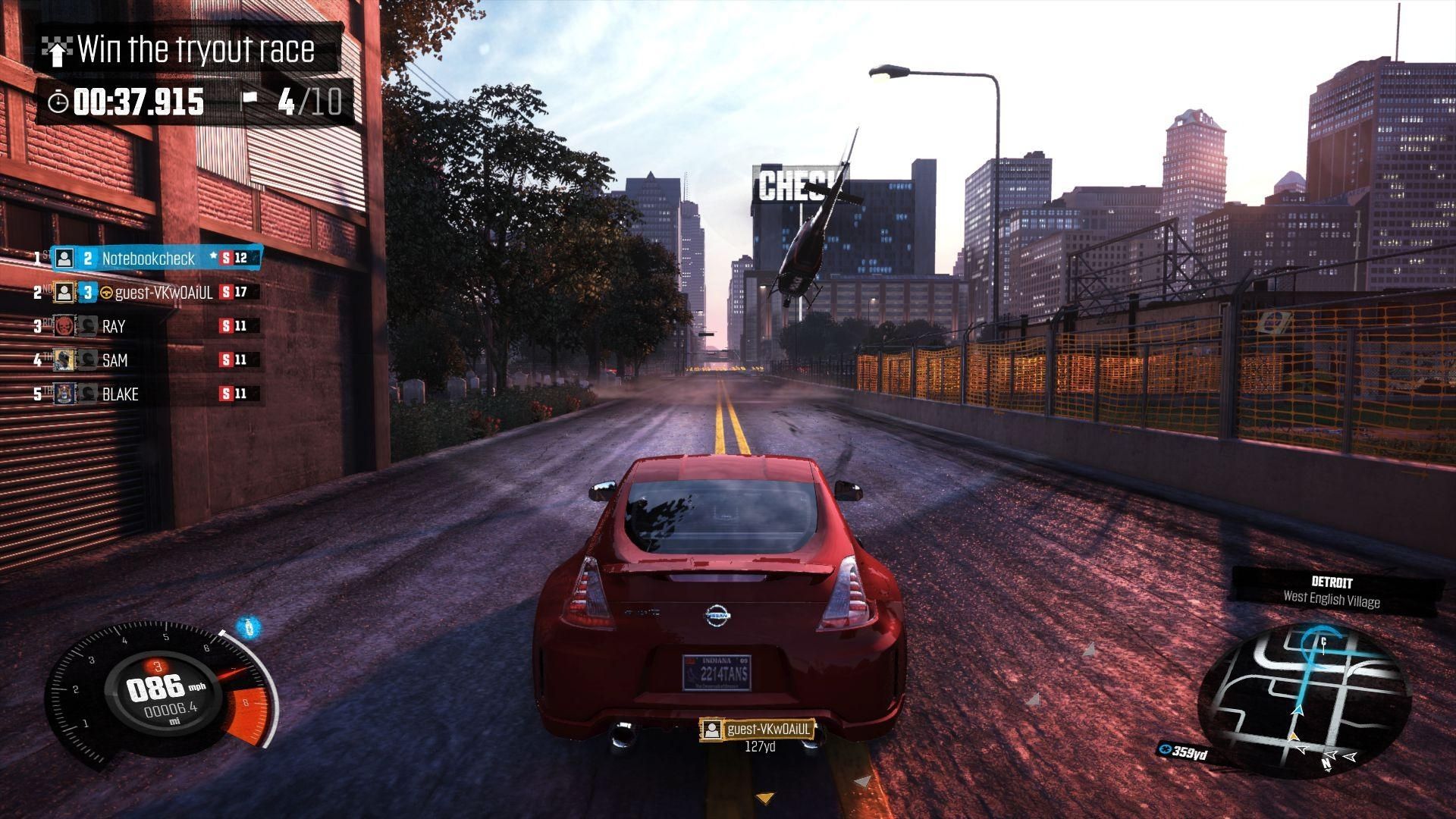
The reaction to The Crew’s shutdown stood out because of the legal action taken. When the consumer group UFC-Que Choisir sued Ubisoft in France, it went beyond typical player complaints online. The lawsuit raised a serious question: is it misleading to sell a game that can be completely disabled later? This is a question regulators in multiple countries are now starting to investigate, and it’s a significant development.
I always loved having physical copies of games and music. It just felt good to own something real – a disc or cartridge you could actually hold. Plus, you could lend it to friends, sell it when you were done, or just keep it forever, knowing it was yours!
The UK’s consumer protection agency is encouraging clearer information about digital purchases, particularly highlighting the difference between owning something and simply having a license to use it. While no major laws have been passed yet, this is a significant trend. It’s no longer just gamers raising these issues; governments and consumer advocates are also getting involved, meaning companies need to be aware of potential changes and adapt accordingly.
As a long-time Ubisoft fan, it’s honestly been frustrating to watch things unfold with The Crew. It’s not just about that one game, though. There’s been a pattern for a while now – promises for ongoing support that don’t really pan out, games launching with a lot of issues, and it feels like the connection between Ubisoft and its players has just been getting weaker. The Crew shutting down really highlighted all of that, but it was already happening before, and it felt like this was just the breaking point. It wasn’t just a problem with the game itself, but a bigger issue with how the company has been operating.
This Isn’t Just About Ownership
YouTube: ZephyrMantis
Most players don’t really focus on owning games as a formal idea. When a game is enjoyable, runs smoothly, and the company behind it is trustworthy, people don’t usually worry about the details of the license. For over twenty years, platforms like Steam, PlayStation, and Xbox have used digital licenses, and most players are okay with that system. As long as players trust the service, the fact that games aren’t permanently ‘owned’ isn’t a major concern.
The recent controversy surrounding The Crew isn’t about people fundamentally opposing digital game licenses. It’s about a breakdown in trust. When a company has a good relationship with its players, they’re usually understanding. But when that relationship is already weak, even simple actions can be seen negatively. Ubisoft didn’t just close a game; they did it at a time when many players already felt the company didn’t have their best interests at heart.
This anger goes beyond just ideas; it’s deeply personal. It stems from feeling disappointed when something you believed in – something you put your time, energy, and money into – doesn’t deliver. That kind of letdown can’t be easily solved by laws or simply getting your money back.
The Precedent Problem
As a gamer, the whole situation with The Crew really worries me. It’s not just about losing that one game, it’s what it suggests about all the digital games we buy. I mean, if a game with a dedicated community that was still being sold just a few months ago can suddenly vanish from our libraries, what does that mean for everything else we’ve purchased? It’s a really unsettling thought, and a lot of us are left wondering if our digital collections are as secure as we thought.
It’s important to be realistic: almost all online games face the risk of eventually shutting down. Any game that relies on servers, requires a constant internet connection, or is continually updated is, to some extent, on a limited lifespan. Usually, these games become outdated or unpopular long before they actually disappear, but the chance of them going offline always exists. The situation with The Crew felt different for many players because it made that possibility very real – it wasn’t just a theoretical concern anymore.
This situation is especially difficult because the games most likely affected are often those players are most dedicated to. Games that are constantly updated, require an internet connection, or are designed as ongoing services usually have players who’ve invested significant time and money. It’s understandable that those players are upset at the possibility of losing everything with no way to fix it.
What a Trustworthy Version of This Looks Like
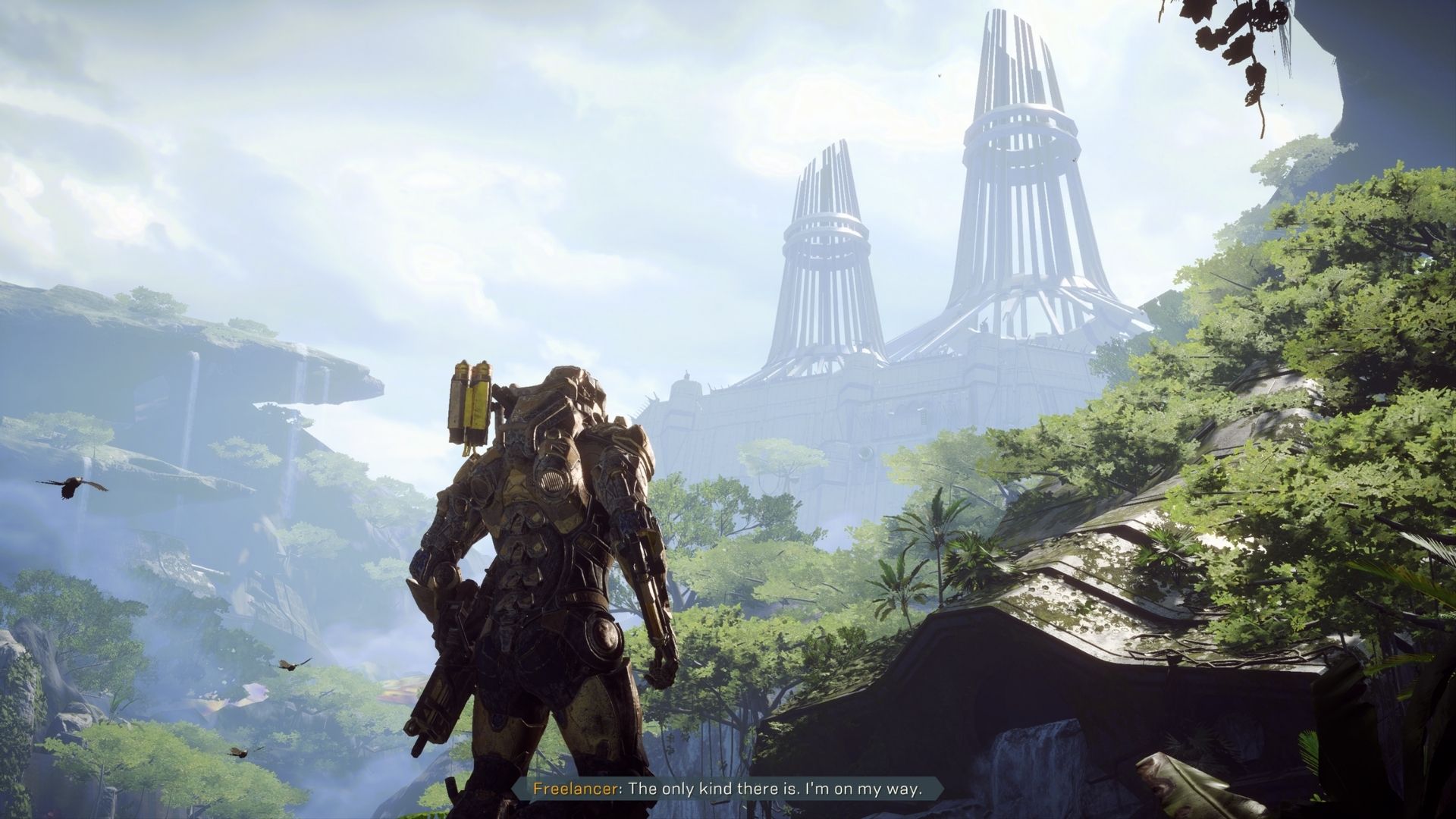
This isn’t to say that online games or the stores where you buy them can’t work. It simply means companies need to plan ahead for when a game eventually stops being supported. Some studios are already doing this right – they offer ways to play offline as fewer people play online, let players run their own servers, or at least clearly explain what will happen when a game is no longer updated.
Subscribe to the newsletter for deeper digital-ownership insights
These acts of kindness usually don’t cost companies much, but they send a powerful message. They show customers that the company values its relationship with them, even after the sale is complete. While not legally required in most cases, this level of care is increasingly expected. Customers are more informed than ever and will remember which companies supported them when things were tough.
The idea that running servers is too expensive to allow for offline patches doesn’t make much sense for most games. It seems logical at first, but falls apart when you think about it more deeply. Dedicated fan groups have frequently created these kinds of solutions on their own, even with limited funds. More often than whether a game studio could implement offline patches, the real question is whether they wanted to.
The Conversation We’re Now Having
YouTube: John GodGames Emus
The situation with The Crew is sparking a larger conversation about what people expect from the gaming industry – something that’s been avoided for a while. Players are now much more aware of their rights as customers in the digital world, regulators are paying closer attention, and with many companies facing financial challenges, the idea of paying for games that can be taken away feels unacceptable.
Look, digital games aren’t going away, and we’ll still see games that are constantly updated. Publishers aren’t suddenly going to put offline modes in everything either. But what’s changing is that players – and even lawmakers – are starting to push back against developers just pulling the plug on games without warning or offering refunds. We’re not okay with that anymore, and it feels like things are finally starting to shift.
The issue isn’t really about who legally owns the games. Most players understand what a license means. The bigger problem is whether the companies selling these licenses are trustworthy. And, for many of us, they haven’t fully earned that trust yet.
Read More
- All Skyblazer Armor Locations in Crimson Desert
- One Piece Chapter 1180 Release Date And Where To Read
- How to Get the Sunset Reed Armor Set and Hollow Visage Sword in Crimson Desert
- All Shadow Armor Locations in Crimson Desert
- All Golden Greed Armor Locations in Crimson Desert
- How to Beat Stonewalker Antiquum at the Gate of Truth in Crimson Desert
- All Helfryn Armor Locations in Crimson Desert
- Marni Laser Helm Location & Upgrade in Crimson Desert
- Black Sun Shield Location In Crimson Desert (Buried Treasure Quest)
- Cassius Morten Armor Set Locations in Crimson Desert
2026-04-11 16:11