Many games now feature crafting systems that let players create their own tools, weapons, and even entire bases. Instead of just finding items, players collect materials, process them, and build what they need to progress. This makes players feel more connected to their achievements, as success relies on careful planning, managing resources, and understanding how everything works together.
Many games center around staying alive, requiring players to gather resources to build homes, find food, and protect themselves. Others emphasize building and expanding, letting players create huge, automated factories or complex economies based on items they produce. No matter the specific style of game, crafting is a key element and a core part of the experience.
No Man’s Sky
Crafting For Survival And Expansion Across The Galaxy
- Resources in the hundreds, gathered from planets and space, are refined into upgrades, base parts, and advanced technology.
- Blueprints unlock crafting paths that support exploration, ship upgrades, and large planetary settlements.
Crafting is a core part of the No Man’s Sky experience, woven into almost everything you do in its huge, ever-changing universe. Whether you’re exploring, improving your gear, building a base, or fixing things, you’ll need crafted items. Instead of starting with all the recipes, you discover them as blueprints by exploring abandoned places, buying them from traders, or completing missions.
The game features a deep crafting system where many items are created simply to build even better ones. This creates extended crafting chains, transforming basic materials into advanced technology – like refining minerals into alloys used for ship and base improvements. Players can also enhance their equipment, such as exosuits, starships, and tools, with crafted parts, directly linking crafting to their overall progress.
Minecraft
Crafting Forms The Foundation Of Survival, Building, And Automation
- Nearly every tool, weapon, and structure comes from combining gathered resources through crafting recipes.
- Crafting evolves from basic survival gear to advanced systems like farms.
Minecraft is known for its incredibly creative crafting system. Players begin in a different world each time they start, and they gather resources like wood, stone, and metal by exploring and mining. You can start crafting simple items – like planks and sticks, or even a crafting table – right in your inventory using a small grid. But the real crafting happens with the crafting table, which gives you a larger space to create almost anything the game has to offer.
What truly makes Minecraft engaging isn’t just the huge number of things you can craft, but the fact that almost everything you use or build comes from materials you’ve created yourself. Some crafting recipes need ingredients arranged in a specific pattern – like making shears with iron ingots – while others are simpler, letting you place the ingredients anywhere as long as you have them all.
Factorio
Automation Of Industrial Production Lines
- Automated machines craft components continuously, turning raw resources into complex items.
- Players design massive production chains that efficiently create advanced technology and research materials.
Factorio shifts the emphasis in crafting from the finished product to how it’s made. While you can make a few items by hand at the start, the game quickly demonstrates that relying on manual labor isn’t efficient for large-scale production. Instead, Factorio encourages you to build automated production lines using a variety of machines – including assemblers, furnaces, and chemical plants. These machines handle the work for you; for instance, a furnace can automatically turn iron ore into plates, and an assembler can then use those plates, along with other resources, to create more complex items like circuits and engines.
The true complexity of the system comes from connecting machines together into full-fledged factories. These factories work like production lines, where one machine’s output becomes the next machine’s input. For example, a line could start by mining raw materials, then processing them into metal plates, and finally assembling those plates into complex items like electric motors or parts that improve factory performance. Players need to carefully arrange multiple machines in order, as each machine can only handle one specific step in the crafting process.
Satisfactory
Crafting Evolves Into Automated Factories
- Machines transform mined resources into advanced components through complex production lines.
- Expanding automation becomes essential for unlocking new technology and scaling production.
In Satisfactory, crafting isn’t just about making items one by one – it’s about building a huge, automated factory. You start by crafting things manually, but this is mostly to teach you the basics. Soon, you’ll need to create machines that constantly produce items for you. You’ll gather resources like iron, copper, limestone, and coal with miners, then use conveyor belts to move them where they need to go.
The game gets really engaging with the Molecular Analysis Machine and Hard Drives. Players can discover crashed spaceships that hold these drives, and scanning them unlocks new crafting options. For instance, you might find a recipe to make screws straight from iron, bypassing an earlier step. This lets you completely customize your factory to suit your playstyle – you can prioritize saving power or using fewer resources. All of this builds towards constructing the Space Elevator, a huge project that needs thousands of advanced components to unlock the next level of technology. By the late game, you’ll be handling liquids in pipelines, managing electricity, and utilizing trains to transport materials around your expanding factory.
Life Is Feudal: Your Own
Quality-Based Crafting
- Crafting depth grows as characters train in skills like blacksmithing, construction, farming, and other professions.
- Complex projects often require cooperation, encouraging specialized crafting roles.
Life is Feudal: Your Own features a crafting system built around realism, mirroring the challenges of medieval life where resources aren’t easily obtained. A key feature is its quality system: every item and material has a quality rating from 1 to 100. The final quality of a crafted tool depends on the quality of the materials used, the workstation, and how skilled the player is.
As you become more skilled in the game, you’ll unlock more advanced crafting recipes. Beginners can make simple tools and buildings, while experienced crafters can create powerful weapons, durable armor, detailed furniture, and strong fortifications. The quality of your crafted items is important – better items are more durable and effective. Life is Feudal offers a huge variety of things to craft, with over 750 different items available to patient players.
7 Days To Die
Crafting And Base Building Are Key To Surviving Zombie Hordes
- Recipes, perks, and workstations allow players to craft weapons, vehicles, medicine, and defenses.
- Continuous upgrades are needed to survive increasingly dangerous enemy attacks every seven days.
In 7 Days To Die, you need to actively search the world for materials to create almost everything you’ll need to survive. The game’s crafting system lets you build vehicles, tools, weapons, armor, medical supplies, food, and building materials, but these items won’t just appear – you have to craft them using resources you find while exploring and looting.
Items in the game range in quality from 1 to 6. Lower-level items, like a level 1 stone axe, are simple to create but aren’t very durable or powerful. Higher-level items, such as a level 5 axe, are much more effective. The best items, at level 6, are special because you usually find them while exploring or earn them as rewards – you can’t make them yourself. This encourages players to constantly gather resources and build new things. Creating advanced items requires building different workstations: a Forge for working with metals, a Workbench for tools, and a Chemistry Station for things like gunpowder and medicine. Crafting also means finding specific components – for example, building a motorcycle requires an engine, wheels, and a chassis. This system keeps players engaged in a continuous search for the parts they need.
Vintage Story
Realistic, Boxy Crafting Simulates Historical Toolmaking And Survival
- Hands-on crafting systems include knapping stone, shaping clay, and forging metals through multistep processes.
- Survival progression mirrors technological development from primitive tools to advanced metallurgy.
Vintage Story stands out as a remarkably realistic crafting game due to its emphasis on the physical actions required to create items. Unlike many games that rely on simple menus, Vintage Story uses a voxel-based system where players actively shape materials. For example, to make a stone tool, you must ‘knap’ – carefully chip away at stones to reveal a blade or axe head. A single mistake means starting over! The same detailed process applies to pottery; players build clay pots and bowls layer by layer, similar to how a 3D printer works, before firing them in a kiln.
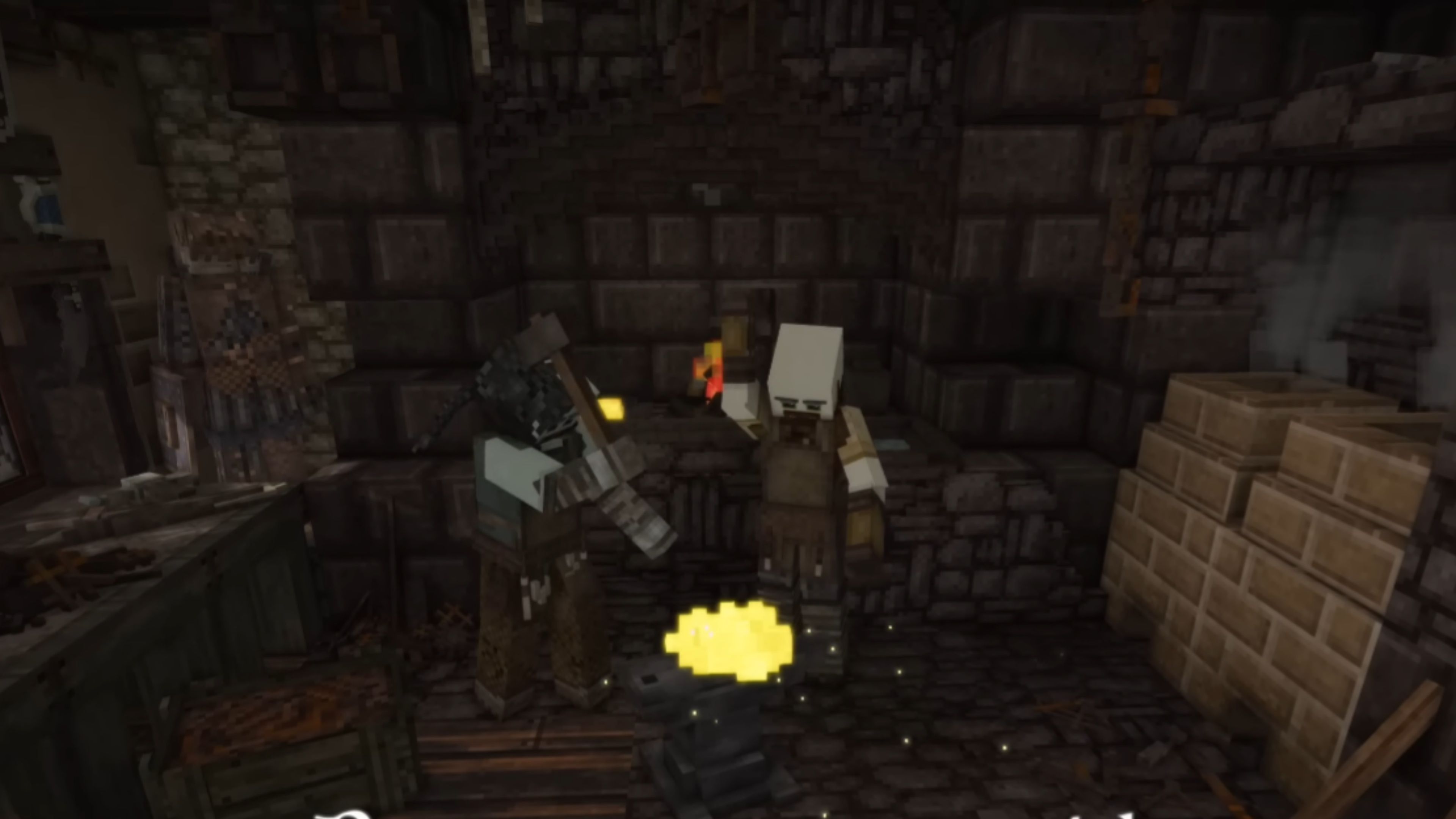
Creating metal tools in the game isn’t as simple as just clicking on an anvil. Players need to find ore, break it down, and then refine it into usable metal using a bloomery. Next, the metal is heated in a forge until it reaches the right temperature, indicated by its color. Once hot enough, it’s placed on the anvil, and the player uses a hammer to shape the glowing metal into the desired tool. This multi-step process makes crafting in Vintage Story feel realistic and engaging, encouraging players to master each step from the initial raw materials to the final product.
EVE Online
Player-Driven Industry Crafts The Universe’s Ships And Economy
- Players manufacture ships, weapons, and equipment using mined and refined resources.
- Crafting connects directly to the game’s economy, trade networks, and large-scale wars.
In EVE Online, crafting isn’t just a side activity – it’s a core part of the game’s economy. Almost everything players use, from ships and weapons to structures and ammunition, is built by other players. These items aren’t automatically generated by the game; players create them by gathering resources from across the universe. This involves mining asteroids, salvaging wreckage, and collecting loot. These raw materials then need to be processed into usable minerals before they can be used to build things.
In EVE Online, players create almost everything and trade it with each other, deeply connecting crafting to the game’s economy. Players can sell their creations to others, transport them across star systems, or use them to upgrade their alliance’s ships. Large-scale crafting often involves teams of players working together – miners, transporters, refiners, and manufacturers – to build advanced items. Whether players are making simple parts or powerful capital ships, the crafting system feels like managing a true industrial empire in space.
ARK: Survival Evolved
Crafting For Survival
- Engram unlocks and crafting stations allow progression from primitive tools to advanced technology.
- Crafted equipment and structures help tame creatures and defend against escalating threats.
In ARK: Survival Evolved, making things – or ‘crafting’ – is essential for surviving on a dangerous island full of dinosaurs and other threats. You start with almost nothing and must craft everything you need to live. You learn new crafting recipes, called engrams, by earning and spending points as you level up. This means you have to carefully choose what to learn first, as you can’t unlock everything right away.
You can start crafting basic items directly from your inventory in ARK: Survival Evolved. Early on, you’ll make simple tools, weapons, and building pieces using resources you find in the world – things like wood, stone, fiber, and animal hides. As you get better, crafting moves to dedicated workstations. More advanced items – including metal weapons, armor, guns, and electronics – can’t be made by hand. You’ll need structures like the Smithy and Fabricator to create them, and these require more processed materials like metal, cementing paste, and electronics. To give you an idea of how extensive crafting is, the Fabricator can make around 91 different items, while the Smithy lets you craft up to 236!
Terraria
A Sandbox Where Crafting Drives Exploration And Combat Progress
- Crafting unlocks stronger gear, tools, and stations as players explore deeper biomes and defeat tougher enemies.
- Thousands of craftable items support combat, building, movement, and survival.
Terraria’s crafting system seems straightforward at the beginning, but it quickly becomes a complex and important part of how you advance in the game. When you collect materials – like wood, ore, or items dropped by enemies – they aren’t just stored in your inventory. Instead, they’re used to create almost everything you’ll need to play.
In Terraria, players sometimes need to be close to crafting stations like furnaces, anvils, and looms to make certain items. Having more stations nearby increases the number of items you can craft. With over 1,200 different items to create in this open-world game, players can easily spend hours focused on crafting.
Read More
- All Shadow Armor Locations in Crimson Desert
- All Skyblazer Armor Locations in Crimson Desert
- How to Get the Sunset Reed Armor Set and Hollow Visage Sword in Crimson Desert
- Best Bows in Crimson Desert
- Marni Laser Helm Location & Upgrade in Crimson Desert
- All Helfryn Armor Locations in Crimson Desert
- All Golden Greed Armor Locations in Crimson Desert
- Wings of Iron Walkthrough in Crimson Desert
- How to Craft the Elegant Carmine Armor in Crimson Desert
- Keeping Large AI Models Connected Through Network Chaos
2026-02-02 01:08