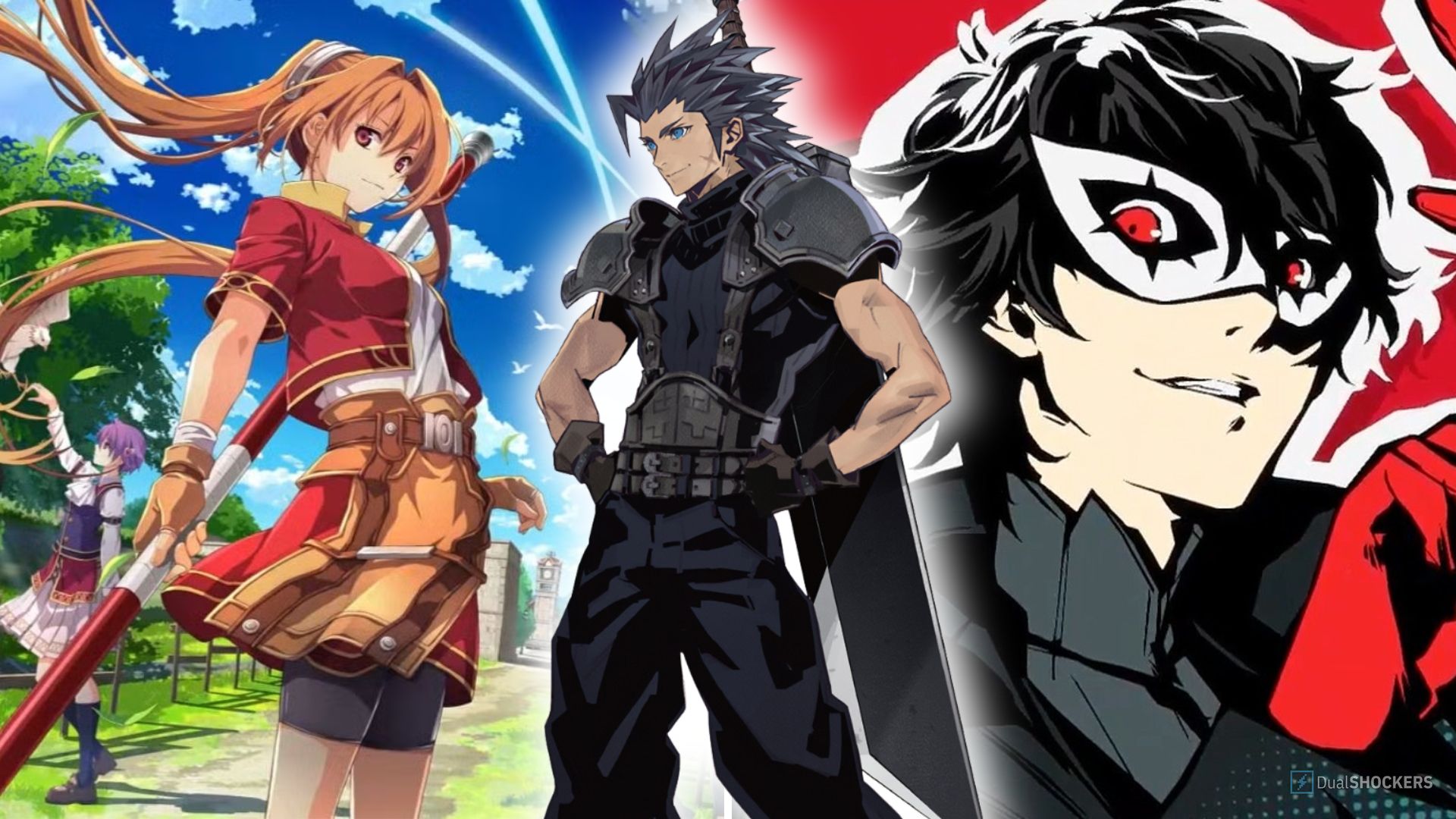
When a popular series does well, creators often try to expand it in fresh directions. This could involve trying out different gameplay, telling the story from a new character’s point of view, or even creating a completely new world within the same franchise.
That’s often how spinoffs begin. A spinoff is essentially a new creation built on an existing work. It might focus on a single character in a different setting, expand on a unique game element into a completely new game, or fall somewhere in between those ideas.
Japanese role-playing games, or JRPGs, are well-known for having lots of spin-off titles. This also applies to series that weren’t originally RPGs but decided to try the genre using their existing characters. Here, I’ll showcase some of the best JRPG spin-offs ever created, including a few that actually became more popular than the games they started from.
To avoid stuffing the list with Final Fantasy, I’ll stick to only two spinoffs from the franchise.
8. Dragon Quest Builders
Rebuilding Alefgard
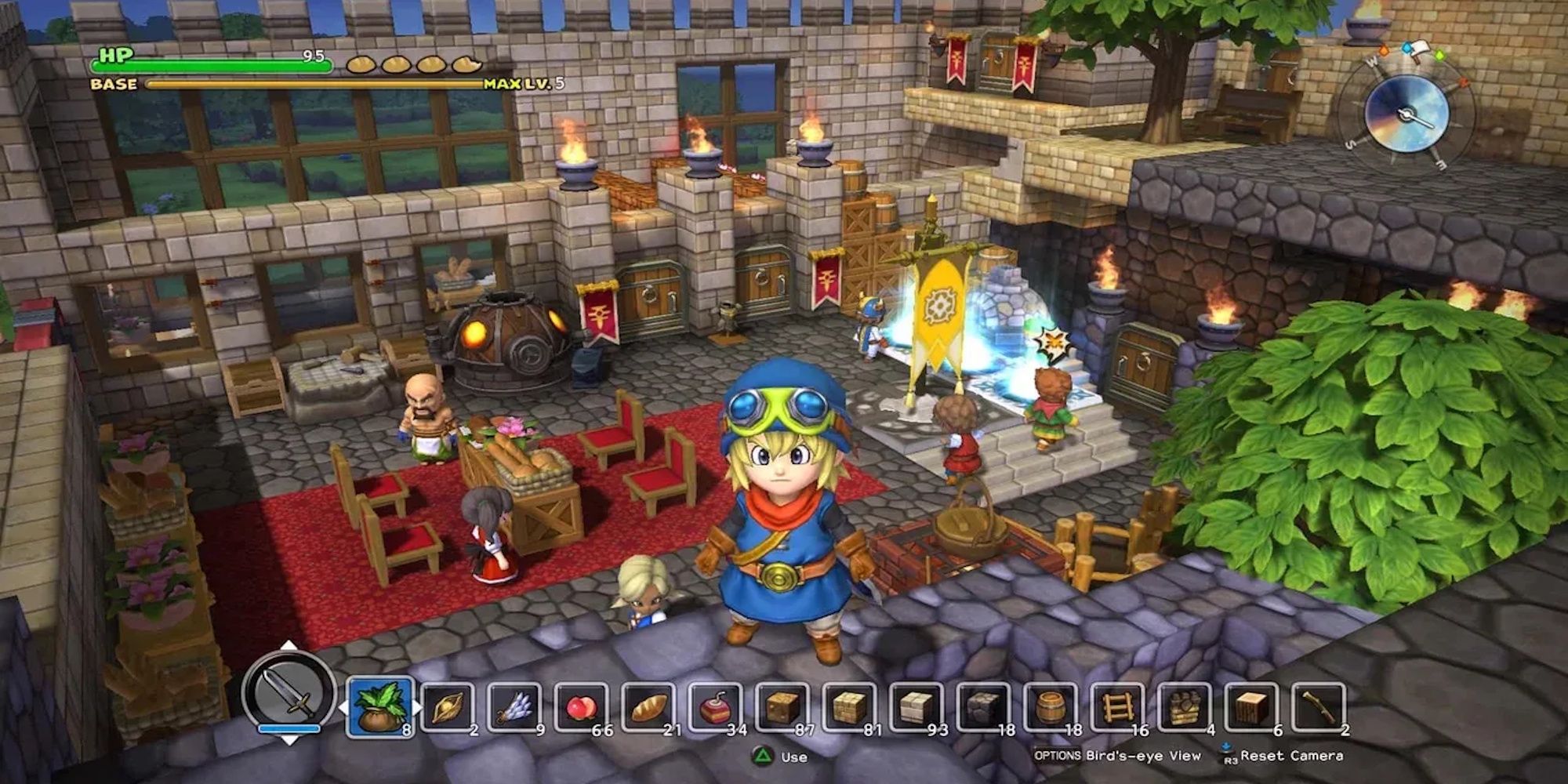
In the original Dragon Quest, the hero has a crucial decision to make: battle the Dragonlord or team up with him. Choosing to fight leads to the standard ending and sets the stage for Dragon Quest II. However, siding with the Dragonlord results in a bad ending and immediate game over—or so it seemed, until the release of Dragon Quest Builders.
Square Enix wondered what would happen if the hero in Dragon Quest sided with the villain, the Dragonlord, and that idea became the story for Dragon Quest Builders. The game picks up after the worst possible ending, and the world is in ruins. Now, you play as a builder tasked with rebuilding the kingdom.
Dragon Quest Builders is similar to games like Minecraft. You can break down blocks, collect resources, construct buildings, learn new crafting recipes, and battle monsters – your imagination is the only limit! It’s all set within the Dragon Quest universe, making for a really relaxing and creative experience, especially if you’re a fan of slimes and the Dragon Quest world.
7. Mega Man Battle Network
A Very Different RPG
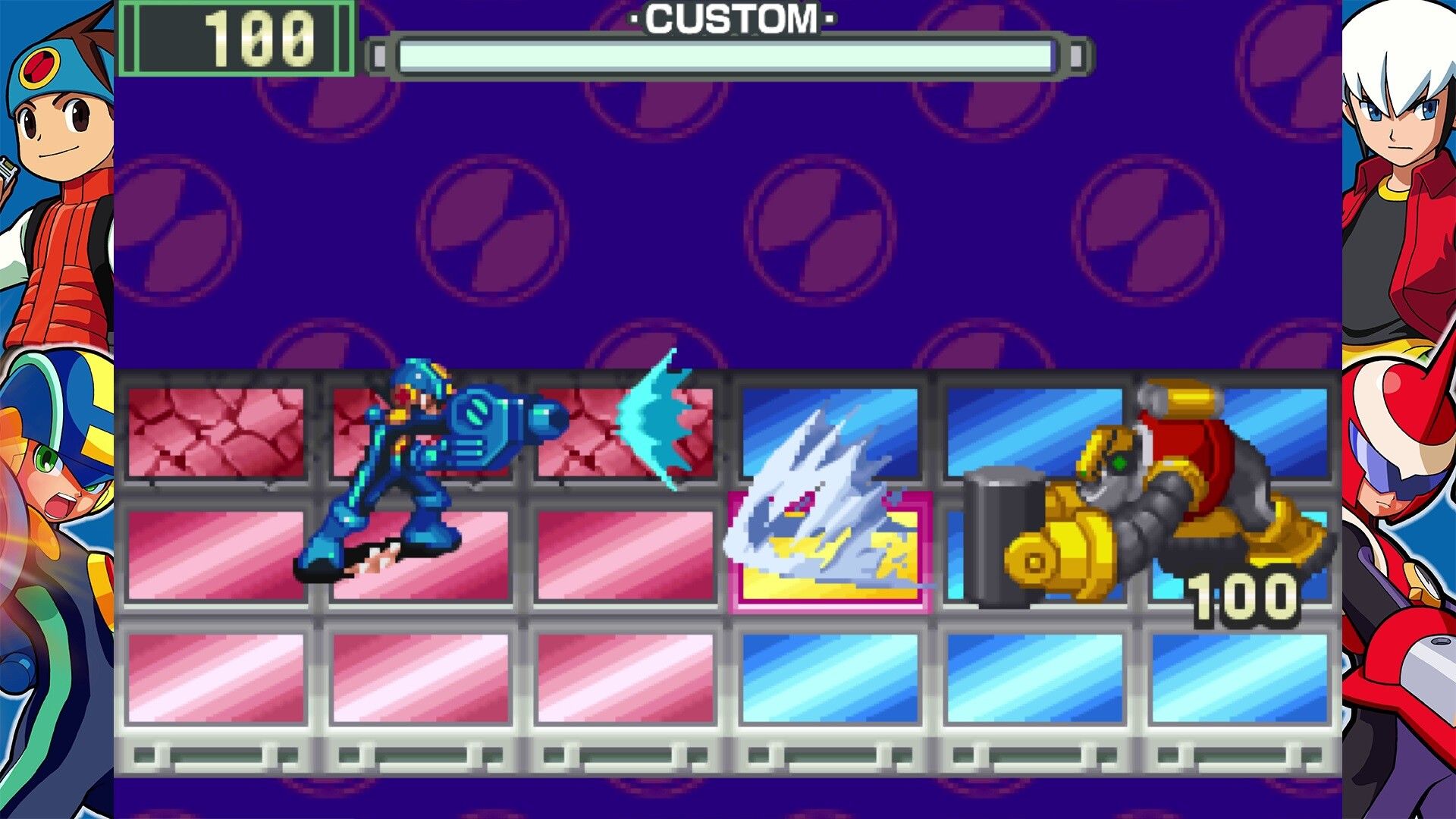
The Mega Man series started as a traditional platformer, but it quickly expanded into different types of games. Though some debate whether Mega Man Legends is an RPG – I disagree – and others think Mega Man X: Command Mission might be a better fit, it’s clear that neither of those games achieved the same success as Mega Man Battle Network, which only had one installment compared to Battle Network’s multiple releases.
Many people call Mega Man Battle Network a tactical action RPG, and that’s a pretty accurate description of how it plays. During battles, MegaMan.EXE can move around on a grid on his side of the screen, and enemies do the same on theirs. You can attack with simple shots, but you can also use collectible Battle Chips to unleash powerful and diverse attacks.
The Mega Man Battle Network games reimagine the Mega Man universe in a future where the internet, called the Net, is a vital part of life. People navigate the Net using digital avatars called NetNavis, and Lan’s avatar is MegaMan.EXE. The series follows Lan as he works to stop a dangerous criminal organization from controlling the entire Net. It’s a great and easy-to-learn RPG series, and the Mega Man Battle Network Legacy Collection makes it more accessible than ever.
6. Super Mario RPG
Timed Input Pioneer
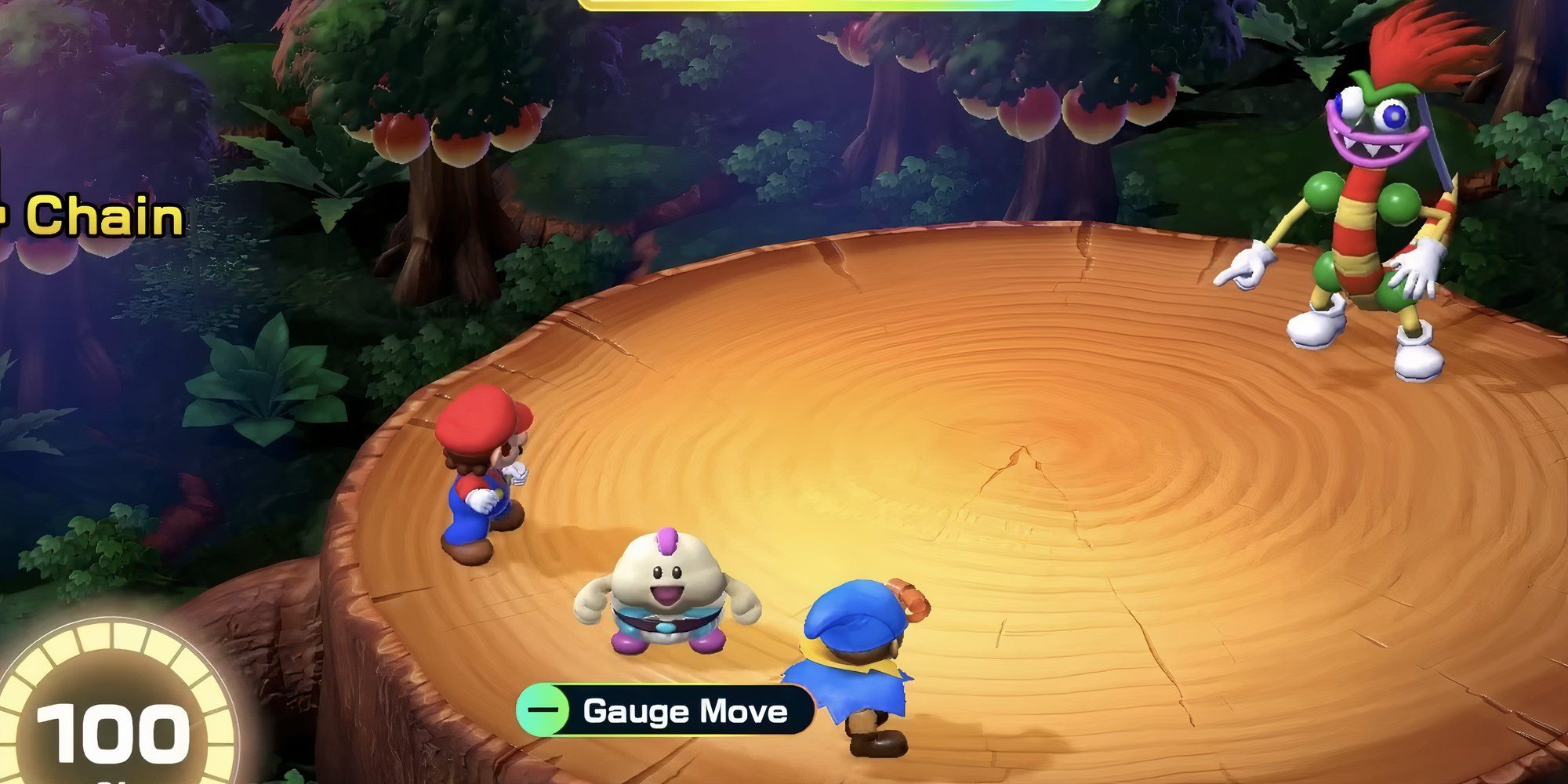
I never expected Square and Nintendo to collaborate on a Mario RPG, especially growing up when I was too young for those kinds of games! But here we are. They didn’t just make any RPG with Mario – they created a fantastic one that launched a whole series of Mario role-playing games. I picked Super Mario RPG because it was the game that started it all.
As a huge fan, what I loved most about Super Mario RPG is how it still feels like a Mario game. You’ve got all the classic stuff – jumping, solving puzzles, Mario’s awesome abilities, and even picking out weapons. But it doesn’t just stop there! The game really builds on the Mario universe, bringing back familiar faces in cool new ways and introducing a bunch of totally new characters that fit right in.
Super Mario RPG was innovative for its time, introducing a unique style of turn-based battles where precisely timed button presses made attacks and defenses more powerful. Hitting the button at the right moment increased damage dealt or reduced damage received. This timing-based system went on to inspire many later JRPGs, even influencing the Game of the Year winner at the 2025 Game Awards.
5. Crisis Core: Final Fantasy VII
A Prequel Spinoff
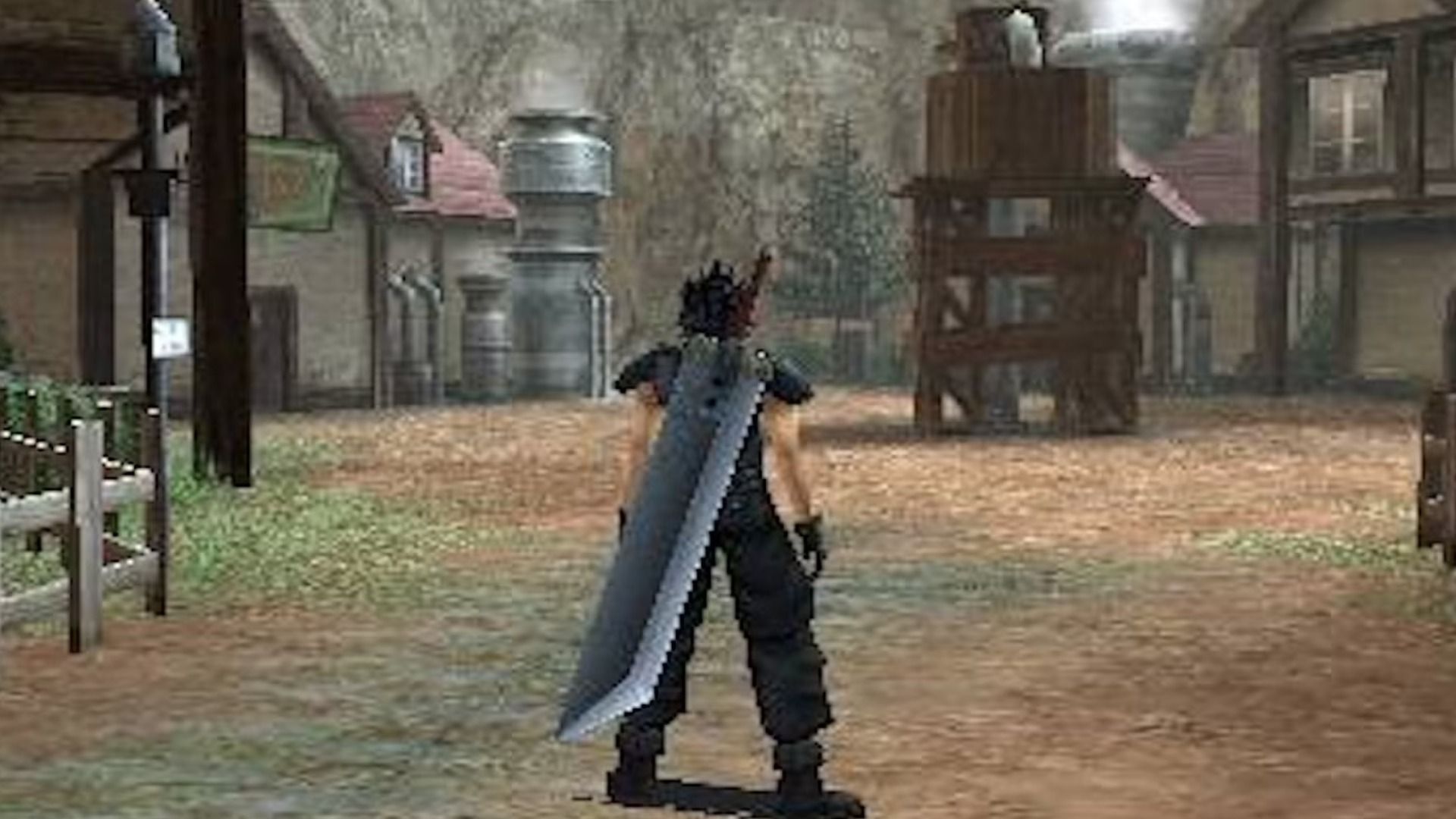
Final Fantasy VII is still the most well-known game in the series, so it’s understandable that Square Enix has created a lot of related content – including sequels, prequels, remakes, movies, anime, and novels. Of all these spin-offs, Crisis Core: Final Fantasy VII is the one I enjoy the most.
Some argue that Crisis Core shouldn’t be considered a spinoff because it’s a prequel. However, a true spinoff generally introduces a completely new cast of characters or shifts to a different genre, and Crisis Core does both of those things.
The game is enjoyable, but it can become tiring to play for long periods, particularly if you try to complete all the optional quests. However, the fast-paced combat combined with the unique DMW system – which felt like a slot machine during battles – was really innovative at the time and kept every fight interesting.
What really makes Crisis Core special is how it deepens the story of Final Fantasy VII. You play as the beloved Zack Fair, following his journey to become a top-ranked SOLDIER, and learn more about key characters like Angeal, Genesis, and Sephiroth along the way.
4. NieR
Existential Crisis
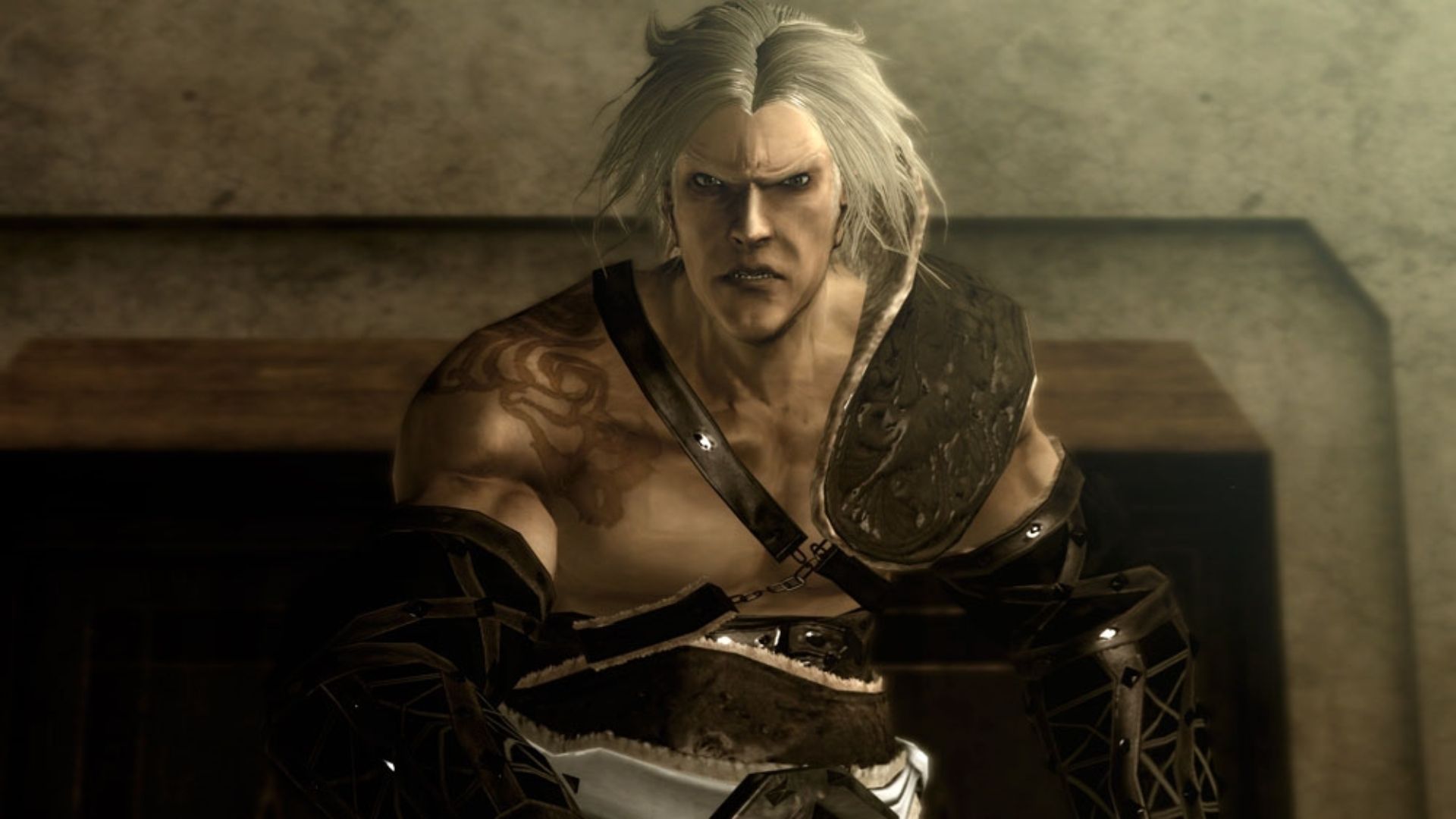
Yoko Taro is famous for his unique and imaginative storytelling, often exploring complex ideas. His game, Drakengard, starts as a typical medieval fantasy, but completing everything unlocks a bizarre twist: Ending E throws you into modern-day Tokyo where you battle a colossal Queen Beast. It’s strange, and best experienced without trying to fully understand it.
The events that happen after Ending E in Drakengard actually take place long before the story of NieR. This is why NieR is often seen as a spin-off of Drakengard, even though it seems like a strange connection. Despite the incredibly complex storyline, it works for fans, and that’s what’s most important.
The NieR series, particularly NieR: Automata, became much more popular than the Drakengard games. While Drakengard is enjoyable, it can feel a bit repetitive. NieR offers a more refined experience, with both exciting action and thought-provoking themes. Even now, it’s surprising to everyone – including the creators at Square Enix and Yoko Taro – that NieR: Automata sold over 9 million copies. But the reason is simple: it’s a truly fantastic game.
3. Final Fantasy Tactics
King of the Lions
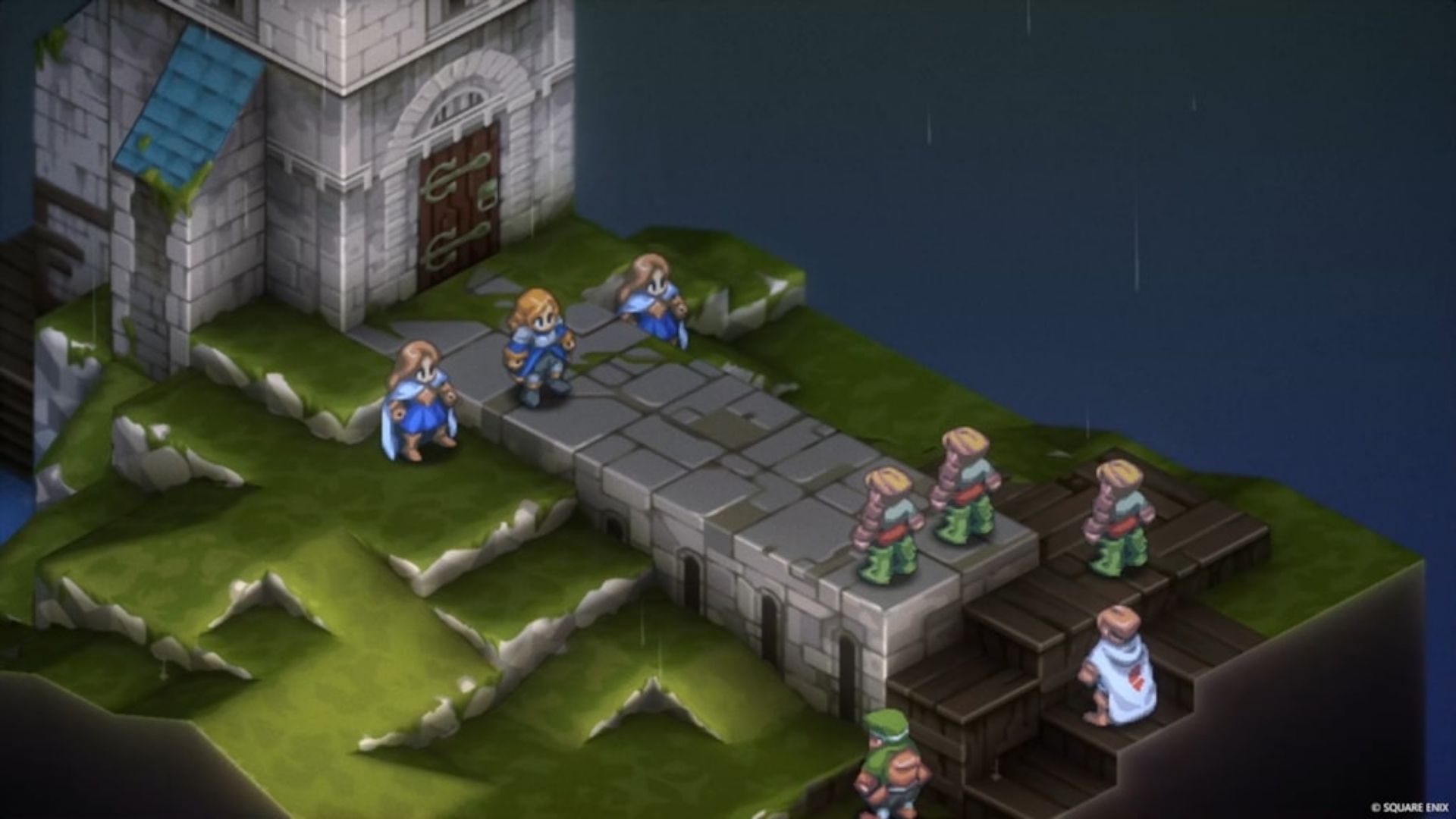
Released after earlier spin-offs like Final Fantasy Adventure (originally Seiken Densetsu: Final Fantasy Gaiden) and Final Fantasy Mystic Quest, Final Fantasy Tactics was a significant entry in the franchise. Gaiden later evolved into the popular Mana series. Though Final Fantasy Tactics has had two sequels – one for the Game Boy Advance and another for the Nintendo DS – many fans still consider the original game to be the strongest in the series.
From the start, Final Fantasy Tactics captivated players with its sophisticated story, strong writing, and relatable characters. Its engaging tactical battles included familiar character classes and creatures from the Final Fantasy universe, but the game’s compelling narrative and gameplay were strong enough to succeed even without them. Everything in Final Fantasy Tactics works together seamlessly, creating a truly immersive experience where the story and how you play are deeply connected.
Subscribe to the newsletter for top JRPG spinoff picks
Subscribe to the newsletter for top JRPG spinoff picks
By subscribing, you agree to receive newsletter and marketing emails, and accept Valnet’s Terms of Use and Privacy Policy. You can unsubscribe anytime.
The Final Fantasy series has seen many spinoff games, but Final Fantasy Tactics remains the most critically acclaimed and memorable. It’s not surprising that Square Enix re-released an updated version, The Ivalice Chronicles, to let even more players enjoy the game’s celebrated story, known as The War of the Lions.
2. The Legend of Heroes: Trails
Nihon Falcom’s Grand Adventure

The game Dragon Slayer, released by Nihon Falcom in 1984, was an early action RPG in Japan, appearing before Dragon Quest, though it didn’t achieve global popularity. In 1989, a turn-based spin-off called Dragon Slayer: The Legend of Heroes was released. This eventually led to The Legend of Heroes: Trails in the Sky in 2004, which became its own subseries within the Legend of Heroes universe.
Simply put, the Trails series started as a spin-off of Dragon Slayer, one of the earliest Japanese role-playing games. It might seem surprising, but back in 2004, Toshihiro Kondo—the director of Trails in the Sky and now president of Nihon Falcom—explained that they realized they couldn’t match other companies in terms of graphics. So, they decided to concentrate on creating a strong story and compelling narrative instead.
As a huge fan, what I love most about the Trails series is how everything connects! It’s one of the rare JRPG franchises where the story really carries on across all the main games, and it’s still expanding. But it’s not just the story – the worldbuilding is incredible. They’ve created this really detailed continent called Zemuria where everything feels alive, and even the random NPCs react to what’s happening in the main plot. The best part is, Nihon Falcom is doing remakes now, and Trails in the Sky 1st Chapter is already out, so it’s the perfect time to finally dive in if you’ve been curious!
1. Persona
Unprecedented Success
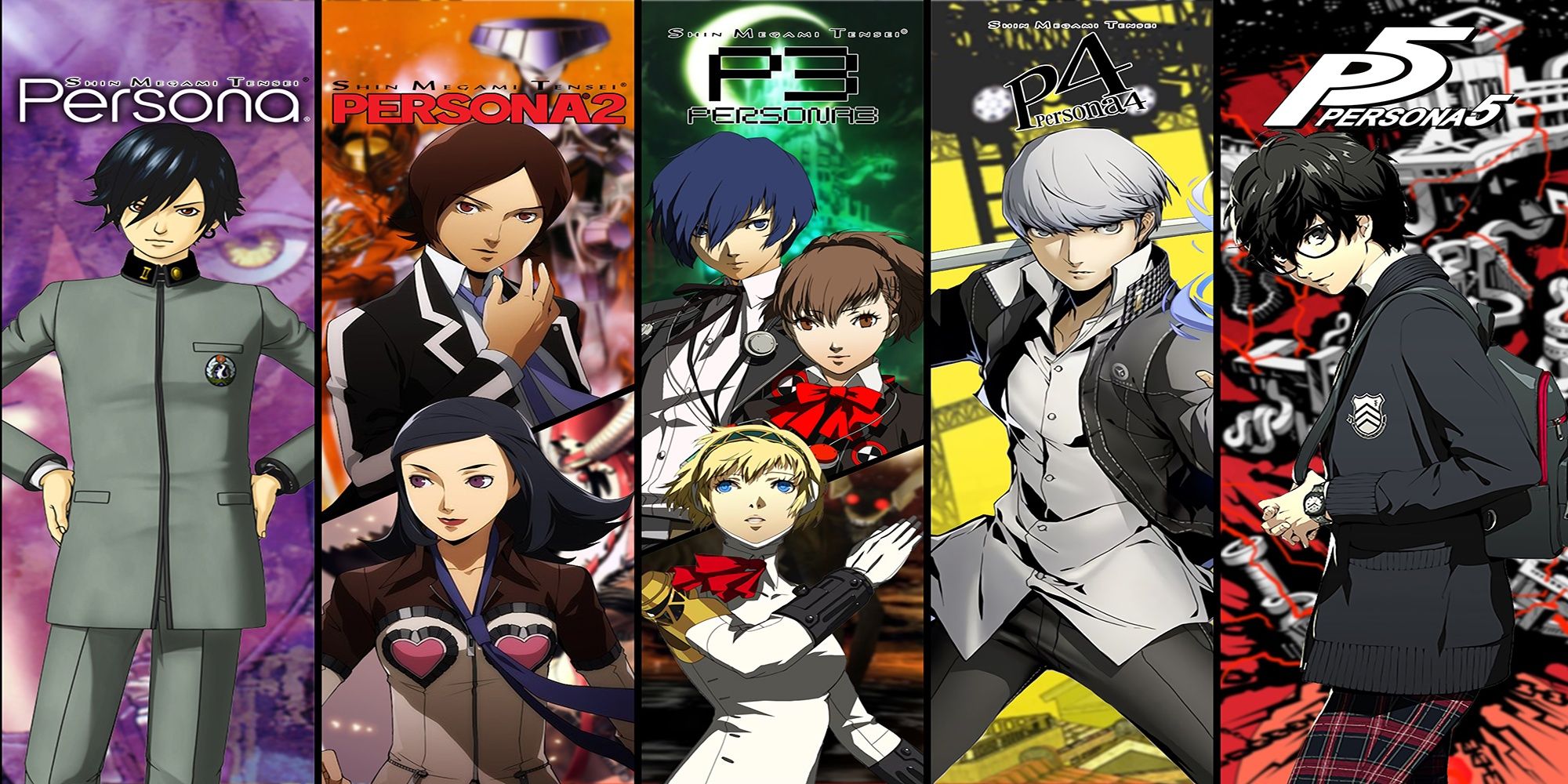
The Persona series started as a spin-off, but ultimately became more popular than the original Shin Megami Tensei over time. The first Persona games kept some elements of their parent series, but shifted the focus from preventing the end of the world to everyday high school life. Demons still appeared, but characters now used Personas – essentially, the series evolved in interesting ways while still feeling familiar, which is a hallmark of a successful spin-off.
Beginning with Persona 3, the series really hit its stride and became incredibly popular. The game leaned heavily into the high school experience and focused on building relationships with other characters. A key feature was the Social Links system, allowing players to connect with various people, deepen those bonds, and unlock powerful abilities tied to their Personas.
Battles changed from the Press Turn system to the One More system, still rewarding players for exploiting enemy weaknesses, but making it more forgiving – you no longer lose a turn for incorrect choices. The game now focuses more on collecting new Personas to grow stronger. Today, the Persona series is much more successful and well-known than the original Shin Megami Tensei games, easily earning it the title of the best JRPG spinoff of all time.
Read More
- All Skyblazer Armor Locations in Crimson Desert
- How to Get the Sunset Reed Armor Set and Hollow Visage Sword in Crimson Desert
- All Shadow Armor Locations in Crimson Desert
- Marni Laser Helm Location & Upgrade in Crimson Desert
- All Golden Greed Armor Locations in Crimson Desert
- All Helfryn Armor Locations in Crimson Desert
- Keeping Large AI Models Connected Through Network Chaos
- Best Bows in Crimson Desert
- How to Craft the Elegant Carmine Armor in Crimson Desert
- All Icewing Armor Locations in Crimson Desert
2025-12-23 20:42