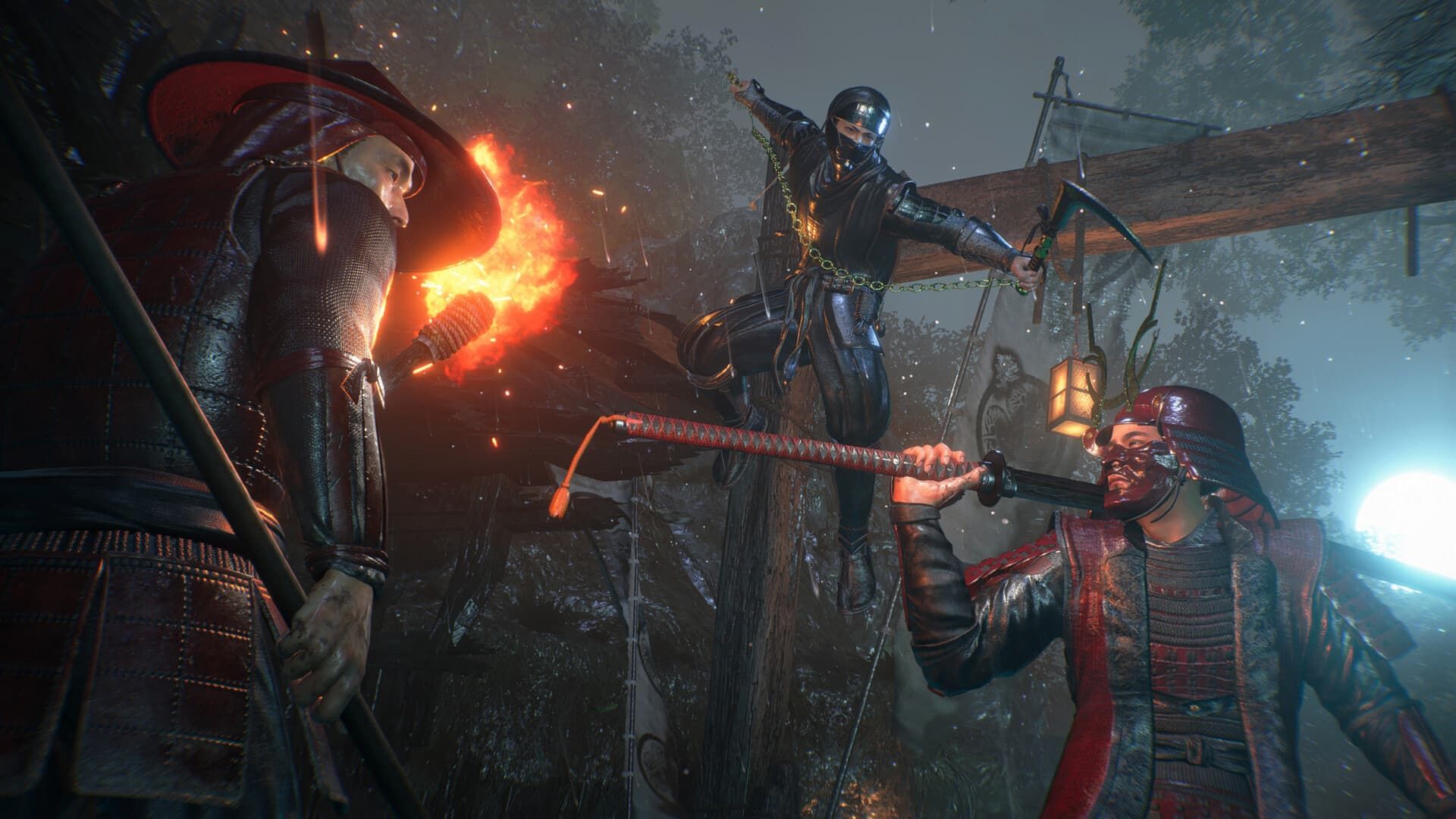
The long-awaited Nioh 3 is finally available, and fans worldwide are eager to see if it lives up to expectations and becomes a major success in the soulslike genre. While it shares many similarities with previous Nioh games, especially in how you customize your character and playstyle, Nioh 3 also introduces some significant changes. These changes address past issues and even add improvements players hadn’t imagined.
Nioh 2 was a fantastic game, blending elements from many action games and attracting a large fanbase. However, players had some concerns they wanted to see fixed in a sequel. Fortunately, Nioh 3 successfully addresses almost all of those issues – from small quality-of-life improvements to more significant gameplay frustrations – and even builds upon those solutions to shape the design of this newest installment.
Smoother Combat Flow
Refinement Over Chaos
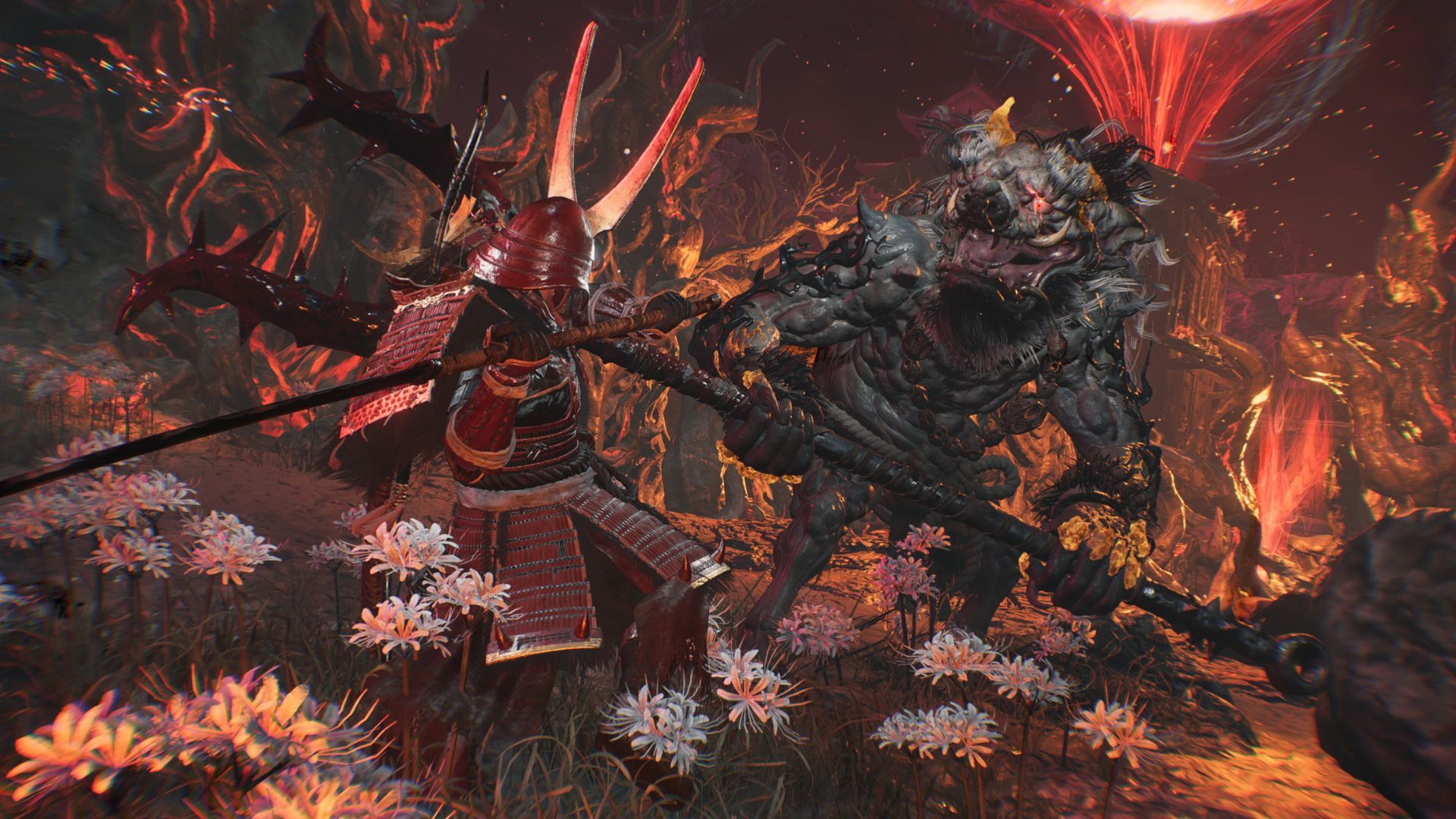
- More responsive flow between actions in combat.
- Cohesive abilities that function together.
I loved how challenging the first Nioh 2 was, but it could be really intimidating with so many different things to learn. Nioh 3 takes that same core gameplay and just makes it flow so much better. Everything – attacking, dodging, switching styles, using special moves – connects seamlessly. It feels less like a series of actions and more like a really smooth, rhythmic dance in combat, which is awesome!
Unlike the first game, which sometimes felt choppy, Nioh 3 features smoother animations and more consistent stamina management. This makes it easier to pull off long combos from the start, and the action feels more fluid and less interrupted. Overall, the game plays much more smoothly and is more fun to experience.
Streamlined Stats And Leveling
Readable But Still In-Depth
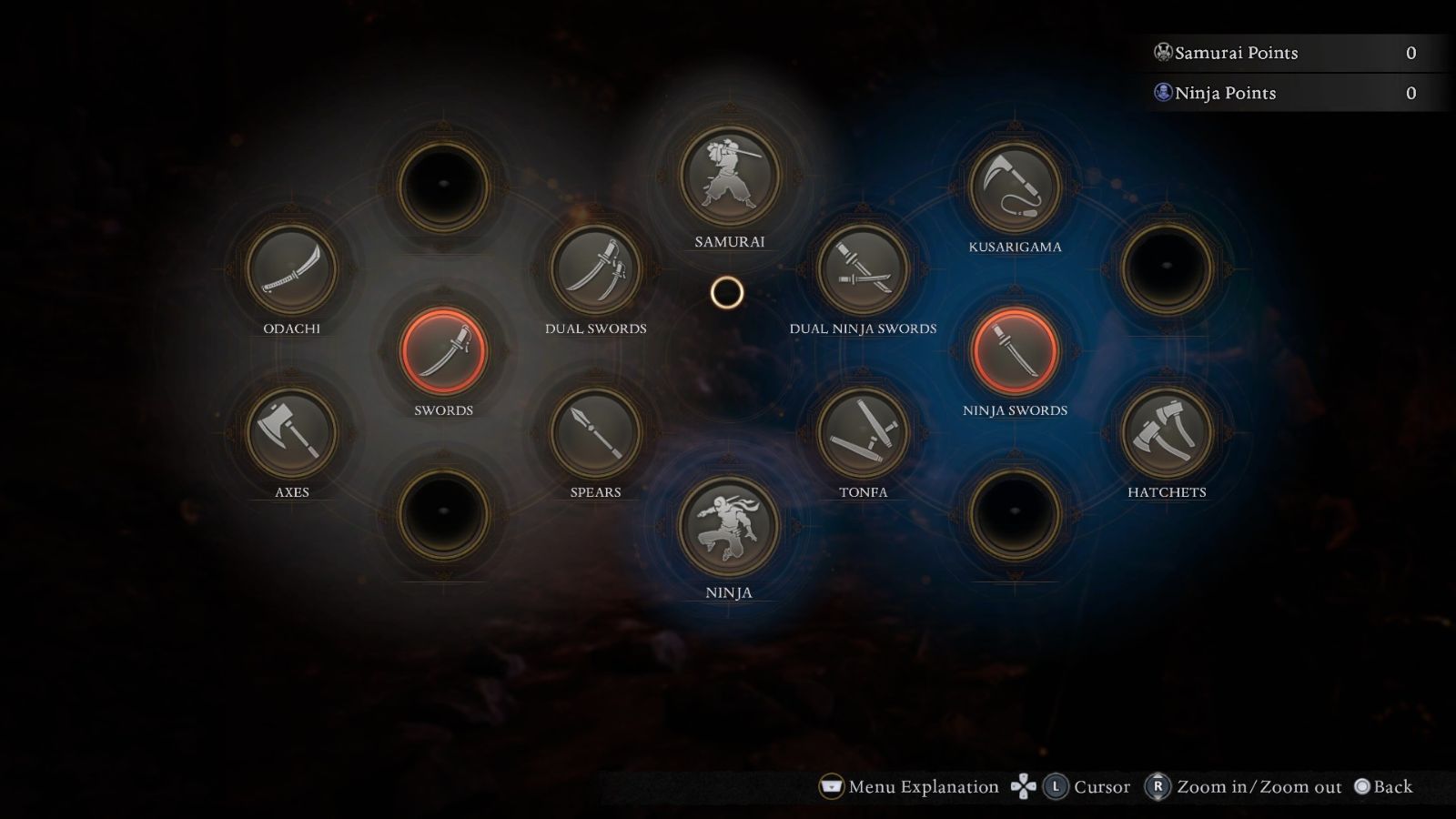
- Stats make more sense and have more predictable effects.
- Simpler progression loop prevents overthinking.
Nioh 2 featured a very intricate character progression system, which could be overwhelming for players. Many found themselves spending more time figuring out how to level up effectively than actually enjoying the combat. While the systems were rewarding once understood, the initial difficulty discouraged a lot of players from continuing.
Nioh 3 keeps the complex gameplay of previous titles but makes it easier to understand how you’re improving. Things like stats, skills, and spirit upgrades are shown in a clearer way, with immediate feedback on how your choices impact your playstyle. This isn’t just about simplifying things; it makes the game much more understandable, so you can focus on enjoying the action instead of getting bogged down in menus and stats.
Softer Difficulty Curve
Tough But Still Fair
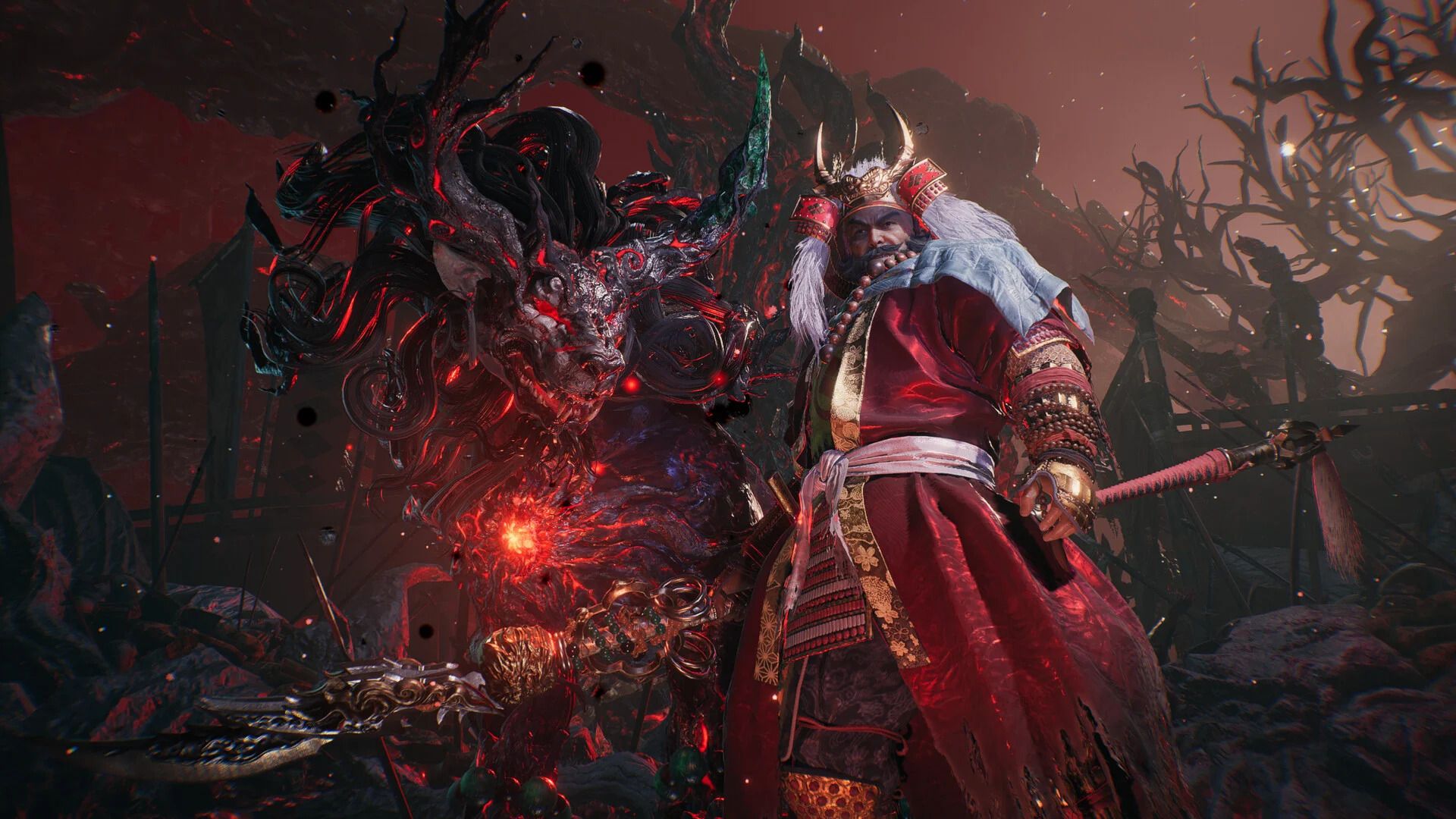 Image via Team Ninja
 - Exploration dictates challenge.
- Fewer roadblocks.
A common complaint about Nioh 2 was its high difficulty. Players often felt like they either had to perfectly learn the game’s systems or get stuck, requiring a lot of effort to overcome obstacles. This is a problem shared by many similar action games, and the usual fix – exploring to gain levels – can sometimes feel tedious and not worth the time.
Nioh 3 tackles difficulty by making exploration a key part of becoming stronger. Like Elden Ring, players can adjust the challenge by completing optional content and improving their abilities – they don’t just have to keep fighting the same tough boss over and over. This makes the game more fun, and the world offers plenty of distractions when things get too hard.
Fit the 9 games into the grid.
Results
Pick a game
More Robust Character Creation
Crazy Options All Over Again
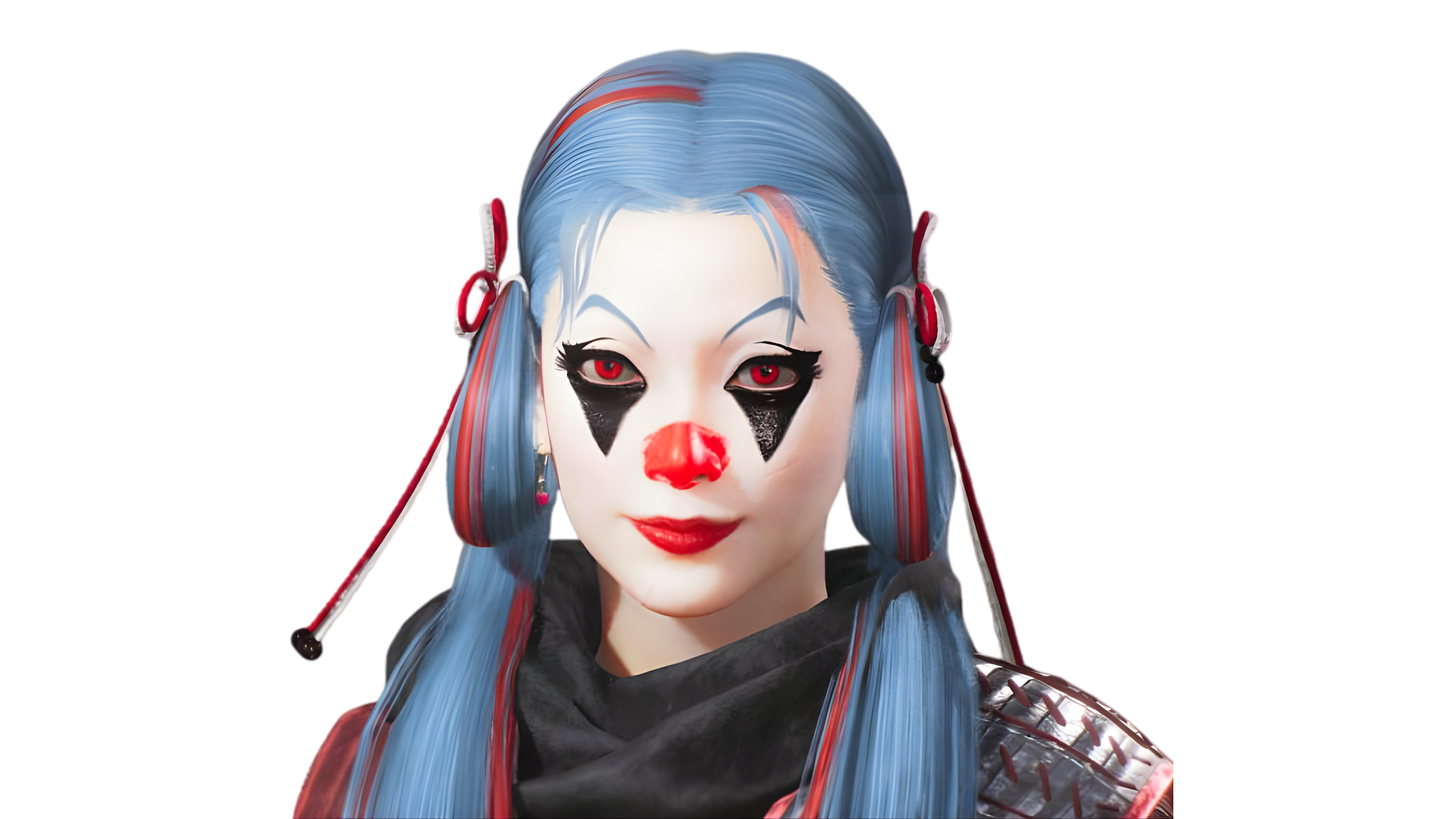
- Impressive depth in every design aspect.
- Asymmetrical facial sliders to make the weirdest characters possible.
Honestly, the character creator in Nioh 2 was amazing. I could spend ages just making my character look exactly how I wanted, whether I was going for something awesome or just plain goofy. It doesn’t make a game good, but it’s a really cool feature, especially since you’re spending so much time with that character over a long playthrough. It just adds that personal touch, you know?
Nioh 3 takes character customization to the next level. You have even more choices for everything, from hair and skin tone to details like nail polish and even creating asymmetrical facial features. This builds on an already good character creation system, making it truly exceptional.
Playstyle Experimentation
Multiple Builds, Multiple Win Conditions
- Gives a good reason to focus on multiple weapons.
- Diversity without sacrificing power.
Nioh 2 offered players a lot of freedom in how they built their characters, letting them choose weapons and stick with them throughout the game. But some weapons and fighting styles turned out to be much more powerful than others, which led many players to focus on a few ‘best’ builds instead of experimenting with different options – a feature the game was designed to encourage.
Nioh 3 encourages players to experiment with different combat styles. All weapon types are effective, and the game blends Samurai and Ninja skills, letting players create unique hybrid builds. Players can easily switch between defensive and aggressive approaches during a run without becoming weaker, and while specializing is still an option, the game rewards those who try different things.
Gear Management
Find The Best Gear Right Away
- Less clutter than previous games.
- Streamlined sorting and organization.
Managing your items in Nioh 2 could be frustrating. The game had a lot of similar items that filled up your inventory, forcing you to spend time sorting through everything – something most players didn’t enjoy. It was often hard to tell which gear was actually the best, and this issue continued throughout the entire game, given the sheer number of weapons and items available.
Nioh 3 improves how you manage your items, making it easier to sort through gear, compare stats, and get rid of duplicates. These quality-of-life improvements significantly reduce the time spent in menus, letting players focus more on gameplay and less on inventory management.
Better Traversal
Movement Is No Longer An Issue
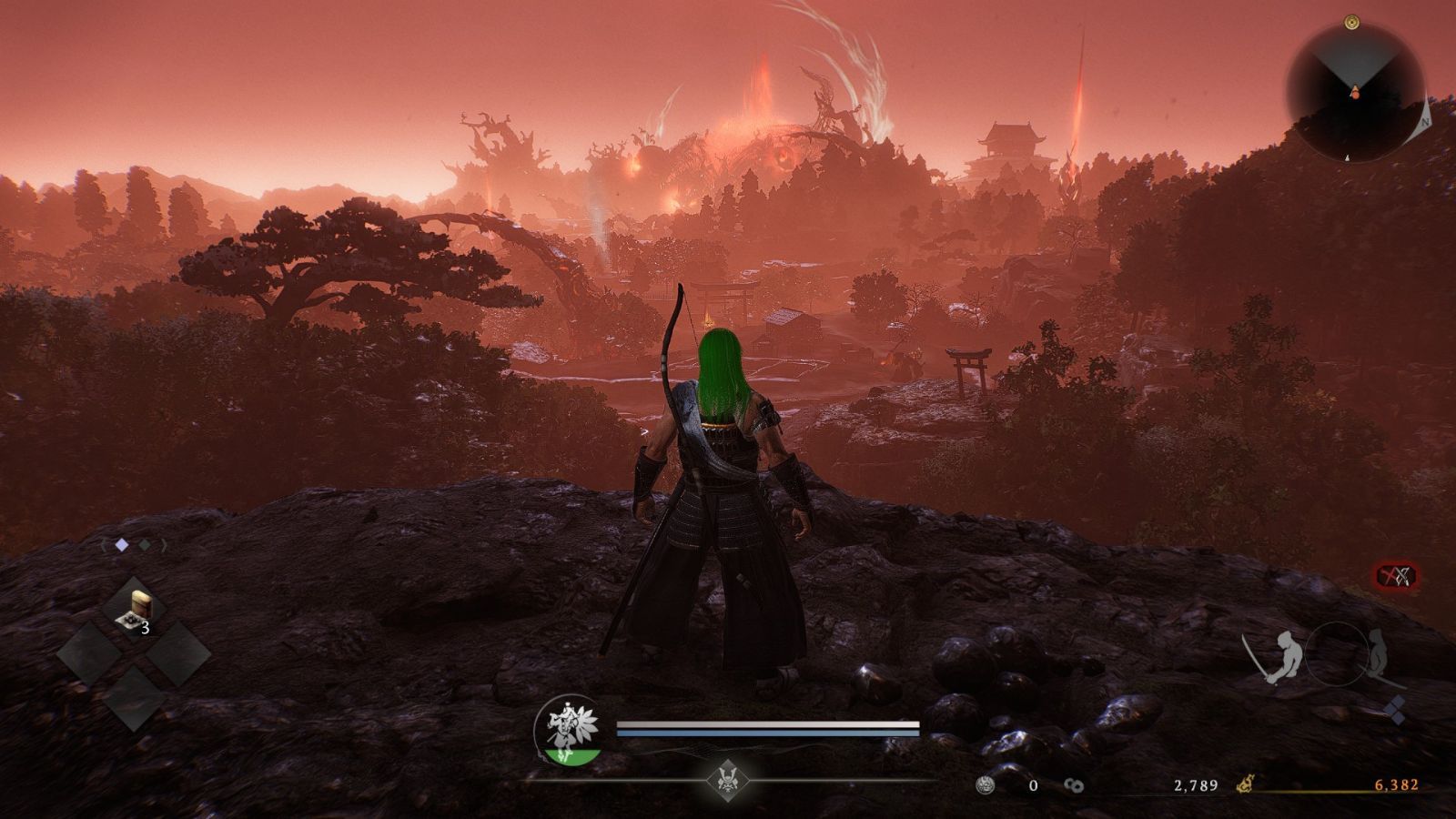
- Movement now features a double jump and other vertical options.
- The bigger map means more movement opportunities.
While getting around in Nioh 2 worked, it sometimes felt a bit clunky, especially when dealing with hills, stairs, or narrow areas. Fortunately, this wasn’t a major problem because players could usually find a way around obstacles or return to them later when they had a better approach.
Nioh 3 makes getting around the game world much easier and more fluid with improved climbing, ledge grabs, and jumping. These new movement options also enhance combat, allowing players to quickly jump into attacks and stay agile, which leads to more creative and dynamic combos during fights.
Cleaner UI
The Fighting Is The Focus
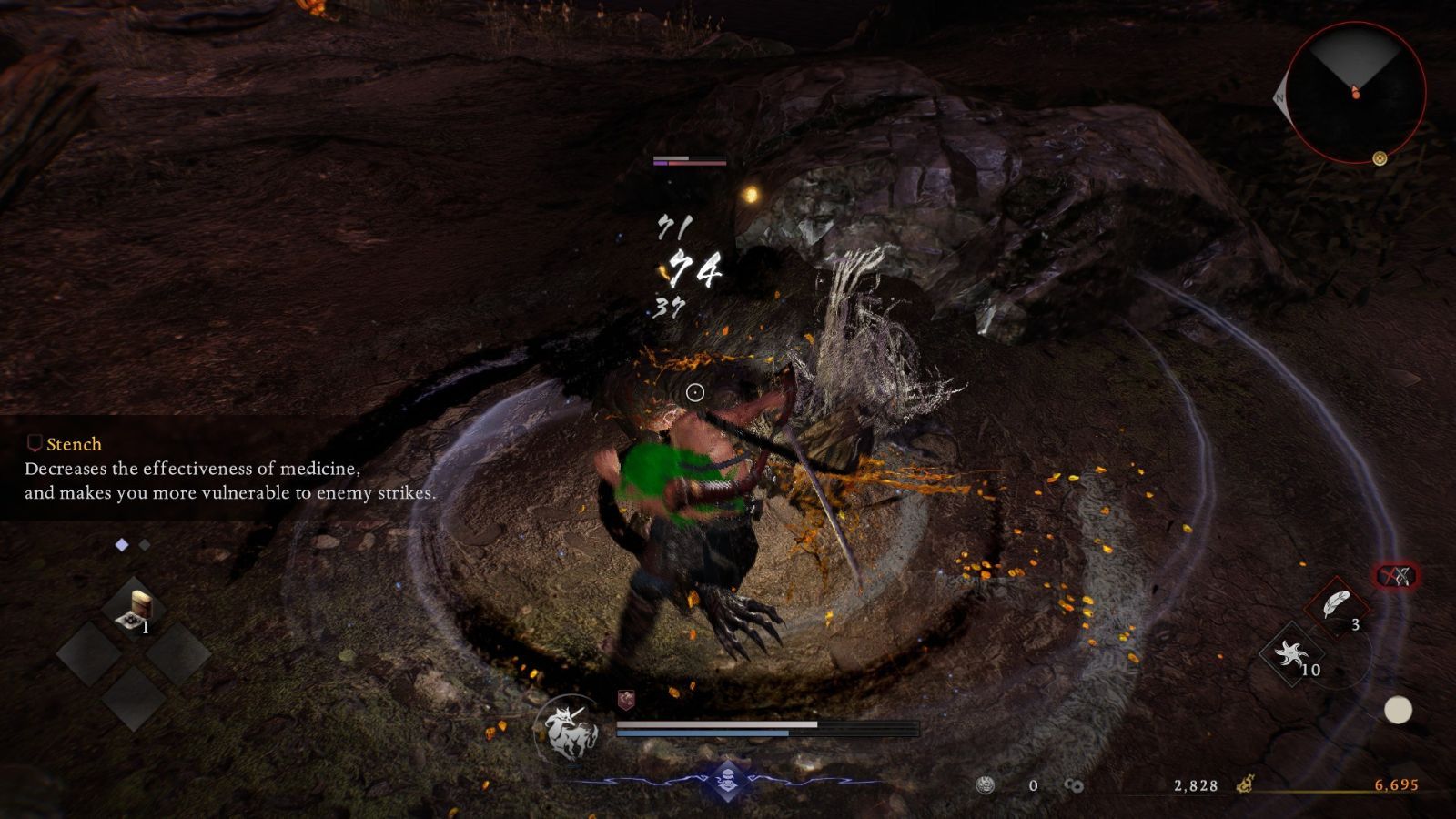
- Customizable element visibility.
- Generally less clutter in the UI.
A frequent criticism of Nioh 2 was that the screen often felt too crowded. Things like health bars, icons, and menus would cover up important details during combat. This was especially frustrating because the game demanded quick reactions and careful attention, but the user interface sometimes made it hard to see what was happening.
Nioh 3 improves its user interface, making important combat information and status effects much easier to understand during battles. Players can also customize or even hide certain interface elements, allowing them to tailor the game to their preferred style of play.
Read More
- All Shadow Armor Locations in Crimson Desert
- Sega Reveals Official Sonic Timeline: From Prehistoric to Modern Era
- Genshin Impact Dev Teases New Open-World MMO With Realistic Graphics
- The Limits of Thought: Can We Compress Reasoning in AI?
- Where to Pack and Sell Trade Goods in Crimson Desert
- Dark Marksman Armor Locations in Crimson Desert
- ARC Raiders Boss Defends Controversial AI Usage
- How to Beat Antumbra’s Sword (Sanctum of Absolution) in Crimson Desert
- Gold Rate Forecast
- Who Can You Romance In GreedFall 2: The Dying World?
2026-02-11 18:09