Open-world games are known for being incredibly detailed and complex, rivaled only by massive online role-playing games. This depth comes from how many different systems and activities connect with each other, combined with huge environments that take a long time to fully explore. This can sometimes make the overall experience feel a bit daunting.
Some games prioritize realism, making players carefully track things like stamina and supplies. Others focus on being massive in scale, throwing so many different features at you that they can be overwhelming. But the truly great games strike a balance – they challenge players with difficult enemies and intricate worlds, demanding skill and perseverance, while also requiring them to learn a lot along the way to succeed.
Death Stranding
The Spaces In Between
- Long stretches of quiet exploration.
- Deeply thought-provoking narrative.
Death Stranding is a unique open-world game often described as a ‘walking simulator,’ and that’s pretty accurate. Most of the game involves traveling on foot across vast, empty environments. Players have to carefully manage things like their balance, how much they’re carrying, and even their character’s needs to successfully deliver packages.
The game constantly demands your attention, making even small actions feel significant. This is especially true as the story gradually unfolds and becomes clearer. Simply moving around is a challenge, and even using established or player-created routes doesn’t make traversing the harsh, post-apocalyptic landscape easy.
Gothic 2
No Safety Nets Here
- Slow progression with many setbacks.
- Content locked off by single choices.
The challenge in Gothic 2 stems from its uncompromising nature. The game doesn’t hold your hand, presenting a harsh world where progress is difficult. Players must be cautious, especially early on, because even helpful characters can unexpectedly become a problem.
Your choices throughout the game – during quests and when interacting with others – will significantly change the world around you, sometimes permanently. How different groups react to you will depend on your decisions, and serious errors can have lasting negative effects. Even if you become skilled at the game, expect unexpected setbacks that will force you to start over, with no simple way to recover your progress.
Elden Ring
Directionless From Start To Finish
- Little guidance, both in story and gameplay.
- Brutal boss fights, and even basic enemy encounters are challenging.
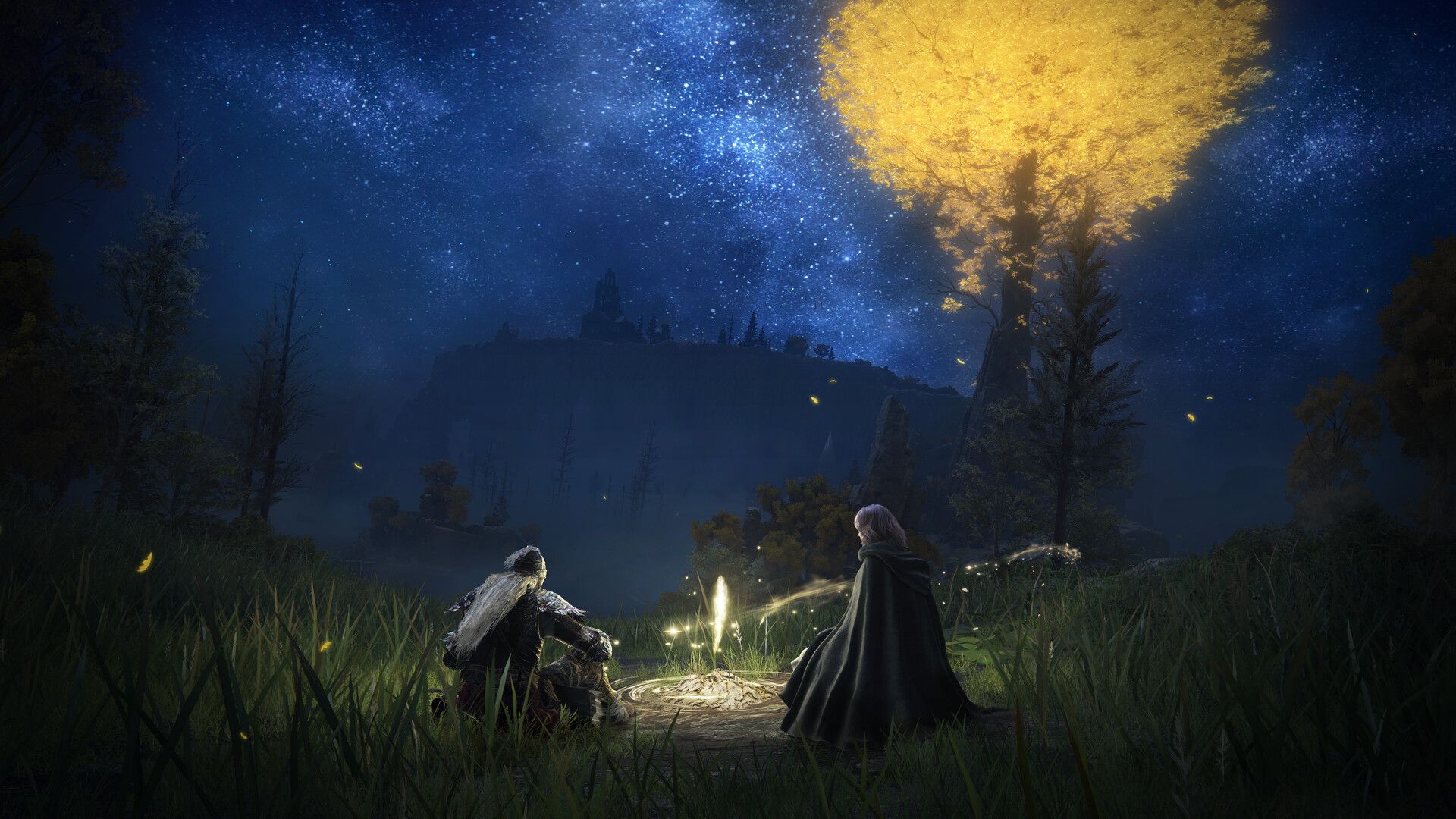
Elden Ring is a prime example of a game that doesn’t hold your hand. Instead of clearly showing you where to go, it drops you into a massive world and lets you discover things on your own, offering only subtle hints to get you started.
The game’s difficulty is a major hurdle, as even regular enemies and bosses demand skillful play from the beginning. Players learn through trial and error, with no obvious way to get better. Adding to this challenge is the game’s vastness – there’s a huge amount of items, enemies, weapons, and characters, but they’re often poorly explained and feel disconnected from each other, making the overall experience overwhelming.
Kingdom Come: Deliverance
Realism Leading The Charge
- Basic tasks become major challenges.
- Progression requires constant attention to smaller systems.
Kingdom Come: Deliverance is incredibly realistic, bringing the challenges of everyday life into the game. Players will even need to learn to read, and it’s a good idea to practice combat on training dummies before facing real enemies to improve their skills.
Honestly, this game isn’t really about epic battles; it’s more about getting good at the little things. It means you progress slowly, which can be tough for some players at first. But once you do get the hang of it, it’s incredibly rewarding – you get so much freedom to do what you want! Getting there is the hard part, though. It can feel really overwhelming at times, and it definitely takes patience.
Pathologic 2
Suffering In Its Purest Form
- Intentionally exhausting design
- Scarcity and time pressure always
Pathologic 2 is an incredibly intense experience that can stay with you long after you finish playing. It doesn’t rely on complex gameplay or a massive world, but instead focuses on creating constant pressure through limited time and resources, and the uncertainty of how your choices will affect the outcome.
Life is challenging and competitive, often forcing us to make difficult choices where someone else loses out so we can get ahead. It’s not about achieving victory, but about coping with hardship and accepting that setbacks are unavoidable.
The Elder Scrolls 3: Morrowind
Understanding Through Interpretation
- Refusal to guide the player.
- Hidden systems govern large aspects of gameplay.
Morrowind, like other Elder Scrolls games, offers a huge amount of content and detail. However, it doesn’t hold your hand – you’re expected to explore and figure things out on your own. There are no quest markers, so you’ll need to pay attention to conversations to progress. Combat also relies heavily on hidden chance, which isn’t always obvious while you’re playing.
Players are largely responsible for figuring things out on their own. The game doesn’t hold your hand or tell you where to go or what to avoid – you need to explore and pay attention to succeed. While this initial freedom can be daunting for some players, it’s also what makes the game so rewarding.
UnReal World
Survival Taken To The Extreme
- Simulating true survival challenges.
- Mistakes are often fatal.
UnReal World isn’t so much a typical open-world game as a realistic prehistoric survival simulation. It focuses on truly living off the land, and every task – like hunting or making tools – demands knowledge and careful planning. Without preparation, you’ll likely face setbacks, and even death is a real possibility.
This game doesn’t offer traditional hero stories or satisfying character growth. It’s just you, constantly battling a relentless and unforgiving environment. While determination can help you overcome challenges like bad weather or injuries, you’ll always face new obstacles – there’s no real ending or sense of complete victory.
Kenshi
The Freedom To Fail
- Cruel world with weak characters early on.
- Defeats teach more than triumphs ever will.
Kenshi offers incredible freedom, but it’s also very challenging. You begin with weak characters in a harsh world, so expect a lot of setbacks before you start making progress. It has a steep learning curve and unforgiving environment.
The game creates a realistic and dynamic world with warring groups and collapsing cities. However, players won’t truly experience it until they overcome a very difficult beginning. The world doesn’t acknowledge the player’s objectives and relentlessly challenges them with harsh decisions and seemingly endless struggles, offering no easy victories.
Caves Of Qud
Staggeringly Complex
- Simple mechanics can take dozens of hours to understand.
- An unpredictable world with limited clear routes.
Caves of Qud is an incredibly expansive open-world game that truly tests the boundaries of the genre. Its environments are procedurally generated, creating a world that feels vast, complex, and often mysterious. The game offers so many possibilities that players can spend a huge amount of time discovering everything it has to offer.
The game offers a lot of freedom in how you build your character and make choices, but this can lead to either brilliant successes or complete failures. Often, a single mistake – one even experienced players might overlook – can ruin an entire playthrough. It takes a lot of practice and many failed attempts to learn the game well, and even then, becoming truly skilled isn’t guaranteed.
EVE Online
Galactic Levels Of Depth
- Governed by player politics and warfare.
- Permanence in every loss.
When it first came out, EVE Online immediately raised the standard for open-world games, and it still stands out today for its incredible depth. The game features a universe shaped by player actions, with large organizations controlling politics and a realistic economy where even small decisions can have significant consequences for many players.
It’s very difficult to learn, and many of the game’s systems are confusing for beginners, demanding a lot of prior knowledge just to get started. For some players, it’s more than just a game – it’s a whole second life filled with responsibilities and stress, where losing can mean losing months of work in an instant.
Read More
- All Shadow Armor Locations in Crimson Desert
- How to Get the Sunset Reed Armor Set and Hollow Visage Sword in Crimson Desert
- Best Bows in Crimson Desert
- All Golden Greed Armor Locations in Crimson Desert
- Wings of Iron Walkthrough in Crimson Desert
- How to Craft the Elegant Carmine Armor in Crimson Desert
- All Helfryn Armor Locations in Crimson Desert
- All Skyblazer Armor Locations in Crimson Desert
- How To Beat Ator Archon of Antumbra In Crimson Desert
- Keeping Large AI Models Connected Through Network Chaos
2026-01-10 14:41