When talking about Japanese media like the Final Fantasy games, the topic of “female characters” often sparks a lot of debate. Historically, action-focused games, anime, and manga have primarily featured male protagonists, catering to a male audience. While more women are now appearing as fighters in these mediums, male characters still tend to be the main focus. Despite progress in representing women in video games, certain recurring stereotypes persist. Female characters are sometimes portrayed as needing rescue, worrying about appearing unfeminine while being strong, or being overly sexualized. Even in Final Fantasy, women often fall into narrow definitions of femininity – either as an idealized version of womanhood or as a caricature of someone who doesn’t fit that mold.
Cultural differences often explain why female characters are portrayed in certain ways, and those portrayals aren’t necessarily negative. However, the repeated use of these tropes sparks debate about what defines a strong female character in video games – a topic that can quickly become contentious online, as evidenced by the often-negative responses to requests for “feminist” JRPGs. Regardless of whether you believe the common “anime waifu” archetype is inherently sexist, it’s a welcome change when a playable female character breaks free from those typical stereotypes. Final Fantasy 9 did this well with Freya Crescent and her story of lost love with Sir Fratley, which makes it disappointing that the game abandons her storyline so soon.
Spoilers for Final Fantasy 9 ahead!
Who is Freya Crescent?
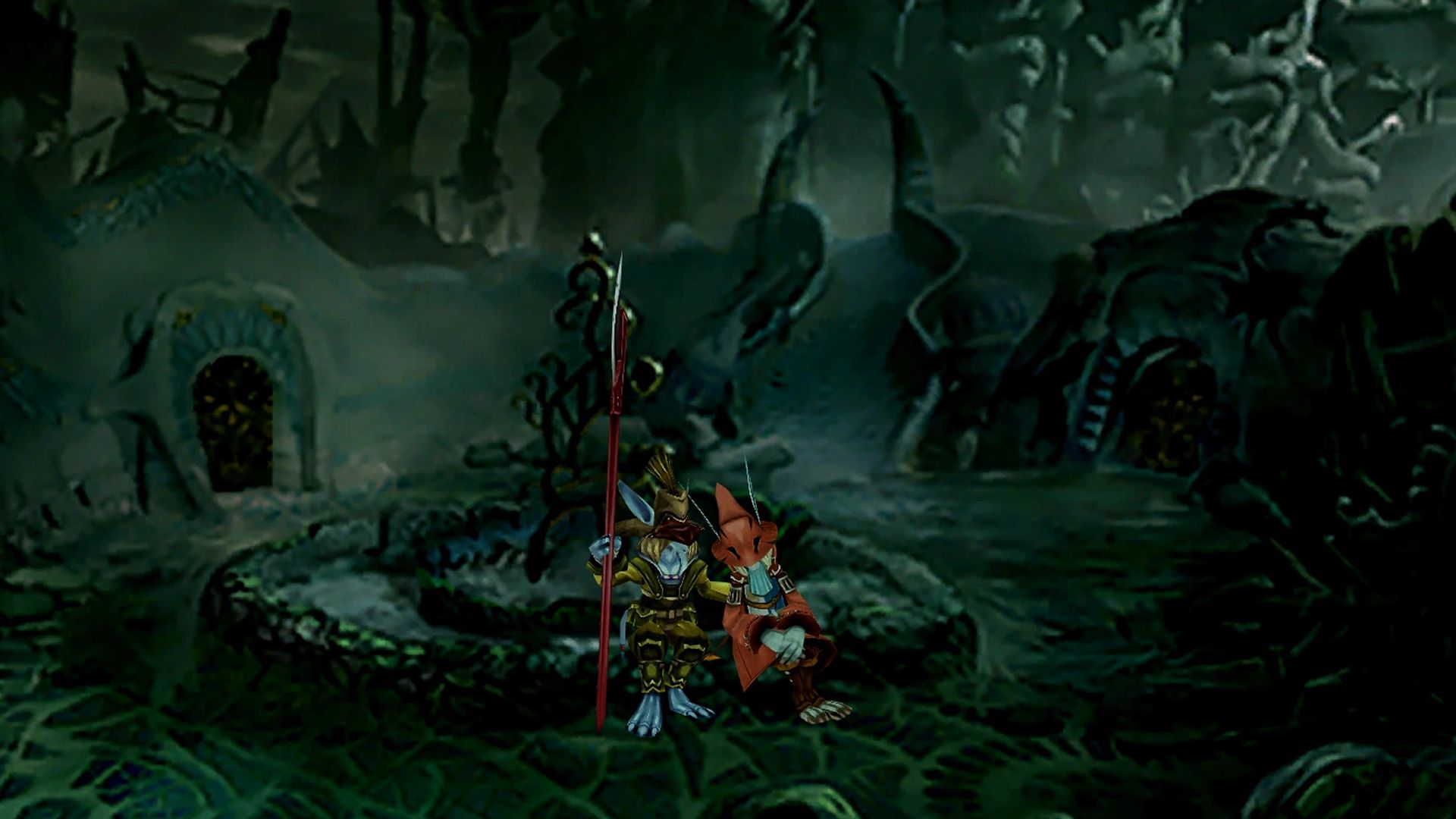
Freya Crescent was a powerful Dragon Knight from the kingdom of Burmecia. Five years before the story begins, her beloved, Sir Fratley, left to prove his strength, but never returned. Freya eventually left her post to search for him. She did find him, but was heartbroken to learn he’d lost his memory. This happened during a terrible time for Burmecia – the kingdom fell, and their final safe haven, Cleyra, was destroyed. Fortunately, Fratley survived, and though he never regained his memories, Freya and he were reunited by the end of their journey.
 Rearrange the covers into the correct US release order.
Your Order
Results
— —
It’s easy to see Freya’s initial motivation – leaving Burmecia for Fratley – as reducing her to simply a character driven by romance, a common issue with female characters. However, her search for Fratley quickly becomes secondary to her larger goal, and her story in the second disc is primarily about her desperate, ultimately unsuccessful, efforts to save Burmecia and Cleyra. Even after Fratley returns, the story never suggests Freya would abandon her fight to become his wife. Although Fratley isn’t in many scenes, the narrative establishes that he and Freya were partners before he disappeared. In fact, his amnesia disrupts their equality, unexpectedly placing Freya in a position of power over him.
Reversing “Women in Refrigerators”
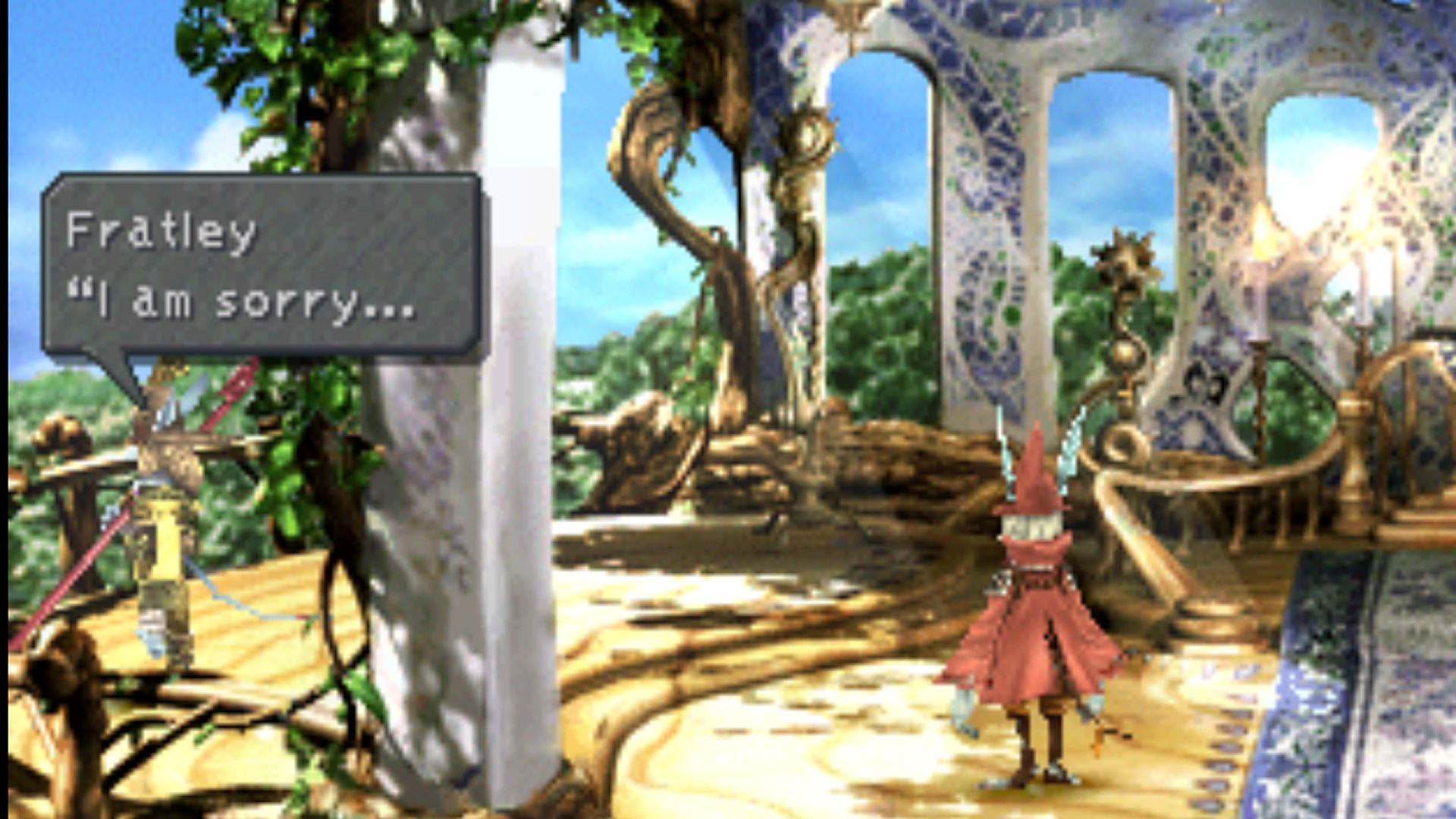 Image via Square Enix
 Sir Fratley strongly embodies the “lost love” archetype for Freya – he’s someone she deeply cared for who died tragically, and his memory continues to affect her throughout the story. This is a frequent plot device for male characters, and it’s become controversial – often criticized as “women in refrigerators.” This term, coined by comic writer Gail Simone, refers to the practice of killing off female characters solely to motivate male characters, and it originated from a specific incident in a Green Lantern comic where a woman’s body was found in a refrigerator, discovered by her grieving lover. The Final Fantasy series had used this trope before FF9, most notably in Final Fantasy 7. While it’s debatable whether the character’s death in FF7 fully qualifies as a “fridge” scenario, it undeniably provided Cloud with added drive to continue his quest.
Though everyone believed Fratley had died when Cleyra fell, the game reveals he actually survived. However, he lost his memories, which means a significant part of who he was is gone. He and Freya rekindle their romance, but she remains heartbroken that he never fully recovers his lost memories.
Fratley: …I love you, Freya.
Freya: (…Yet he still doesn’t remember our past.)
Freya’s Poor Payoff
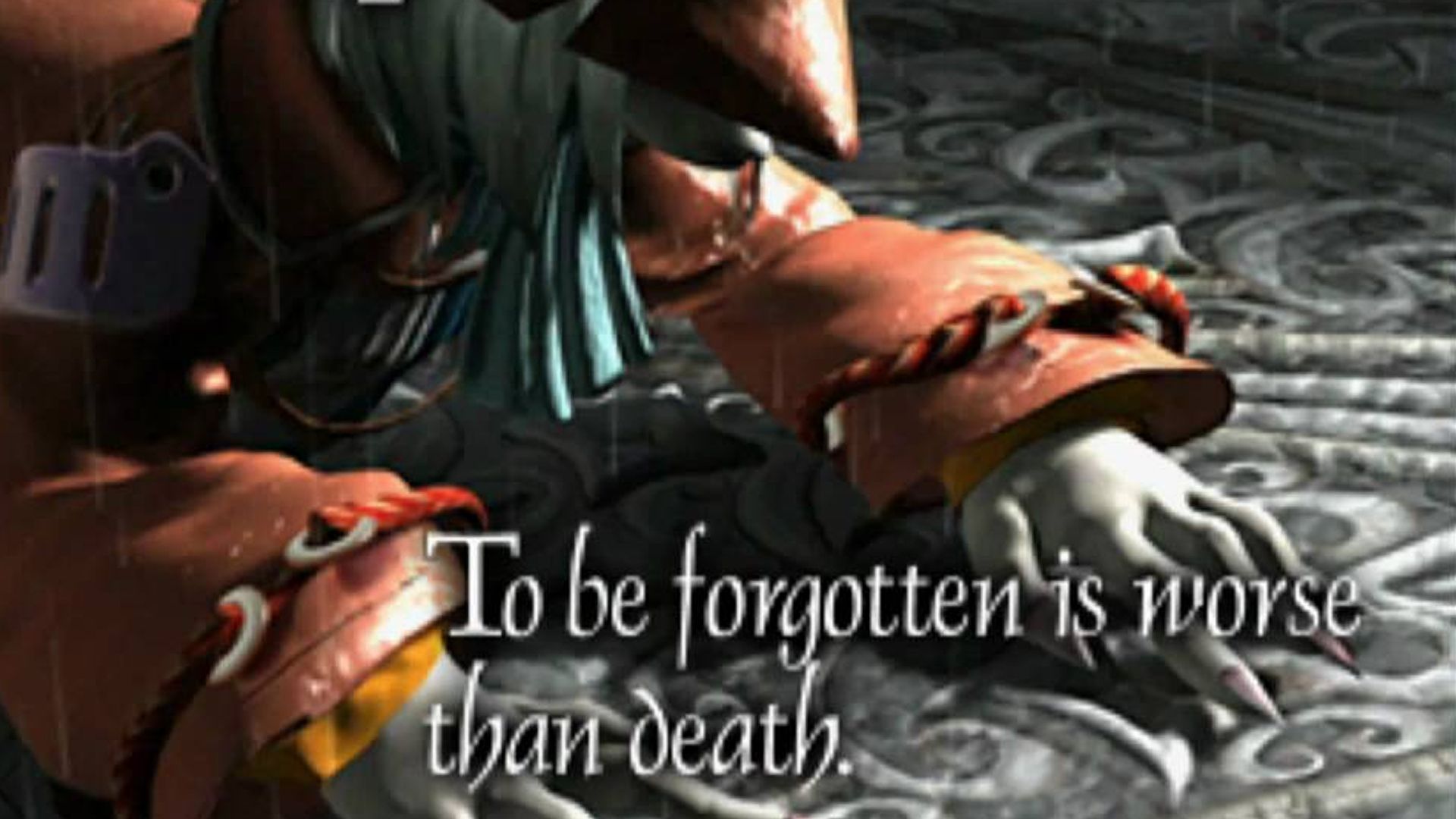 Image via Square Enix
 Freya and Fratley offer a refreshing twist on the typical trope of female characters being used as plot devices – they actually get a positive resolution. While it’s great to see a woman taking the lead in seeking revenge, Freya’s story unfortunately fades significantly after the second disc of the game. It’s understandable that the focus shifts to Zidane and Dagger as the main plot nears its conclusion, but Freya’s character had a lot of potential that was never fully realized. For example, the story could have explored her internal conflict regarding forgiving Beatrix for her role in Burmecia’s destruction, or how she reconciled her feelings about Dagger and Brahne.
Freya displays some connection with the less-developed character Amarant, but after the events in Burmecia, her conversations mostly focus on the situation around her, rather than her own emotions. She’s dealt with significant trauma – the loss of her home and loved ones, and the mysterious disappearance and amnesia of Sir Fratley – and feels helpless to change things. Ultimately, Freya largely serves the purpose of filling the traditional “Dragoon” role in battle, common throughout the Final Fantasy series.
One problem with the story is how the destruction of Burmecia and Cleyra is used to demonstrate Brahne and Kuja’s villainy, but then these events aren’t revisited. Because these tragedies happen back-to-back, Freya’s character development feels hurried, and the lack of further focus on her story becomes noticeable later on. If the Cleyra sequence had been placed later in the game, Freya’s story arc would feel more developed, even if it was just because players would have had to wait longer to learn more about her past.
In Final Fantasy IX, Freya doesn’t share much interaction with her fellow party members, except for Zidane and sometimes Amarant. Zidane, as the main character, connects with everyone, and Garnet forms strong relationships with Steiner and later Eiko. Steiner also grows fond of Vivi, and Vivi and Eiko have playful exchanges. However, Freya doesn’t really develop close bonds with anyone. Amarant and Quina face similar issues, though Quina’s lack of development feels intentional due to their comedic nature. While FF9’s main characters are well-developed overall, it becomes clear that Freya and Amarant weren’t given as much focus in the story.
Despite it All, Freya Crescent is a Good Character
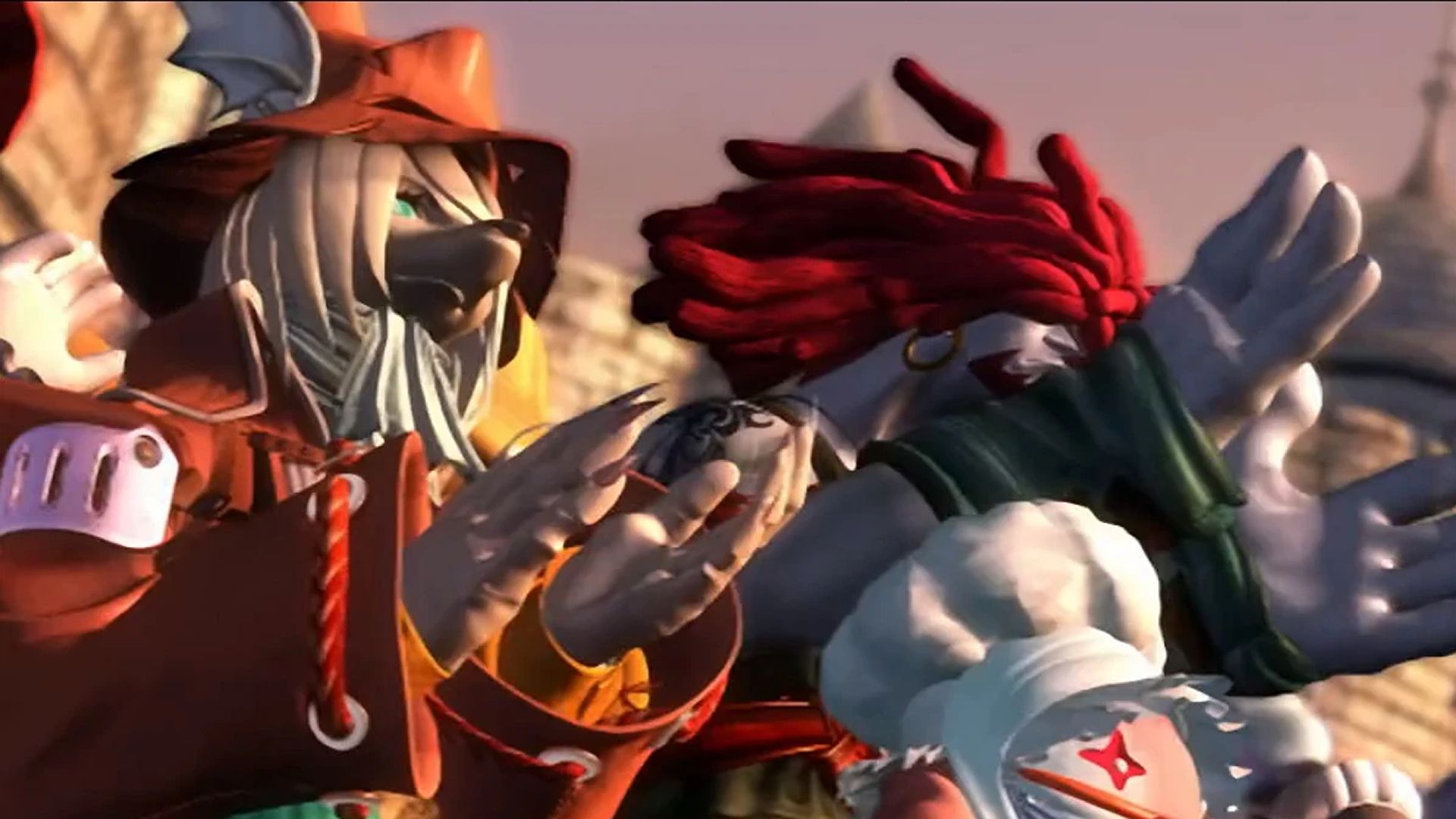 Image via Square Enix
 Freya isn’t a groundbreaking character in and of herself. She’s a knight who’s experienced personal loss – her home and loved one are gone – and now she’s searching for a new purpose. This kind of story is fairly common in Japanese role-playing games if the protagonist were a man. However, when Final Fantasy IX came out, it was somewhat unusual to see a woman at the center of this type of narrative, even if it feels a bit cliché to say so.
For years, fans have speculated about a possible remake of Final Fantasy IX. While the original game remains excellent and readily available, some characters, like Freya, felt underdeveloped. This is disappointing because, in a genre often focused on conventionally attractive female characters, Freya stands out. She’s a strong, uniquely designed non-human character who is capable in combat and doesn’t concern herself with others’ opinions. While not every woman needs to be like Freya Crescent, her individuality makes her a great example for writers creating compelling female characters.
Read More
- All Skyblazer Armor Locations in Crimson Desert
- All Shadow Armor Locations in Crimson Desert
- How to Get the Sunset Reed Armor Set and Hollow Visage Sword in Crimson Desert
- Marni Laser Helm Location & Upgrade in Crimson Desert
- Best Bows in Crimson Desert
- All Helfryn Armor Locations in Crimson Desert
- All Golden Greed Armor Locations in Crimson Desert
- How to Craft the Elegant Carmine Armor in Crimson Desert
- Wings of Iron Walkthrough in Crimson Desert
- Keeping Large AI Models Connected Through Network Chaos
2026-02-23 00:10