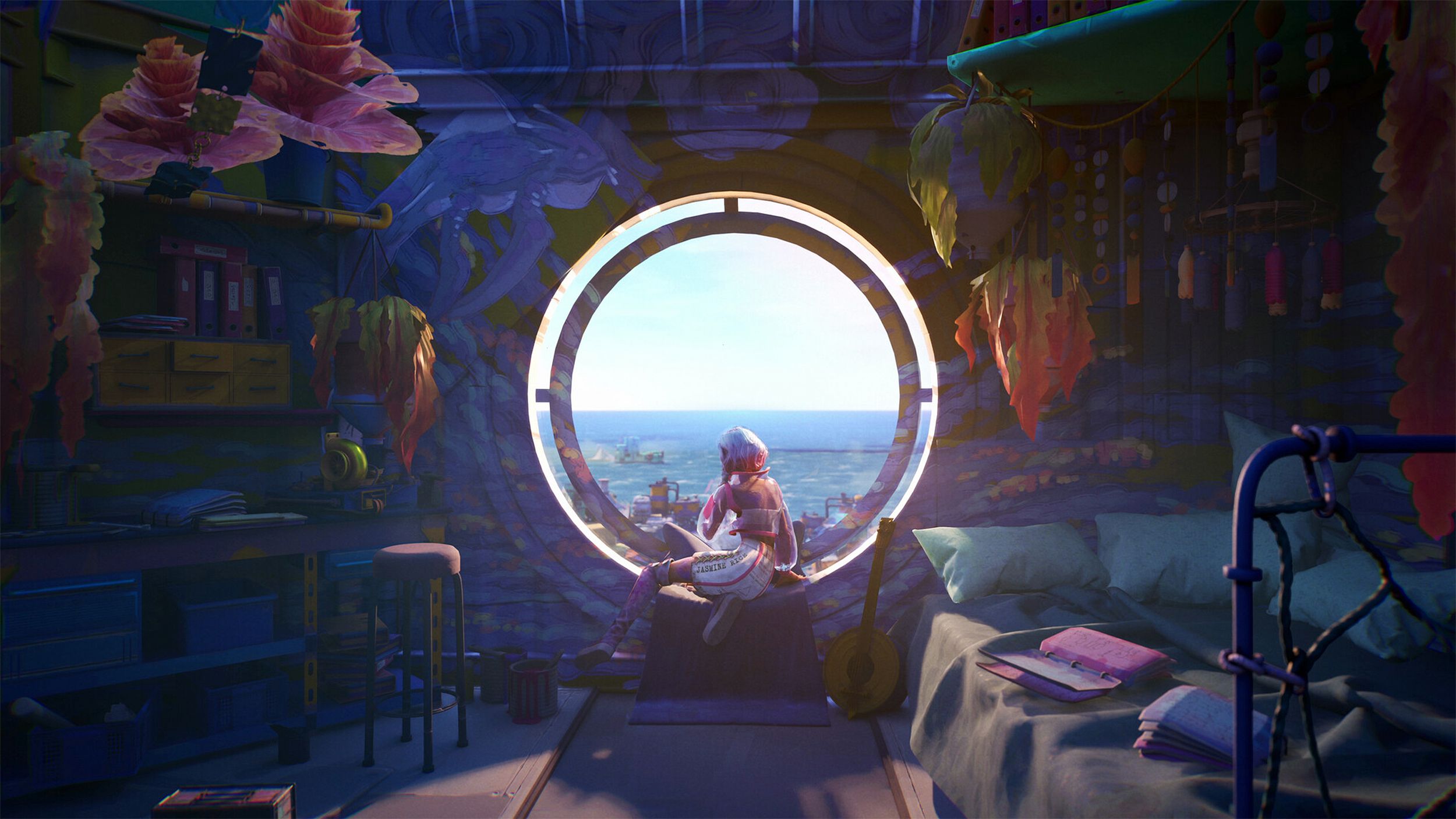
While not as common as playing multiplayer in real-time, asynchronous multiplayer offers a different way to connect with other players, creating a sense of a large, shared world and allowing for helpful interactions. DigixArt’s game, Tides of Tomorrow, stands out because it goes beyond simply letting players compete in turns or indirectly influencing each other. Instead, it uses asynchronous multiplayer to genuinely change the story itself for each player. It’s a bold idea, and that’s what makes it one of the most fascinating story-focused multiplayer games released recently.
We recently had a chance to play the first two chapters of Tides of Tomorrow and got a good look at how its unusual multiplayer system affects both the story and how you play. While the game does have standard gameplay, it’s really focused on its narrative. Because of this, our preview will focus more on how the game uses its unique features to tell the story, rather than revealing the story itself – we don’t want to spoil it!
Following Visions Through Tides of Tomorrow’s Flooded World
In Tides of Tomorrow, players explore Elynd, a vast ocean planet devastated by a catastrophic flood. Most of civilization is gone, and the remaining people live on floating towns and platforms. A dangerous disease called Plastemia, caused by plastic pollution, is spreading and threatens all life. You play as a Tidewalker, a survivor who wakes up with no memories. Your mission is to explore the flooded world, find resources, meet different people, overcome dangers, and ultimately discover a cure for Plastemia.
The core concept of Tides of Tomorrow is that even when you play alone, you’re connected to other players. Instead of exploring the world in isolation, you can choose to follow the path of someone who played before you. Their decisions directly impact your game – determining who you meet, how events play out, and what options are available. You’ll see glimpses of their journey through brief visions, showing you how they handled similar situations. You’re free to agree with their choices, forge your own path, or learn from them, but the game always emphasizes that your story is part of a larger, interconnected web – each player leaves a mark for others to discover and build upon.
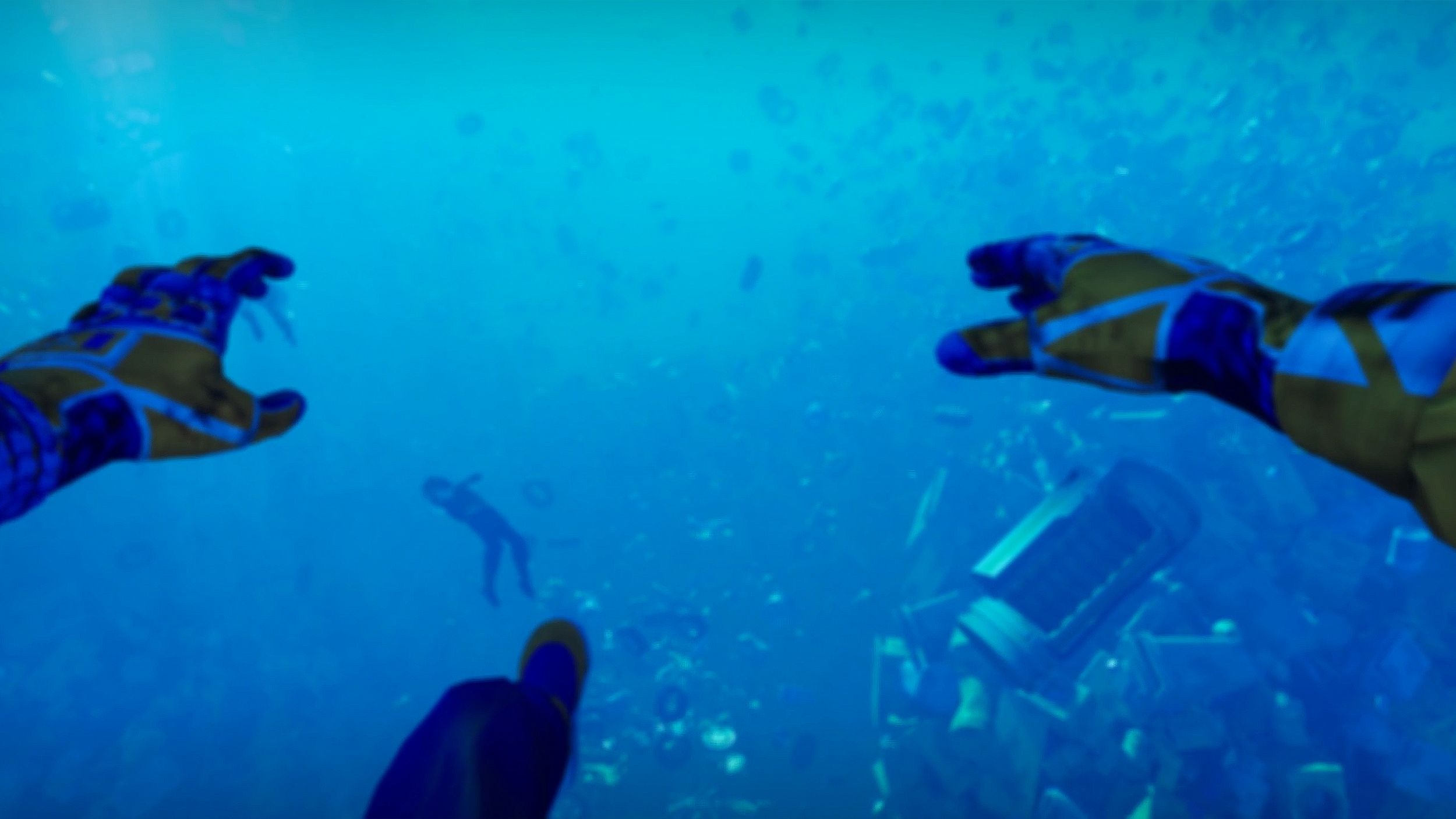
The game started with captivating music that felt similar to the soundtrack of Assassin’s Creed 4: Black Flag. A message explained that the game was an ongoing, asynchronous adventure, then led me to create my character. In the character creation screen, my character appeared to be floating underwater alongside others. I could customize their appearance with different colors, choose a gender, and select a voice. After creating my character, I was shown a list of other players I could follow, including details like their location, skills, last login date, and how far they’d progressed. I decided to follow a player named AJC, and that’s when my adventure truly began.
Drifting in the ocean, I heard a voice tell me it was time to reach out to someone. I saw a shimmering figure, AJC, heading for the surface, and I followed. It was a difficult journey, and I lost some energy, but I finally reached the surface and was rescued by Nahe. Nahe would become my guide, teaching me how to survive in the world of Tides of Tomorrow.
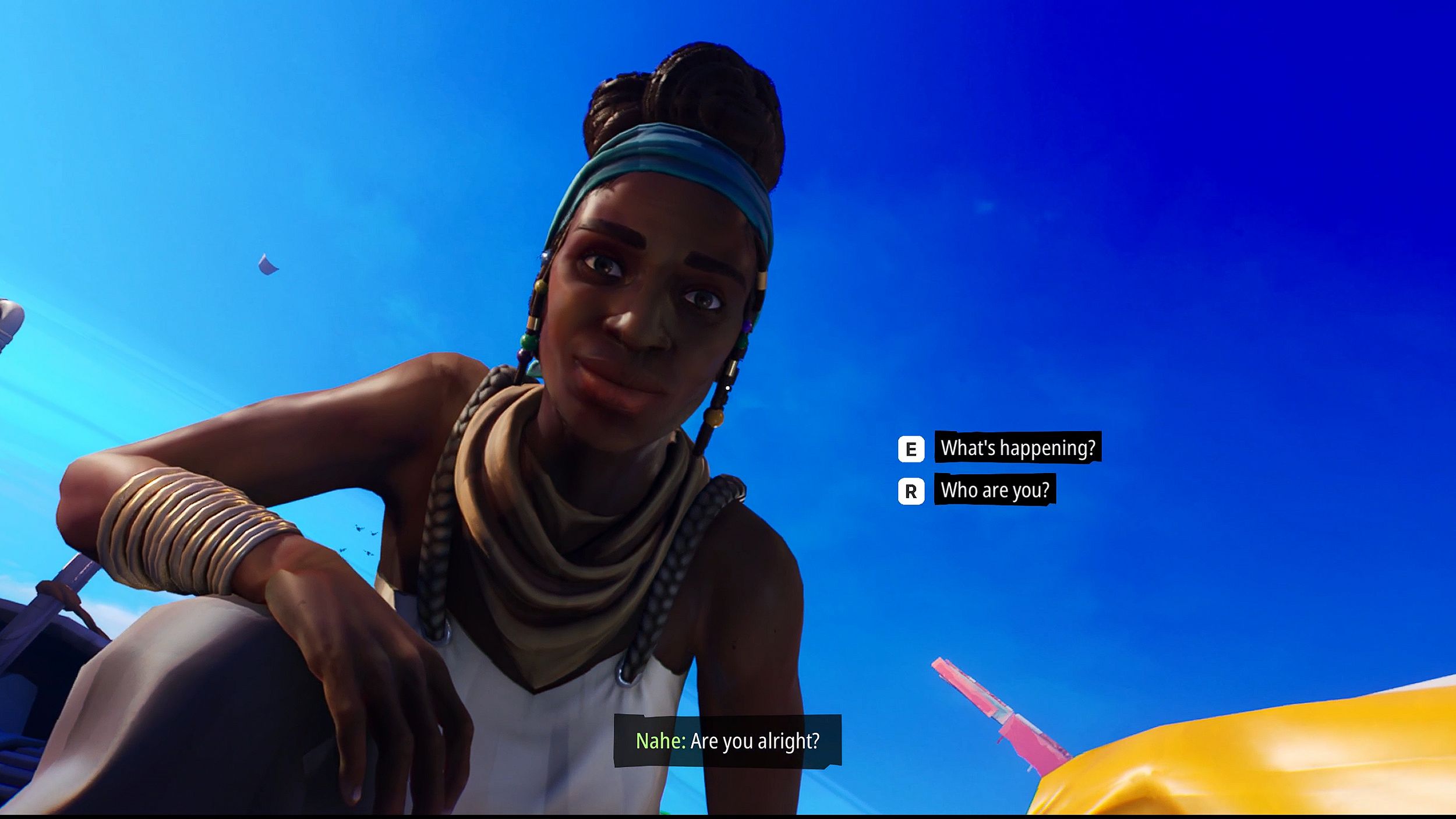
The core feature of Tides of Tomorrow is called Tides of Time. It lets you briefly see glimpses of the character you’re tracking. You can activate it whenever you want, but its main purpose is just to show these visions. It doesn’t directly point out important items or goals, though it can offer a hint if you’re stuck. It’s similar to the ‘phantoms’ feature in Dark Souls, which briefly shows ghostly outlines of other players. When I first used Tides of Time, I saw a vision of Nahe telling AJC she’d been searching for them her entire life.
The core gameplay feature in Tides of Tomorrow is called Tides of Time. It lets players catch quick glimpses into the future of the character they are currently controlling.
Nahe explained the danger of Plastemia – a condition caused by plastic affecting my brain, resulting in attacks where I briefly struggled to breathe. I experienced one of these attacks while she was talking, and used my ability, Tides of Time, to see a vision of her giving AJC a bottle of Ozen, a temporary remedy for the symptoms. Sadly, that was her last bottle, so she couldn’t give me any. I soon had another attack and lost consciousness, waking up later on her boat at Scrap Harbour. She advised me to follow AJC, believing they could lead me to safety, and that’s how the story of Tides of Tomorrow truly began.
Tides of Tomorrow’s Star Mechanic Drives Its Asynchronous Multiplayer
So, the coolest thing about Tides of Tomorrow is definitely the Tides of Time mechanic. It’s a choose-your-own-adventure game, so you’re always making choices in conversations that change how people react and how the story goes. But here’s the really neat part: sometimes, if you use Tides of Time to see a Major Vision, new dialogue options actually appear mid-conversation! You might be talking to someone and see an option that says “Undiscovered Vision.” If you quickly switch to using Tides of Time, you can witness a key moment from another player’s game, and that new option will unlock!
Major Visions aren’t just for conversations; they can also help you solve puzzles. For instance, early in Tides of Tomorrow, I needed to cross a gap of water between platforms. A Major Vision showed me a character using a moving platform to do so, which was a helpful and clever solution. Importantly, using these visions is completely optional, allowing players to maintain the game’s difficulty or experience the story without being influenced by previous players.
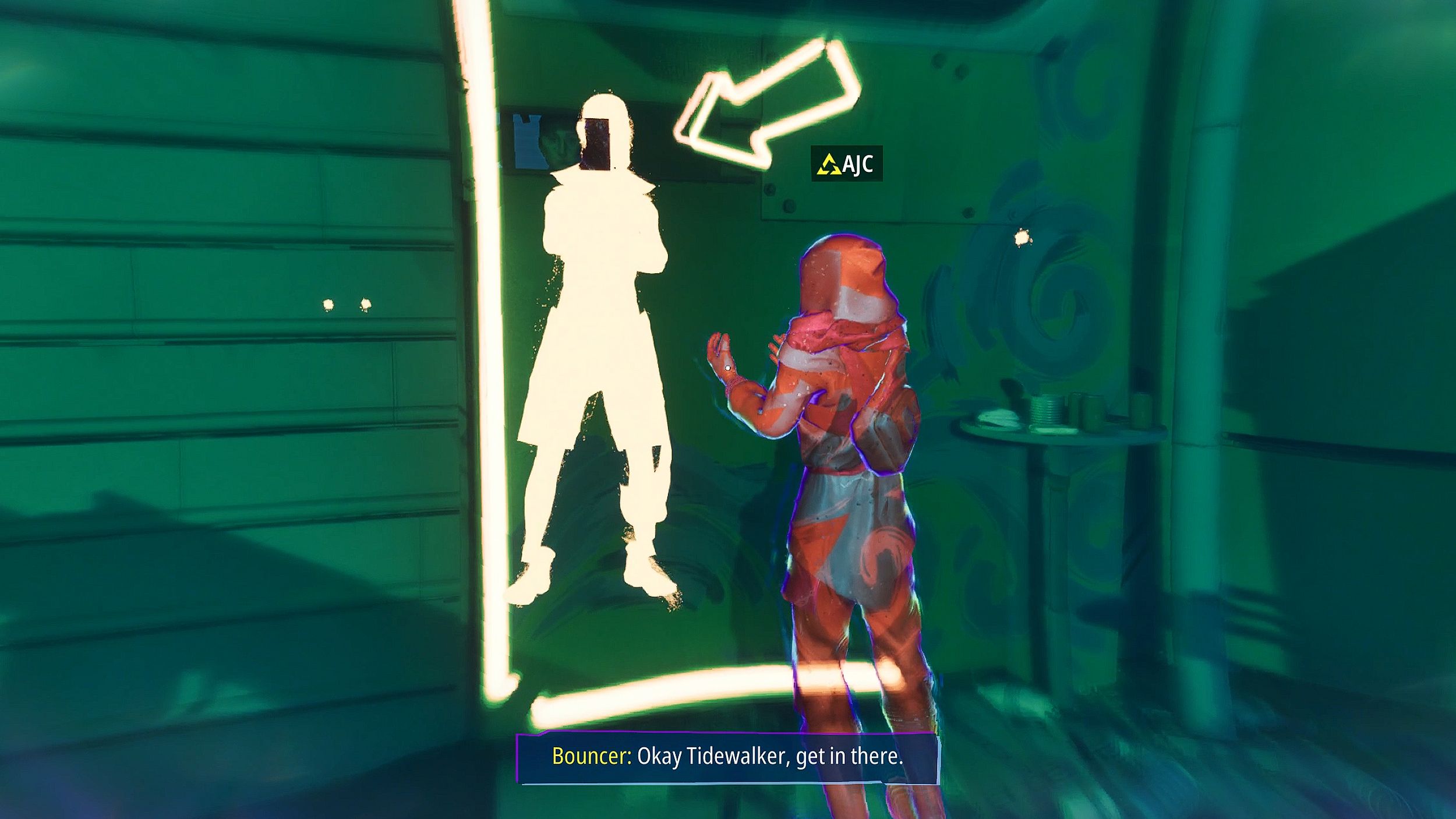
I really enjoyed the Tides of Time feature in the game, but honestly, I found the Major Visions to be more of a cool extra than something I needed to use. Even knowing what the previous player chose in a big story moment, I often picked different dialogue options anyway. It just felt…wrong, like I was cheating somehow! Maybe that’s the intention, but the game is already pretty easy, so removing any uncertainty about what would happen just made it even simpler. I kind of missed the mystery!
While Tides of Time lets you see brief glimpses of other players – called Minor Visions – I didn’t find them very useful. They mostly served as a reminder of the game’s online features. These visions are similar to the ghosts you see in Dark Souls, often just showing another player’s character moving or doing a simple action. During my preview, these visions sometimes pulled me out of the experience, like when I saw another player’s echo right in front of me during important cutscenes. It was hard to tell if this was a bug or just how the game was designed, but it was distracting.
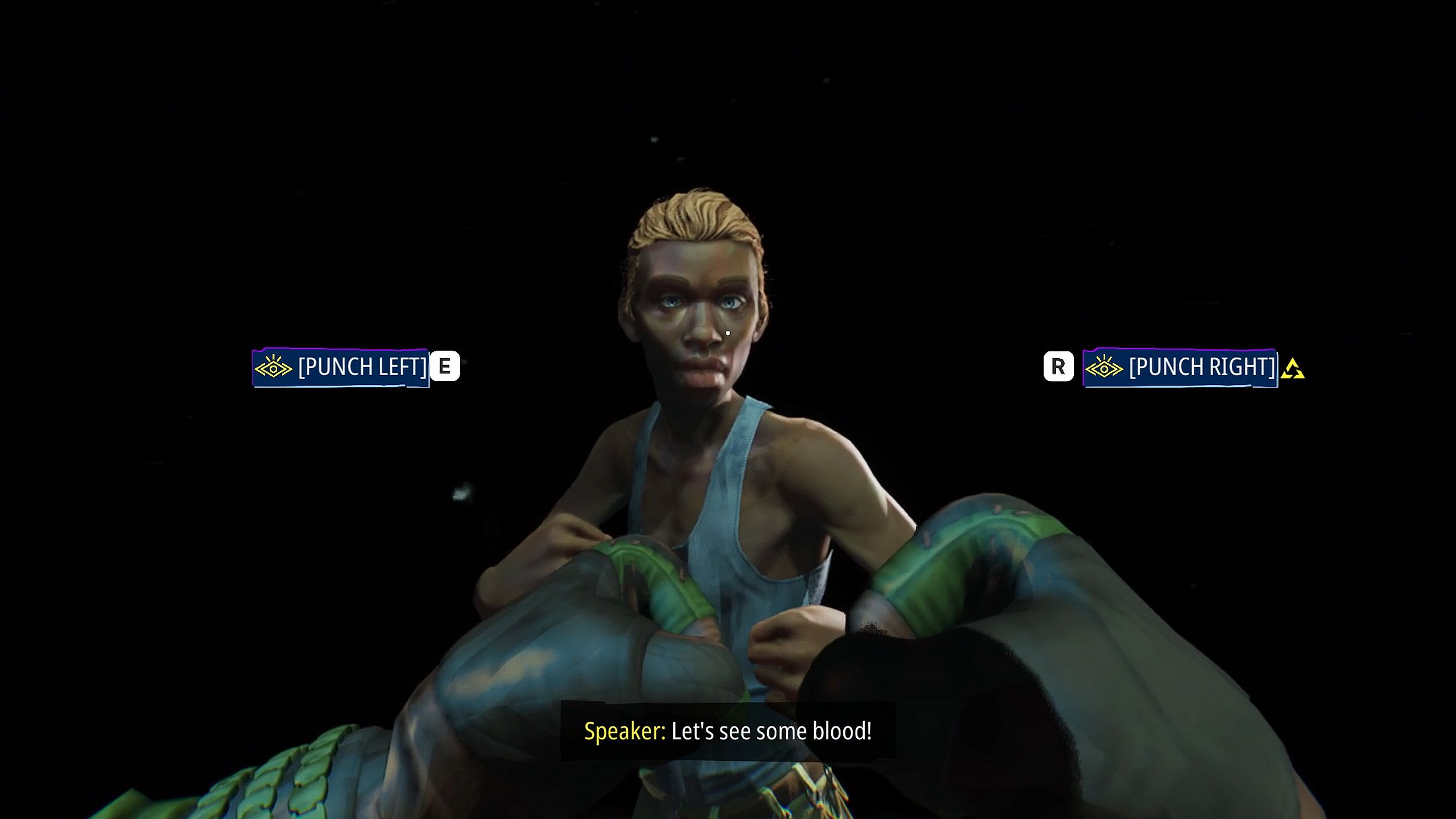
Okay, so Tides of Tomorrow has this cool mechanic called Tides of Time, and it actually shined for me during one part of the first act. I had to fight another character, and the game let me use Tides of Time to predict their dodges. It was like a Simonsays game – I had to memorize their patterns and react! Honestly, that was the most engaging the gameplay got during my preview. Usually, Tides of Time just affects conversations or simple puzzles, but here it felt like it really mattered in a fight and let me actually use* the mechanic in a meaningful way.
Okay, so here’s the cool thing about Tides of Tomorrow: your game doesn’t just affect your experience, it actually changes things for everyone who plays after you! Basically, the big choices I make shape my character, and that impacts the world future players see. If I play as someone who really supports humanity – a ‘Pro-Mankind’ type – I’ll leave behind a world that’s generally doing well and likes the Tidewalkers. But if I’m more of a ‘Troublemaker,’ well, let’s just say I’ll leave things a bit of a mess for the next person. It’s like leaving a legacy, and it really makes you think about your choices!
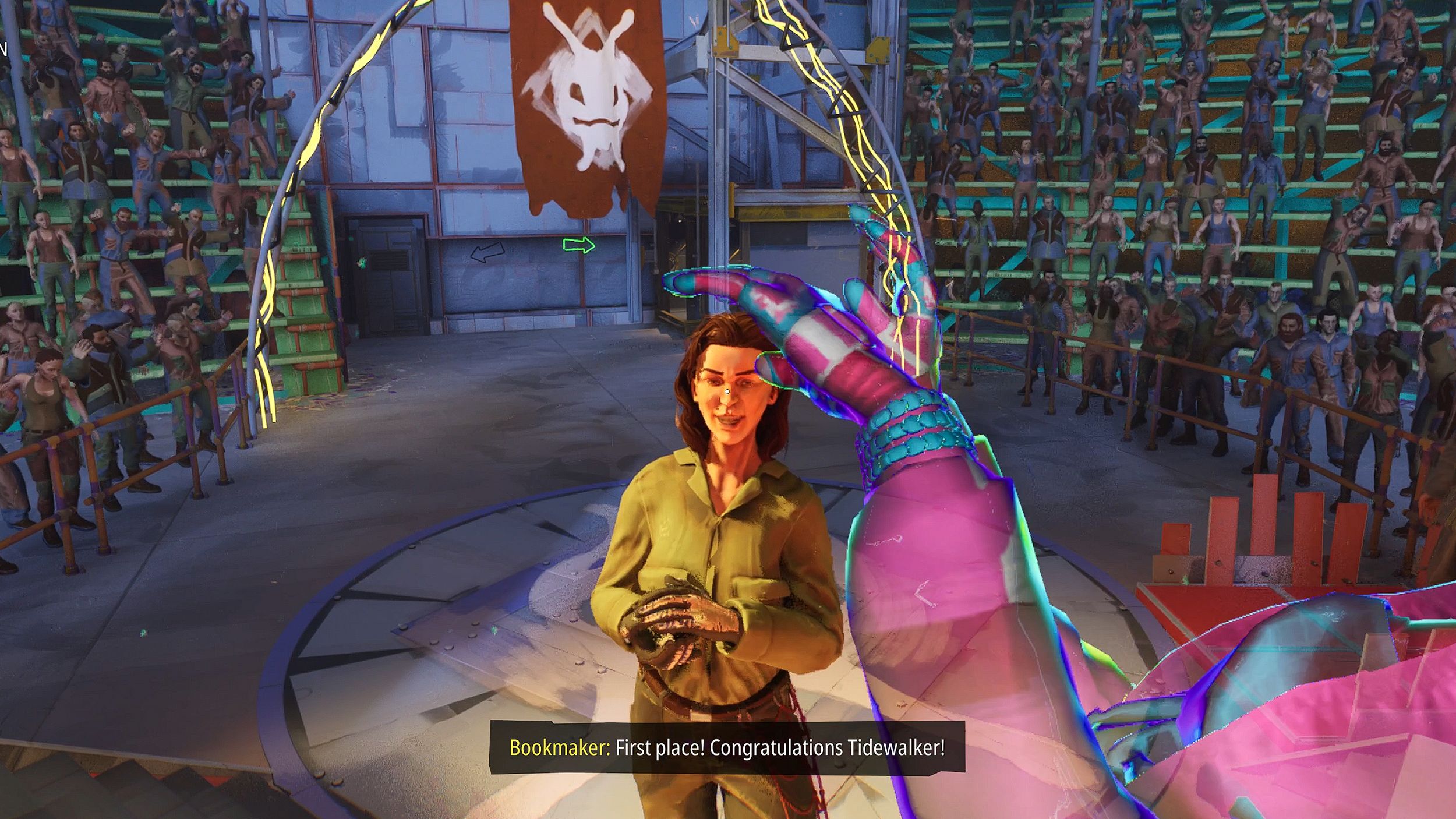
My main concern with this system is that players can’t fully understand the impact of their choices on others unless they know those players personally or share their game ‘seed’ with them. This allows direct connection, rather than random encounters. Without that personal connection – like following a friend or favorite content creator – players are less invested in how their actions affect others. This could lead to more selfish behavior, such as taking all the resources from a shared chest instead of leaving some for other players. Ideally, a player’s character traits would directly impact the game, making their actions matter regardless of who’s following, but unfortunately, that isn’t how it works.
Tides of Tomorrow Puts More Emphasis on Story, Less on Gameplay
Ultimately, Tides of Tomorrow focuses on storytelling, allowing players to create a narrative that impacts future generations. This emphasis on story comes at the cost of complex gameplay; exploration is limited, combat is infrequent, and the story progresses quickly. While this approach works for those prioritizing narrative, players seeking a deep and engaging gameplay experience may find it lacking.
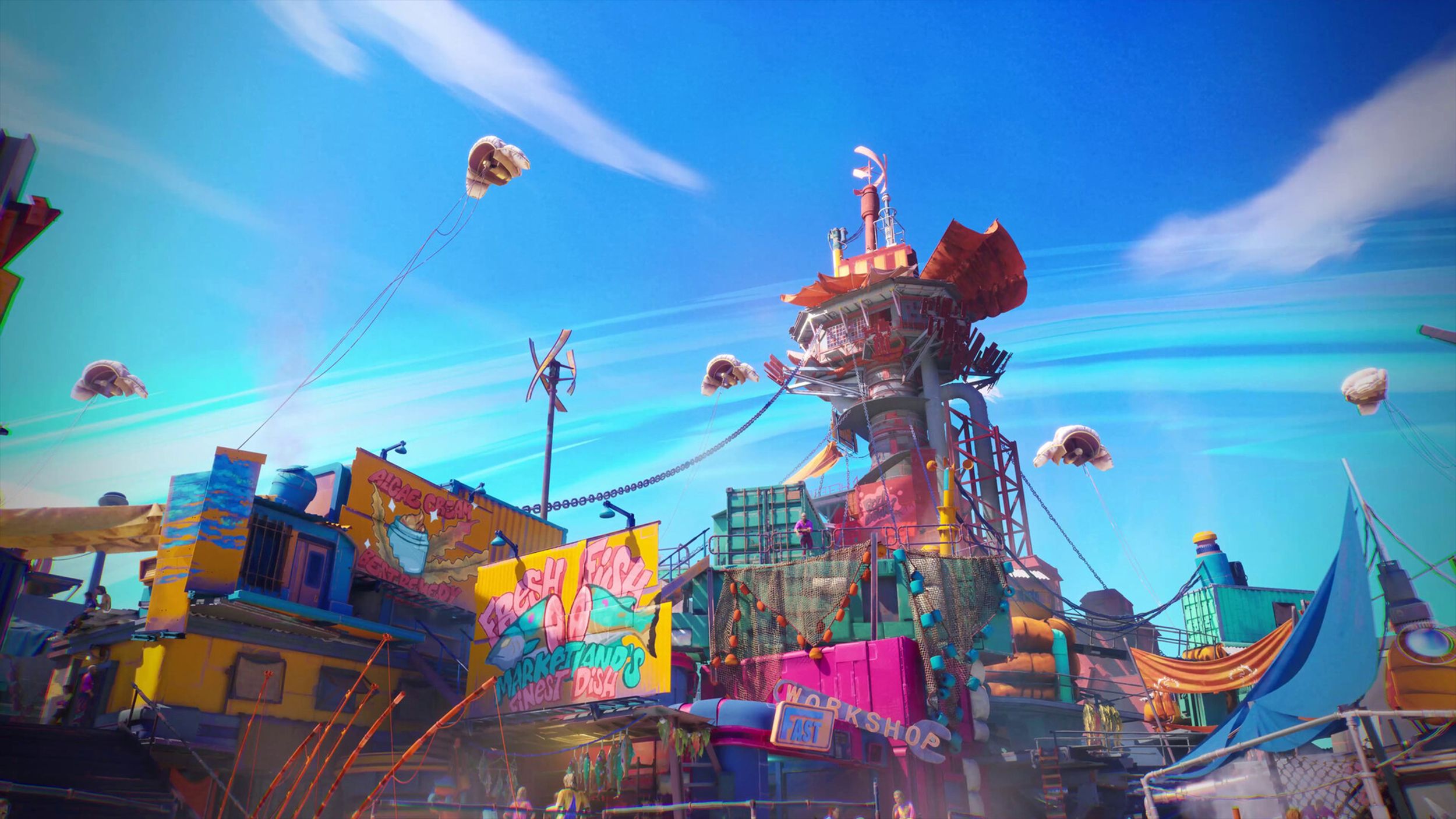
When you first reach Scrap Harbour, the game creates a really immersive and lively environment. It’s full of people who seem to be going about their lives – you’ll see dancers at a club, a bartender serving drinks, and people queuing for Ozen. The area, and the world of Tides of Tomorrow as a whole, is visually striking with bright colors and glowing neon lights that capture Scrap Harbour’s rebellious spirit. But after exploring for a while, I realized that beneath the surface, the location isn’t as deep or engaging as it initially appears.
During my hands-on preview, most of the characters in the game didn’t react to me or offer much interaction. Exploring beyond the main areas didn’t feel rewarding, as I only found scattered story fragments and very few resources – the game’s currency. Traveling between areas by boat felt misleading; it looked like you had control, but these sections were essentially just loading screens, similar to those in Starfield. You’d be teleported to your destination even if the loading screen finished before you reached it.
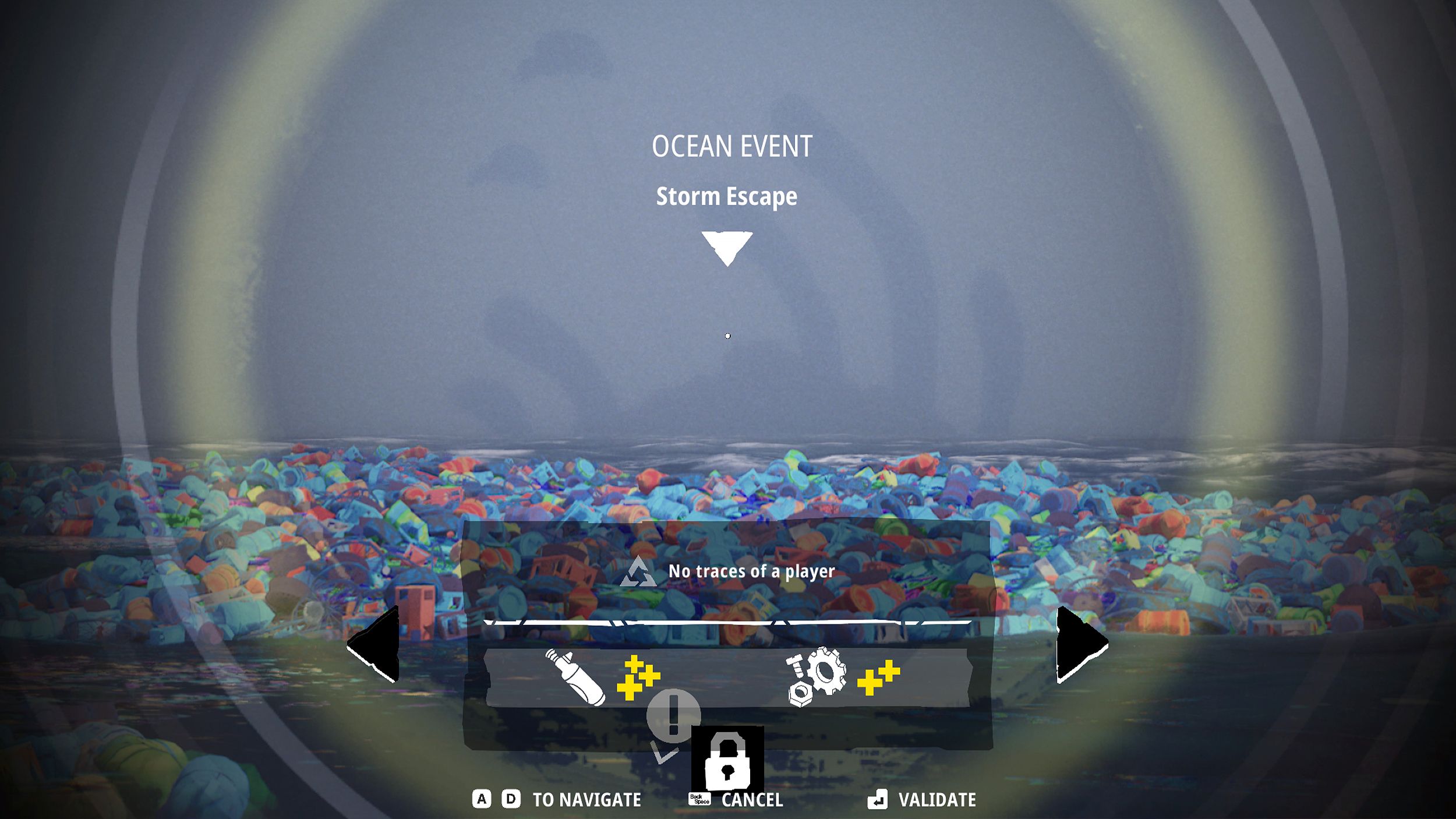
In Tides of Tomorrow, you’ll sometimes encounter optional Ocean Events that reward you with extra resources and story details. These events are fast-paced and add some excitement to the gameplay—you might have to salvage items from a sinking ship or navigate a dangerous storm. However, they’re very short and quickly return you to the main story, leaving you with little control over when you participate.
The stealth sections in Tides of Tomorrow felt clunky and overly basic in the preview. Enemies move through areas with clearly visible red cones showing where they’ll spot you, but these are too easy to avoid. It actually takes enemies a while to notice you, making sneaking by them even simpler. Plus, these sections are very short – often lasting less than a minute – because they’re straightforward and don’t require much maneuvering.
Based on my experience, there’s not much incentive to venture away from the main areas of the game. You might occasionally find story details on tablets, but the rewards – mostly just a small amount of the in-game currency called ‘Tides of Tomorrow’ – aren’t worth the effort.
While Tides of Tomorrow focuses heavily on its story, a significant drawback is the quality of the voice acting. Though a few key characters are well-performed, most of the NPCs felt unconvincing during my preview. Usually, weak voice acting isn’t a huge issue if the gameplay is strong, but in this game – where almost everything happens through dialogue – those shortcomings are hard to ignore.
Tides of Tomorrow Hands-On Preview: Final Thoughts
Even though Tides of Tomorrow is facing some challenges right now, it’s still a promising game for players who prioritize a good story over complex gameplay. If you love games where your choices truly matter and you enjoy experiencing a narrative from different viewpoints, this game has a lot to offer. The unique concept of following other players and seeing how their decisions impact your game does encourage replayability, although the main draw is seeing what happens differently rather than enjoying the gameplay itself. Whether players will stay engaged long-term will likely depend on how much they connect with the stories created by others.
DigixArt’s Tides of Tomorrow is scheduled to release on February 24, 2026, giving them just over a month to refine the game based on early feedback. While some aspects, such as limited exploration and straightforward stealth mechanics, seem integral to the game’s design and unlikely to change drastically, others – like occasional presentation issues and uneven pacing – could be improved with further development. Even so, Tides of Tomorrow is noteworthy for its bold vision, and its success will likely depend on whether players appreciate its focus on storytelling and unique approach, rather than expecting a typical gaming experience.
I recently got to check out Tides of Tomorrow early, and it’s launching on February 24, 2026! I was playing on PC thanks to a code Game Rant gave me for a preview, but it’ll also be available on PS5 and Xbox Series X|S.
Read More
- All Skyblazer Armor Locations in Crimson Desert
- All Shadow Armor Locations in Crimson Desert
- How to Get the Sunset Reed Armor Set and Hollow Visage Sword in Crimson Desert
- Marni Laser Helm Location & Upgrade in Crimson Desert
- Best Bows in Crimson Desert
- All Helfryn Armor Locations in Crimson Desert
- All Golden Greed Armor Locations in Crimson Desert
- How to Craft the Elegant Carmine Armor in Crimson Desert
- Keeping Large AI Models Connected Through Network Chaos
- One Piece Chapter 1179 Preview: The Real Imu Arrives in Elbaf
2026-01-13 11:37