Summary
- Capcom’s influential games like Street Fighter 2 and Mega Man shaped genres like fighting and action-platformers
- Resident Evil series evolved over time, inspiring titles internally and externally within the industry
- Resident Evil 7: Biohazard introduced a new perspective and story, breaking from traditional gameplay, setting a new standard
Over time, Capcom has been a significant player in gaming development alongside other Japanese giants like Konami, Bandai Namco, and Square Enix. Games such as Street Fighter 2 have been instrumental in shaping today’s fighting game genre, Mega Man combined action games with platformers effectively, Monster Hunter revolutionized boss battles, and many more titles have left their mark.
Resident Evil has been a trailblazer in many ways, although it may not seem so from its first and fourth installments viewed externally. However, within the series, one game often influences another. Let’s explore how this horror franchise has changed over time and assess its impact on Capcom and the video game industry as a whole.
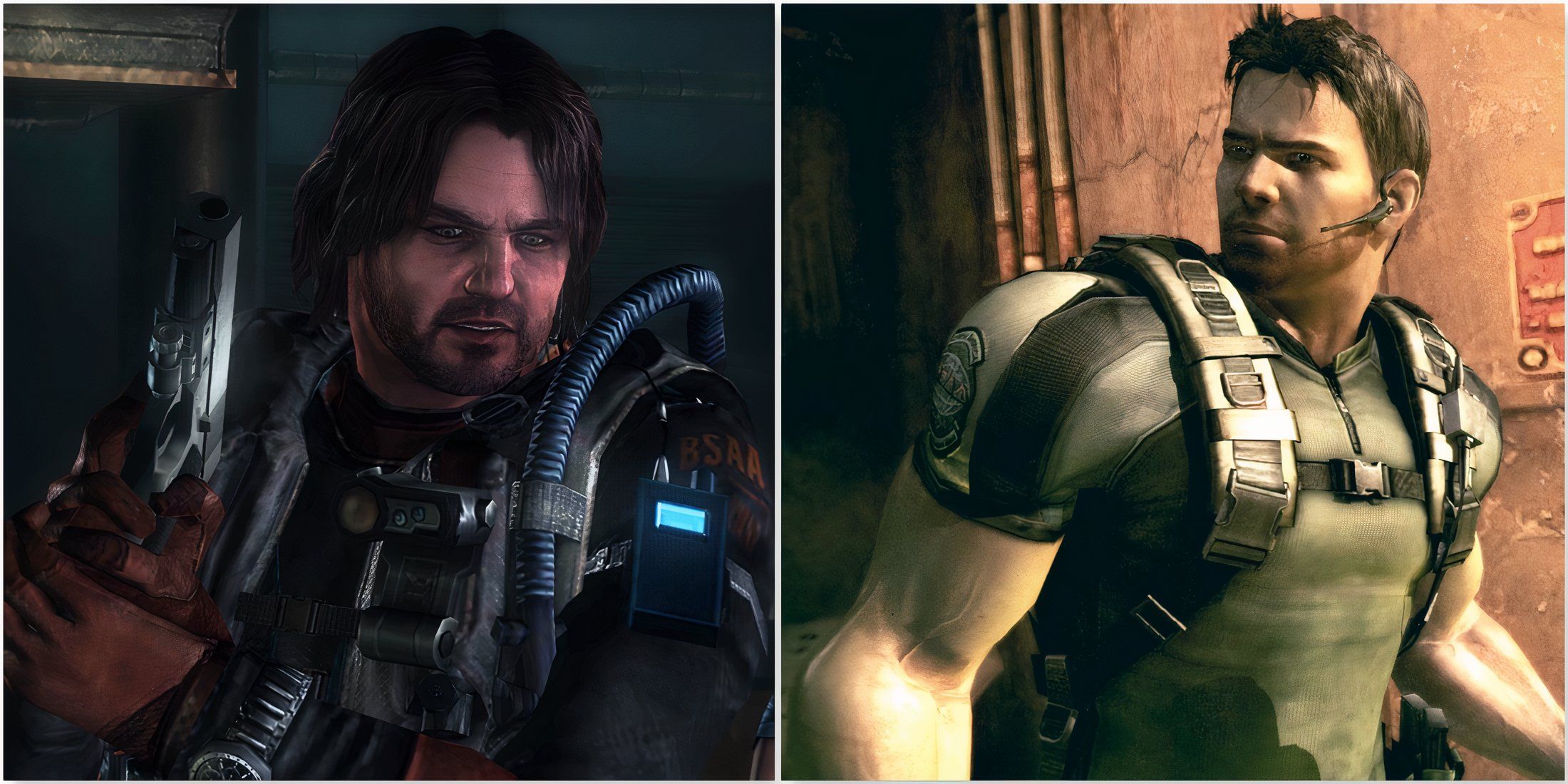
6. Resident Evil: Revelations
The Episodic Idea Arises

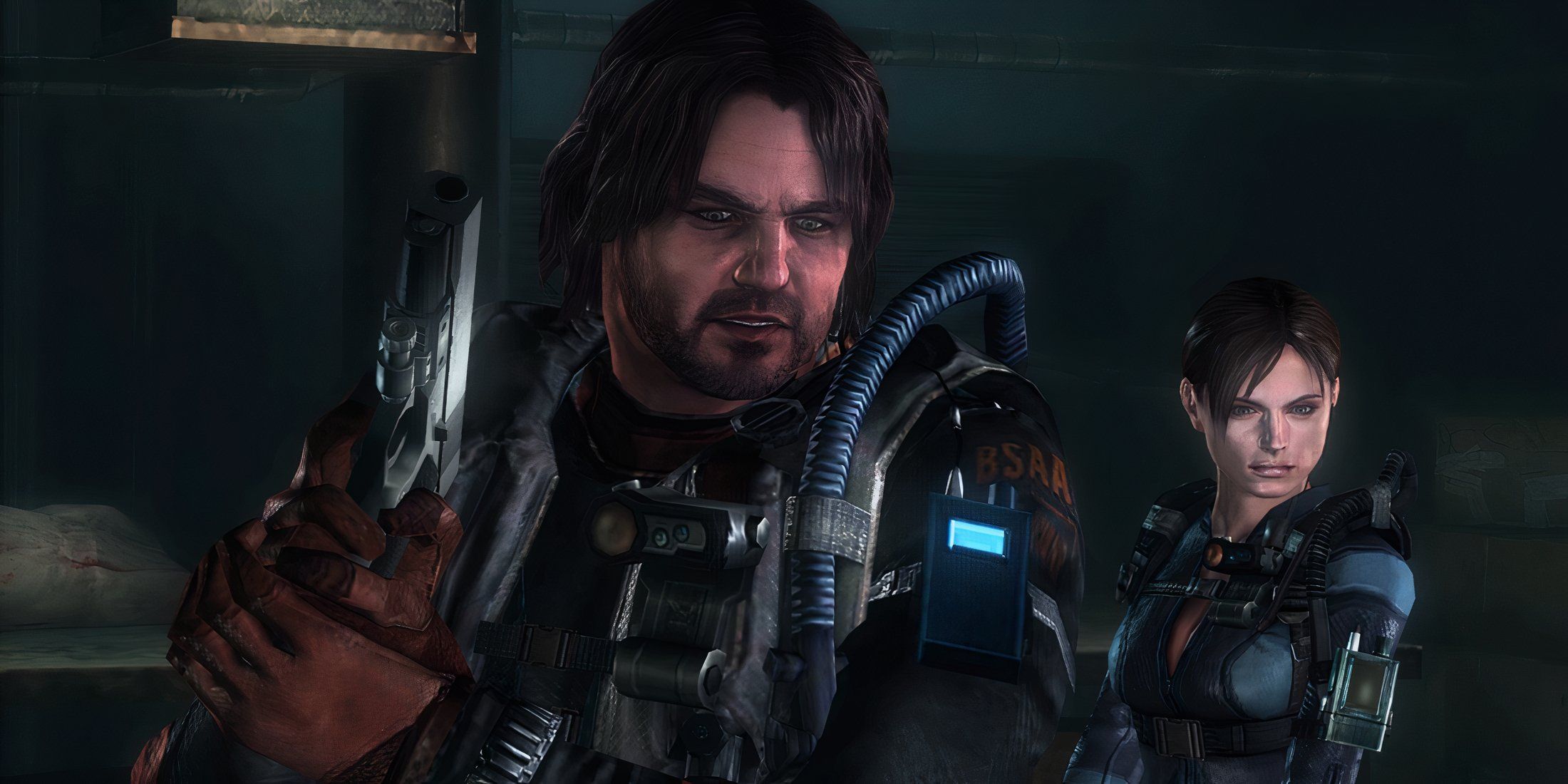
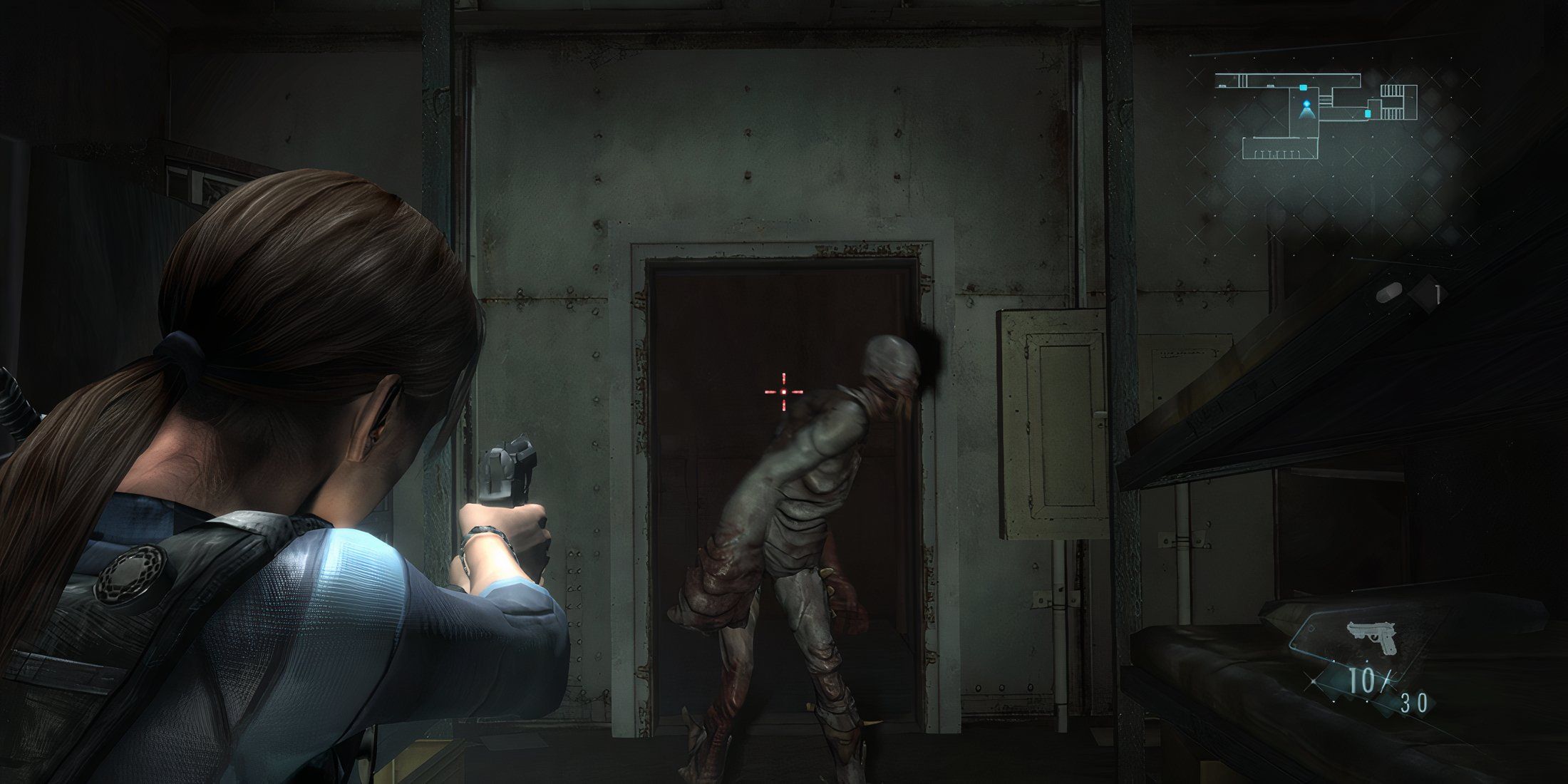
Initially, Resident Evil: Revelations debuted on the 3DS platform, later receiving an HD upgrade. The game featured two sets of campaigns that transitioned at chapter intervals. These shorter episodes were tailored for portable gaming, ideal for play during commutes or spare moments.
In these series, Jill Valentine teamed up with Parker Luciani, while Chris Redfield collaborated with Jessica Sherawat. The installments had an ongoing story structure, leading Capcom to explore more innovative approaches in the sequel, “Resident Evil: Revelations 2,” which debuted episodic content starting from 2015. Although Capcom hasn’t revisited this sub-series or episodic format since then, it served as a significant experiment within the franchise and demonstrated potential for other episodic games, such as “Hitman” and the narrative adventures by Telltale Games.
5. Resident Evil (2002)
How Remakes Should Be Done
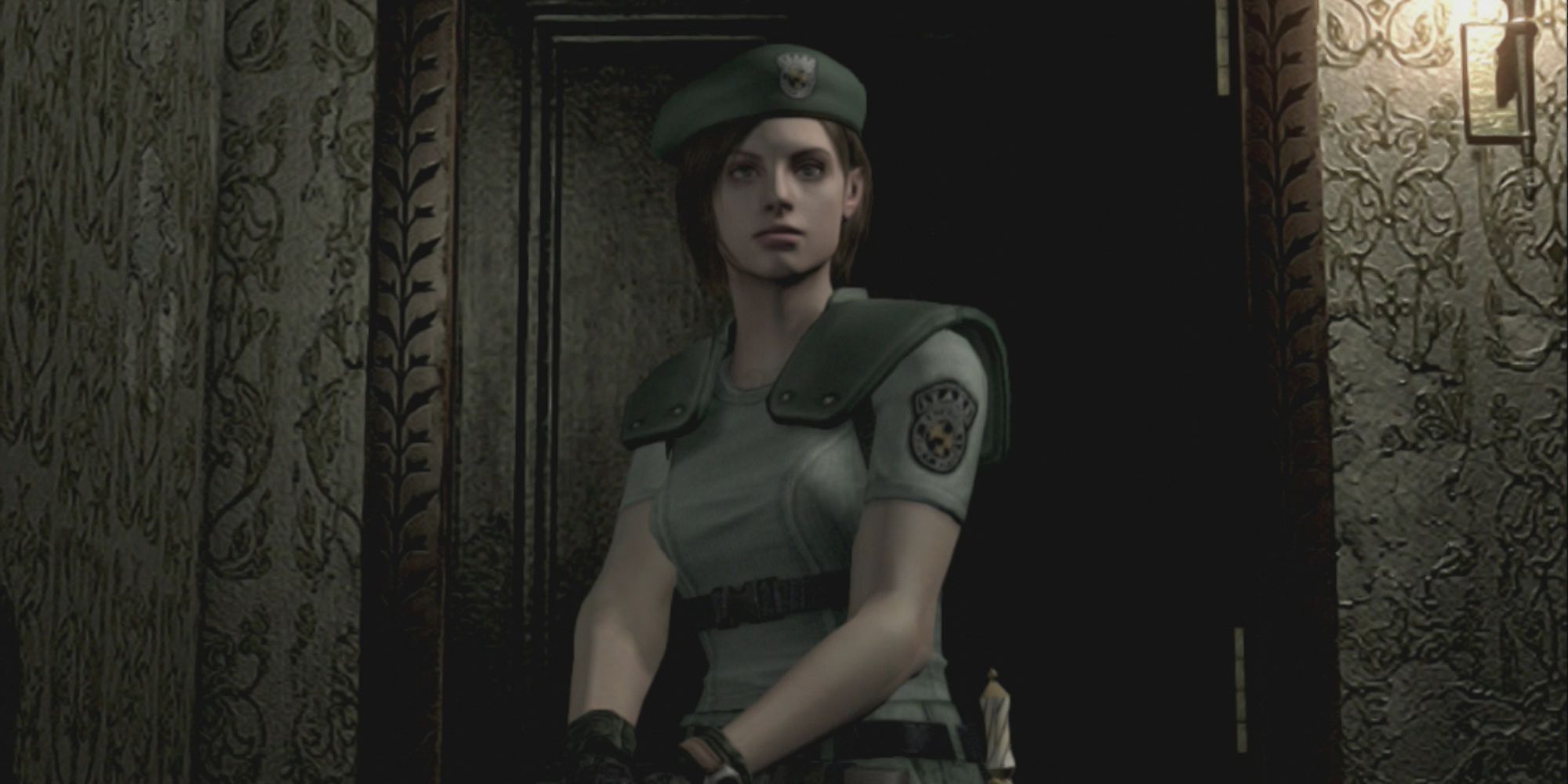
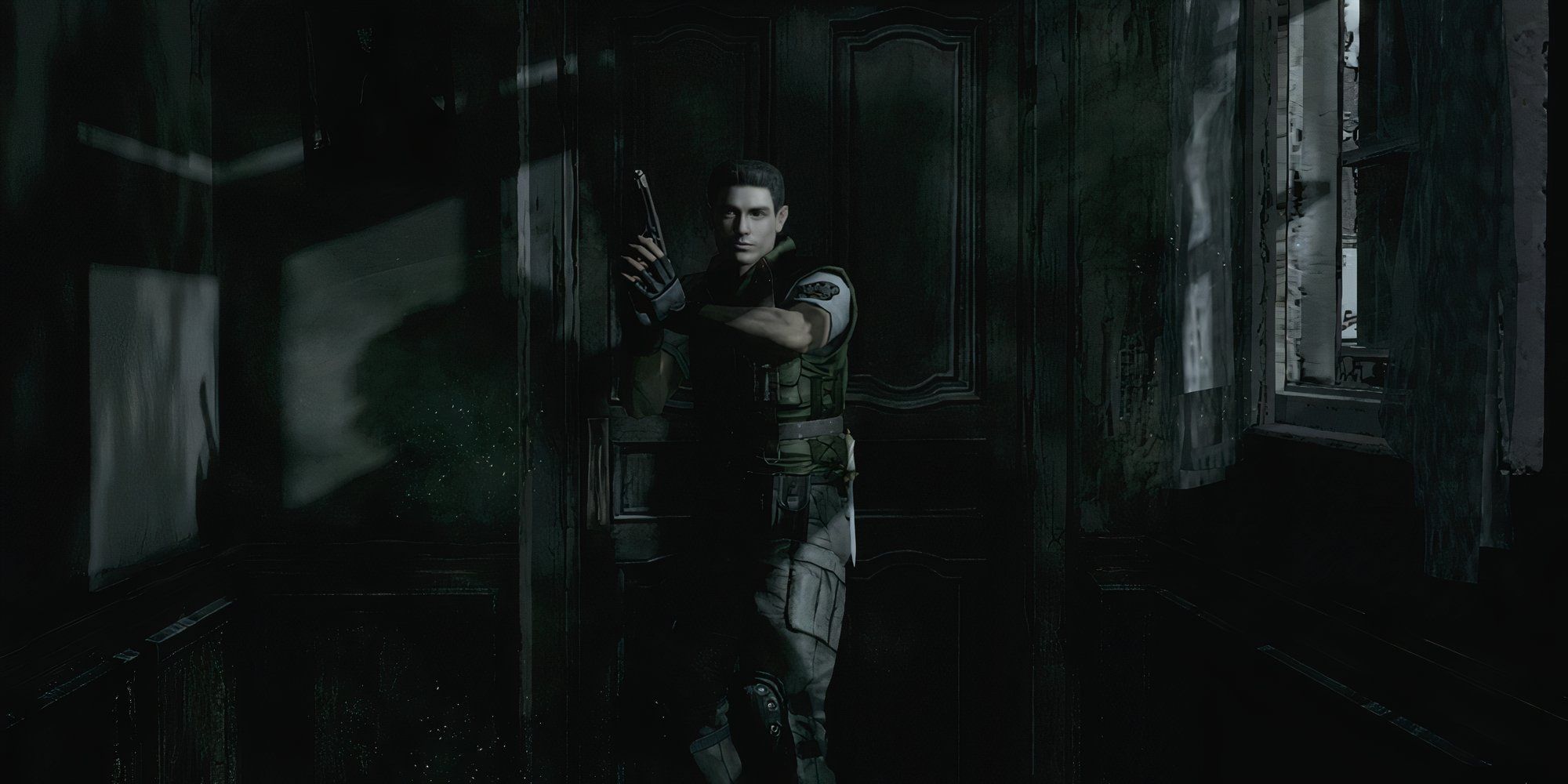
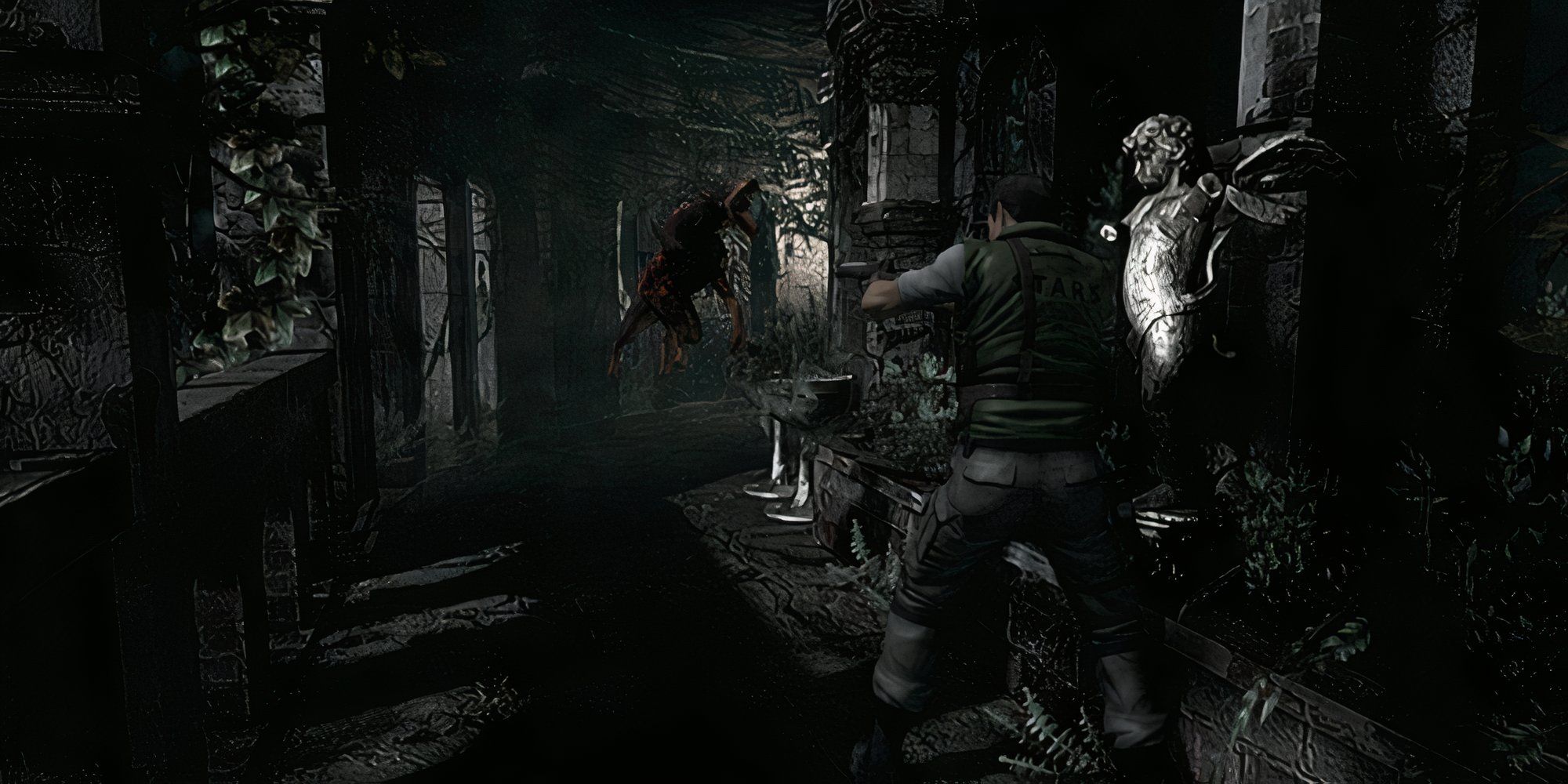
The game known as Resident Evil was initially launched in 1996 across multiple platforms, with the PlayStation 1 being the most prominent. In 2002, six years after its original release, Capcom decided to redesign this game exclusively for the GameCube. Some found this remake to be premature. Despite being commonly known as the Resident Evil Remake, it maintains its official title of simply Resident Evil. The two main playable characters remain Jill Valentine and Chris Redfield in this version.
After a significant period, Capcom dipped back into the remake pool, reworking classics like Resident Evil 2, Resident Evil 3: Nemesis, and Resident Evil 4. The GameCube version set a precedent for Capcom’s approach, and other studios, such as Square Enix with Final Fantasy 7 and EA with Dead Space, have been influenced too. Remakes of the Resident Evil series are held up as an exemplary way to update a game while keeping its essence intact and introducing fresh content seamlessly.
4. Resident Evil 5
Co-Op At Long Last
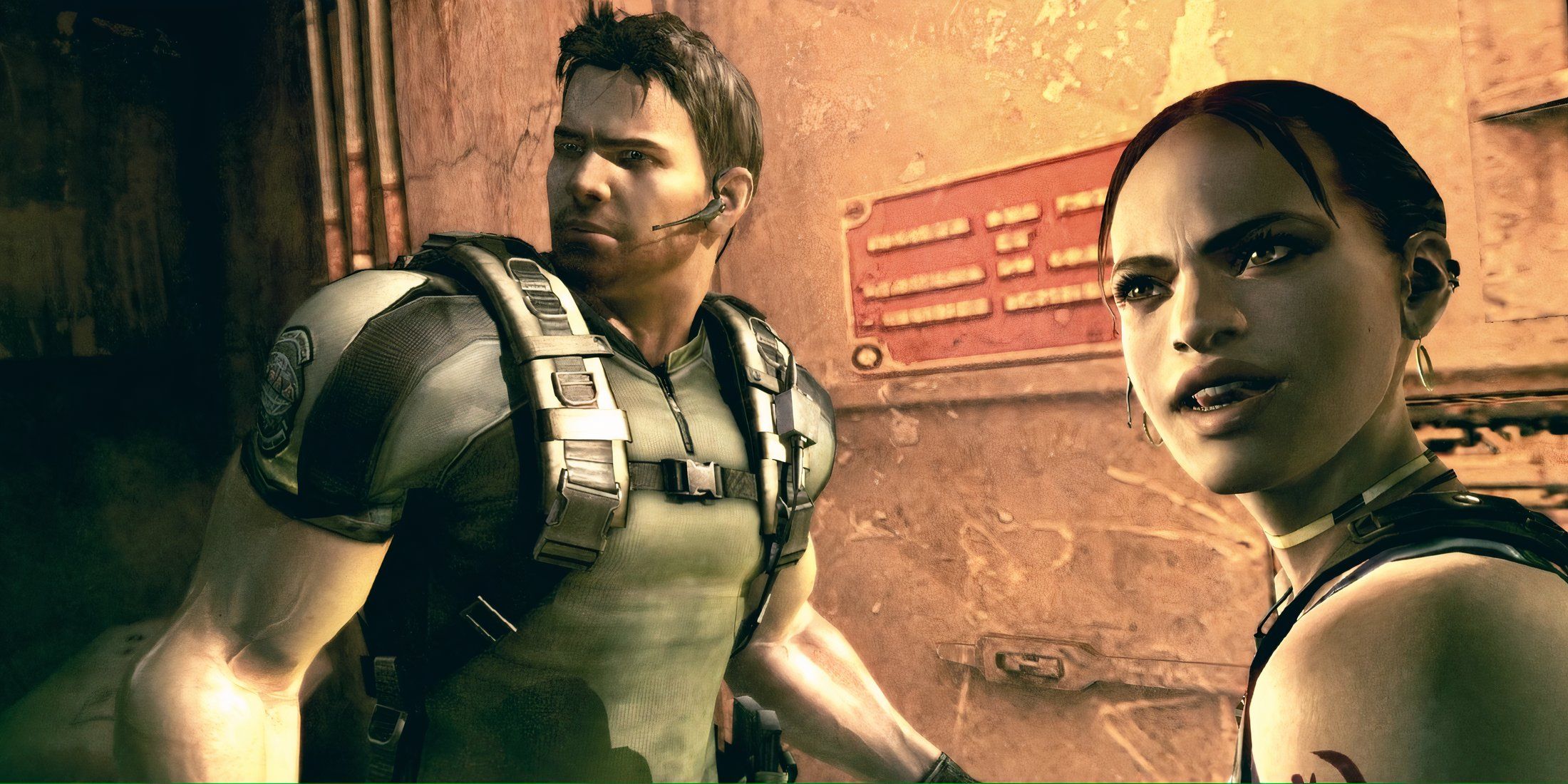
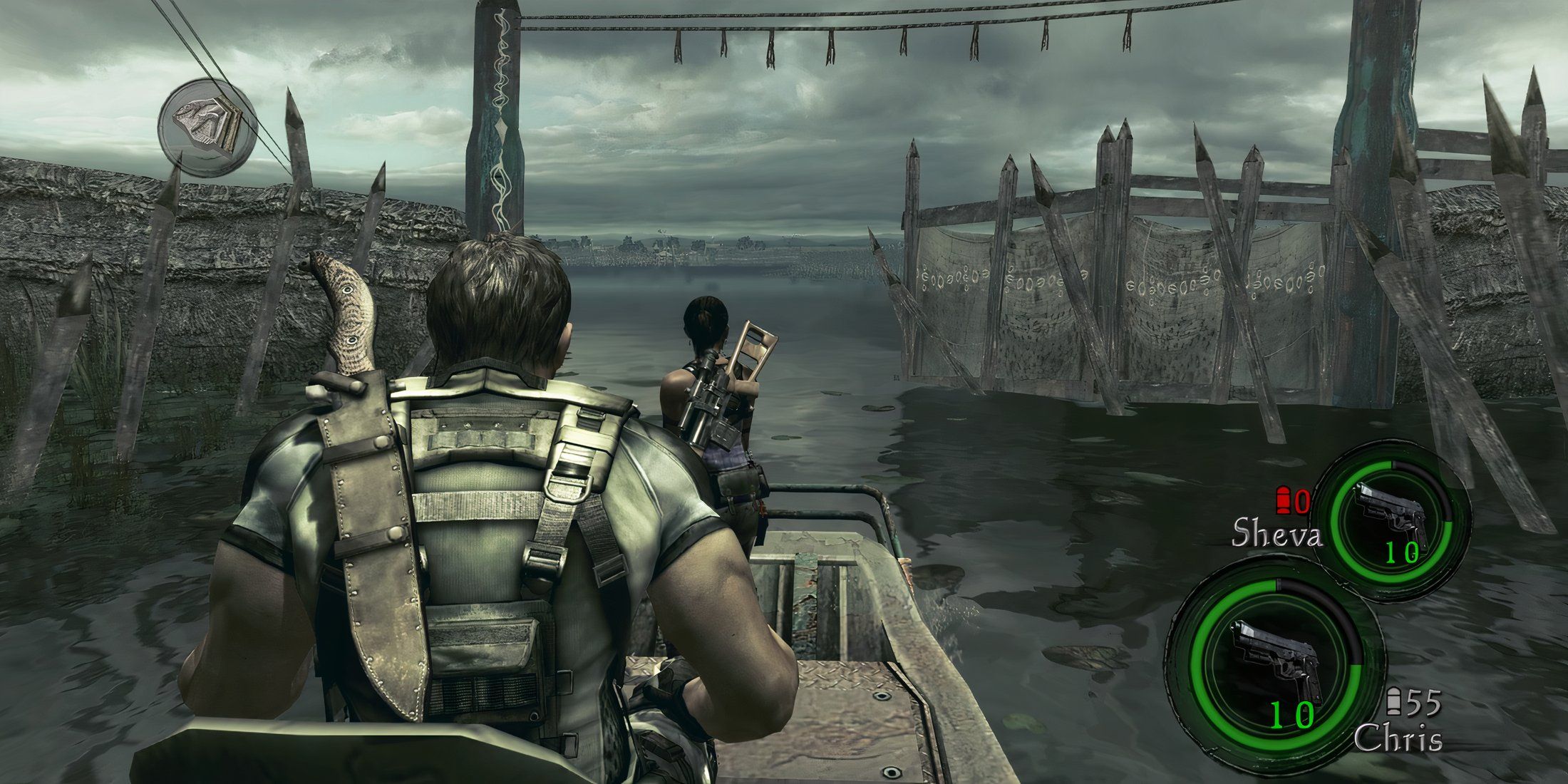
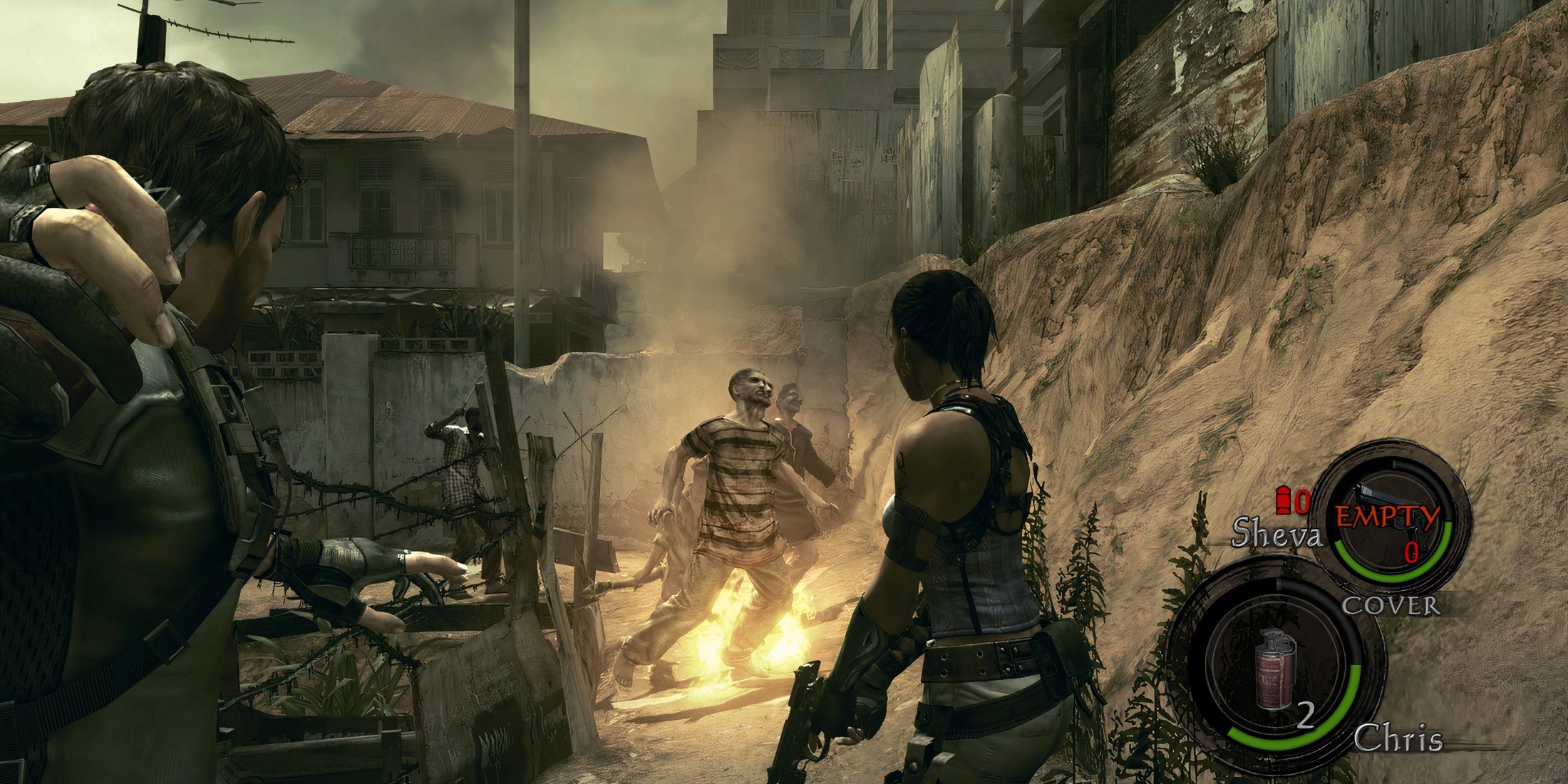
In a significant shift for the main series, Resident Evil 5 introduced cooperative gameplay extensively. The protagonist Chris Redfield was accompanied by Sheva Alomar in a joint mission to trace Umbrella’s whereabouts in a new location. Players could share items and gear during this adventure, adding an extra layer of tension when waves of infected threatened their positions.
In single-player mode, Sheva is managed by an AI and can be challenging to partner with because she tends to use a lot of ammunition unnecessarily. The game “Resident Evil Outbreak” was a PS2 spinoff that focused on online cooperative play, although it lacked a deep narrative and had somewhat confusing mechanics. Moving forward, Capcom continued to explore co-op gaming, as seen in “Resident Evil 6” and “Resident Evil: Revelations 2”. Co-operative gameplay does suit the horror genre, and “Resident Evil 5” demonstrated this effectively.
3. Resident Evil 7: Biohazard
A New Perspective
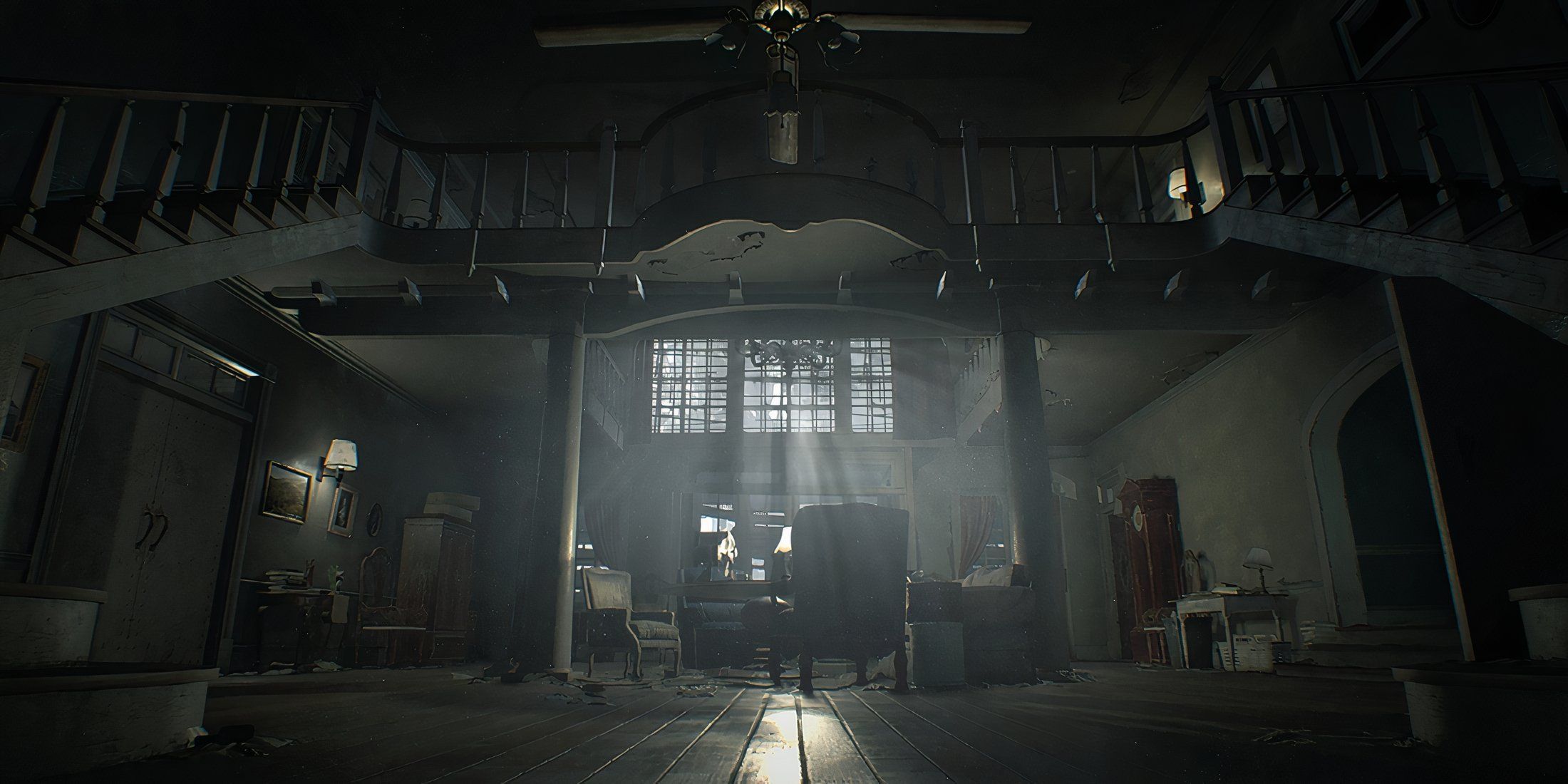
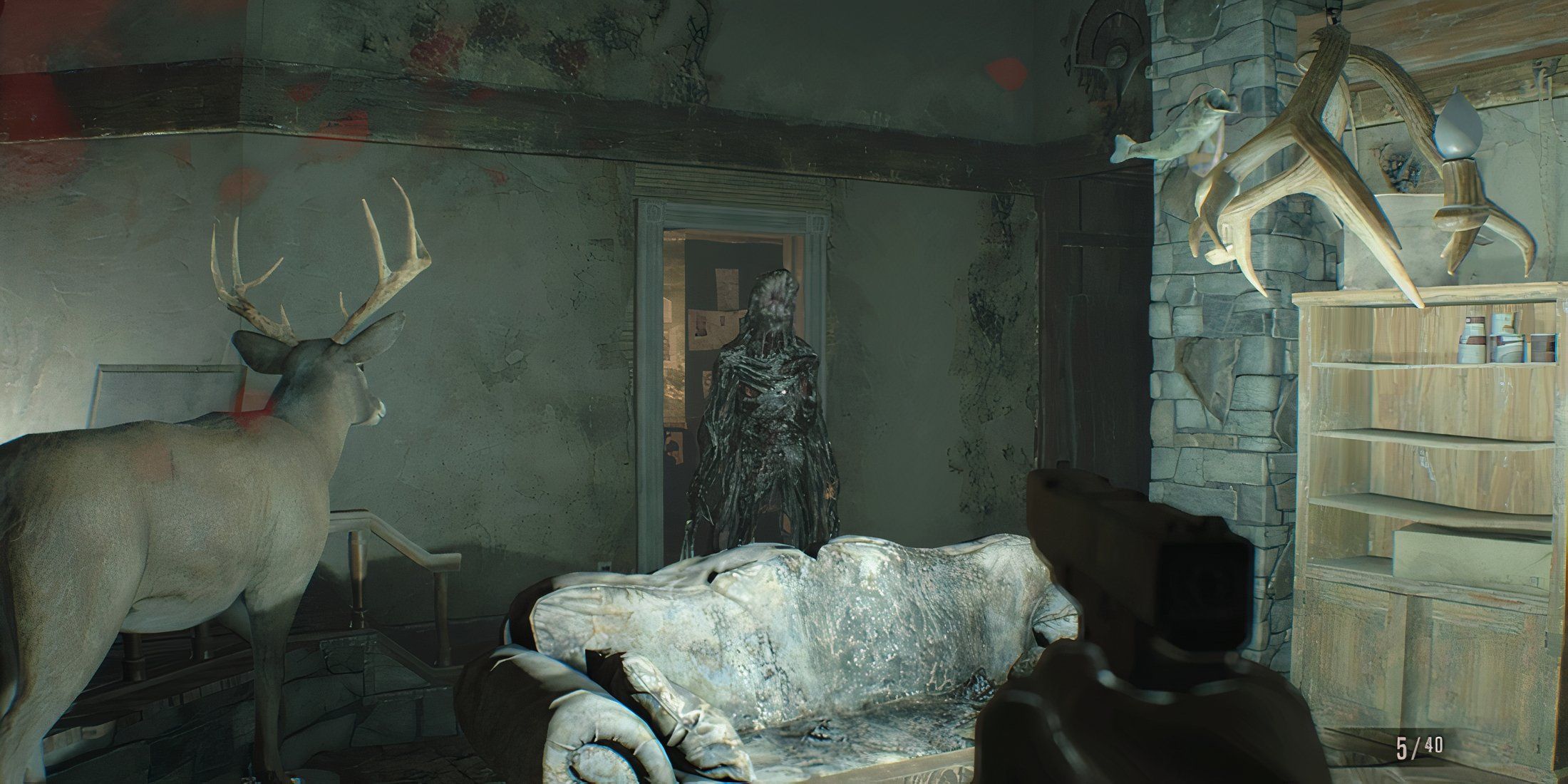
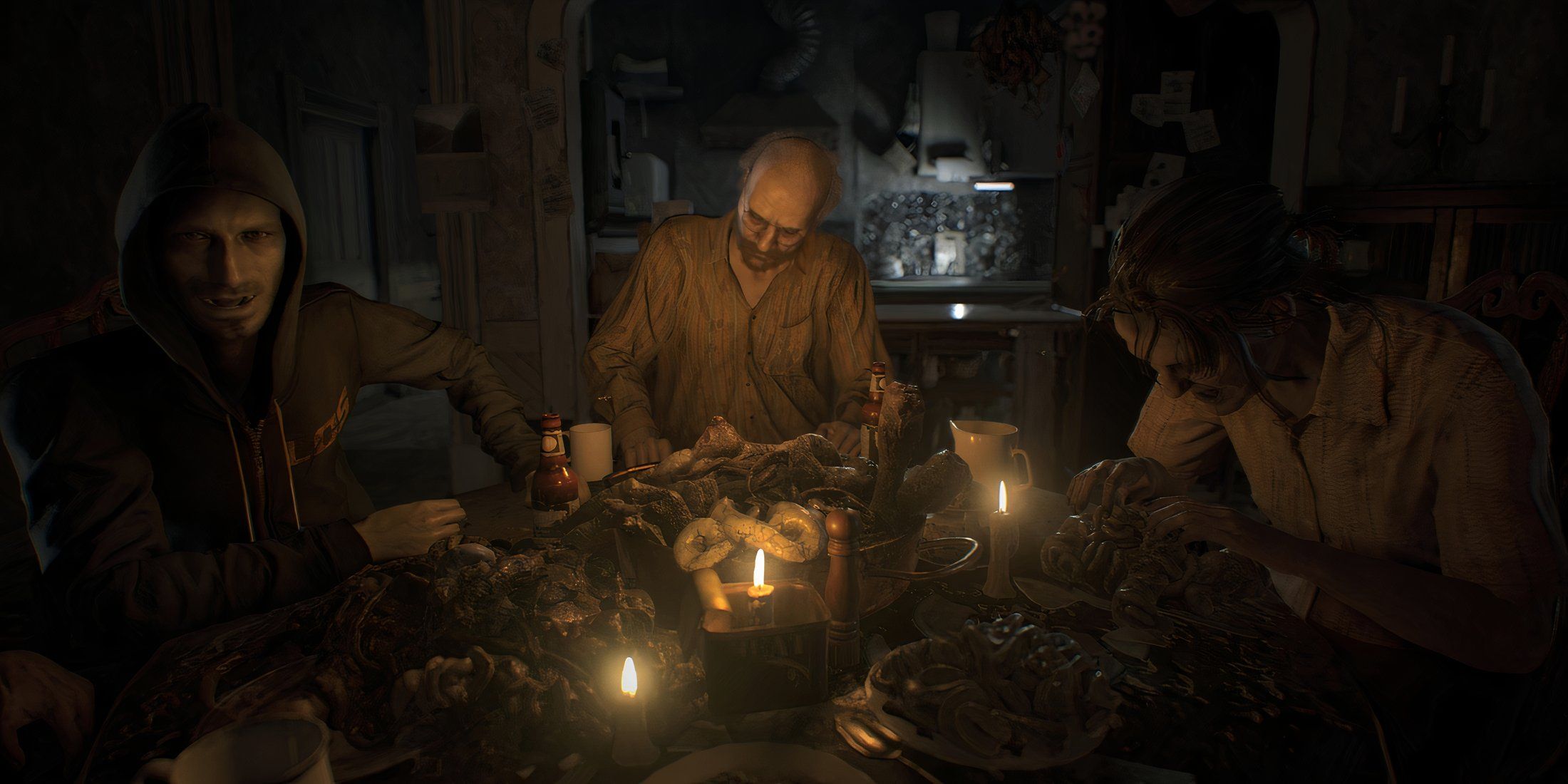
In a fresh turn for the Resident Evil series, Resident Evil 7: Biohazard seemed to break away from established elements that had previously worked. This installment brought together aspects from both Western and Japanese versions of the franchise, and more significantly, it shifted the perspective from third-person to first-person. Although other light gun games like Resident Evil Survivor were presented in first-person, Resident Evil 7: Biohazard stood out because it wasn’t an on-rails experience. This game was also a response to the success of PT, Hideo Kojima’s now-iconic teaser for the canceled Silent Hills, and marked the beginning of a new wave of first-person survival horror games.
The series added a fresh character and kept longtime favorites hidden until the finale. The narrative centered around Ethan Winters, on a quest to locate his lost spouse Mia in the southern wilderness. Though it stirred some discord among the community, the game did spawn a follow-up titled Resident Evil Village, featuring Ethan and maintaining the first-person viewpoint. Could Resident Evil 9 persist with this format or revert to third-person instead?
2. Resident Evil 4
Survival Horror Redefined
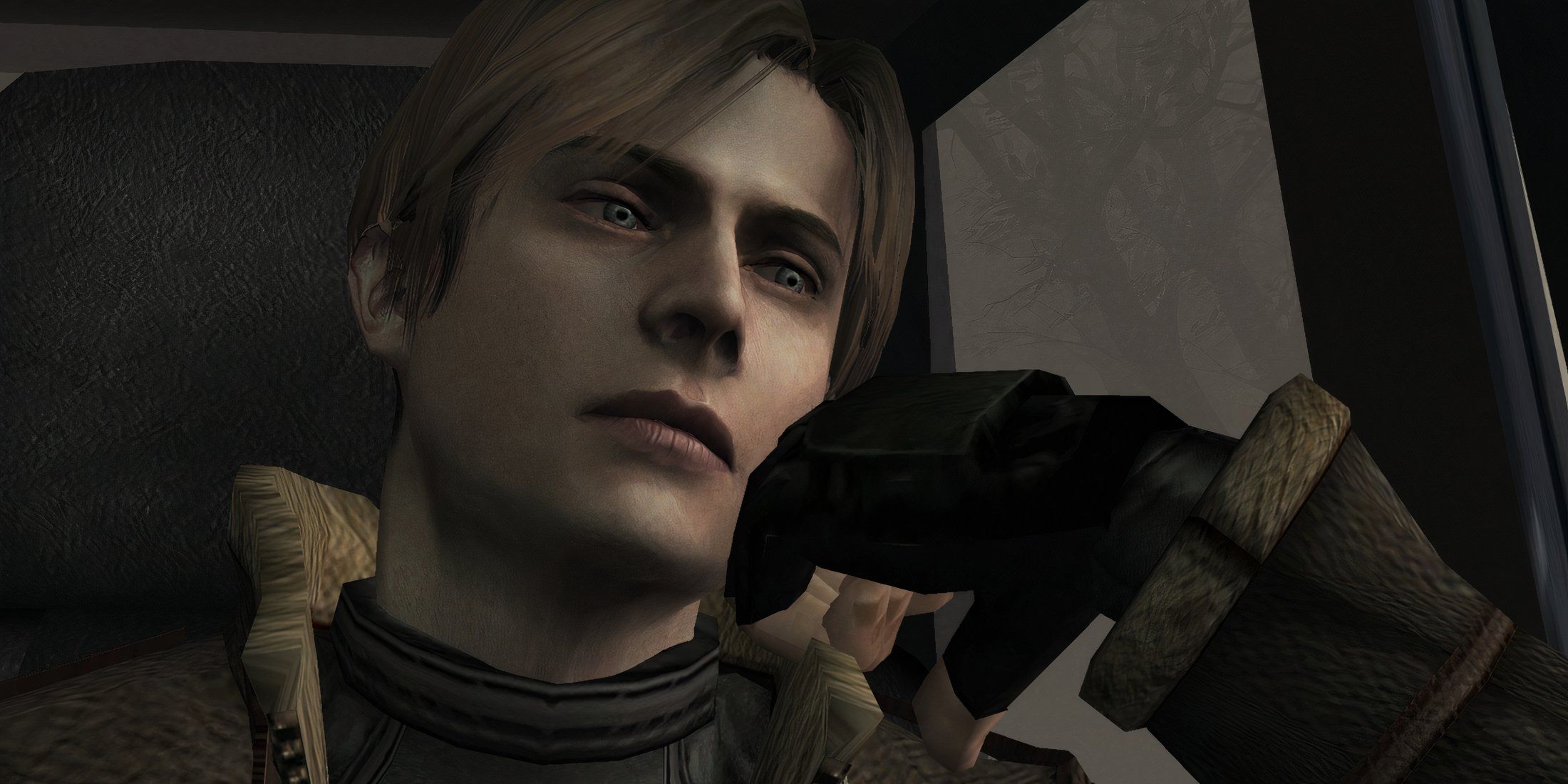
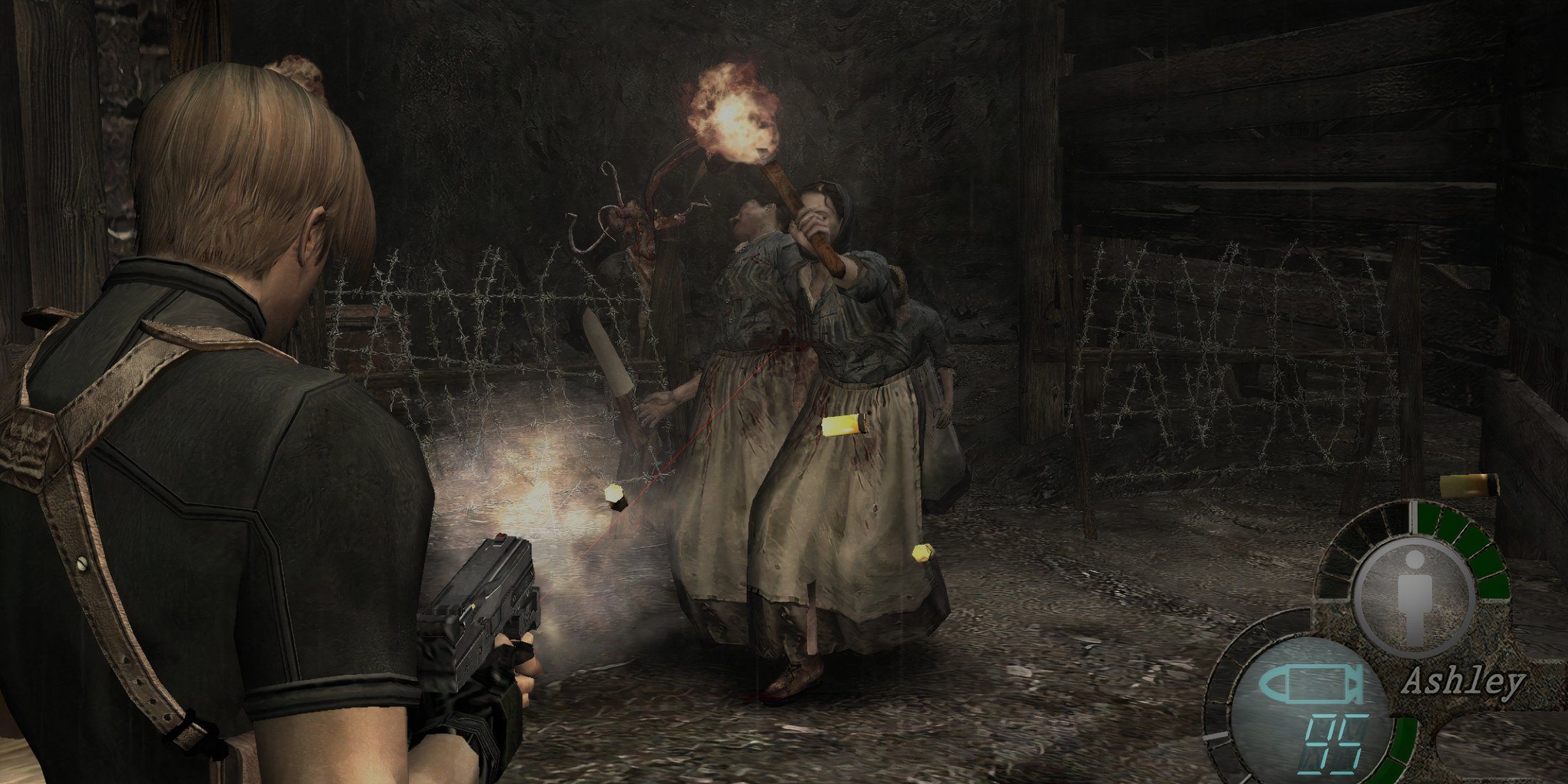
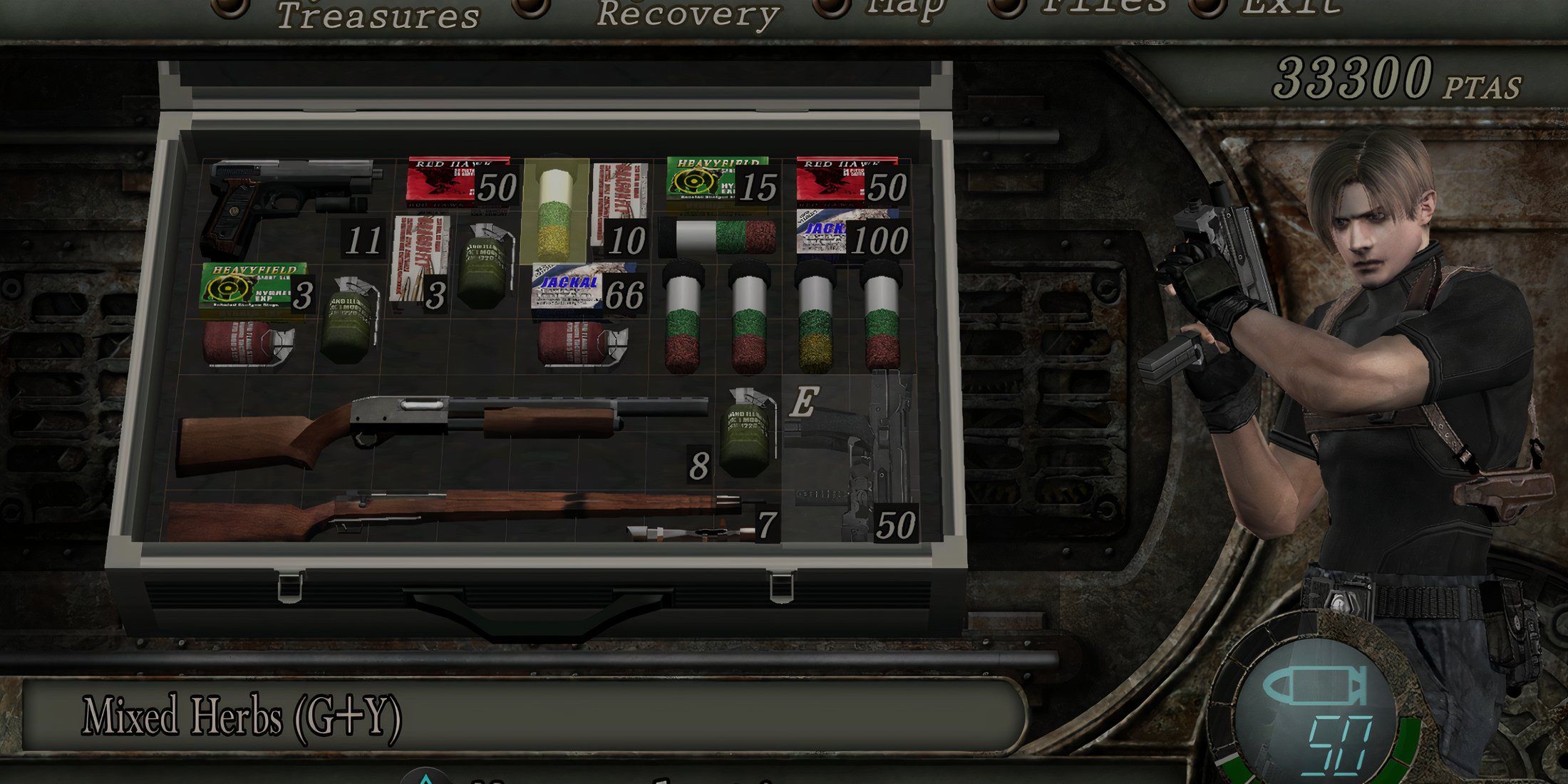
Resident Evil 4 marked a significant revitalization of the series, which had begun to lose its charm by the early 2000s. Unlike abandoning established characters, it reintroduced Leon S. Kennedy for his most perilous adventure yet. In this installment, Leon is sent to investigate the disappearance of the U.S. President’s daughter in a vaguely defined European location. Here, he encounters villagers who have been affected by something other than the usual zombie virus, causing Leon immense terror.
The gameplay flowed smoothly, providing players multiple strategies to defend themselves, ranging from weapon enhancements to fortifying doors. Its third-person, back-over-shoulder perspective served as an inspiration for other third-person horror games such as Dead Space and possibly shooters like Gears of War. Regardless of the version, Resident Evil 4 is certain to be a memorable gaming experience.
1. Resident Evil
The Nightmare Begins
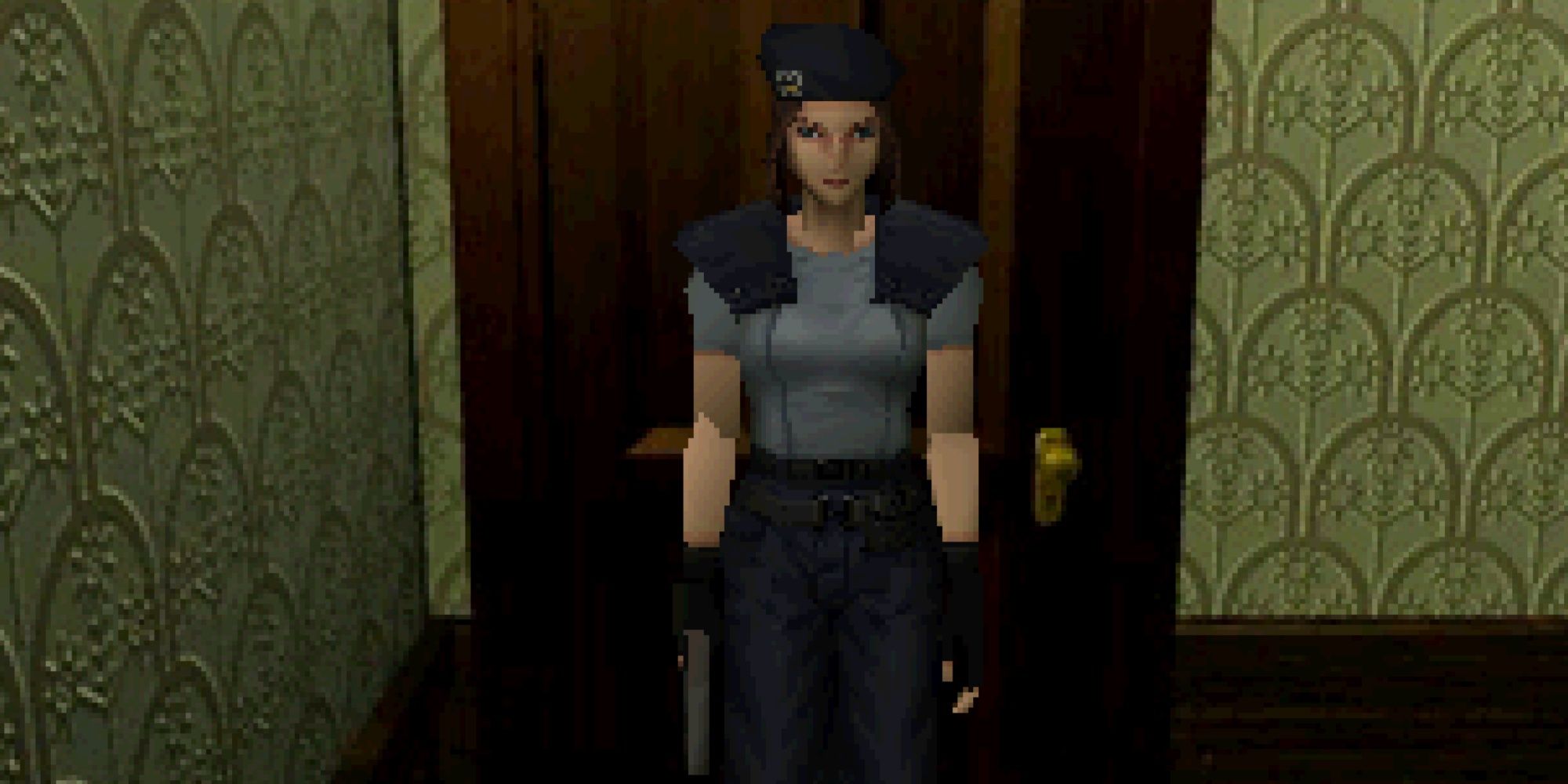

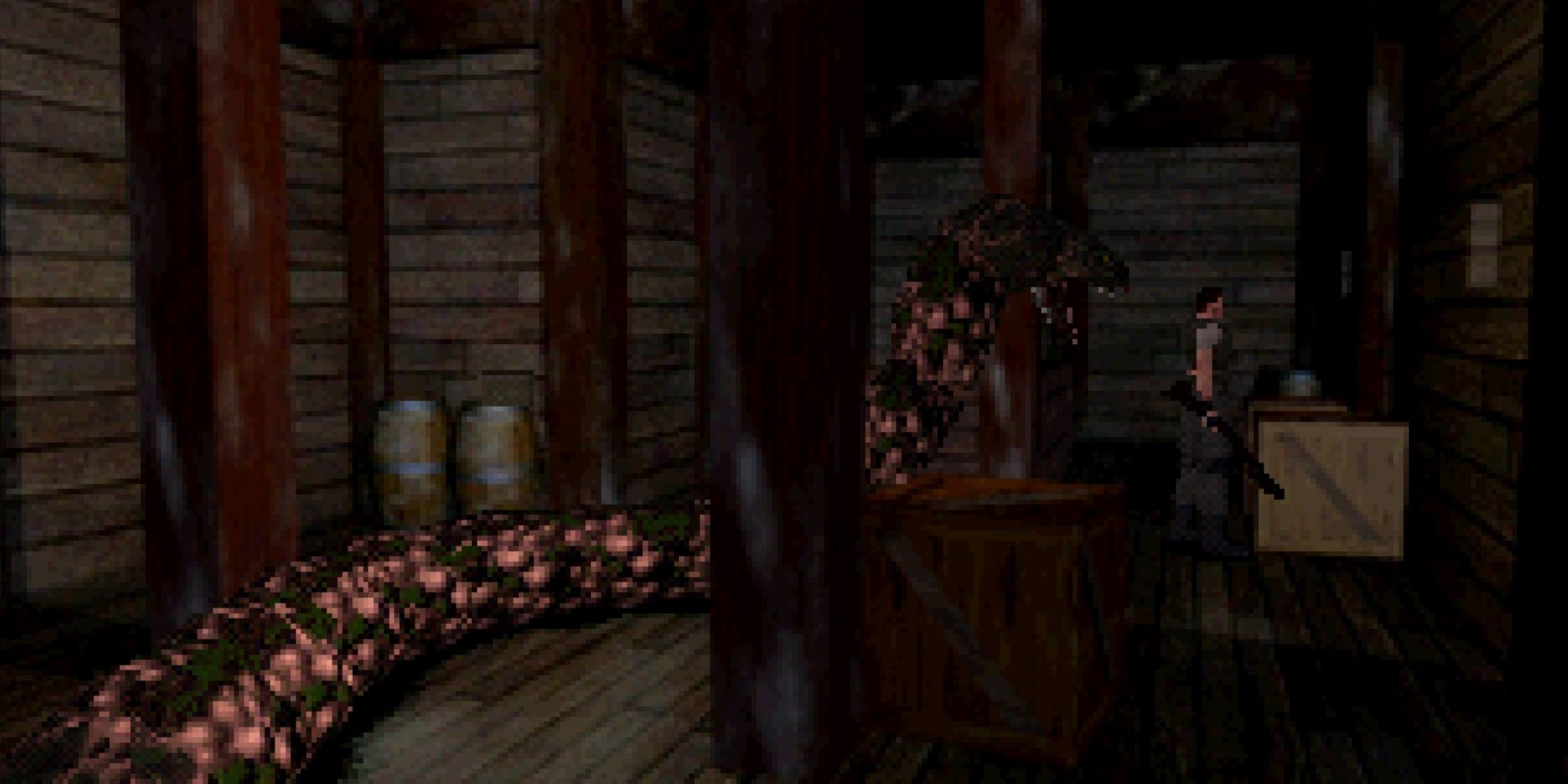
Among the games in the Resident Evil series, it’s widely believed that Resident Evil 4 stands out as the best. This stellar game was further enhanced by its 2023 remake. However, it’s important to remember that this masterpiece wouldn’t have been created without the groundbreaking original Resident Evil game. Although it wasn’t the very first survival horror game, it certainly left a significant impact, with games like Alone in the Dark, as well as Capcom’s NES title, Sweet Home, having been released prior to it.
The distinctive blend of puzzle-solving, reverse navigation, tank-style controls, and combat features set Resident Evil apart from anything that had gone before it. Swiftly establishing itself as the standard for horror games,
Read More
- All Shadow Armor Locations in Crimson Desert
- Jujutsu Kaisen Season 3 Episode 12 Release Date
- Dark Marksman Armor Locations in Crimson Desert
- How to Beat Antumbra’s Sword (Sanctum of Absolution) in Crimson Desert
- Top 5 Militaristic Civs in Civilization 7
- Sega Reveals Official Sonic Timeline: From Prehistoric to Modern Era
- Sakuga: The Hidden Art Driving Anime’s Stunning Visual Revolution!
- Keeping AI Agents on Track: A New Approach to Reliable Action
- How to Get the Sunset Reed Armor Set and Hollow Visage Sword in Crimson Desert
- Best Weapons, Armor, and Accessories to Get Early in Crimson Desert
2025-04-18 11:41