It’s really challenging for game studios to create a series of three games that consistently get better with each release. Often, franchises start to lose steam or run out of fresh ideas by the third installment. However, a select few series have broken this pattern by learning from past games and offering players more choices and a richer experience. These developers prioritized building bigger worlds and making gameplay smoother.
Maintaining this level of quality throughout a game series is incredibly difficult. It means a development team needs to honestly assess its work and be willing to improve even popular features. This dedication results in a final game that isn’t just an ending, but the strongest realization of the developers’ initial vision.
The Witcher
From a Solid Start to a Standard for Open-World RPGs
- Each entry improved writing, combat depth, and player choice, with the third game becoming a benchmark for open-world RPG storytelling.
- The series shows clear growth in scope and polish, moving from a niche RPG to a globally celebrated masterpiece.
The Witcher game series is a great example of how a franchise can improve over time. The first game, released in 2007, immersed players in a dark fantasy world based on a popular Polish book series. It introduced the character Geralt of Rivia and emphasized mature, meaningful choices with real consequences. Although the fighting wasn’t perfect, the story was excellent. The 2011 sequel, The Witcher 2: Assassins of Kings, took things to the next level, improving almost every aspect of the game. Combat became more sophisticated with the addition of traps, a wider range of weapons, and more options for character development.
With The Witcher 3: Wild Hunt, the series truly reached its potential, becoming much larger in scope while still maintaining the difficult moral choices that defined the first two games. It featured a vastly expanded world and quests that were detailed and engaging, feeling more like short stories than simple errands. The Witcher 3 is now considered one of the most successful open-world RPGs, thanks to its immersive world, compelling story, well-developed characters, and systems where your decisions have real consequences. Looking at the three games together, you can see a clear progression: the first game established a solid base and showed potential, the second refined the gameplay and graphics while aiming for a more ambitious story, and the third built upon those improvements to create a groundbreaking world and choice-driven system.
Killzone
Steady Refinement of First-Person Shooter
- The first game established the dark tone while later entries delivered stronger visuals, tighter shooting, and more cinematic battles.
- By the third game, the series had become one of PlayStation’s most technically impressive shooter trilogies of its era.
The original Killzone games demonstrate how a series can improve its gameplay and technology with each installment. The first Killzone aimed to create a realistic and intense sci-fi war between human soldiers and the fearsome Helghast. While it successfully established a unique visual style, sound design, and immersive battle environments, the game suffered from weak AI and clunky controls. Despite these flaws, it showed promise and laid the foundation for the series. Killzone 2, released in 2009, represented a significant improvement. With enhanced graphics, a faster pace, more engaging missions, and a strong multiplayer mode, it became one of the top shooters of its time. The developers clearly learned from the first game, delivering a more refined, polished, and focused experience.
Following up on Killzone 2, Killzone 3 continued the story of Sev and his fight against the relentless Helghast army, even after the death of their leader, Visari. The game boasted improved graphics and new features like 3D support and optional motion controls. The narrative explored divisions within the Helghast ranks as new leaders battled for control, while maintaining the series’ hallmark of action-packed, story-driven missions and intense combat. A key component of the game was its robust multiplayer mode, which allowed up to 24 players to compete.
Street Fighter
From Simple Fights To Deep Competition
- The original introduced the core idea, Street Fighter 2 defined the genre, and Street Fighter 3 pushed skill and mechanics further.
- Each game added depth, speed, and competitive systems that raised the skill ceiling and long-term appeal.
The popular fighting game series Street Fighter started in 1987 with a straightforward head-to-head concept developed by Capcom. Players could choose to play as Ryu or Ken, martial artists who battled using punches, kicks, and a handful of special moves – most famously the Hadouken (fireball), Shoryuken (uppercut), and Tatsumaki Senpū Kyaku (spinning kick). While the first game had fewer characters and a smaller competitive community than later installments, its six-button controls and moves that required specific commands were groundbreaking for the fighting game genre.
Following the success of the original, Street Fighter 2 revolutionized the fighting game genre. Unlike its predecessor, it let players choose from eight different characters, each representing a different country and boasting unique moves and fighting styles. This added a new level of strategy and contributed to the game’s massive popularity in arcades worldwide. Street Fighter 2 wasn’t just an improvement in technology; it became a cultural sensation and essentially created the modern fighting game. Street Fighter 3 then built on this foundation, offering even smoother animation, more complex defensive options, and a greater emphasis on precise timing and skillful play. The Street Fighter series demonstrates how fighting games have grown from simple competitions into the complex, highly skilled contests we know today.
GTA Trilogy
Growing Worlds, Growing Ambition
- The storytelling improved significantly as the series moved from a silent protagonist to fully voiced characters with complex motivations and histories.
- The world map grew from a single city into an entire state featuring three major metropolitan areas and a vast countryside to explore.
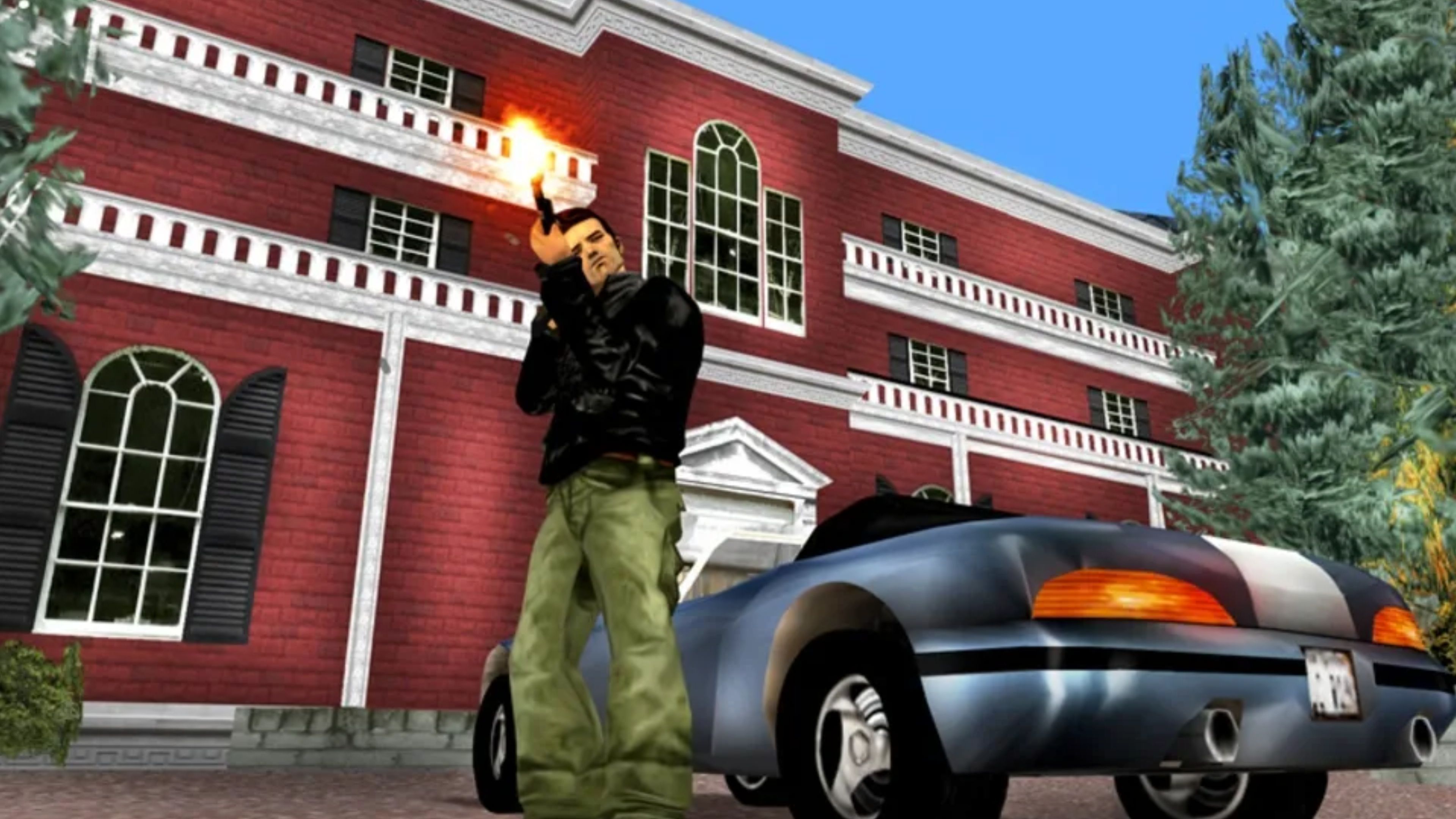
The Grand Theft Auto trilogy revolutionized gaming by bringing the series into expansive, fully 3D worlds that players could explore at their own pace. The first game, Grand Theft Auto 3, launched in 2001 and was groundbreaking for its time. It allowed players to freely roam Liberty City, a fictional city modeled after New York, either on foot or in a vehicle. This level of freedom – the ability to explore, tackle missions in any order, and interact with the city – set it apart from most action games before it. The compelling story, engaging gameplay, and player choice all contributed to the huge success of Grand Theft Auto 3.
After loving GTA 3, I was blown away by Vice City the next year. It really took everything from the first game and cranked it up, giving me a totally different vibe. Seriously, Vice City felt like stepping into a 1980s Miami movie – all bright colors, neon, and an awesome soundtrack. Plus, instead of playing as a silent guy, I got to be Tommy Vercetti, a gangster trying to bounce back after a bad deal. Driving, flying, fighting – it was all there, but the missions actually told a story this time. The atmosphere was incredible, and it became one of my favorite PS2 games. Then, in 2004, San Andreas came along and just blew my mind. The map was HUGE! So much more to explore, so many more missions, and tons of people to meet. San Andreas felt way bigger and more open than anything I’d experienced in GTA 3 or Vice City, and it quickly became another huge hit for me.
Ratchet & Clank PS2 Trilogy
Perfecting the Platformer-Shooter Hybrid
- The first game introduced the universe, the second expanded gameplay systems, and the third perfected combat and pacing.
- Weapon design, humor, and overall flow improved with every release.
Insomniac Games became masters of the action-platformer genre with the original PlayStation 2 Ratchet & Clank games, improving the combat with each new release. The first Ratchet & Clank introduces players to Ratchet, a young mechanic whose life is changed when he meets Clank, a small robot designed to uncover a dangerous scheme. Together, they journey across the galaxy to stop Chairman Drek, a villain who intends to destroy planets to create a new one for his people. The game blends platforming, shooting, and puzzles, and while it stood out for its creativity and style, the movement and combat were relatively simple. It prioritized innovative ideas and charm over refined polish. The 2003 sequel, Ratchet & Clank: Going Commando, built upon everything players enjoyed in the original, offering a new setting and a more robust experience with more weapons, improved gameplay, greater content, and smarter level designs.
Released in 2004, Ratchet & Clank: Up Your Arsenal built upon everything fans loved about the series. It combined the classic platforming and shooting gameplay with bigger environments, more ways to upgrade your weapons, and a compelling story centered around a new villain, Dr. Nefarious, who wants to wipe out all living things. This game also marked the first time the series included multiplayer, letting players battle each other locally with split-screen or online through PlayStation Network using the game’s creative arsenal of weapons. With improved graphics, larger worlds, and a blend of action, gadgets, and comedy, Up Your Arsenal proved to be the most broadly appealing installment yet.
Read More
- All Skyblazer Armor Locations in Crimson Desert
- One Piece Chapter 1180 Release Date And Where To Read
- All Shadow Armor Locations in Crimson Desert
- How to Get the Sunset Reed Armor Set and Hollow Visage Sword in Crimson Desert
- Cassius Morten Armor Set Locations in Crimson Desert
- Grime 2 Map Unlock Guide: Find Seals & Fast Travel
- All Golden Greed Armor Locations in Crimson Desert
- How to Beat Stonewalker Antiquum at the Gate of Truth in Crimson Desert
- Amber Alert Secrets & CDs In Crime Scene Cleaner Act 2
- Euphoria Season 3 Release Date, Episode 1 Time, & Weekly Schedule
2026-01-20 20:09