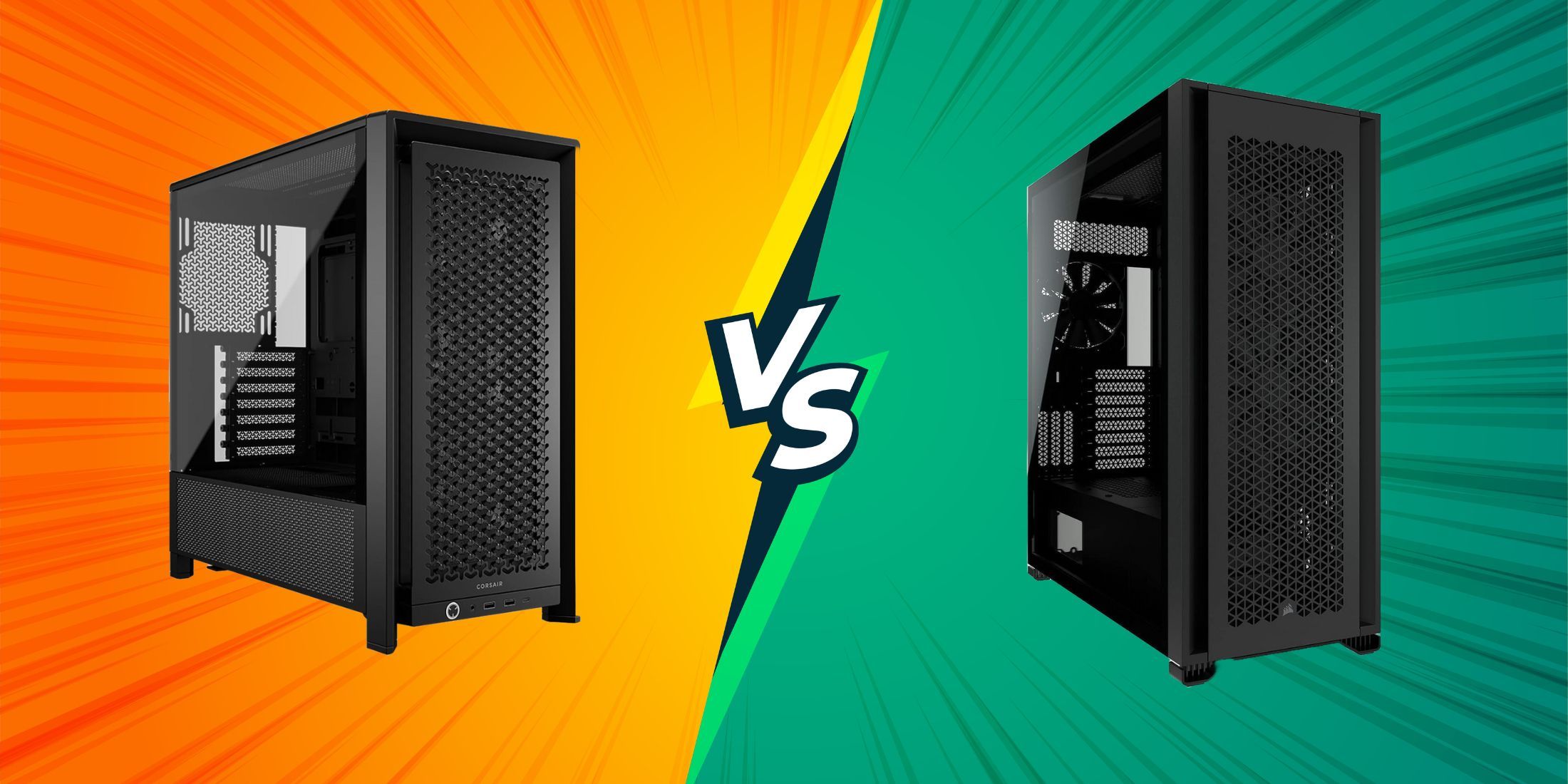
Initially, selecting a PC case was straightforward – choose the black box resembling a microwave and you were good to go. However, the advent of marketing has turned this simple task into a complex puzzle. Now, you’re confronted with terms like “mid-tower plus,” “compact full towers,” “E-ATX-ready” cases that barely fit, and an abundance of RGB bright enough to guide an airplane. To make matters worse, a case claiming to be a mid-tower barely accommodates an ATX board, or a full tower that mysteriously seems smaller than your previous refrigerator.
It’s worth noting that case-size labels nowadays seem to prioritize style over precise dimensions, which can pose issues when constructing a PC with premium components that produce heat, require space due to their size, and dislike tight spaces. Let’s delve into the true benefits these form factors provide and identify where the hype ceases and practical limitations become evident.
What’s The Difference Between The Two?
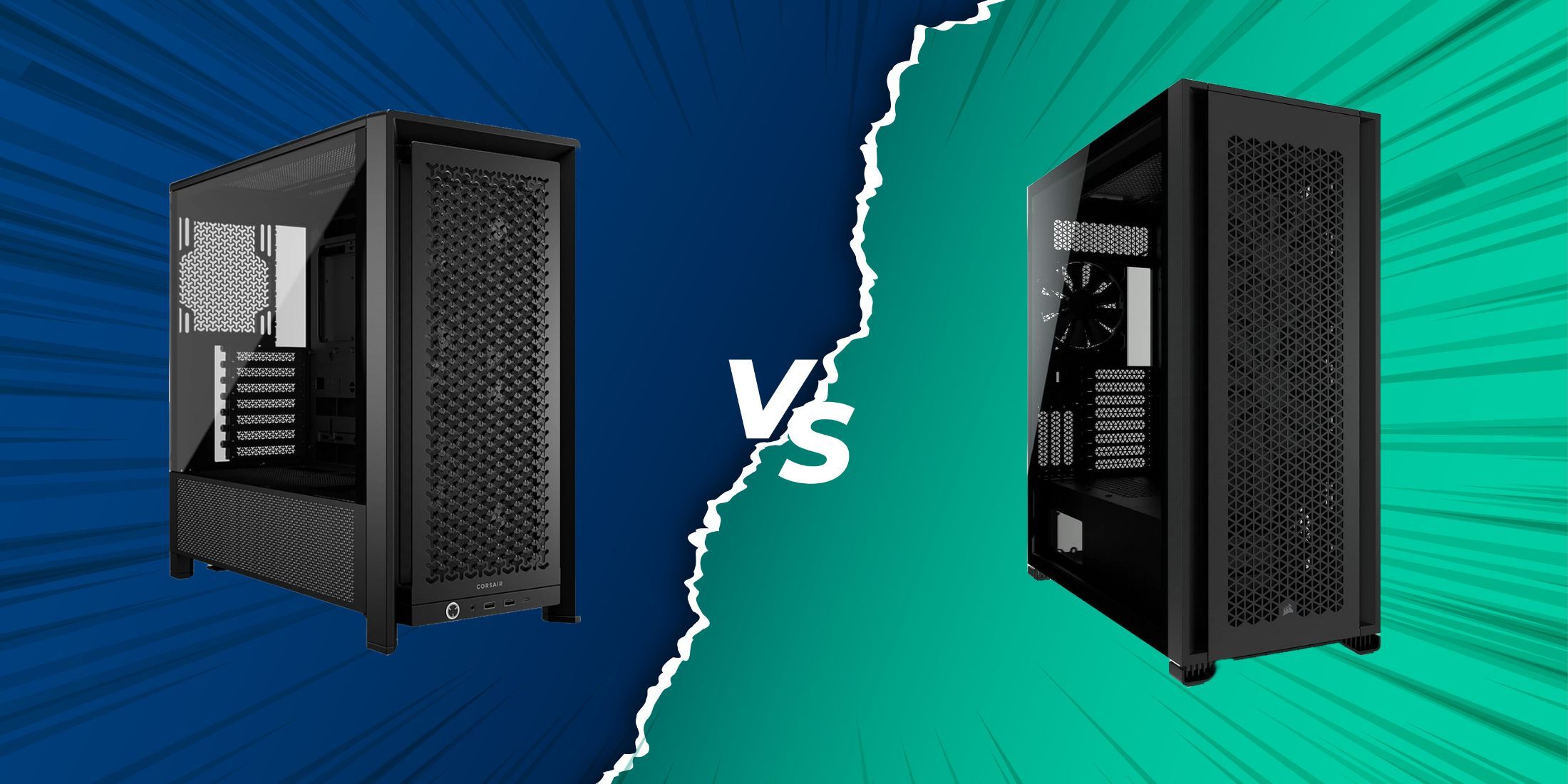
To start off, let’s clarify what these terms really denote since some manufacturers can be a bit vague about case-size labels. Generally, mid-towers stand around 18-20 inches high, 8-9 inches wide, and 17-19 inches deep. These are the standard sizes that most builders prefer due to their capacity to accommodate ATX motherboards and provide ample room for various components.
Taller full towers offer a spacious interior, typically standing between 22 to 27 inches tall, with a width of 9 to 10 inches and a depth of 20 to 22 inches. This added height and depth provides ample space for larger motherboard formats such as E-ATX, additional drive bays, and overall more comfortable building experience.
There exists another category of computer cases, sometimes referred to as “mid-tower plus” or “compact full towers,” which blends the characteristics of both types. These hybrid models offer the features of a full tower but in a size more similar to mid-towers. This combination often appeals to builders who prefer a more compact design without sacrificing too much functionality. The size difference impacts factors such as cable management space, drive capacity, cooling efficiency, fan placement options, and compatibility with components. However, it’s essential not to focus too rigidly on the exact measurements.
In simpler terms, the distinction between ‘mid-towers’ and ‘full towers’ can sometimes be blurry, as certain mid-towers can approach the size of full towers, while some full towers aren’t much larger than good mid-towers. Unfortunately, these terms are often used inconsistently among manufacturers, making it challenging to compare specifications directly.
Compatibility: What Actually Fits
As a seasoned movie critic, I often ponder why some filmmakers opt for grandiose epics when compact dramas could tell the same story just as effectively. It seems they harbor fears that their elaborate scenes or complex special effects won’t fit neatly within the confines of a smaller production, requiring the expansive canvas of a full-length feature. However, I find it fascinating how many contemporary productions skillfully accommodate such intricate details without breaking a sweat. Let us delve into these components that cause the most apprehension among filmmakers.
Graphics Cards
Most contemporary mid-tower cases have ample space (approximately 13-14 inches) to accommodate even large triple-slot graphics cards like the RTX 4090, making it comfortably fit inside. The exception would be if you’re using multiple GPUs or a particularly oversized card, but such scenarios are uncommon nowadays.
The main challenge in terms of clearance isn’t length but rather the width, as some of the 4-slot 4090 models are so bulky that they can lead to clearance issues with side panels or cause airflow complications. For instance, the Gigabyte GeForce RTX 4090 Gaming OC requires a clearance of 70mm in width, which not all mid-tower cases can accommodate.
As a follower, I’d like to point out the importance of considering the power connector clearance as well. The new 12VHPWR connectors on RTX 40-series graphics cards require approximately 35-40mm of space in front of the card. In some mid-towers, this can position the connector rather close to the side panel, leading to awkward cable bending due to the need for an uncomfortable angle. However, full towers offer ample room for these large power connectors, providing a more comfortable setup.
In situations where you choose to mount your graphics processing unit (GPU) vertically for a stylish display, full towers are particularly beneficial due to their added clearance from side panels. This additional space allows for better circulation of air around the card, preventing it from being too close to glass panels and overheating due to trapped hot air. In comparison to mid-towers, full towers may result in a temperature difference of 5-10°C lower on vertically mounted GPUs, owing to their expanded breathing room between the fans and side panels.
In larger computer cases (full towers), multi-GPU configurations often thrive due to the extra room between PCIe slots and improved air circulation. This helps avoid overheating issues, as the top graphics card doesn’t end up heating up the one below it.
CPU Coolers
Modern mid-towers have significantly increased their CPU cooler clearance, making them compatible with most air coolers available on the market. Even large coolers like the Noctua NH-D15 (standing at 165mm tall) can fit comfortably in most standard mid-towers. However, to encounter issues, you would need to opt for a particularly slim mid-tower model.
In essence, AIO liquid coolers require sufficient space for their radiators. This is where the distinction becomes more significant. Most mid-towers can accommodate up to 360mm radiators on either the front or top, but full towers frequently have room for multiple 360mm radiators or even larger 420mm ones. If you’re aiming for an extreme cooling setup with multiple radiators, then a full tower is undoubtedly the better choice.
It becomes very noticeable that mid-tower cases have a restriction when you attempt to install a 360mm radiator at the top, as many of them can only accommodate 240mm or 280mm radiators due to space constraints with the motherboard’s VRM heatsinks or RAM. On the other hand, full towers I’ve observed have consistently been able to house 360mm radiators in various locations without clearance problems.
In the realm of custom water cooling loops, the disparity becomes significantly pronounced. Full-tower cases usually come with designated mounting points for reservoirs, are compatible with distribution plates, and accommodate numerous positions for thick 60mm radiators. On the other hand, mid-towers tend to necessitate concessions. For instance, you might be able to install a thick radiator at the front but only a slim one at the top, or you may need to make a choice between having a reservoir and a front radiator.
Motherboard Size
In essence, standard ATX motherboards can fit into both large and smaller cases, but the majority of builders prefer these or smaller boards. However, full tower cases offer easier access to onboard connectors due to their spacious interior. With more room around the motherboard, you can reach those tricky USB 3.0 headers or CPU power connections with ease. In contrast, connecting to these in mid-tower cases can sometimes feel like a delicate operation, especially if you install the motherboard first.
In some mid-tower cases, E-ATX compatibility isn’t consistent as claimed. Many of these cases support E-ATX boards only up to 280mm wide, not the full 305mm width of a true E-ATX board. This partial support can cause issues such as covering cable routing holes or losing mounting points for larger motherboards. However, larger E-ATX motherboards offer benefits like more PCIe slots, increased RAM capacity, and superior VRM cooling. If you’re running a workstation with maximum memory and multiple expansion cards, the compatibility of full tower cases with these larger motherboards becomes a significant advantage.
Cooling Performance: Size Doesn’t Guarantee Better Temps
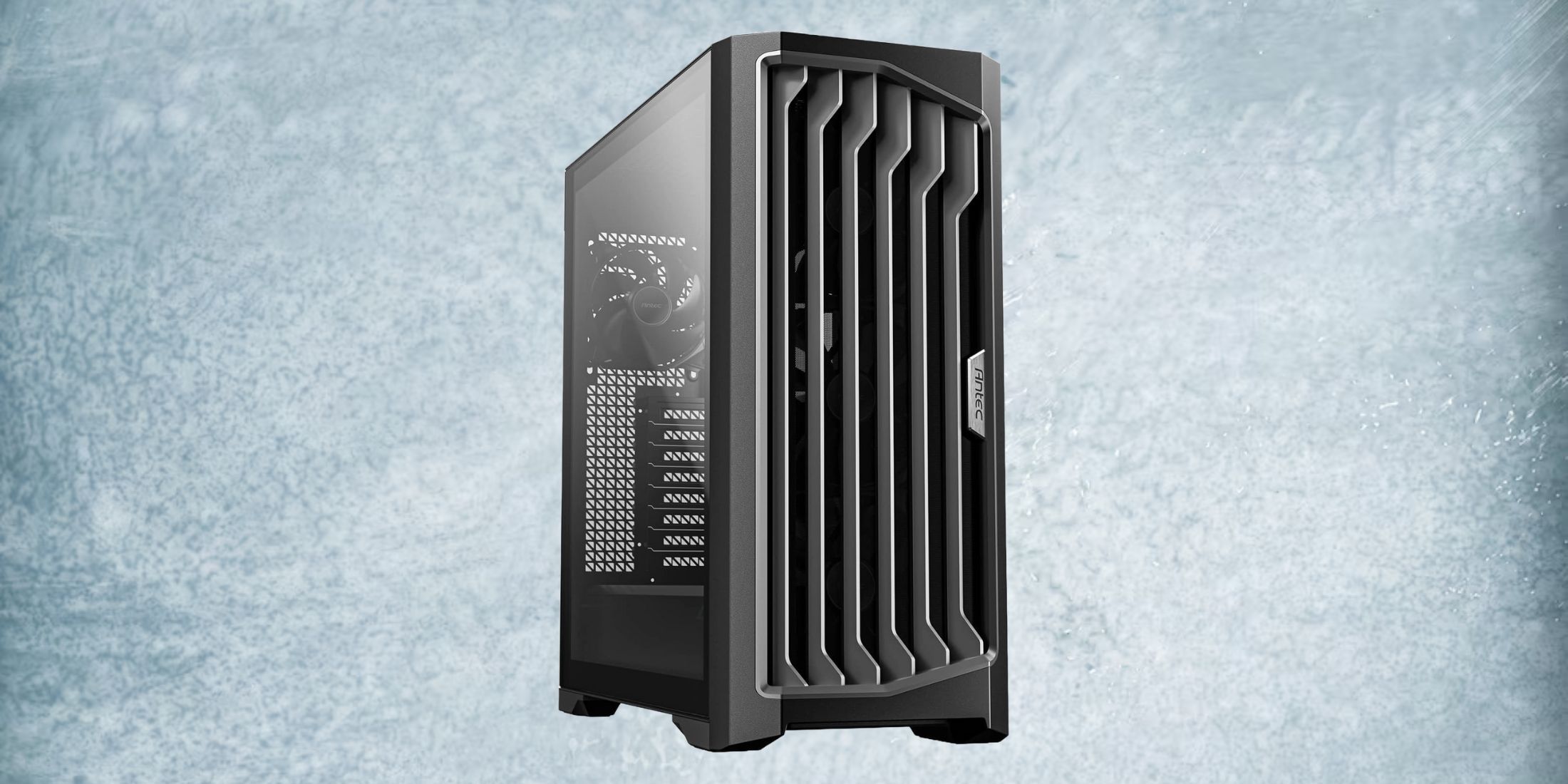
It seems that a larger case doesn’t automatically mean better airflow. In fact, some of the poorest thermal performances I’ve encountered were from spacious full towers with suboptimal fan arrangements. The design of the case is significantly more important than its size. Interestingly, mid-sized cases with thoughtful layouts frequently surpass full towers in terms of component temperatures. This is because their smaller stature means that fans don’t have to move air as far, resulting in more direct airflow paths across vital components.
I’ve found that opting for a mid-tower PC, specifically the Fractal Meshify 2, can keep my CPU temperatures approximately 3-5 degrees cooler than a standard full-tower setup with basic fan arrangements. This is due to the closer proximity of components, which leads to a more concentrated airflow within the case.
The fan mounting positions also differ significantly. Mid-towers typically offer:
- 3 front intake fans (120mm or 140mm)
- 2 top exhaust fans (120mm or 140mm)
- 1 rear exhaust fan (120mm or 140mm)
- Sometimes 1-2 bottom intake fans
Full towers frequently add:
- 3-4 front intake fans
- 3-4 top exhaust fans
- 1-2 rear exhaust fans
- 2-3 bottom intake fans
- Sometimes side panel fans
- Occasionally mid-chassis fans
This setup offers the possibility of intricate airflow segmentation within complete towers. Instead of depending on a unidirectional front-to-back airflow, you can establish specific cooling areas for components with multiple ingress routes. The added space in full towers usually results in them operating more quietly at similar temperatures because the fans can operate at reduced speeds.
What About Liquid Cooling?
In terms of liquid cooling, the benefits of using a full tower case are more pronounced. With multiple mounting points and optimal spacing between components, these cases offer enhanced thermal efficiency. A 360mm radiator installed in a full tower setup often performs 3-5 degrees Celsius better than when it’s placed in a mid-tower due to superior access to cool air and fewer obstructions from other heat sources.
Custom water cooling loops benefit even more from full towers. The additional space allows for:
- Larger reservoirs with better cooling capacity.
- Thicker radiators with higher thermal dissipation.
- Straighter tubing runs with fewer restrictive bends.
- Better component separation to prevent heat transfer.
In situations where components are pushed to their limits through overclocking, full-tower cases offer more room for cooling solutions, ensuring improved heat dissipation when the right cooling equipment is installed.
Building Experience: The Space Factor
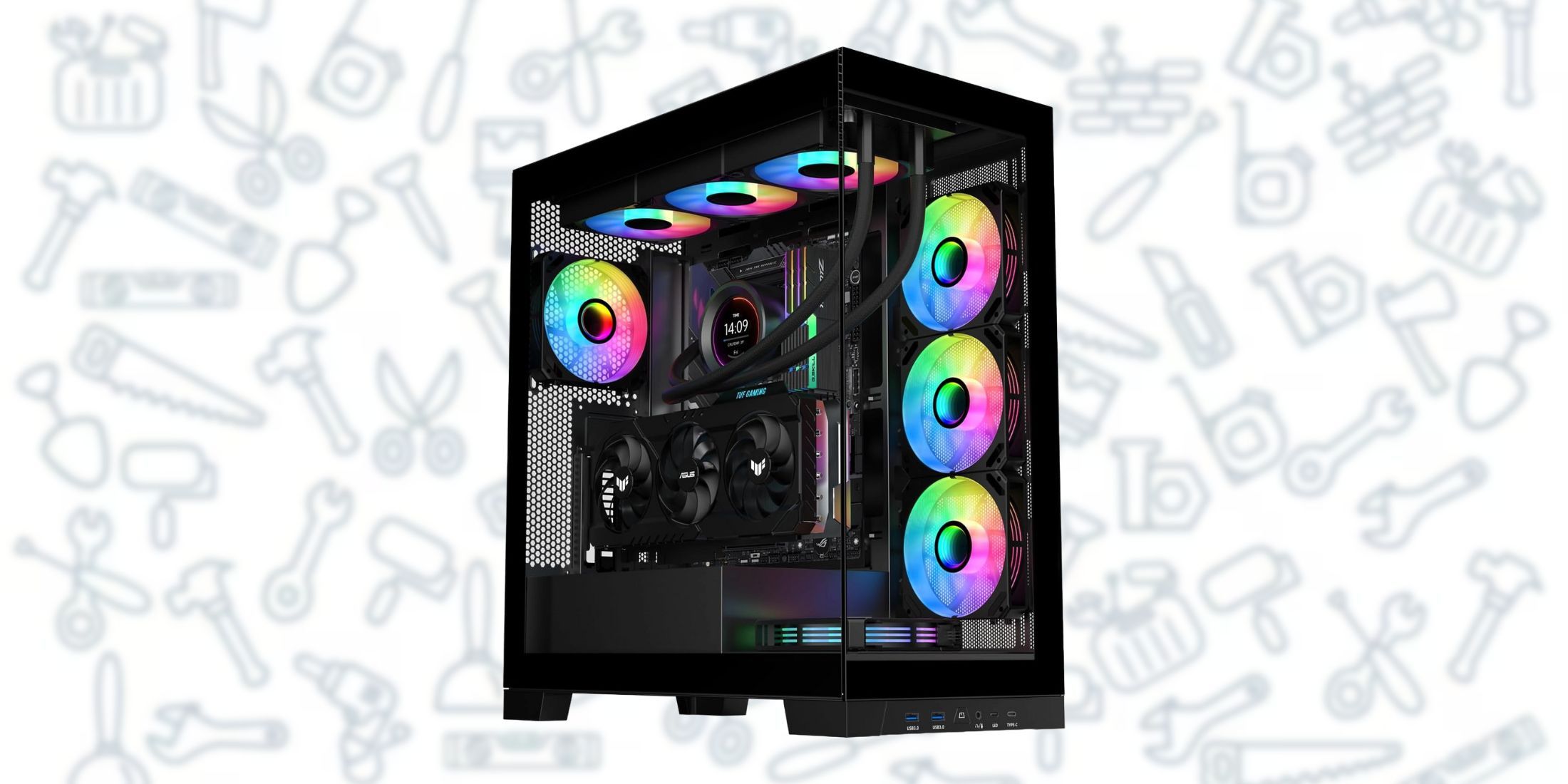
Full-size towers provide a more authentic and comfortable building experience. The additional space simplifies cable management, offers more workspace for your hands, and minimizes accidents on sharp edges. Building a PC in a mid-tower can feel like trying to change a spark plug in a confined engine bay. Installing that CPU cooler backplate, in particular, is as challenging as a brain surgeon’s job and demands the patience of a saint.
Here are a few hiccups you might run into if you’re working with a mid-tower:
- Installing AIO radiator+fan combos in top positions where clearance with RAM or VRM heatsinks is tight. In some cases, you’re dealing with 2-3mm of clearance and need to slide components in at precise angles.
- Connecting the 8-pin CPU power when the socket is positioned near the top of the motherboard. In many mid towers, this requires threading the cable through before mounting the motherboard or using needle-nose pliers to make the connection.
- Adding or changing storage drives in a completed build. Many mid-towers stack components in ways that require partial disassembly to access drive mounts.
- Installing bottom-mounted fans after the motherboard and PSU are in place. The clearance is often so tight you can barely see what you’re doing, let alone get your fingers in position.
Working in a full-sized tower offers a spacious, comfortable workspace, allowing both hands to move freely inside without any awkward contortions. Compared to mid-towers of the same brand, full-size towers provide 25-40% extra internal space for better workflow. Additionally, cable management is easier due to the ample room behind the motherboard tray.
In comparison, mid-towers usually provide around 20-25 inches for cable organization, whereas full towers offer a more spacious 25-35 inches. This additional room is particularly beneficial when dealing with thick ATX power cables or multiple RGB connections. Moreover, the added vertical space in full towers makes it simpler to install CPU coolers from the top, reducing the risk of bumping your knuckles against the case frame and facilitating a smoother installation process for larger air coolers, even in cramped spaces.
Installing a drive is significantly simpler in full-tower cases due to several reasons: firstly, drive cages are usually tool-free and more easily reachable, with ample space between mounting points. Secondly, some full towers come equipped with hot-swap bays that can be accessed from the front panel, which is a great advantage for users who frequently swap storage drives.
Moving this assembled PC offers a significant disadvantage: its hefty build makes it cumbersome to transport. Fully-loaded towers often weigh over 40 pounds, making them awkward and heavy to carry. This weight disparity is noticeable when you need to relocate your system. Even adjusting the position of a fully-built tower on your desk can become a task requiring two people. If you’re a regular at LAN parties or if you move often, a full tower could prove to be a real hassle.
Desk Space Reality Check

A tower PC on your desk might give the impression of having a compact fridge next to your screen. These towering structures can cast an imposing shadow over your workspace, making it feel cramped, particularly in smaller spaces. This is especially true for desks that have storage shelves above them. Often, full towers are too tall to comfortably fit under standard desk setups with overhead shelving.
These mid-towers offer an ideal balance, fitting neatly on desks without dominating your workspace, while still being easily accessible for routine maintenance tasks such as dust cleaning or component swaps. Additionally, for builds featuring numerous front-panel connections, having these ports at desk level instead of the floor can significantly improve everyday functionality.
If you’re limited to placing a computer on the floor, tall towers may be more beneficial. The top fans on these towers are typically situated higher, which could minimize dust intake relative to mid-towers. Notably, most full towers position their bottom intakes at least 3–4 inches above mid-towers, a difference that can substantially affect the accumulation of dust if your floor has carpeting.
A simple solution to this issue is placing the case on a stand to keep it off the carpet, reducing noise. The location of the case impacts the sound as well. Floor-positioned cases can transfer vibrations to the structure, causing more resonance. Compared to heavy full towers, mid-towers are lighter and usually produce less structural vibration. But remember, distance helps in minimizing sound as well.
When a computer tower stands on the floor, it tends to produce less noise when you’re sitting than a mid-tower placed on a desk, primarily because of the additional distance between it and your ears. Moreover, consider accessibility aspects as well. It is more practical to have USB ports, power buttons, and other controls at a height similar to a desk rather than on the floor. Over time, bending down to switch on the power or connect headphones can become a frequent inconvenience for owners of full towers placed on the floor, which is an issue that most people using full towers eventually encounter.
Cable Management Realities
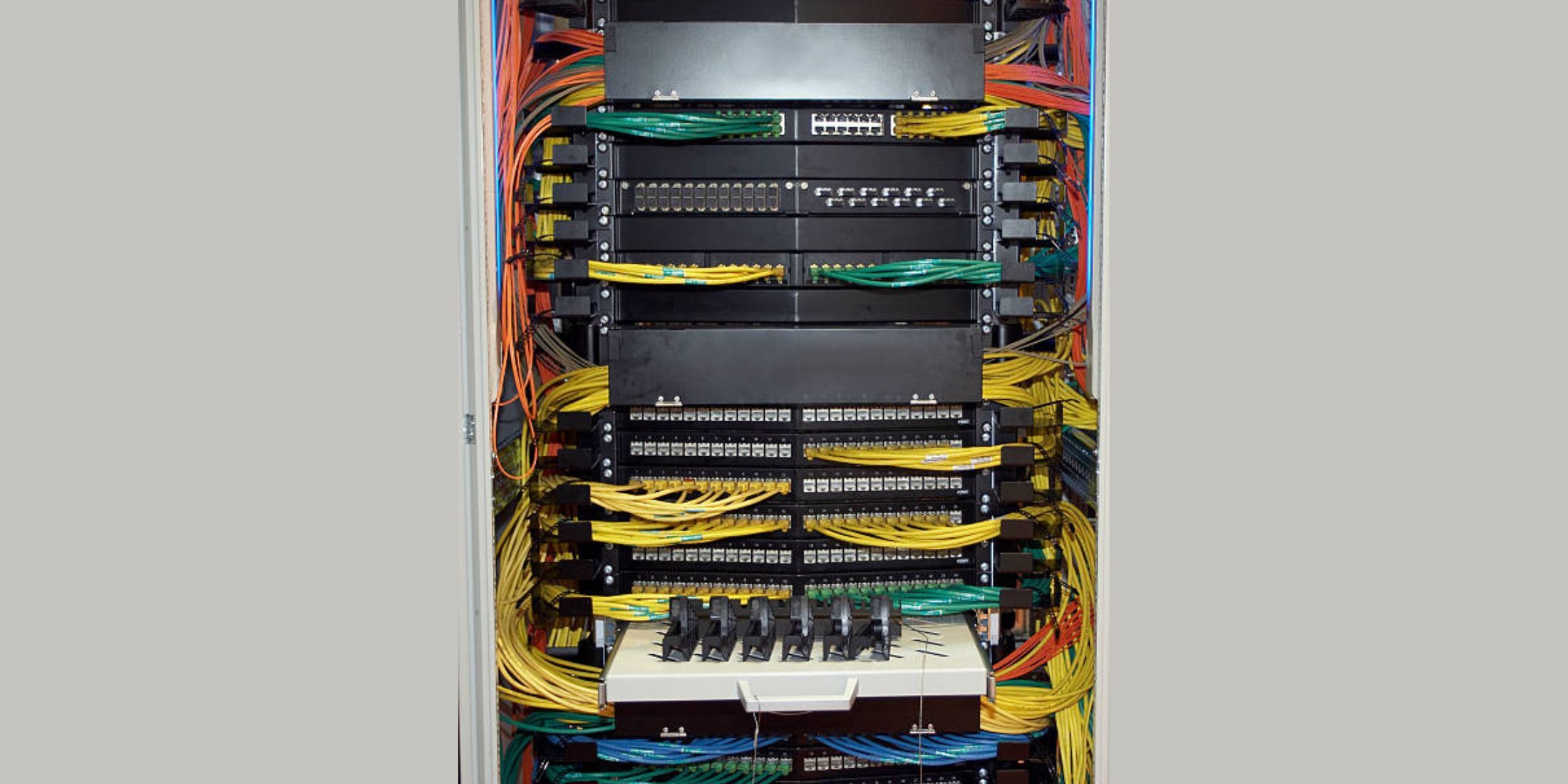
It’s often argued that the primary advantage of a full tower case lies in its supposedly superior cable management, but the reality is more complex. While it’s true that full towers provide ample space behind the motherboard tray, high-quality mid-towers now boast impressive cable routing features as well. The main distinction often boils down to:
- Full Towers: 25-35mm space behind motherboard tray.
- Quality Mid-Towers: 20-30mm space behind motherboard tray.
In most contemporary cases equipped with designated cable routing channels, minor differences seldom influence cable management. However, it’s significant for intricate builds housing numerous power-consuming components, such as those with more than three GPUs or elaborate RGB setups featuring numerous connections. For these systems, the additional cable management space offered by full towers can prove truly useful.
The Bottom Line: My Recommendations
Considering all these factors in both size categories, here’s my take:
Choose a mid-tower if:
- You’re building a standard gaming PC with 1-2 GPUs.
- You have limited desk space.
- You move your PC occasionally.
- You’re using standard ATX or smaller motherboards.
- You want focused airflow for better component cooling.
- You don’t need more than 4-5 storage drives.
Choose a full tower if:
- You’re building with E-ATX or larger motherboards.
- You’re planning an elaborate custom water cooling loop.
- You need 6+ internal drive bays.
- You want maximum fan mounting options.
- You never plan to move your PC.
- You’re building a dual system in one case.
As a discerning moviegoer scrutinizing the technical aspects of film production, I’d say that for 90% of directors, a mid-sized cinema stage offers the optimal blend of space, lighting capabilities, and functional features. Investing the money saved from renting an excessively expansive studio lot on superior camera equipment or more skilled crew members would undeniably enhance the overall cinematic experience.
Frequently Asked Questions
Is a mid-tower good enough for gaming?
Absolutely, in most cases, a well-designed mid-tower is more than sufficient, even for high-end hardware like the RTX 4090. Modern mid-towers are capable of accommodating large air coolers, full ATX motherboards, and even 360mm All-in-One liquid coolers without much strain. The size of the case itself is usually not the limiting factor; rather, it’s often issues with airflow design or internal layout that can potentially cause problems, regardless of the size of the case.
Will a full tower improve FPS or gaming performance?
In simpler terms, your situation doesn’t impact the raw frame rates but rather the thermals and acoustics. Upgrading to a larger case like a full tower generally doesn’t provide significant performance enhancements unless your current setup is consistently overheating and slowing down your components, which is an uncommon occurrence.
Is it okay to put a mid-tower on the floor?
Absolutely! Instead of placing it directly on the carpet, consider using a wooden stand or mesh riser for better airflow. Raising your device off the carpet helps prevent dust and pet hair buildup in the bottom intakes, which can clog and restrict airflow faster than expected. Additionally, an elevated position reduces the risk of accidental damage to the front panel ports from kicking. If possible, opt for a stand with wheels for easy movement when needed.
Read More
- All Shadow Armor Locations in Crimson Desert
- How to Get the Sunset Reed Armor Set and Hollow Visage Sword in Crimson Desert
- All Skyblazer Armor Locations in Crimson Desert
- Best Bows in Crimson Desert
- Marni Laser Helm Location & Upgrade in Crimson Desert
- All Helfryn Armor Locations in Crimson Desert
- All Golden Greed Armor Locations in Crimson Desert
- Wings of Iron Walkthrough in Crimson Desert
- How to Craft the Elegant Carmine Armor in Crimson Desert
- Keeping Large AI Models Connected Through Network Chaos
2025-04-30 15:27