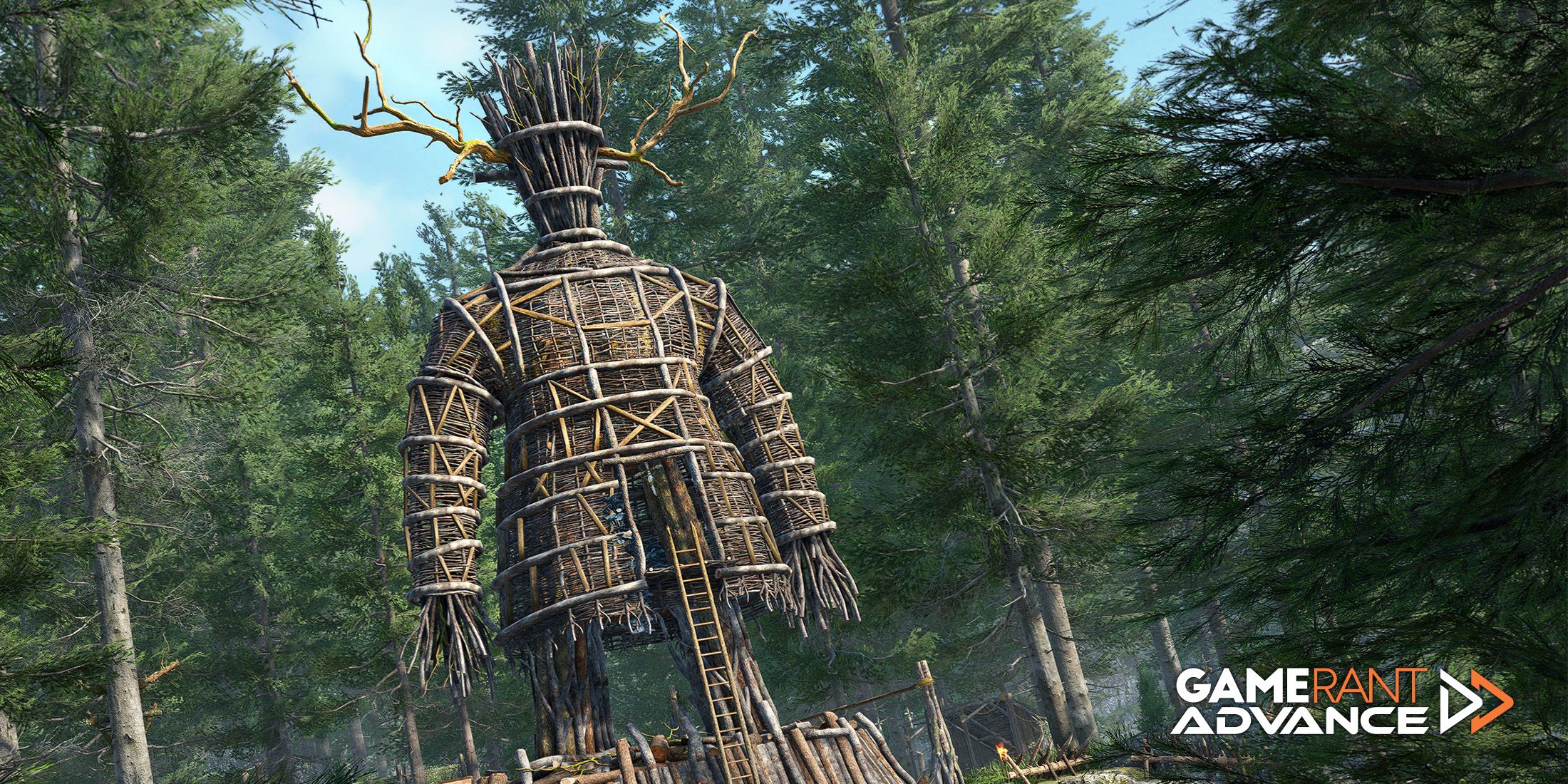
Rebellion Development is famous for its “Sniper Elite” series, however, in recent years they’ve been focusing on “Atomfall”, a game that might not be as instantly recognizable but has been brewing slowly. This action survival title will be available starting March 27, placing you in a dramatically altered Northern England landscape, following the Windscale Incident which led to this region of the UK being quarantined. By the time you start up “Atomfall”, five years have already passed, yet your character has no memory of their past. This opens up a mystery for players to explore, with the freedom to either delve deeper or choose not to.
As a gamer, I’ve come to appreciate the profound sense of freedom in Atomfall, a game that offers immense choices. Whether I choose to engage in combat or opt for diplomatic solutions, everything is possible at any given moment, even targeting story NPCs. In an earlier interview with Game Rant, Ben Fisher, head of design at Rebellion, likened the narrative and game design of Atomfall to a complex spider-web. To delve deeper into the development, launch plans, and post-release expectations, I had the opportunity to chat with both Fisher and audio director Graham Gathedral in an exclusive interview for Game Rant Advance. This transcript has been carefully edited for clarity and brevity.
Atomfall Has Been a Slow Burner for Rebellion
Q: What did the first week, months, and year of Atomfall’s development look like?
Fundamentally, Atomfall has always been an ode to the British countryside, but it’s accurate to acknowledge that Atomfall didn’t resemble Atomfall in its early stages. Rebellion’s game has had a gradual evolution, undergoing numerous transformations, initially born as a technology experiment, named ‘Windscale,’ several years ago. This later gave rise to various concepts and possibilities, leading us to wonder, “What if we created something like this or that?
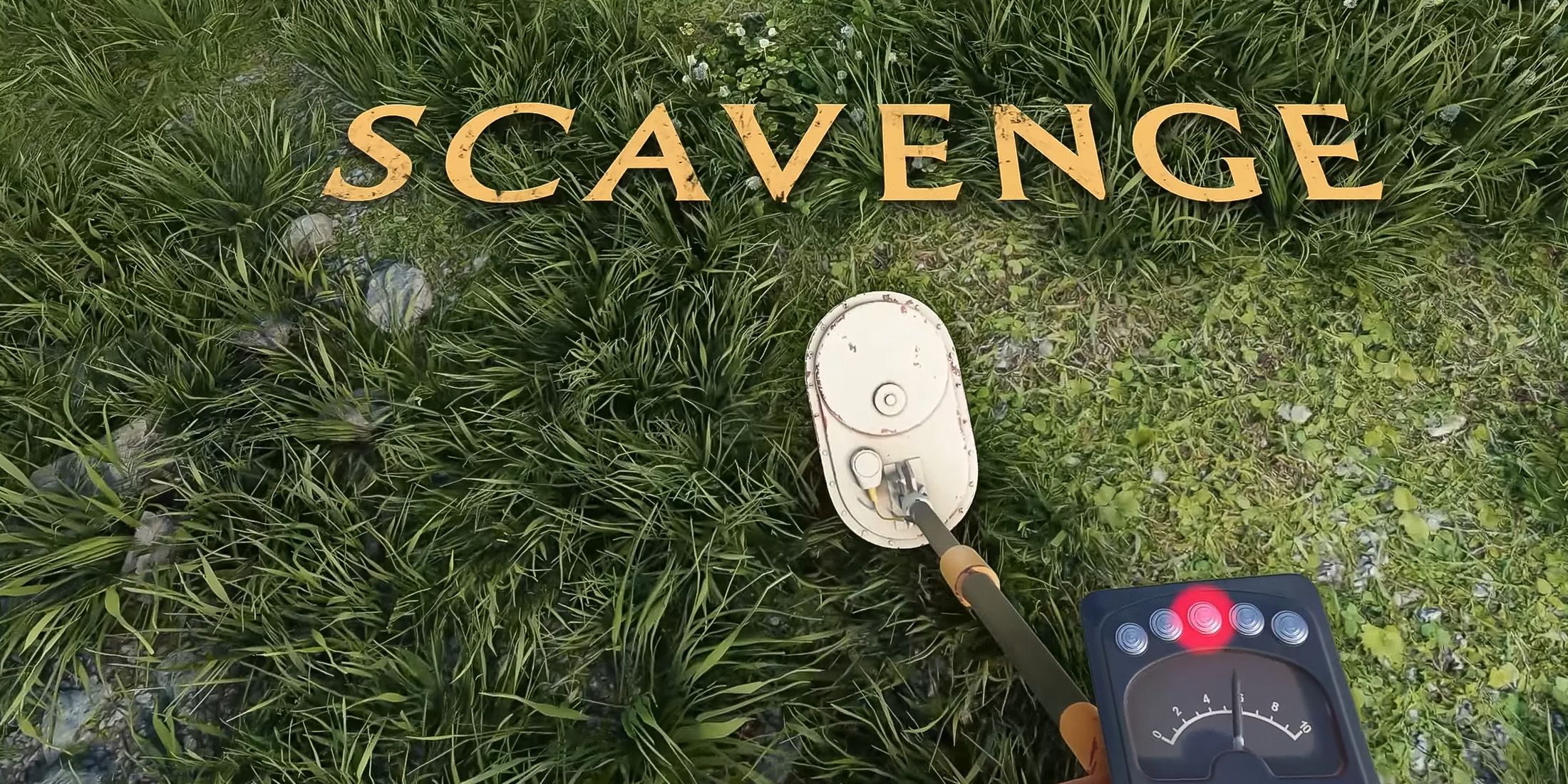
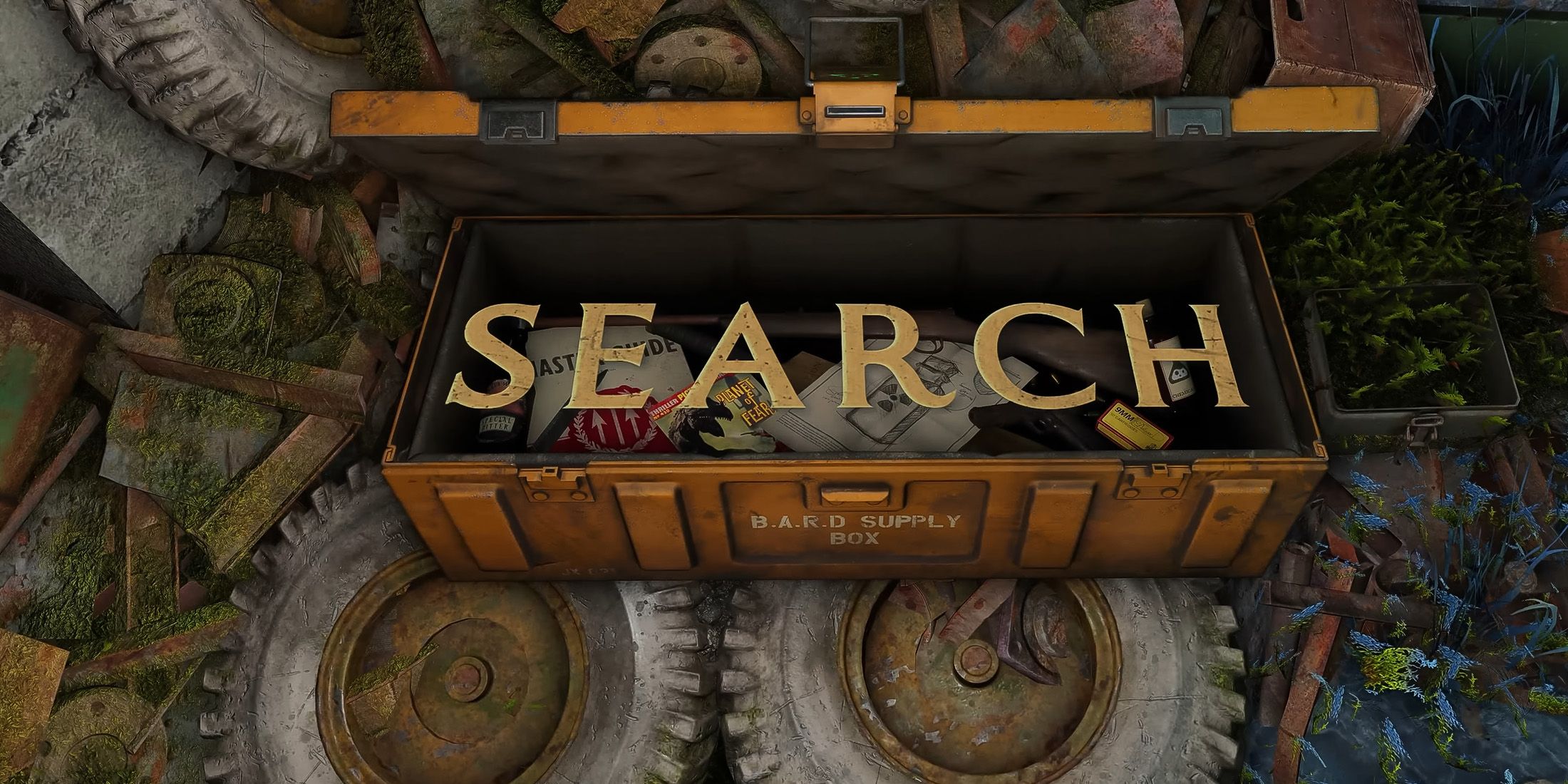
Approximately two to three years back, Atomfall emerged as the name for the game as it started receiving increased attention and momentum. Our strategy involved continuous improvement and polishing, adding layers to the game and testing our concepts to determine what worked best. This process led us to create a dynamic and captivating game that sparked the interest of an increasing number of team members involved in its development.
As an ardent follower of Atomfall’s development journey, I can certainly share some significant evolutions and adjustments the game has undergone during its lifecycle.
Fisher: Initially, the game was designed with a blend of openness and linearity, similar to a Metroidvania style, where as you progressed, you’d discover tools and abilities that allowed you to delve deeper into the game world, culminating at the Windscale plant. However, we felt this was a good game but had the ambition to push our creative boundaries, so we pondered questions like, “What if we remove the restrictions on progression and let players explore freely? What if all characters are optional encounters? What if killing is possible? What if there are no assigned quests at all?” The answers to these questions led to the creation of the current “leads” system and the immersive, non-linear gameplay that intuitively guides you towards the Windscale plant.
Question: Apart from science fiction, you’ve mentioned folk horror and the Cold War as inspirations for Atomfall. Could you elaborate on these themes and explain where they appear in the game?
Fisher: In our quest to define Atomfall’s unique “voice”, we gained significant traction by examining the storytelling techniques prevalent in 1950s-70s Britain. During this era, genres were not as clearly defined because they were still evolving. We observed similarities between folk horror and cold war literature, such as an uneasy peace that masks underlying secrets and deceit, and the perilous nature of uncovering truth. Both genres also explore themes of cultural tension – for instance, tradition versus modernity, city versus countryside, or eastern versus western ideologies.
In-game, this is expressed in various manners. Initially, we blend elements of folk horror, cold war literature, and sci-fi set in a particular era to create the desired ambiance. The game’s scenarios are designed to be morally complex, with no straightforward hero or villain, but numerous individuals grappling with challenging dilemmas. Furthermore, the characters you encounter might not always be trustworthy or may deceive or manipulate you, so it’s crucial to stay vigilant and observant throughout your journey.
To say anything more specific would be a spoiler, so I won’t!
Q: What has the last year or so of Atomfall looked like?
Fisher: Over the past year, we’ve been fine-tuning the gameplay and adding finishing touches. Our primary focus during this time was to emphasize openness and freedom, and to ensure that the game remains connected regardless of the path you choose. Much work has been put into striking a balance where players have just enough resources to progress, while remaining captivated by the observation, planning, and deduction elements of the game.
Previously unseen by the public, Atomfall was played by external audiences for the first time during Gamescom last year. The experience provided invaluable insights that enabled us to refine aspects such as combat more precisely.
Question: How has the development of the Sniper Elite series by Rebellion influenced their work on Atomfall, despite the significant differences between the two games?
Fisher: Initially, it’s important to note that Atomfall and Sniper Elite are built using the same technology – Rebellion’s proprietary Asura engine. This shared foundation means our teams are well-versed with the engine, enabling us to work efficiently and adaptably.
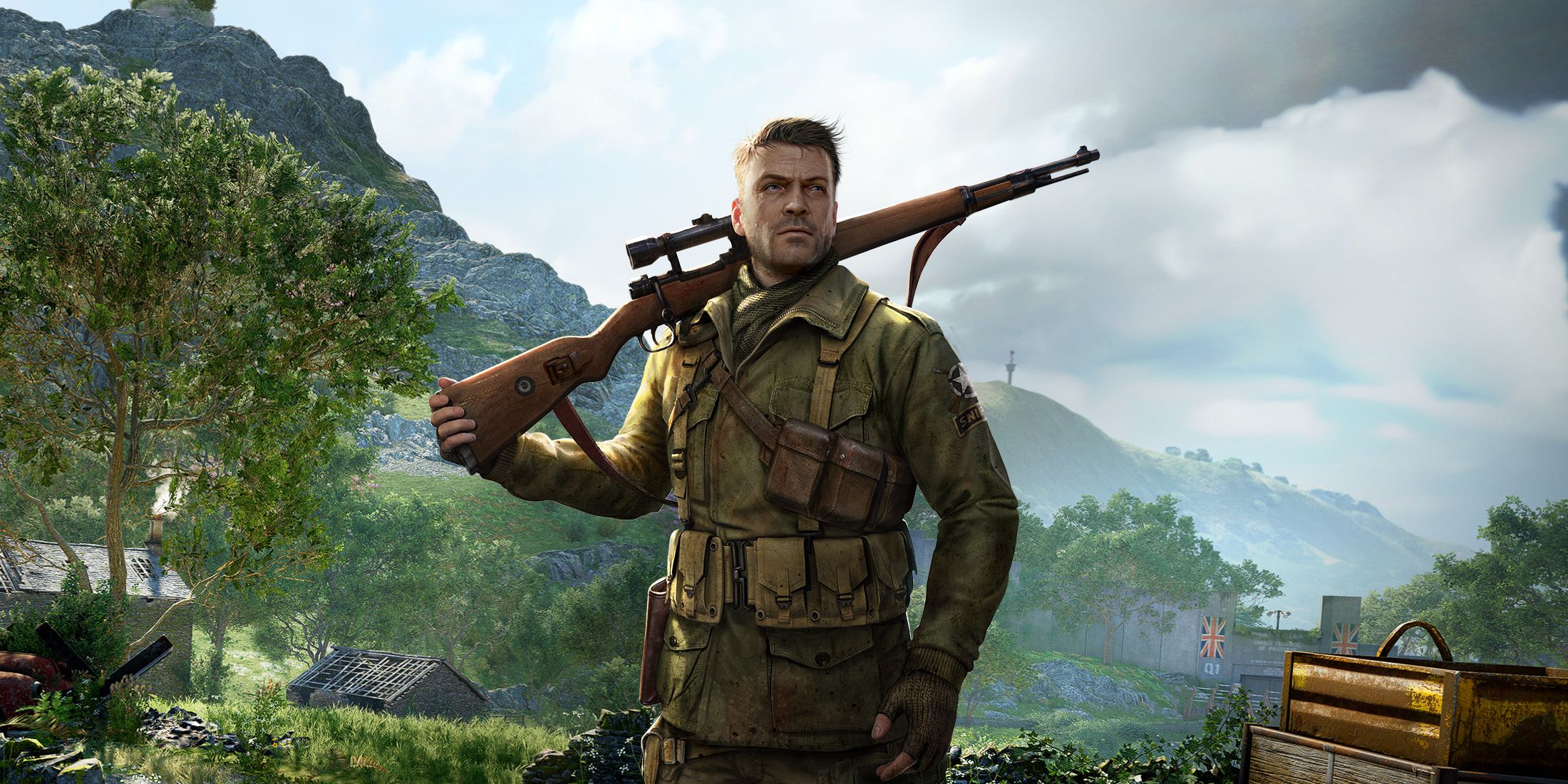
In Atomfall, we applied the same photogrammetry techniques used in our latest Sniper Elite series to generate numerous game assets – from a stone wall to items like a pint glass found in a pub. We believe this contributes significantly to the realism you experience while playing and appreciating the game’s stunning environment.
As a gamer diving into the Sniper Elite series, I’ve witnessed how they’ve mastered the art of sandbox gaming. They offer vast, explorable maps for me to conquer, providing total freedom in tackling each mission or objective, letting me play my way. In Atomfall, they’ve cranked up the sandbox experience by expanding the play area and giving me even more control over how I engage with the game. For instance, it’s possible to finish the entire story without a single fight, yet if I prefer, I can obliterate everyone! Player choice and agency are key priorities for them.
How did you create the music for Atomfall’s soundtrack? Which musical elements did you think were most suitable for Atomfall?
In our game, Atomfall: We aimed to create a feeling of familiarity at the start for the player, gradually unveiling the peculiarities of the microbiome and otherworldly occurrences connected to it. To establish a comfortable foundation, we initially leaned more on orchestral compositions led by strings. As the player delves deeper and encounters increasingly disconcerting elements, we integrate experimental music components such as electronic textures, unusual time signatures, and unique instruments. These changes reflect the growing strangeness and intensify the enigmatic and unsettling atmosphere present in Atomfall’s world.
In the game, each group boasts a unique musical identity, mirroring the diverse set of influences that sculpt the universe of Atomfall. These ranges from the rebellious spirit of outlaws and the power of military might, to the mystical practices of cults and the futuristic elements of sci-fi.
Question: How has the game been impacted by being included on Xbox Game Pass from its initial launch, if there has been any effect at all?
Fisher: Game Pass enables players to explore and test out various games and genres they might not ordinarily choose, expanding the gaming community for those titles. For instance, someone who doesn’t think they’re into survival/action games could give Atomfall a try through their subscription and discover themselves drawn into the narrative and the universe we’ve built.
As an avid gamer, I’m thrilled along with countless others who are eagerly anticipating the arrival of Atomfall on Game Pass. I can hardly contain my excitement for the chance to dive into this game myself!
If I were a gamer about to jump into the universe of Atomfall as its launch approaches, here’s what I’d like to share: “Get ready, fellow adventurer! Strap on your virtual gear and brace yourself for an unforgettable journey. The world of Atomfall awaits us, filled with challenges, mysteries, and treasures yet undiscovered. Let’s embark on this thrilling adventure together, making memories that will last a lifetime!
Atomfall offers a distinctive and quintessentially British adventure, allowing players to customize their storyline. We’re eagerly anticipating the diverse ways players navigate their quest to solve the enigma behind Windscale. A fascinating observation from early gameplay previews is that individuals playing side by side can have completely distinct experiences, even though they began at the same starting point barely 30 minutes ago.
Post-Launch Plans, DLC, and More
Q: As you reflect on Atomfall and its development, what immediately comes to mind?
Fisher: The journey to Atomfall has been lengthy; it required much effort, trial and error, and trust to create innovative systems that often challenge traditional design norms. It’s rewarding to witness all the pieces falling into place, forming something fresh, and it seems like we’ve initiated a new genre of game for Rebellion.
As a dedicated fan, I’ve been wondering: Is the Atomfall project of Rebellion Development destined to grow into its very own franchise, or is it more likely that they see it as a standalone title?
Fisher: While it’s plausible that Atomfall could have a follow-up, our main attention is currently on perfecting the game and releasing the announced DLC. Additionally, we are excited to share a four-part comic miniseries in the 2000 AD Magazine.
Q: In the realm of post-apocalyptic games, what do you think is unique about Atomfall?
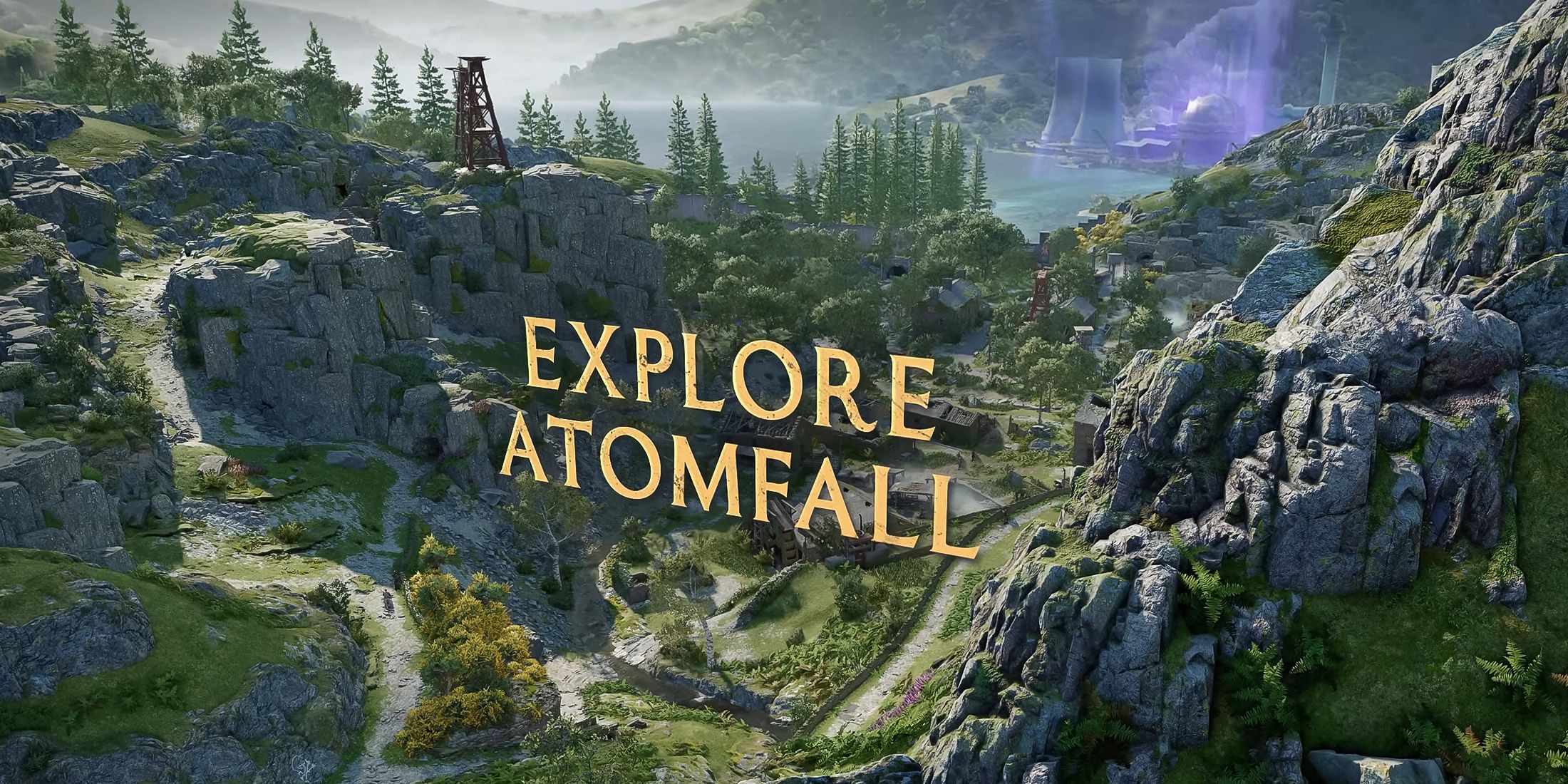
Fisher: One common piece of feedback we’ve received is that post-apocalyptic stories often focus on desolate, grey urban landscapes. However, Atomfall offers something different by transporting us to a largely unscathed rural environment that remains vibrant and green.
What is your expectation about the emotions and thoughts that Atomfall gamers will carry with them after finishing the game?” or simply “What lasting impression or sentiment do you aim for Atomfall players to feel upon completing the game?
As an enthusiast: I’m eagerly anticipating that gamers will be left yearning for more! Atomfall offers numerous unique gameplay experiences and avenues to explore. I can hardly wait to witness the diverse strategies players employ in Atomfall, yet I also hope it sparks a sense of curiosity: “I wonder where that choice could have taken me,” or “What if I had chosen differently, what would have happened then?
Q: Is there anything you can perhaps tell us or tease about the post-launch story DLC?
As an avid supporter, I’m thrilled to share that we currently have two exciting DLC expansions on the horizon! Each one promises to take the narrative down unique paths, though I’m sworn to secrecy for now. Keep your eyes peeled for further announcements!
Q: How will the team at Rebellion be celebrating come launch day? Any special plans?
Me: Following the classic British spirit, let’s seek out a local pub, just making sure it’s beyond the Quarantine Zone boundaries!
[END]
Read More
- All Skyblazer Armor Locations in Crimson Desert
- How to Get the Sunset Reed Armor Set and Hollow Visage Sword in Crimson Desert
- One Piece Chapter 1180 Release Date And Where To Read
- All Shadow Armor Locations in Crimson Desert
- Marni Laser Helm Location & Upgrade in Crimson Desert
- All Golden Greed Armor Locations in Crimson Desert
- All Helfryn Armor Locations in Crimson Desert
- How to Beat Stonewalker Antiquum at the Gate of Truth in Crimson Desert
- All Icewing Armor Locations in Crimson Desert
- Black Sun Shield Location In Crimson Desert (Buried Treasure Quest)
2025-03-20 20:42