Look, I’ve been gaming for a long time, and there are two things I’ve learned. First, the industry has changed so much in the last thirty years – it’s incredible! Second, gamers are seriously hooked on nostalgia. We all have those old favorites we love to revisit. But honestly? Sometimes, when I replay those classics, I have to admit they haven’t aged all that well. That emotional connection is still there, but time hasn’t been kind to a lot of them.
Many classic games have aged significantly, with their original genre conventions feeling outdated. Some, especially those from the early days of 3D graphics, look very different today – often appearing as simple, blocky shapes with awkward camera controls. Despite being masterpieces and defining games of their genres, revisiting these titles in their original state can be a challenge.
6. Resident Evil
“There Are Terrible Demons. OUCH!”
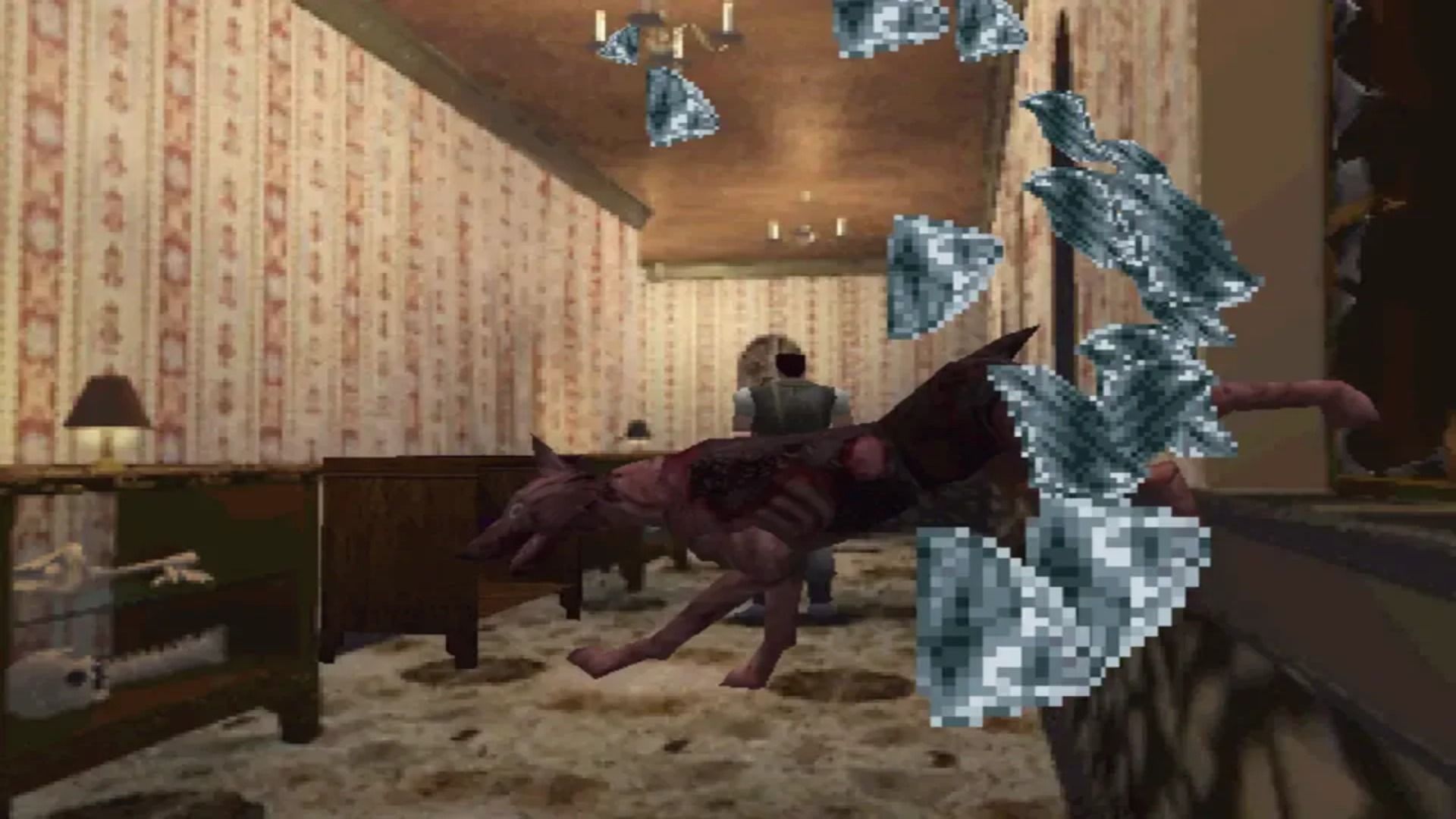
As a huge fan, I always remember how groundbreaking the original Resident Evil was when it came out in 1996. It’s honestly not fair to compare it to modern survival horror games – or even its own remake! That game is still so well-respected and influential, and I think almost every survival horror game since has been inspired by it in some way. Still, going back to play it now can be a bit of a shock – things have changed so much!
Looking at the original 1996 Resident Evil today, the graphics appear quite rough and the backgrounds don’t quite blend with the characters. Moving around locations like the Spencer Mansion feels clunky because the controls force you to turn in place to change direction – it’s just as awkward as aiming. The voice acting is famously bad, but in a funny way. The 2002 remake didn’t fix many of these issues, especially the controls, unlike the remakes of the other games in the original trilogy.
5. Tomb Raider III: Adventures Of Lara Croft
Lara Croft, Meet Spikes
The original Tomb Raider games were incredibly ambitious for their time, released in the mid-to-late 1990s. They stood out with their large, 3D environments filled with enemies, hidden areas, and challenging puzzles, creating a strong sense of adventure. The graphics were also impressive for that era. However, like Resident Evil, the awkward controls could make the games difficult to enjoy.
I remember these old Tomb Raider games being all about really tricky platforming. You had to get Lara to do all sorts of flips and jumps to reach platforms, swing across gaps, and basically cling to the edges of everything! It wasn’t always graceful – some of the movements felt super awkward – and the levels were packed with danger. Seriously, pitfalls, spikes, boulders… you name it, it was trying to kill you. Tomb Raider III took things even further, sending Lara all over the world searching for rare artifacts. To do that, they gave her new skills, like kayaking! Sounds fun, right? Except the controls were notoriously difficult, and a lot of us really dreaded the Madubu Gorge level because of it. It was tough enough to kayak in real life, let alone with those controls!
4. Prince Of Persia
A Legendary Beginning
The Prince of Persia series eventually became known for its incredible, almost supernatural athletic abilities. By 2003’s Prince of Persia: The Sands of Time, the hero could famously run on walls and quickly navigate dangerous, trap-filled rooms with ease. This emphasis on realistic movement actually began with the very first game in 1989, which used a technique called rotoscoping. Rotoscoping involved tracing over real-life footage of an actor performing the actions, making the prince’s movements look remarkably lifelike. As creator Jordan Mechner explained in an interview with Ars Technica, this was a key part of the original design.
I used one of the first VHS camcorders to film my brother running, jumping, and playing around in the parking lot across from our high school.
The original game remains a truly classic and impressive technical achievement, though it understandably feels quite limited when compared to newer installments. Throughout its twelve levels, the scenery doesn’t change much, and the unforgiving traps – a major challenge before the introduction of the Dagger of Time – often led to frustrating moments of trial and error. The character movements look fantastic, but the controls themselves are clunky and difficult to master.
3. Final Fantasy 7
A Stunning Diamond, Rough Around The Edges
We’re seeing a lot of classic games from our childhoods get updated with remakes or remasters. This raises the question of what happens to the original games we all love. It really comes down to personal preference. Some players will find the improved graphics and controls of a remake so good that they won’t need the original anymore. Others, driven by nostalgia, will always prefer the original or see the remake as a nice addition. If you first experience a classic game through a remake, it can be hard to appreciate the original. This is especially true for games like Final Fantasy 7.
The 1997 game was hugely influential for both the Final Fantasy series and the JRPG genre as a whole. However, modern players might be surprised by how dated it looks, even with the remaster. Compared to the recent remakes, the difference is striking. While it’s still a beloved classic, the original PlayStation version shows its age – its once innovative gameplay now feels simple and a bit awkward. It might even turn off players who aren’t fans of older, turn-based RPGs, but it remains a significant part of the series’ history.
2. The Legend Of Zelda
It’s Dangerous To Go Alone … Because You’ll Get Lost In About Three Seconds
It’s unfair to directly compare the original The Legend of Zelda from 1986 to The Legend of Zelda: Tears of the Kingdom from 2023. They were made for very different consoles and reflect the technology of their respective eras. Still, many players who enjoy a new game in a series like to go back to the very beginning to see where it all started, and they might be surprised by what they find.
Both Tears of the Kingdom and Breath of the Wild offer players plenty of helpful tools like detailed maps, logs, and tutorials to guide them without being overly restrictive. They strike a good balance between letting you freely explore a huge world and providing gentle hints to keep you on track. However, the very first game in the series didn’t have these features. Back then, you relied entirely on the instruction manual to learn how to play. It’s possible to miss important things, even something as simple as finding your sword, and feel completely lost. While the feeling of exploring Hyrule is still there, it’s much more open-ended and less guided in the original game.
1. Grim Fandango
A Quirky Classic Of A Point And Click
Released in 1998, Grim Fandango is a truly exceptional and unforgettable point-and-click adventure game. Inspired by the Mexican Day of the Dead, the game is visually striking and full of lively characters – similar in style to Guacamelee. Players will likely remember the captivating story, which follows travel agent Manny Calavera over four years of the Day of the Dead. Its distinctive style and atmosphere make it incredibly engaging for those interested in its themes, but completing the game can be quite challenging.
Look, I love point-and-click adventures, but they can be seriously frustrating sometimes. It’s not always obvious how to solve puzzles, and you can end up clicking on everything just trying to figure out what goes where. I remember getting totally stuck in Grim Fandango – seriously, who would guess where to find those cat racing numbers? It was even harder in the original version because the game didn’t give you hints like the remastered one does. You have to listen to everything people say, because a tiny detail can be crucial. It’s an amazing and creative game, but honestly, I had to use a walkthrough. Other games try to capture that same vibe, but nothing quite feels the same.
Read More
- All Shadow Armor Locations in Crimson Desert
- Best Bows in Crimson Desert
- How to Get the Sunset Reed Armor Set and Hollow Visage Sword in Crimson Desert
- All Golden Greed Armor Locations in Crimson Desert
- Wings of Iron Walkthrough in Crimson Desert
- How to Craft the Elegant Carmine Armor in Crimson Desert
- All Helfryn Armor Locations in Crimson Desert
- How To Beat Ator Archon of Antumbra In Crimson Desert
- Keeping Large AI Models Connected Through Network Chaos
- All Skyblazer Armor Locations in Crimson Desert
2026-01-06 14:37