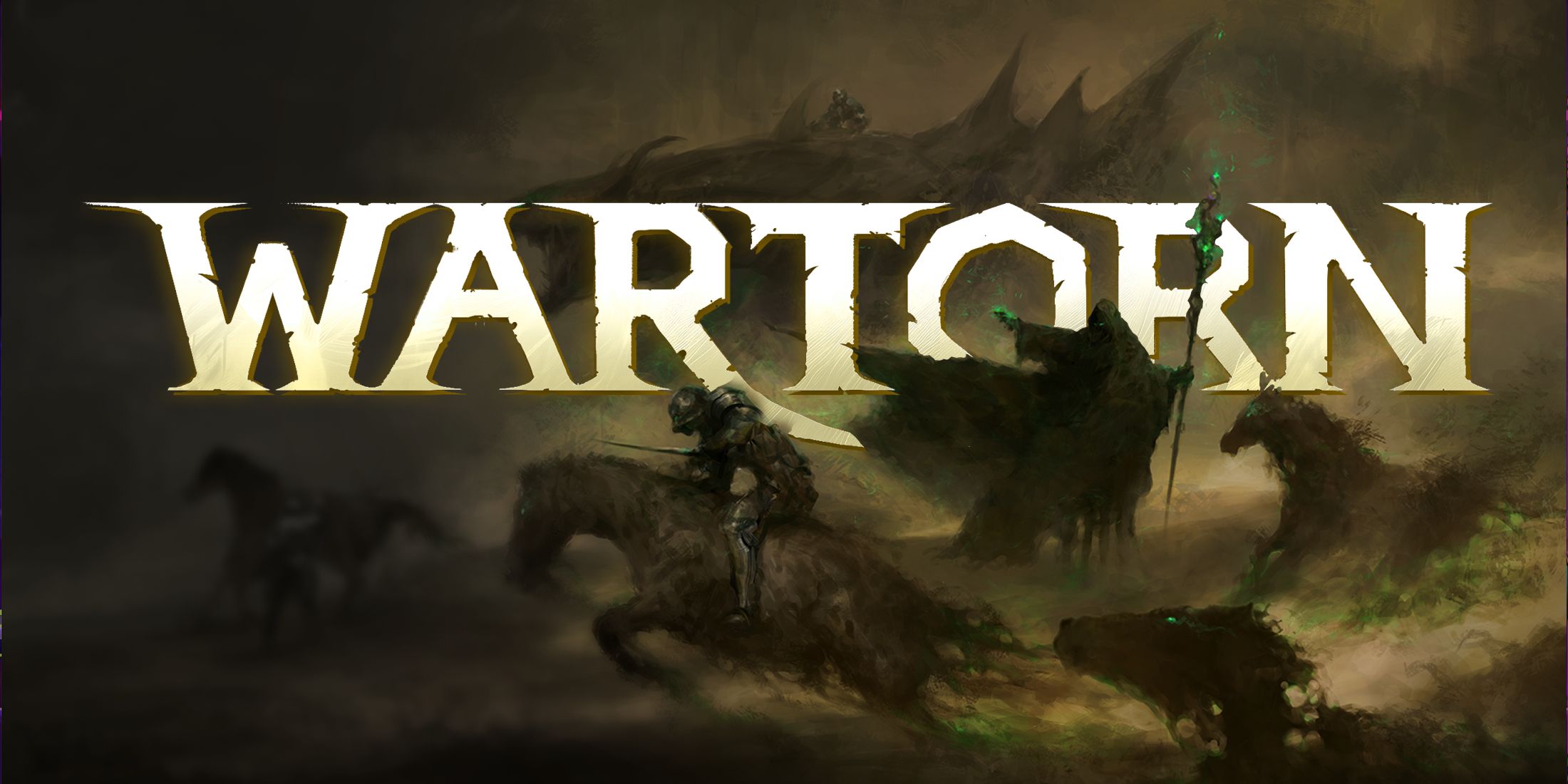
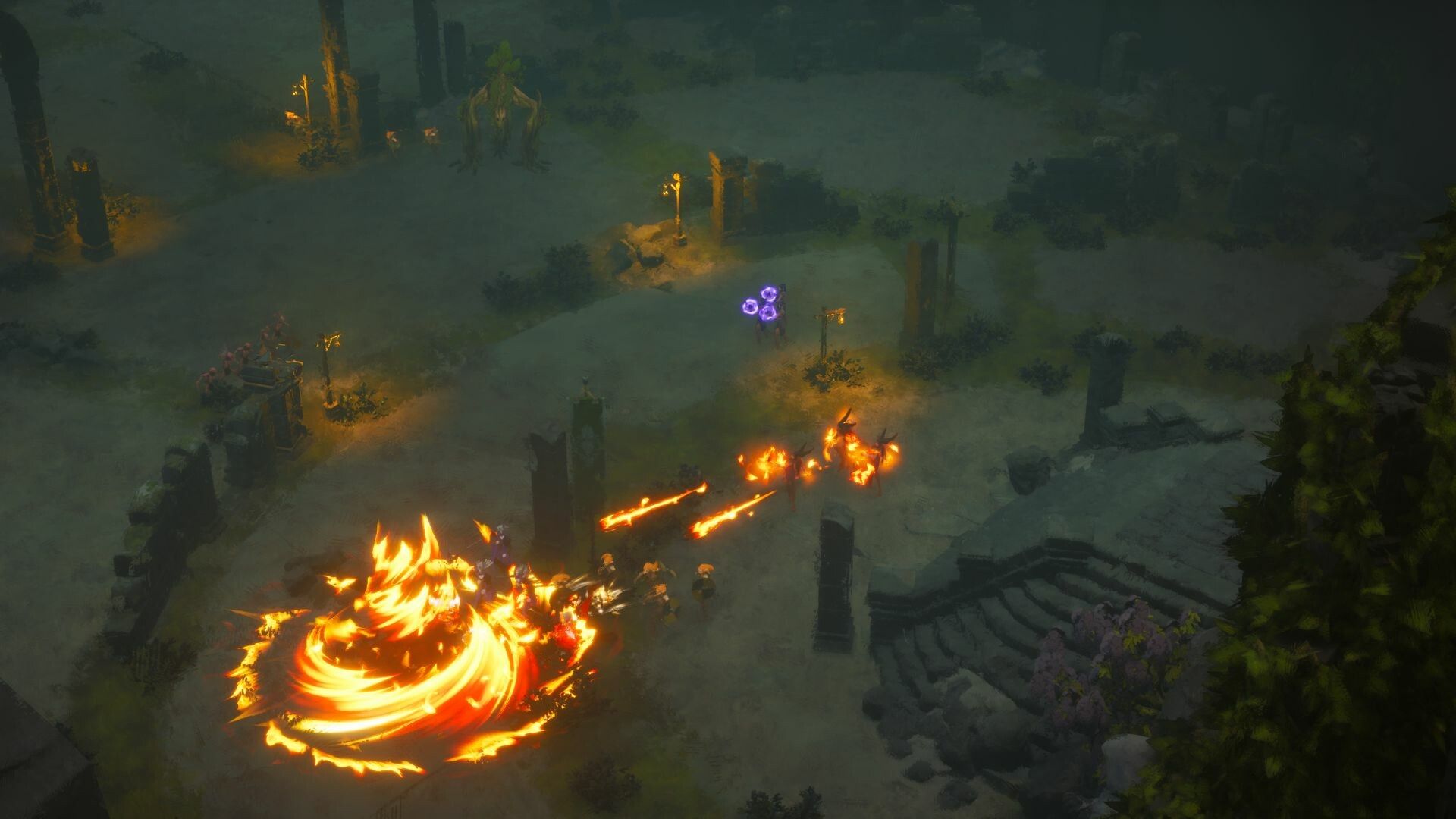
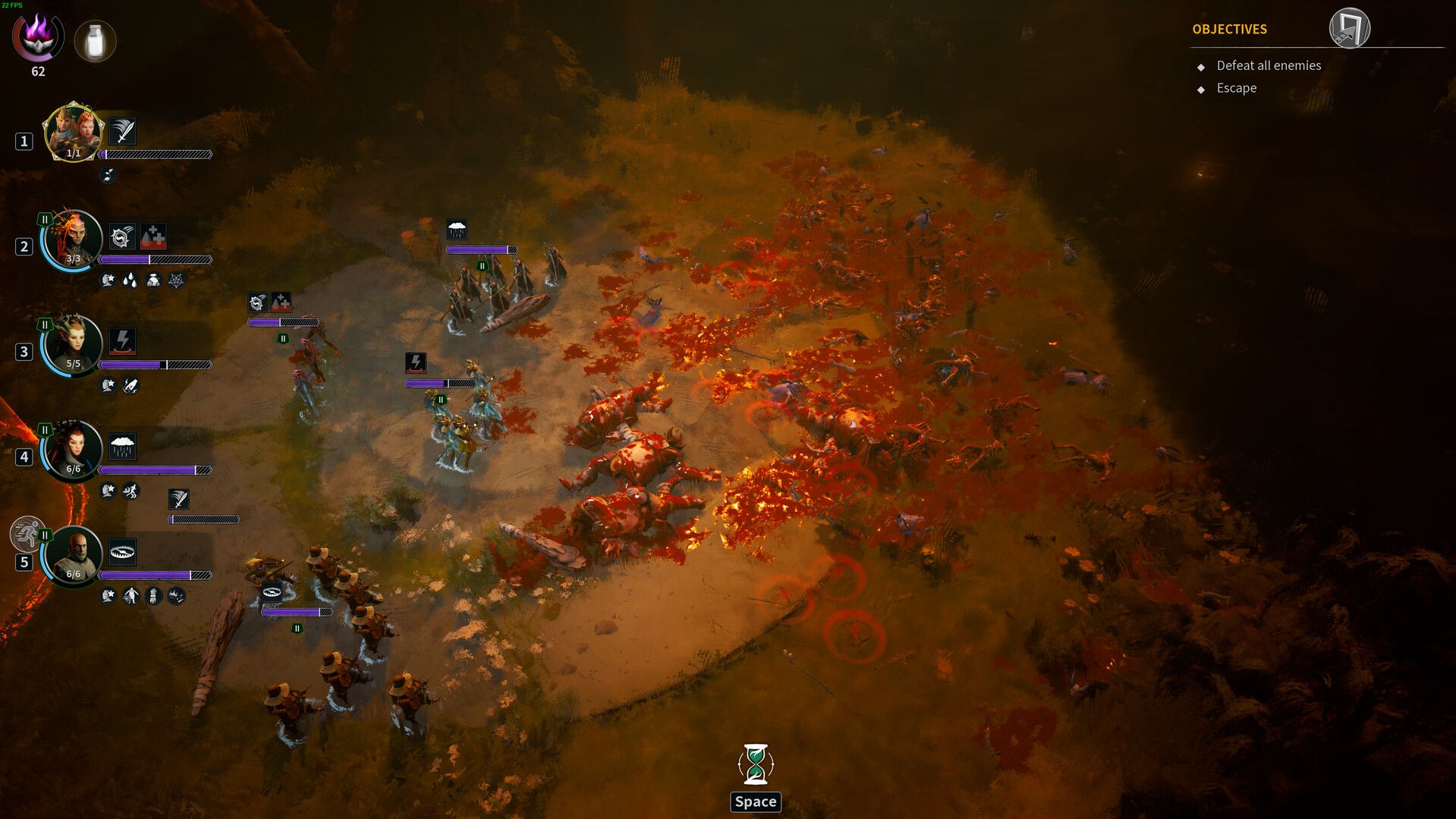
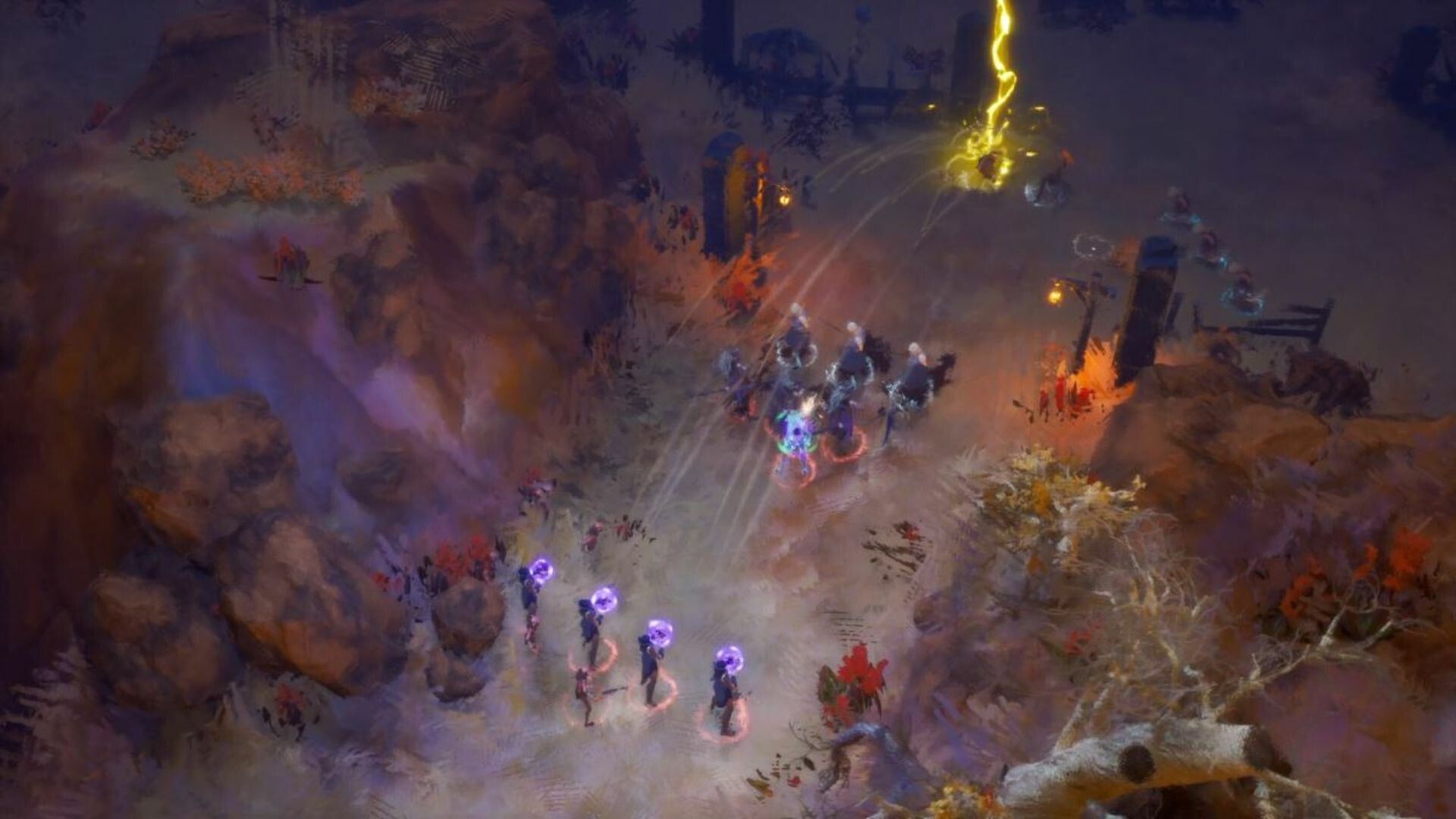
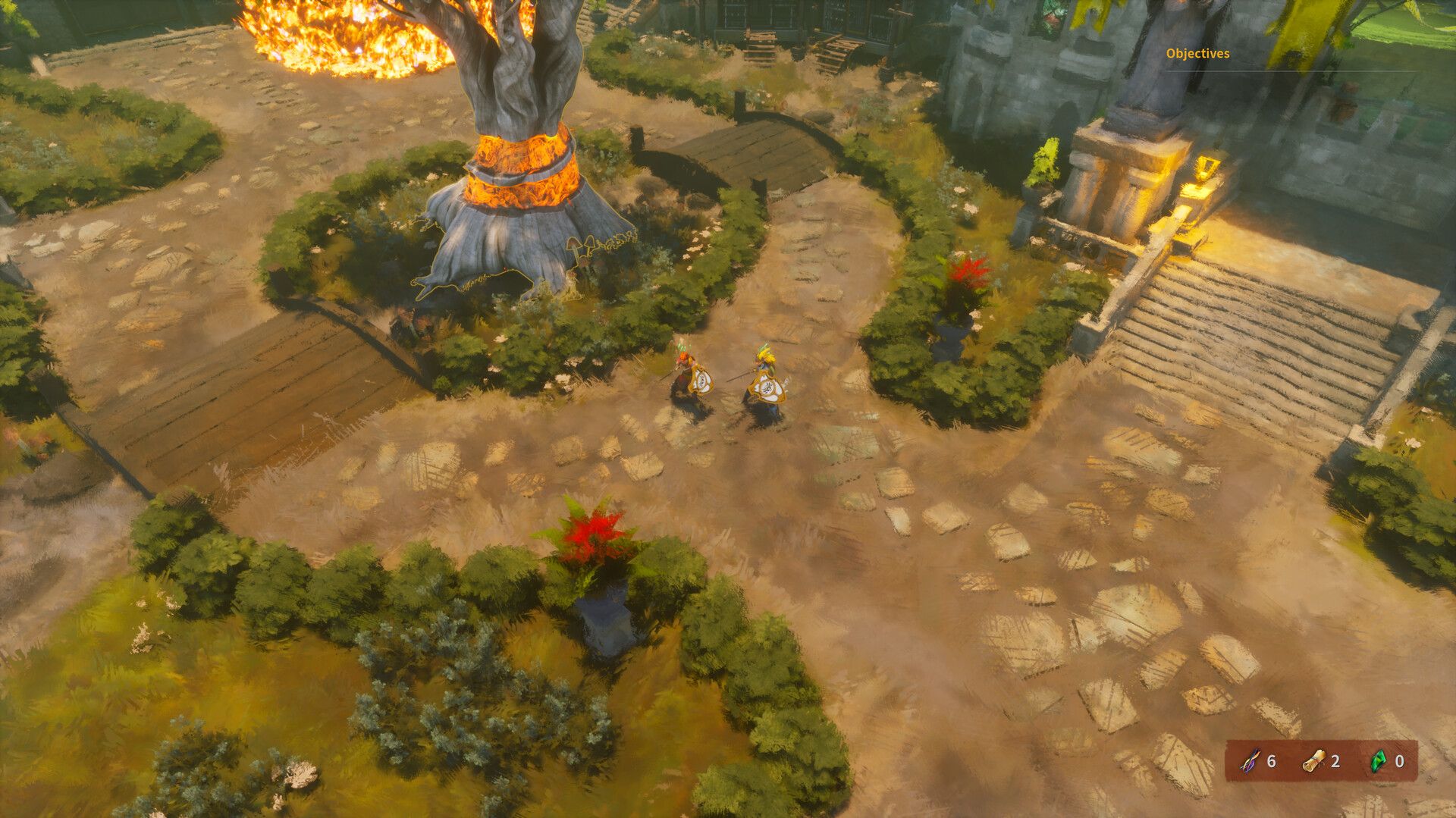
As a cinephile eagerly diving into the world of video games, let me share my thoughts on Stray Kite Studios’ captivating masterpiece, “Wartorn”. This game is an extraordinary fusion of two genres that seldom intertwine, drawing upon the pulse-racing, real-time strategy reminiscent of timeless classics like “Myth”, and infusing it with the irresistible, unpredictable replayability of modern gems such as “Slay the Spire”.
In “Wartorn”, players find themselves leading an ensemble of fantasy-infused units. Each run offers a chance to upgrade these troops with roguelike enhancements, ensuring each playthrough feels distinct and invigorating. But it’s not merely our forces that evolve – the enemy compositions and random events also ensure that every run presents a fresh and dynamic challenge.
So if you’re seeking a gaming experience that combines the best elements of strategy and unpredictability, “Wartorn” is a must-play!
As a passionate gaming enthusiast, I recently had the privilege to chat with Paul Hellquist, the visionary Co-Founder of Stray Kite Studios, who’s best known for his work as Creative Director on Borderlands 2 and lead design in BioShock. We delved deep into all things Wartorn.
Hellquist shared insights about how the gaming landscape has evolved throughout the years, revealing the impact of his past projects on the creation of Wartorn, and highlighting the unique elements that shape its captivating identity. This conversation was skillfully condensed for brevity and clarity.
How Borderlands and BioShock Influenced Wartorn
As a Film Aficionado Speaks:
Over the course of my journey, I’ve certainly evolved in how I approach filmmaking. There were once principles that I held close, but as time passed and I gained more experience, I found myself deviating from them. For instance, I used to be quite rigid about adhering to a specific genre or style, but now I find myself blending elements from different genres to create something unique and fresh.
In the past, I might have been overly cautious about taking risks, but I’ve learned that sometimes, it’s those risks that lead to truly groundbreaking work. Of course, there are still certain fundamentals that remain important, like a strong narrative and compelling characters, but the way I go about achieving those elements has definitely changed over the years. It’s all part of growth and learning in this ever-evolving industry.
In a nutshell, I wouldn’t use the word “change” because it implies something entirely new; instead, I would say that it has developed or grown over time. Throughout my career, I’ve had the privilege of collaborating with exceptional designers and directors who have significantly contributed to my design perspective. My design journey commenced at Irrational, where I was enlightened about systemic game design and blending narrative with gameplay. Later, at Gearbox, I grasped the importance of pure entertainment. Presently, I strive to apply all that I’ve learned while simultaneously encouraging my team to bring their unique ideas to life within the scope of our games’ vision.
From among the games similar to Borderlands 2 and BioShock that you have contributed to, which one do you find particularly enlightening, leaving a significant impact on your learning experience?
Among all the projects I’ve been involved in, BioShock stands out as the first major AAA game I helped bring to life, and it was also my debut on an original intellectual property that successfully reached the market. This project challenged us in terms of design, setting, and creative direction, teaching me many valuable lessons that I still apply today.
In more conversational terms: What are your thoughts on how game design has evolved since you began your career in the 2000s? On a positive note, are there any elements that have remained constant during this time?
In my journey here, I’ve witnessed a significant transformation in AAA gaming. The level of detail and realism (fidelity) has soared, leading to an unexpected shift in design perspective. Back in the day, designers had more creative freedom because we didn’t need to present ideas with the same level of fidelity as today’s AAA games demand. Players were encouraged to engage with the designer’s vision beyond just the visuals, using their imagination more extensively.
Unfortunately, many innovative concepts have been discarded from beloved AAA games due to the challenges in delivering the visuals of these ideas up to par with the rest of the game’s standards. As a supporter, I can appreciate how this shift has impacted the gaming landscape and the creative processes behind it.
Consistently, it’s the exceptional quality of games that continues to impress me, along with the unwavering dedication of those responsible for their creation.
Interview Question: Since you have previous experience creating first-person shooter games like Wartorn, is it accurate to say that the design of Wartorn contains any specific influences from those earlier games, in terms of lessons learned or design principles?
Absolutely! I’m a firm believer in aligning game mechanics with narrative, as demonstrated by BioShock. For instance, in Wartorn, there’s a feature that allows you to pause the game action for better strategic planning. This is primarily for gameplay and accessibility purposes. However, I felt it was crucial to weave this mechanic into our story. In our game, heroes receive an enigmatic hourglass early on, which, when flipped, manipulates time – linking a key gameplay aspect to our storytelling.
In simpler terms, the lessons I’ve learned from playing Borderlands games are being applied here. My familiarity with the loot system in those titles is helping shape how resources and key story elements are managed within our own loot system.
1. Procedural Generation: The ability to randomly generate levels and items, ensuring each playthrough is unique and challenging.
2. Permadeath Mechanic: A risky-reward system where player characters can die permanently, encouraging careful decision-making and resource management.
3. Strategic Depth: Offering a deep and engaging gameplay experience by providing multiple ways to approach objectives and tactics for players to master.
4. Progression Systems: Implementing systems that allow players to upgrade their characters and unlock new abilities over time, fostering a sense of growth and accomplishment.
5. Replayability: Ensuring the game has enough content and variables to keep players engaged and coming back for more, even after multiple playthroughs.
In every project I’m involved with, we pinpoint key visual and emotional elements we aim to create, which are often associated with specific sentiments we want to stir in the players. For Wartorn, these are raw intensity, personal connection, and strategic ingenuity.
In simpler terms, we first focus on creating an appealing aesthetic experience, and then develop game mechanics that encourage player actions (dynamics) which ultimately make players feel immersed within this aesthetic.
Influenced significantly, Brutal shaped the overall mood of numerous narrative events and other parts of the story. It introduced elements such as graphic violence, including scenes of dismemberment, and also presented a theme about helping refugees regain hope.
In my perspective as a creator, a deep sense of intimacy pervades the bond shared by our protagonists, Yara and Elani, along with their longing for their family. This emotional connection not only shapes their relationships but also influences several aspects of gameplay, such as camera placement during battles, the number of squads I enable you to command, and the naming of each squad – a personal touch aimed at immersing you further into their world.
In a more user-friendly way, the game’s design incorporates clever combinations and features similar to rogue-lites that enable players to create their unique strategies or “builds,” making them feel like they are uncovering hidden aspects of the game to enhance their power levels.
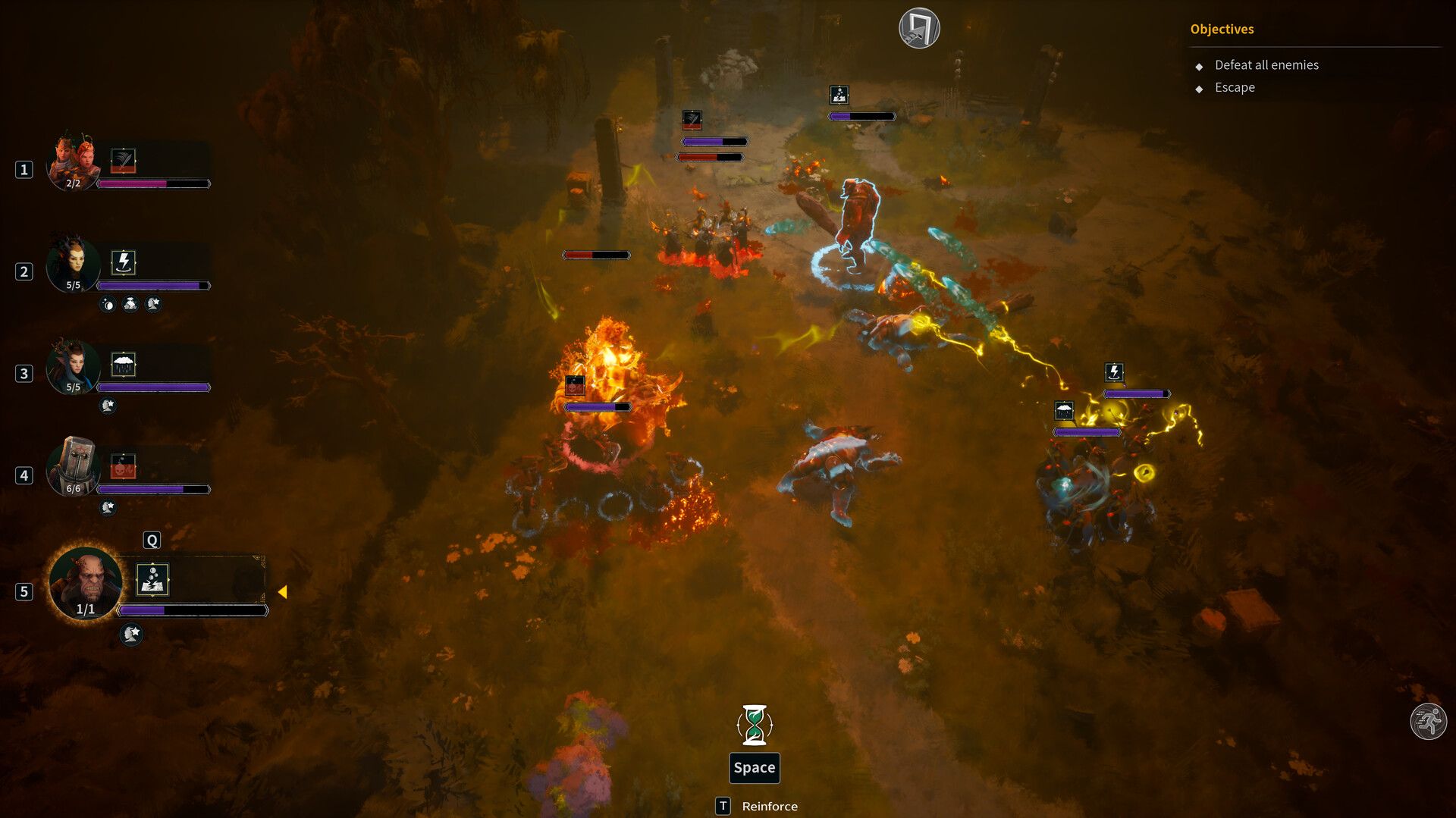
Game Insight: Can you share the story behind the conception of War torn? Had the concept been on your creative wishlist for quite some time?
The concept evolved from various perspectives, having spent a considerable amount of time refining an alternate version of the game previously. This version was multiplayer and free to play. Upon revisiting it, we recognized that certain aspects were being developed to appease a potential publisher rather than our genuine creative vision. As a result, we shifted the entire design toward a rogue-lite tactics game. Our team is particularly fond of rogue-lite games due to the impact every choice has on the final outcome and the development they foster – not just in terms of equipment and stats, but also in the player’s skill level.
Initially, we moved forward and began incorporating aspects such as a world devastated by war to provide a backdrop for the combat, yet we aimed to create something more than just a depiction of the conflict itself. Instead, our focus was on portraying people enduring the war, striving to reunite their family amidst the chaos. This evolution eventually led us to incorporate gameplay elements reminiscent of the Oregon Trail road trip, and in that moment, we recognized we had something distinct and unique.
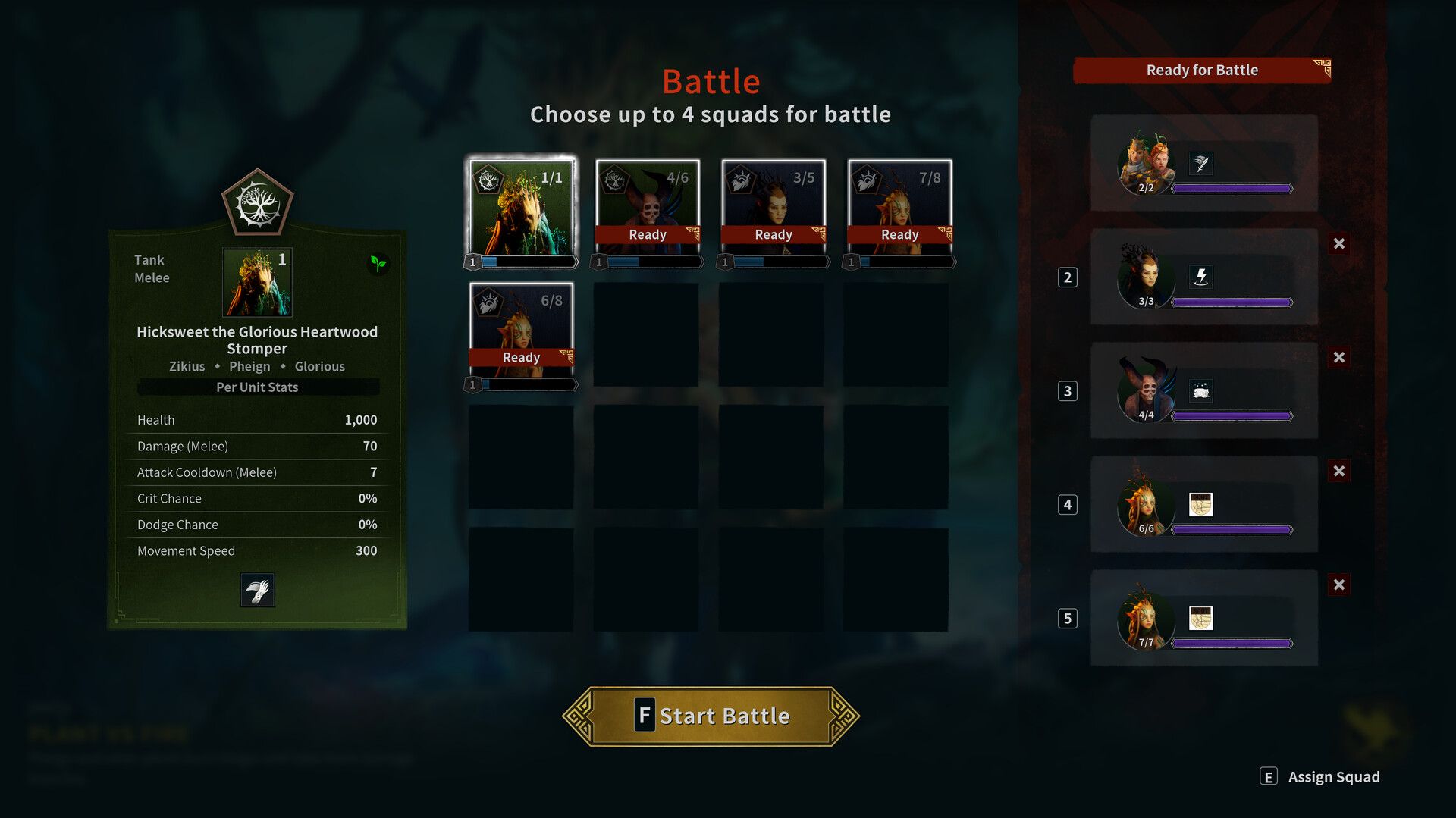
Discussion on Warthorn: Were there crucial elements to nail down in this game? Is there a key feature that truly embodies its essence?
As a devoted cinephile, experiencing the raw, intense battle sequences reminiscent of ‘Myth: The Fallen Lords’ was a top priority for me. Moreover, I yearned for a more personal combat system that would allow me to cultivate my squads over time, creating a bond with them as they evolved alongside me on this shared journey.
Following that, it’s crucial to harmonize the narrative part of the game with its combat sequences. To tell you the truth, we are collaborating on this task with our community, but we haven’t quite hit the mark yet. This is a key area of concentration for us during Early Access, as we strive to create something unique while learning along the way.
When it comes to Wartorn, compared to other projects I’ve been involved with, what made it stand out during the development process?
In comparison to other games I’ve worked on, what were some unique aspects that came up when developing Wartorn?
For the first time, I’m venturing into designing a strategy game, having been an avid player of these games throughout my life. However, my professional journey has primarily been focused on action and FPS genres. Consequently, this new endeavor presents unique challenges: a fresh approach to prioritizing aspects, handling perspectives I haven’t encountered before, and so forth. Fortunately, I am fortunate to work with an excellent team who will help navigate these uncharted waters.
In the past, I’ve gained experience working on strategy games. Now, I’m utilizing that knowledge to enhance my skills in those specific areas.
Wartorn’s Roguelite Replayability
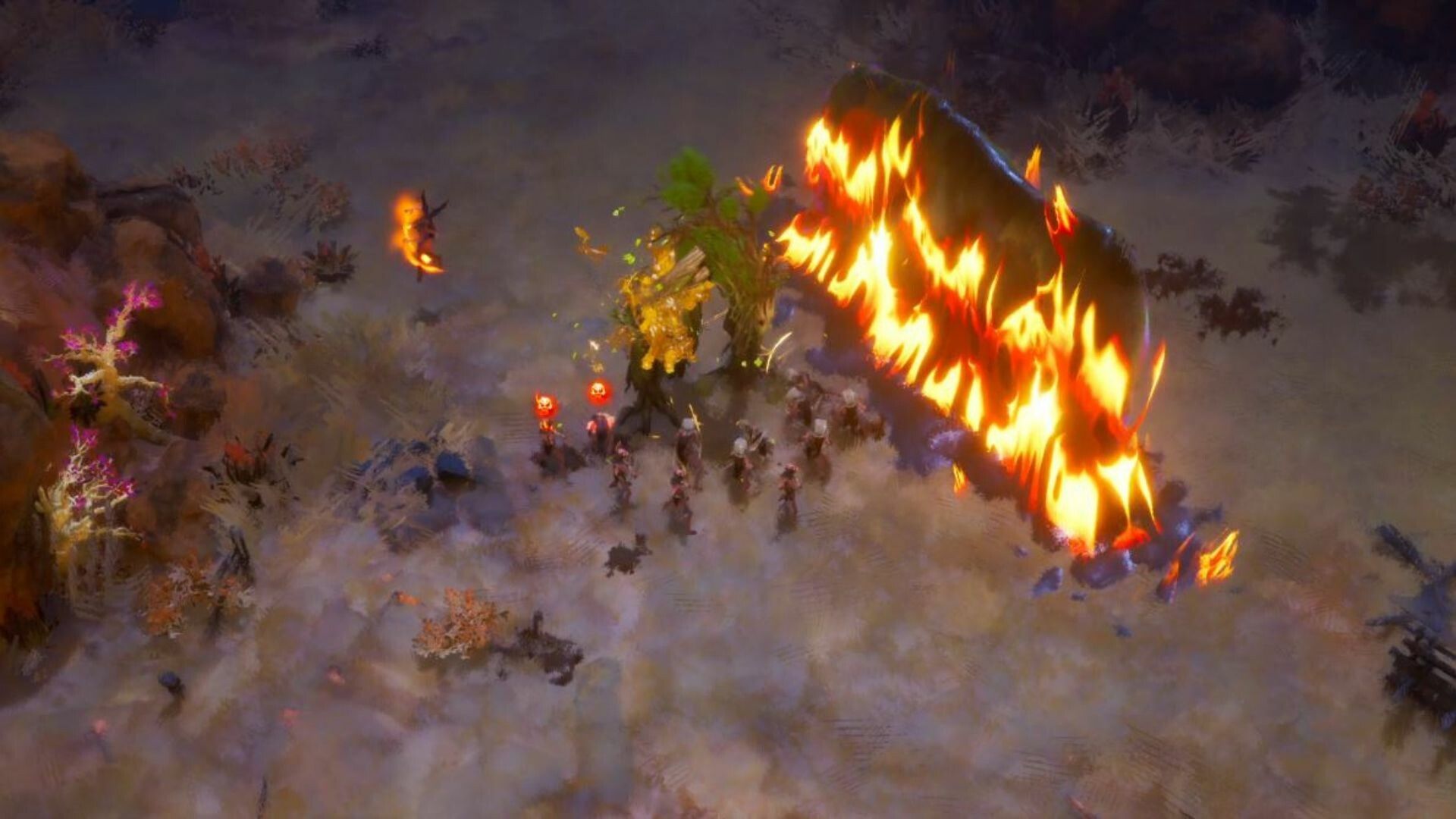
How have you designed the repeat playability of the game Wartorn, considering it’s a roguelike? What strategies do you employ to keep each game session unique and engaging?
Drawing inspiration from diverse sources, our game offers a variety of items to gather during your journey and invest wisely to boost your abilities. This could range from enhancing your characters’ weapons, learning new spells, adding to your character’s family tree, or upgrading your overall battle units.
Subsequently, various incidents and interactions occur during travel. These events don’t always happen in a specific sequence, and each one can lead to multiple outcomes. This motivates players to delve into these events to uncover all potential results. The more information gathered, the wiser decisions one can make in the future.
In my opinion, as a cinephile, I must say that the strategic combat scenes in this game are consistently engaging due to their unpredictable nature. Each playthrough presents a fresh challenge, with varying enemy configurations and your own caravan’s composition altering with every new run. It keeps the experience dynamic and exciting!
Although the overall structure of the map remains consistent, the various roads offer diverse possibilities. At each intersection, players are presented with fresh decisions about which direction to choose.
All this said, I still think this is an area that we can continue to improve during Early Access.
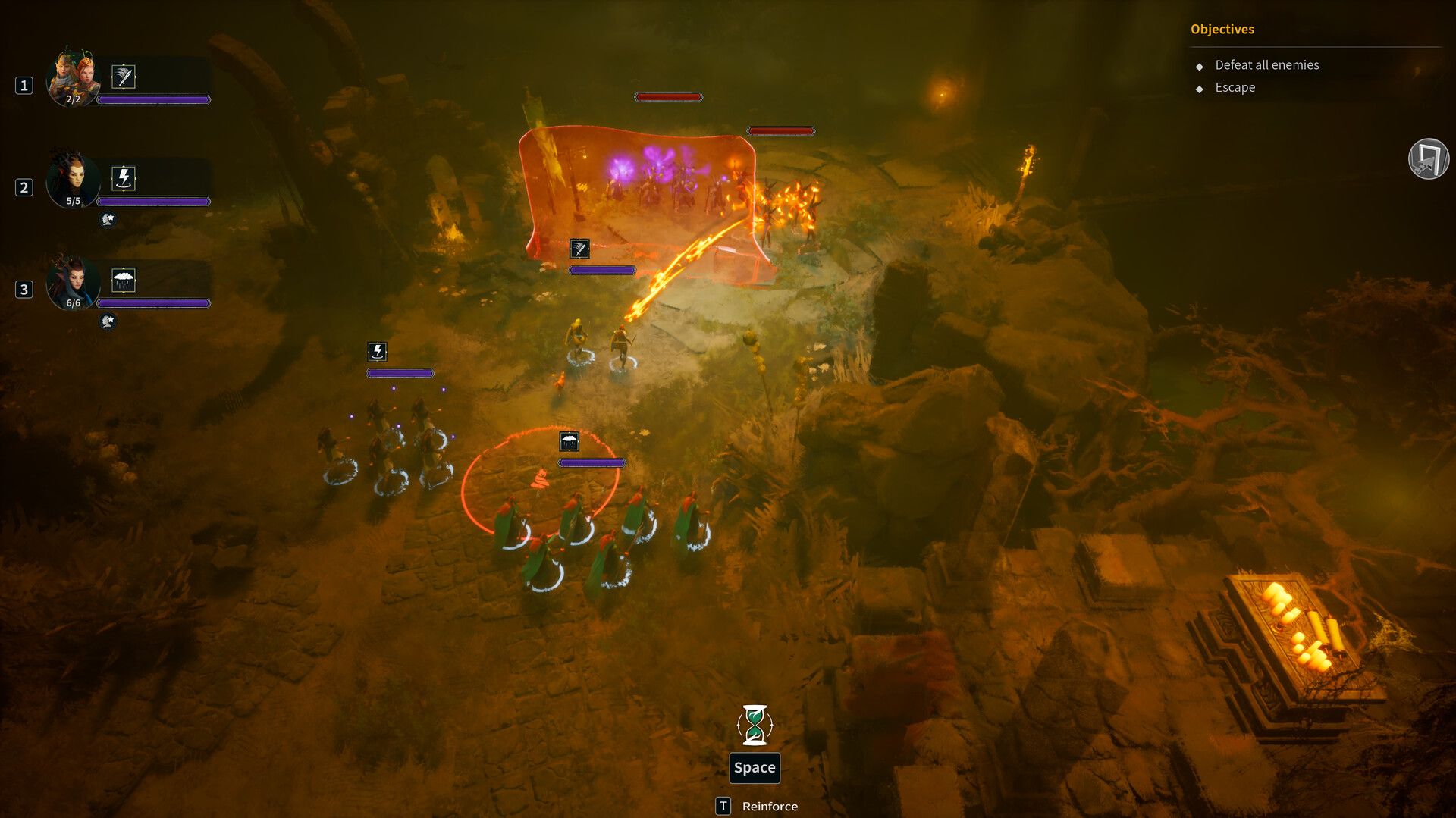
Could it be that there are certain aspects within the game ‘Warthorn’ that required a significant amount of work to achieve, which might have gone unnoticed by players?
As I delved into this cinematic masterpiece, I noticed the artistically crafted visuals that seemed to take an extended period to refine and perfect their aesthetic appeal – a process I found myself patiently awaiting. However, I understand that such a meticulous approach may well be par for the course when it comes to creating something truly remarkable.
I’ve spent a significant amount of my work on developing the storyline, and I believe there are layers to it that players might not fully grasp. Often, certain interactions or conversations occur due to the state of the game at that moment, which can seem natural and intuitive in the flow of play. However, other players might miss these specific scenes because they didn’t encounter the same conditions as you did during their gameplay, resulting in a different presentation of that particular scene for them.
Have you ever tried out a concept or aspect in the game ‘Warhorn’ that eventually didn’t make it to the final version?
Initially, we conceived a concept where units could get injured on the battlefield, effectively becoming unavailable for the rest of the battle. However, after some time in the caravan, they would recover and be ready to fight again. This aspect was complex to explain, as it was often difficult to distinguish between a temporary “death” and permanent death, so we decided to remove it early in the development process.
Of course! This is the ideal design for injuries!
Game Rant: What’s next for you? Do you have future plans for Wartornor ideas for more games?
Wartorn is currently available in Early Access, and we’re thrilled to be taking Yara and Elani’s tale all the way to its conclusion. We’ll also be making ongoing improvements as we move towards version 1.0. Regarding future games, our creative well never runs dry – we have numerous concepts and some fascinating prototypes that we can’t wait to share with you soon! Keep an eye out for updates!
[END]
Read More
- The Limits of Thought: Can We Compress Reasoning in AI?
- Console Gamers Can’t Escape Their Love For Sports Games
- ARC Raiders Boss Defends Controversial AI Usage
- Top 8 UFC 5 Perks Every Fighter Should Use
- Top 10 Scream-Inducing Forest Horror Games
- Top 10 Must-Watch Isekai Anime on Crunchyroll Revealed!
- How to Unlock the Mines in Cookie Run: Kingdom
- Gold Rate Forecast
- Best Open World Games With Romance
- Where to Pack and Sell Trade Goods in Crimson Desert
2025-08-09 13:07