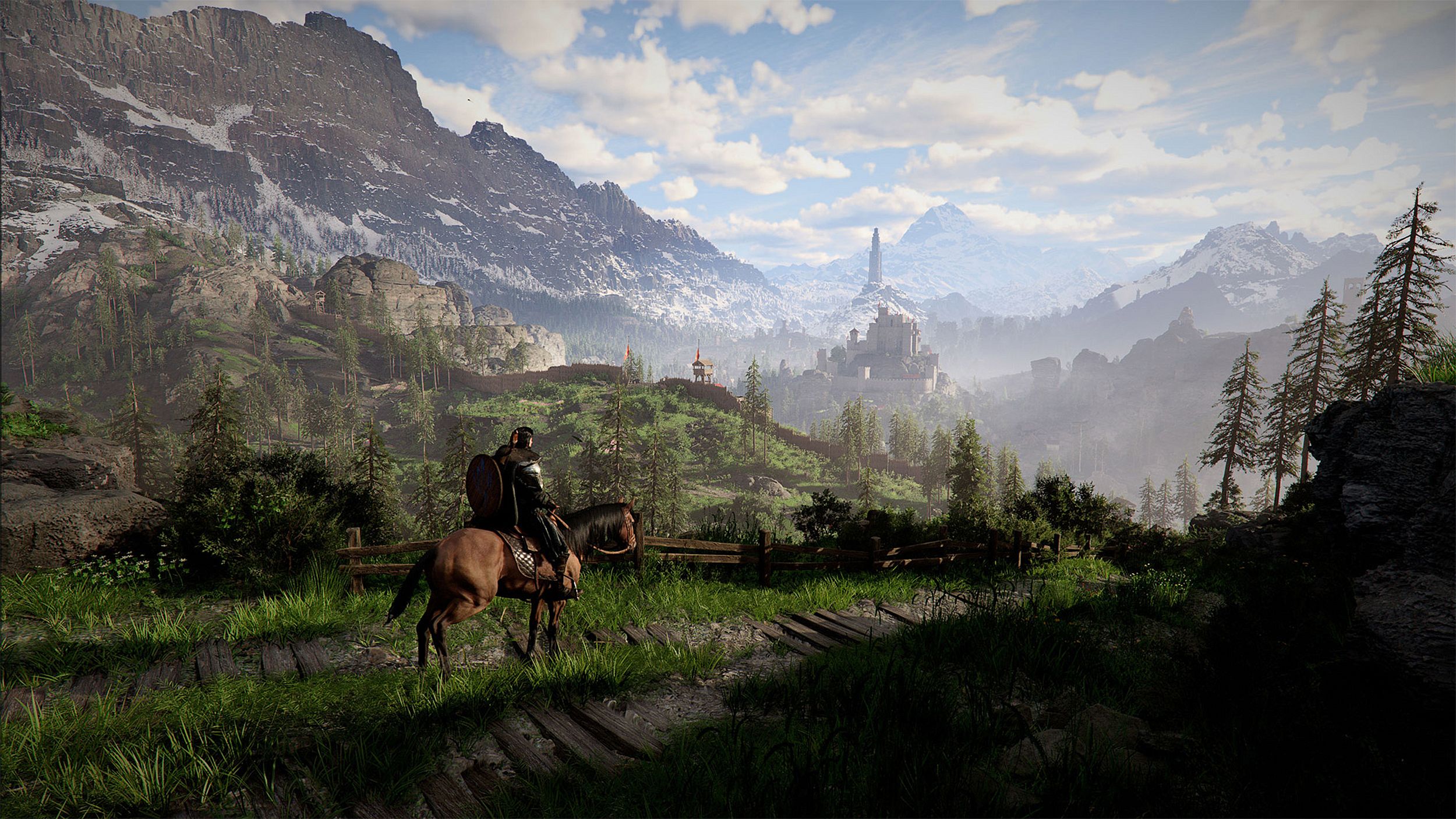
You’ve likely heard the story in Crimson Desert isn’t very good, and it’s true – it’s not great. However, it’s not the worst story I’ve ever seen, and honestly, I’ve stopped letting bad stories ruin games for me. The surprising thing about Crimson Desert is that even without a compelling story, it’s still a fantastic game. In fact, I think it might be the best open-world game I’ve ever played, because it truly nails the open-world experience, even if the story falls flat.
I usually play open-world games for the experience of exploring the world itself, with the story being secondary. However, the story in Crimson Desert is anything but secondary – it’s surprisingly complex. It took me a long time to realize it was essentially a revenge story, and it feels like the story was added just to have one. It’s disjointed, doesn’t quite pull all its ideas together, and sometimes feels confused. Despite all this, I – and many other fans – are willing to overlook the narrative flaws because the world design in Crimson Desert is so outstanding.
Crimson Desert Might Be the Most Sandboxy Sandbox Ever Made
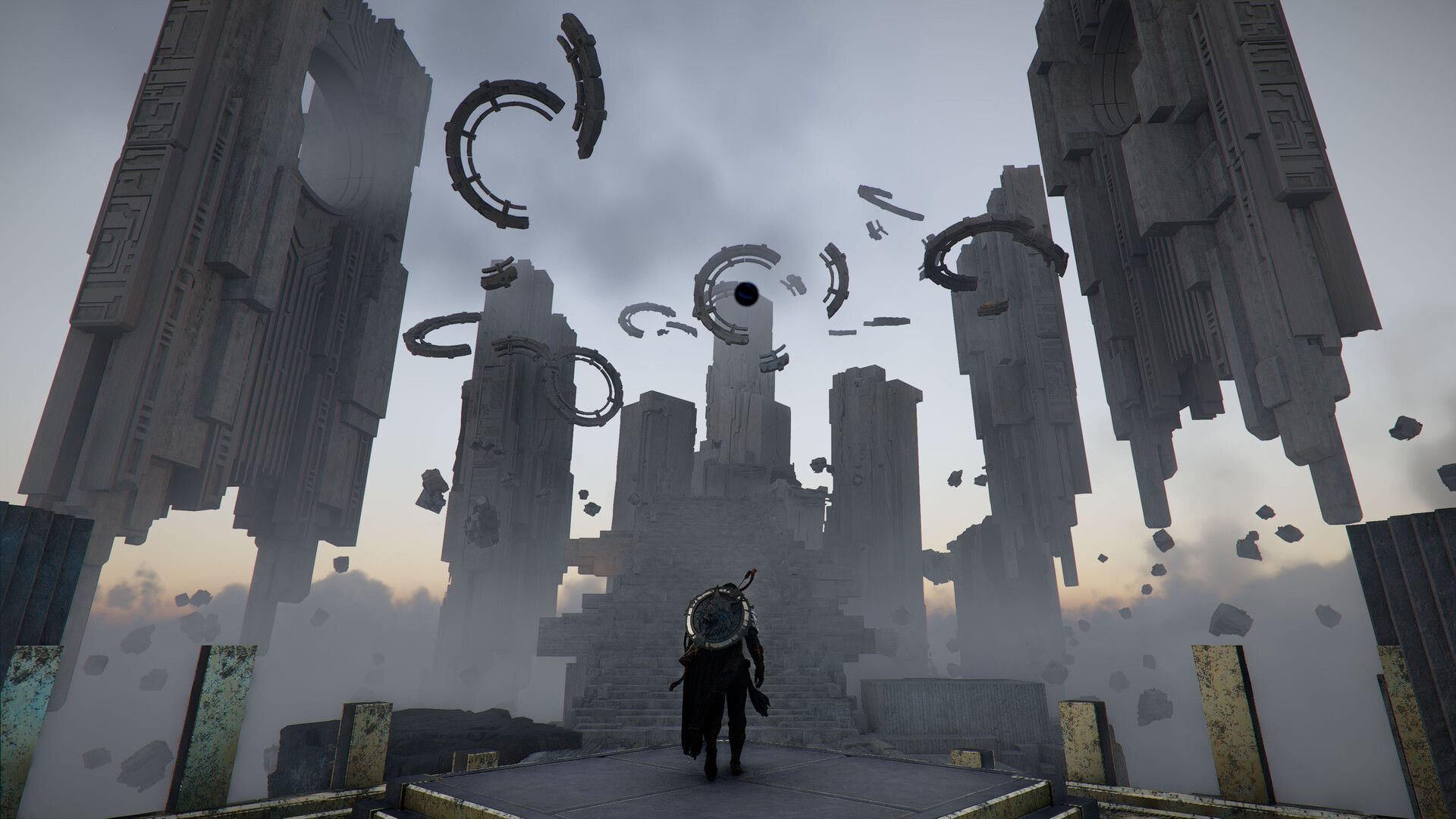
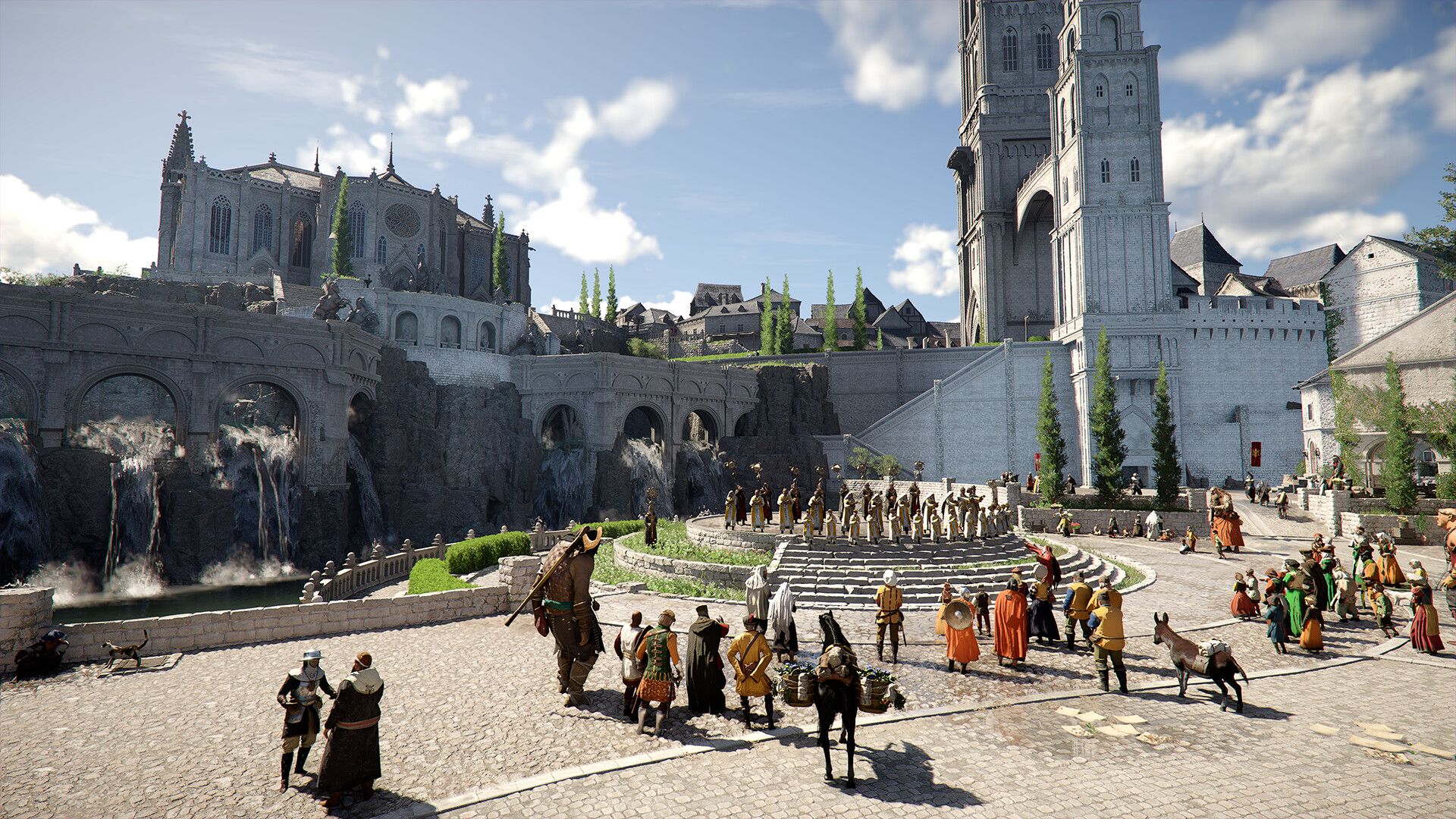
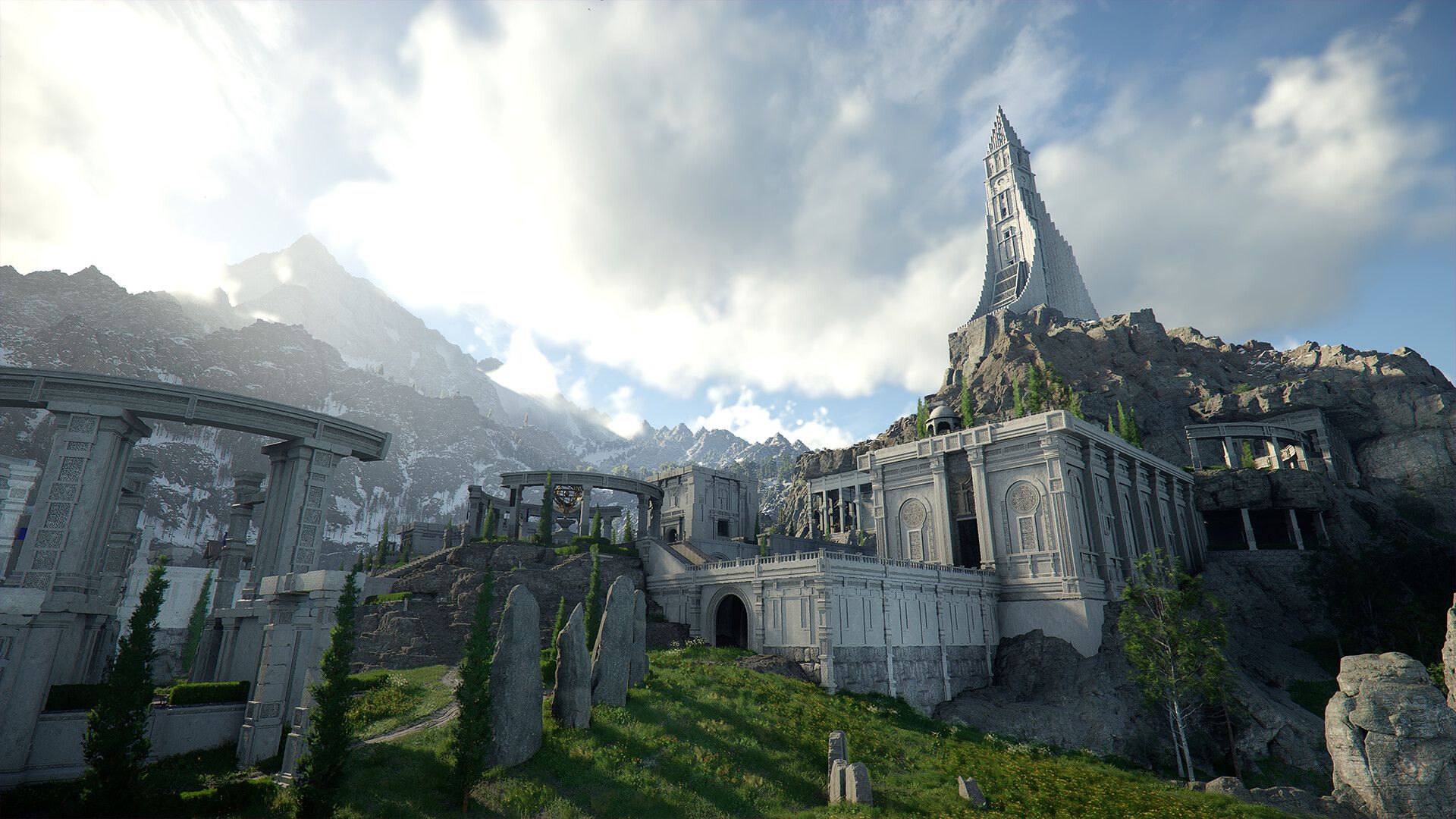
When I started playing Crimson Desert, I was already riding a cow within the first hour – and that really shows how much you can interact with the game world. Before the game came out, I was skeptical when Pearl Abyss talked about an “interactive world,” because I’d heard similar promises that didn’t pan out. But Crimson Desert completely exceeded my expectations. Even after just a few hours, it was clear there wasn’t anything else quite like it, and I wouldn’t be surprised if other developers use it as a model for true innovation in the future.
How Crimson Desert’s Sandbox Works
- FULL-WORLD ACCESS — Climb, glide, or reach nearly anything you can see.
- PHYSICS-BASED INTERACTIONS SYSTEM — Use the environment itself as tools or weapons.
- MULTIPLE COMBAT APPROACH OPTIONS — No single correct way to handle fights.
- DENSE SIDE ACTIVITY VARIETY — Fishing, crafting, hunting, and more fill the world.
- BASE-BUILDING CAMP SYSTEM — Upgrade and manage the Greymane camp over time.
- DYNAMIC CRIME CONSEQUENCES SYSTEM — Actions only matter if NPCs witness them.
- EMERGENT QUEST SOLUTION DESIGN — Objectives allow multiple player-driven solutions.
- EXPANSIVE TRAVERSAL TOOLSET OPTIONS — Mounts, climbing, and mobility shape exploration.
- PLAYER-DRIVEN EXPERIENCE STRUCTURE — The game avoids forcing a single path forward.
Looking at a feature list doesn’t really show how much freedom Crimson Desert offers in its open world, because many of those features – lots of activities, base building, and even crime systems – are common in other games. What makes Crimson Desert special isn’t what you can do, but how you can do it.
In Crimson Desert, the How Matters More Than the Why
Ultimately, what sets Crimson Desert apart is how the game world reacts to your actions. It’s more than just exploring – you’re constantly encouraged to interact with and change the environment. Think of the game’s rules as suggestions, much like the flexible tether Kliff uses with his Axiom Force ability – a tool similar to Ultrahand.
What makes Crimson Desert special isn’t the amount of content, but the freedom and flexibility in how you experience it.
Sometimes, Crimson Desert lets you pull off incredible things that feel like exploits, but surprisingly, they actually work. Even a game known for experimentation like Zelda: Tears of the Kingdom doesn’t offer the same level of freedom and possibility within its world.
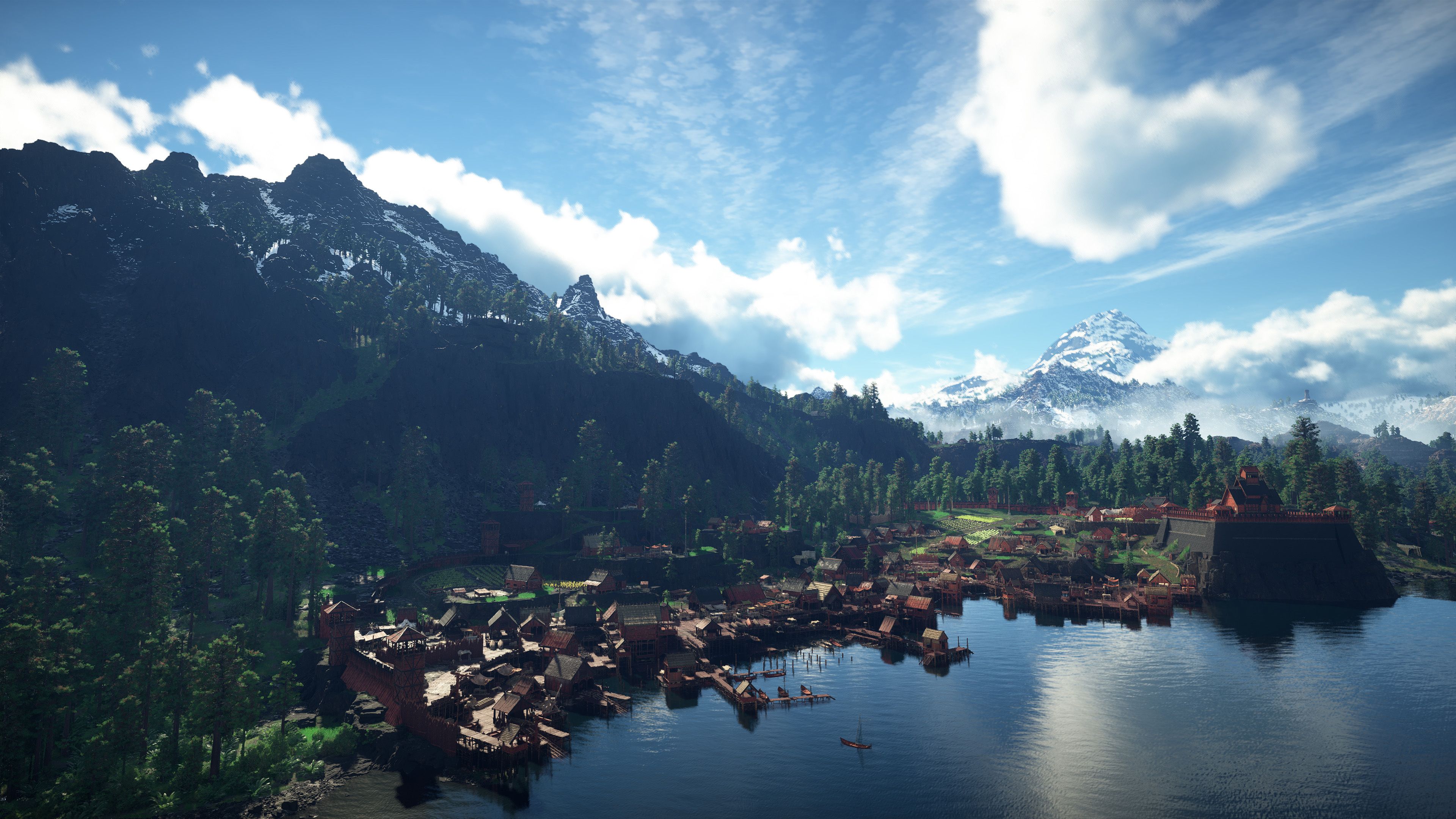
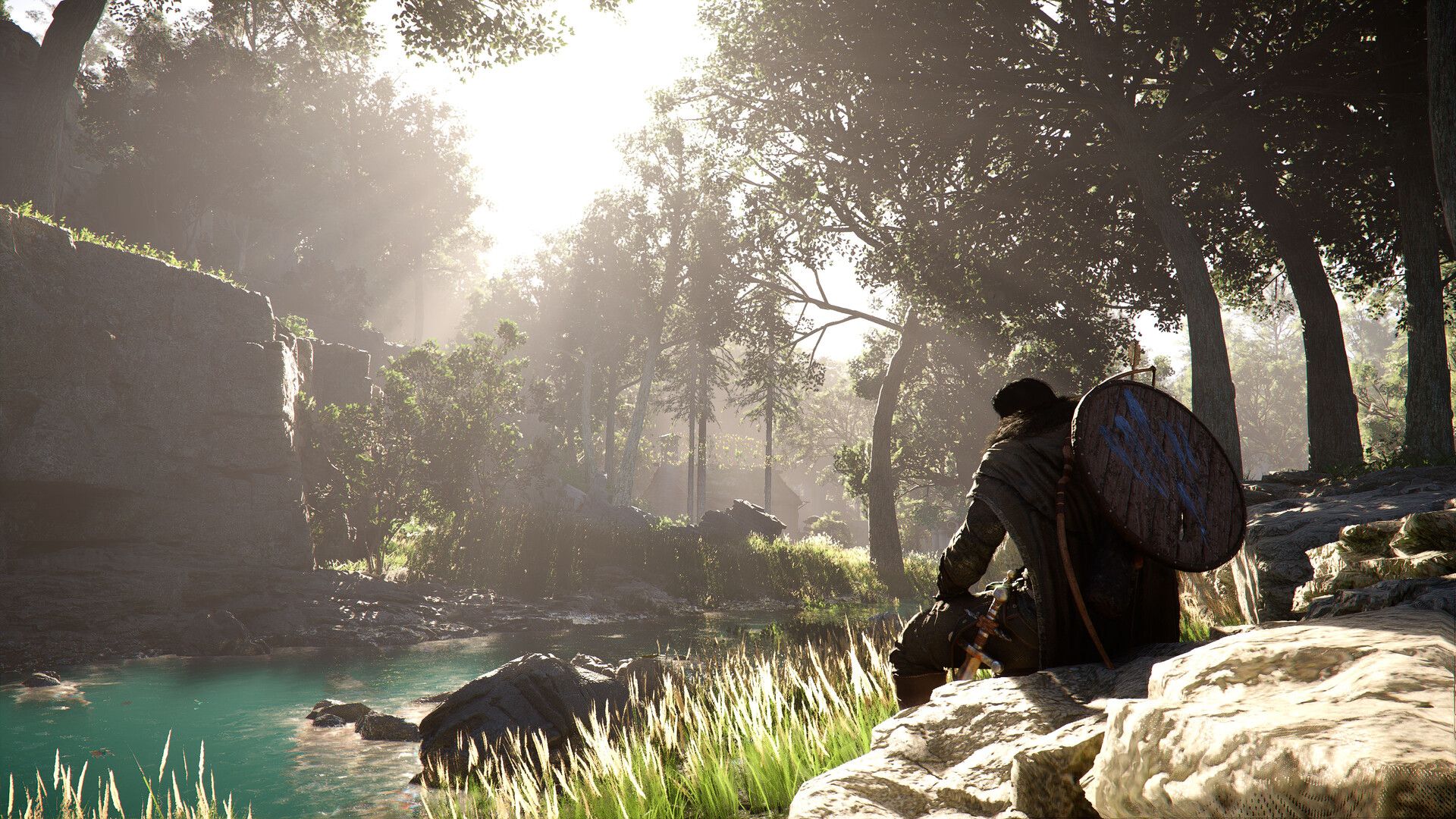
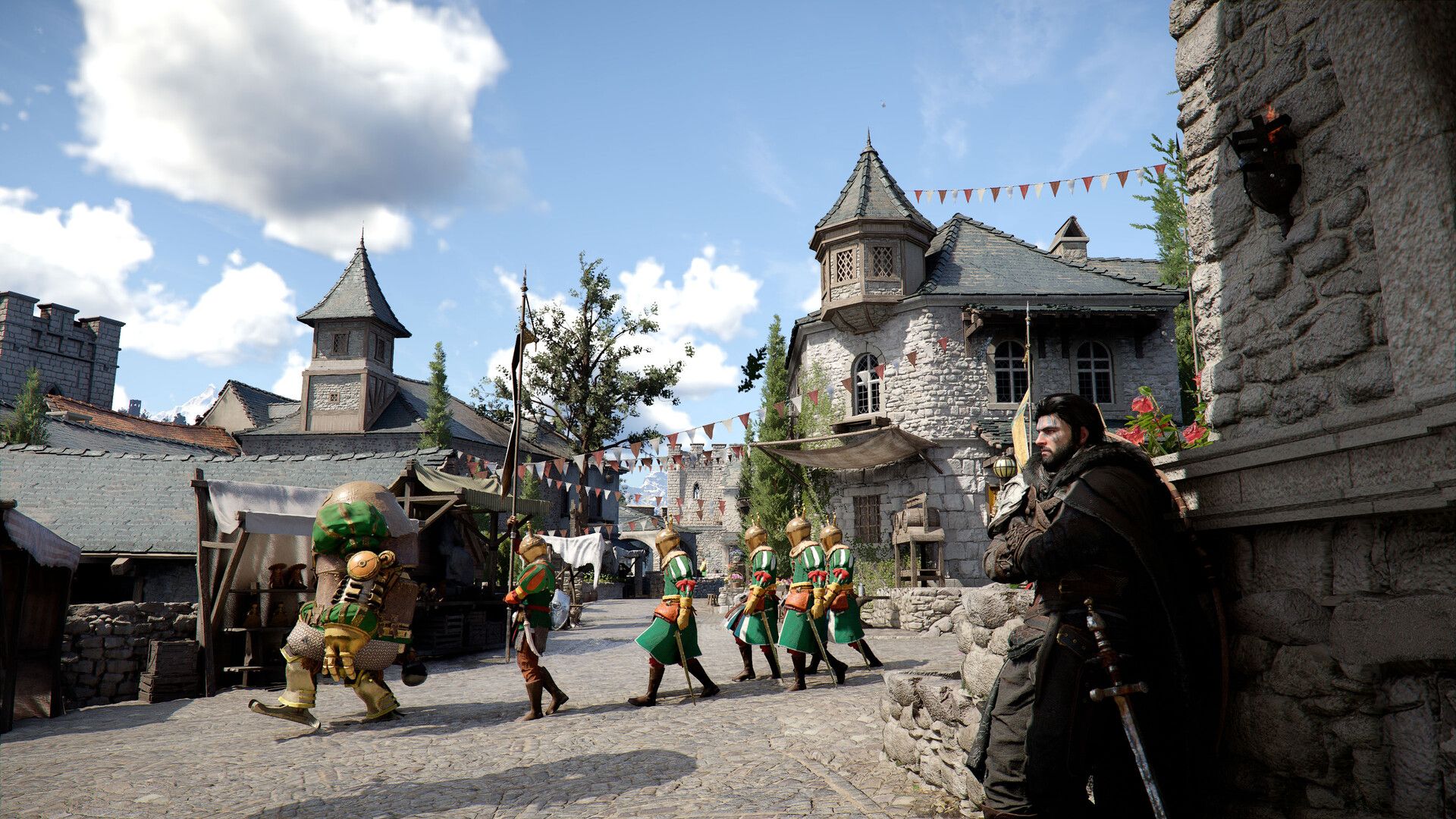
That’s why I’m happy to start the game without any specific goals in mind. I’ve lost count of how many times I’ve spent ages looking at the map, trying to decide what to do next, only to realize the best thing is to just dive in and explore. Crimson Desert isn’t about completing objectives; it’s about enjoying unexpected moments and letting the experience unfold naturally.
This game is full of surprises. You often start with a simple goal, but quickly find yourself doing all sorts of other things – and it doesn’t feel stressful at all. Many players say that exploring the world is so engaging that it distracts them from the main story, making the journey itself more rewarding than the original objective.
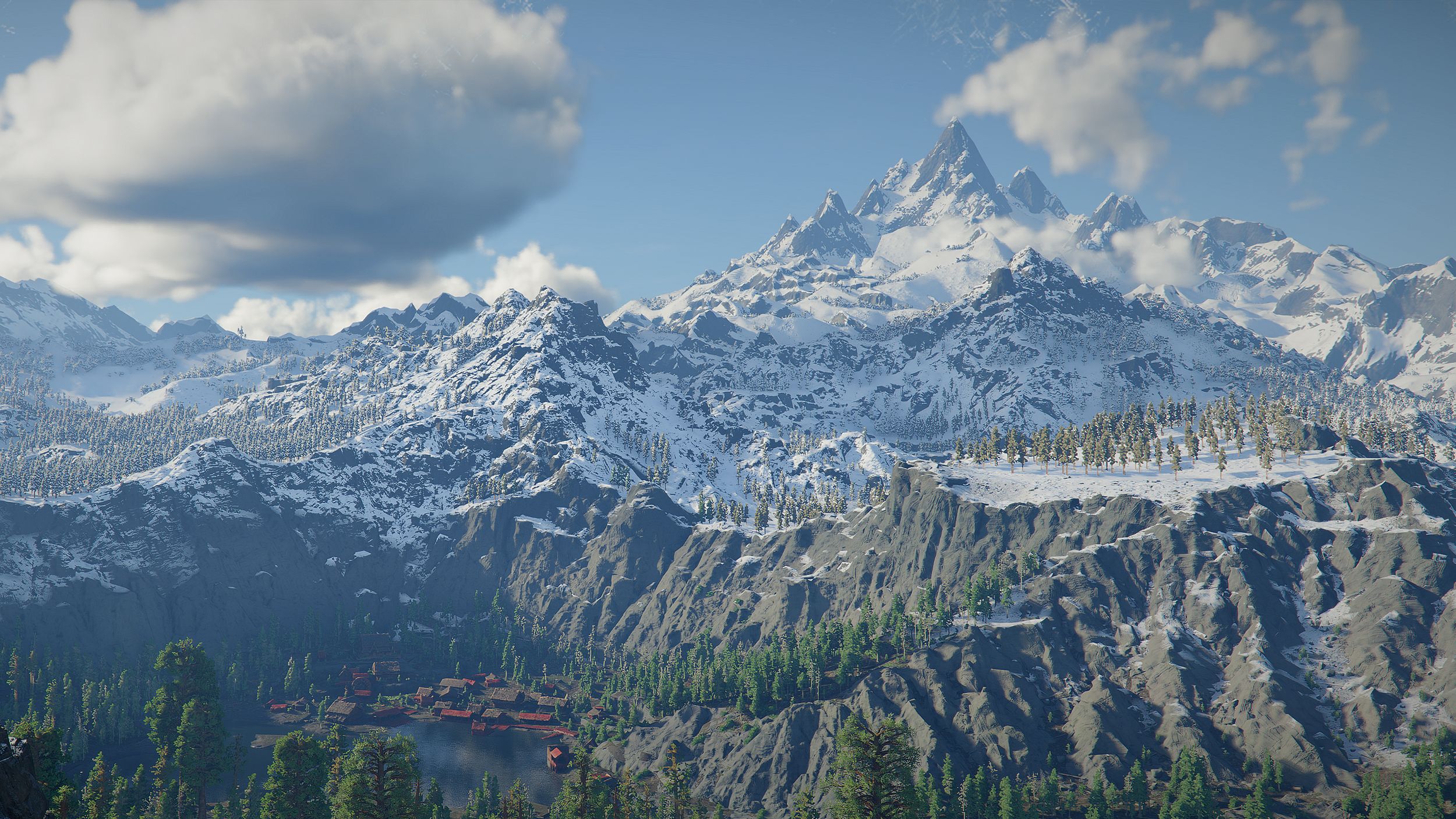
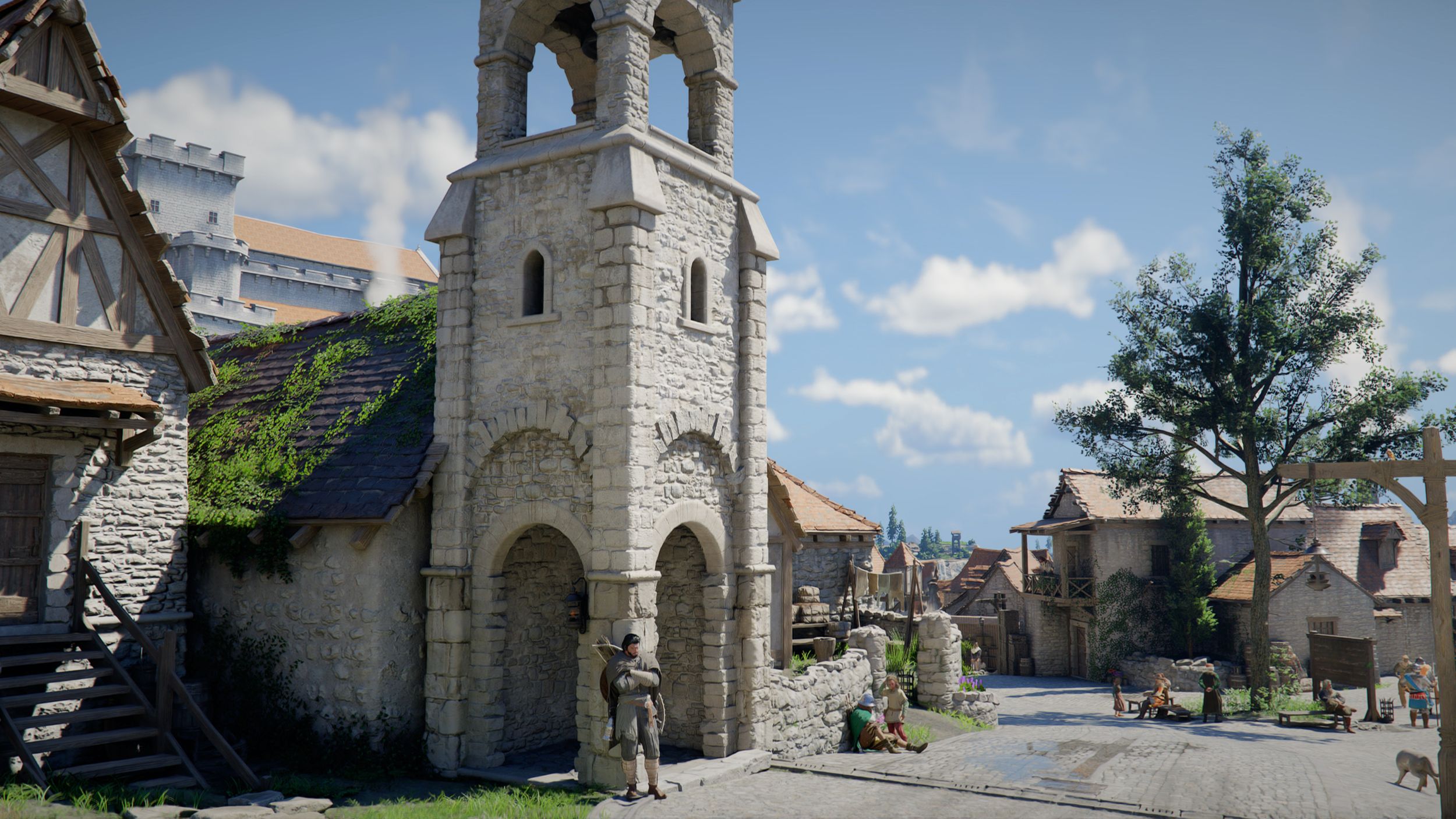
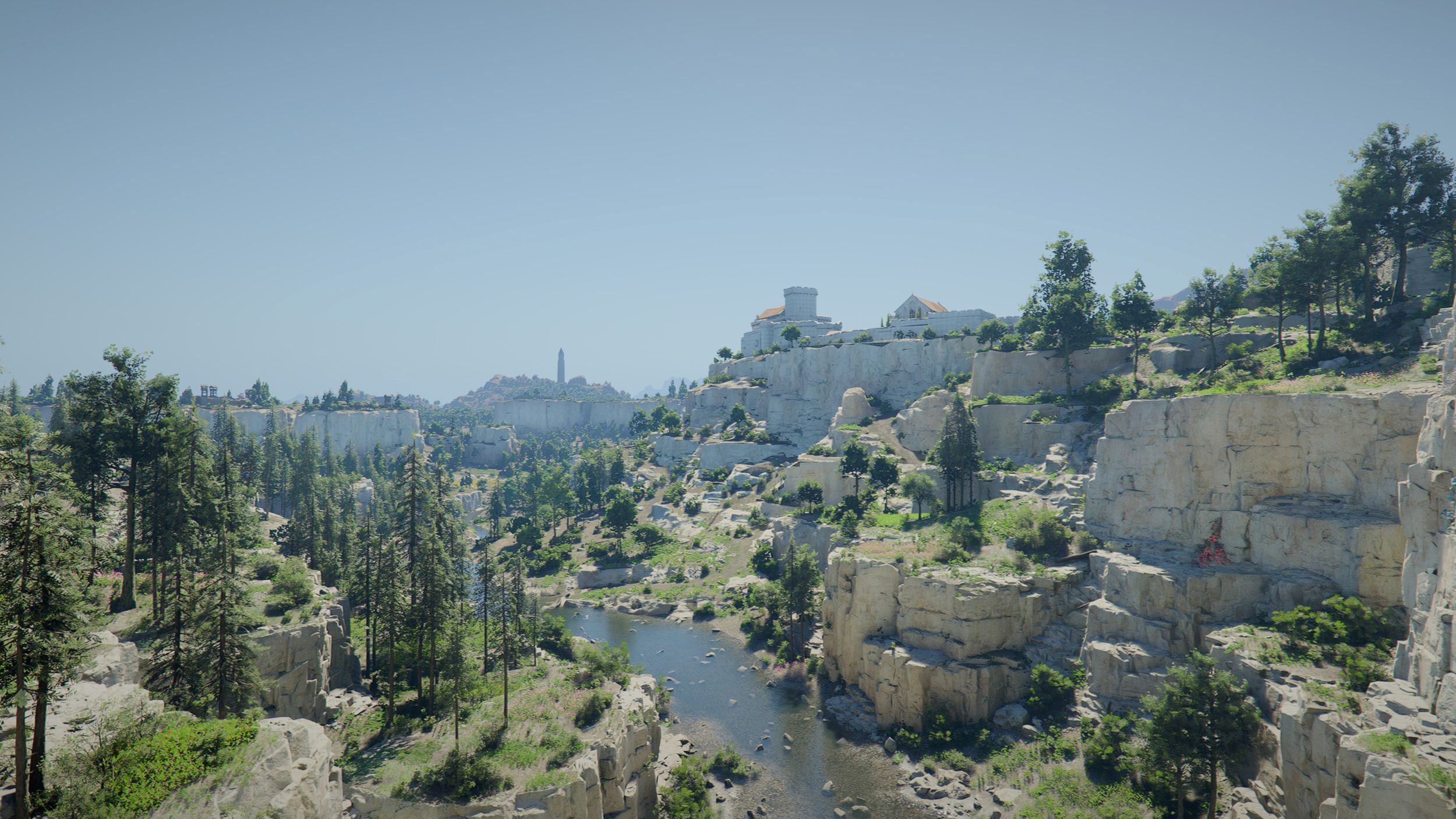
The story in Crimson Desert isn’t very good, but that’s almost beside the point. While a better narrative would definitely improve the game, it’s clear the developers weren’t aiming for a story-driven experience. The world is designed to encourage exploration and keep you occupied with things other than the main quest, so the game could likely have been successful even without a strong story. I often find myself completely forgetting there’s a narrative happening, and I suspect many other players do too.
Even a game as open-ended as Zelda: Tears of the Kingdom doesn’t offer the same level of freedom as Crimson Desert, where the world feels truly unscripted and full of possibilities.
Ultimately, that’s the core of what makes Crimson Desert enjoyable. While the game sometimes struggles to clearly explain why you’re doing things, it consistently succeeds in making you invested in the moment-to-moment gameplay. In a genre often focused on massive worlds and endless tasks, that’s a welcome change. When a world feels so reactive, surprising, and immersive, the overarching story becomes less important. What truly matters is that you want to return, not out of obligation, but because you’re genuinely curious about what will happen next.
Read More
- All Shadow Armor Locations in Crimson Desert
- How to Get the Sunset Reed Armor Set and Hollow Visage Sword in Crimson Desert
- Best Bows in Crimson Desert
- All Skyblazer Armor Locations in Crimson Desert
- All Golden Greed Armor Locations in Crimson Desert
- Wings of Iron Walkthrough in Crimson Desert
- Marni Laser Helm Location & Upgrade in Crimson Desert
- All Helfryn Armor Locations in Crimson Desert
- How to Craft the Elegant Carmine Armor in Crimson Desert
- Keeping Large AI Models Connected Through Network Chaos
2026-04-03 15:05